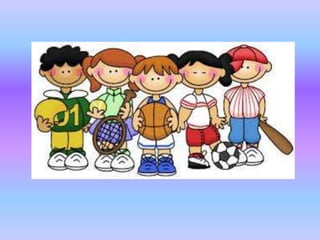
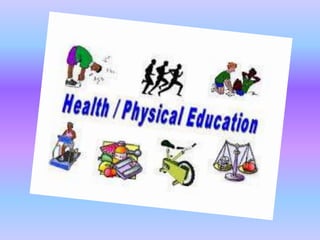
What is physical activity? 
Physical activity simply means movement 
of the body that uses energy. You can 
choose moderate or vigorous intensity 
activities, or a mix of both each week. 
Physical activity is any body movement 
that works your muscles and requires 
more energy than resting. Walking, 
running, dancing, swimming, yoga, and 
gardening are a few examples of 
physical activity.
Why is physical activity 
important? 
Physical activity and nutrition work 
together for better health. Being active 
increases the amount of calories burned. 
As people age their metabolism slows, so 
maintaining energy balance requires 
moving more and eating less.
Being physically active can 
help you: 
• Increase your chances of living longer 
• Feel better about yourself 
• Decrease your chances of becoming 
depressed 
• Sleep well at night 
• Move around more easily 
• Have stronger muscles and bones 
• Stay at or get to a healthy weight 
• Be with friends or meet new people 
• Enjoy yourself and have fun
What is health and 
physical education 
about? 
In health and physical education, the 
focus is on the well-being of the 
students themselves, of other people, 
and of society through learning in 
health-related and movement 
contexts.
Health 
Health is a state of complete 
physical, mental and social 
well-being and not merely the 
absence of disease or infirmity.
SPORT AND 
PHYSICAL 
ACTIVITY IS 
HEALTH
Difference 
The term "physical activity" should not 
be mistaken with "exercise". Exercise, is 
a subcategory of physical activity that is 
planned, structured, repetitive, and 
purposeful in the sense that the 
improvement or maintenance of one or 
more components of physical fitness is 
the objective.
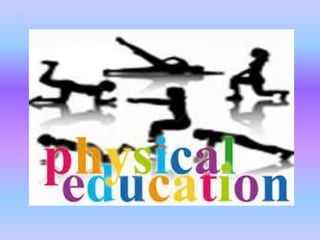
Strength after doing 
physical education 
Resistance training (also called strength 
training or weight training) is the use of 
resistance to muscular contraction to build 
the strength, anaerobic endurance and 
size of skeletal muscles.
Habits 
1. Promote healthy eating in your home. 
2. As a family, remind yourselves of the 
basic foods. 
3. Be aware of serving size. 
4. Make a distinction between ‘everyday’ 
and ‘sometimes’ foods. 
5. Establish healthy eating routines.
6. Praise children when they choose healthy 
foods. 
7. Make physical activity part of everyday 
life. 
8. Enjoy physical activity as a family. 
9. Give children – older children 
especially – opportunities to try different 
sports and ways to be active. 
10. Limit the time your child spends on 
screen-based activities.
11. Encourage your child to value his body 
for what it can do, rather than how it 
looks. 
12. Set a good example.
HEALTH AND PHYSICAL EDUCATION

HEALTH AND PHYSICAL EDUCATION

  • 2.
    What is physicalactivity? Physical activity simply means movement of the body that uses energy. You can choose moderate or vigorous intensity activities, or a mix of both each week. Physical activity is any body movement that works your muscles and requires more energy than resting. Walking, running, dancing, swimming, yoga, and gardening are a few examples of physical activity.
  • 4.
    Why is physicalactivity important? Physical activity and nutrition work together for better health. Being active increases the amount of calories burned. As people age their metabolism slows, so maintaining energy balance requires moving more and eating less.
  • 6.
    Being physically activecan help you: • Increase your chances of living longer • Feel better about yourself • Decrease your chances of becoming depressed • Sleep well at night • Move around more easily • Have stronger muscles and bones • Stay at or get to a healthy weight • Be with friends or meet new people • Enjoy yourself and have fun
  • 8.
    What is healthand physical education about? In health and physical education, the focus is on the well-being of the students themselves, of other people, and of society through learning in health-related and movement contexts.
  • 10.
    Health Health isa state of complete physical, mental and social well-being and not merely the absence of disease or infirmity.
  • 12.
    SPORT AND PHYSICAL ACTIVITY IS HEALTH
  • 14.
    Difference The term"physical activity" should not be mistaken with "exercise". Exercise, is a subcategory of physical activity that is planned, structured, repetitive, and purposeful in the sense that the improvement or maintenance of one or more components of physical fitness is the objective.
  • 16.
    Strength after doing physical education Resistance training (also called strength training or weight training) is the use of resistance to muscular contraction to build the strength, anaerobic endurance and size of skeletal muscles.
  • 17.
    Habits 1. Promotehealthy eating in your home. 2. As a family, remind yourselves of the basic foods. 3. Be aware of serving size. 4. Make a distinction between ‘everyday’ and ‘sometimes’ foods. 5. Establish healthy eating routines.
  • 18.
    6. Praise childrenwhen they choose healthy foods. 7. Make physical activity part of everyday life. 8. Enjoy physical activity as a family. 9. Give children – older children especially – opportunities to try different sports and ways to be active. 10. Limit the time your child spends on screen-based activities.
  • 19.
    11. Encourage yourchild to value his body for what it can do, rather than how it looks. 12. Set a good example.