 After completing his studies in Madrid,
Rizal went to Paris and Germany in order
to specialize in ophthalmology. He
particularly chose this branch of medicine
because he wanted to cure his mother’s
eye ailment. He serve as assistant to the
famous oculists of Europe. He also
continued his travels and observations of
European life and customs, government and
laws in Paris, Heidelberg, Leipzig, and
Berlin.
 In Berlin, capital of then unified
Germany. He met and befriended
several top German scientists, Dr.
Feodor Jagor, Dr. Adolph B. Meyer,
Dr. Hans Meyer, and Dr. Rudolf
Virchow. His merits as a scientist were
recognized by the eminent scientists of
Europe.
 In Gay Paris (1885-86). Shortly after
terminating his studies at the Central
University of Madrid, Rizal, who was
then 24 years old and already a
physician, went to Paris in order to
acquire more knowledge in
ophthalmology.
 On his way to Paris, he stopped at
Barcelona to visit his friend, Maximo
Viola, a medical student and a-member
of a rich family of San Miguel, Bulacan.
He stayed for a week, during which
time he befriended Senior Eusebio
Corominas, editor the newspaper La
Publicidad and made a crayon sketch of
Don Miguel Morayta, owner of La
Publicidad and statesman.
 Leading French ophthalmologist, from
November 1885 to February 1886. he
rapidly improved his knowledge of
ophthalmology, as revealed by his letter to
his parents on January 1, 1886. “with
respect to the study of the ailments of
the eyes,” he wrote, “I am doing well. I
know now how to perform all the
operations; I only need to know what is
going on inside the eye, which requires
much practice’’.
 Rizal as Musician
-music played an important part in all
Filipino reunions in Barcelona, Madrid,
Paris, and other cities of Europe. The
Filipino contemporaries of Rizal could
either play an instrument or sing.
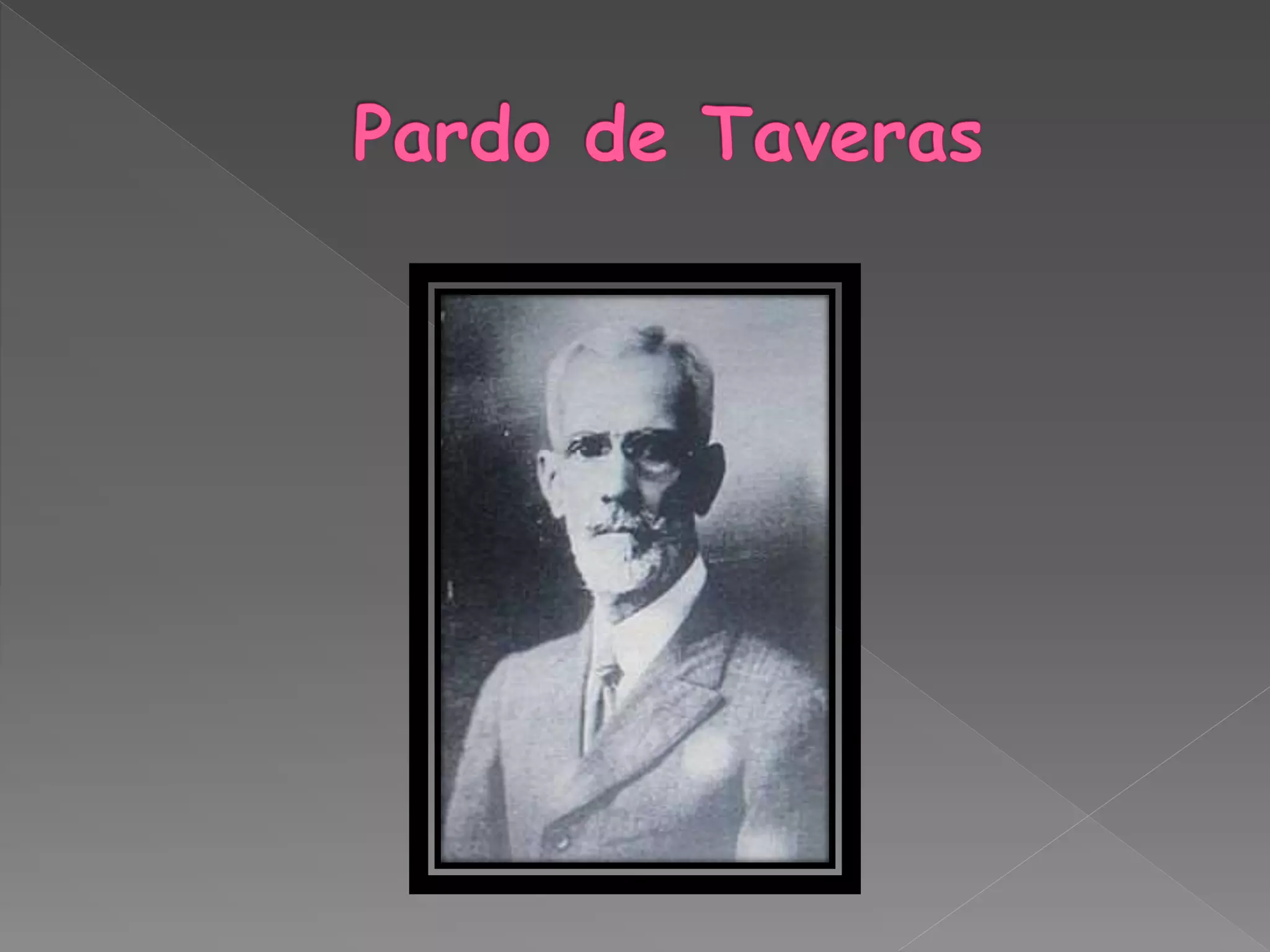
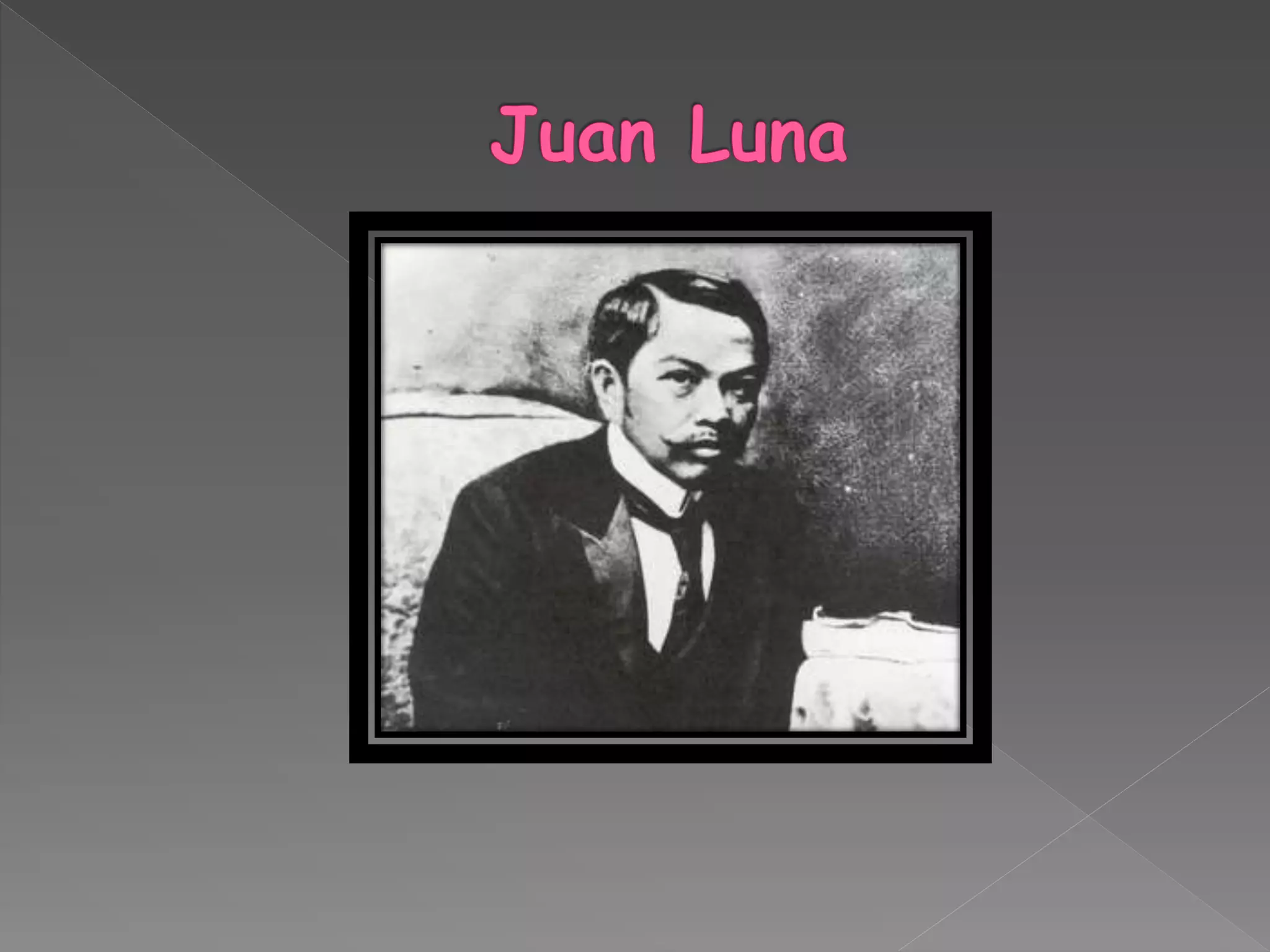
 Especially in the home of the Pardo de
Taveras and in the Luna studio, every
reunion was enlivened with the playing
or singings of the kundimans and other
Philippine melodies.
 Rizal has no natural aptitude of music,
and this he admitted.
 But he studied music because many of
his schoolmates at the Ateneo were
taking music lessons.
 Enrique Lete that ‘’he learned the
solfeggio, the piano, and voice culture in
one month and a half’’.
 However he confessed that he could not
sing well.
 ‘’if you could hear me sing’’, he wrote to
Lete, ‘’you would wish you were in Spain
because my voice is like the braying of
the asses’’.
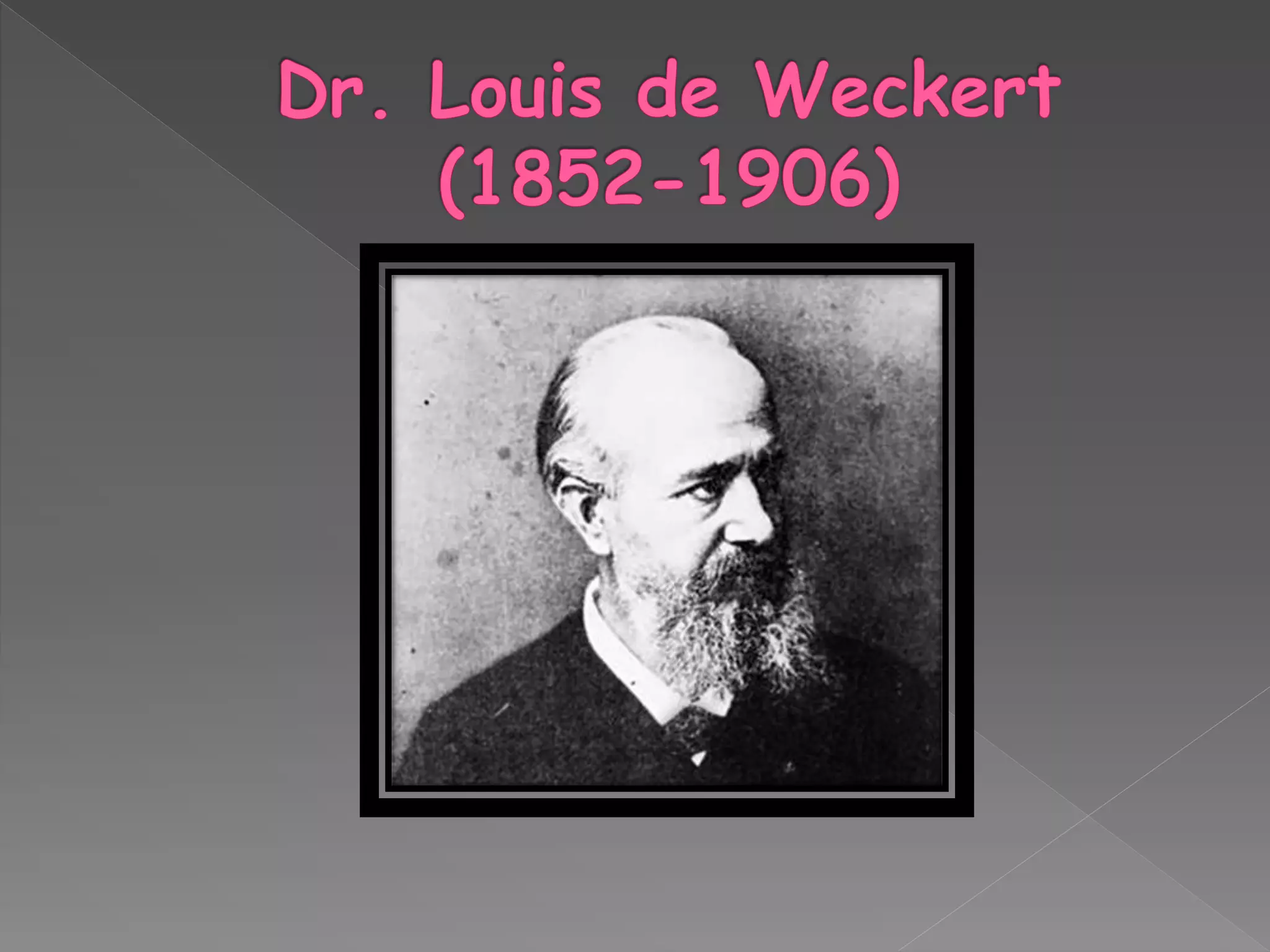
 After acquiring enough experience as an
ophthalmologist in Dr. weckert’s clinic,
Rizal reluctantly left gay Paris on
February 1, 1886 for Germany.
 He visited Strasbourg and other German
border towns.
 In the spring of 1886, Rizal was
fascinated by the blooming flowers along
the cool banks of the Neckar River.
Among them was his favorite flower---
the light blue ‘’forget me not’’.
 The beautiful spring flowers reminded
him of the blooming flowers of the
garden of his home in Calamba.
 In his mood of homesickness, he wrote
on April 22, 1886, a fine poem ‘’a Las
Flores de Heidelberg’’.
 On July 31, 1886 Rizal wrote his first
letter in German to Professor Ferdinand
Blumentritt, Director of the Ateneo of
Leitmeritz, Austria. He had heard of
this Austrian ethnologist and his
interest in the Philippine languages.
 Rizal was fortunate to be sojourning I
heidelberg when the famous University
of Heidelberg held its fifth centenary
celebration on August 6, 1886.
 It was three days before his departure,
and he was sad because hr had come to
love the beautiful city and its hospitable
people.
 On August 9, 1886, three days after
the fifth centenary celebration of the
University of Heidelberg, Rizal left the
city.
 He boarded a train , visited various
cities of Germany, and arrived in
Leipzig on August 14, 1886.
 Rizal was enchanted by Berlin because
of its scientific atmosphere and the
absence of race prejudice.
 In this city, he came in contact with
great scientists. He met for the first
time Dr. Feodor Jagor, celebrated
German scientist-traveler and author of
travels in the Philippines, a book which
Rizal read and admired during his
student days in Manila.
 Dr. Jagor, in return, introduced Rizal
to Dr. Rudolf Virchow, famous German
anthropologist, and the latter’s son, Dr.
Hans Virchow, professor of Descriptive
Anatomy. Rizal also met Dr. W. Joest,
noted German geographer. He worked in
the clinic of Dr. Karl Ernest
Schweigger, (1830-1905) famous
German ophthalmogist.
 In Berlin, Rizal was not a mere student
or a curious tourist. He lived in the
famous capital of unified Germany for
five reasons:
1. To gain further knowledge of
ophthalmology,
2. To further his studies of sciences and
languages,
3. To observe the economic had political
conditions of the German nation,
4. To associate with famous German
scientists and scholars, and
5. To publish his novel, Noli Me Tangere
 Rizal led a methodical and frugal life in
Berlin. By day, he worked as an
assistant in the clinic of Dr.
Schweigger, eminent German
ophthalmologist. At night, he attended
lectures in the University of Berlin.
 One of his important letters written
while he was in Germany was that
addressed to his sister, Trinidad, dated
March 11, 1886. in this letter, Rizal
expressed his high regard and
admiration for German womanhood.
 The German woman said Rizal to his
sister, is serious, diligent, educated,
and friendly. She is not gossipy,
frivolous, and quarrelsome like the
Spanish woman. She is not particular
about beautiful dresses and expensive
jewelry, though she could dress nicely
like any other woman in the world.
 Rizal regretted that in the Philippines,
the woman are more interested in how
they dress than in how much they know.
 He praised, however, the delicacy of
feeling, the fine manners, devotion and
hospitality of the Filipino women,
especially those in the provices who are
not yet sophisticated.
 Aside from the German women, Rizal
admired the German customs which he
observed well. It must be noted that he
was a keen observer of the customs of
the peoples in all the countries he
visited.
 He spent his leisure moments touring
the country sides around Berlin,
observing keenly the customs, dresses,
homes and occupations of the peasants.
 He made sketches of the things he saw.
 He also enjoyed promenading along
Unter den Linden, the most popular
boulevard of Berlin, sipping beer in the
city’s inns, and talking with the friendly
Berliners.
 Another interesting German custom
observed by Rizal is Self-introduction
to strangers in a social gathering.
 In Germany when a mans attends a
social function and finds that there is
to the guests, introduces himself and
shakes the hands of everyone in the
room.
 According to the German code of
etiquette, it is bad manners for a
guests to remain aloof, and wait for his
host or hostess to make the proper
introduction.
 Rizal spent winters in many temperate
countries. The winter of 1886 in Berlin
was his darkest winter.
 During this bleak winter, he lived in
poverty because no money arrived from
Calamba and he was flat broke.
 The diamond ring which his sister,
Saturnina, gave him was in the pawnshop.
He could not pay his landlord.
 He had to scrimp, eating only one meal a
day.
 And that daily meal consisted of bread and
water or some cheap vegetable soup. His
clothes were old and threadbare. He
washed them himself because he could not
afford to pay the laundry.
 Out in far away Calamba, Paciano tried
desperately to raise money.
 He knew his younger brother was in a
dire financial situation in Berlin.
 But the crops had failed due to the
ravages of the locusts.
 The sugar market collapsed. The time
was the essence, but poor Paciano was
delayed in raising the necessary funds.
 Meanwhile, Rizal starved in Berlin and
shivered with wintry cold.
 His health broke down due to lack of
proper nourishment.
 He began to cough, and he feared that
he was going to be sick with
tubercolosis.
 Never had he suffered such physical
blows of penury, so that his soul cried
out out in despair.

Rizal life and his works

  • 2.
     After completinghis studies in Madrid, Rizal went to Paris and Germany in order to specialize in ophthalmology. He particularly chose this branch of medicine because he wanted to cure his mother’s eye ailment. He serve as assistant to the famous oculists of Europe. He also continued his travels and observations of European life and customs, government and laws in Paris, Heidelberg, Leipzig, and Berlin.
  • 3.
     In Berlin,capital of then unified Germany. He met and befriended several top German scientists, Dr. Feodor Jagor, Dr. Adolph B. Meyer, Dr. Hans Meyer, and Dr. Rudolf Virchow. His merits as a scientist were recognized by the eminent scientists of Europe.
  • 8.
     In GayParis (1885-86). Shortly after terminating his studies at the Central University of Madrid, Rizal, who was then 24 years old and already a physician, went to Paris in order to acquire more knowledge in ophthalmology.
  • 9.
     On hisway to Paris, he stopped at Barcelona to visit his friend, Maximo Viola, a medical student and a-member of a rich family of San Miguel, Bulacan. He stayed for a week, during which time he befriended Senior Eusebio Corominas, editor the newspaper La Publicidad and made a crayon sketch of Don Miguel Morayta, owner of La Publicidad and statesman.
  • 13.
     Leading Frenchophthalmologist, from November 1885 to February 1886. he rapidly improved his knowledge of ophthalmology, as revealed by his letter to his parents on January 1, 1886. “with respect to the study of the ailments of the eyes,” he wrote, “I am doing well. I know now how to perform all the operations; I only need to know what is going on inside the eye, which requires much practice’’.
  • 19.
     Rizal asMusician -music played an important part in all Filipino reunions in Barcelona, Madrid, Paris, and other cities of Europe. The Filipino contemporaries of Rizal could either play an instrument or sing.
  • 20.
     Especially inthe home of the Pardo de Taveras and in the Luna studio, every reunion was enlivened with the playing or singings of the kundimans and other Philippine melodies.  Rizal has no natural aptitude of music, and this he admitted.
  • 21.
     But hestudied music because many of his schoolmates at the Ateneo were taking music lessons.
  • 22.
     Enrique Letethat ‘’he learned the solfeggio, the piano, and voice culture in one month and a half’’.  However he confessed that he could not sing well.  ‘’if you could hear me sing’’, he wrote to Lete, ‘’you would wish you were in Spain because my voice is like the braying of the asses’’.
  • 23.
     After acquiringenough experience as an ophthalmologist in Dr. weckert’s clinic, Rizal reluctantly left gay Paris on February 1, 1886 for Germany.  He visited Strasbourg and other German border towns.
  • 26.
     In thespring of 1886, Rizal was fascinated by the blooming flowers along the cool banks of the Neckar River. Among them was his favorite flower--- the light blue ‘’forget me not’’.
  • 27.
     The beautifulspring flowers reminded him of the blooming flowers of the garden of his home in Calamba.  In his mood of homesickness, he wrote on April 22, 1886, a fine poem ‘’a Las Flores de Heidelberg’’.
  • 28.
     On July31, 1886 Rizal wrote his first letter in German to Professor Ferdinand Blumentritt, Director of the Ateneo of Leitmeritz, Austria. He had heard of this Austrian ethnologist and his interest in the Philippine languages.
  • 29.
     Rizal wasfortunate to be sojourning I heidelberg when the famous University of Heidelberg held its fifth centenary celebration on August 6, 1886.  It was three days before his departure, and he was sad because hr had come to love the beautiful city and its hospitable people.
  • 30.
     On August9, 1886, three days after the fifth centenary celebration of the University of Heidelberg, Rizal left the city.  He boarded a train , visited various cities of Germany, and arrived in Leipzig on August 14, 1886.
  • 32.
     Rizal wasenchanted by Berlin because of its scientific atmosphere and the absence of race prejudice.  In this city, he came in contact with great scientists. He met for the first time Dr. Feodor Jagor, celebrated German scientist-traveler and author of travels in the Philippines, a book which Rizal read and admired during his student days in Manila.
  • 33.
     Dr. Jagor,in return, introduced Rizal to Dr. Rudolf Virchow, famous German anthropologist, and the latter’s son, Dr. Hans Virchow, professor of Descriptive Anatomy. Rizal also met Dr. W. Joest, noted German geographer. He worked in the clinic of Dr. Karl Ernest Schweigger, (1830-1905) famous German ophthalmogist.
  • 36.
     In Berlin,Rizal was not a mere student or a curious tourist. He lived in the famous capital of unified Germany for five reasons: 1. To gain further knowledge of ophthalmology, 2. To further his studies of sciences and languages, 3. To observe the economic had political conditions of the German nation,
  • 37.
    4. To associatewith famous German scientists and scholars, and 5. To publish his novel, Noli Me Tangere
  • 38.
     Rizal leda methodical and frugal life in Berlin. By day, he worked as an assistant in the clinic of Dr. Schweigger, eminent German ophthalmologist. At night, he attended lectures in the University of Berlin.
  • 39.
     One ofhis important letters written while he was in Germany was that addressed to his sister, Trinidad, dated March 11, 1886. in this letter, Rizal expressed his high regard and admiration for German womanhood.
  • 40.
     The Germanwoman said Rizal to his sister, is serious, diligent, educated, and friendly. She is not gossipy, frivolous, and quarrelsome like the Spanish woman. She is not particular about beautiful dresses and expensive jewelry, though she could dress nicely like any other woman in the world.
  • 41.
     Rizal regrettedthat in the Philippines, the woman are more interested in how they dress than in how much they know.  He praised, however, the delicacy of feeling, the fine manners, devotion and hospitality of the Filipino women, especially those in the provices who are not yet sophisticated.
  • 42.
     Aside fromthe German women, Rizal admired the German customs which he observed well. It must be noted that he was a keen observer of the customs of the peoples in all the countries he visited.
  • 43.
     He spenthis leisure moments touring the country sides around Berlin, observing keenly the customs, dresses, homes and occupations of the peasants.  He made sketches of the things he saw.  He also enjoyed promenading along Unter den Linden, the most popular boulevard of Berlin, sipping beer in the city’s inns, and talking with the friendly Berliners.
  • 44.
     Another interestingGerman custom observed by Rizal is Self-introduction to strangers in a social gathering.  In Germany when a mans attends a social function and finds that there is to the guests, introduces himself and shakes the hands of everyone in the room.
  • 45.
     According tothe German code of etiquette, it is bad manners for a guests to remain aloof, and wait for his host or hostess to make the proper introduction.
  • 46.
     Rizal spentwinters in many temperate countries. The winter of 1886 in Berlin was his darkest winter.  During this bleak winter, he lived in poverty because no money arrived from Calamba and he was flat broke.
  • 47.
     The diamondring which his sister, Saturnina, gave him was in the pawnshop. He could not pay his landlord.  He had to scrimp, eating only one meal a day.  And that daily meal consisted of bread and water or some cheap vegetable soup. His clothes were old and threadbare. He washed them himself because he could not afford to pay the laundry.
  • 48.
     Out infar away Calamba, Paciano tried desperately to raise money.  He knew his younger brother was in a dire financial situation in Berlin.  But the crops had failed due to the ravages of the locusts.
  • 49.
     The sugarmarket collapsed. The time was the essence, but poor Paciano was delayed in raising the necessary funds.  Meanwhile, Rizal starved in Berlin and shivered with wintry cold.  His health broke down due to lack of proper nourishment.
  • 50.
     He beganto cough, and he feared that he was going to be sick with tubercolosis.  Never had he suffered such physical blows of penury, so that his soul cried out out in despair.