Giving is a behaviour, not an
attitude
• A recovering adman
Who am I   • Student again
           • Innovation Consultant
• I love technology
                • Ive never worked with a
                  charity
Why am I here   • It’s a part of my adman
                  recovery
                • I think charities can work
                  best on behaviour
A couple of behavioural
                       questions to ask
What I can offer      yourself and a few
                            ideas
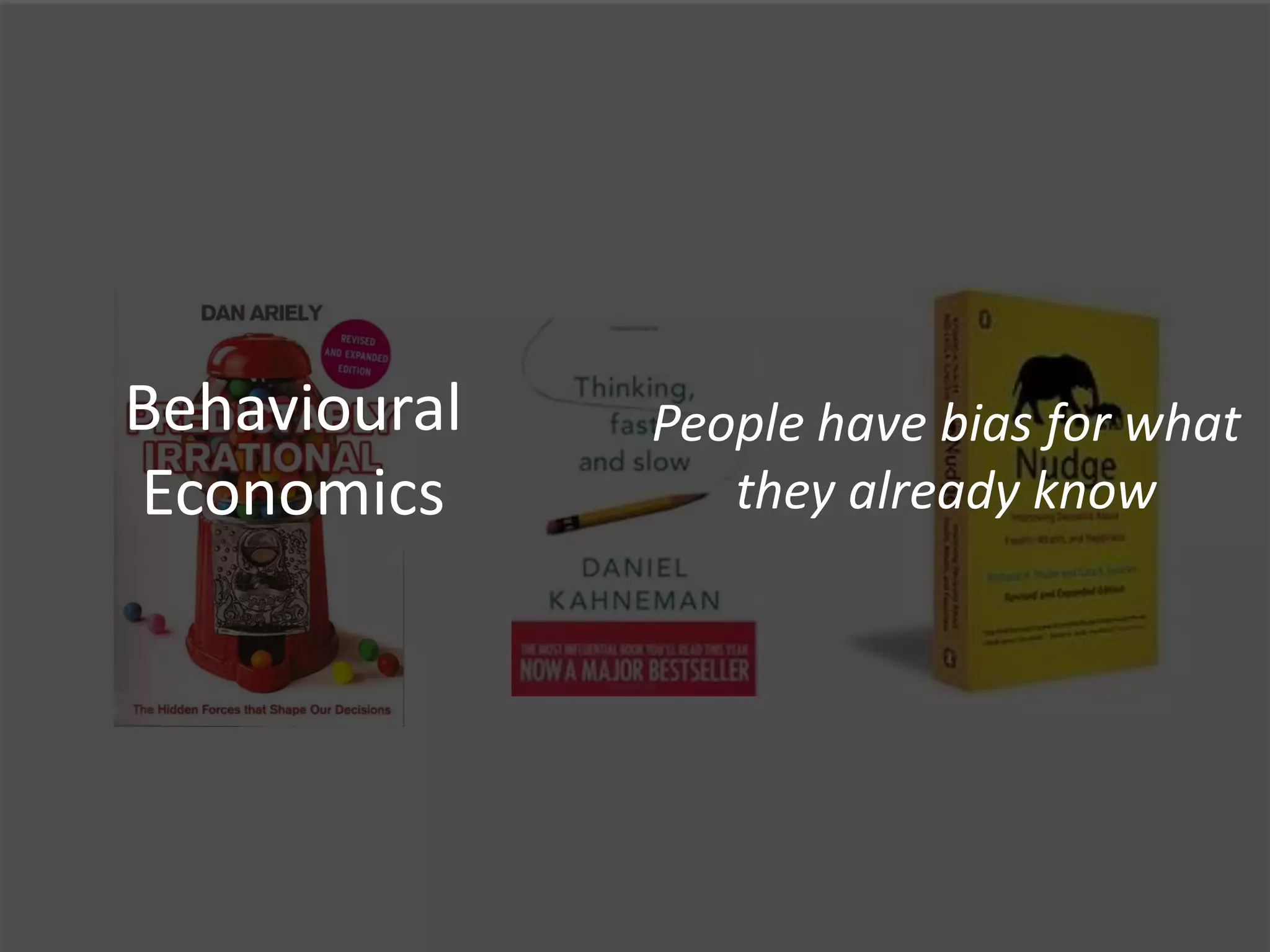
Behavioural   People have bias for what
Economics        they already know
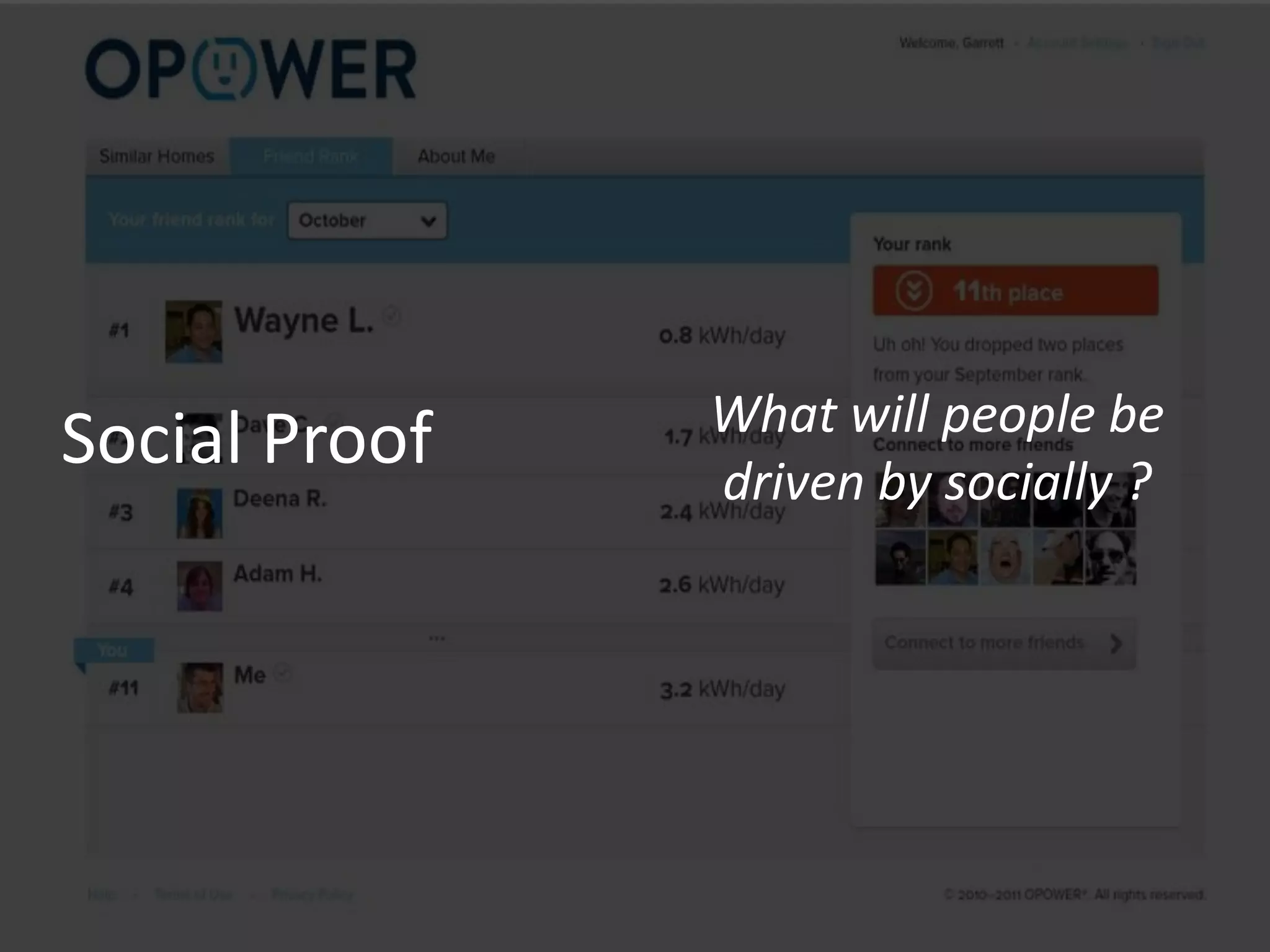
What will people be
Social Proof   driven by socially ?
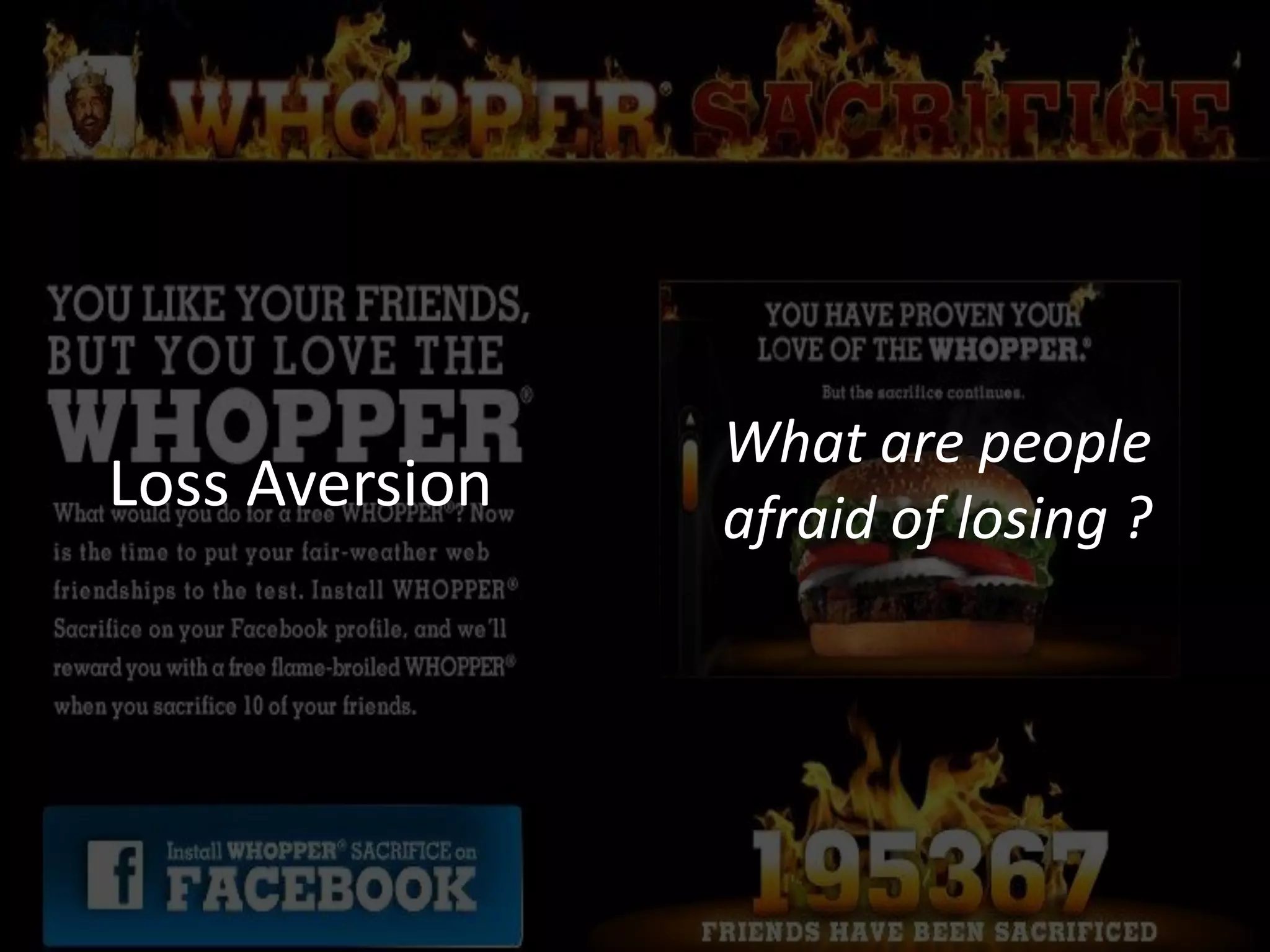
What are people
Loss Aversion   afraid of losing ?
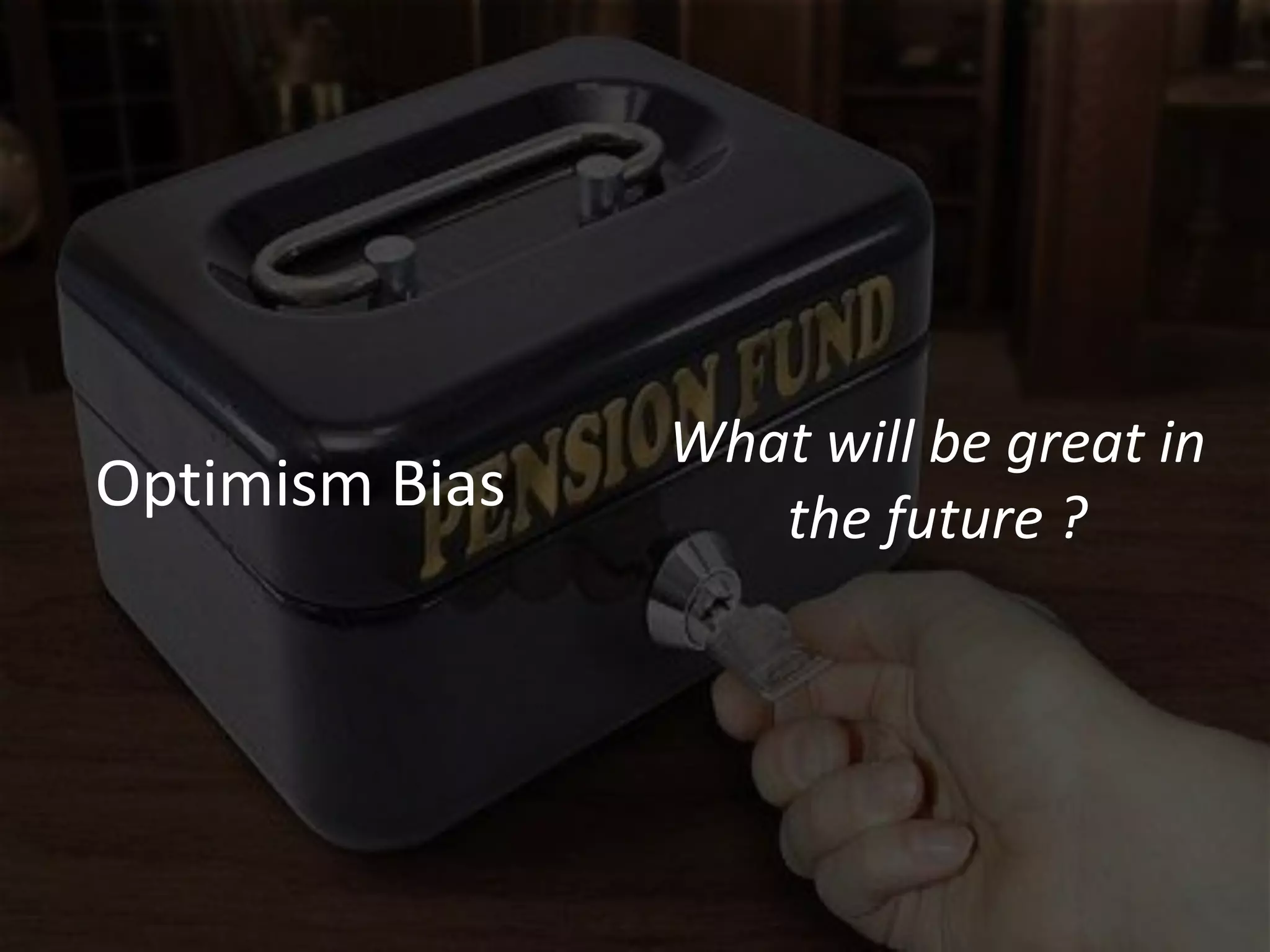
What will be great in
Optimism Bias      the future ?
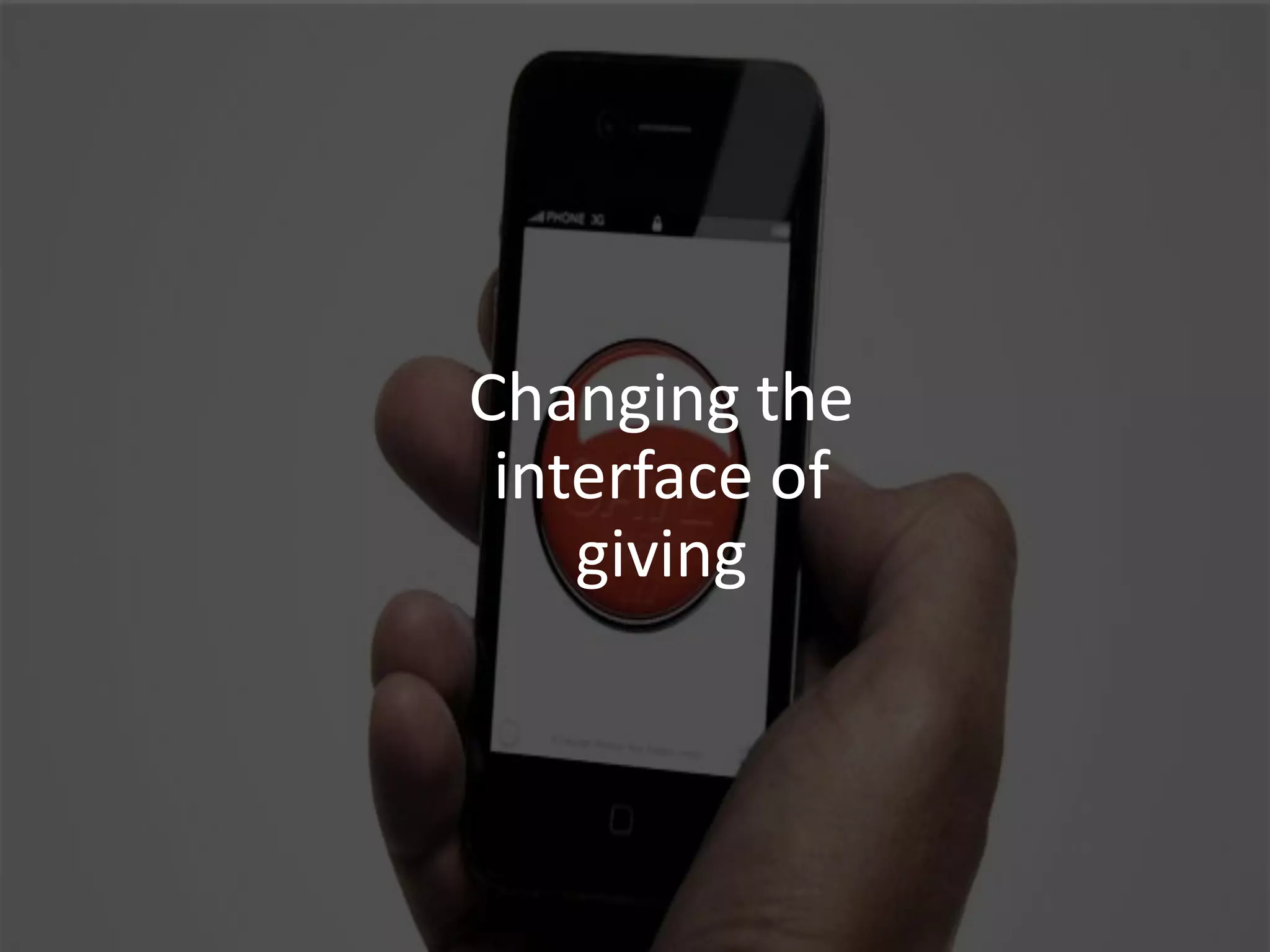
Changing the interface of saving


          Changing the
           interface of
              giving
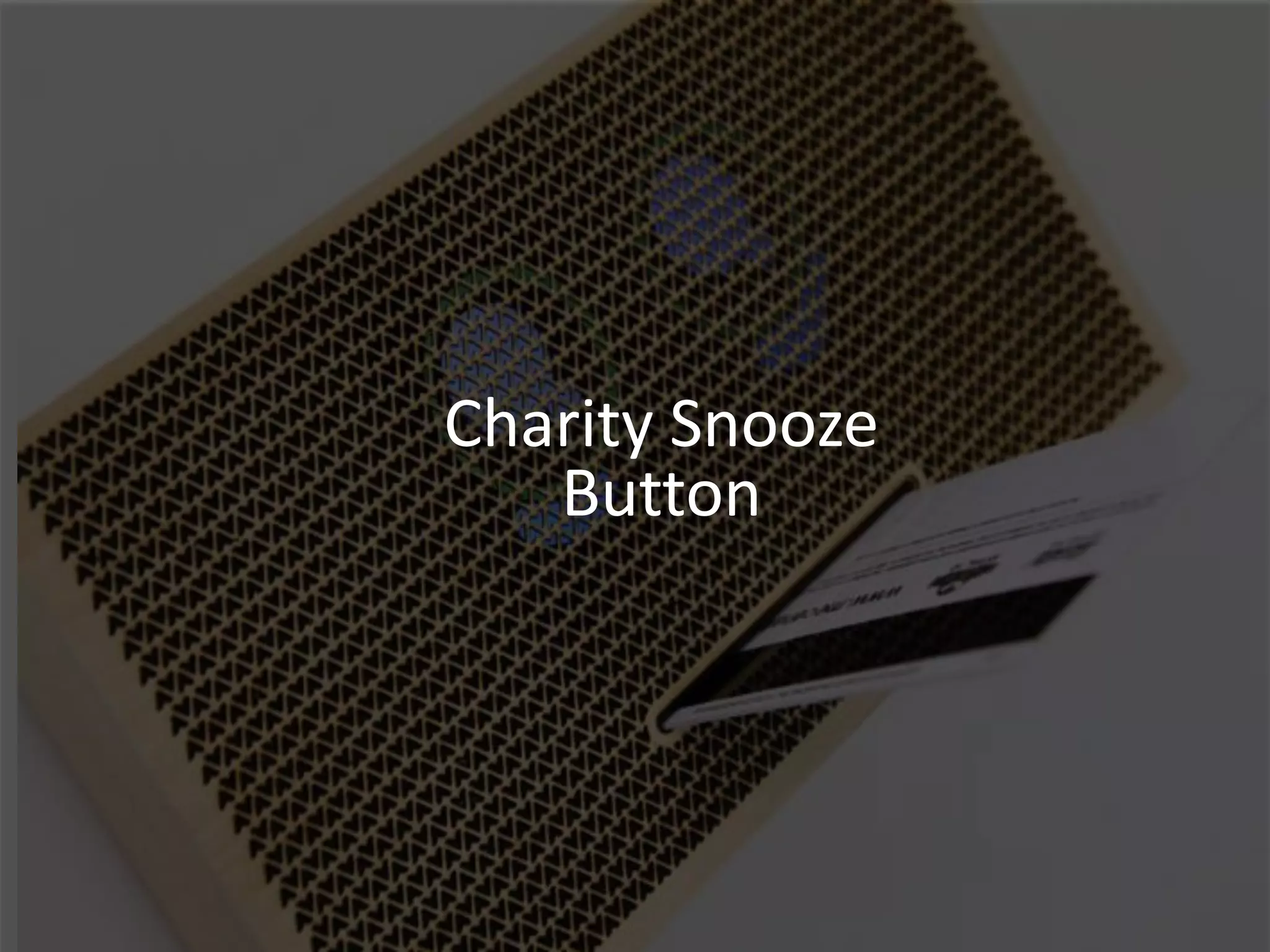
Charity Snooze
   Button
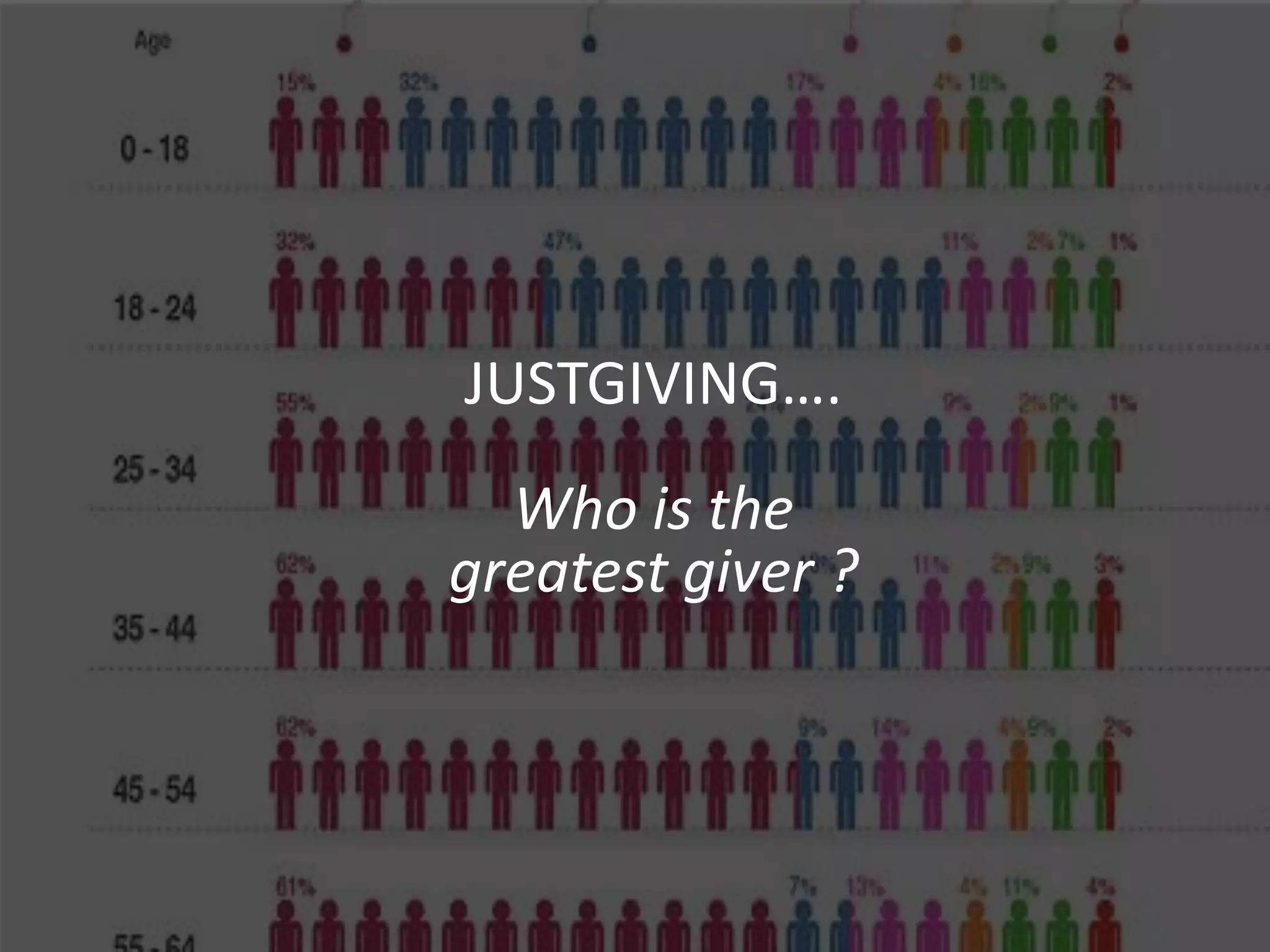
JUSTGIVING….
  Who is the
greatest giver ?
Thanks
        @mickstravellin
              Linkedin:
http://www.linkedin.com/pub/mich
      ael-johnston/2/355/899

 masterservicejam.wordpress.com

Barcamp presentation

  • 1.
    Giving is abehaviour, not an attitude
  • 2.
    • A recoveringadman Who am I • Student again • Innovation Consultant
  • 3.
    • I lovetechnology • Ive never worked with a charity Why am I here • It’s a part of my adman recovery • I think charities can work best on behaviour
  • 4.
    A couple ofbehavioural questions to ask What I can offer yourself and a few ideas
  • 5.
    Behavioural People have bias for what Economics they already know
  • 6.
    What will peoplebe Social Proof driven by socially ?
  • 7.
    What are people LossAversion afraid of losing ?
  • 8.
    What will begreat in Optimism Bias the future ?
  • 9.
    Changing the interfaceof saving Changing the interface of giving
  • 10.
  • 11.
    JUSTGIVING…. Whois the greatest giver ?
  • 12.
    Thanks @mickstravellin Linkedin: http://www.linkedin.com/pub/mich ael-johnston/2/355/899 masterservicejam.wordpress.com

Editor's Notes

  • #2 A presentation at an unconference (as it is completely developed, created and run by the participants not just attendees). It was around digital / social media and Not for Profits. So I thought I would focus on one of my pet hates (see what I did there). Which is that people / companies / nfpsetc often focus on the technology too much and not enough on the behaviour of the people they are trying to make a difference with.
  • #3 Quick summary of me. I am a recovering ad man who is doing his Masters at Central St Martins in innovation management. I have started some innovation consulting projects with Method Design Lab and also co-organiser of a global service jam chapter in london called Masterservicejam
  • #4 I thought I seemed a bit of a weird character to be at such an event. Therefore I attempted to explain my attendance some what. I love technology and spend a lot of time using it. Chatting to people about it, helping make it and questioning why ?. Ive never directly worked for a charity so I was interested to get a glimpse of their challenges. Recovering from advertising led me to believe that giving a little bit of help could be a start to my recovery. I also think that not for profits are in the best place to utilise behavioral insights to better their work
  • #5 I tried to be a clear about what I could offer the day. I love leaving people with questions to ask themselves and hopefully push thought a little further next time. I also thought I would have a go at a few relevant ideas
  • #6 The general literature around behavioural economics shows that people are not as rational as economists would like us to believe. We all do things out of pure habit and often we don’t even know why. Its just the way we do it. Instead of working against this we can use insights from a breadth of studies / literature to our advantage to better our cause
  • #7 Social proof as an insight from BE is a pretty easy one. Look at facebook. But better understanding how it could drive particular actions from people could be useful. This example was from an energy company that was trying to get people to use less energy. They tried charging them more but with little effect. They gave people information on their usage which made small differences. Then they started to compare individuals households to their friends on facebook. Giving them a ranking for being the most energy efficient. This drove large changes in a broader group being more energy efficient.
  • #8 People gain 2 x more from avoiding loss they do from gaining something new. Focus on most areas of marketing are on the benefits gained from something new. But what about the gain from avoiding loss. Burger King in the US played on this with a campaign on sarcrifising your friends on facebook for a free burger.
  • #9 Optimism bias plays on the idea that everyone believes the future is bright. An example was trying to get people to put money into their pensions. Consistent drives for additional amounts had small impact for a bank in the US. Until they utilised optimism bias to drive people to add more. They took the positive view of people getting payrises in the future. Therefore any pay rise that an individual would get a higher percentage would go into their pension fund. Which had a mush higher adoption rate than other attempts
  • #10 A couple of ideas to help see how it might work. Advertising man Rory Sutherland once made comment at an event that what if we changed the interface of saving money. That if you had a button in your house that everytime you pressed it. £50 would go into your saving account. A bank in New Zealand did this with a simple app on your mobile phone.
  • #11 What if we changed the interface for giving to charity. If you created an alarm clock that every time you pressed the snooze button. A pre allocated amount of money would go to a selected charity
  • #12 Thinking about social proof and the current ways in which the company justgiving use it on facebook pages to show peoples individual achievements for a particular event. What if you could combine all of those and have a yearly ‘Best Giver’ award. That shows how much in total someone has given to a multitude of charities across the year. How they compared to their friends. What about if you did the same thing for companies on Linkedin.
  • #13 So that was it really. Just something short to get the conversation going