Writing a Great Abstract
Presented by:
Amy Sisson
Information Services Librarian
Research Medical Library
aasisson@mdanderson.org

research
medical
library

Clara Fowler
Manager, Information Services
Research Medical Library
cfowler@mdanderson.org
What abstracts are
• A summary of the article’s content

• A time-saving shortcut for readers and researchers
• A “table of contents” for the most important parts of your
manuscript

• Occasionally, they are the only publication of particular
information (i.e. conference proceeding abstracts not
published elsewhere)

research
medical
library
Why are abstracts important?
•

Most databases do not offer the
ability to search the articles’ full
text

•

Article abstracts are where most
keyword searches are matched

•

If an abstract is not well-written,
researchers may not be able to find
it, because most searchers do not
use subject headings to search

“BMJ editors now begin
screening original research
by reading only the
abstract. Our estimate is
that an initial decision is
made on the abstract alone
in 15-25% of papers.
…
All too often abstracts are
poorly written, incomplete,
misleading, and plain
wrong.”
Groves, T. and K. Abbasi (2004). "Screening
research papers by reading abstracts." BMJ
329(7464): 470-471.

research
medical
library
Types of abstracts
• Unstructured &
structured
• Journal will indicate in
the author’s instructions
which type they require

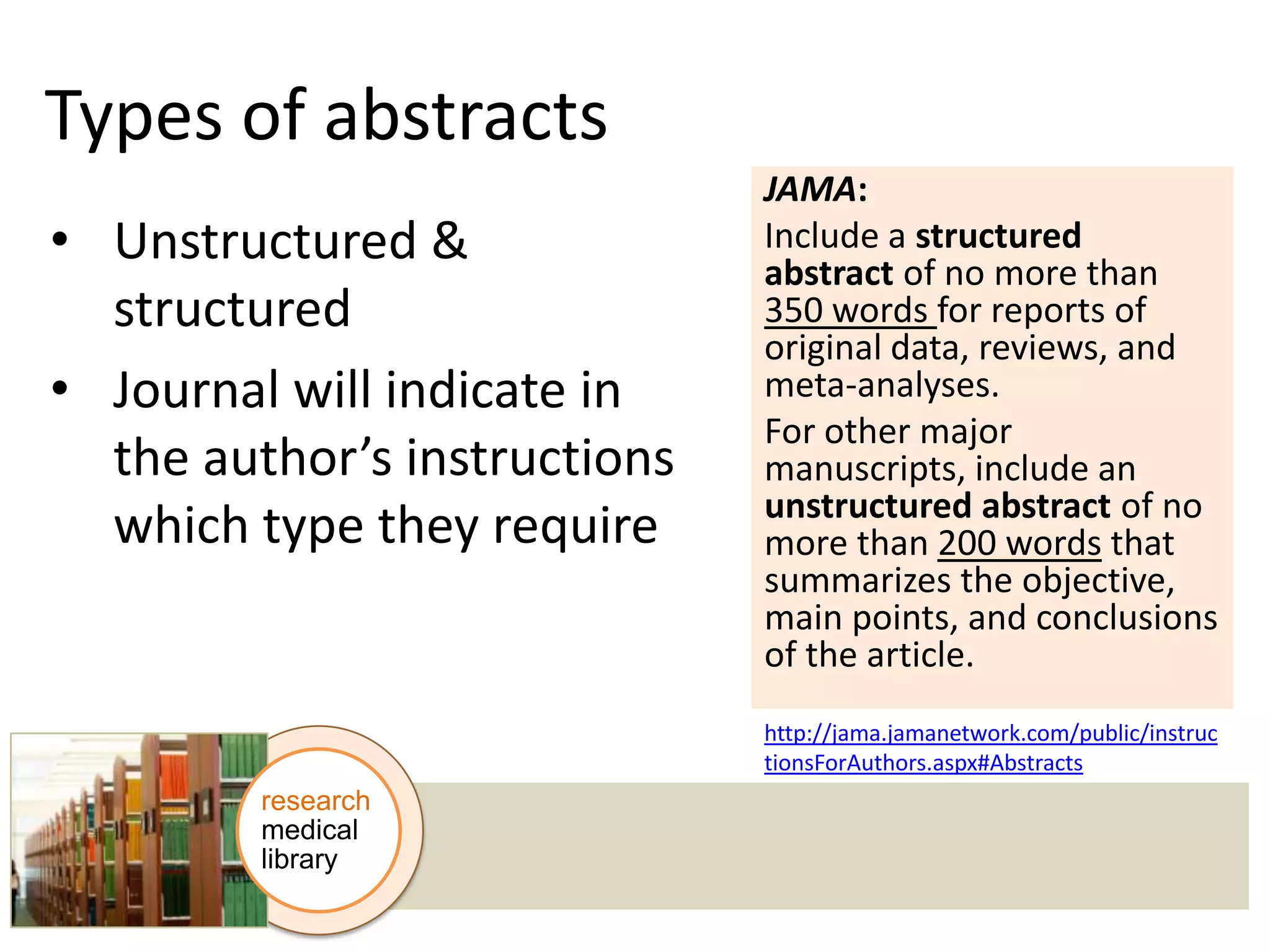
JAMA:
Include a structured
abstract of no more than
350 words for reports of
original data, reviews, and
meta-analyses.
For other major
manuscripts, include an
unstructured abstract of no
more than 200 words that
summarizes the objective,
main points, and conclusions
of the article.
http://jama.jamanetwork.com/public/instruc
tionsForAuthors.aspx#Abstracts

research
medical
library
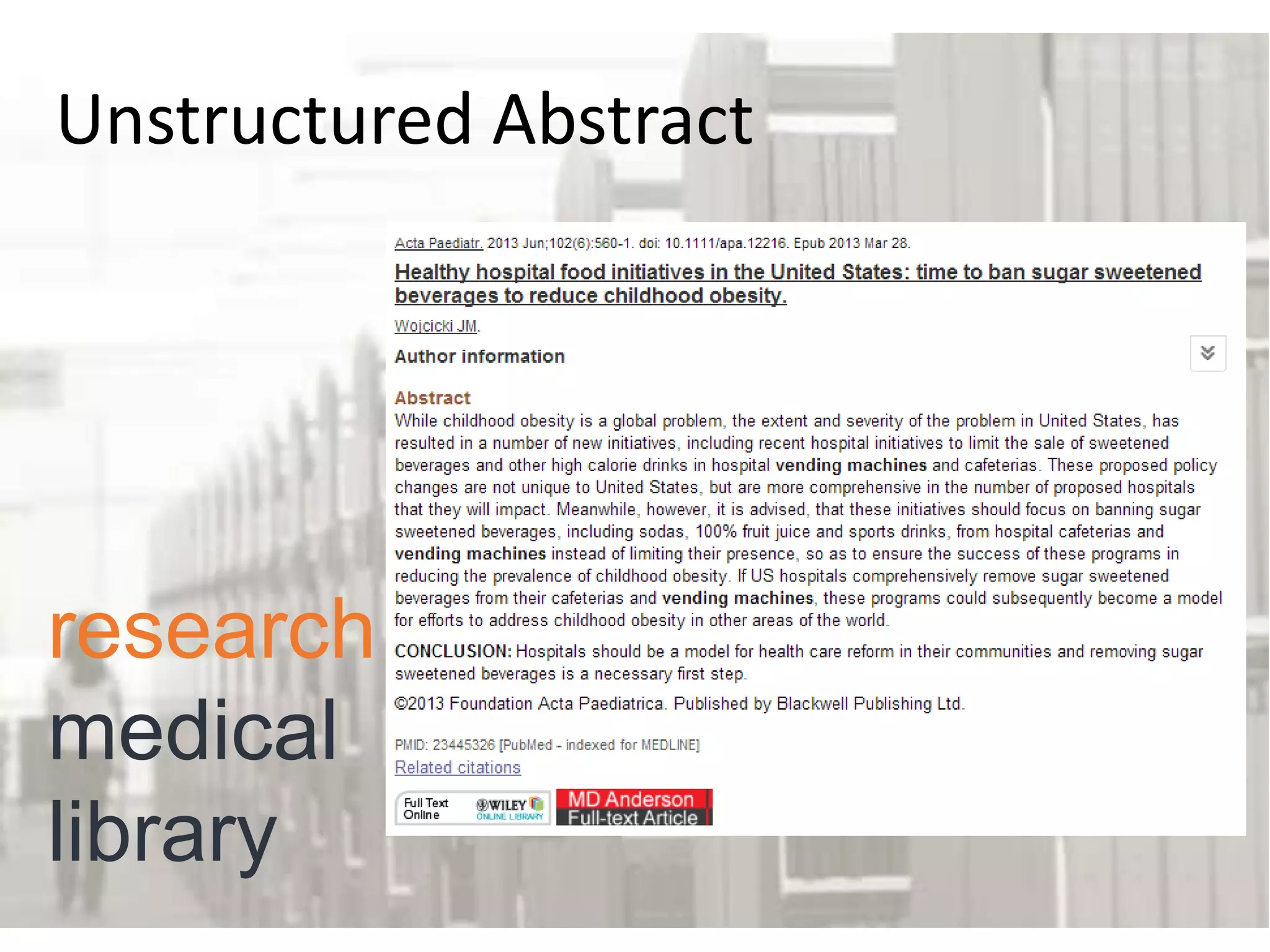
Unstructured Abstract

research
medical
library
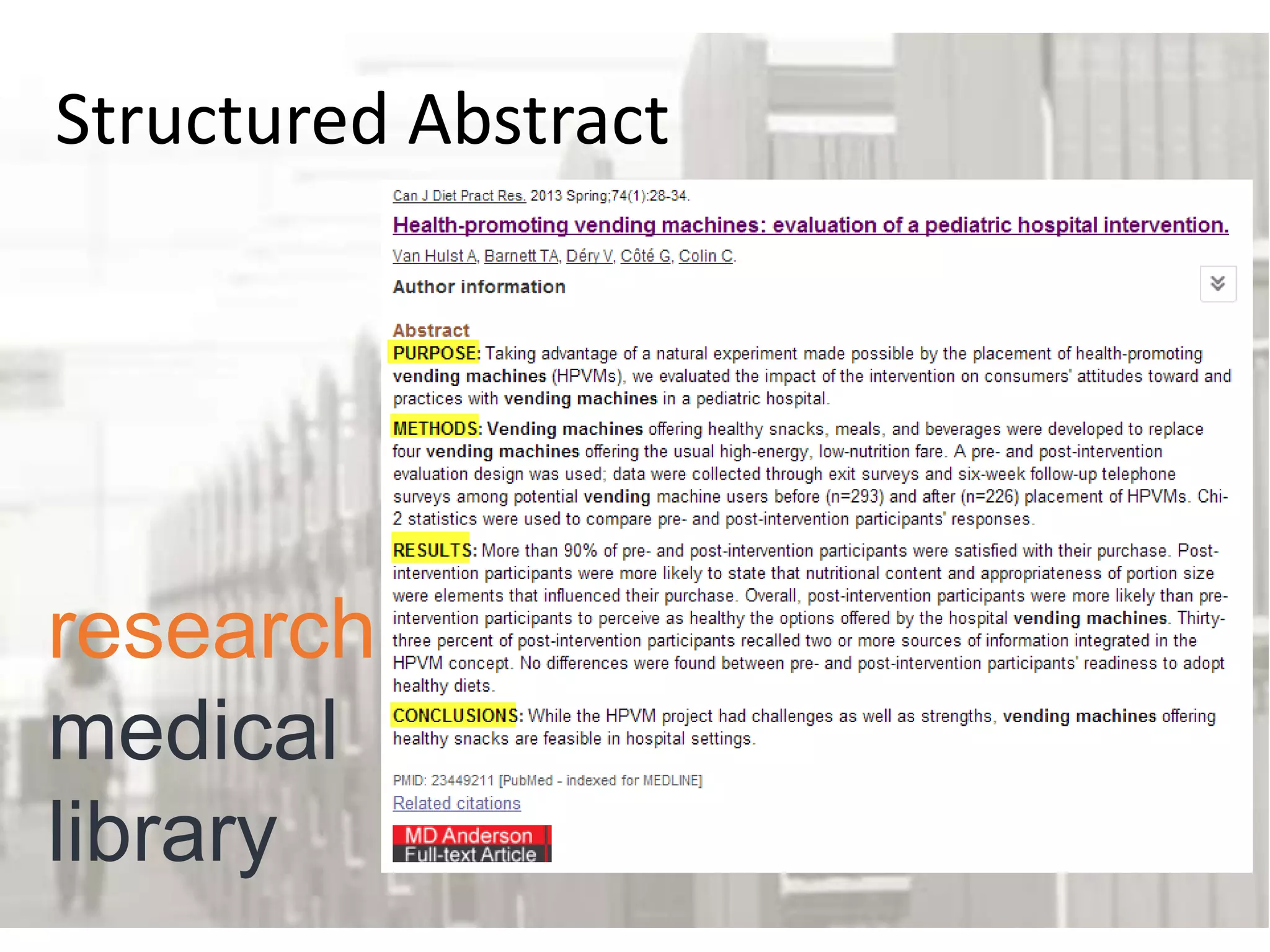
Structured Abstract

research
medical
library
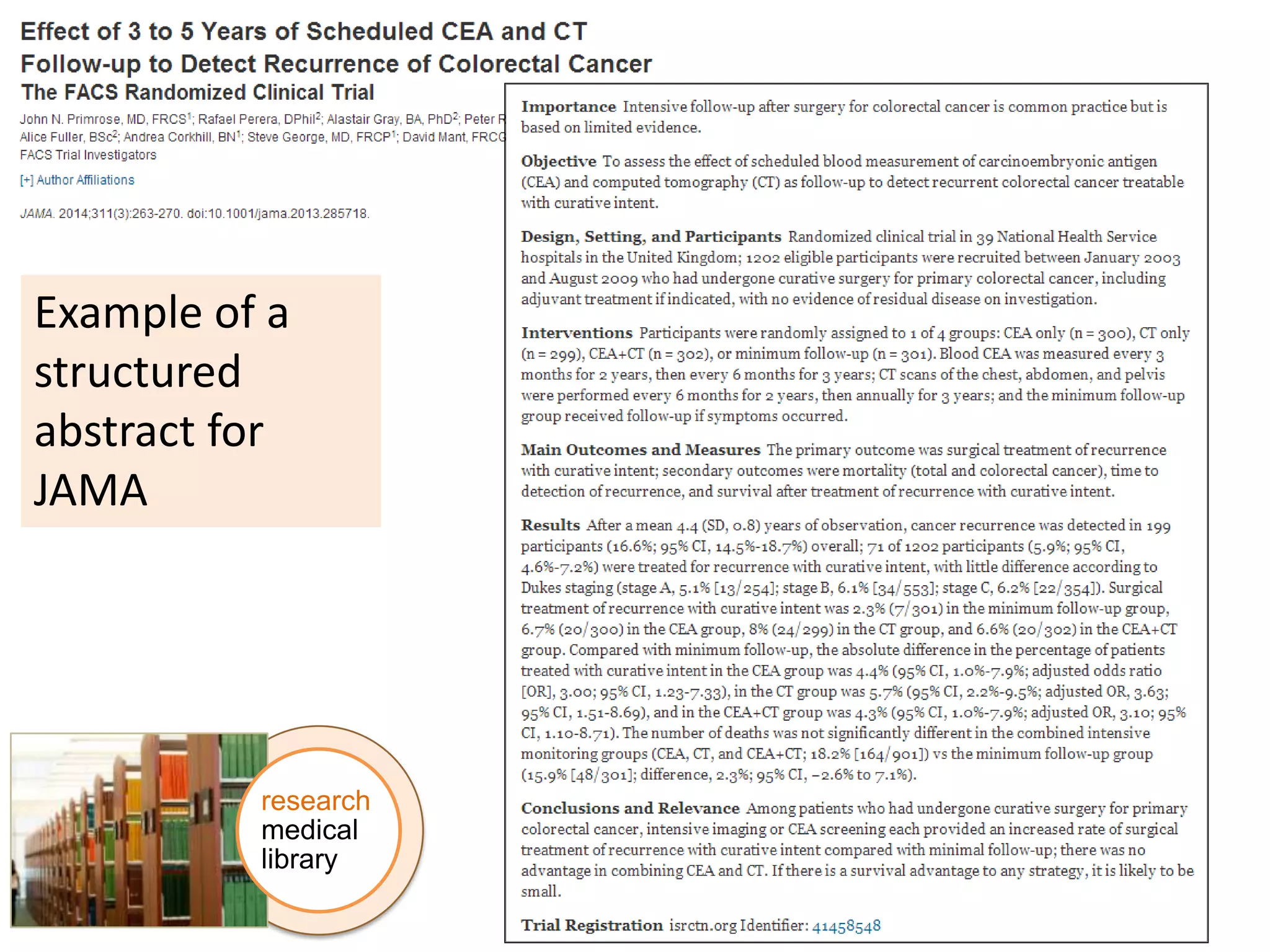
Example of a
structured
abstract for
JAMA

research
medical
library
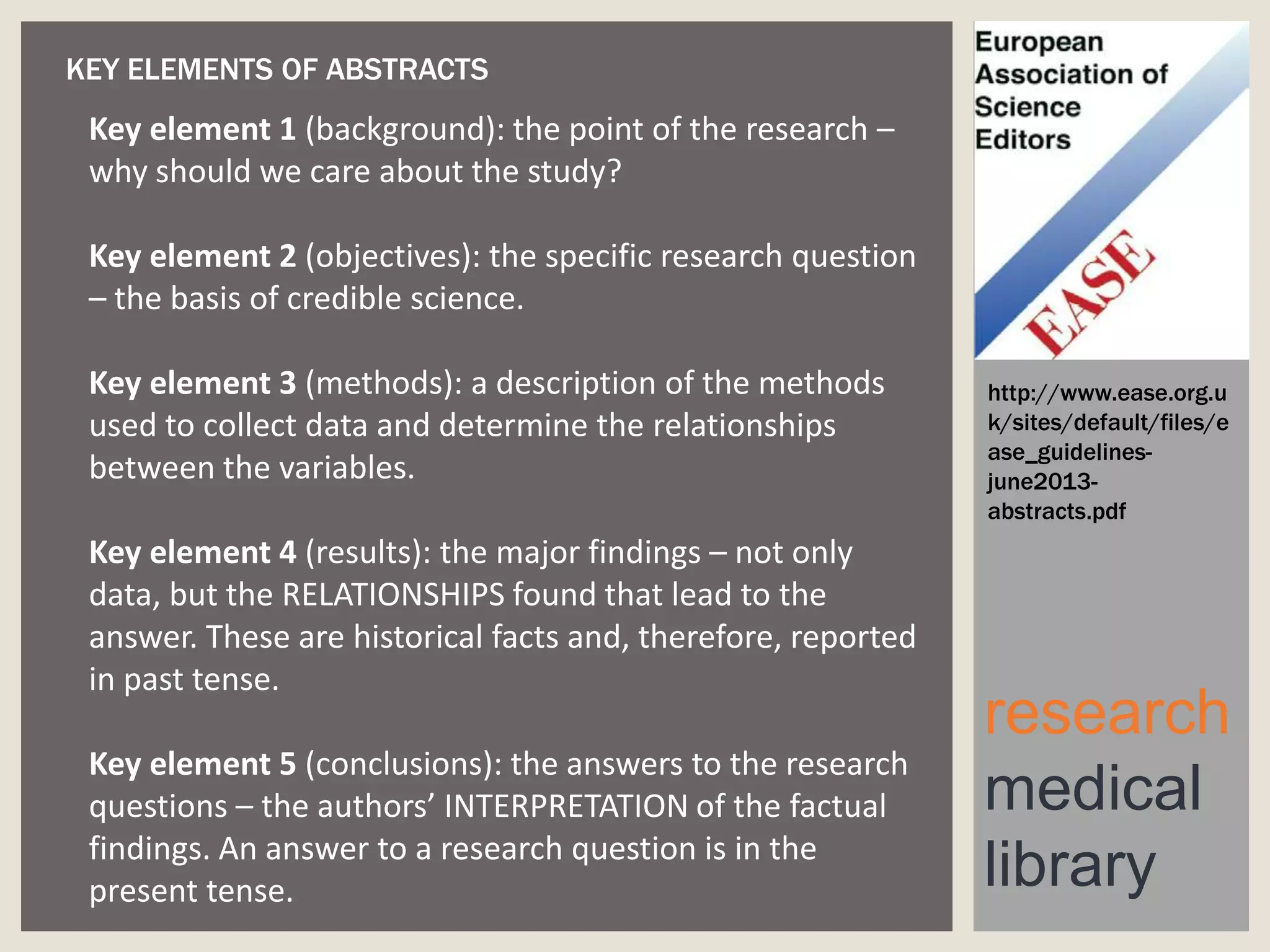
KEY ELEMENTS OF ABSTRACTS

Key element 1 (background): the point of the research –
why should we care about the study?
Key element 2 (objectives): the specific research question
– the basis of credible science.
Key element 3 (methods): a description of the methods
used to collect data and determine the relationships
between the variables.
Key element 4 (results): the major findings – not only
data, but the RELATIONSHIPS found that lead to the
answer. These are historical facts and, therefore, reported
in past tense.
Key element 5 (conclusions): the answers to the research
questions – the authors’ INTERPRETATION of the factual
findings. An answer to a research question is in the
present tense.

http://www.ease.org.u
k/sites/default/files/e
ase_guidelinesjune2013abstracts.pdf

research
medical
library
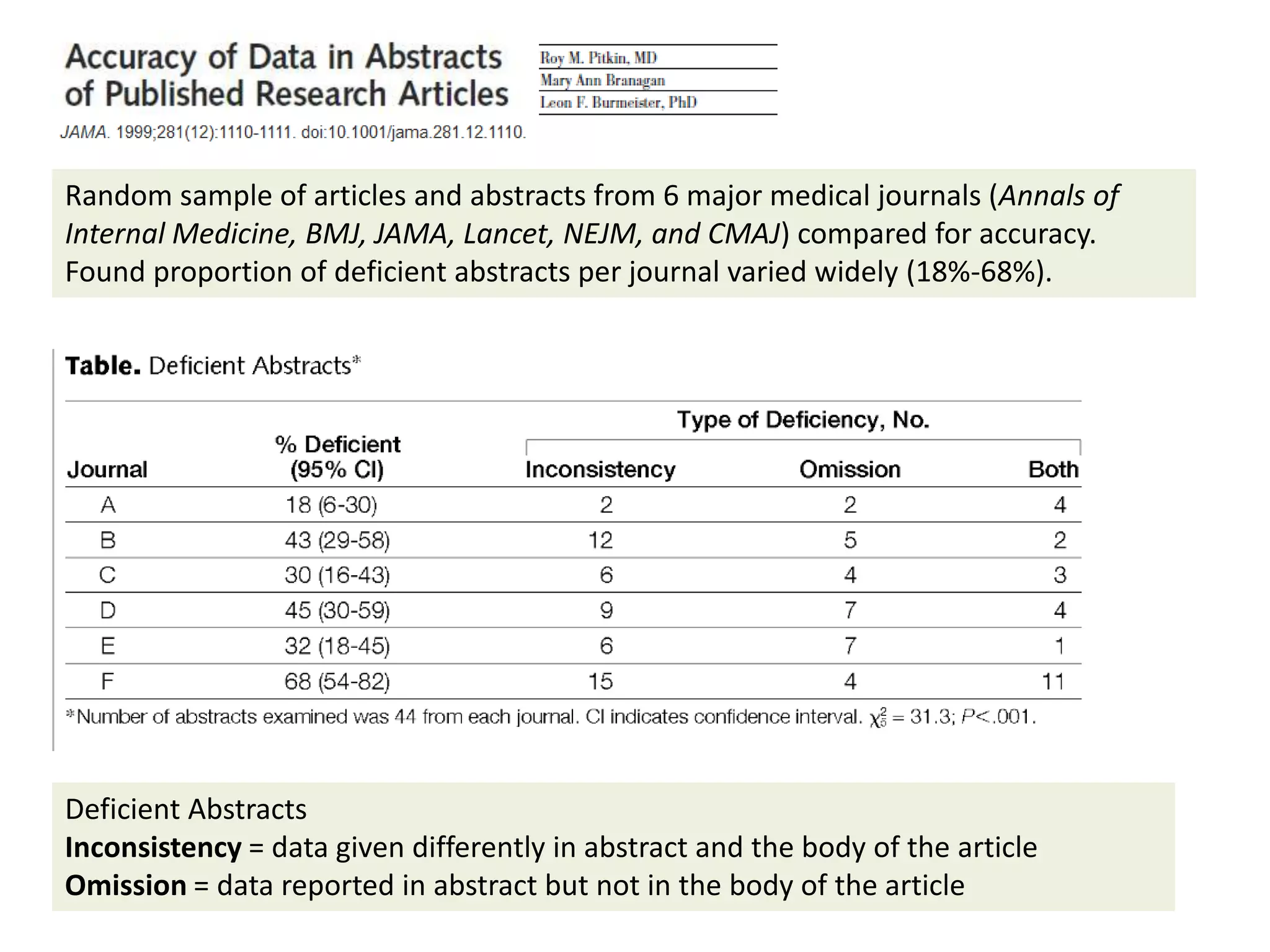
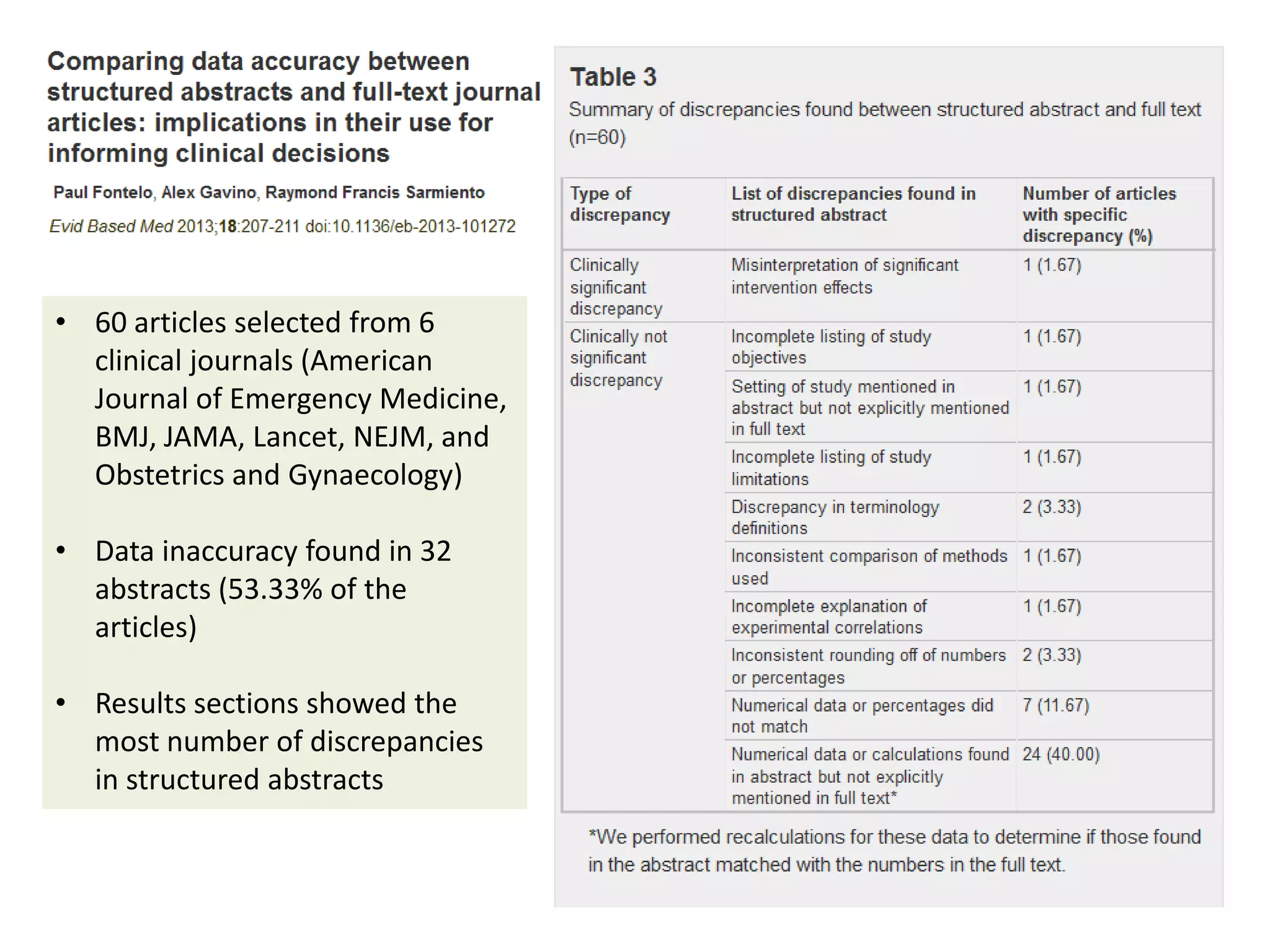
Random sample of articles and abstracts from 6 major medical journals (Annals of
Internal Medicine, BMJ, JAMA, Lancet, NEJM, and CMAJ) compared for accuracy.
Found proportion of deficient abstracts per journal varied widely (18%-68%).

Deficient Abstracts
Inconsistency = data given differently in abstract and the body of the article
Omission = data reported in abstract but not in the body of the article
• 60 articles selected from 6
clinical journals (American
Journal of Emergency Medicine,
BMJ, JAMA, Lancet, NEJM, and
Obstetrics and Gynaecology)
• Data inaccuracy found in 32
abstracts (53.33% of the
articles)
• Results sections showed the
most number of discrepancies
in structured abstracts
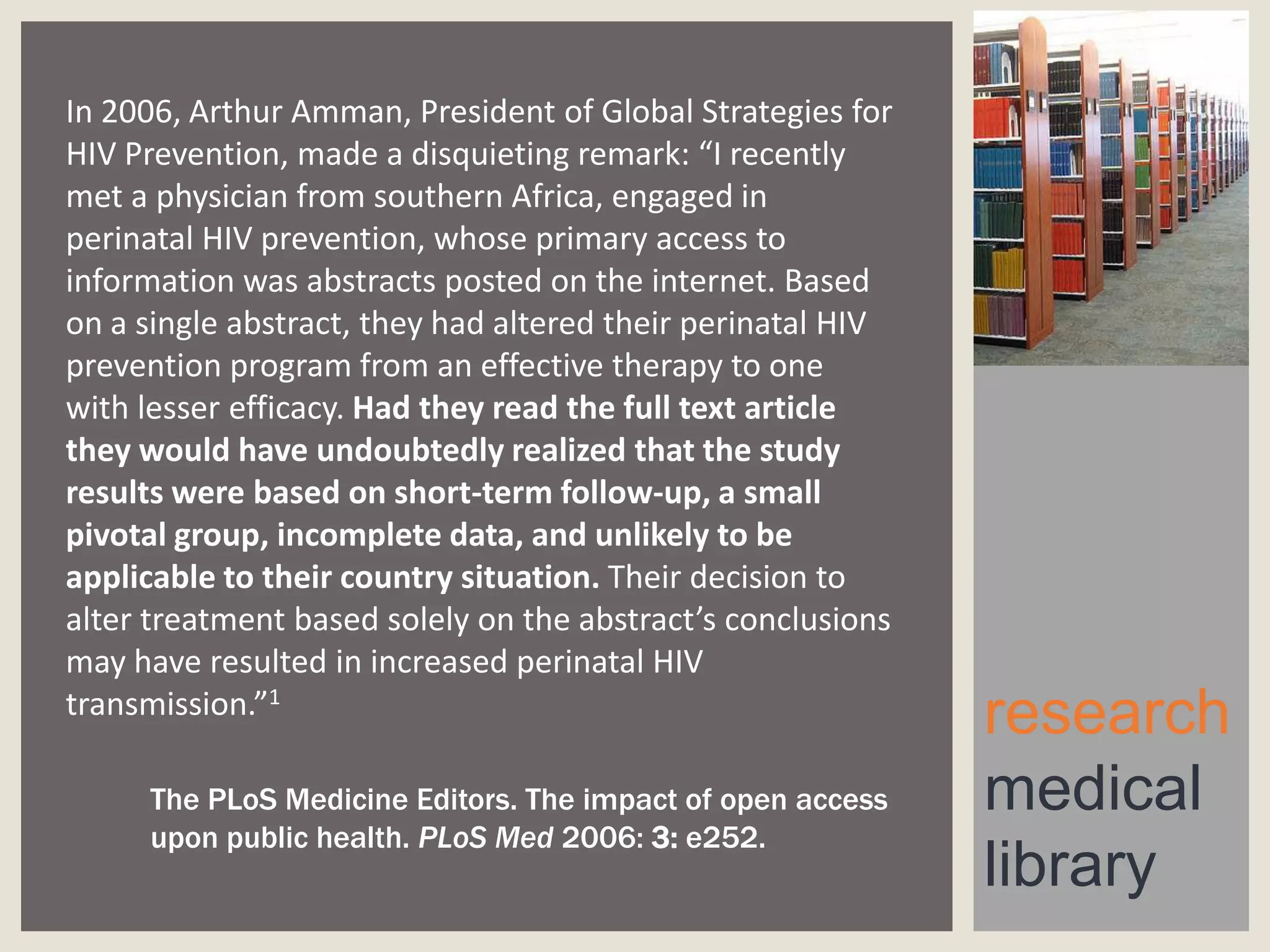
In 2006, Arthur Amman, President of Global Strategies for
HIV Prevention, made a disquieting remark: “I recently
met a physician from southern Africa, engaged in
perinatal HIV prevention, whose primary access to
information was abstracts posted on the internet. Based
on a single abstract, they had altered their perinatal HIV
prevention program from an effective therapy to one
with lesser efficacy. Had they read the full text article
they would have undoubtedly realized that the study
results were based on short-term follow-up, a small
pivotal group, incomplete data, and unlikely to be
applicable to their country situation. Their decision to
alter treatment based solely on the abstract’s conclusions
may have resulted in increased perinatal HIV
transmission.”1
The PLoS Medicine Editors. The impact of open access
upon public health. PLoS Med 2006: 3: e252.

research
medical
library
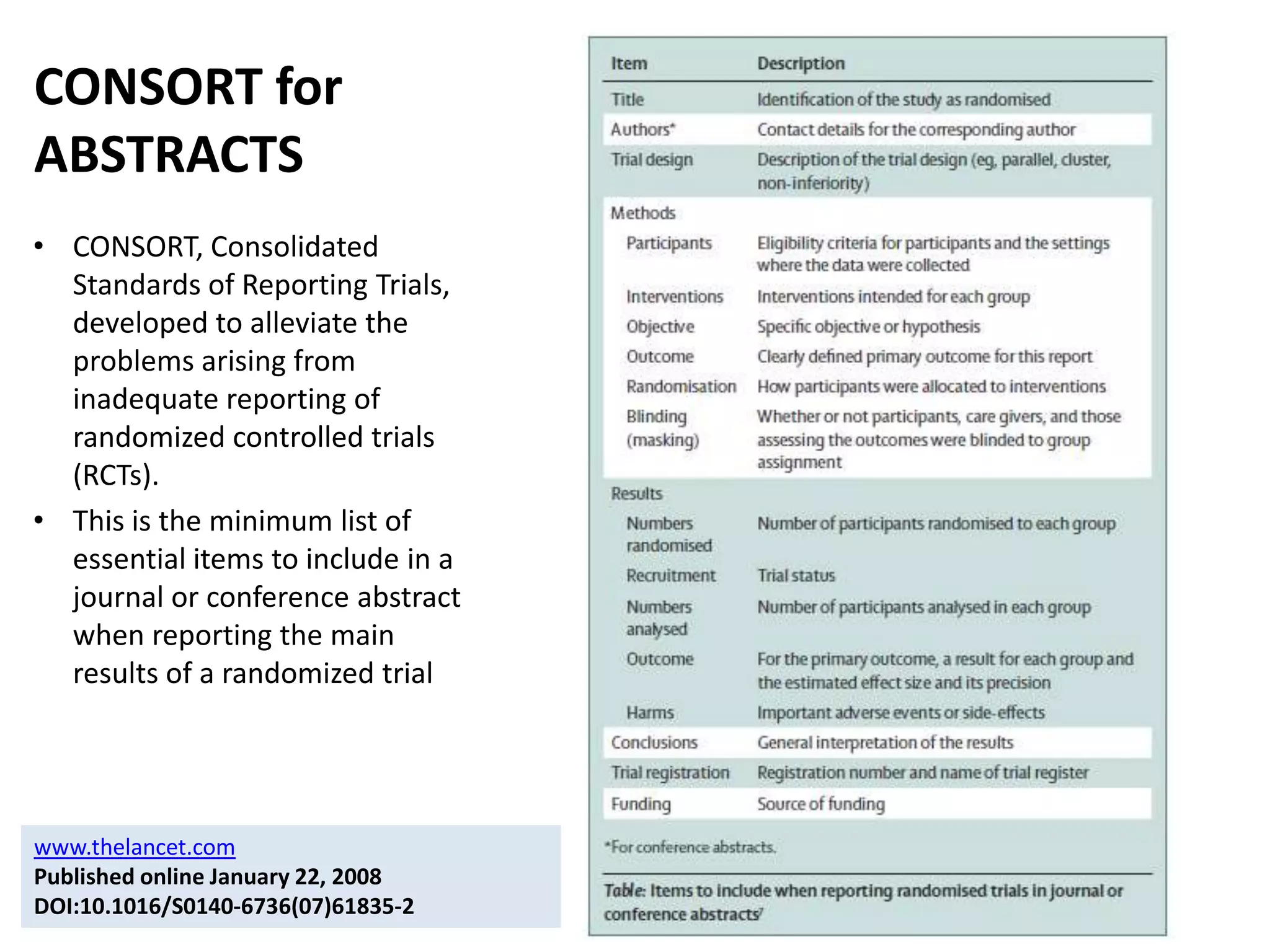
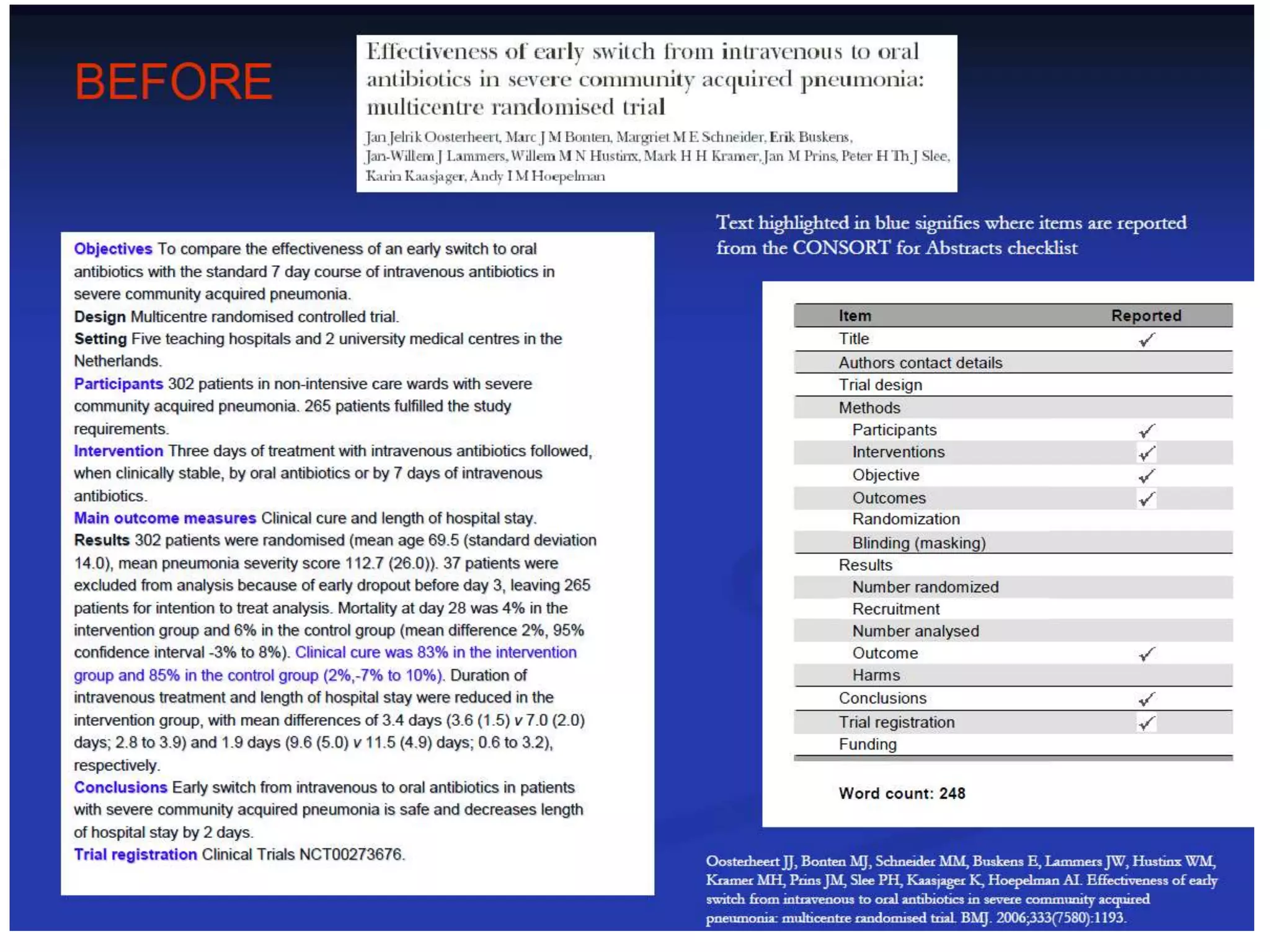
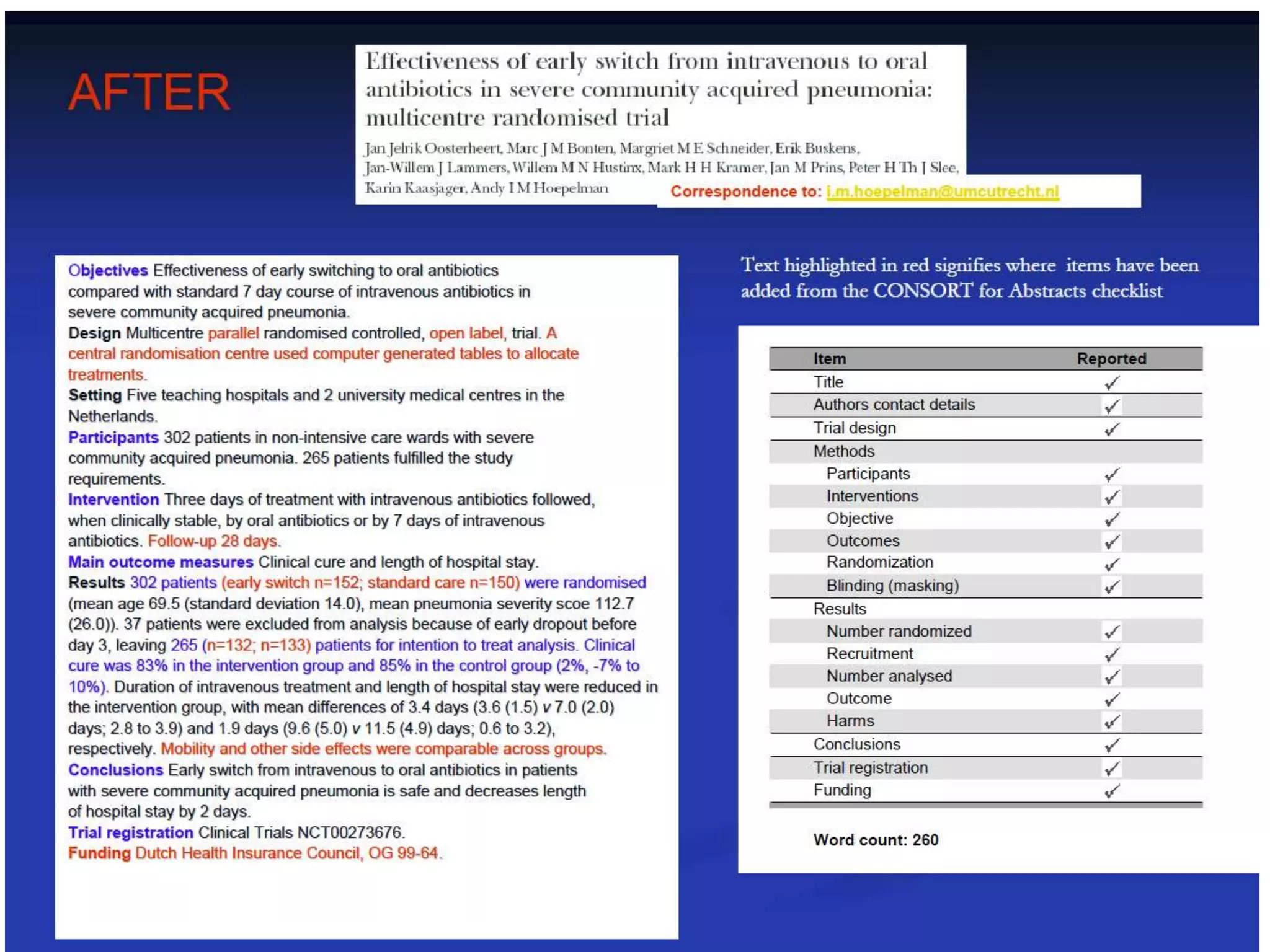
CONSORT for
ABSTRACTS
• CONSORT, Consolidated
Standards of Reporting Trials,
developed to alleviate the
problems arising from
inadequate reporting of
randomized controlled trials
(RCTs).
• This is the minimum list of
essential items to include in a
journal or conference abstract
when reporting the main
results of a randomized trial

www.thelancet.com
Published online January 22, 2008
DOI:10.1016/S0140-6736(07)61835-2
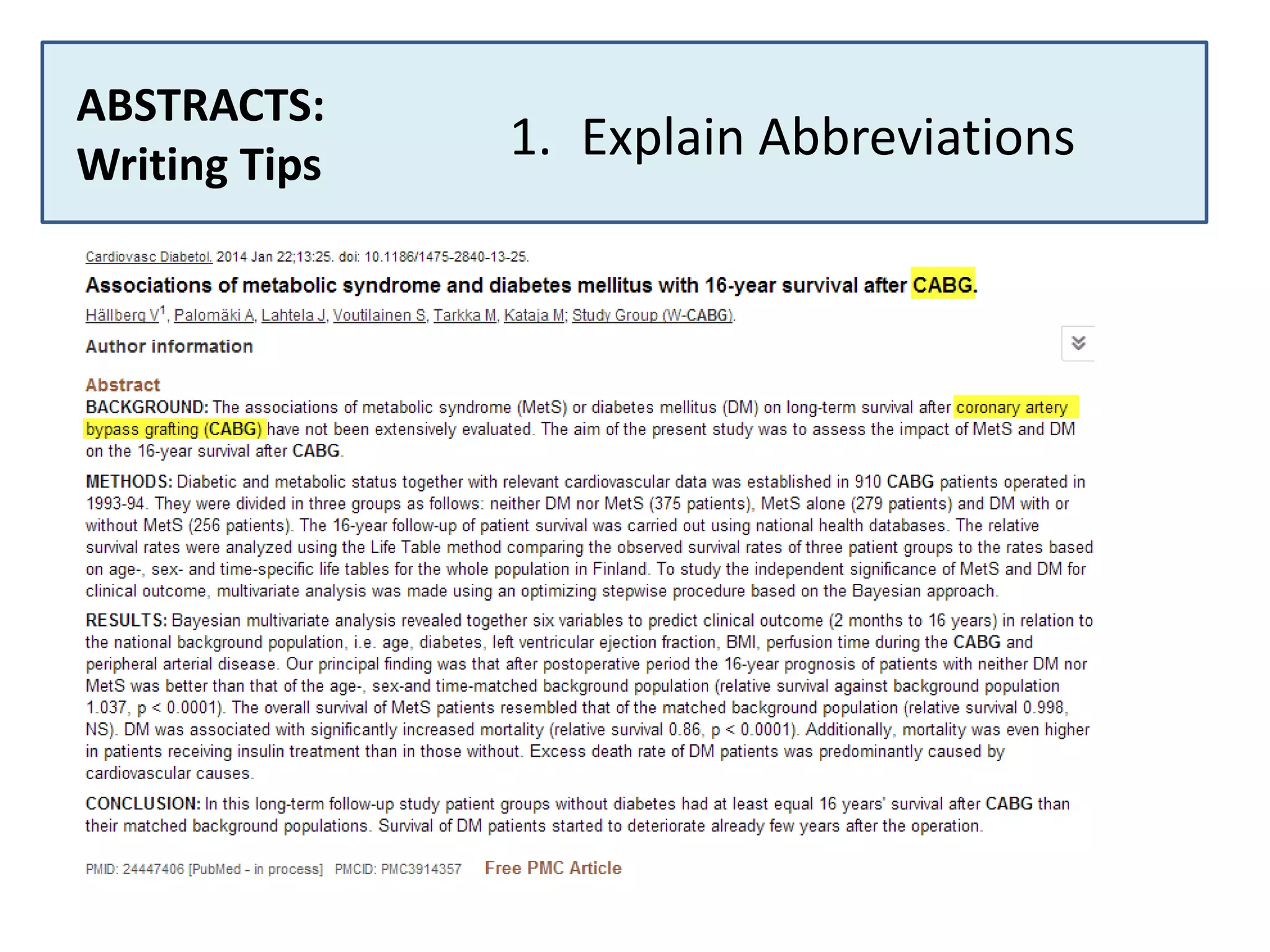
ABSTRACTS:
Writing Tips

1. Explain Abbreviations
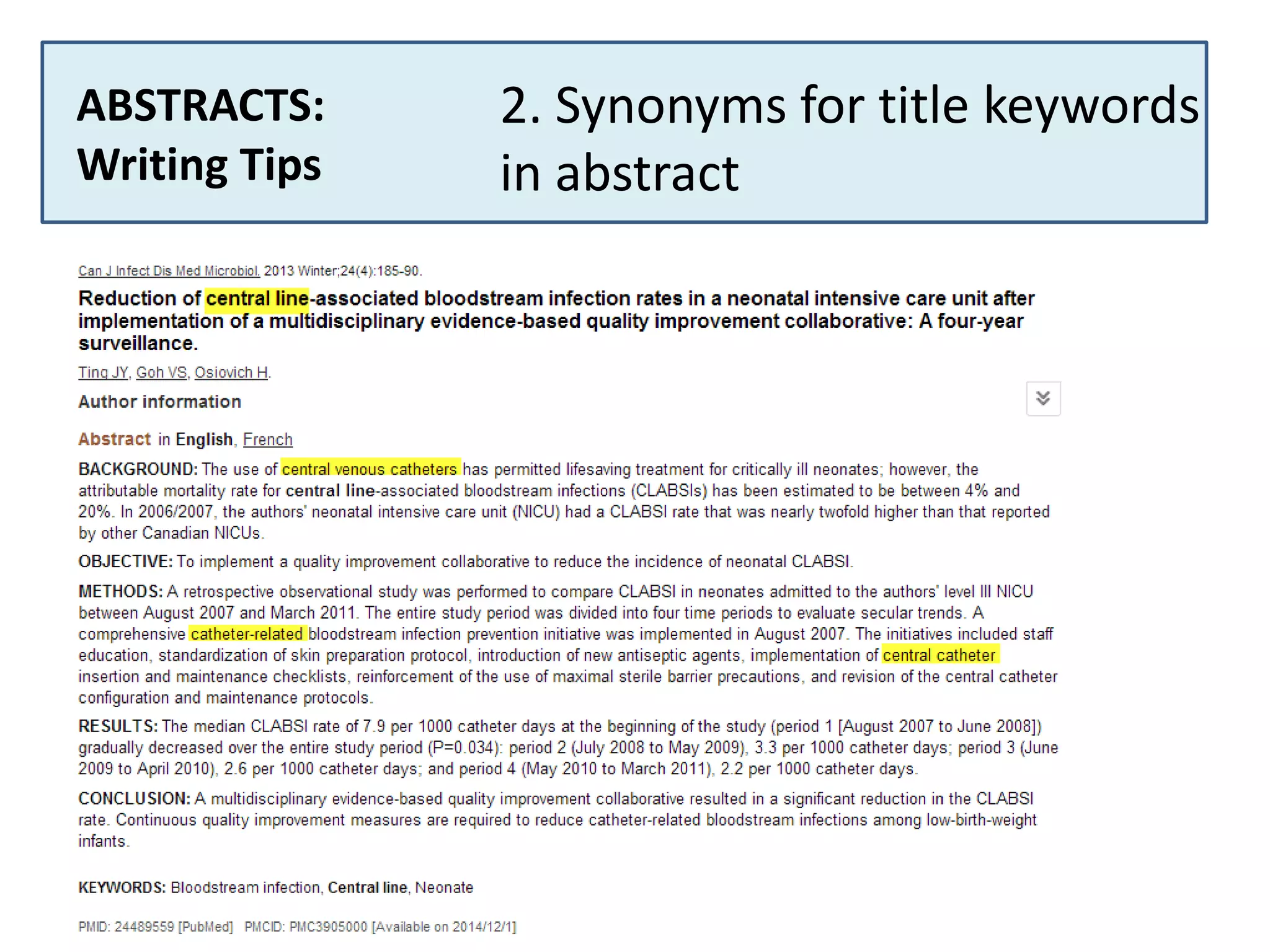
ABSTRACTS:
Writing Tips

2. Synonyms for title keywords
in abstract
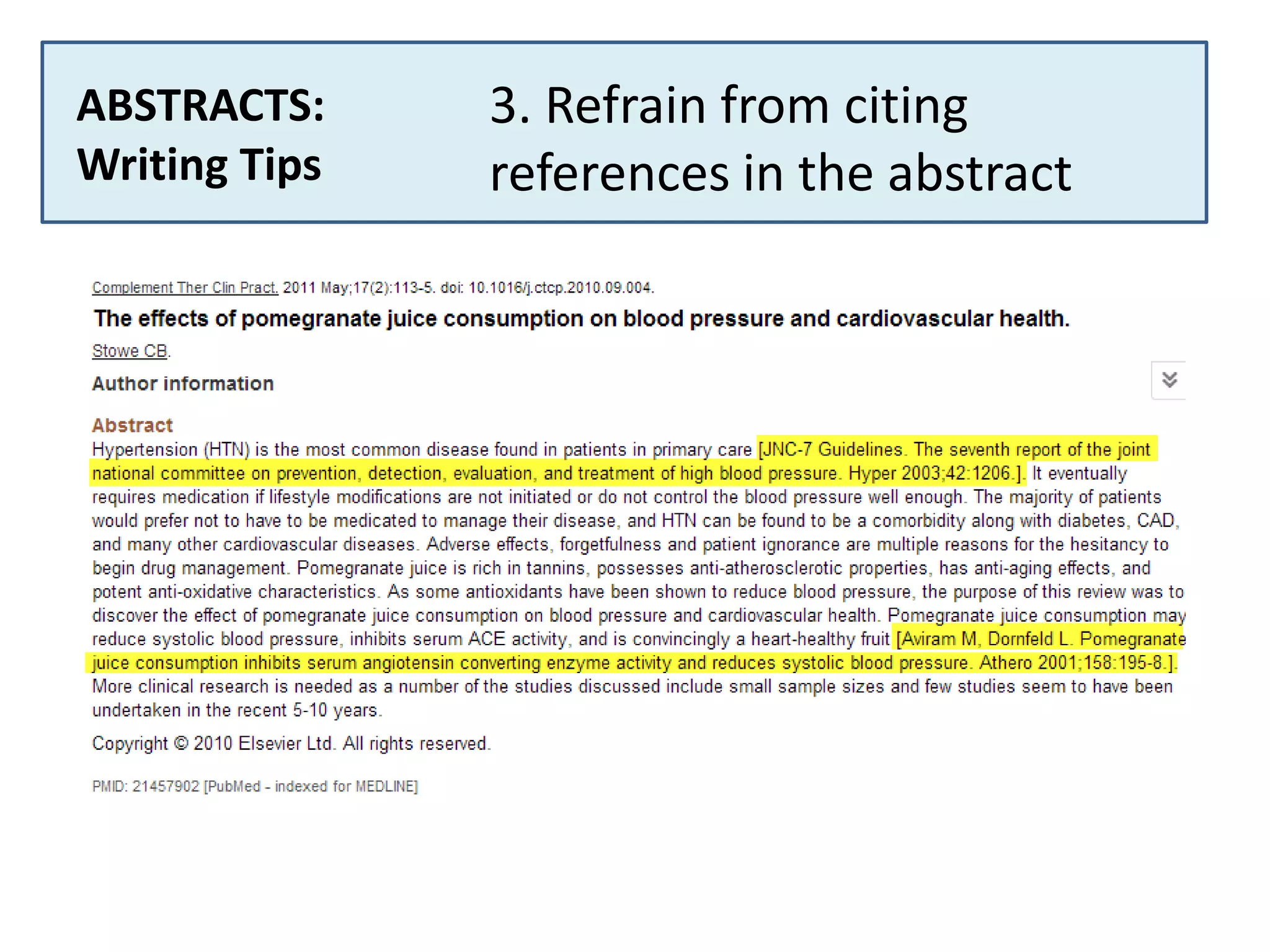
ABSTRACTS:
Writing Tips

3. Refrain from citing
references in the abstract
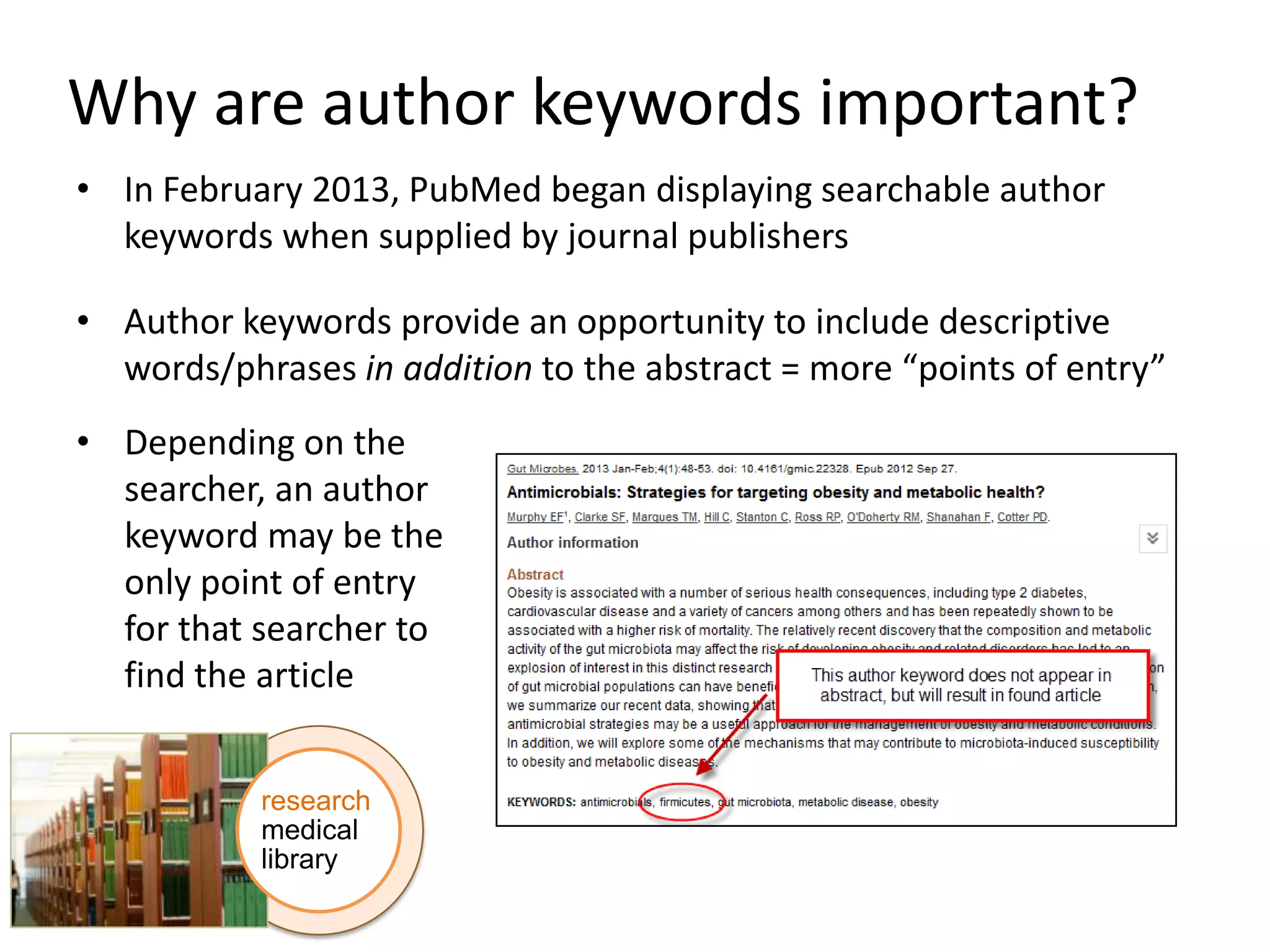
Why are author keywords important?
• In February 2013, PubMed began displaying searchable author
keywords when supplied by journal publishers
• Author keywords provide an opportunity to include descriptive
words/phrases in addition to the abstract = more “points of entry”
• Depending on the
searcher, an author
keyword may be the
only point of entry
for that searcher to
find the article
research
medical
library
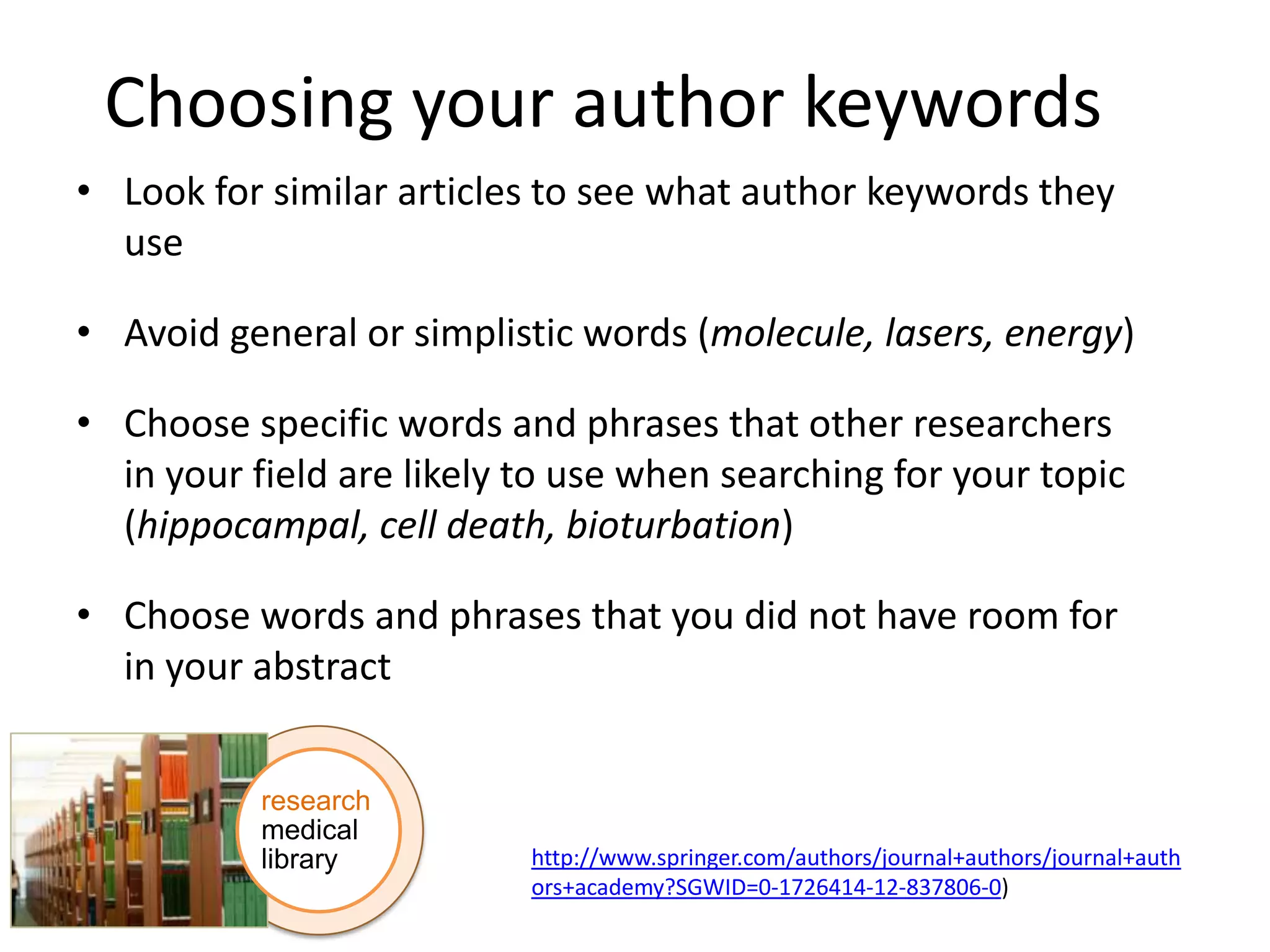
Choosing your author keywords
• Look for similar articles to see what author keywords they
use

• Avoid general or simplistic words (molecule, lasers, energy)
• Choose specific words and phrases that other researchers
in your field are likely to use when searching for your topic
(hippocampal, cell death, bioturbation)
• Choose words and phrases that you did not have room for
in your abstract
research
medical
library

http://www.springer.com/authors/journal+authors/journal+auth
ors+academy?SGWID=0-1726414-12-837806-0)
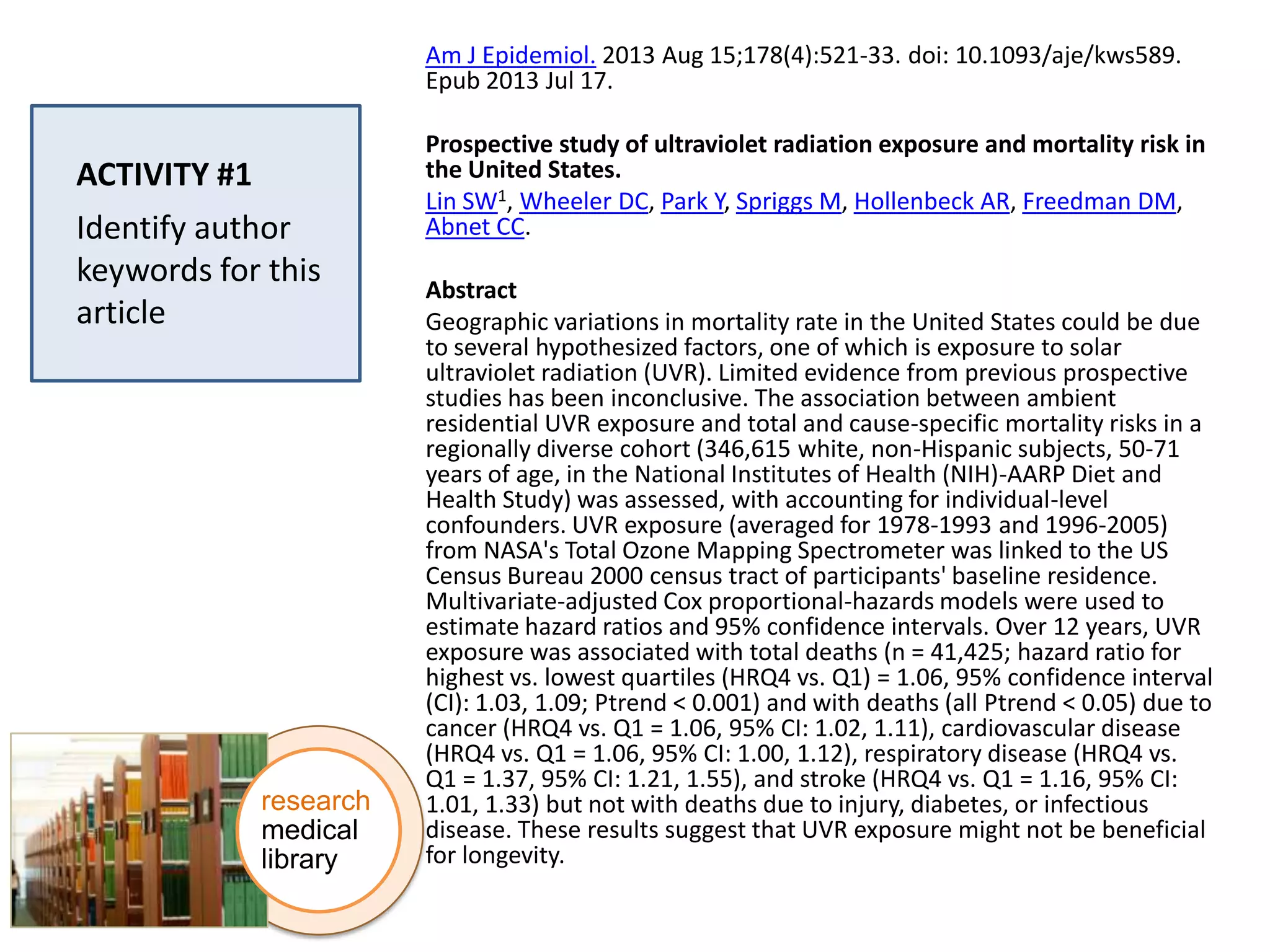
Am J Epidemiol. 2013 Aug 15;178(4):521-33. doi: 10.1093/aje/kws589.
Epub 2013 Jul 17.

ACTIVITY #1
Identify author
keywords for this
article

research
medical
library

Prospective study of ultraviolet radiation exposure and mortality risk in
the United States.
Lin SW1, Wheeler DC, Park Y, Spriggs M, Hollenbeck AR, Freedman DM,
Abnet CC.
Abstract
Geographic variations in mortality rate in the United States could be due
to several hypothesized factors, one of which is exposure to solar
ultraviolet radiation (UVR). Limited evidence from previous prospective
studies has been inconclusive. The association between ambient
residential UVR exposure and total and cause-specific mortality risks in a
regionally diverse cohort (346,615 white, non-Hispanic subjects, 50-71
years of age, in the National Institutes of Health (NIH)-AARP Diet and
Health Study) was assessed, with accounting for individual-level
confounders. UVR exposure (averaged for 1978-1993 and 1996-2005)
from NASA's Total Ozone Mapping Spectrometer was linked to the US
Census Bureau 2000 census tract of participants' baseline residence.
Multivariate-adjusted Cox proportional-hazards models were used to
estimate hazard ratios and 95% confidence intervals. Over 12 years, UVR
exposure was associated with total deaths (n = 41,425; hazard ratio for
highest vs. lowest quartiles (HRQ4 vs. Q1) = 1.06, 95% confidence interval
(CI): 1.03, 1.09; Ptrend < 0.001) and with deaths (all Ptrend < 0.05) due to
cancer (HRQ4 vs. Q1 = 1.06, 95% CI: 1.02, 1.11), cardiovascular disease
(HRQ4 vs. Q1 = 1.06, 95% CI: 1.00, 1.12), respiratory disease (HRQ4 vs.
Q1 = 1.37, 95% CI: 1.21, 1.55), and stroke (HRQ4 vs. Q1 = 1.16, 95% CI:
1.01, 1.33) but not with deaths due to injury, diabetes, or infectious
disease. These results suggest that UVR exposure might not be beneficial
for longevity.
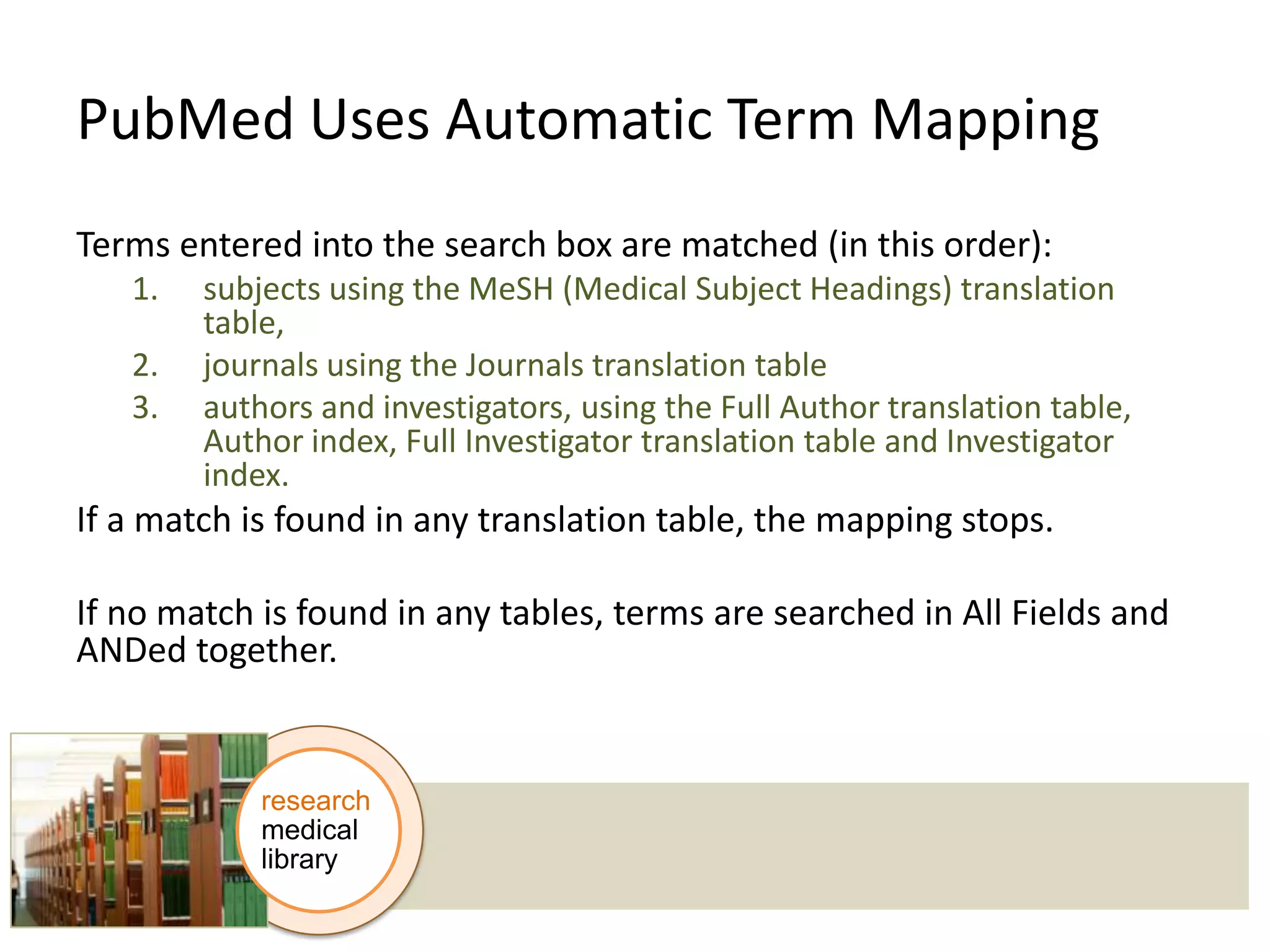
PubMed Uses Automatic Term Mapping
Terms entered into the search box are matched (in this order):
1.
2.
3.

subjects using the MeSH (Medical Subject Headings) translation
table,
journals using the Journals translation table
authors and investigators, using the Full Author translation table,
Author index, Full Investigator translation table and Investigator
index.

If a match is found in any translation table, the mapping stops.
If no match is found in any tables, terms are searched in All Fields and
ANDed together.

research
medical
library
Automatic Term Mapping in PubMed
EXAMPLES:
Ear infection = "otitis"[MeSH Terms] OR "otitis"[All Fields] OR
("ear"[All Fields] AND "infection"[All Fields]) OR "ear infection"[All
Fields]
Metastatic lung cancer = ("secondary"[Subheading] OR
"secondary"[All Fields] OR "metastatic"[All Fields]) AND ("lung
neoplasms"[MeSH Terms] OR ("lung"[All Fields] AND "neoplasms"[All
Fields]) OR "lung neoplasms"[All Fields] OR ("lung"[All Fields] AND
"cancer"[All Fields]) OR "lung cancer"[All Fields])

research
medical
library
ABSTRACTS:
Writing Tips

4. Run a sample search for your
article in PubMed and see how
it is searched.

Search: pomegranate and blood pressure
Query searched in PubMed:
("punicaceae"[MeSH Terms] OR "punicaceae"[All Fields] OR
"pomegranate"[All Fields]) AND ("blood pressure"[MeSH Terms] OR
("blood"[All Fields] AND "pressure"[All Fields]) OR "blood
pressure"[All Fields] OR "blood pressure determination"[MeSH
Terms] OR ("blood"[All Fields] AND "pressure"[All Fields] AND
"determination"[All Fields]) OR "blood pressure determination"[All
Fields] OR ("blood"[All Fields] AND "pressure"[All Fields]) OR "blood
pressure"[All Fields] OR "arterial pressure"[MeSH Terms] OR
("arterial"[All Fields] AND "pressure"[All Fields]) OR "arterial
pressure"[All Fields] OR ("blood"[All Fields] AND "pressure"[All
Fields])
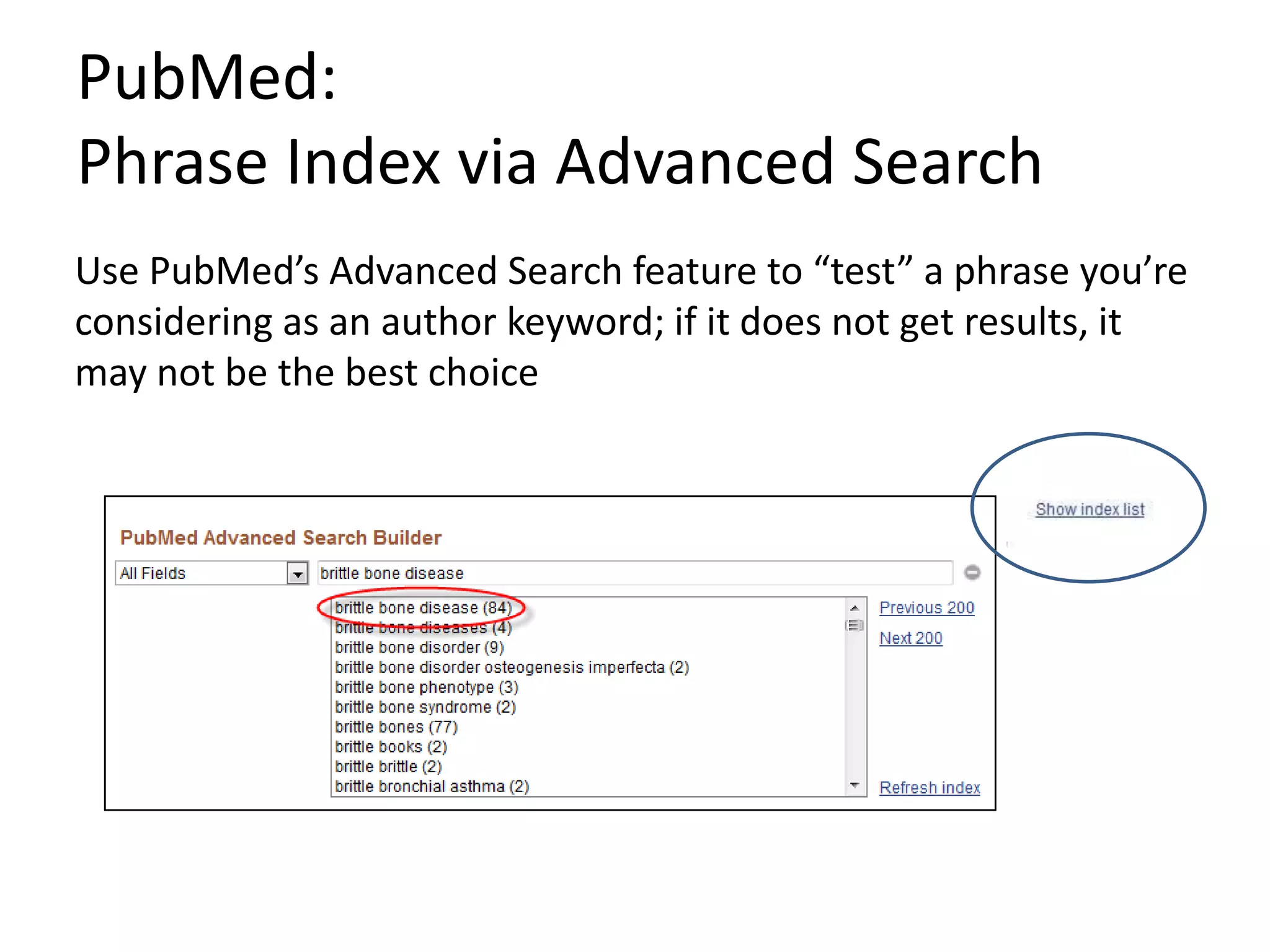
PubMed:
Phrase Index via Advanced Search
Use PubMed’s Advanced Search feature to “test” a phrase you’re
considering as an author keyword; if it does not get results, it
may not be the best choice
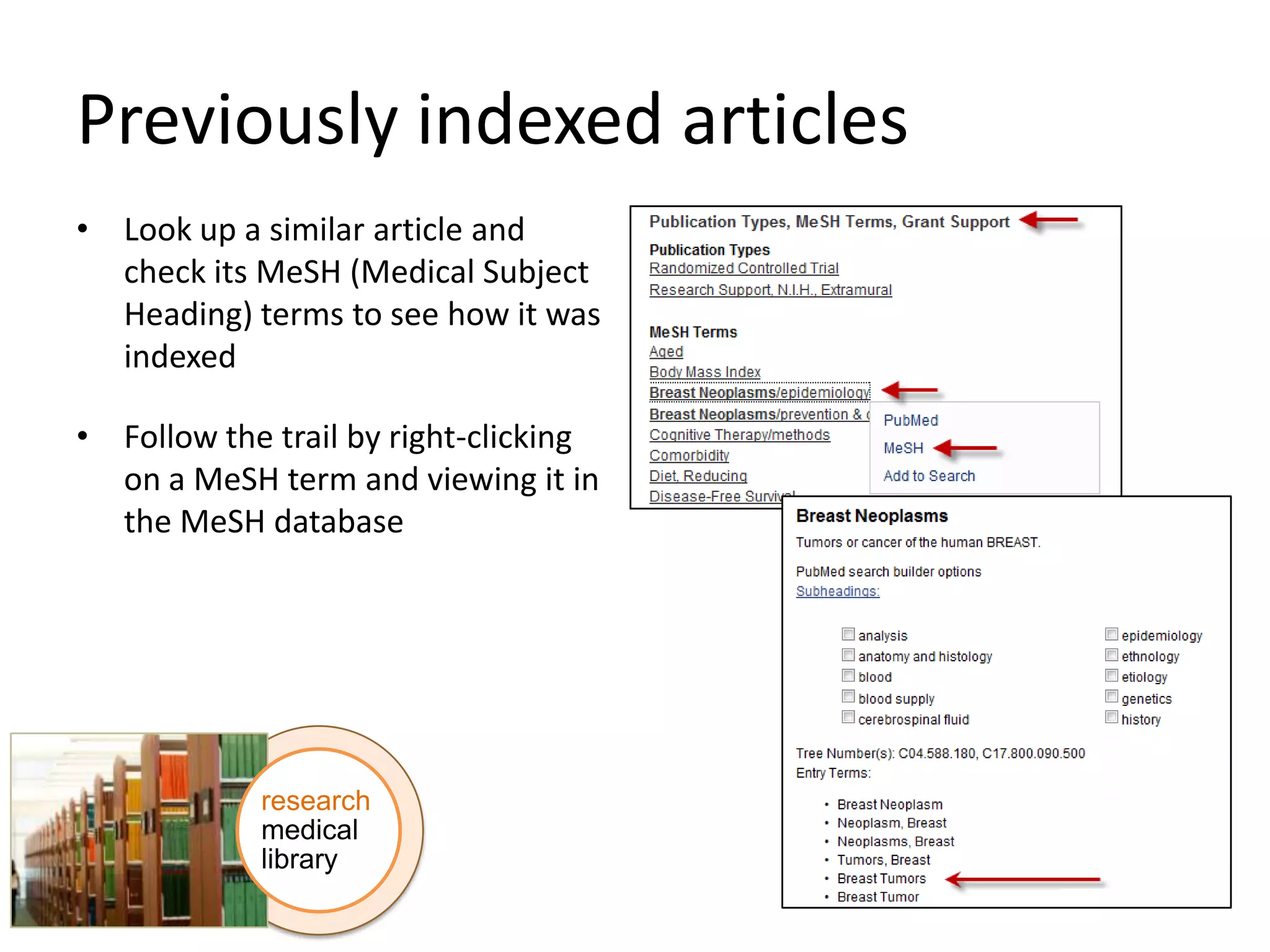
Previously indexed articles
• Look up a similar article and
check its MeSH (Medical Subject
Heading) terms to see how it was
indexed
• Follow the trail by right-clicking
on a MeSH term and viewing it in
the MeSH database

research
medical
library
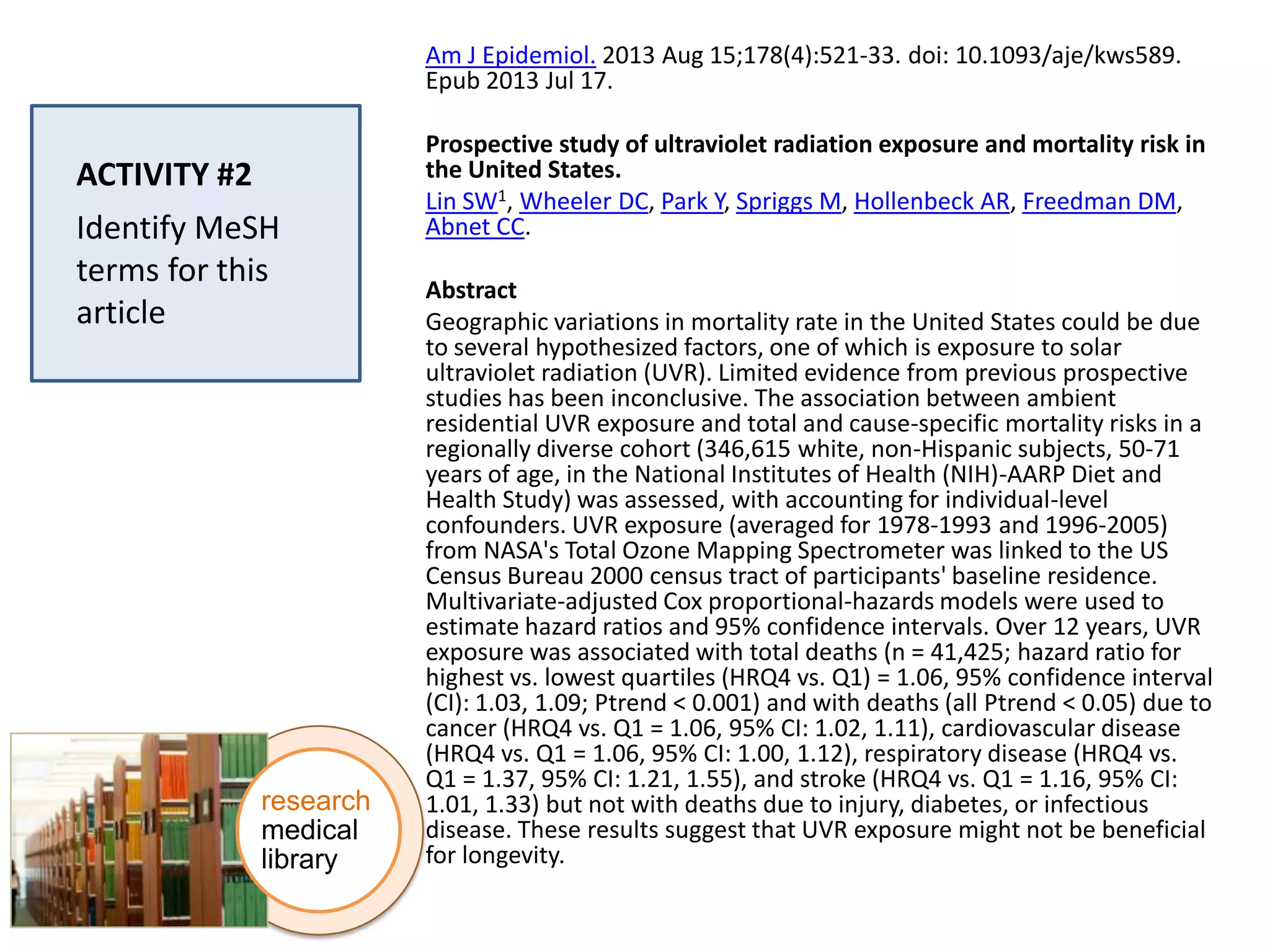
Am J Epidemiol. 2013 Aug 15;178(4):521-33. doi: 10.1093/aje/kws589.
Epub 2013 Jul 17.

ACTIVITY #2
Identify MeSH
terms for this
article

research
medical
library

Prospective study of ultraviolet radiation exposure and mortality risk in
the United States.
Lin SW1, Wheeler DC, Park Y, Spriggs M, Hollenbeck AR, Freedman DM,
Abnet CC.
Abstract
Geographic variations in mortality rate in the United States could be due
to several hypothesized factors, one of which is exposure to solar
ultraviolet radiation (UVR). Limited evidence from previous prospective
studies has been inconclusive. The association between ambient
residential UVR exposure and total and cause-specific mortality risks in a
regionally diverse cohort (346,615 white, non-Hispanic subjects, 50-71
years of age, in the National Institutes of Health (NIH)-AARP Diet and
Health Study) was assessed, with accounting for individual-level
confounders. UVR exposure (averaged for 1978-1993 and 1996-2005)
from NASA's Total Ozone Mapping Spectrometer was linked to the US
Census Bureau 2000 census tract of participants' baseline residence.
Multivariate-adjusted Cox proportional-hazards models were used to
estimate hazard ratios and 95% confidence intervals. Over 12 years, UVR
exposure was associated with total deaths (n = 41,425; hazard ratio for
highest vs. lowest quartiles (HRQ4 vs. Q1) = 1.06, 95% confidence interval
(CI): 1.03, 1.09; Ptrend < 0.001) and with deaths (all Ptrend < 0.05) due to
cancer (HRQ4 vs. Q1 = 1.06, 95% CI: 1.02, 1.11), cardiovascular disease
(HRQ4 vs. Q1 = 1.06, 95% CI: 1.00, 1.12), respiratory disease (HRQ4 vs.
Q1 = 1.37, 95% CI: 1.21, 1.55), and stroke (HRQ4 vs. Q1 = 1.16, 95% CI:
1.01, 1.33) but not with deaths due to injury, diabetes, or infectious
disease. These results suggest that UVR exposure might not be beneficial
for longevity.
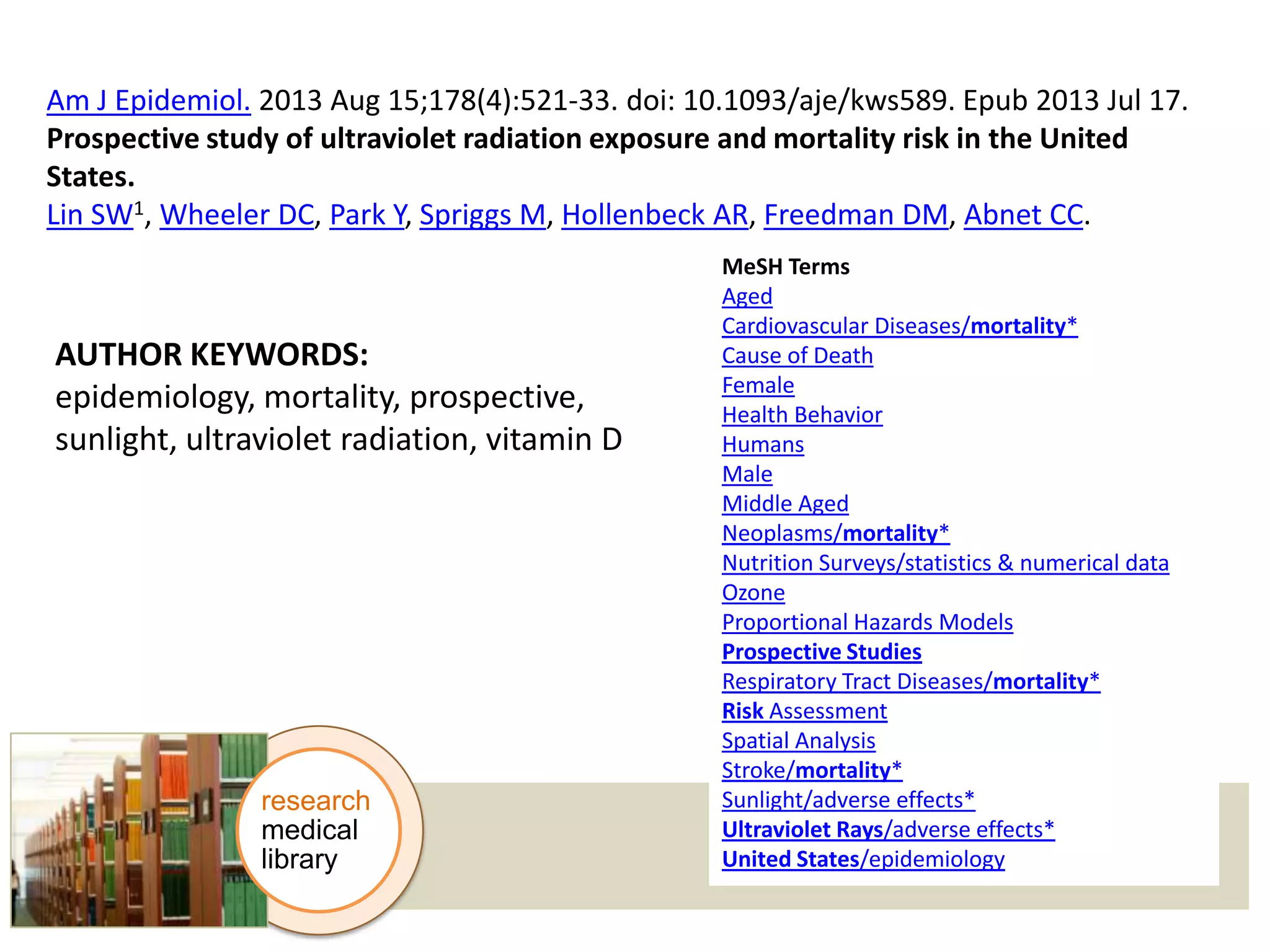
Am J Epidemiol. 2013 Aug 15;178(4):521-33. doi: 10.1093/aje/kws589. Epub 2013 Jul 17.
Prospective study of ultraviolet radiation exposure and mortality risk in the United
States.
Lin SW1, Wheeler DC, Park Y, Spriggs M, Hollenbeck AR, Freedman DM, Abnet CC.

AUTHOR KEYWORDS:
epidemiology, mortality, prospective,
sunlight, ultraviolet radiation, vitamin D

research
medical
library

MeSH Terms
Aged
Cardiovascular Diseases/mortality*
Cause of Death
Female
Health Behavior
Humans
Male
Middle Aged
Neoplasms/mortality*
Nutrition Surveys/statistics & numerical data
Ozone
Proportional Hazards Models
Prospective Studies
Respiratory Tract Diseases/mortality*
Risk Assessment
Spatial Analysis
Stroke/mortality*
Sunlight/adverse effects*
Ultraviolet Rays/adverse effects*
United States/epidemiology
Conclusions
1. Read Instructions for Authors for guidance on format, length, and
content
2. Explain abbreviations to improve searchability
3. Use synonyms in the text of your abstract to create multiple options for
other researchers to find your work
4. Do not cite other work in your abstract unless required by the editor
5. Search PubMed to find similar articles to your research to see how they
were indexed (MeSH terms) and what author keywords were selected
6. If you need assistance with selecting keywords, schedule a consultation
with a librarian (rml-help@mdanderson.org)

research
medical
library

Making Your Research Findable: Writing a great abstract

  • 1.
    Writing a GreatAbstract Presented by: Amy Sisson Information Services Librarian Research Medical Library aasisson@mdanderson.org research medical library Clara Fowler Manager, Information Services Research Medical Library cfowler@mdanderson.org
  • 2.
    What abstracts are •A summary of the article’s content • A time-saving shortcut for readers and researchers • A “table of contents” for the most important parts of your manuscript • Occasionally, they are the only publication of particular information (i.e. conference proceeding abstracts not published elsewhere) research medical library
  • 3.
    Why are abstractsimportant? • Most databases do not offer the ability to search the articles’ full text • Article abstracts are where most keyword searches are matched • If an abstract is not well-written, researchers may not be able to find it, because most searchers do not use subject headings to search “BMJ editors now begin screening original research by reading only the abstract. Our estimate is that an initial decision is made on the abstract alone in 15-25% of papers. … All too often abstracts are poorly written, incomplete, misleading, and plain wrong.” Groves, T. and K. Abbasi (2004). "Screening research papers by reading abstracts." BMJ 329(7464): 470-471. research medical library
  • 4.
    Types of abstracts •Unstructured & structured • Journal will indicate in the author’s instructions which type they require JAMA: Include a structured abstract of no more than 350 words for reports of original data, reviews, and meta-analyses. For other major manuscripts, include an unstructured abstract of no more than 200 words that summarizes the objective, main points, and conclusions of the article. http://jama.jamanetwork.com/public/instruc tionsForAuthors.aspx#Abstracts research medical library
  • 5.
  • 6.
  • 7.
    Example of a structured abstractfor JAMA research medical library
  • 8.
    KEY ELEMENTS OFABSTRACTS Key element 1 (background): the point of the research – why should we care about the study? Key element 2 (objectives): the specific research question – the basis of credible science. Key element 3 (methods): a description of the methods used to collect data and determine the relationships between the variables. Key element 4 (results): the major findings – not only data, but the RELATIONSHIPS found that lead to the answer. These are historical facts and, therefore, reported in past tense. Key element 5 (conclusions): the answers to the research questions – the authors’ INTERPRETATION of the factual findings. An answer to a research question is in the present tense. http://www.ease.org.u k/sites/default/files/e ase_guidelinesjune2013abstracts.pdf research medical library
  • 9.
    Random sample ofarticles and abstracts from 6 major medical journals (Annals of Internal Medicine, BMJ, JAMA, Lancet, NEJM, and CMAJ) compared for accuracy. Found proportion of deficient abstracts per journal varied widely (18%-68%). Deficient Abstracts Inconsistency = data given differently in abstract and the body of the article Omission = data reported in abstract but not in the body of the article
  • 10.
    • 60 articlesselected from 6 clinical journals (American Journal of Emergency Medicine, BMJ, JAMA, Lancet, NEJM, and Obstetrics and Gynaecology) • Data inaccuracy found in 32 abstracts (53.33% of the articles) • Results sections showed the most number of discrepancies in structured abstracts
  • 11.
    In 2006, ArthurAmman, President of Global Strategies for HIV Prevention, made a disquieting remark: “I recently met a physician from southern Africa, engaged in perinatal HIV prevention, whose primary access to information was abstracts posted on the internet. Based on a single abstract, they had altered their perinatal HIV prevention program from an effective therapy to one with lesser efficacy. Had they read the full text article they would have undoubtedly realized that the study results were based on short-term follow-up, a small pivotal group, incomplete data, and unlikely to be applicable to their country situation. Their decision to alter treatment based solely on the abstract’s conclusions may have resulted in increased perinatal HIV transmission.”1 The PLoS Medicine Editors. The impact of open access upon public health. PLoS Med 2006: 3: e252. research medical library
  • 12.
    CONSORT for ABSTRACTS • CONSORT,Consolidated Standards of Reporting Trials, developed to alleviate the problems arising from inadequate reporting of randomized controlled trials (RCTs). • This is the minimum list of essential items to include in a journal or conference abstract when reporting the main results of a randomized trial www.thelancet.com Published online January 22, 2008 DOI:10.1016/S0140-6736(07)61835-2
  • 15.
  • 16.
    ABSTRACTS: Writing Tips 2. Synonymsfor title keywords in abstract
  • 17.
    ABSTRACTS: Writing Tips 3. Refrainfrom citing references in the abstract
  • 18.
    Why are authorkeywords important? • In February 2013, PubMed began displaying searchable author keywords when supplied by journal publishers • Author keywords provide an opportunity to include descriptive words/phrases in addition to the abstract = more “points of entry” • Depending on the searcher, an author keyword may be the only point of entry for that searcher to find the article research medical library
  • 19.
    Choosing your authorkeywords • Look for similar articles to see what author keywords they use • Avoid general or simplistic words (molecule, lasers, energy) • Choose specific words and phrases that other researchers in your field are likely to use when searching for your topic (hippocampal, cell death, bioturbation) • Choose words and phrases that you did not have room for in your abstract research medical library http://www.springer.com/authors/journal+authors/journal+auth ors+academy?SGWID=0-1726414-12-837806-0)
  • 20.
    Am J Epidemiol.2013 Aug 15;178(4):521-33. doi: 10.1093/aje/kws589. Epub 2013 Jul 17. ACTIVITY #1 Identify author keywords for this article research medical library Prospective study of ultraviolet radiation exposure and mortality risk in the United States. Lin SW1, Wheeler DC, Park Y, Spriggs M, Hollenbeck AR, Freedman DM, Abnet CC. Abstract Geographic variations in mortality rate in the United States could be due to several hypothesized factors, one of which is exposure to solar ultraviolet radiation (UVR). Limited evidence from previous prospective studies has been inconclusive. The association between ambient residential UVR exposure and total and cause-specific mortality risks in a regionally diverse cohort (346,615 white, non-Hispanic subjects, 50-71 years of age, in the National Institutes of Health (NIH)-AARP Diet and Health Study) was assessed, with accounting for individual-level confounders. UVR exposure (averaged for 1978-1993 and 1996-2005) from NASA's Total Ozone Mapping Spectrometer was linked to the US Census Bureau 2000 census tract of participants' baseline residence. Multivariate-adjusted Cox proportional-hazards models were used to estimate hazard ratios and 95% confidence intervals. Over 12 years, UVR exposure was associated with total deaths (n = 41,425; hazard ratio for highest vs. lowest quartiles (HRQ4 vs. Q1) = 1.06, 95% confidence interval (CI): 1.03, 1.09; Ptrend < 0.001) and with deaths (all Ptrend < 0.05) due to cancer (HRQ4 vs. Q1 = 1.06, 95% CI: 1.02, 1.11), cardiovascular disease (HRQ4 vs. Q1 = 1.06, 95% CI: 1.00, 1.12), respiratory disease (HRQ4 vs. Q1 = 1.37, 95% CI: 1.21, 1.55), and stroke (HRQ4 vs. Q1 = 1.16, 95% CI: 1.01, 1.33) but not with deaths due to injury, diabetes, or infectious disease. These results suggest that UVR exposure might not be beneficial for longevity.
  • 21.
    PubMed Uses AutomaticTerm Mapping Terms entered into the search box are matched (in this order): 1. 2. 3. subjects using the MeSH (Medical Subject Headings) translation table, journals using the Journals translation table authors and investigators, using the Full Author translation table, Author index, Full Investigator translation table and Investigator index. If a match is found in any translation table, the mapping stops. If no match is found in any tables, terms are searched in All Fields and ANDed together. research medical library
  • 22.
    Automatic Term Mappingin PubMed EXAMPLES: Ear infection = "otitis"[MeSH Terms] OR "otitis"[All Fields] OR ("ear"[All Fields] AND "infection"[All Fields]) OR "ear infection"[All Fields] Metastatic lung cancer = ("secondary"[Subheading] OR "secondary"[All Fields] OR "metastatic"[All Fields]) AND ("lung neoplasms"[MeSH Terms] OR ("lung"[All Fields] AND "neoplasms"[All Fields]) OR "lung neoplasms"[All Fields] OR ("lung"[All Fields] AND "cancer"[All Fields]) OR "lung cancer"[All Fields]) research medical library
  • 23.
    ABSTRACTS: Writing Tips 4. Runa sample search for your article in PubMed and see how it is searched. Search: pomegranate and blood pressure Query searched in PubMed: ("punicaceae"[MeSH Terms] OR "punicaceae"[All Fields] OR "pomegranate"[All Fields]) AND ("blood pressure"[MeSH Terms] OR ("blood"[All Fields] AND "pressure"[All Fields]) OR "blood pressure"[All Fields] OR "blood pressure determination"[MeSH Terms] OR ("blood"[All Fields] AND "pressure"[All Fields] AND "determination"[All Fields]) OR "blood pressure determination"[All Fields] OR ("blood"[All Fields] AND "pressure"[All Fields]) OR "blood pressure"[All Fields] OR "arterial pressure"[MeSH Terms] OR ("arterial"[All Fields] AND "pressure"[All Fields]) OR "arterial pressure"[All Fields] OR ("blood"[All Fields] AND "pressure"[All Fields])
  • 24.
    PubMed: Phrase Index viaAdvanced Search Use PubMed’s Advanced Search feature to “test” a phrase you’re considering as an author keyword; if it does not get results, it may not be the best choice
  • 25.
    Previously indexed articles •Look up a similar article and check its MeSH (Medical Subject Heading) terms to see how it was indexed • Follow the trail by right-clicking on a MeSH term and viewing it in the MeSH database research medical library
  • 26.
    Am J Epidemiol.2013 Aug 15;178(4):521-33. doi: 10.1093/aje/kws589. Epub 2013 Jul 17. ACTIVITY #2 Identify MeSH terms for this article research medical library Prospective study of ultraviolet radiation exposure and mortality risk in the United States. Lin SW1, Wheeler DC, Park Y, Spriggs M, Hollenbeck AR, Freedman DM, Abnet CC. Abstract Geographic variations in mortality rate in the United States could be due to several hypothesized factors, one of which is exposure to solar ultraviolet radiation (UVR). Limited evidence from previous prospective studies has been inconclusive. The association between ambient residential UVR exposure and total and cause-specific mortality risks in a regionally diverse cohort (346,615 white, non-Hispanic subjects, 50-71 years of age, in the National Institutes of Health (NIH)-AARP Diet and Health Study) was assessed, with accounting for individual-level confounders. UVR exposure (averaged for 1978-1993 and 1996-2005) from NASA's Total Ozone Mapping Spectrometer was linked to the US Census Bureau 2000 census tract of participants' baseline residence. Multivariate-adjusted Cox proportional-hazards models were used to estimate hazard ratios and 95% confidence intervals. Over 12 years, UVR exposure was associated with total deaths (n = 41,425; hazard ratio for highest vs. lowest quartiles (HRQ4 vs. Q1) = 1.06, 95% confidence interval (CI): 1.03, 1.09; Ptrend < 0.001) and with deaths (all Ptrend < 0.05) due to cancer (HRQ4 vs. Q1 = 1.06, 95% CI: 1.02, 1.11), cardiovascular disease (HRQ4 vs. Q1 = 1.06, 95% CI: 1.00, 1.12), respiratory disease (HRQ4 vs. Q1 = 1.37, 95% CI: 1.21, 1.55), and stroke (HRQ4 vs. Q1 = 1.16, 95% CI: 1.01, 1.33) but not with deaths due to injury, diabetes, or infectious disease. These results suggest that UVR exposure might not be beneficial for longevity.
  • 27.
    Am J Epidemiol.2013 Aug 15;178(4):521-33. doi: 10.1093/aje/kws589. Epub 2013 Jul 17. Prospective study of ultraviolet radiation exposure and mortality risk in the United States. Lin SW1, Wheeler DC, Park Y, Spriggs M, Hollenbeck AR, Freedman DM, Abnet CC. AUTHOR KEYWORDS: epidemiology, mortality, prospective, sunlight, ultraviolet radiation, vitamin D research medical library MeSH Terms Aged Cardiovascular Diseases/mortality* Cause of Death Female Health Behavior Humans Male Middle Aged Neoplasms/mortality* Nutrition Surveys/statistics & numerical data Ozone Proportional Hazards Models Prospective Studies Respiratory Tract Diseases/mortality* Risk Assessment Spatial Analysis Stroke/mortality* Sunlight/adverse effects* Ultraviolet Rays/adverse effects* United States/epidemiology
  • 28.
    Conclusions 1. Read Instructionsfor Authors for guidance on format, length, and content 2. Explain abbreviations to improve searchability 3. Use synonyms in the text of your abstract to create multiple options for other researchers to find your work 4. Do not cite other work in your abstract unless required by the editor 5. Search PubMed to find similar articles to your research to see how they were indexed (MeSH terms) and what author keywords were selected 6. If you need assistance with selecting keywords, schedule a consultation with a librarian (rml-help@mdanderson.org) research medical library