Teaching for Artistic Behavior Choice-Based Art Education Katherine Douglas
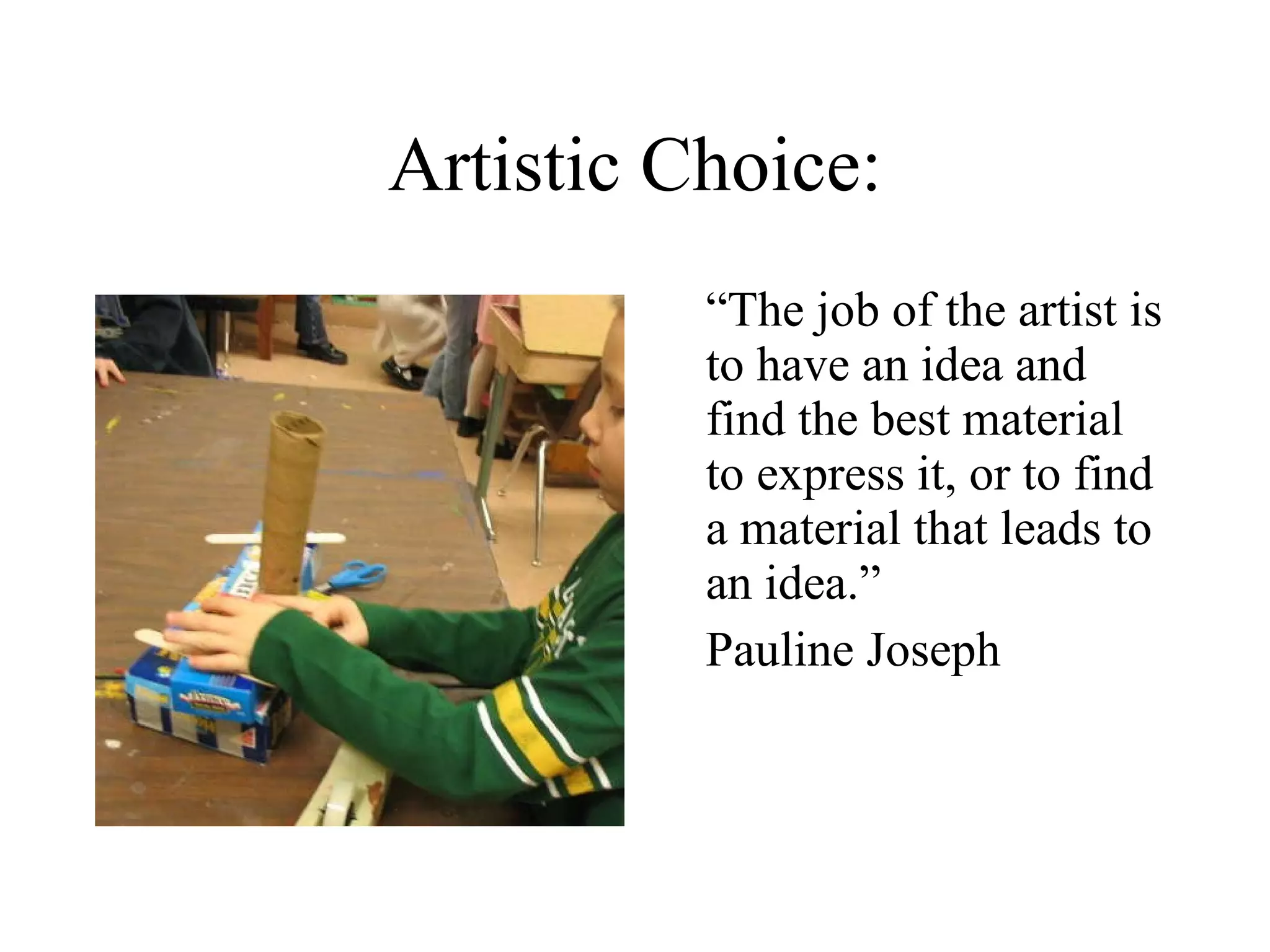
Artistic Choice: “ The job of the artist is to have an idea and find the best material to express it, or to find a material that leads to an idea.” Pauline Joseph
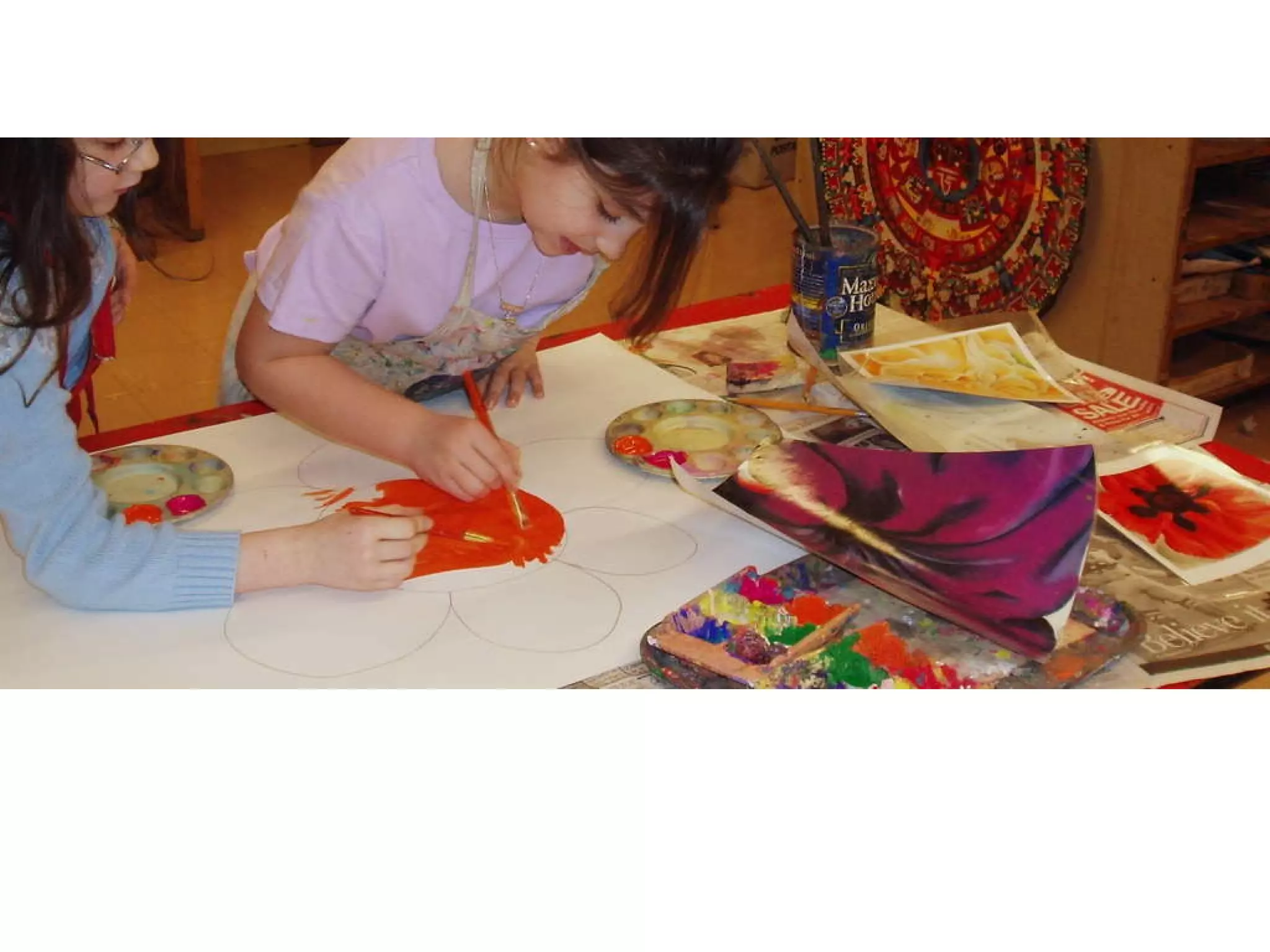
In a TAB classroom students can Work at their own speed Work from strengths Follow a line of thought over time Learn from and work with peers Be “on task” for a great portion of the class—there is no waiting for materials to be passed out, for instance, and when finished, students can move on to another piece without assistance. Develop a working style Use what they know to show what they know: student interests can be explored in visual form. Form cooperative groups and engage in positive social interactions Take responsibility for care of materials and centers.
In a TAB classroom teachers can Observe students working independently to determine strengths and weaknesses Work with small groups of interested students while others work independently, allowing for more in-depth instruction. Offer special “scaffolding” to struggling students Get to know students well through their very individual personal styles Expect students to come to class highly motivated and ready to work
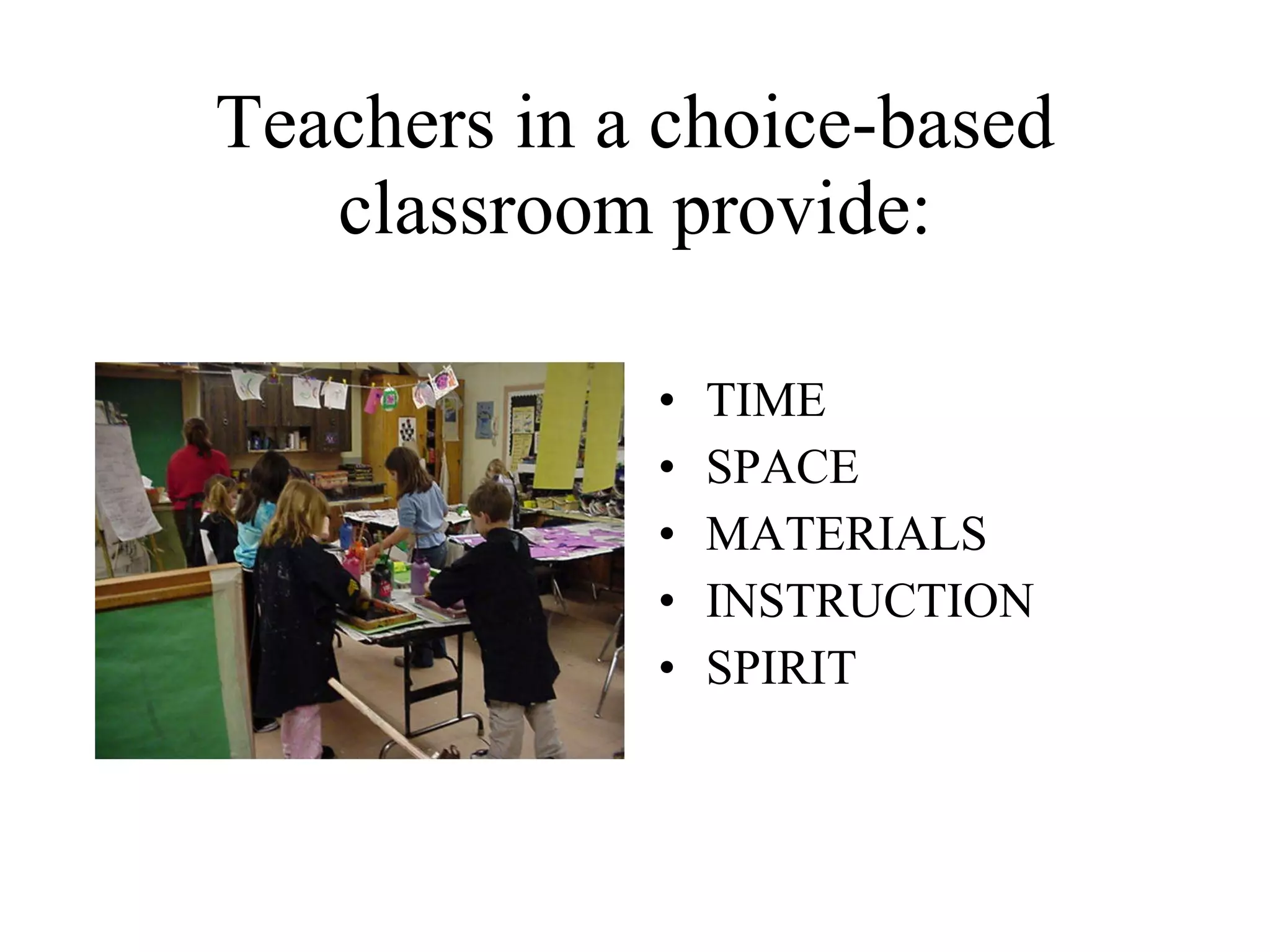
Teachers in a choice-based classroom provide: TIME SPACE MATERIALS INSTRUCTION SPIRIT
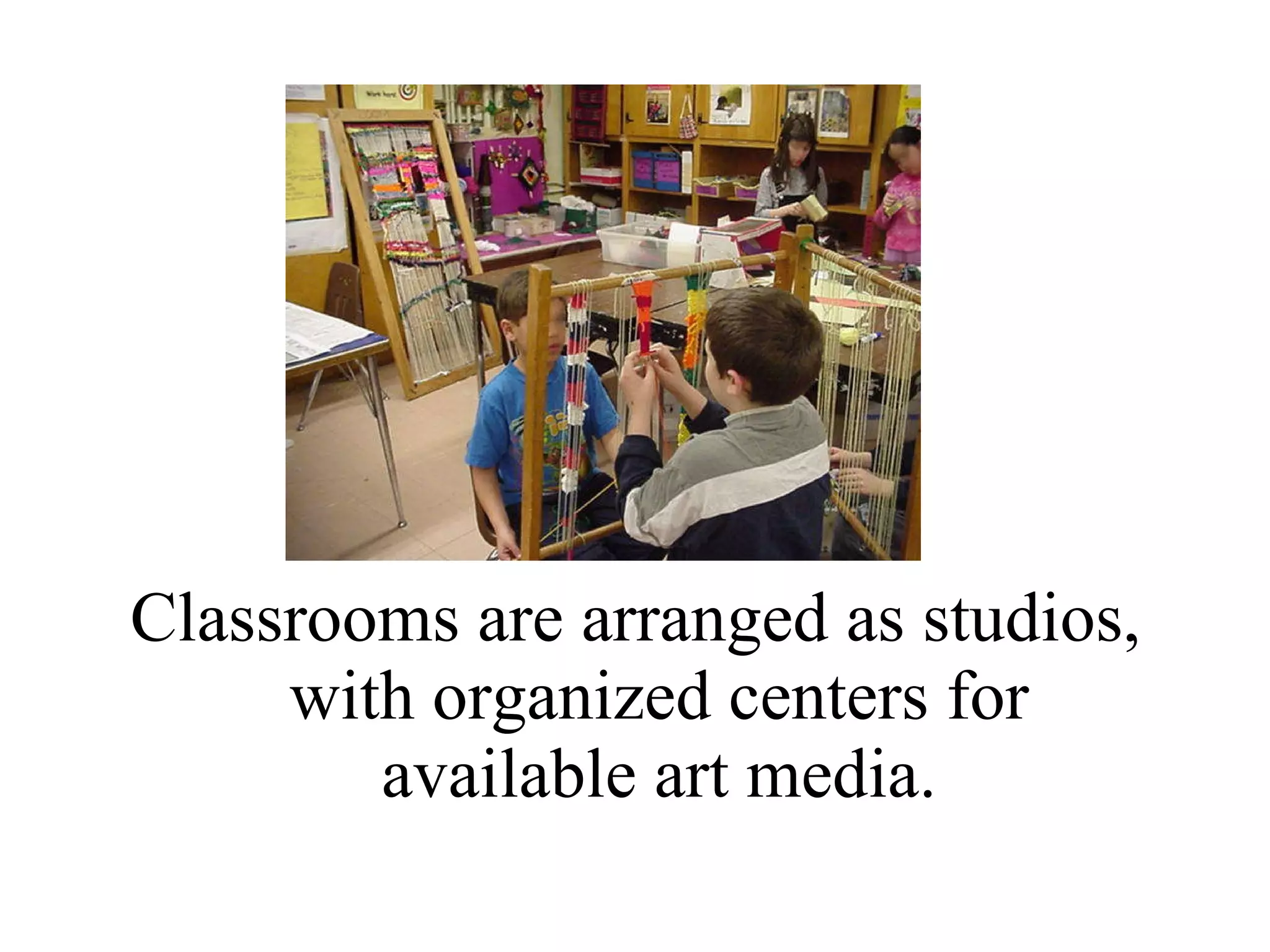
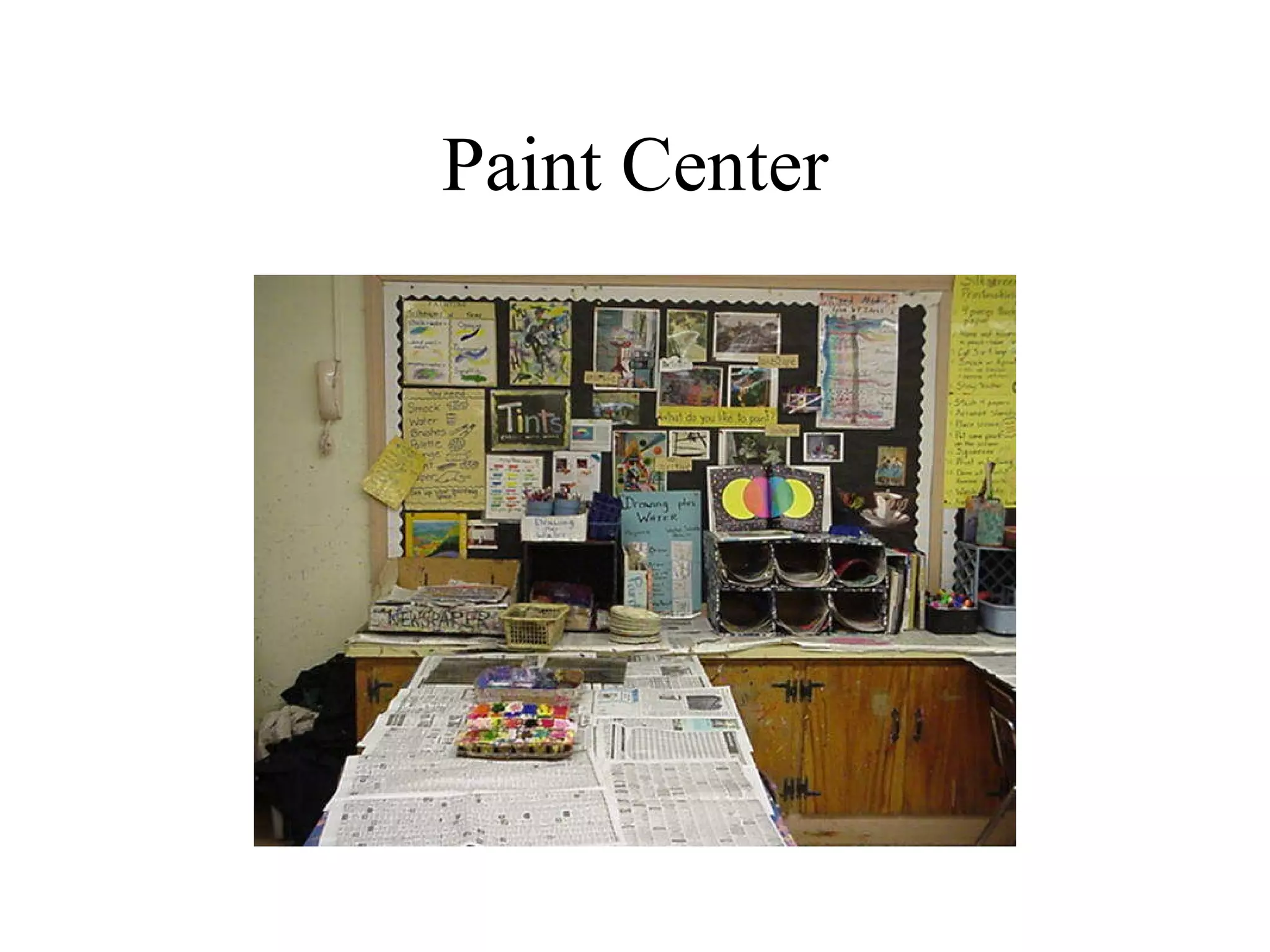
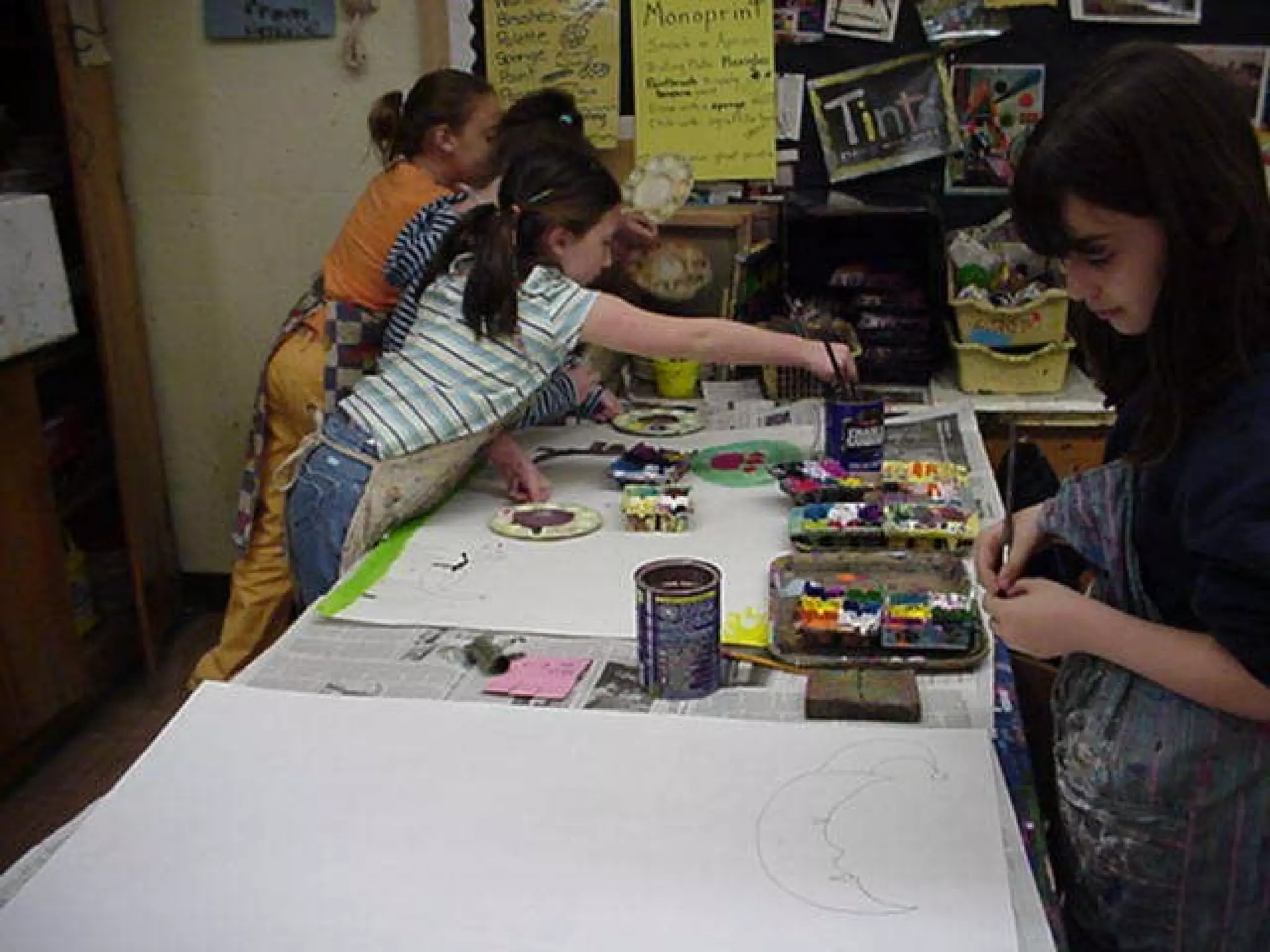
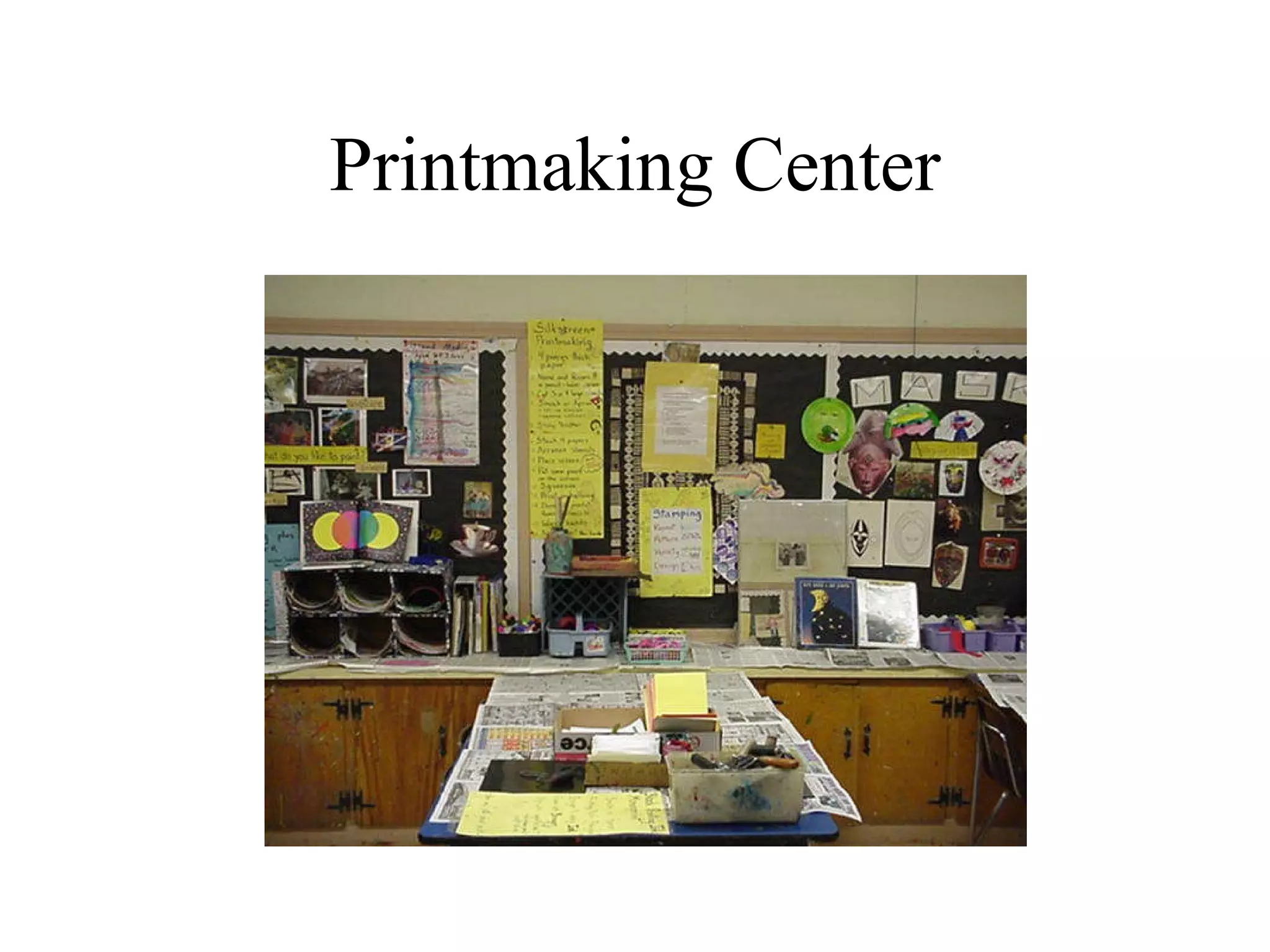
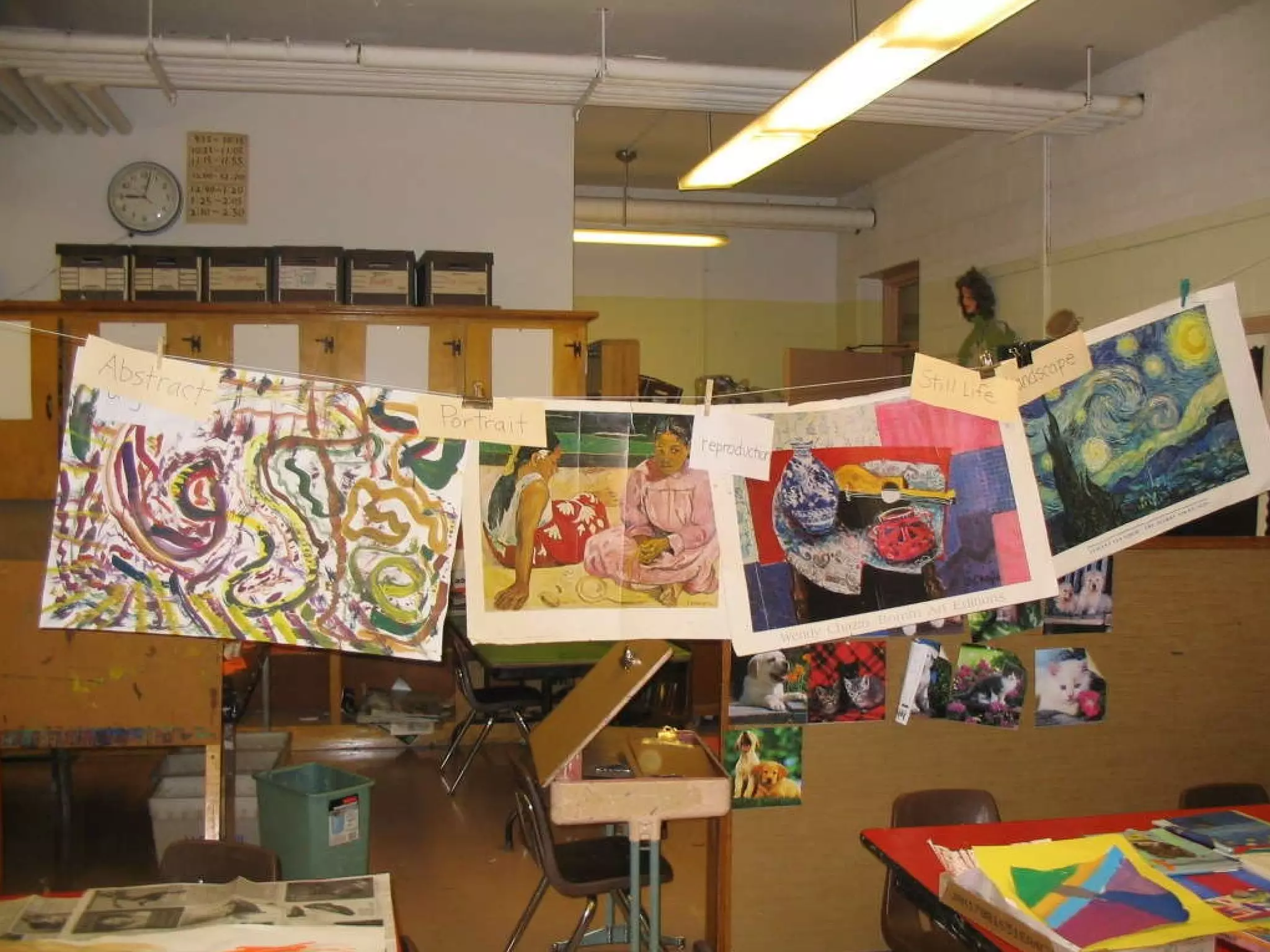
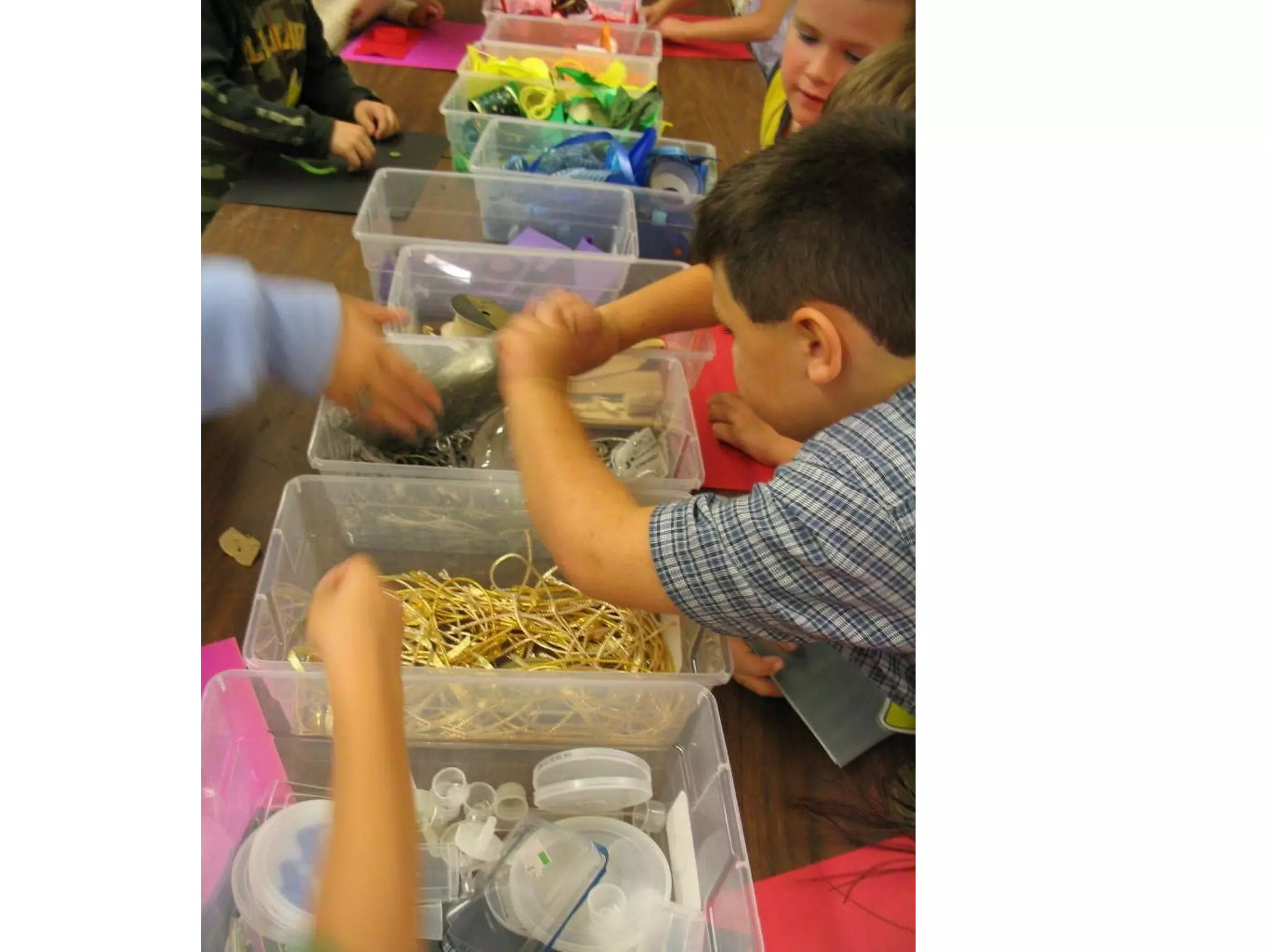
Classrooms are arranged as studios, with organized centers for available art media.
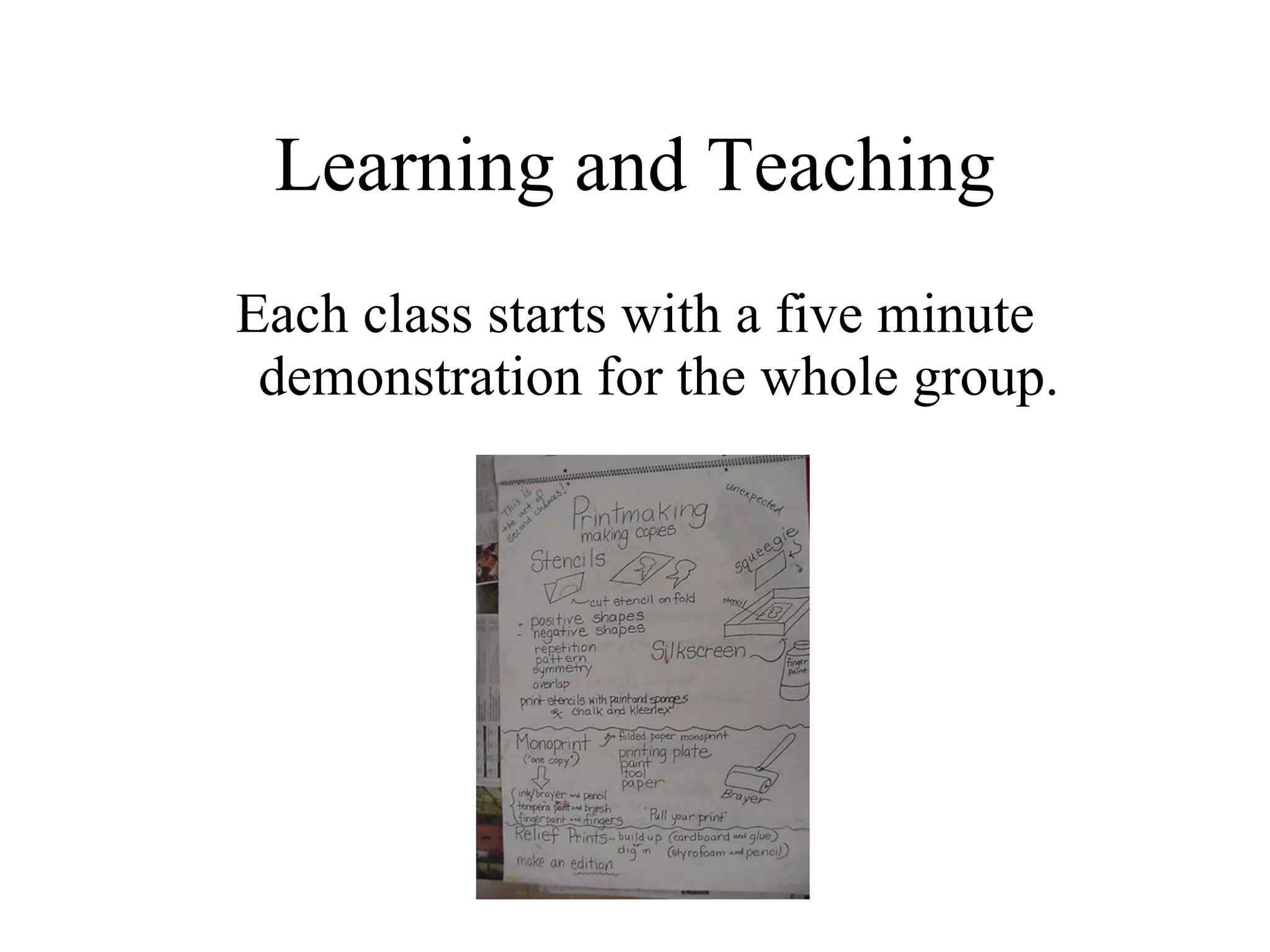
Learning and Teaching Each class starts with a five minute demonstration for the whole group.
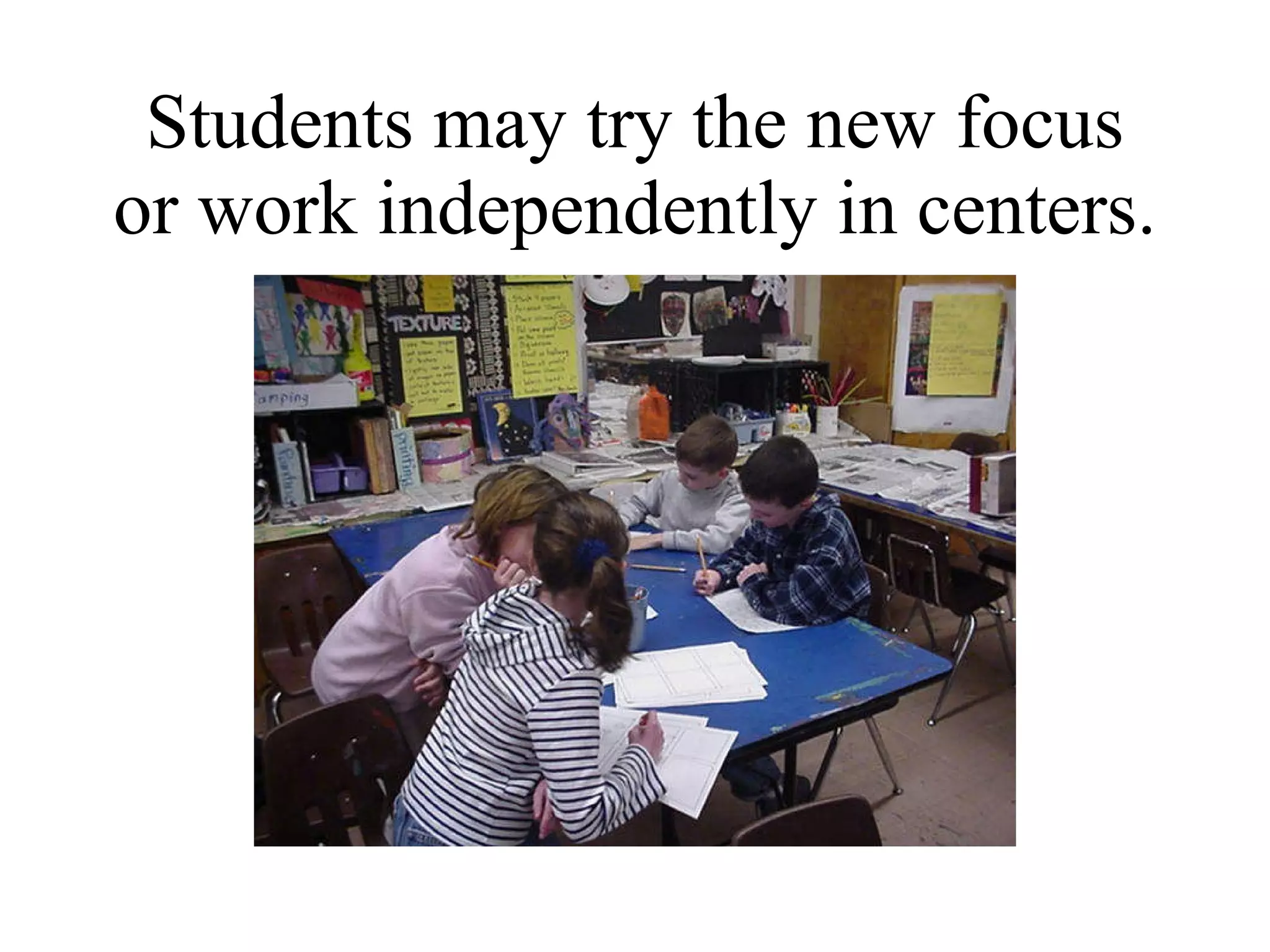
Students may try the new focus or work independently in centers.
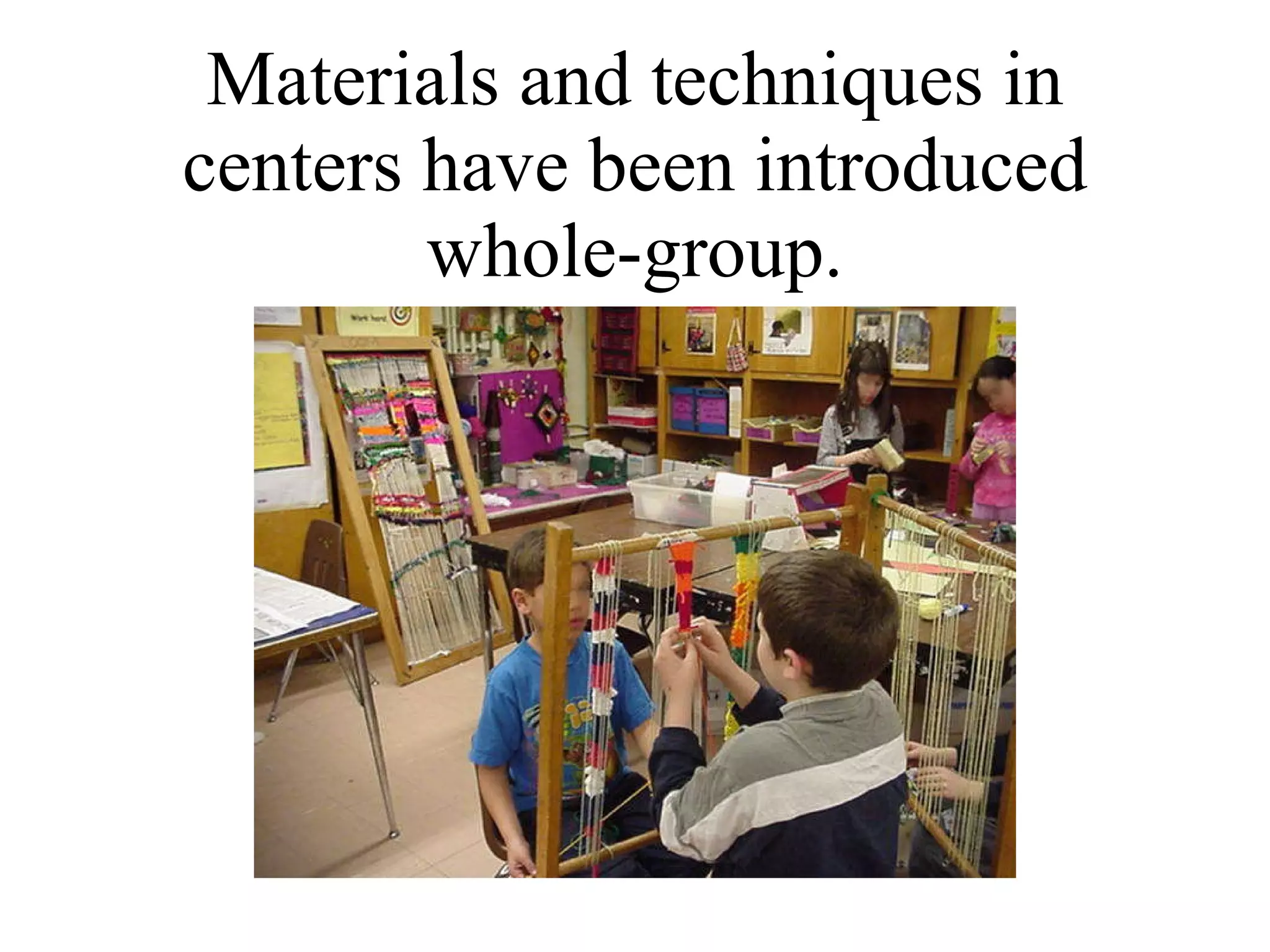
Materials and techniques in centers have been introduced whole-group.
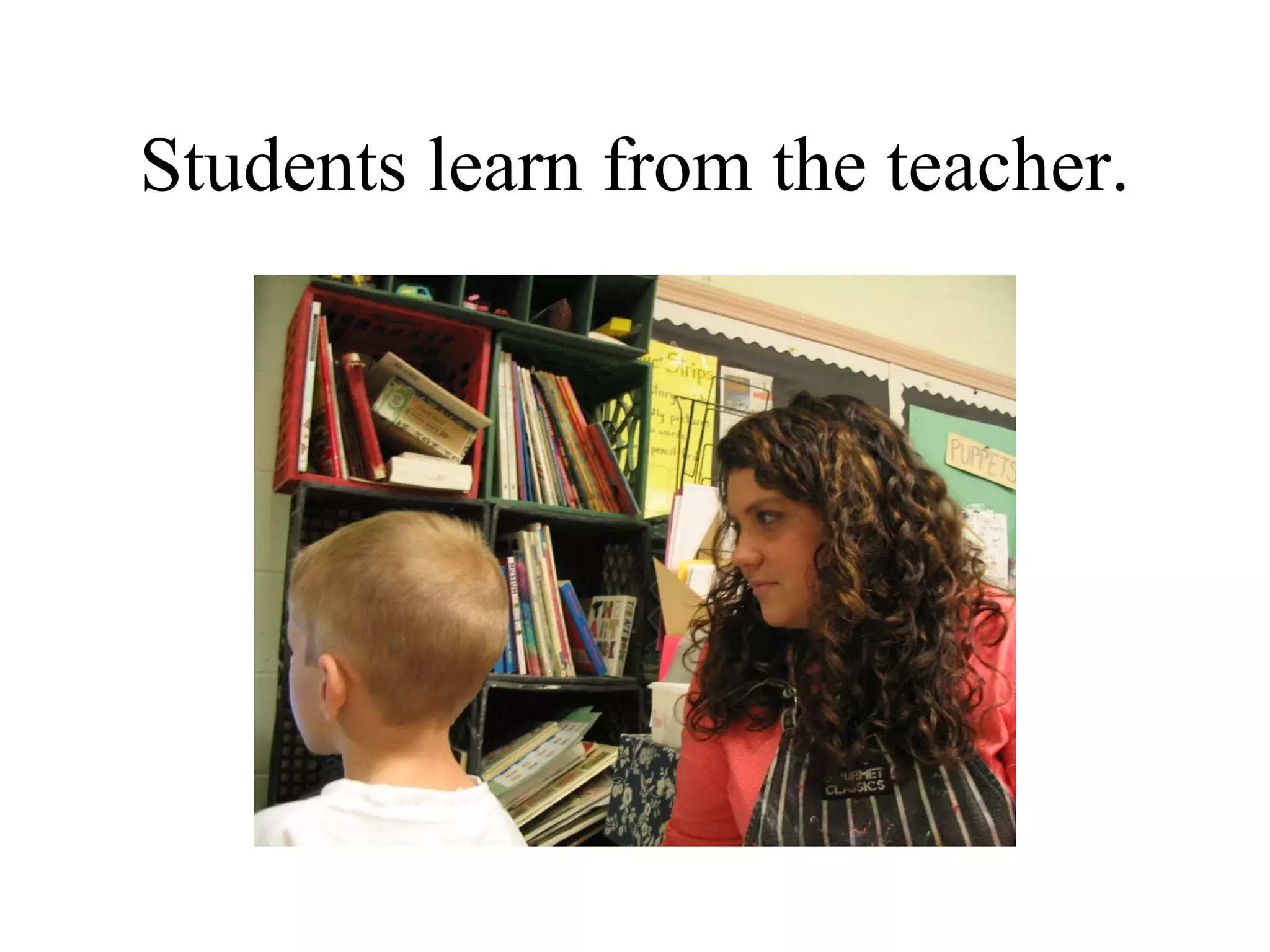
Students learn from the teacher.
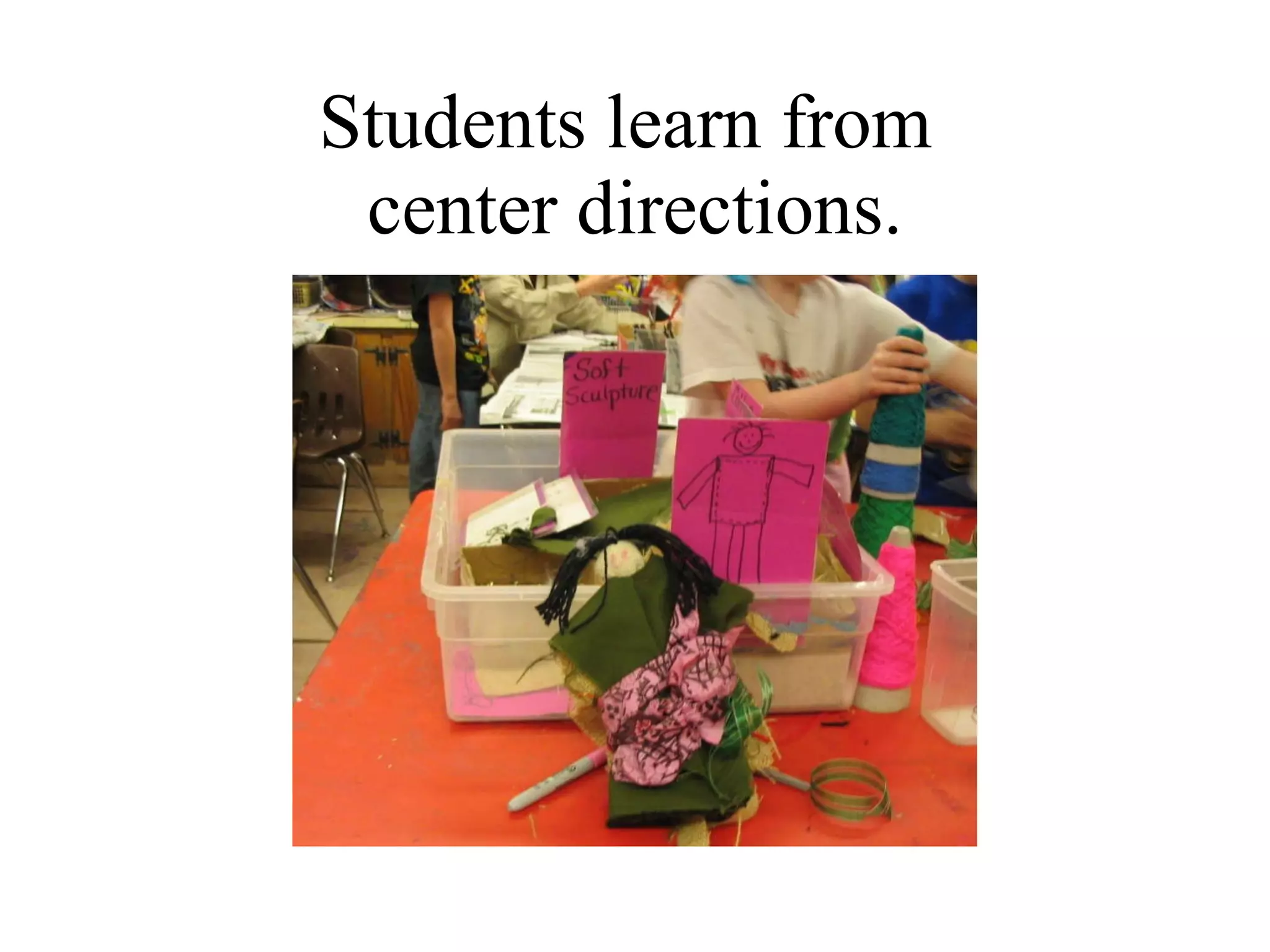
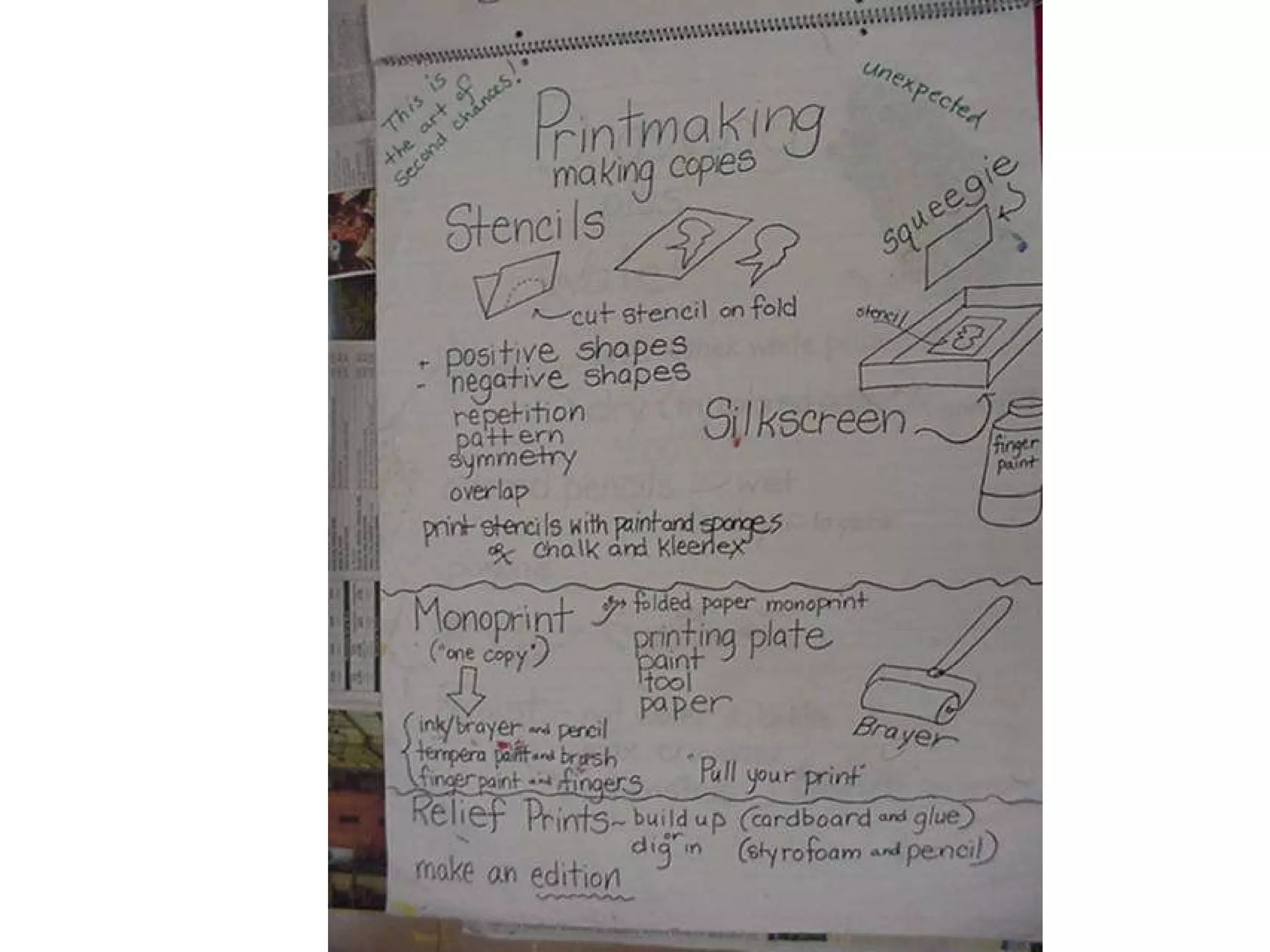
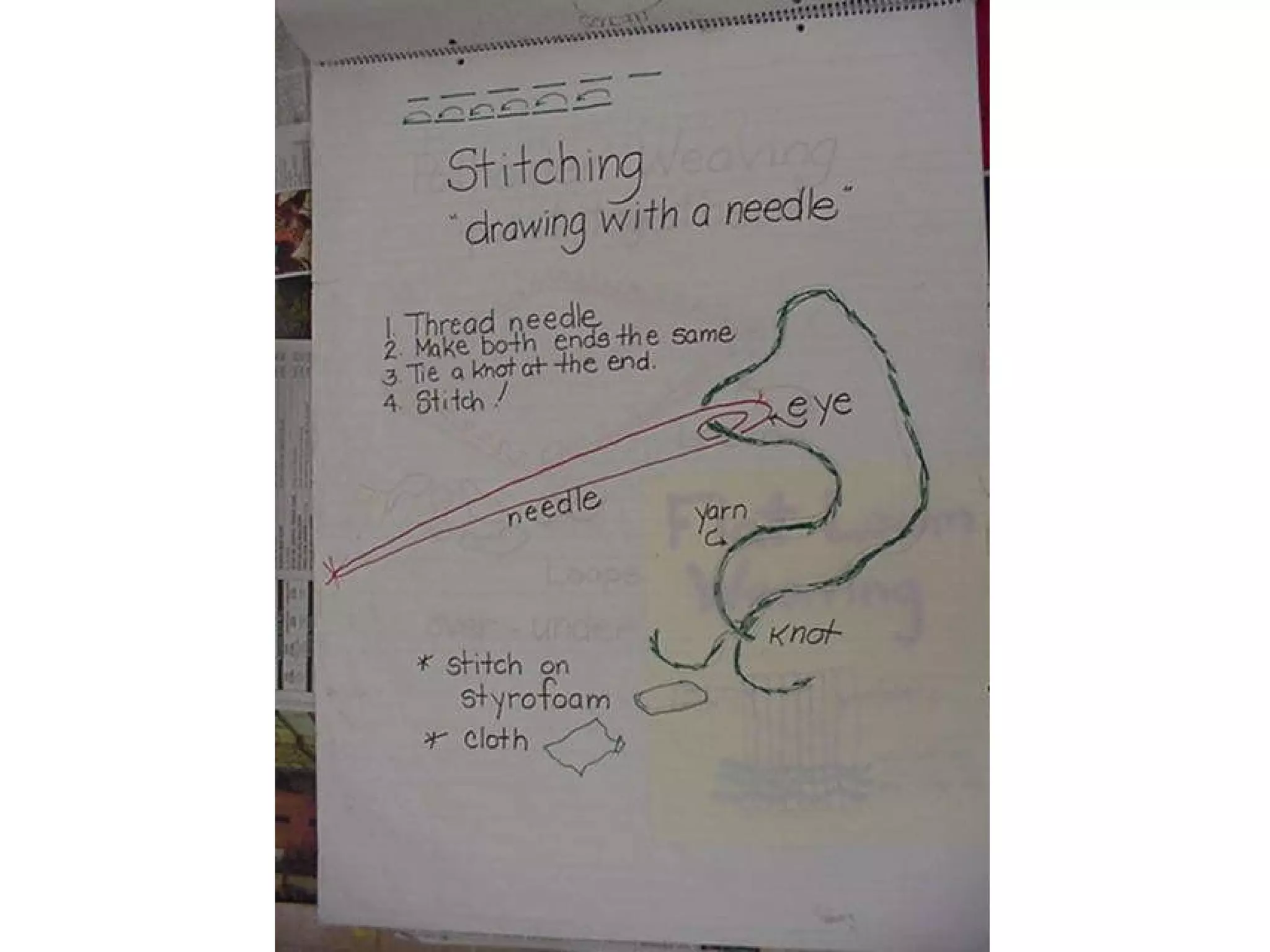
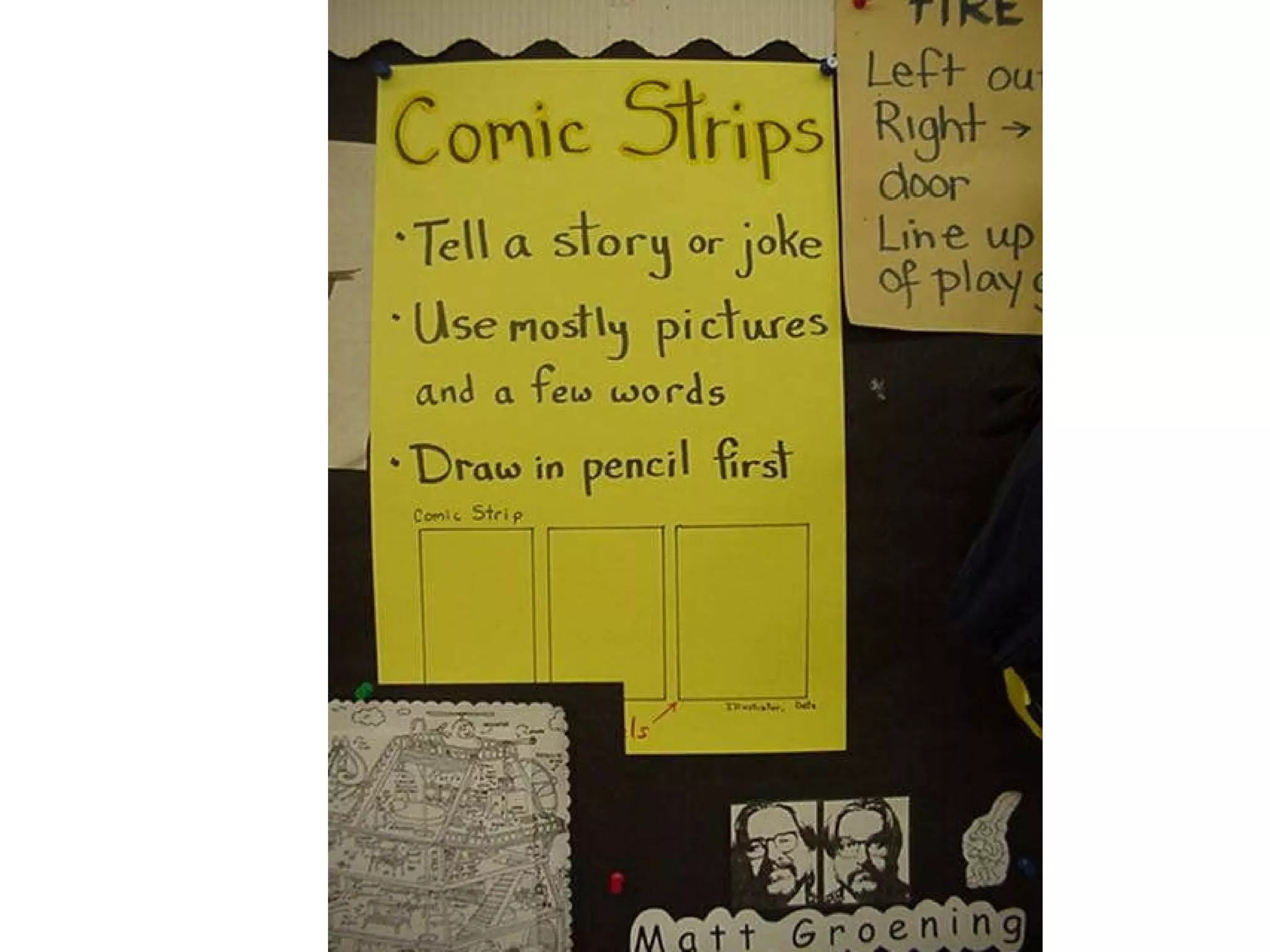
Students learn from  center directions.
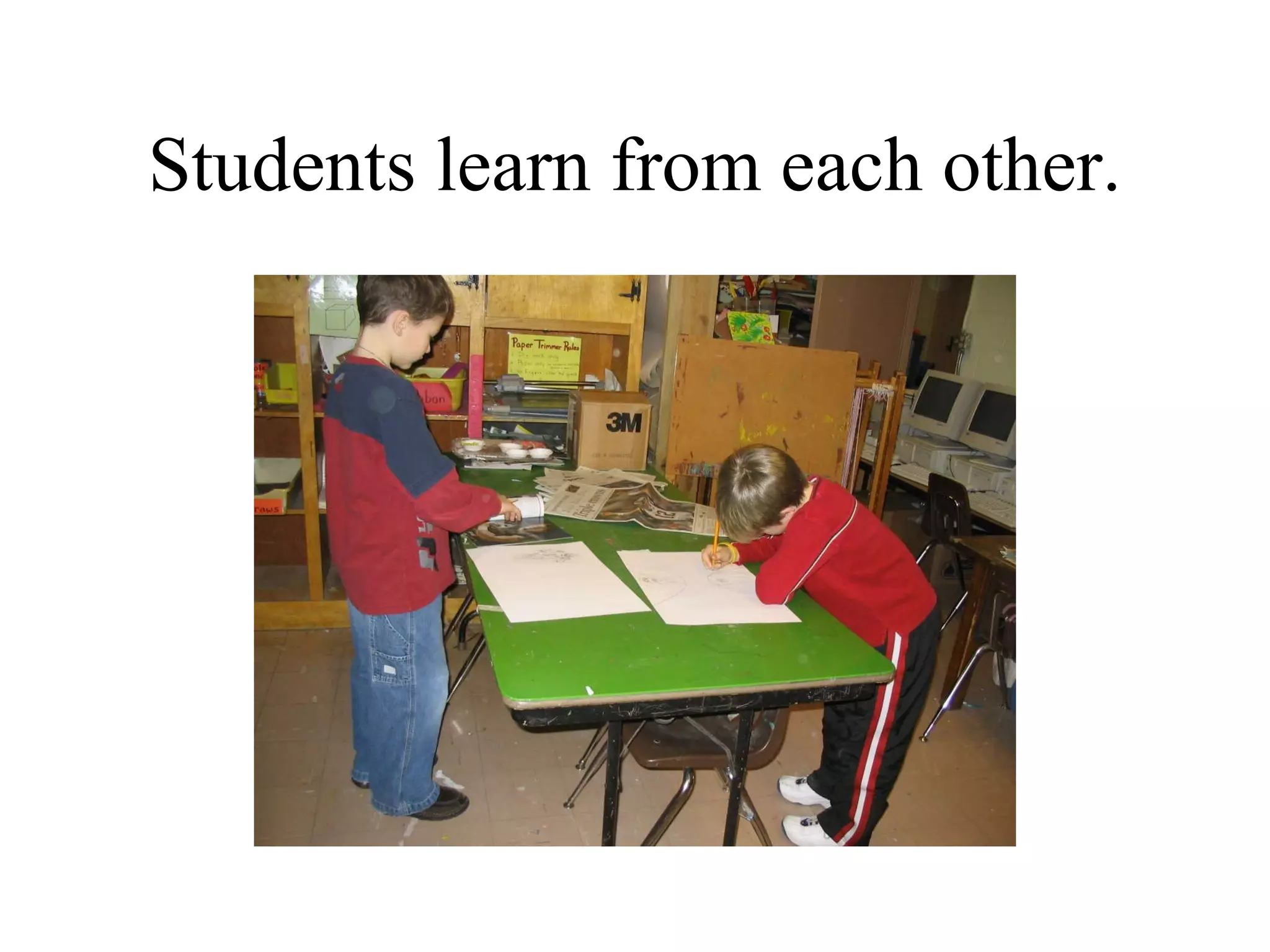
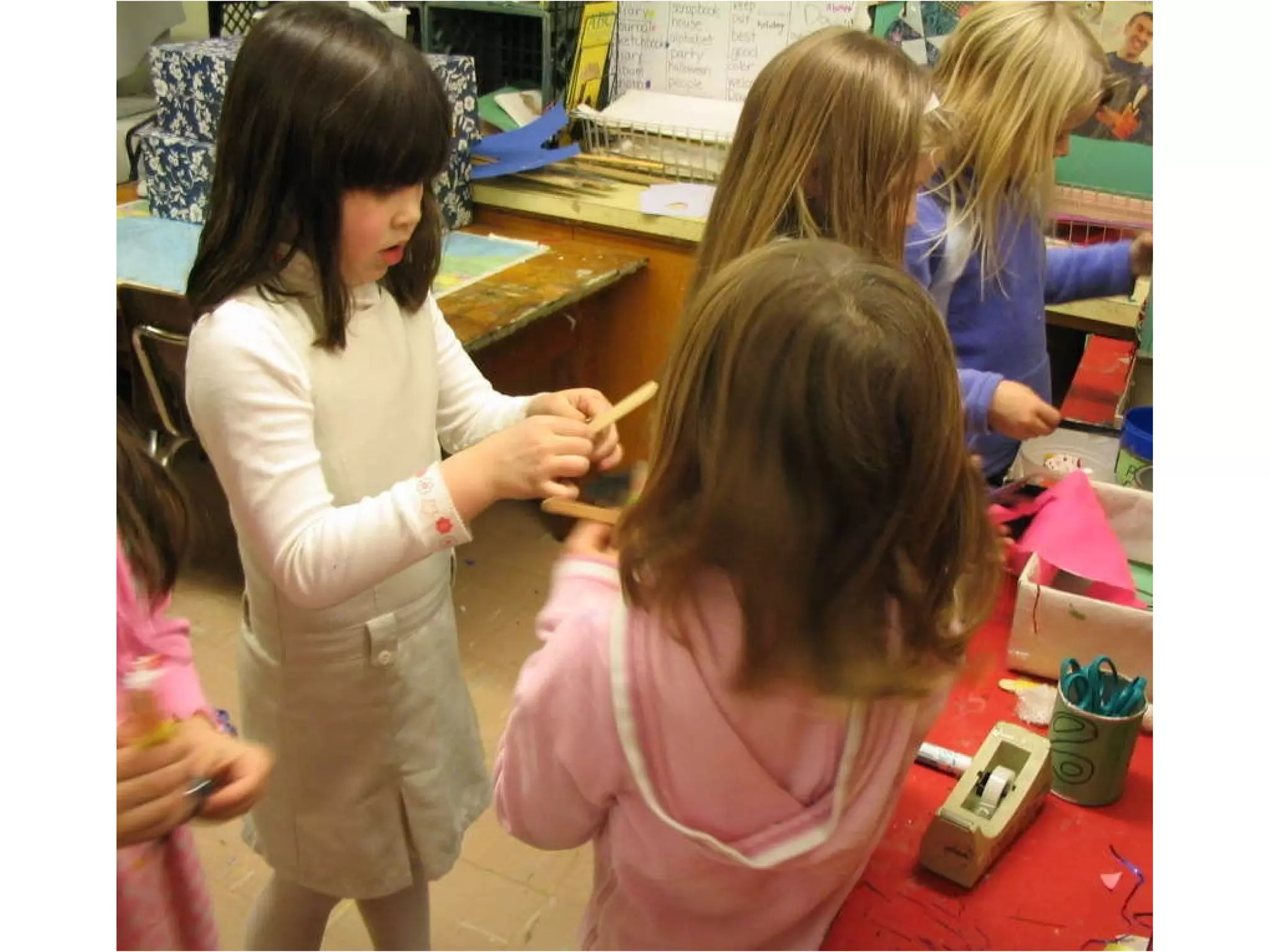
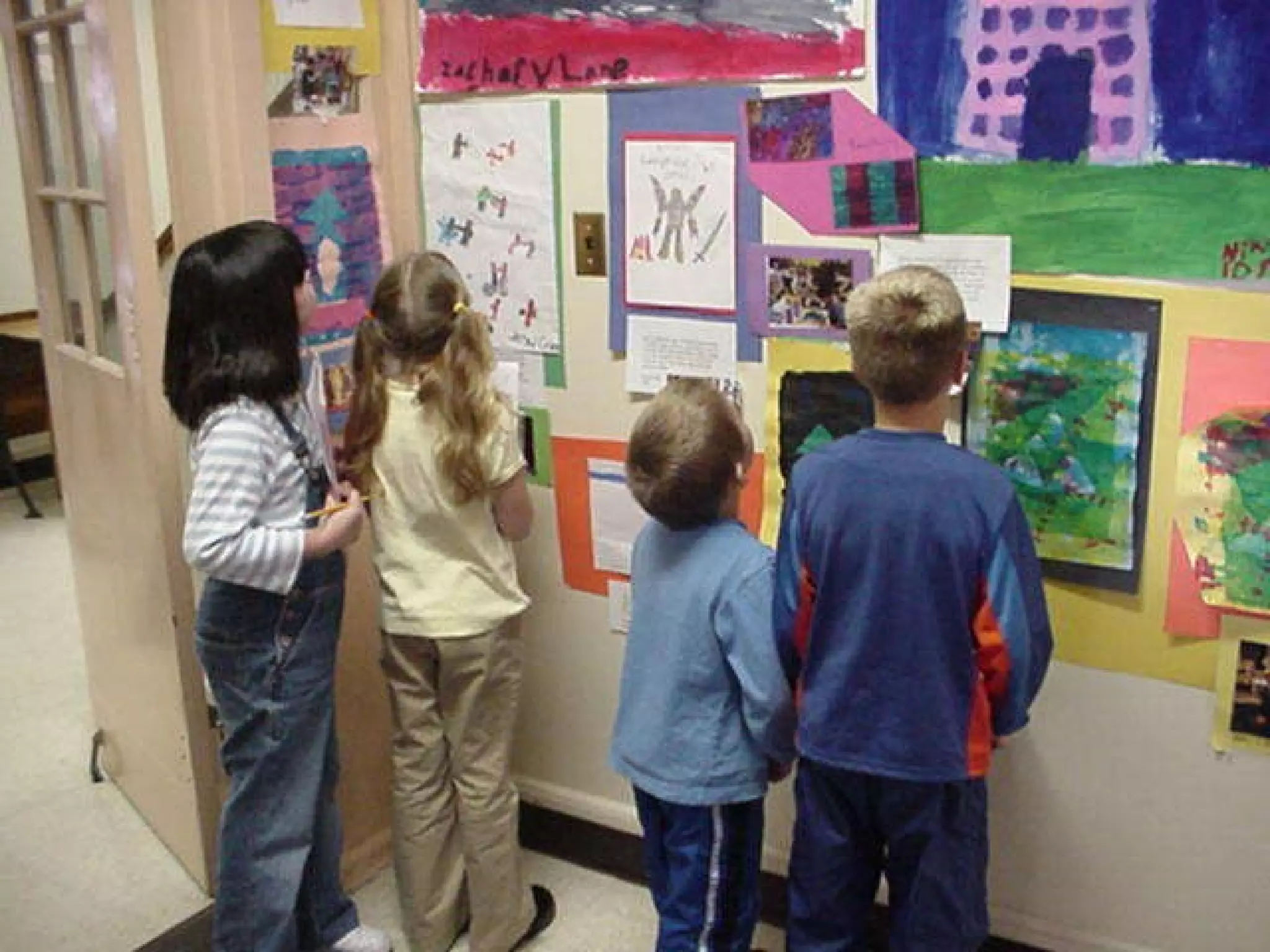
Students learn from each other.
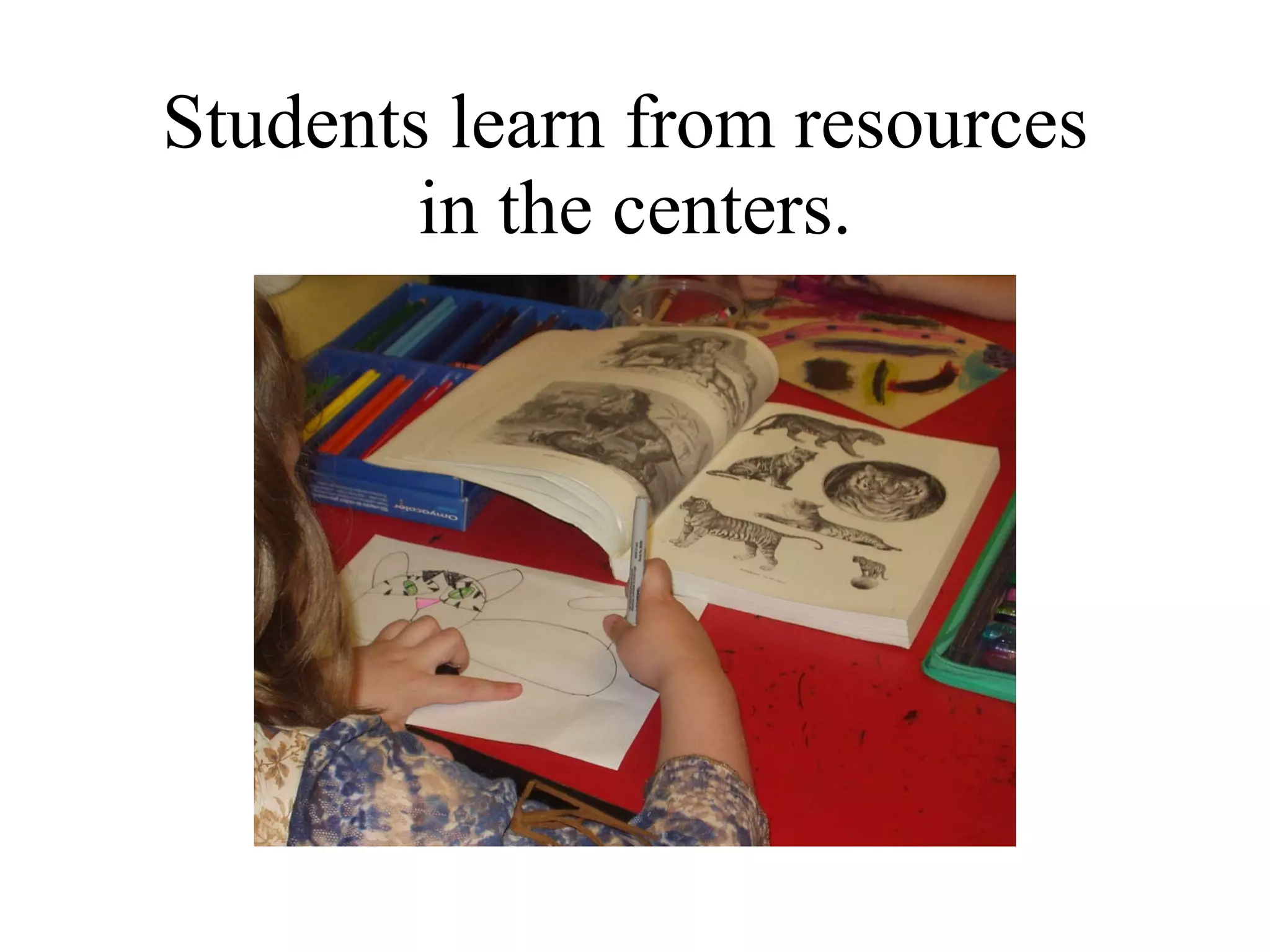
Students learn from resources  in the centers.
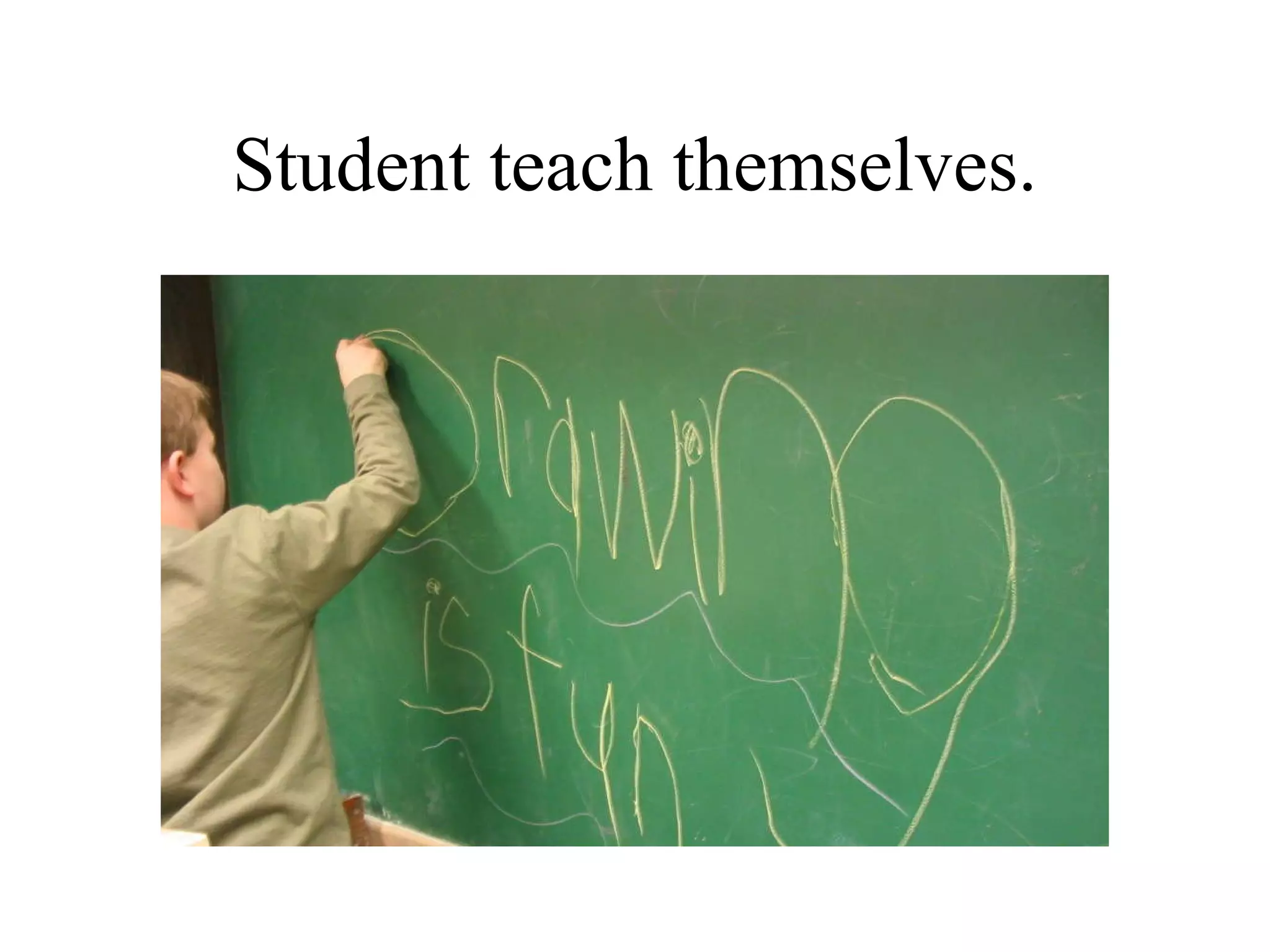
Student teach themselves.
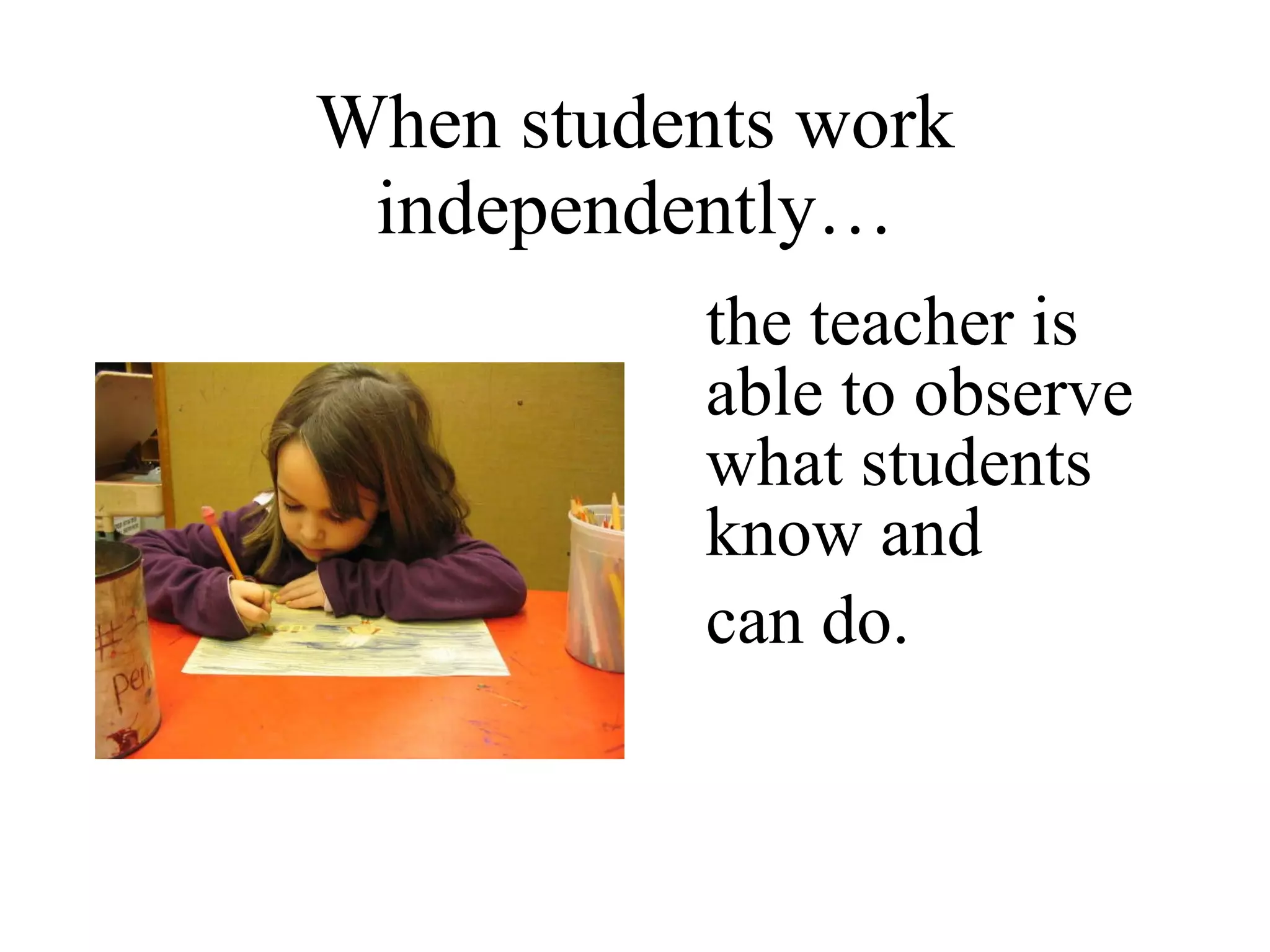
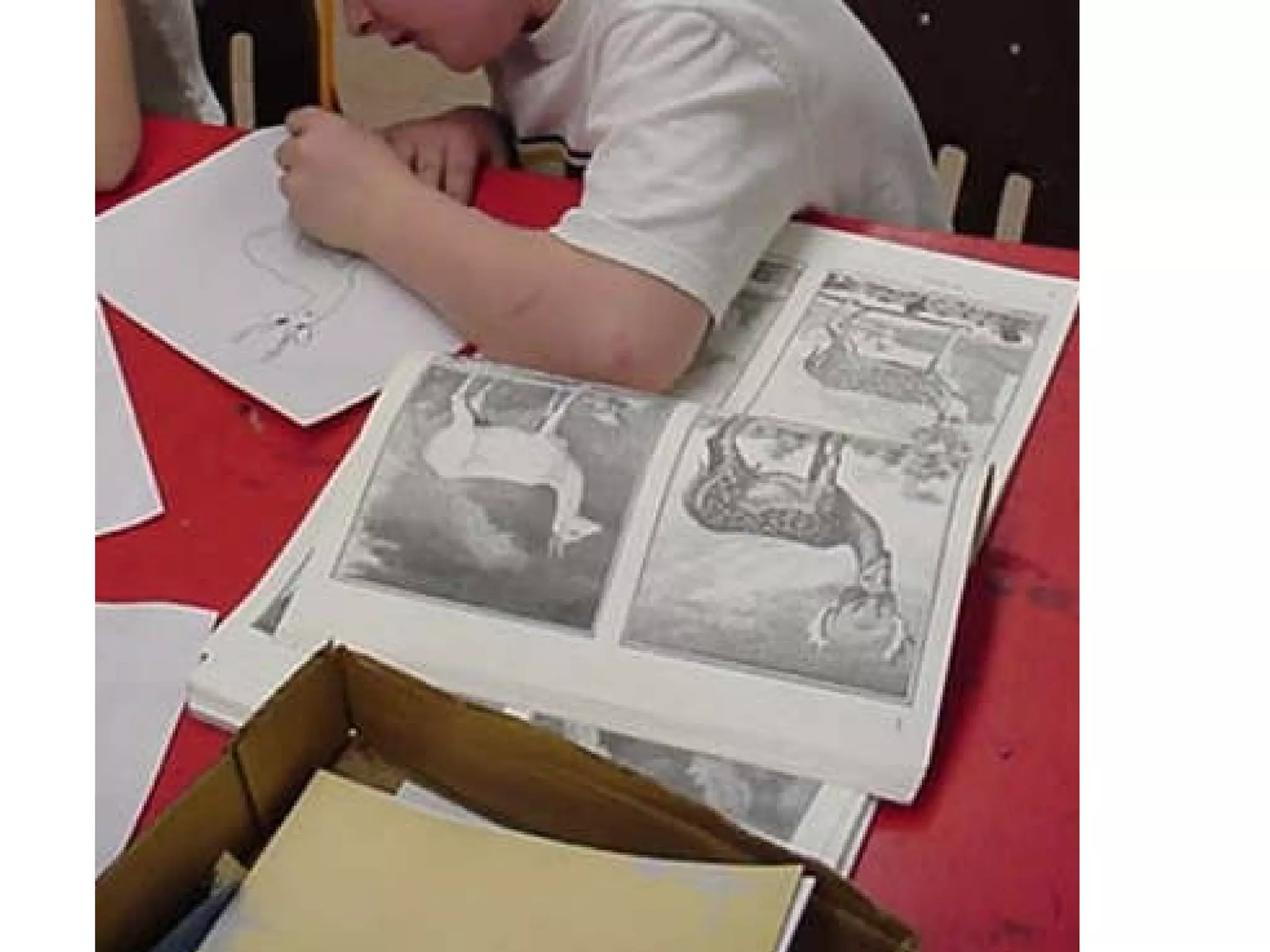
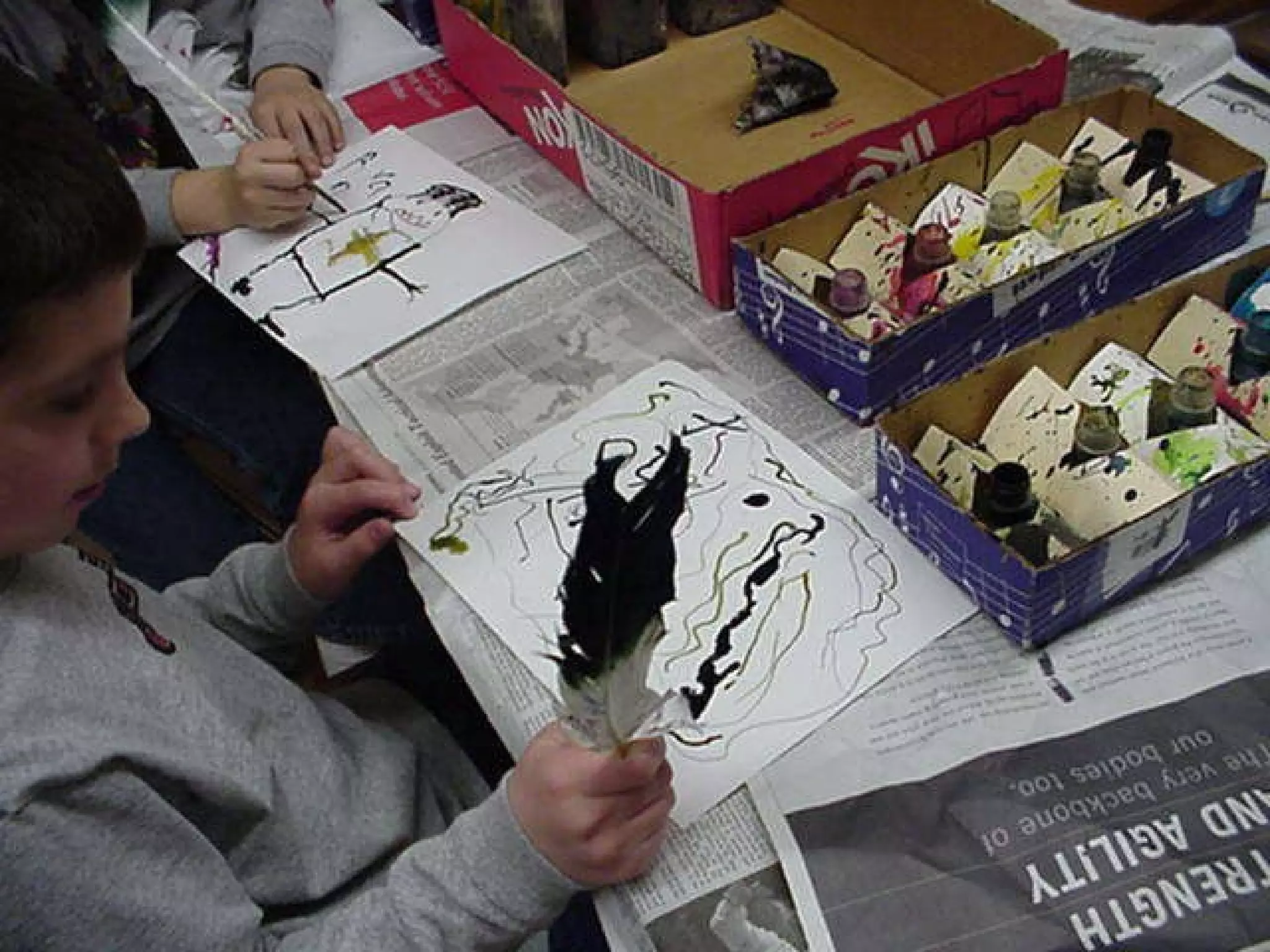
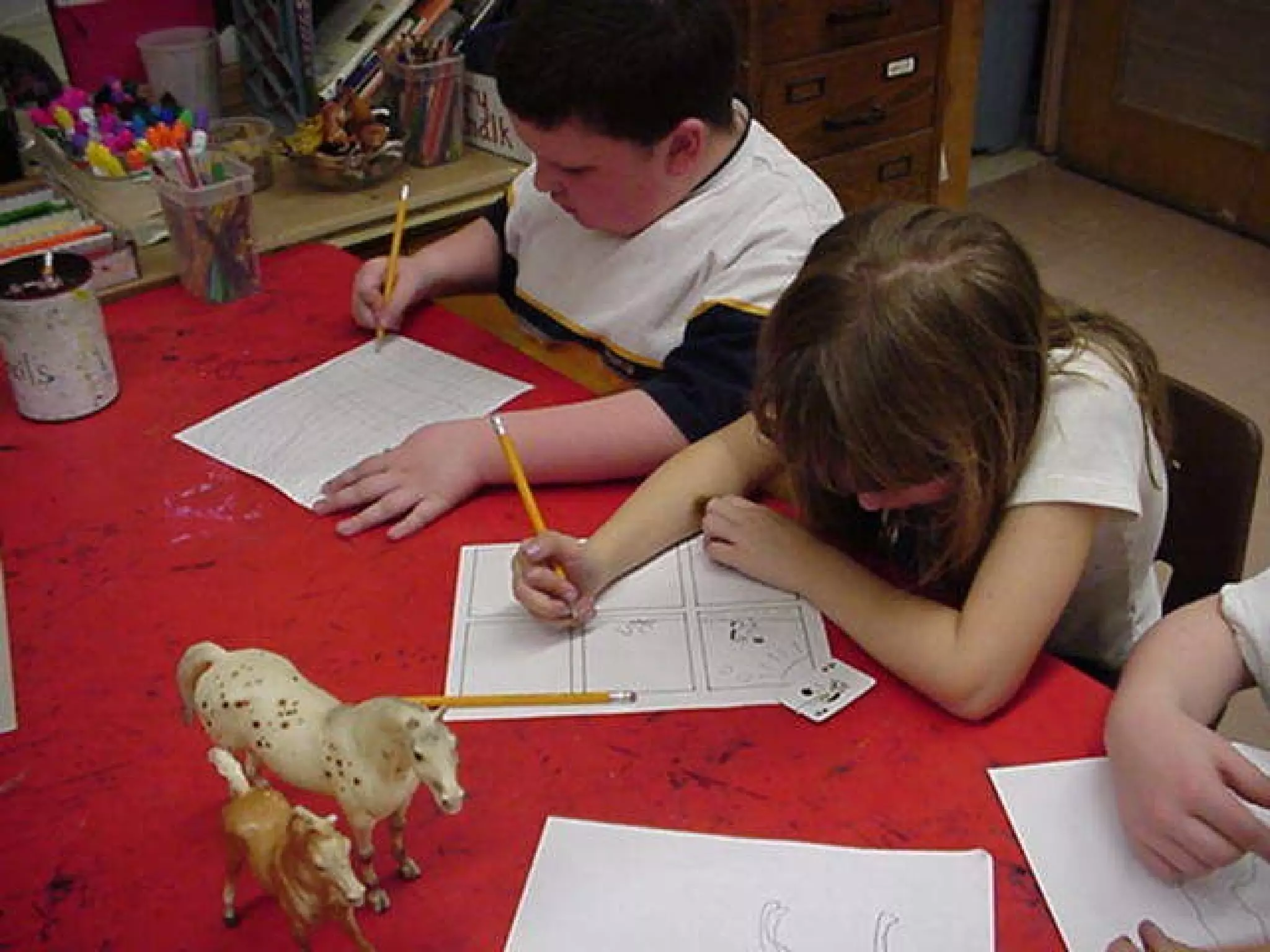
When students work independently… the teacher is able to observe what students know and  can do.
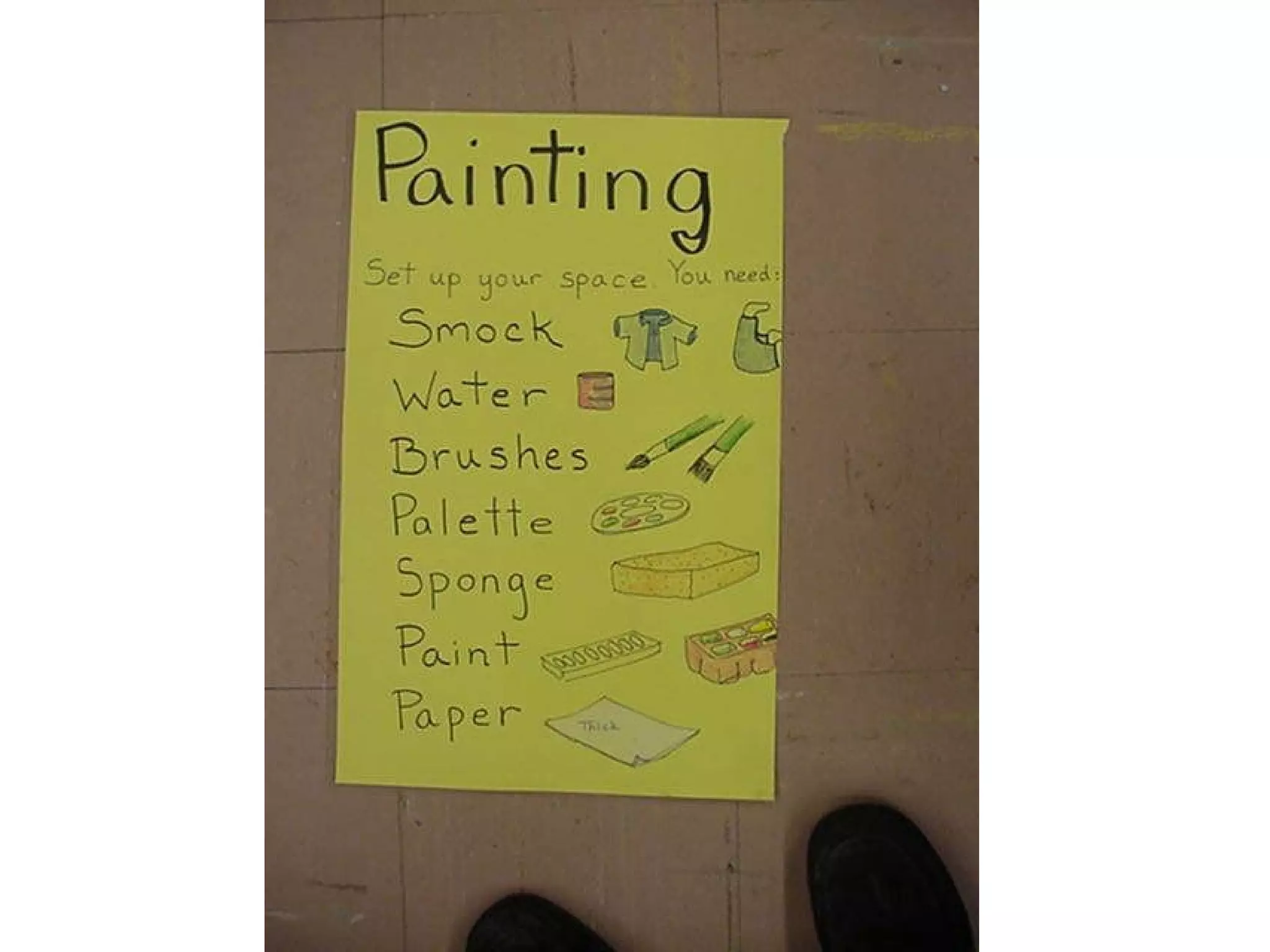
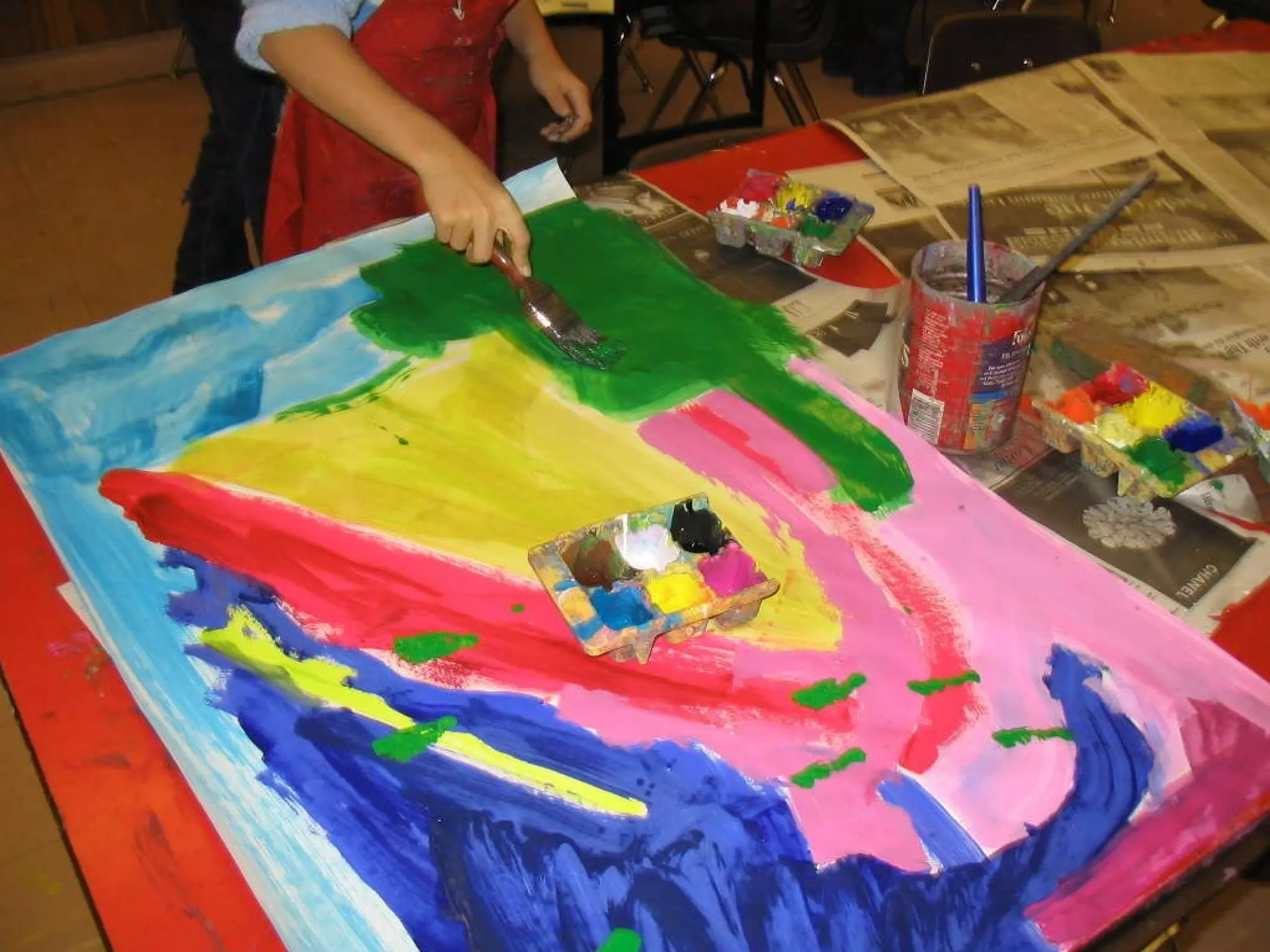
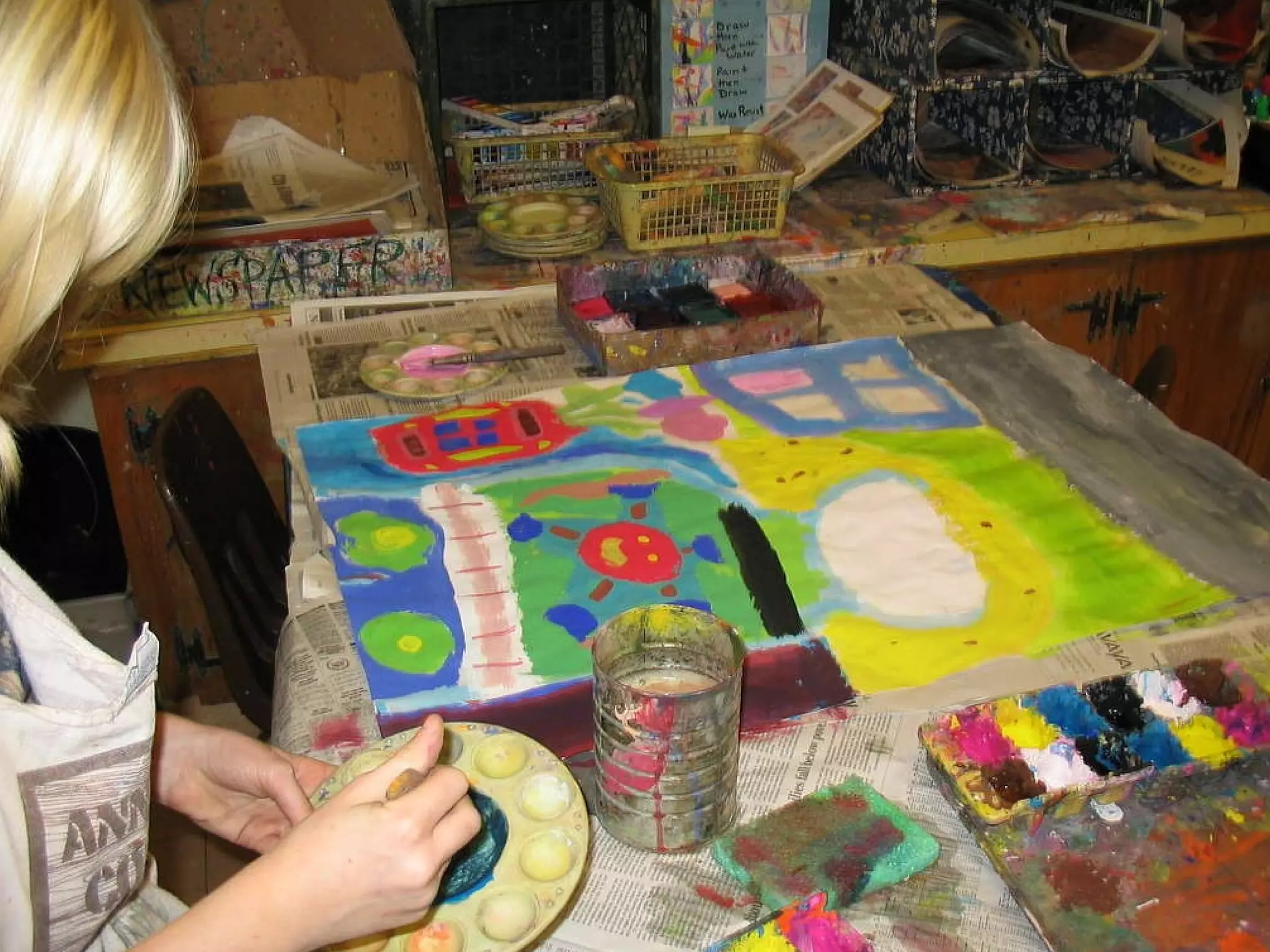
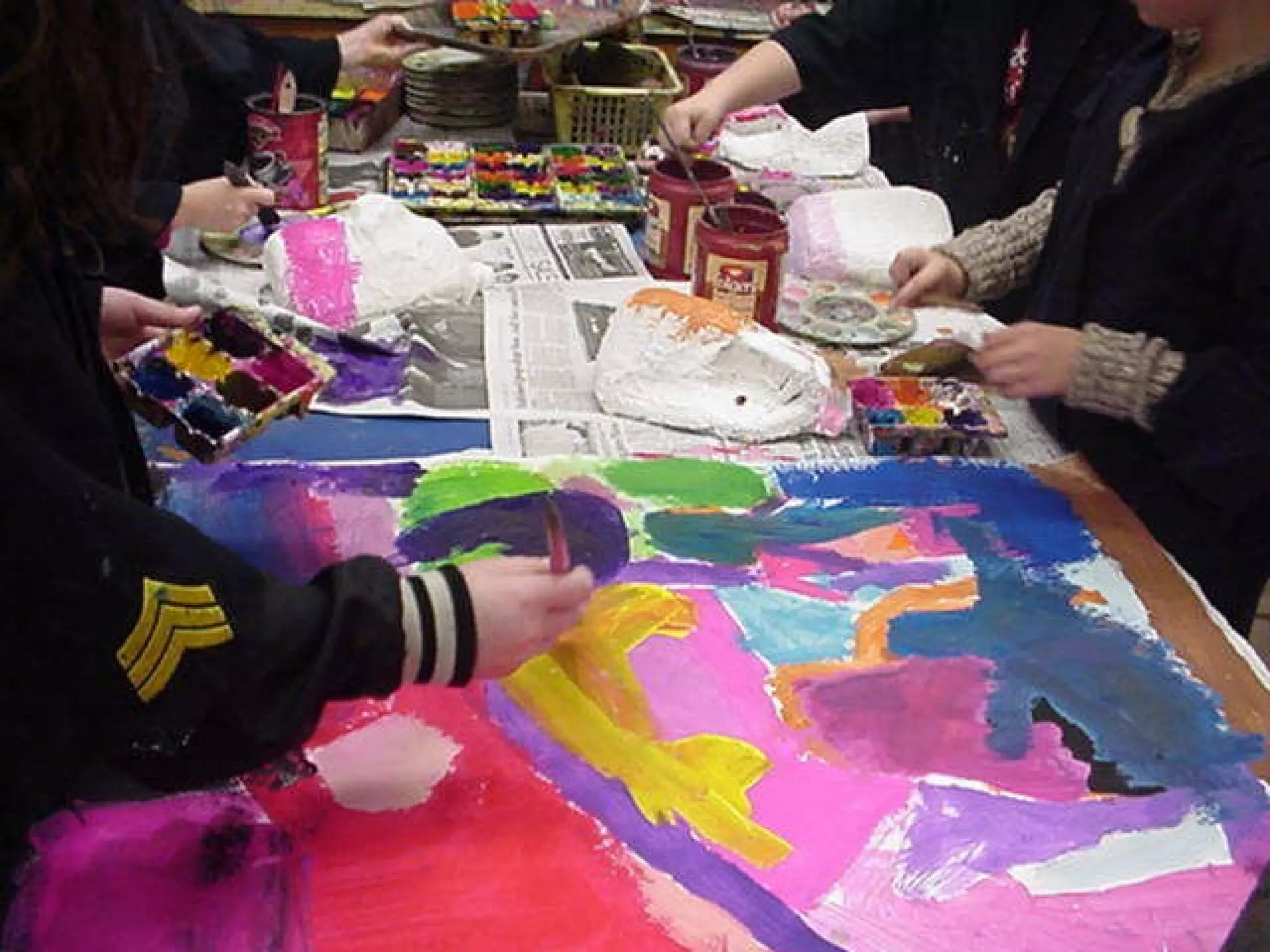
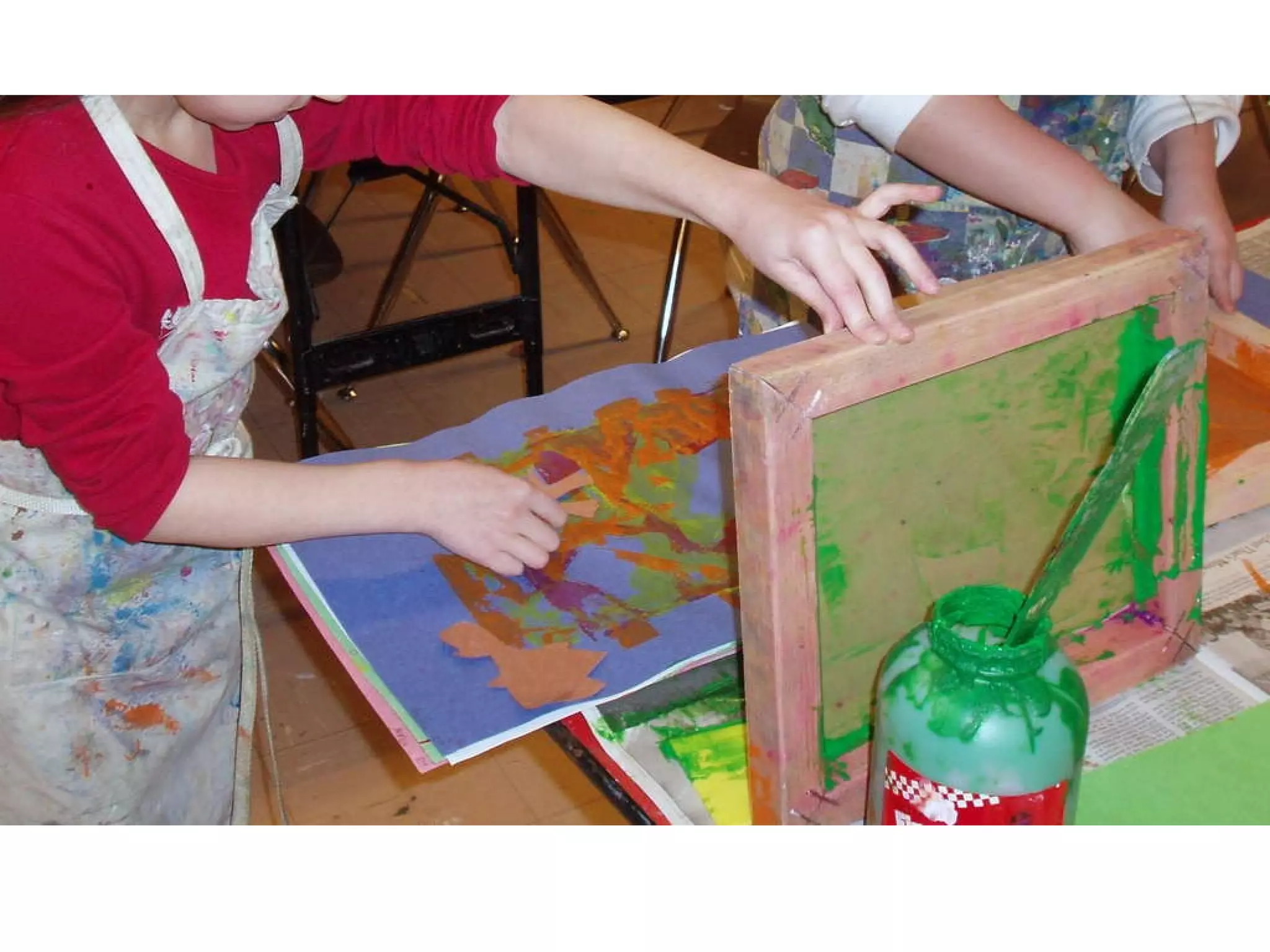
Paint Center


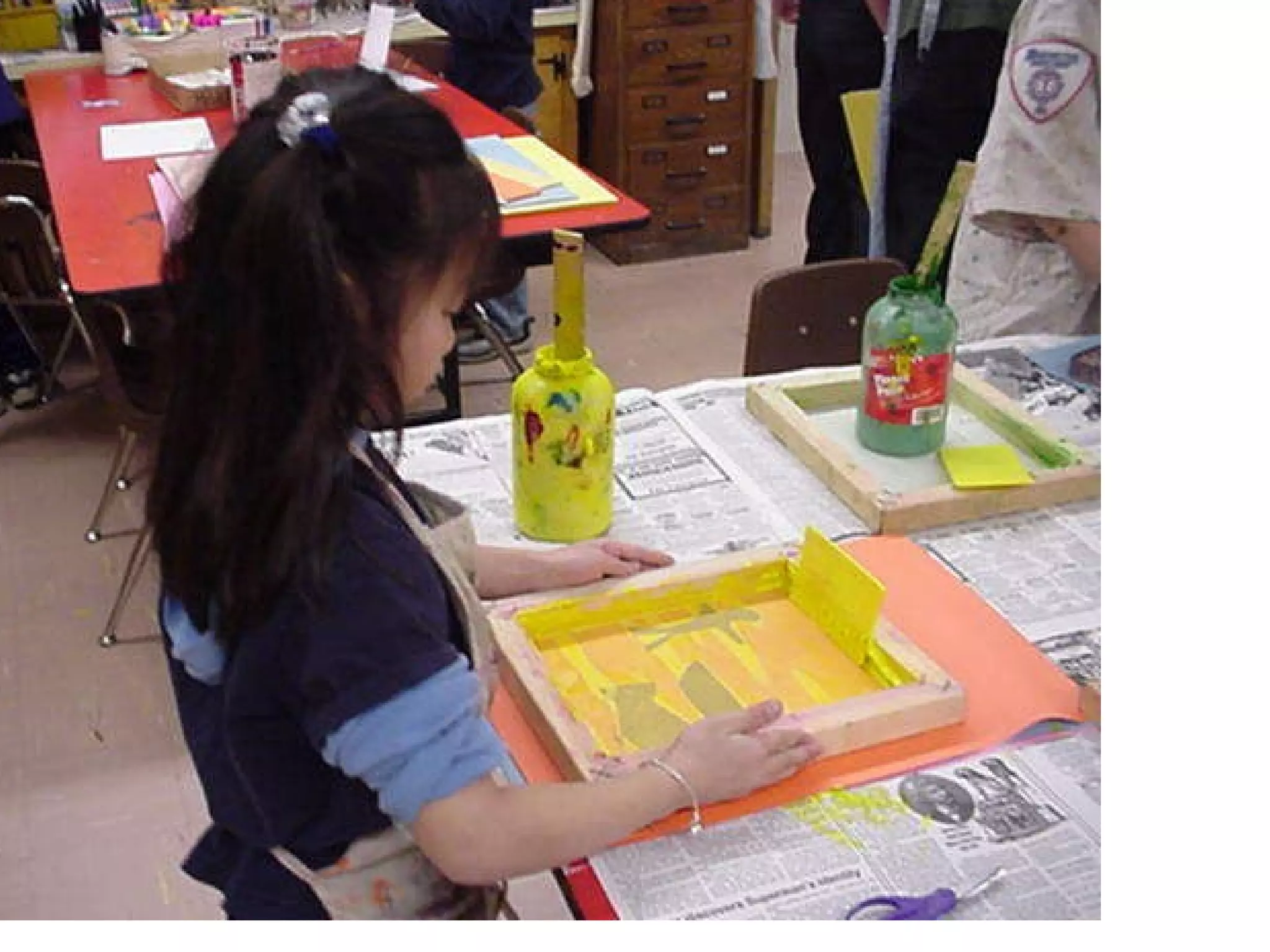
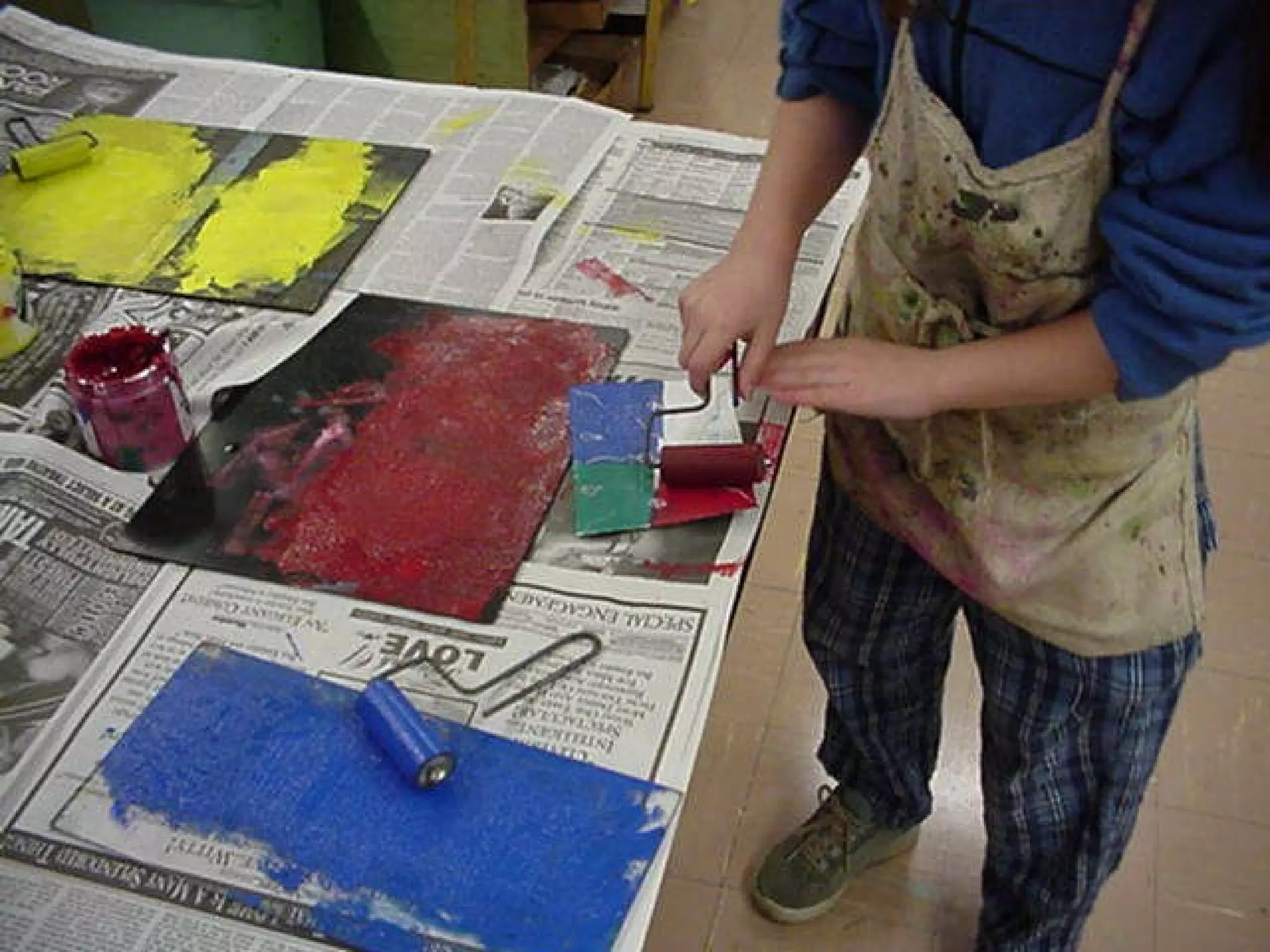
Printmaking Center


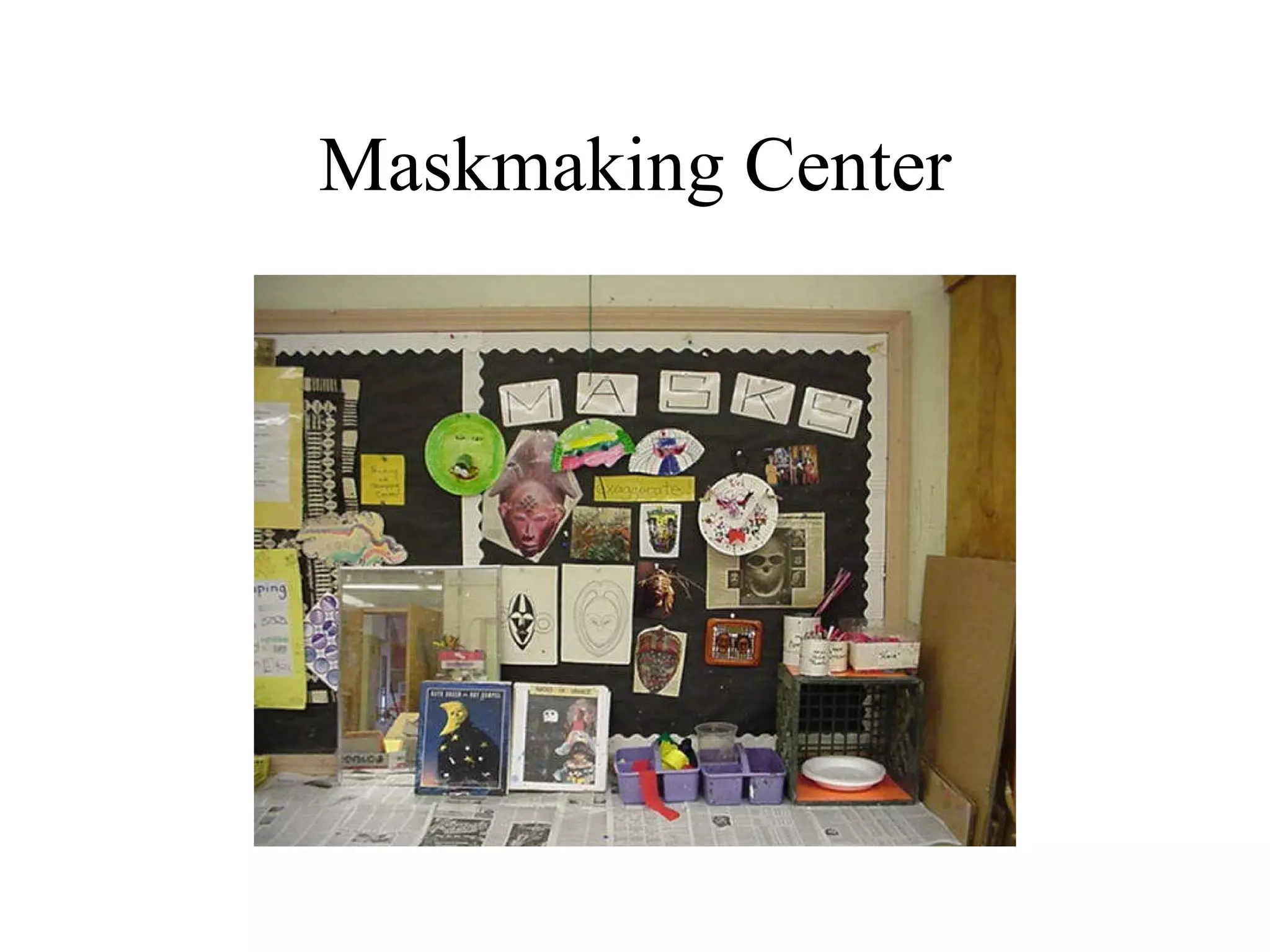
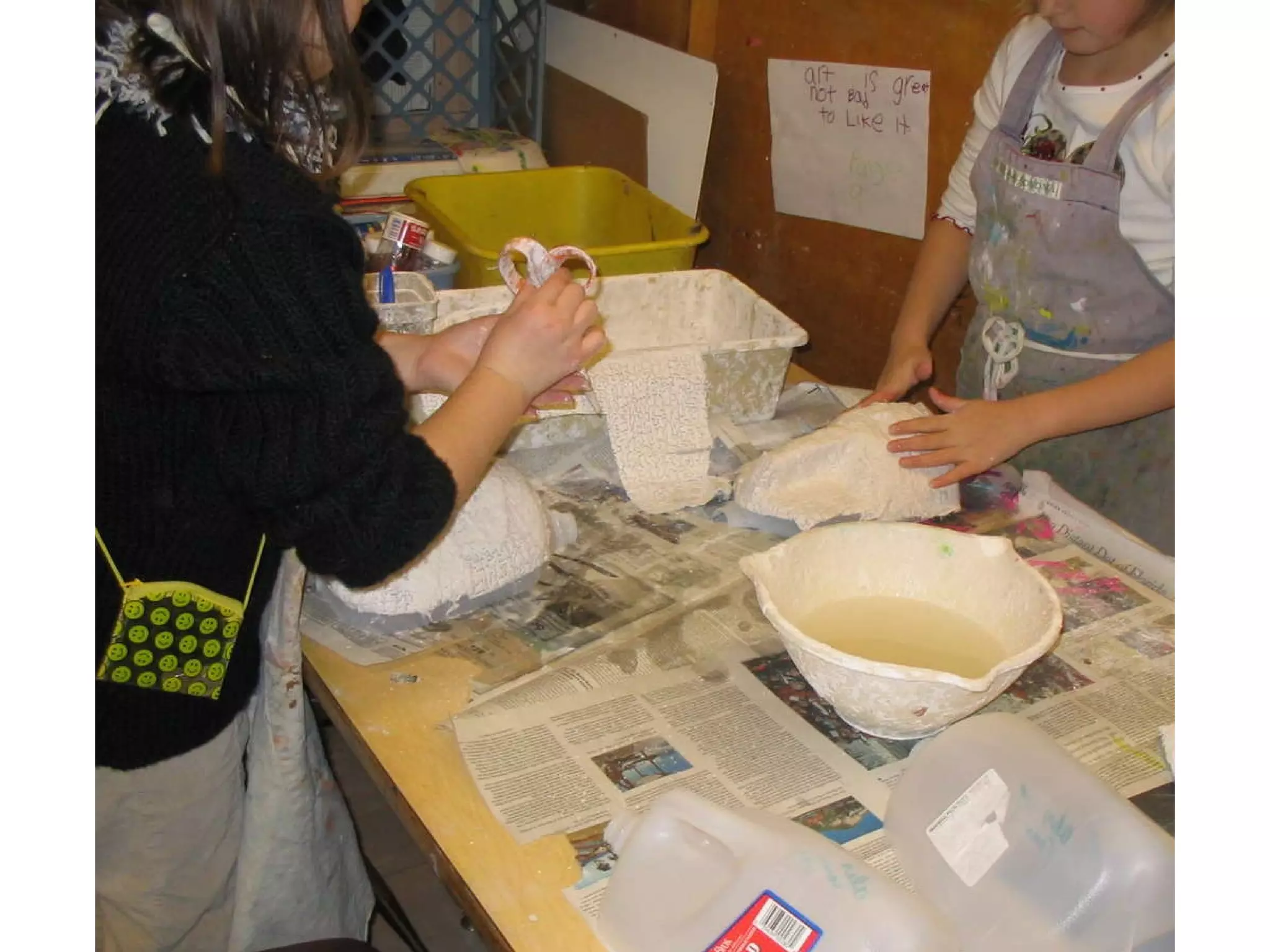
Maskmaking Center
 
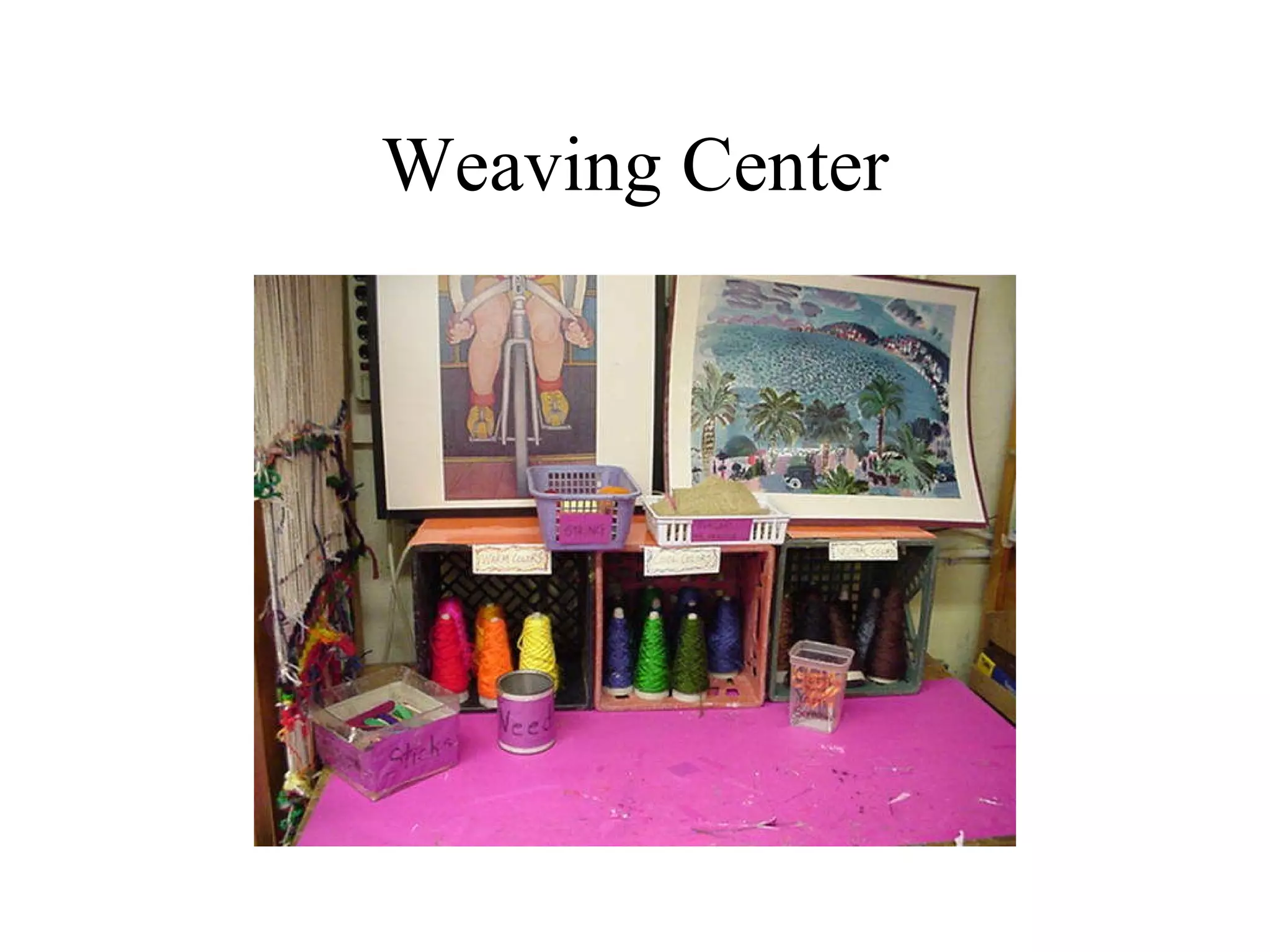
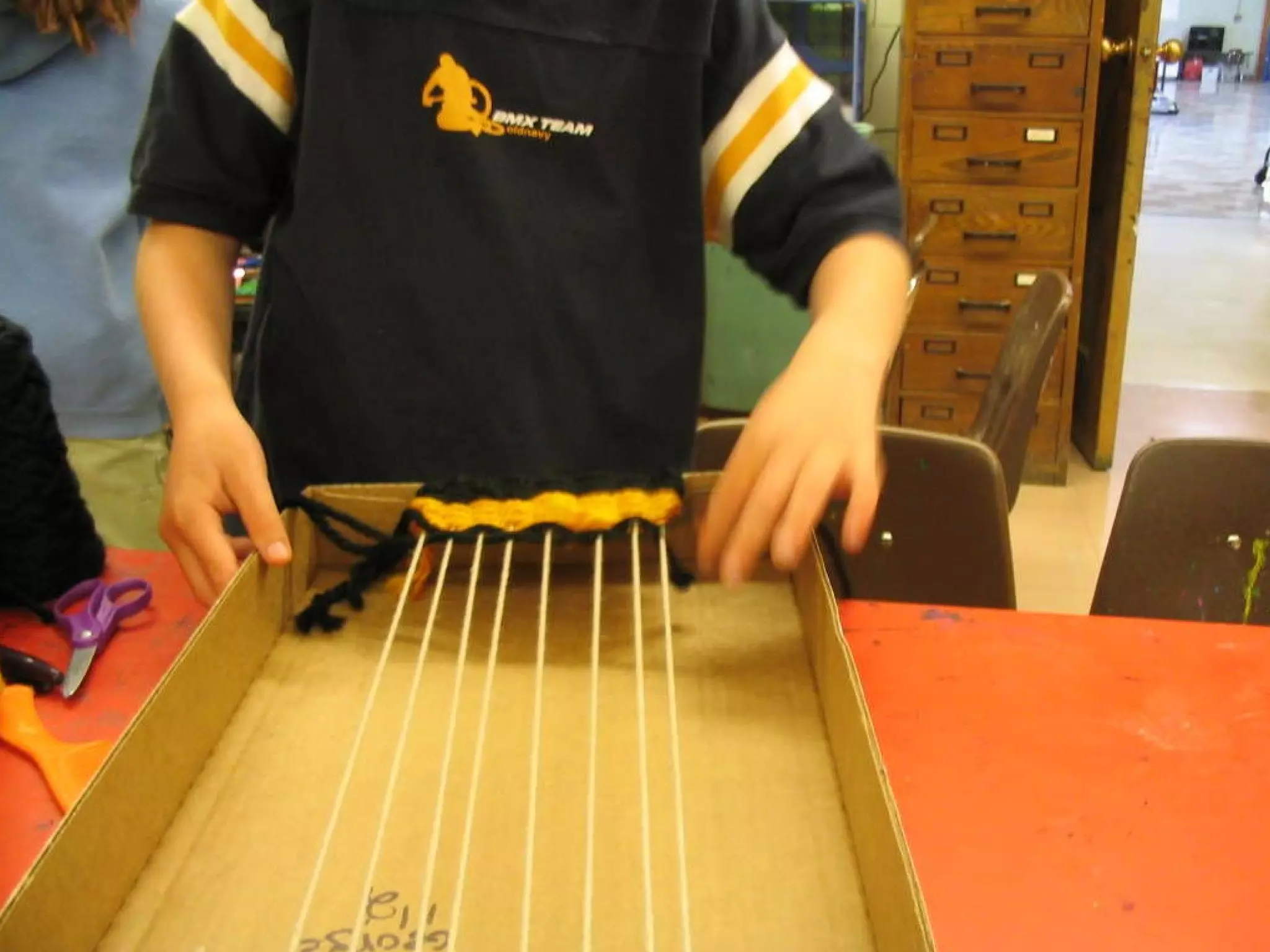
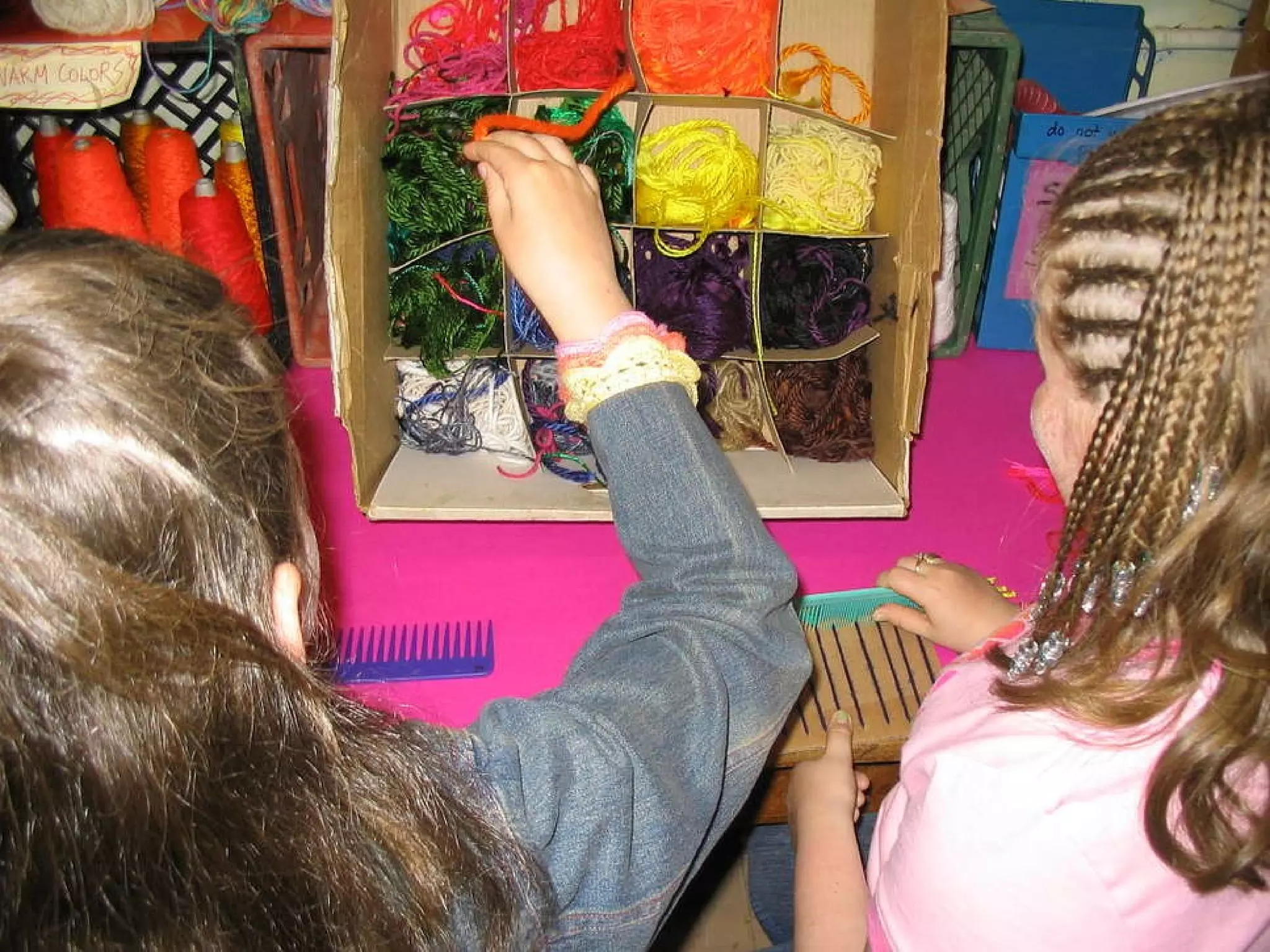
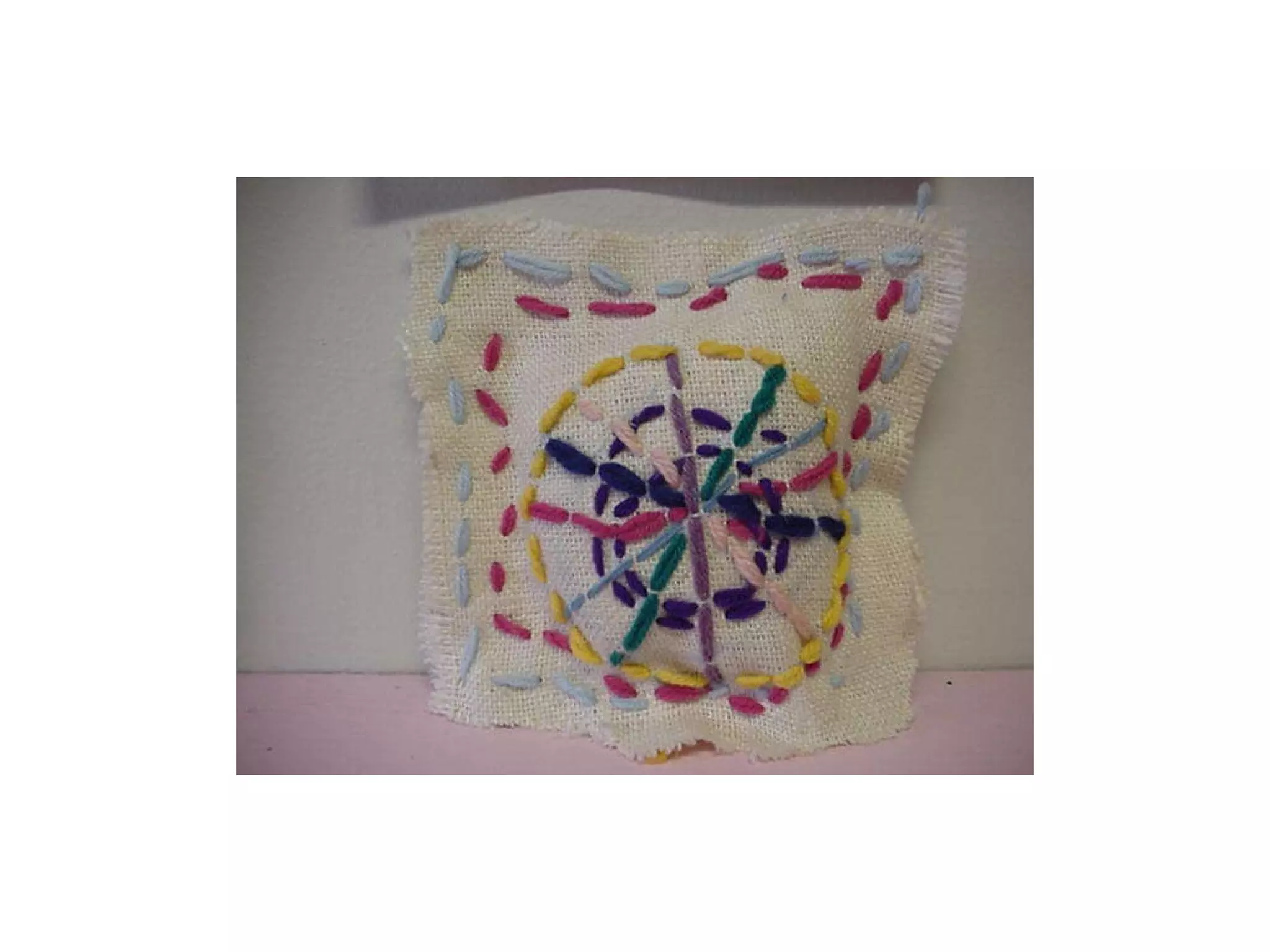
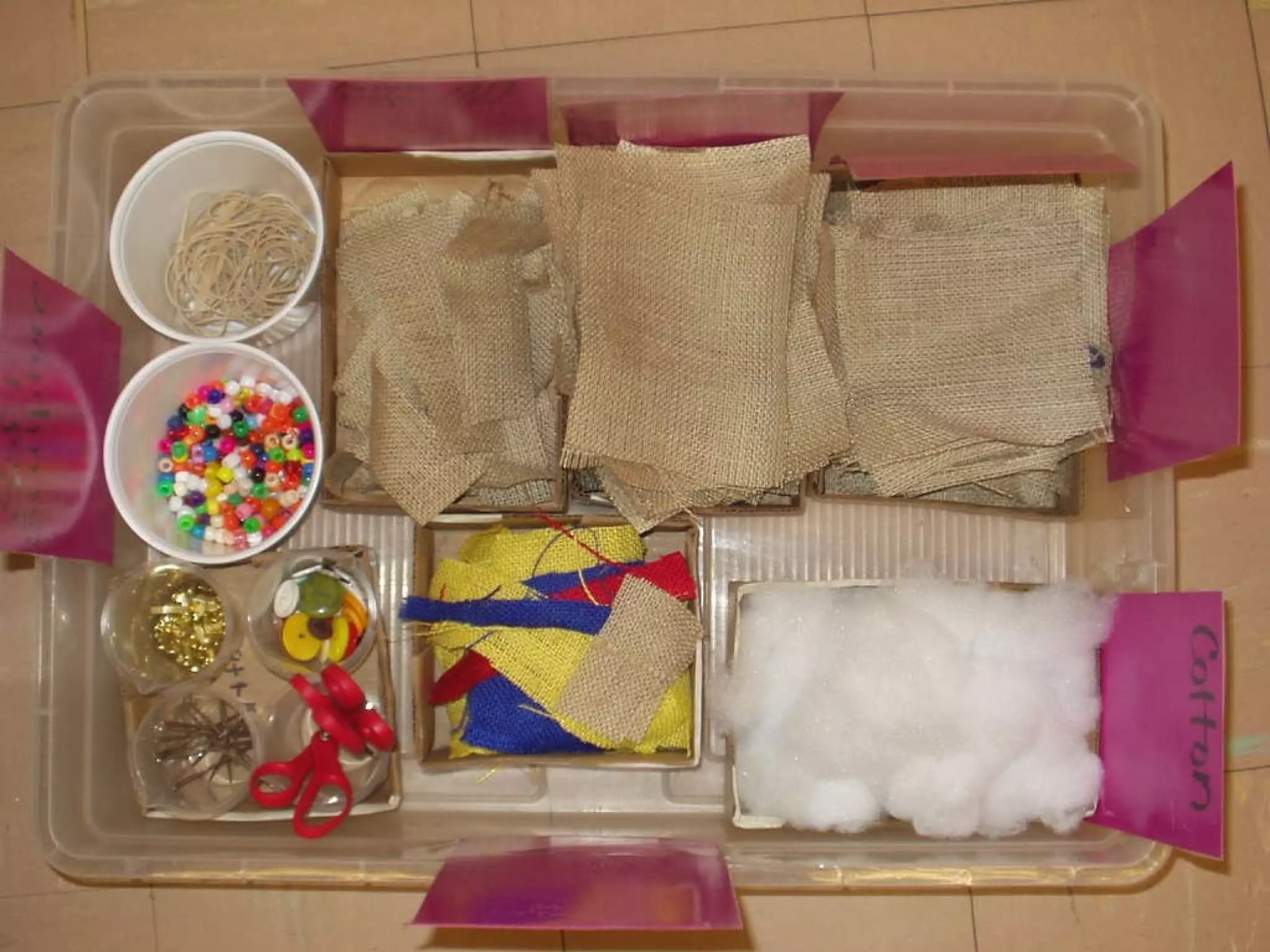
Weaving Center


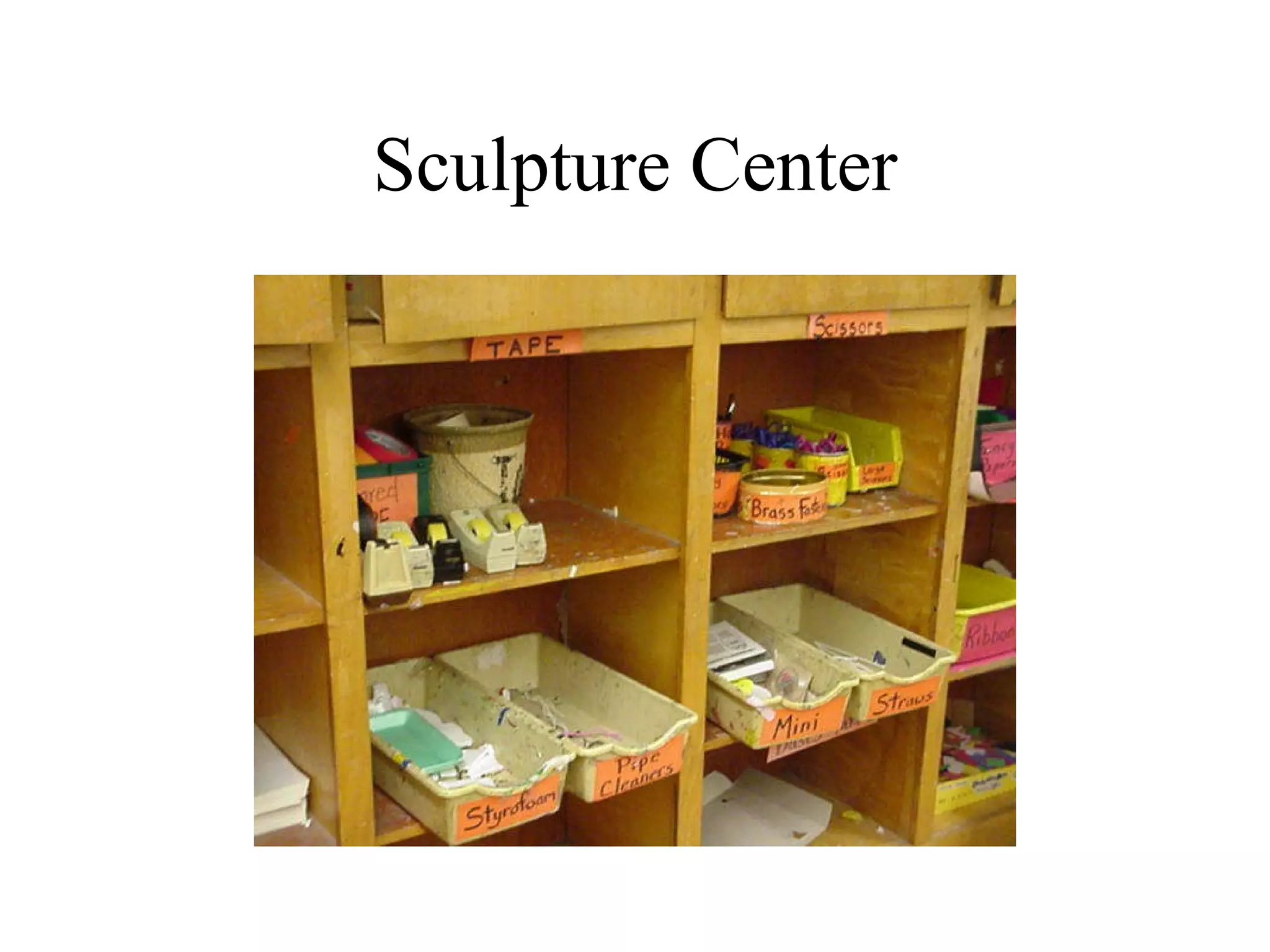
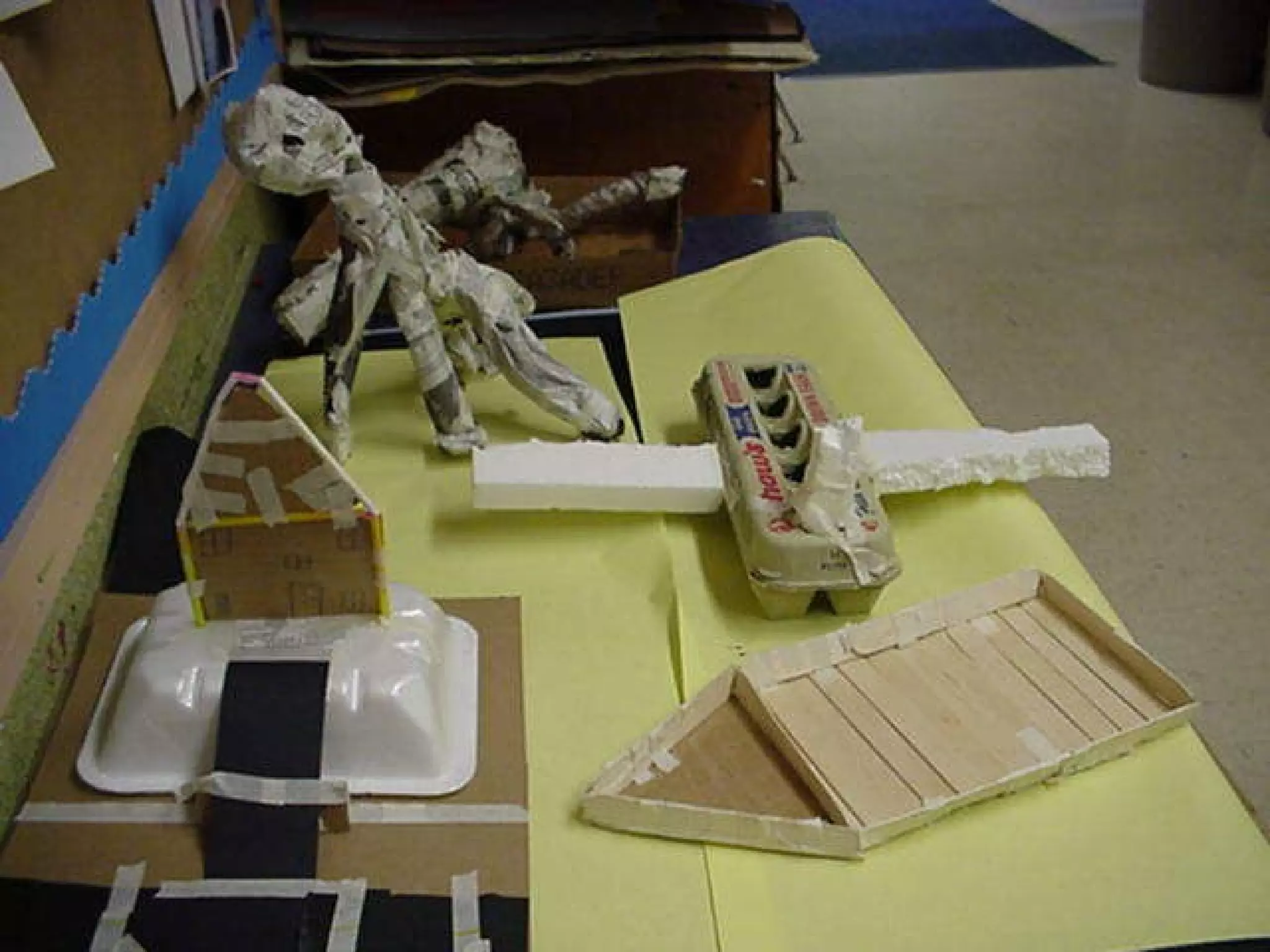
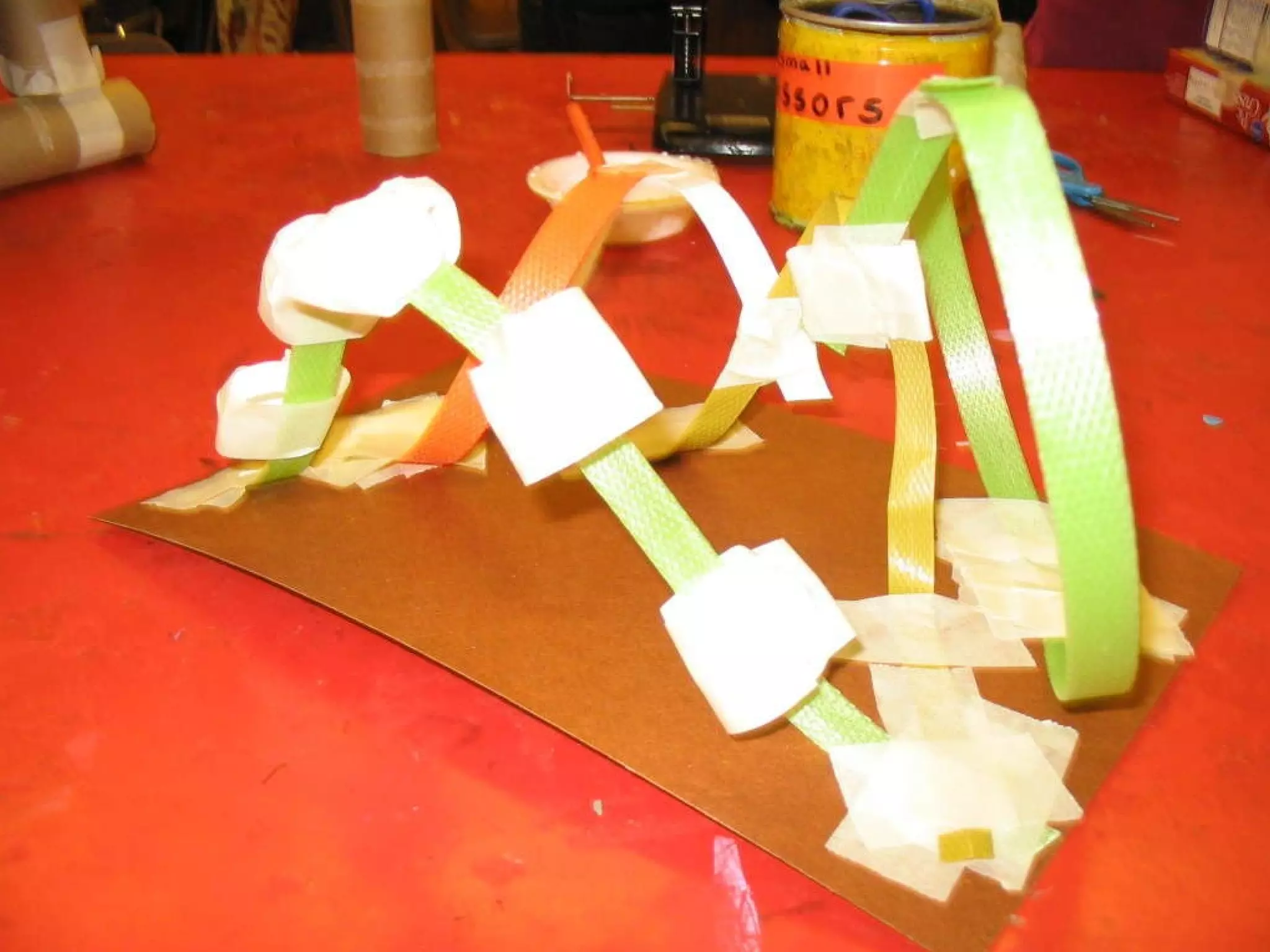
Sculpture Center


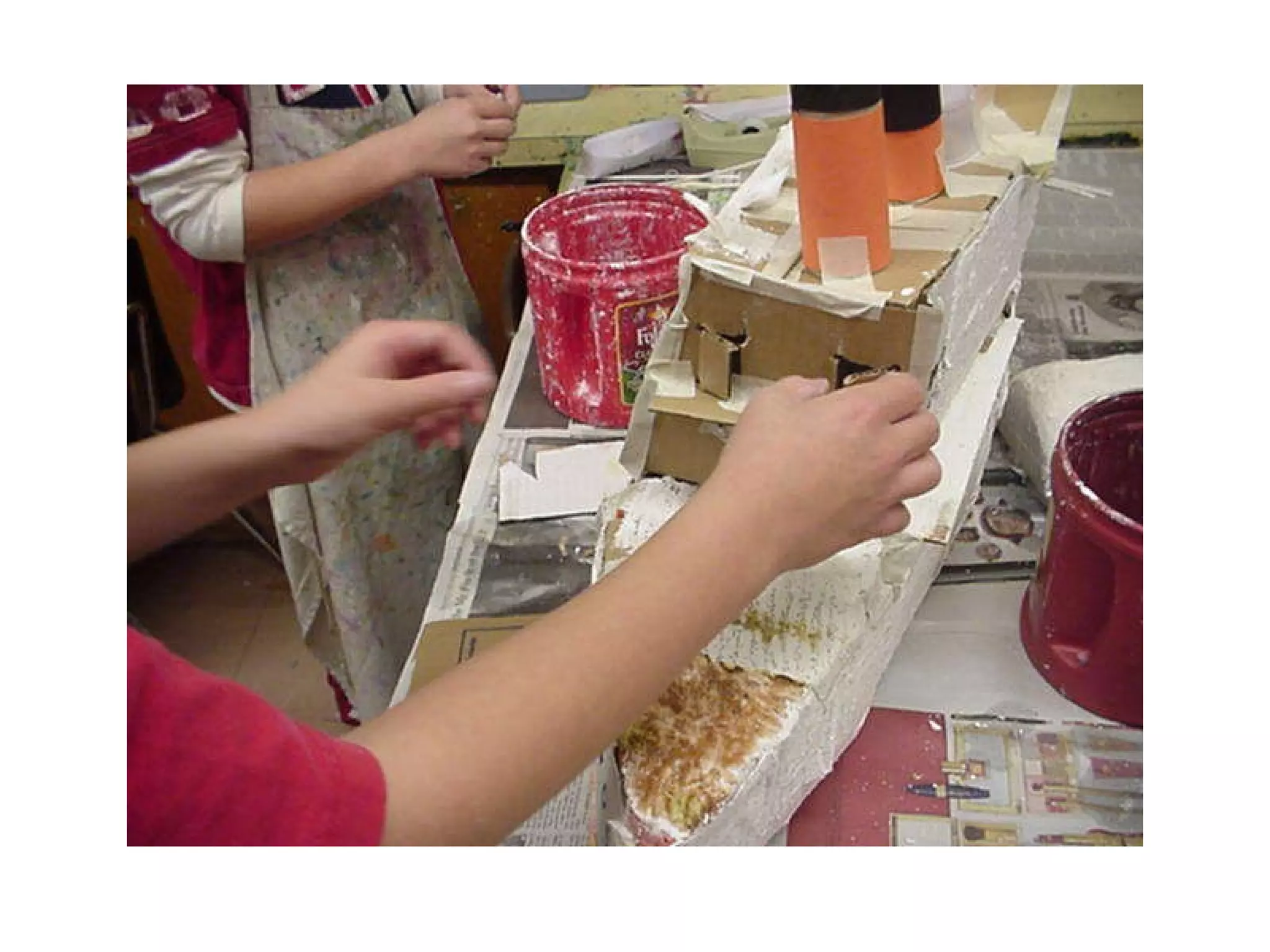
The Shipyard Project Student had an interest in The Titanic outside of school. Over the summer he researched, drew blueprints and recruited his best friend to help. He approached the teacher with his plan in September. He and his friends worked on it for 7 months. Other students in class were influenced to work on smaller versions. The teacher served as a materials resource and offered technical advice, as well as negotiating extra work time for them.
 
 
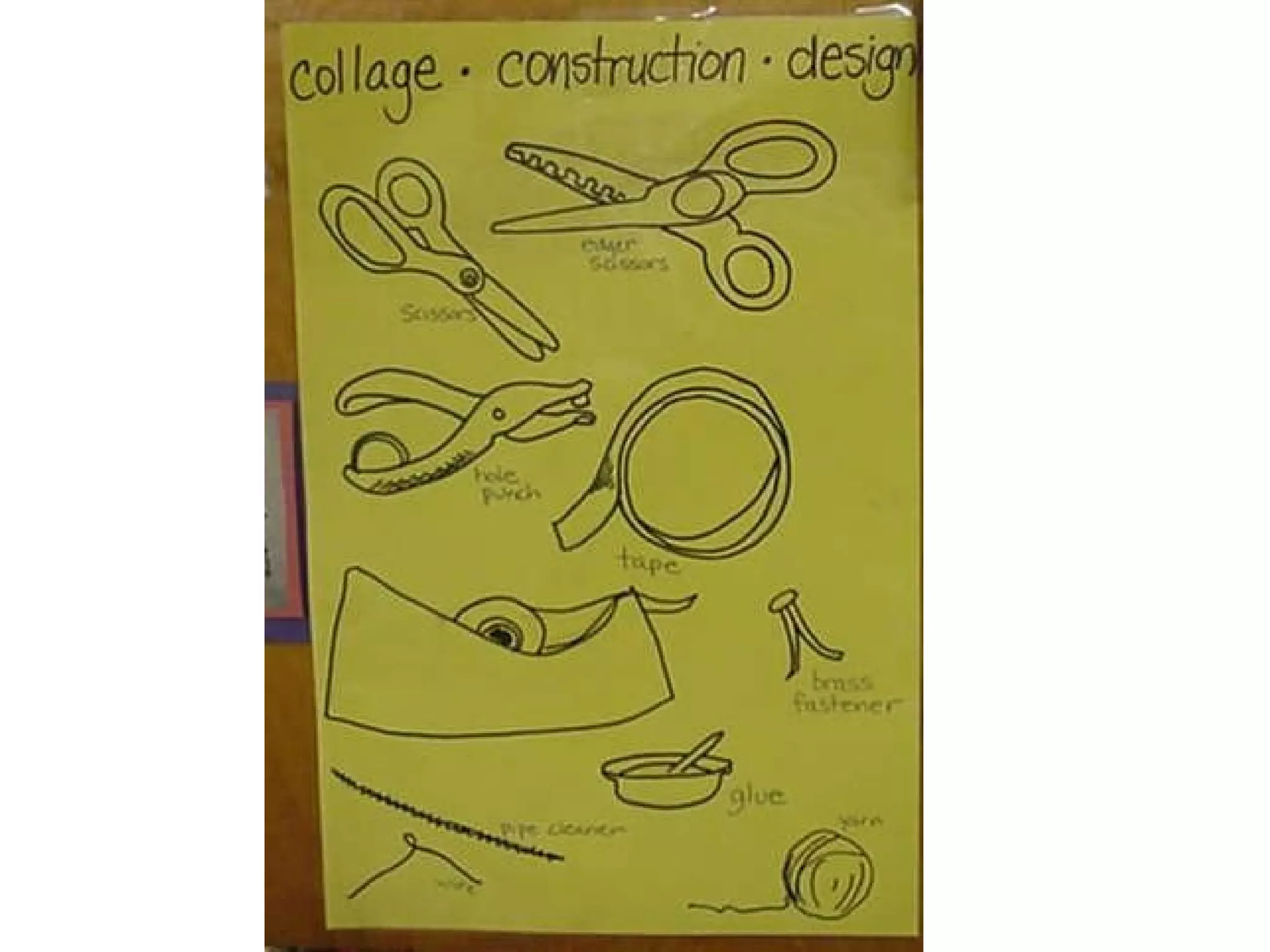
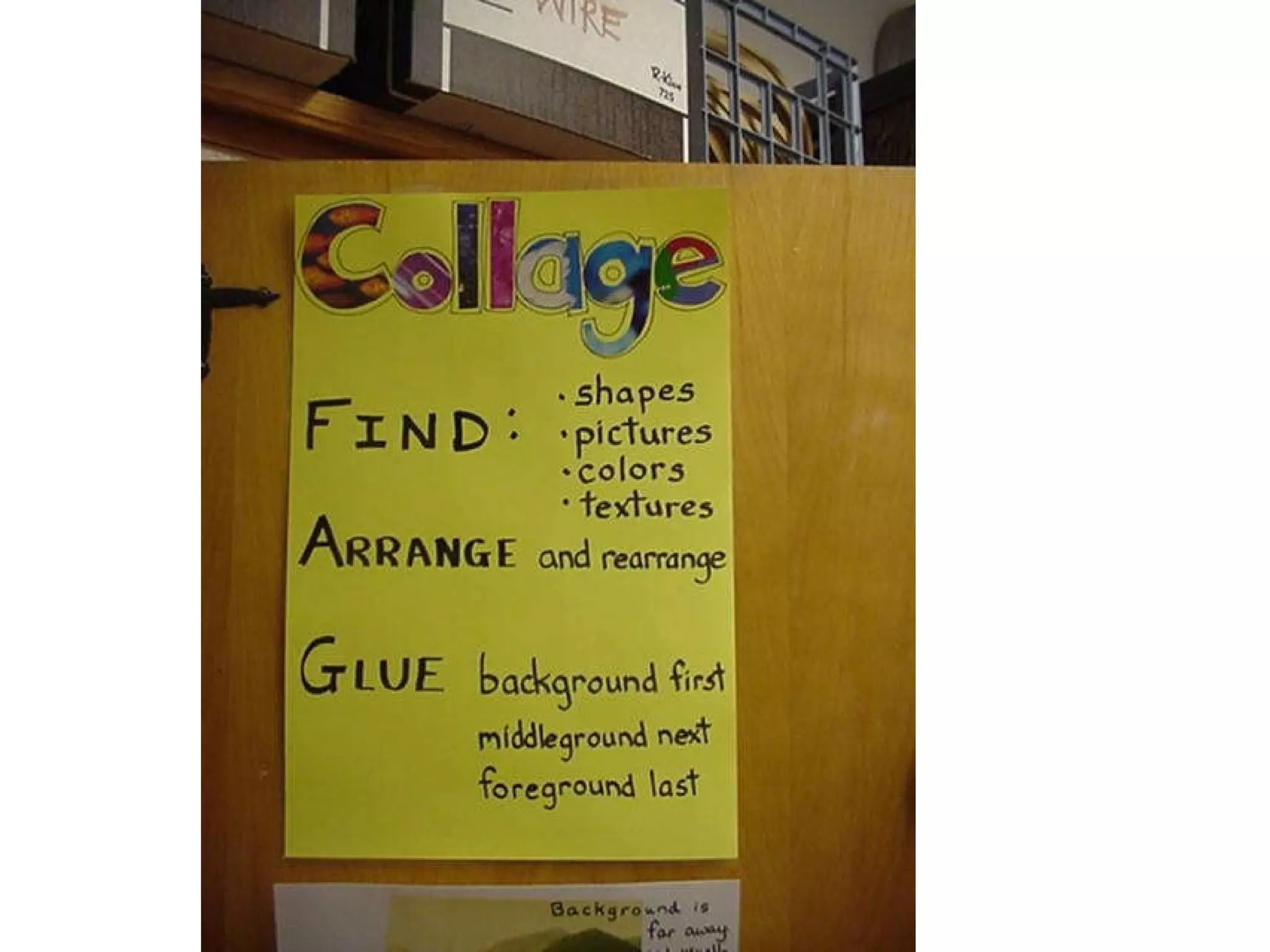
Collage Center
 
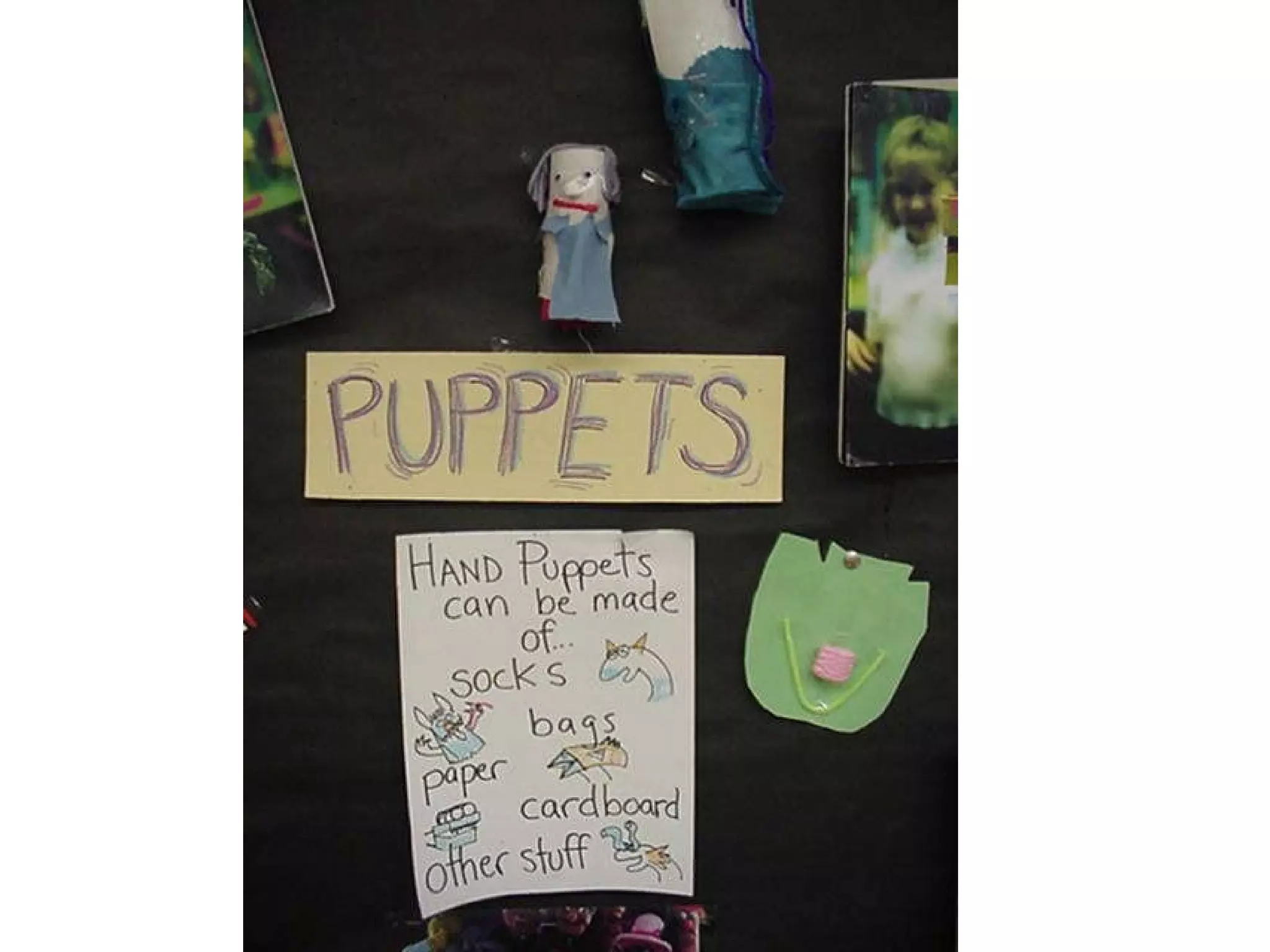
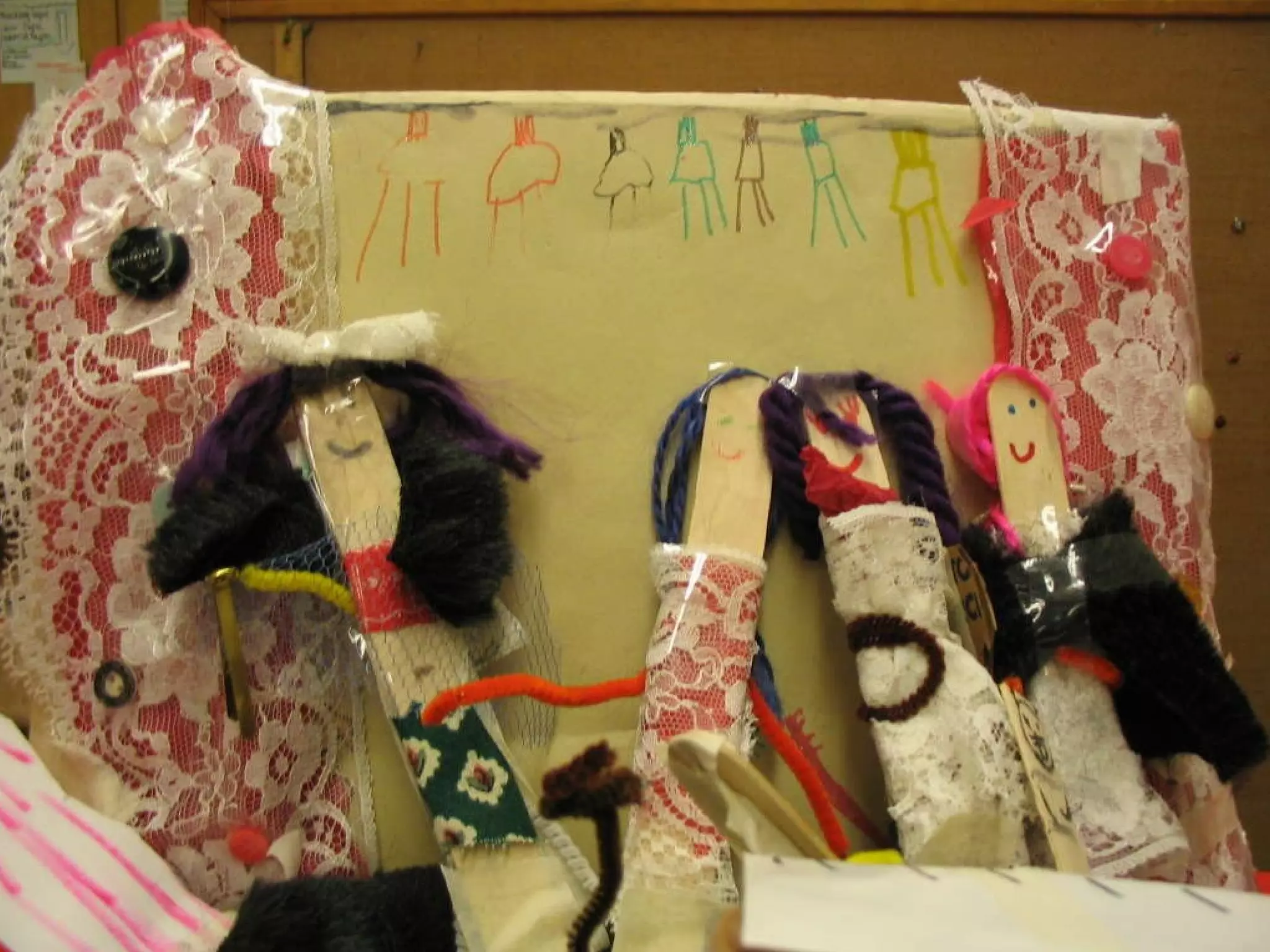
Puppet Center


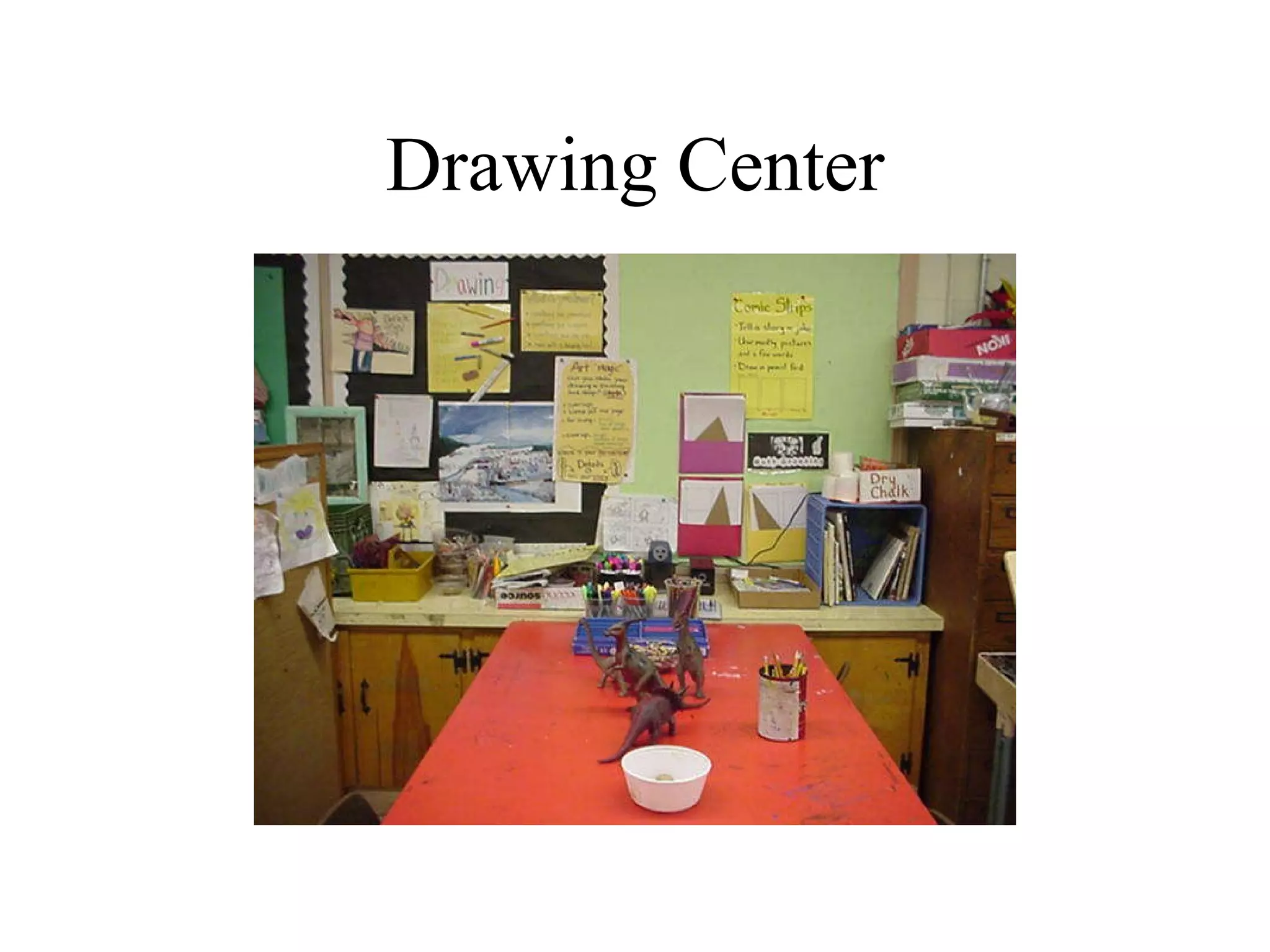
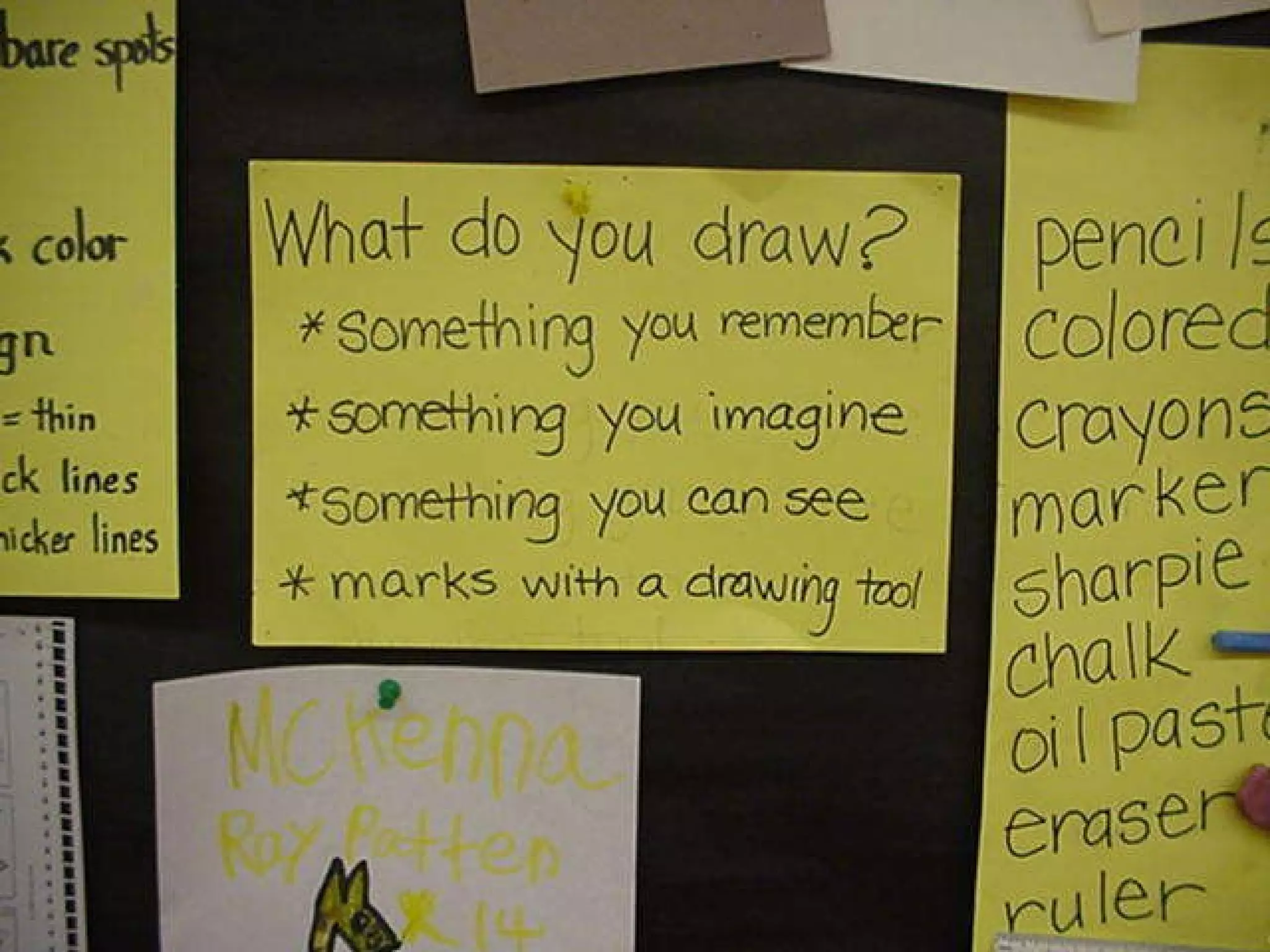
Drawing Center


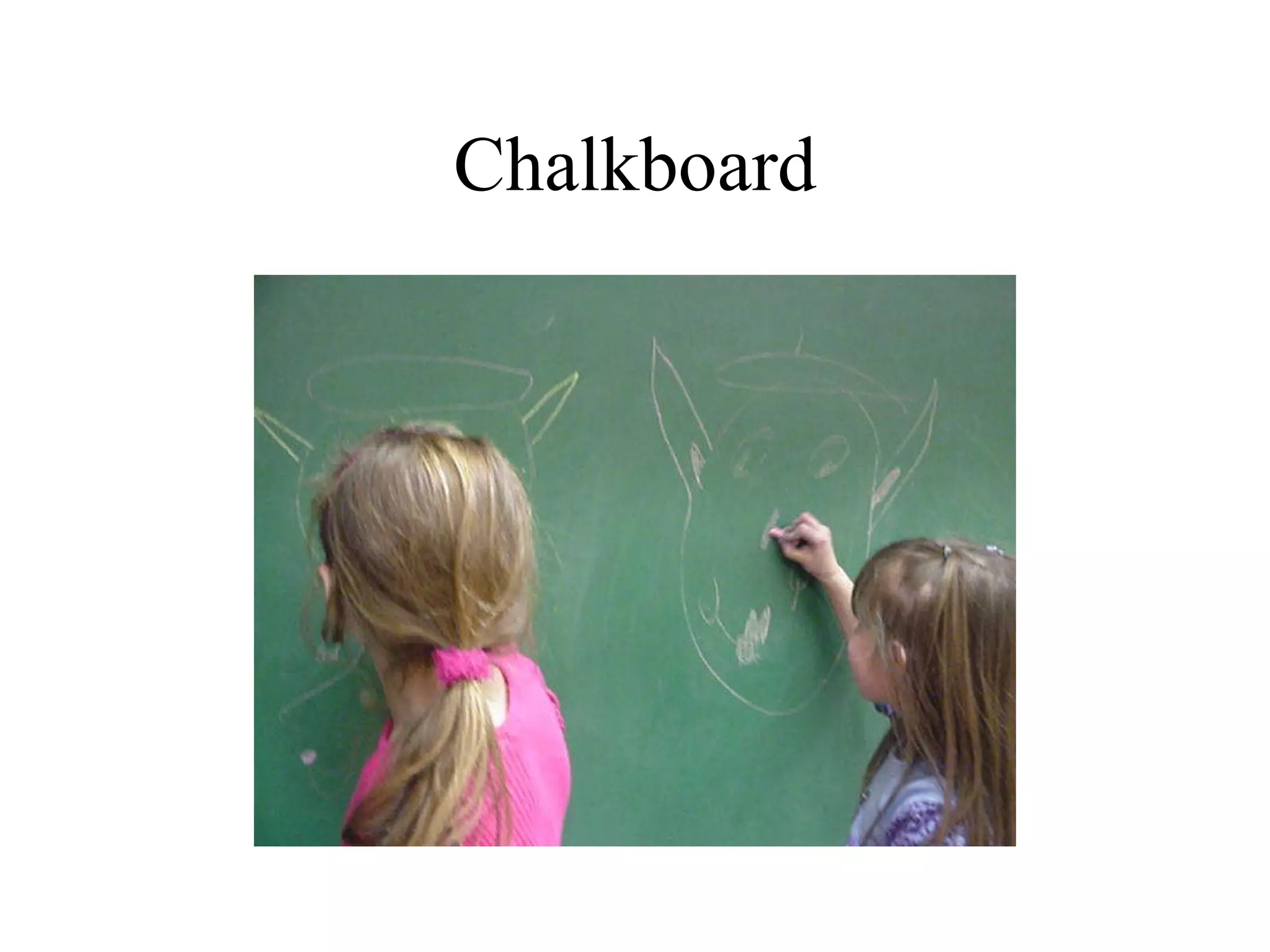
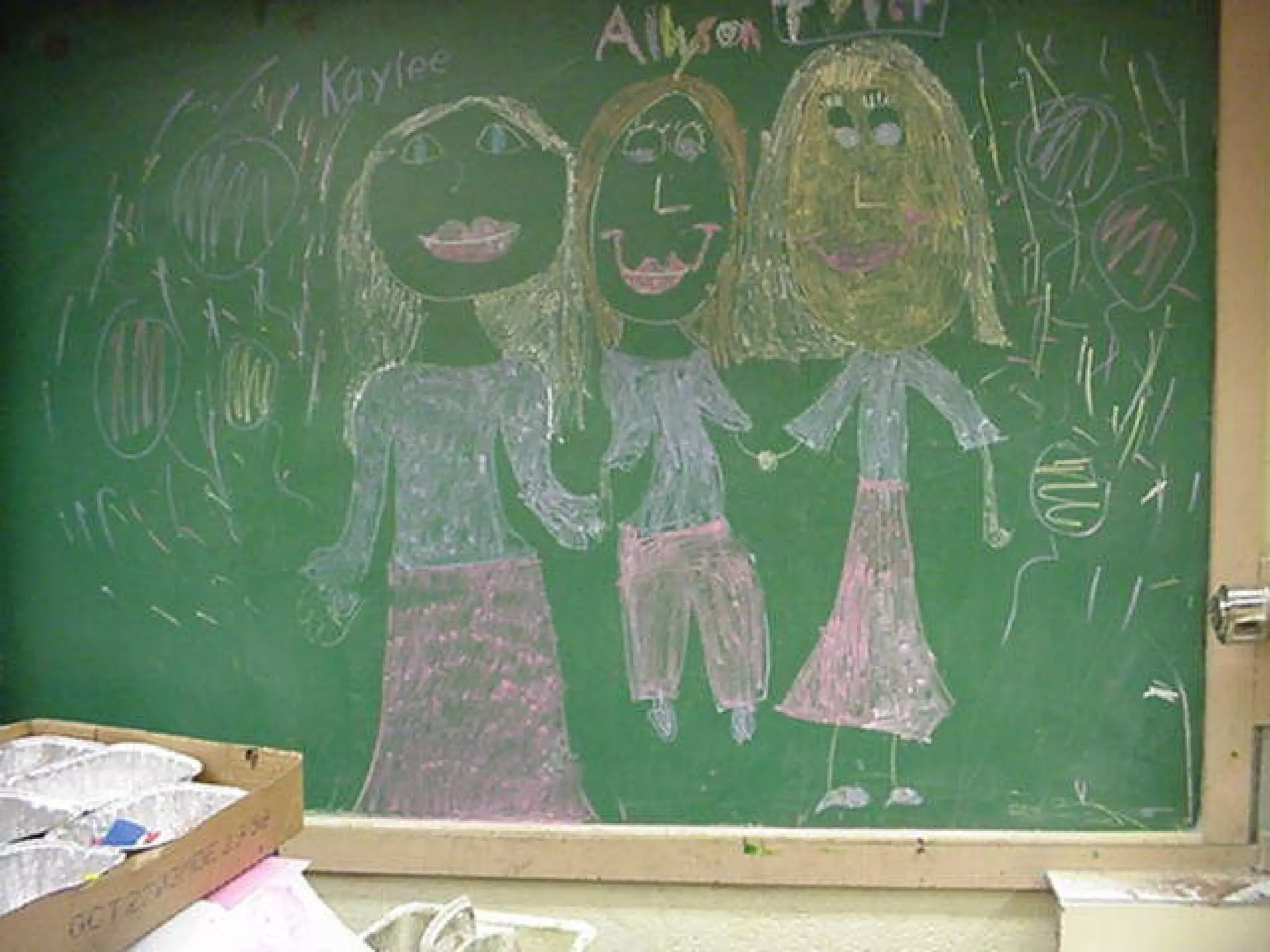
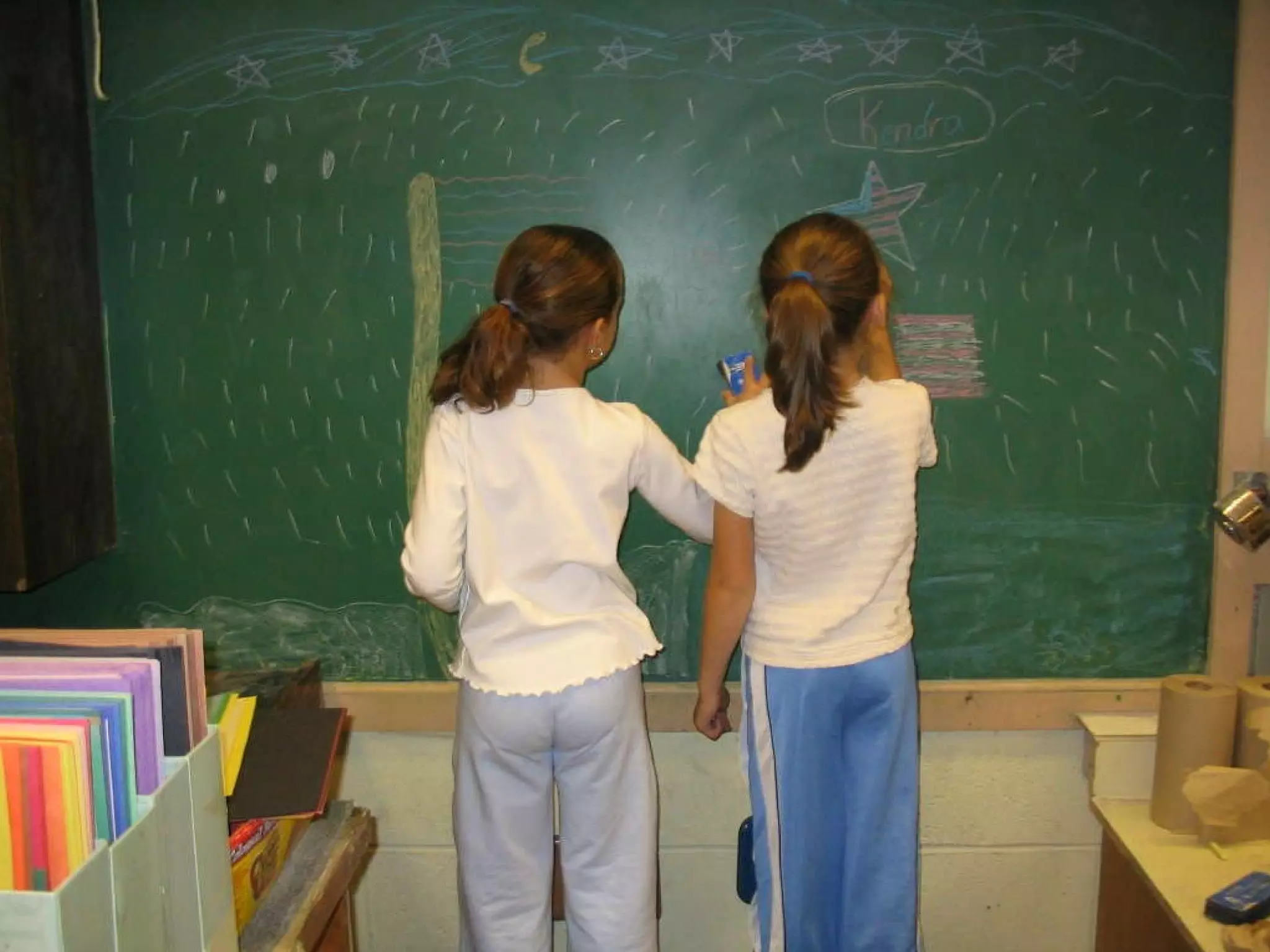
Chalkboard
 
 
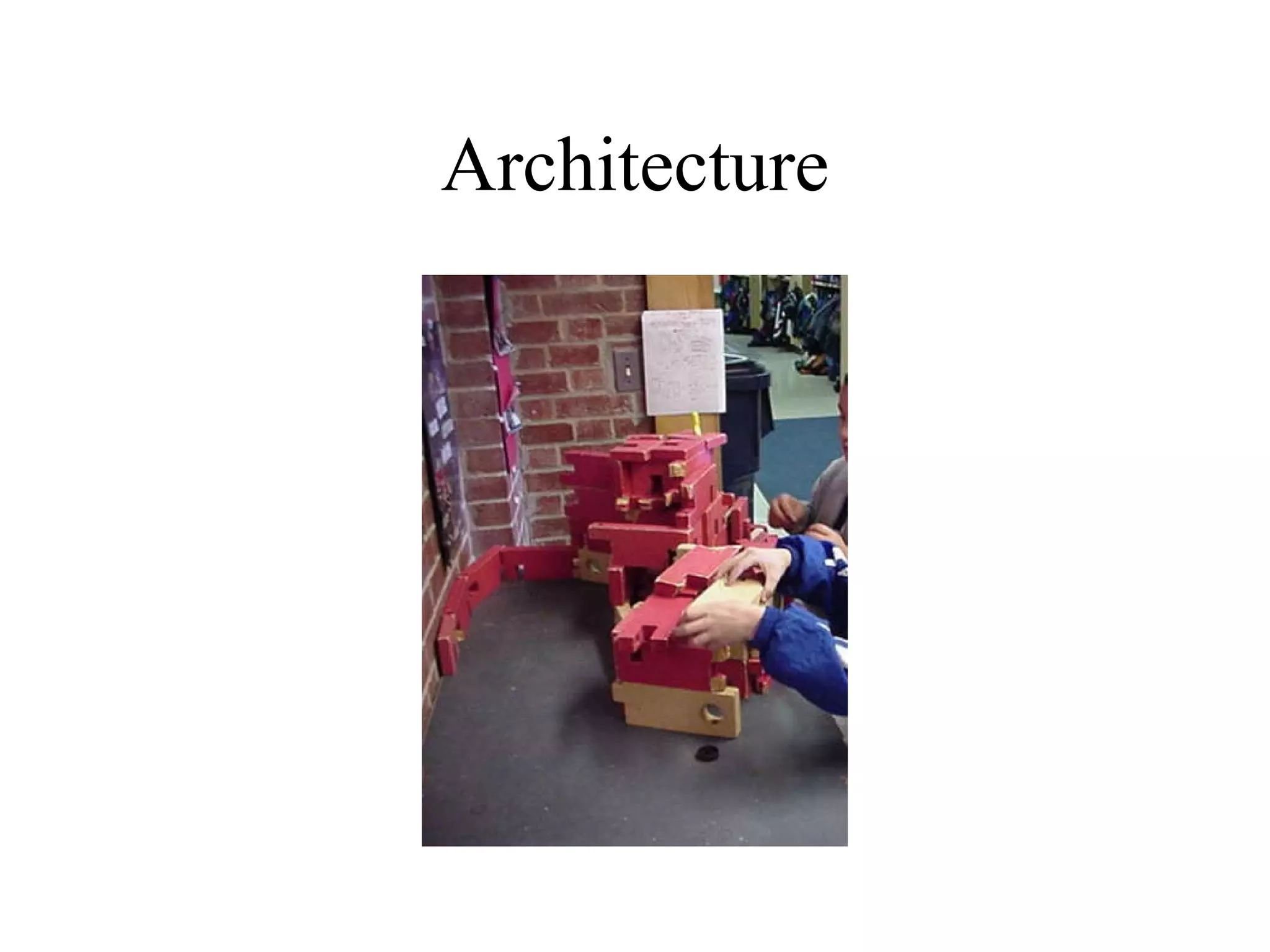
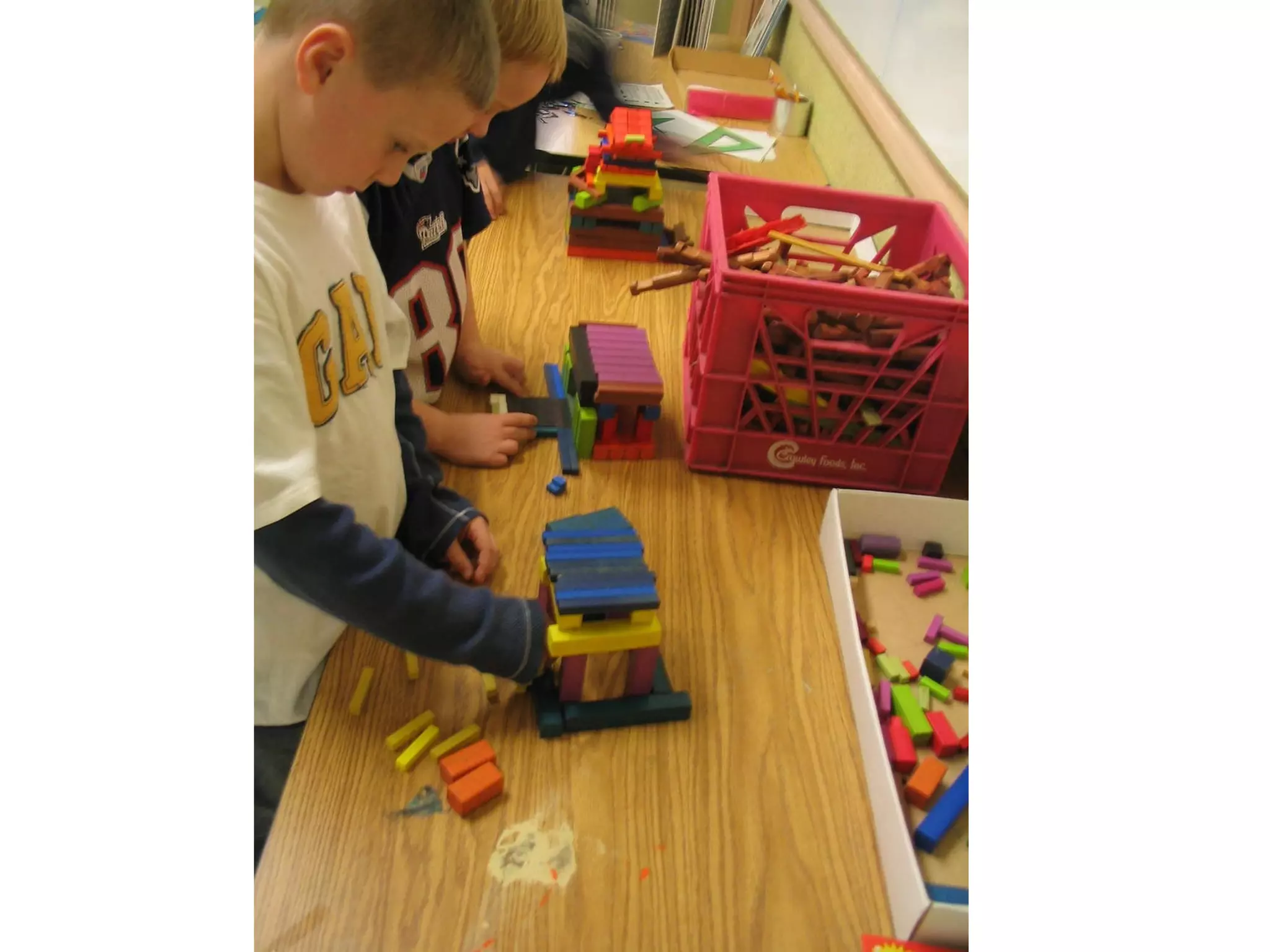
Architecture
 
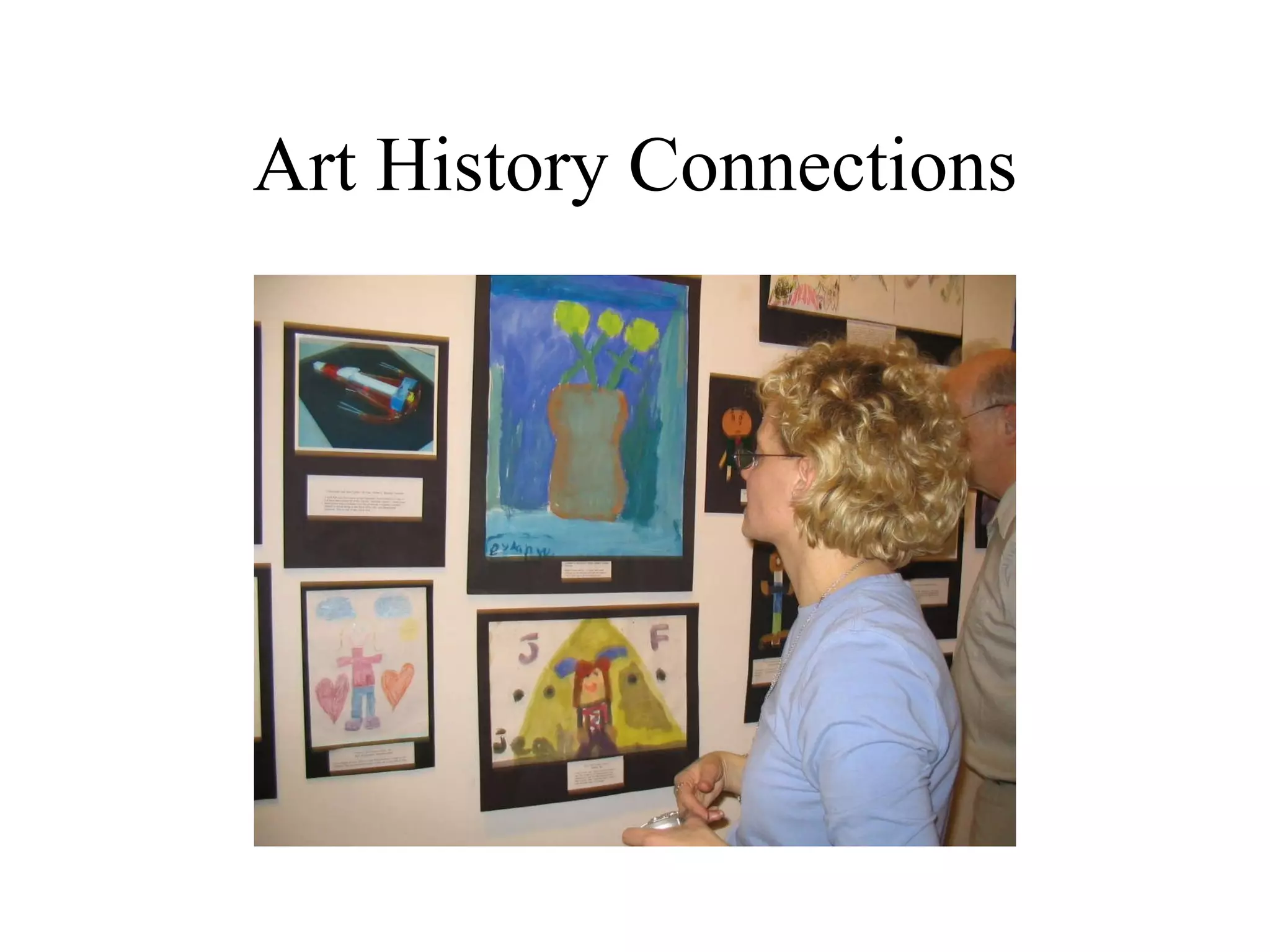
Art History Connections


We face a critical need for innovative thinkers in the 21st century.  The arts are one of the few places left in the curriculum where students can take creative ownership of their learning. Valuing students' ideas and arranging the classroom for child-centered authentic learning promotes deep inquiry and reflection for all learners in our diverse school communities. Diane Jaquith, 2008
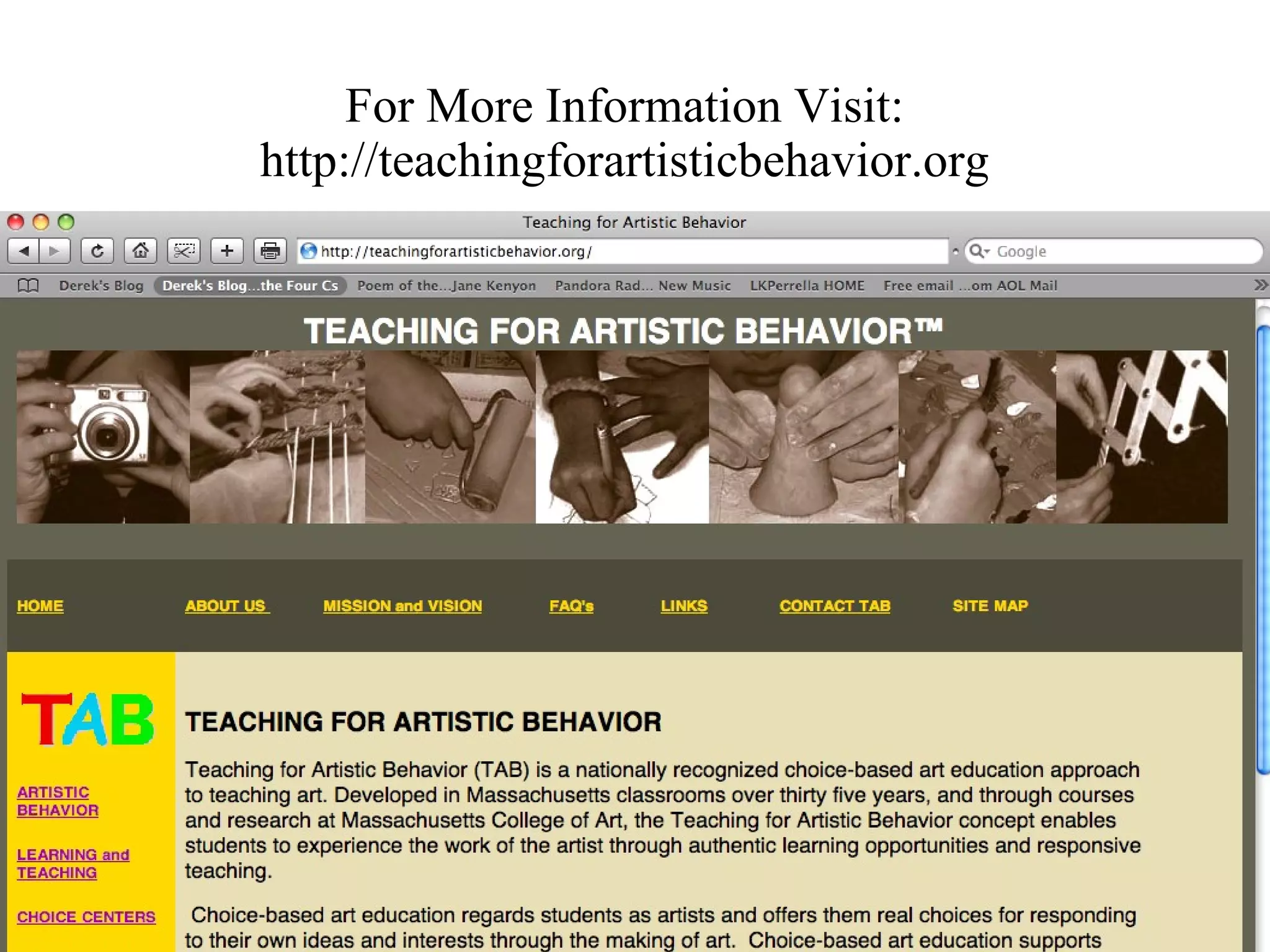
For More Information Visit: http://teachingforartisticbehavior.org

Teaching for Artistic Behavior (TAB)

  • 1.
    Teaching for ArtisticBehavior Choice-Based Art Education Katherine Douglas
  • 2.
    Artistic Choice: “The job of the artist is to have an idea and find the best material to express it, or to find a material that leads to an idea.” Pauline Joseph
  • 3.
    In a TABclassroom students can Work at their own speed Work from strengths Follow a line of thought over time Learn from and work with peers Be “on task” for a great portion of the class—there is no waiting for materials to be passed out, for instance, and when finished, students can move on to another piece without assistance. Develop a working style Use what they know to show what they know: student interests can be explored in visual form. Form cooperative groups and engage in positive social interactions Take responsibility for care of materials and centers.
  • 4.
    In a TABclassroom teachers can Observe students working independently to determine strengths and weaknesses Work with small groups of interested students while others work independently, allowing for more in-depth instruction. Offer special “scaffolding” to struggling students Get to know students well through their very individual personal styles Expect students to come to class highly motivated and ready to work
  • 5.
    Teachers in achoice-based classroom provide: TIME SPACE MATERIALS INSTRUCTION SPIRIT
  • 6.
    Classrooms are arrangedas studios, with organized centers for available art media.
  • 7.
    Learning and TeachingEach class starts with a five minute demonstration for the whole group.
  • 8.
    Students may trythe new focus or work independently in centers.
  • 9.
    Materials and techniquesin centers have been introduced whole-group.
  • 10.
    Students learn fromthe teacher.
  • 11.
    Students learn from center directions.
  • 12.
  • 13.
    Students learn fromresources in the centers.
  • 14.
  • 15.
    When students workindependently… the teacher is able to observe what students know and can do.
  • 16.
  • 17.
  • 18.
  • 19.
  • 20.
  • 21.
  • 22.
  • 23.
  • 24.
  • 25.
  • 26.
  • 27.
  • 28.
  • 29.
  • 30.
  • 31.
  • 32.
  • 33.
  • 34.
  • 35.
  • 36.
  • 37.
  • 38.
  • 39.
  • 40.
  • 41.
    The Shipyard ProjectStudent had an interest in The Titanic outside of school. Over the summer he researched, drew blueprints and recruited his best friend to help. He approached the teacher with his plan in September. He and his friends worked on it for 7 months. Other students in class were influenced to work on smaller versions. The teacher served as a materials resource and offered technical advice, as well as negotiating extra work time for them.
  • 42.
  • 43.
  • 44.
  • 45.
  • 46.
  • 47.
  • 48.
  • 49.
  • 50.
  • 51.
  • 52.
  • 53.
  • 54.
  • 55.
  • 56.
  • 57.
  • 58.
  • 59.
  • 60.
  • 61.
  • 62.
  • 63.
  • 64.
  • 65.
  • 66.
  • 67.
    We face acritical need for innovative thinkers in the 21st century. The arts are one of the few places left in the curriculum where students can take creative ownership of their learning. Valuing students' ideas and arranging the classroom for child-centered authentic learning promotes deep inquiry and reflection for all learners in our diverse school communities. Diane Jaquith, 2008
  • 68.
    For More InformationVisit: http://teachingforartisticbehavior.org