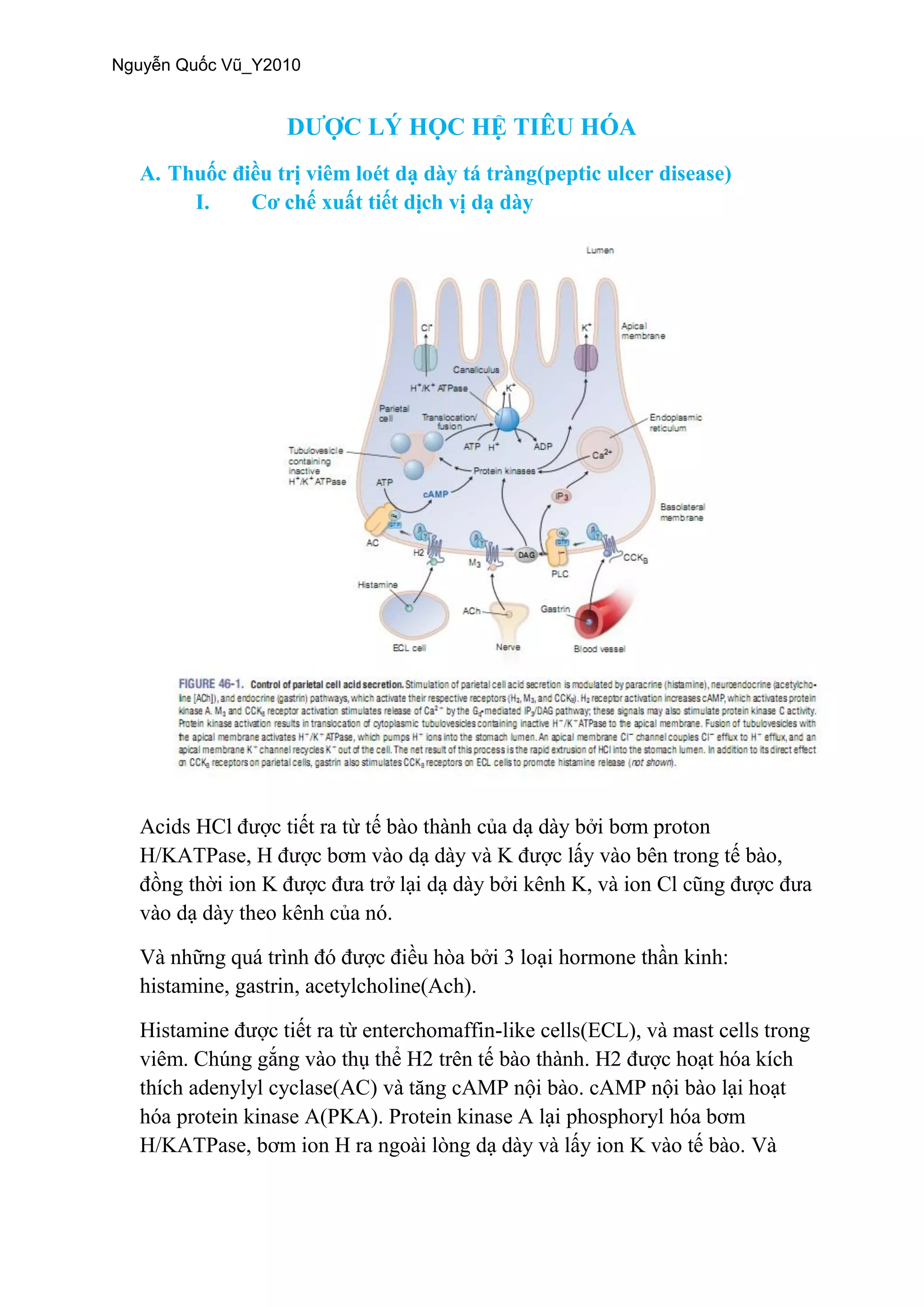
A. peptic ulcer disease)
I.
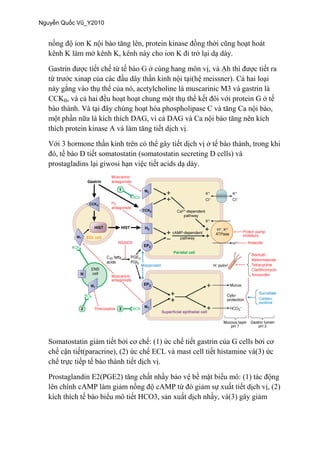
histamine, gastrin, acetylcholine(Ach).
-
CCKB
II.
).
a. -
Cushing)
–
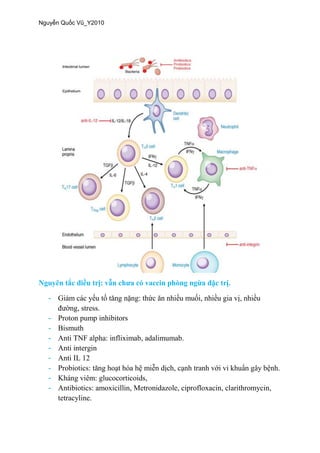
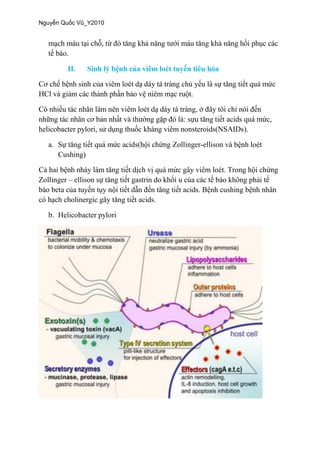
b. Helicobacter pylori
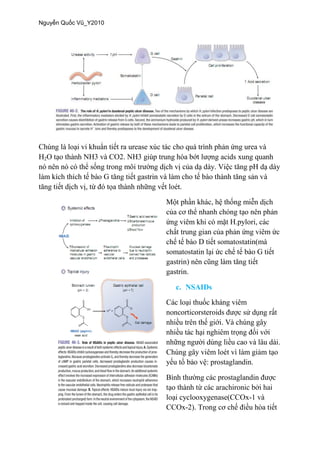
H2O
gastrin.
c. NSAIDs
noncorticor
-
-
-
CCOx2.
.
- .
.
III.
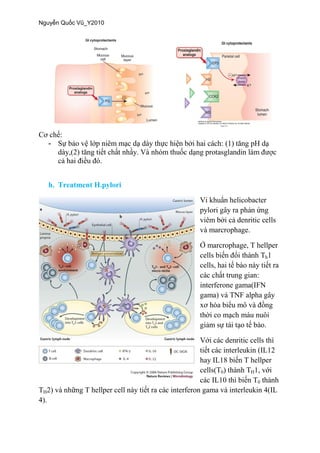
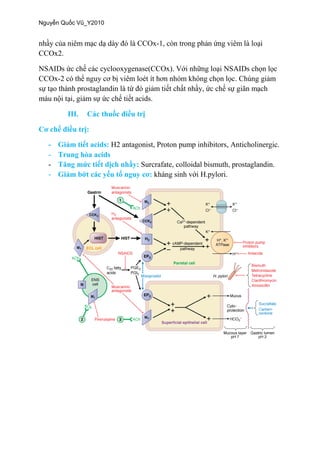
- : H2 antagonist, Proton pump inhibitors, Anticholinergic.
-
- : Surcrafate, colloidal bismuth, prostaglandin.
- :
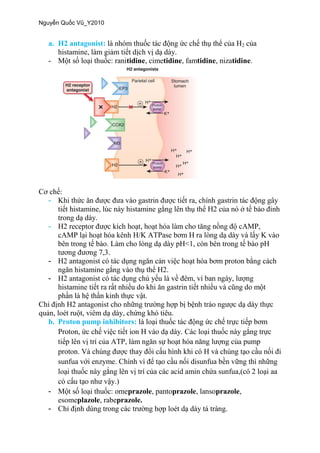
a. H2 antagonist: 2
- tidine, cimetidine, famtidine, nizatidine.
-
-
7 .
-
-
histamine
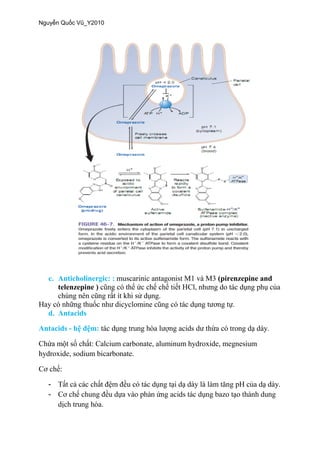
b. Proton pump inhibitors:
proton.
- prazole, pantoprazole, lansoprazole,
esomeplazole, rabeprazole.
-
c. Anticholinergic: : (pirenzepine and
telenzepine ) Cl
d. Antacids
-
hydroxide, sodium bicarbonate.
-
-
-
-
e. Surcrafate
Sucralfate:
3
f. Colloidal bismuth: bismuth subsalicylate
-
-
-
H.pylori.
C
g. Prostaglandin: misoprostol (
prostaglandin E1 [PGE1])
-
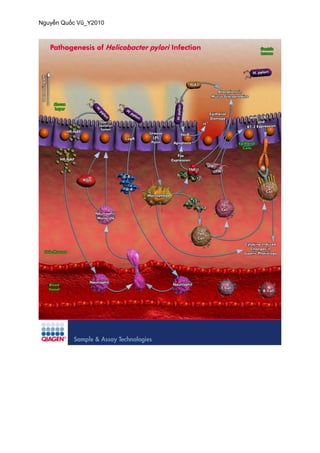
h. Treatment H.pylori
ophage.
h
interferone gama(IFN
gama)
hay IL18
cells(T0) H
0
TH
4).
-
.
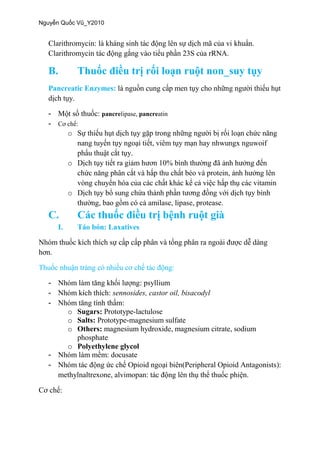
- Proton pump inhibitors
- Bismuth
- Anti TNF alpha: infliximab, adalimumab.
- Anti intergin
- Anti IL 12
- Probiotics:
-
- Antibiotics: amoxicillin, Metronidazole, ciprofloxacin, clarithromycin,
tetracyline.
Clarithromycin
B.
Pancreatic Enzymes:
- pancrelipase, pancreatin
-
o
o
o
e, protease.
C.
I. : Laxatives
- N : psyllium
- sennosides, castor oil, bisacodyl
-
o Sugars: Prototype-lactulose
o Salts: Prototype-magnesium sulfate
o Others: magnesium hydroxide, magnesium citrate, sodium
phosphate
o Polyethylene glycol
- docusate
- Opioid Peripheral Opioid Antagonists):
methylnaltrexone
-
- ,
7 -
-
cholecystokinin
-
Docusate salts, Mineral oil
-
II. : antidiarrhoeals
diphenoxylate, difenoxin.
bismuth.
-
-
D.
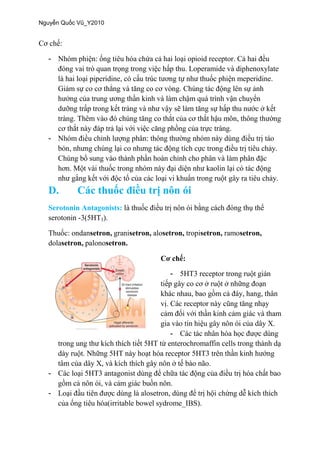
Serotonin Antagonists:
serotonin -3(5HT3).
ondansetron, granisetron, alosetron, tropisetron, ramosetron,
dolasetron, palonosetron.
-
-
-
-
E.
I.
II.
Prokinetic Agents and Other Stimulants of GI Contractility
Activation of muscarinic receptors with the older cholinomimetic agents (Chapter 9) or
AChE inhibitors (Chapter 10), is not a very effective strategy for treating GI motility
disorders because these agents enhance contractions in a relatively uncoordinated fashion that
produces little or no net propulsive activity. The use of cholinergic agents is discussed in the
previous edition of this book.
By contrast, prokinetic agents are medications that enhance coordinated GI motility and
transit of material in the GI tract. Although ACh, when released from primary motor neurons
in the myenteric plexus, is the principal immediate mediator of muscle contractility, most of
the clinically useful prokinetic agents act "upstream" of ACh, at receptor sites on the motor
neuron itself, or even more indirectly, on neurons or non-neuronal cells one or two orders
removed from it. Although pharmacologically and chemically diverse, these agents appear to
enhance the release of excitatory neurotransmitter at the nerve-muscle junction without
interfering with the normal physiological pattern and rhythm of motility. Coordination of
activity among the segments of the gut, necessary for propulsion of luminal contents,
therefore is maintained.
Agents useful clinically in altering GI motility are considered next.
a. Dopamine Receptor Antagonists
2
Metoclopramide (REGLAN, others) and other substituted benzamides are derivatives of para-
aminobenzoic acid and are structurally related to procainamide.
The mechanisms of action of metoclopramide are complex and involve 5-HT4 receptor
agonism, vagal and central 5-HT3 antagonism, and possible sensitization of muscarinic
receptors on smooth muscle, in addition to DA receptor antagonism. Metoclopramide is one
of the oldest true prokinetic agents; its administration results in coordinated contractions that
enhance transit. Its effects are confined largely to the upper digestive tract, where it increases
lower esophageal sphincter tone and stimulates antral and small intestinal contractions.
Despite having in vitro effects on the contractility of colonic smooth muscle, metoclopramide
has no clinically significant effects on large-bowel motility.
Domperidone( D2 Receptor Antagonists)
In contrast to metoclopramide, domperidone predominantly antagonizes the D2 receptor without
major involvement of other receptors. It is not available for use in the U.S. but has been used
elsewhere (MOTILIUM, others) and has modest prokinetic activity in doses of 10-20 mg three times a
day. Although it does not readily cross the blood-brain barrier to cause extrapyramidal side effects,
domperidone exerts effects in the parts of the CNS that lack this barrier, such as those regulating
emesis, temperature, and prolactin release. As is the case with metoclopramide, domperidone does not
appear to have any significant effects on lower GI motility. Other D2 receptor antagonists being
explored as prokinetic agents include levosulpiride, the levo-enantiomer of sulpiride.
b. Serotonin Receptor Agonists
5-HT plays an important role in the normal motor and secretory function of the gut (Gershon
and Tack, 2007) (Chapter 13). Indeed, >90% of the total 5-HT in the body exists in the GI
tract. The enterochromaffin cell, a specialized cell found in the epithelium lining the mucosa
of the gut, produces most of this 5-HT and rapidly releases 5-HT in response to chemical and
mechanical stimulation (e.g., food boluses; noxious agents such as cisplatin; certain microbial
toxins; adrenergic, cholinergic, and purinergic receptor agonists). 5-HT triggers the peristaltic
reflex (Figure 46–1) by stimulating intrinsic sensory neurons in the myenteric plexus (via 5-
HT1p and 5-HT4 receptors), as well as extrinsic vagal and spinal sensory neurons (via 5-HT3
receptors). Additionally, stimulation of submucosal intrinsic afferent neurons activates
secretomotor reflexes resulting in epithelial secretion. 5-HT receptors also are found on other
neurons in the enteric nervous system, where they can be either stimulatory (5-HT3 and 5-
HT4) or inhibitory (5-HT1a). In addition, serotonin also stimulates the release of other
neurotransmitters, depending on the receptor subtype. Thus, 5-HT1 stimulation of the gastric
fundus results in release of NO and reduces smooth muscle tone. 5-HT4 stimulation of
excitatory motor neurons enhances ACh release at the neuromuscular junction, and both 5-
HT3 and 5-HT4 receptors facilitate interneuronal signaling. Developmentally, 5-HT acts as a
neurotrophic factor for enteric neurons via the 5-HT2B and 5-HT4 receptors.
Reuptake of serotonin by enteric neurons and epithelium is mediated by the same transporter
(SERT; Chapters 5 and 13) as 5-HT reuptake by serotonergic neurons in the CNS. This
reuptake therefore also is blocked by selective serotonin reuptake inhibitors (SSRIs, Chapter
15), which explains the common side effect of diarrhea that accompanies the use of these
agents. Modulation of the multiple, complex, and sometimes opposing effects of 5-HT on gut
motor function has become a major target for drug development.
The availability of serotonergic prokinetic drugs has in recent years been restricted because
of serious adverse cardiac events. Tegaserod maleate (ZELNORM) was discontinued in 2007
and cisapride is available only via a restricted investigational drug protocol. A novel 5-HT4
agonist, prucalopride (RESOLOR), is approved for use in Europe for symptomatic treatment of
chronic constipation in women in whom laxatives fail to provide adequate relief
 Cisapride (PROPULSID) is a substituted piperidinyl benzamide (Figure 46–2) that appears to
stimulate 5-HT4 receptors and increase adenylyl cyclase activity within neurons. It also has
weak 5-HT3 antagonistic properties and may directly stimulate smooth muscle. Cisapride was
a commonly used prokinetic agent, particularly for gastroesophageal reflux disease and
gastroparesis. However, it no longer is generally available in the U.S. because of its potential
to induce serious and occasionally fatal cardiac arrhythmias, including ventricular
tachycardia, ventricular fibrillation, and torsades de pointes. These arrhythmias result from a
prolonged QT interval through an interaction with pore-forming subunits of the HERG K+
channel. HERG K+
channels conduct the rapid delayed rectifier K+
current that is important
for normal repolarization of the ventricle (Chapter 29). Cisapride-induced ventricular
arrhythmias occur most often when the drug is combined with other drugs that inhibit
CYP3A4 (Chapter 6); such combinations inhibit the metabolism of cisapride and lead to high
plasma concentrations of the drug. Due to its association with ventricular arrhythmias,
cisapride is contraindicated in patients with a history of prolonged QT interval, renal failure,
ventricular arrhythmias, ischemic heart disease, congestive heart failure, respiratory failure,
uncorrected electrolyte abnormalities (e.g., hypokalemia and hypomagnesemia), or
concomitant medications known to prolong the QT interval. At this time, cisapride is
available only through an investigational, limited-access program for patients with GERD,
gastroparesis, pseudo-obstruction, refractory severe chronic constipation, and neonatal enteral
feeding intolerance who have failed all standard therapeutic modalities and who have
undergone a thorough diagnostic evaluation, including an ECG.
 Prucalopride (RESELOR; Figure 46–2) is a benzofuran derivative and a specific 5-
HT4-receptor agonist that facilitates cholinergic neurotransmission. It acts throughout
the length of the intestine, increasing oral-cecal transit and colonic transit without
affecting gastric emptying in healthy volunteers. In patients with chronic idiopathic
constipation, prucalopride was able to improve colonic transit and stool frequency.
Given in doses of 2 and 4 mg orally, once daily, there were significant normalization
of bowel habits including increased stool frequency and consistency (Gale, 2009).
This drug recently gained approval in Europe for use in women with chronic
constipation in whom laxatives fail to provide adequate relief.
c. Motilides
Macrolides and Erythromycin
Motilin, a 22–amino acid peptide hormone found in the GI M cells and in some
enterochromaffin cells of the upper small bowel, is a potent contractile agent of the upper GI
tract. Motilin levels fluctuate in association with the migrating motor complex and appear to
be responsible for the amplification, if not the actual induction, of phase III activity. In
addition, motilin receptors are found on smooth muscle cells and enteric neurons.
The effects of motilin can be mimicked by erythromycin, a discovery that arose from the
frequent occurrence of GI side effects with the use of this antibiotic. This property is shared
to varying extents by other macrolide antibiotics (Chapter 55), including oleandomycin,
azithromycin, and clarithromycin. In addition to its motilin-like effects, which are most
pronounced at higher doses (250-500 mg), erythromycin at lower doses (e.g., 40-80 mg) also
may act by other poorly defined mechanisms that may involve cholinergic facilitation.
Erythromycin induces phase III migrating motor complex activity in dogs and increases
smooth muscle contractility. It has multiple effects on upper GI motility, increasing lower
esophageal pressure and stimulating gastric and small-bowel contractility. By contrast, it has
little or no effect on colonic motility. At doses higher than 3 mg/kg, it can produce a spastic
type of contraction in the small bowel, resulting in cramps, impairment of transit, and
vomiting.
d. Motilin Receptor Agonists
A number of these drugs have been developed for the treatment of diabetic gastroparesis.
Currently, mitemcinal (GM-611), a macrolide nonantibiotic, shows promise for the treatment
of gastroparesis (Gale, 2009).
Miscellaneous Agents for Stimulating Motility
The GI hormone cholecystokinin (CCK) is released from the intestine in response to meals
and delays gastric emptying, causes contraction of the gallbladder, stimulates pancreatic
enzyme secretion, increases intestinal motility, promotes satiety, and has a host of other
actions. The C-terminal octapeptide of CCK, sincalide (KINEVAC), is useful for stimulating
the gallbladder and/or pancreas and may also be used for accelerating barium transit through
the small bowel for diagnostic testing of these organs. This drug is administered
intravenously 0.02-0.04 g/kg over 30-60 seconds or up to 30-45 minutes depending on
the test. Administration of this agent is frequently accompanied by nausea and abdominal
pain, and much less frequently dizziness. Concerns that should be noted using this agent are
related to the expulsion of small gallstones into the common bile duct or cystic duct.
Dexloxiglumide is a CCK1 (or CCK-A)–receptor antagonist that can improve gastric
emptying and was investigated as a treatment for gastroparesis and for constipation-dominant
IBS, but may also have uses in feeding intolerance in critically ill individuals. Clonidine also
has been reported to be of benefit in patients with gastroparesis. Octreotide acetate
(SANDOSTATIN, others), a somatostatin analogue, also is used in some patients with intestinal
dysmotility.
In some disorders of motility, effective treatment does not necessarily require a
"neuroenteric" approach. One such example is gastroesophageal reflux disease. Acid reflux is
associated with transient lower esophageal sphincter relaxations that occur in the absence of a
swallow. Because the damage to the esophagus ultimately is inflicted by acid, the most
effective therapy for gastroesophageal reflux disease still is the suppression of acid
production by the stomach (Chapter 45). Neither metoclopramide nor cisapride by itself is
particularly effective in gastroesophageal reflux disease. However, a new approach under
investigation relies on suppression of the transient lower esophageal sphincter relaxations, as
achieved by CCK1-receptor antagonists (such as dexloxiglumide), GABA agonists (such as
baclofen), and inhibitors of NO synthesis.
III.
. A more recent approach relies on the use of preparations of botulinum toxin (BOTOX,
DYSPORT, MYOBLOC), injected directly into the lower esophageal sphincter via an endoscope,
in doses of 80-100 units (Zhao and Pasricha, 2003). This potent agent inhibits ACh release
from nerve endings (Chapter 11) and can produce partial paralysis of the sphincter muscle,
with significant improvements in symptoms and esophageal clearance. However, its effects
dissipate over a period of several months, requiring repeated injections; there is also some
potential for post-administration "spread" of the toxin that can result in life-threatening
consequences. Botulinum toxin preparations likely will be more widely used especially in the
elderly and in those with other risks for pneumatic dilation. Other GI conditions in which
botulinum toxin A has been used include gastroparesis, sphincter of Oddi dysfunction, and
anal fissures, although currently there are not strong trial data to support its efficacy.

DƯỢC LÝ HỌC HỆ TIÊU HÓA

  • 1.
    A. peptic ulcerdisease) I. histamine, gastrin, acetylcholine(Ach). -
  • 2.
  • 3.
  • 4.
  • 5.
    - CCOx2. . - . . III. - :H2 antagonist, Proton pump inhibitors, Anticholinergic. - - : Surcrafate, colloidal bismuth, prostaglandin. - :
  • 6.
    a. H2 antagonist:2 - tidine, cimetidine, famtidine, nizatidine. - - 7 . - - histamine b. Proton pump inhibitors: proton. - prazole, pantoprazole, lansoprazole, esomeplazole, rabeprazole. -
  • 7.
    c. Anticholinergic: :(pirenzepine and telenzepine ) Cl d. Antacids - hydroxide, sodium bicarbonate. - -
  • 8.
    - - e. Surcrafate Sucralfate: 3 f. Colloidalbismuth: bismuth subsalicylate - - - H.pylori. C g. Prostaglandin: misoprostol ( prostaglandin E1 [PGE1])
  • 9.
    - h. Treatment H.pylori ophage. h interferonegama(IFN gama) hay IL18 cells(T0) H 0 TH 4).
  • 11.
    - . - Proton pumpinhibitors - Bismuth - Anti TNF alpha: infliximab, adalimumab. - Anti intergin - Anti IL 12 - Probiotics: - - Antibiotics: amoxicillin, Metronidazole, ciprofloxacin, clarithromycin, tetracyline.
  • 12.
    Clarithromycin B. Pancreatic Enzymes: - pancrelipase,pancreatin - o o o e, protease. C. I. : Laxatives - N : psyllium - sennosides, castor oil, bisacodyl - o Sugars: Prototype-lactulose o Salts: Prototype-magnesium sulfate o Others: magnesium hydroxide, magnesium citrate, sodium phosphate o Polyethylene glycol - docusate - Opioid Peripheral Opioid Antagonists): methylnaltrexone
  • 13.
    - - , 7 - - cholecystokinin - Docusatesalts, Mineral oil - II. : antidiarrhoeals diphenoxylate, difenoxin. bismuth.
  • 14.
    - - D. Serotonin Antagonists: serotonin -3(5HT3). ondansetron,granisetron, alosetron, tropisetron, ramosetron, dolasetron, palonosetron. - - - -
  • 15.
    E. I. II. Prokinetic Agents andOther Stimulants of GI Contractility Activation of muscarinic receptors with the older cholinomimetic agents (Chapter 9) or AChE inhibitors (Chapter 10), is not a very effective strategy for treating GI motility disorders because these agents enhance contractions in a relatively uncoordinated fashion that produces little or no net propulsive activity. The use of cholinergic agents is discussed in the previous edition of this book. By contrast, prokinetic agents are medications that enhance coordinated GI motility and transit of material in the GI tract. Although ACh, when released from primary motor neurons in the myenteric plexus, is the principal immediate mediator of muscle contractility, most of the clinically useful prokinetic agents act "upstream" of ACh, at receptor sites on the motor neuron itself, or even more indirectly, on neurons or non-neuronal cells one or two orders removed from it. Although pharmacologically and chemically diverse, these agents appear to enhance the release of excitatory neurotransmitter at the nerve-muscle junction without interfering with the normal physiological pattern and rhythm of motility. Coordination of activity among the segments of the gut, necessary for propulsion of luminal contents, therefore is maintained. Agents useful clinically in altering GI motility are considered next. a. Dopamine Receptor Antagonists 2 Metoclopramide (REGLAN, others) and other substituted benzamides are derivatives of para- aminobenzoic acid and are structurally related to procainamide.
  • 16.
    The mechanisms ofaction of metoclopramide are complex and involve 5-HT4 receptor agonism, vagal and central 5-HT3 antagonism, and possible sensitization of muscarinic receptors on smooth muscle, in addition to DA receptor antagonism. Metoclopramide is one of the oldest true prokinetic agents; its administration results in coordinated contractions that enhance transit. Its effects are confined largely to the upper digestive tract, where it increases lower esophageal sphincter tone and stimulates antral and small intestinal contractions. Despite having in vitro effects on the contractility of colonic smooth muscle, metoclopramide has no clinically significant effects on large-bowel motility. Domperidone( D2 Receptor Antagonists) In contrast to metoclopramide, domperidone predominantly antagonizes the D2 receptor without major involvement of other receptors. It is not available for use in the U.S. but has been used elsewhere (MOTILIUM, others) and has modest prokinetic activity in doses of 10-20 mg three times a day. Although it does not readily cross the blood-brain barrier to cause extrapyramidal side effects, domperidone exerts effects in the parts of the CNS that lack this barrier, such as those regulating emesis, temperature, and prolactin release. As is the case with metoclopramide, domperidone does not appear to have any significant effects on lower GI motility. Other D2 receptor antagonists being explored as prokinetic agents include levosulpiride, the levo-enantiomer of sulpiride. b. Serotonin Receptor Agonists 5-HT plays an important role in the normal motor and secretory function of the gut (Gershon and Tack, 2007) (Chapter 13). Indeed, >90% of the total 5-HT in the body exists in the GI tract. The enterochromaffin cell, a specialized cell found in the epithelium lining the mucosa of the gut, produces most of this 5-HT and rapidly releases 5-HT in response to chemical and mechanical stimulation (e.g., food boluses; noxious agents such as cisplatin; certain microbial toxins; adrenergic, cholinergic, and purinergic receptor agonists). 5-HT triggers the peristaltic reflex (Figure 46–1) by stimulating intrinsic sensory neurons in the myenteric plexus (via 5- HT1p and 5-HT4 receptors), as well as extrinsic vagal and spinal sensory neurons (via 5-HT3 receptors). Additionally, stimulation of submucosal intrinsic afferent neurons activates secretomotor reflexes resulting in epithelial secretion. 5-HT receptors also are found on other neurons in the enteric nervous system, where they can be either stimulatory (5-HT3 and 5- HT4) or inhibitory (5-HT1a). In addition, serotonin also stimulates the release of other neurotransmitters, depending on the receptor subtype. Thus, 5-HT1 stimulation of the gastric fundus results in release of NO and reduces smooth muscle tone. 5-HT4 stimulation of excitatory motor neurons enhances ACh release at the neuromuscular junction, and both 5- HT3 and 5-HT4 receptors facilitate interneuronal signaling. Developmentally, 5-HT acts as a neurotrophic factor for enteric neurons via the 5-HT2B and 5-HT4 receptors. Reuptake of serotonin by enteric neurons and epithelium is mediated by the same transporter (SERT; Chapters 5 and 13) as 5-HT reuptake by serotonergic neurons in the CNS. This reuptake therefore also is blocked by selective serotonin reuptake inhibitors (SSRIs, Chapter 15), which explains the common side effect of diarrhea that accompanies the use of these agents. Modulation of the multiple, complex, and sometimes opposing effects of 5-HT on gut motor function has become a major target for drug development. The availability of serotonergic prokinetic drugs has in recent years been restricted because of serious adverse cardiac events. Tegaserod maleate (ZELNORM) was discontinued in 2007 and cisapride is available only via a restricted investigational drug protocol. A novel 5-HT4
  • 17.
    agonist, prucalopride (RESOLOR),is approved for use in Europe for symptomatic treatment of chronic constipation in women in whom laxatives fail to provide adequate relief  Cisapride (PROPULSID) is a substituted piperidinyl benzamide (Figure 46–2) that appears to stimulate 5-HT4 receptors and increase adenylyl cyclase activity within neurons. It also has weak 5-HT3 antagonistic properties and may directly stimulate smooth muscle. Cisapride was a commonly used prokinetic agent, particularly for gastroesophageal reflux disease and gastroparesis. However, it no longer is generally available in the U.S. because of its potential to induce serious and occasionally fatal cardiac arrhythmias, including ventricular tachycardia, ventricular fibrillation, and torsades de pointes. These arrhythmias result from a prolonged QT interval through an interaction with pore-forming subunits of the HERG K+ channel. HERG K+ channels conduct the rapid delayed rectifier K+ current that is important for normal repolarization of the ventricle (Chapter 29). Cisapride-induced ventricular arrhythmias occur most often when the drug is combined with other drugs that inhibit CYP3A4 (Chapter 6); such combinations inhibit the metabolism of cisapride and lead to high plasma concentrations of the drug. Due to its association with ventricular arrhythmias, cisapride is contraindicated in patients with a history of prolonged QT interval, renal failure, ventricular arrhythmias, ischemic heart disease, congestive heart failure, respiratory failure, uncorrected electrolyte abnormalities (e.g., hypokalemia and hypomagnesemia), or concomitant medications known to prolong the QT interval. At this time, cisapride is available only through an investigational, limited-access program for patients with GERD, gastroparesis, pseudo-obstruction, refractory severe chronic constipation, and neonatal enteral feeding intolerance who have failed all standard therapeutic modalities and who have undergone a thorough diagnostic evaluation, including an ECG.  Prucalopride (RESELOR; Figure 46–2) is a benzofuran derivative and a specific 5- HT4-receptor agonist that facilitates cholinergic neurotransmission. It acts throughout the length of the intestine, increasing oral-cecal transit and colonic transit without affecting gastric emptying in healthy volunteers. In patients with chronic idiopathic constipation, prucalopride was able to improve colonic transit and stool frequency. Given in doses of 2 and 4 mg orally, once daily, there were significant normalization of bowel habits including increased stool frequency and consistency (Gale, 2009). This drug recently gained approval in Europe for use in women with chronic constipation in whom laxatives fail to provide adequate relief. c. Motilides Macrolides and Erythromycin Motilin, a 22–amino acid peptide hormone found in the GI M cells and in some enterochromaffin cells of the upper small bowel, is a potent contractile agent of the upper GI tract. Motilin levels fluctuate in association with the migrating motor complex and appear to be responsible for the amplification, if not the actual induction, of phase III activity. In addition, motilin receptors are found on smooth muscle cells and enteric neurons. The effects of motilin can be mimicked by erythromycin, a discovery that arose from the frequent occurrence of GI side effects with the use of this antibiotic. This property is shared to varying extents by other macrolide antibiotics (Chapter 55), including oleandomycin, azithromycin, and clarithromycin. In addition to its motilin-like effects, which are most
  • 18.
    pronounced at higherdoses (250-500 mg), erythromycin at lower doses (e.g., 40-80 mg) also may act by other poorly defined mechanisms that may involve cholinergic facilitation. Erythromycin induces phase III migrating motor complex activity in dogs and increases smooth muscle contractility. It has multiple effects on upper GI motility, increasing lower esophageal pressure and stimulating gastric and small-bowel contractility. By contrast, it has little or no effect on colonic motility. At doses higher than 3 mg/kg, it can produce a spastic type of contraction in the small bowel, resulting in cramps, impairment of transit, and vomiting. d. Motilin Receptor Agonists A number of these drugs have been developed for the treatment of diabetic gastroparesis. Currently, mitemcinal (GM-611), a macrolide nonantibiotic, shows promise for the treatment of gastroparesis (Gale, 2009). Miscellaneous Agents for Stimulating Motility The GI hormone cholecystokinin (CCK) is released from the intestine in response to meals and delays gastric emptying, causes contraction of the gallbladder, stimulates pancreatic enzyme secretion, increases intestinal motility, promotes satiety, and has a host of other actions. The C-terminal octapeptide of CCK, sincalide (KINEVAC), is useful for stimulating the gallbladder and/or pancreas and may also be used for accelerating barium transit through the small bowel for diagnostic testing of these organs. This drug is administered intravenously 0.02-0.04 g/kg over 30-60 seconds or up to 30-45 minutes depending on the test. Administration of this agent is frequently accompanied by nausea and abdominal pain, and much less frequently dizziness. Concerns that should be noted using this agent are related to the expulsion of small gallstones into the common bile duct or cystic duct. Dexloxiglumide is a CCK1 (or CCK-A)–receptor antagonist that can improve gastric emptying and was investigated as a treatment for gastroparesis and for constipation-dominant IBS, but may also have uses in feeding intolerance in critically ill individuals. Clonidine also has been reported to be of benefit in patients with gastroparesis. Octreotide acetate (SANDOSTATIN, others), a somatostatin analogue, also is used in some patients with intestinal dysmotility. In some disorders of motility, effective treatment does not necessarily require a "neuroenteric" approach. One such example is gastroesophageal reflux disease. Acid reflux is associated with transient lower esophageal sphincter relaxations that occur in the absence of a swallow. Because the damage to the esophagus ultimately is inflicted by acid, the most effective therapy for gastroesophageal reflux disease still is the suppression of acid production by the stomach (Chapter 45). Neither metoclopramide nor cisapride by itself is particularly effective in gastroesophageal reflux disease. However, a new approach under investigation relies on suppression of the transient lower esophageal sphincter relaxations, as achieved by CCK1-receptor antagonists (such as dexloxiglumide), GABA agonists (such as baclofen), and inhibitors of NO synthesis. III.
  • 19.
    . A morerecent approach relies on the use of preparations of botulinum toxin (BOTOX, DYSPORT, MYOBLOC), injected directly into the lower esophageal sphincter via an endoscope, in doses of 80-100 units (Zhao and Pasricha, 2003). This potent agent inhibits ACh release from nerve endings (Chapter 11) and can produce partial paralysis of the sphincter muscle, with significant improvements in symptoms and esophageal clearance. However, its effects dissipate over a period of several months, requiring repeated injections; there is also some potential for post-administration "spread" of the toxin that can result in life-threatening consequences. Botulinum toxin preparations likely will be more widely used especially in the elderly and in those with other risks for pneumatic dilation. Other GI conditions in which botulinum toxin A has been used include gastroparesis, sphincter of Oddi dysfunction, and anal fissures, although currently there are not strong trial data to support its efficacy.