YOGA
and
ARTHRITIS
Yogacharya
Dr ANANDA BALAYOGI BHAVANANI
MBBS, ADY, DSM, DPC, PGDFH, PGDY, FIAY, MD (AM), C-IAYT
Director,
Centre for Yoga Therapy, Education & Research,
(CYTER),MGMC&RI, Puducherry, South India.
Email: yoga@mgmcri.ac.in
• "Arthritis" is a term referring to more
than 100 kinds of diseases that
affect the joints
• Common symptoms include joint
swelling, lasting joint pain, and
warmth in a joint.
• the cause is mostly unknown
• Effectively prevention involves
knowing risk factors, monitoring the
health, and making lifestyle
changes.
– Noninflammatory arthritis
• (eg. osteoarthritis)
– Inflammatory arthritis
• (eg. rheumatoid arthritis)
– Metabolic arthritis
• (eg. gout)
– Infectious arthritis
– septic arthritis, tuberculosis arthritis, fungal arthritis,
viral arthritis and spirochetal arthritis
– Hemorrhagic arthritis
– Hemophilia and Sickle cell anemia.
TYPES OF ARTHRITIS
OSTEOARTHRITIS
• Most common type of non-inflammatory arthritis
• Most common type of arthritis in general
• Cartilage wears away leaving bones to rub
against each other
• Hands, neck, lower back, or large weight-
bearing joints of the body are usually affected
• Symptoms range from stiffness and mild pain
that come and go with activities to severe pain
that continues even at rests
• Growing older is biggest risk
• Various therapies can help patients manage
symptoms and improve overall quality of life
INFLAMMATORY ARTHRITIS
• Rheumatoid arthritis
• Juvenile rheumatoid arthritis
• Lupus arthritis
• Spondyloarthropathies, including:
– Ankylosing spondylitis
– Reactive arthritis (Reiter's syndrome)
– Psoriatic arthritis
– Enteropathic arthritis.
RHEUMATOID ARTHRITIS
• Autoimmune, symmetrical, poly-joint disease
• Inflammation in the joints causes pain,
swelling, and stiffness that can last for hours.
• Rheumatoid arthritis can attack almost any
joint in the body, including the joints in the
fingers, wrists, shoulders, elbows, hips,
knees, ankles, feet, and neck.
• It also attacks organs like heart, muscles,
blood vessels, nervous system, and eyes.
• Medications, surgery, and lifestyle changes
are among the treatment options
• Gouty Arthritis - one of the most painful.
• Most often a problem in the big toe
• Crystals of uric acid form in the connective
tissue and/or joint spaces
• Swelling, redness, heat, pain, and stiffness.
• Attacks often follow foods like shellfish, liver,
dried beans, peas, anchovies, or gravy
• Obesity, alcohol or some medicines like
aspirin, diuretics or levodopa may worsen it
• Management aims at relieving symptoms
and reduce long-term damage to the joints.
METABOLIC ARTHRITIS
• It is safe for patients of arthritis to exercise
• Exercise has been shown to:
– Reduce joint pain and stiffness
– Increase flexibility and muscle strength
– Improve cardiac fitness and endurance
– Help with weight reduction
– Improves the sense of well-being
• Types of exercises
– Range-of-motion exercises
– Strengthening exercises
– Aerobic or endurance exercises
EXERCISE AND ARTHRITIS
ARTHRITIS PREVENTION
• Maintaining a healthy weight
• decreases stress on knees, hips, and lower
back, as well as lessens inflammation
• Eating a well-balanced, healthy diet
• with heart-healthy foods
• limiting fats and added sugars.
• limiting the intake of alcohol.
• to achieve /maintain a healthy weight.
• Exercising regularly
• strengthening the muscles decreases the
chances of developing arthritis
• Preventing joint injuries
YOGA THERAPY
• Adoption of a Yogic lifestyle
• Cultivation of Karma, Bhakti and Raja
Yoga principles in daily life
• Yogic diet and proper hydration
• Adequate rest -avoiding strain on joints
• Gentle stretching and strengthening by
Jattis / Sukshma and Sthula Vyayama
and other breath-body movement work
to restore psycho-somatic harmony
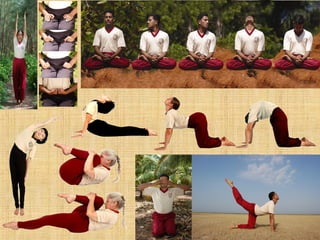
• Gentle Hatha Yoga Kriyas
– Chatus Pada Kriya
– Ardha Kati Chakra Kriya
– Ardha Chakra Kriya
– Pawan Mukta Kriya
– Padottana Kriya
– Pada Hastha Kriya
– Navaka Kriya
• Strengthening thigh &abdomen muscles
– Eka and Dwi Pada Uttanpada Asana
– Nava Asana
– Dhanura Asana
– Moola and Uddiyana Bandha
• Strengthening back & torso musculature
– Manduka, Gomuka, Sarpa, Bhujanga Asana
• Relaxing and energizing the neck region
– Brahma Mudra
– Mayur Mudra and Jalandhara Bandha
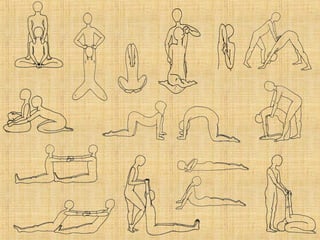
• Working with a partner
– Baddhakona Kriya with partner
– Helping push a bit more in forward bending
– Supporting in the back bending postures
– Helping improve range of joint movement
– Giving isometric resistance to improve
strength
• Kriyas
– Kapalabhati and Kunjal
• Energizing Pranayamas
– Bhastrika and Surya Bhedana
• Pranayamas for harmony and stress
reduction
– Vibhagha and Pranava Pranayamas
– Nadi Shuddhi
– Bhramari Pranayama
– Chandra Nadi Pranayama
– Cooling Pranayamas to balance Doshas
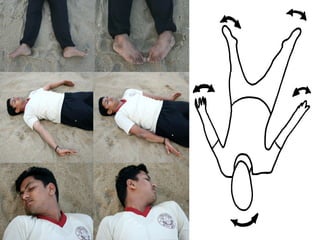
• Relaxation practices
– Shavasana
– Spandha-Nishpandha Kriya
– Kaya Kriya
– Tala Kriya
– Marmanasthanam Kriya
– Yoga Nidra
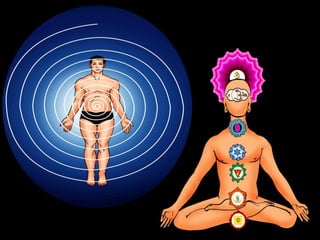
• Dharana and Dhyana
– Mandala Dharana
– Chakra Dhyana
– Om Japa
– Ajapa Japa
Yoga and arthritis
Yoga and arthritis

Yoga and arthritis

  • 1.
    YOGA and ARTHRITIS Yogacharya Dr ANANDA BALAYOGIBHAVANANI MBBS, ADY, DSM, DPC, PGDFH, PGDY, FIAY, MD (AM), C-IAYT Director, Centre for Yoga Therapy, Education & Research, (CYTER),MGMC&RI, Puducherry, South India. Email: yoga@mgmcri.ac.in
  • 2.
    • "Arthritis" isa term referring to more than 100 kinds of diseases that affect the joints • Common symptoms include joint swelling, lasting joint pain, and warmth in a joint. • the cause is mostly unknown • Effectively prevention involves knowing risk factors, monitoring the health, and making lifestyle changes.
  • 3.
    – Noninflammatory arthritis •(eg. osteoarthritis) – Inflammatory arthritis • (eg. rheumatoid arthritis) – Metabolic arthritis • (eg. gout) – Infectious arthritis – septic arthritis, tuberculosis arthritis, fungal arthritis, viral arthritis and spirochetal arthritis – Hemorrhagic arthritis – Hemophilia and Sickle cell anemia. TYPES OF ARTHRITIS
  • 4.
    OSTEOARTHRITIS • Most commontype of non-inflammatory arthritis • Most common type of arthritis in general • Cartilage wears away leaving bones to rub against each other • Hands, neck, lower back, or large weight- bearing joints of the body are usually affected • Symptoms range from stiffness and mild pain that come and go with activities to severe pain that continues even at rests • Growing older is biggest risk • Various therapies can help patients manage symptoms and improve overall quality of life
  • 5.
    INFLAMMATORY ARTHRITIS • Rheumatoidarthritis • Juvenile rheumatoid arthritis • Lupus arthritis • Spondyloarthropathies, including: – Ankylosing spondylitis – Reactive arthritis (Reiter's syndrome) – Psoriatic arthritis – Enteropathic arthritis.
  • 6.
    RHEUMATOID ARTHRITIS • Autoimmune,symmetrical, poly-joint disease • Inflammation in the joints causes pain, swelling, and stiffness that can last for hours. • Rheumatoid arthritis can attack almost any joint in the body, including the joints in the fingers, wrists, shoulders, elbows, hips, knees, ankles, feet, and neck. • It also attacks organs like heart, muscles, blood vessels, nervous system, and eyes. • Medications, surgery, and lifestyle changes are among the treatment options
  • 7.
    • Gouty Arthritis- one of the most painful. • Most often a problem in the big toe • Crystals of uric acid form in the connective tissue and/or joint spaces • Swelling, redness, heat, pain, and stiffness. • Attacks often follow foods like shellfish, liver, dried beans, peas, anchovies, or gravy • Obesity, alcohol or some medicines like aspirin, diuretics or levodopa may worsen it • Management aims at relieving symptoms and reduce long-term damage to the joints. METABOLIC ARTHRITIS
  • 8.
    • It issafe for patients of arthritis to exercise • Exercise has been shown to: – Reduce joint pain and stiffness – Increase flexibility and muscle strength – Improve cardiac fitness and endurance – Help with weight reduction – Improves the sense of well-being • Types of exercises – Range-of-motion exercises – Strengthening exercises – Aerobic or endurance exercises EXERCISE AND ARTHRITIS
  • 9.
    ARTHRITIS PREVENTION • Maintaininga healthy weight • decreases stress on knees, hips, and lower back, as well as lessens inflammation • Eating a well-balanced, healthy diet • with heart-healthy foods • limiting fats and added sugars. • limiting the intake of alcohol. • to achieve /maintain a healthy weight. • Exercising regularly • strengthening the muscles decreases the chances of developing arthritis • Preventing joint injuries
  • 10.
    YOGA THERAPY • Adoptionof a Yogic lifestyle • Cultivation of Karma, Bhakti and Raja Yoga principles in daily life • Yogic diet and proper hydration • Adequate rest -avoiding strain on joints • Gentle stretching and strengthening by Jattis / Sukshma and Sthula Vyayama and other breath-body movement work to restore psycho-somatic harmony
  • 11.
    • Gentle HathaYoga Kriyas – Chatus Pada Kriya – Ardha Kati Chakra Kriya – Ardha Chakra Kriya – Pawan Mukta Kriya – Padottana Kriya – Pada Hastha Kriya – Navaka Kriya • Strengthening thigh &abdomen muscles – Eka and Dwi Pada Uttanpada Asana – Nava Asana – Dhanura Asana – Moola and Uddiyana Bandha
  • 13.
    • Strengthening back& torso musculature – Manduka, Gomuka, Sarpa, Bhujanga Asana • Relaxing and energizing the neck region – Brahma Mudra – Mayur Mudra and Jalandhara Bandha • Working with a partner – Baddhakona Kriya with partner – Helping push a bit more in forward bending – Supporting in the back bending postures – Helping improve range of joint movement – Giving isometric resistance to improve strength
  • 15.
    • Kriyas – Kapalabhatiand Kunjal • Energizing Pranayamas – Bhastrika and Surya Bhedana • Pranayamas for harmony and stress reduction – Vibhagha and Pranava Pranayamas – Nadi Shuddhi – Bhramari Pranayama – Chandra Nadi Pranayama – Cooling Pranayamas to balance Doshas
  • 16.
    • Relaxation practices –Shavasana – Spandha-Nishpandha Kriya – Kaya Kriya – Tala Kriya – Marmanasthanam Kriya – Yoga Nidra • Dharana and Dhyana – Mandala Dharana – Chakra Dhyana – Om Japa – Ajapa Japa