INDUSTRIAL GROWTH AND
SYSTEMATIC
MANAGEMENT
(Daniel A. Wren)

Wardah Naili Ulfah
29013024
Background
Influenced by Industrial Revolution that
had been happen before.

It is spawned the textile industry and
created big business in transportation
and communication.
Together those forces combine to create
the growth of large-scale organization
with a systematic management.
Objectives
Describe :
 How the revolution resumed in the growth of
enterprise.
 Discus the renaissance of systematic
management
 Examine the economic, social, political and
technological situations
In the United States on the eve of the scientific
management era.
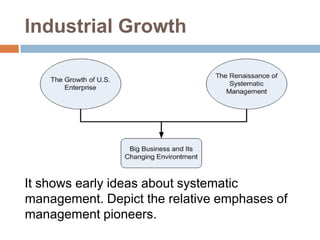
Industrial Growth

It shows early ideas about systematic
management. Depict the relative emphases of
management pioneers.
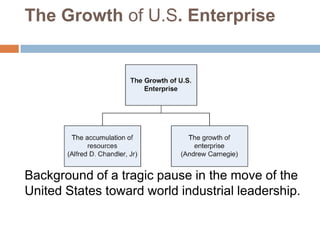
The Growth of U.S. Enterprise

Background of a tragic pause in the move of the
United States toward world industrial leadership.
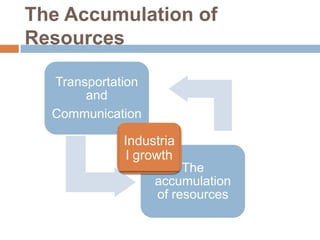
The Accumulation of
Resources
Transportation
and
Communication

Industria
l growth
The
accumulation
of resources
Carnegie and The Growth of
Enterprise
Andrew Carniege
Found a way to combine technology and
management to create more job, reduce
prices, expand markets and advance industrial
development.
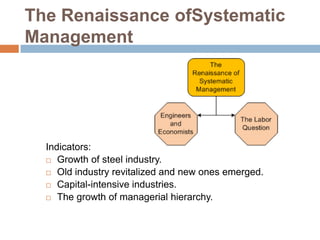
The Renaissance ofSystematic
Management

Indicators:
 Growth of steel industry.
 Old industry revitalized and new ones emerged.
 Capital-intensive industries.
 The growth of managerial hierarchy.
Engineers and Economists






Economists judged had less impact than
mechanical engineers.
The perceived problem resided in factory
management.
Methods and system that issues of relations
between labor and capital, then referred to as
labor question or labor problem
The Labor Question
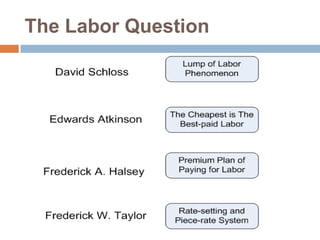
The Labor Question
Prepared situation to inherent systematic
management:
 The growth of the organization
 The accumulation of resources
 The debate of labor question
 The need for resource rationalization became
apparent.
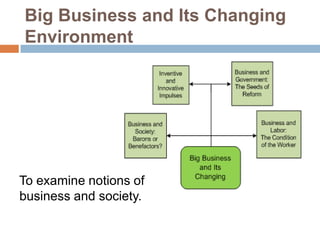
Big Business and Its Changing
Environment

To examine notions of
business and society.
Business and Society: Barons or
Benefactors?
As times has change:
 Income and inheritance taxes make it difficult
to accumulate.
 The legal question of corporate philanthropy
has been clarified.
 Public expectations about the role of business
in society have changed.
Business and Labor: The
Condition of The Worker
Some of labor organizations were found.
 The National Labor Union (Willian H. Sylvis)
 The Noble Order of the Knights of Labor
 Labor Violence (1880 & 1890)
 The Molly Maguires Terrorized
 The Haymarket Affair (1886)
 The Pullman Strike (1894)
 The American Federation of Labor (1886)
Inventive and Innovative
Impulses










Union Pacific and The Central Pacific railroads
(1869)
The sleeping car (1865)
The air brake (1868)
Standardization of time on the railways (1833)
Telegraph
Telephone
Sewing machines
Grain harvester
Business and Government: The
Seeds of Reform





Stability in the governmental infrastructure
Progressiveness of US government
Effectiveness of national policy
Tax adjustment policy
Final Judgement
Industrial Growth start with the expansion of
railroad industry. Its emerged growth in other
businesses,
such
as
transportation, communication, machine making
and power sources. This growth shows
businessman’s awareness in needed of
systematic management.
Systematic management was a prelude and
cohort of what came to be known as scientific
management.
What I’ve learned?
I have learned about growth, where the scope of
textile industry will affect transportation and
communication sectors to evolve.
In this case the growth of the textile industry
influence the growth of other industries, such as
railroads. Besides, there is also expand the
interest of either labor or politics.

Industrial Growth and Systematic Management - Wren

  • 1.
    INDUSTRIAL GROWTH AND SYSTEMATIC MANAGEMENT (DanielA. Wren) Wardah Naili Ulfah 29013024
  • 2.
    Background Influenced by IndustrialRevolution that had been happen before. It is spawned the textile industry and created big business in transportation and communication. Together those forces combine to create the growth of large-scale organization with a systematic management.
  • 3.
    Objectives Describe :  Howthe revolution resumed in the growth of enterprise.  Discus the renaissance of systematic management  Examine the economic, social, political and technological situations In the United States on the eve of the scientific management era.
  • 4.
    Industrial Growth It showsearly ideas about systematic management. Depict the relative emphases of management pioneers.
  • 5.
    The Growth ofU.S. Enterprise Background of a tragic pause in the move of the United States toward world industrial leadership.
  • 6.
  • 7.
    Carnegie and TheGrowth of Enterprise Andrew Carniege Found a way to combine technology and management to create more job, reduce prices, expand markets and advance industrial development.
  • 8.
    The Renaissance ofSystematic Management Indicators: Growth of steel industry.  Old industry revitalized and new ones emerged.  Capital-intensive industries.  The growth of managerial hierarchy.
  • 9.
    Engineers and Economists    Economistsjudged had less impact than mechanical engineers. The perceived problem resided in factory management. Methods and system that issues of relations between labor and capital, then referred to as labor question or labor problem
  • 10.
  • 11.
    The Labor Question Preparedsituation to inherent systematic management:  The growth of the organization  The accumulation of resources  The debate of labor question  The need for resource rationalization became apparent.
  • 12.
    Big Business andIts Changing Environment To examine notions of business and society.
  • 13.
    Business and Society:Barons or Benefactors? As times has change:  Income and inheritance taxes make it difficult to accumulate.  The legal question of corporate philanthropy has been clarified.  Public expectations about the role of business in society have changed.
  • 14.
    Business and Labor:The Condition of The Worker Some of labor organizations were found.  The National Labor Union (Willian H. Sylvis)  The Noble Order of the Knights of Labor  Labor Violence (1880 & 1890)  The Molly Maguires Terrorized  The Haymarket Affair (1886)  The Pullman Strike (1894)  The American Federation of Labor (1886)
  • 15.
    Inventive and Innovative Impulses         UnionPacific and The Central Pacific railroads (1869) The sleeping car (1865) The air brake (1868) Standardization of time on the railways (1833) Telegraph Telephone Sewing machines Grain harvester
  • 16.
    Business and Government:The Seeds of Reform     Stability in the governmental infrastructure Progressiveness of US government Effectiveness of national policy Tax adjustment policy
  • 17.
    Final Judgement Industrial Growthstart with the expansion of railroad industry. Its emerged growth in other businesses, such as transportation, communication, machine making and power sources. This growth shows businessman’s awareness in needed of systematic management. Systematic management was a prelude and cohort of what came to be known as scientific management.
  • 18.
    What I’ve learned? Ihave learned about growth, where the scope of textile industry will affect transportation and communication sectors to evolve. In this case the growth of the textile industry influence the growth of other industries, such as railroads. Besides, there is also expand the interest of either labor or politics.

Editor's Notes

  • #5 In this chapter we are going to discuss about 3 big topics, which are 1. the growth of us enterprise 2. the renaissance of systematic management and 3. big business and its changing environment.
  • #11 Breakdown lagi point2nya pas present.
  • #13 We have seen the accumulation of resources and systematic management as an emerging response to the growth of large scale organization.
  • #19 In this stage of management thought