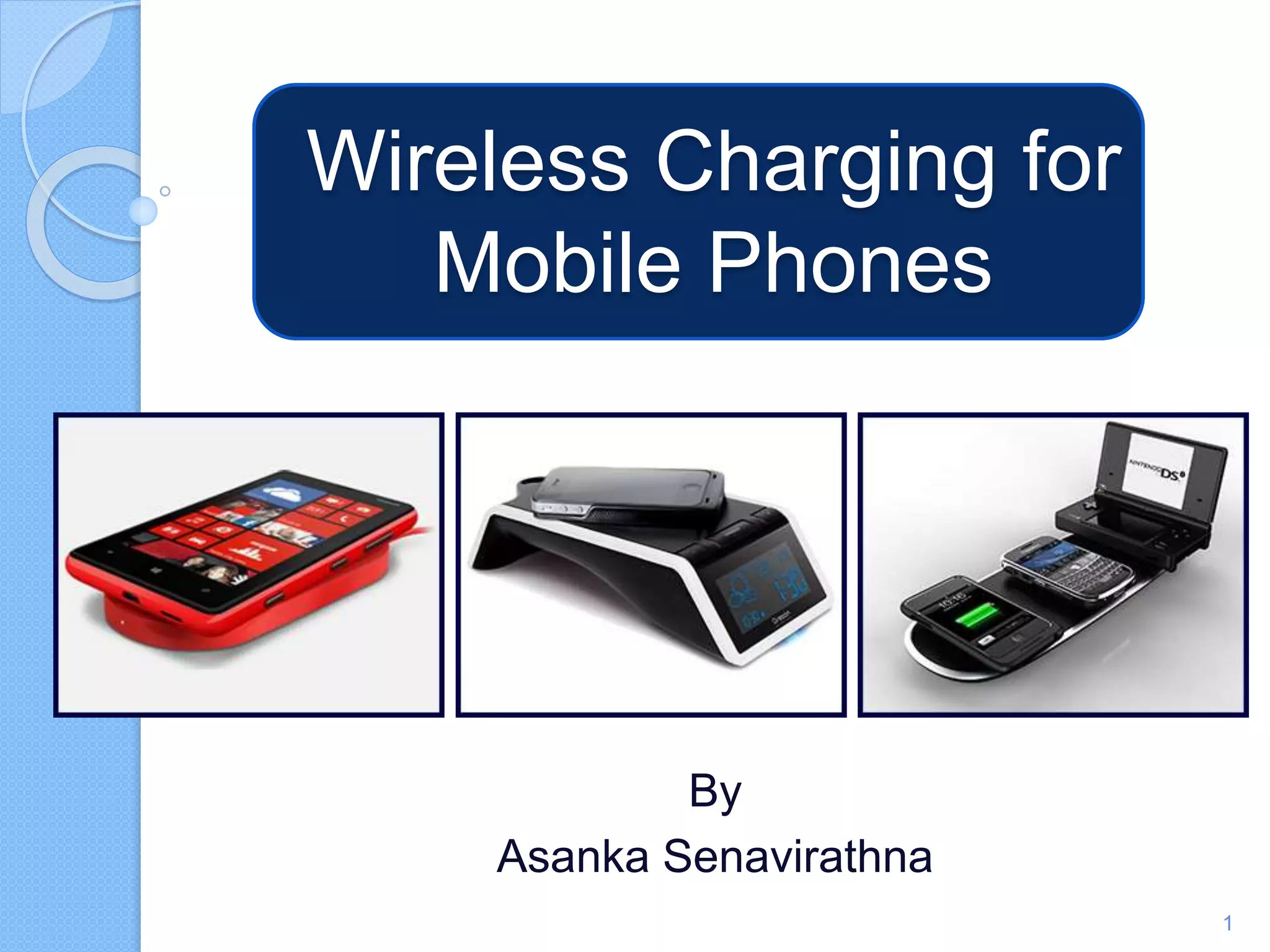

Wireless Charging for
Mobile Phones
By
APS
1
Introduction
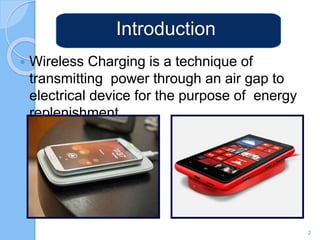
 Wireless Charging is a technique of
transmitting power through an air gap to
electrical device for the purpose of energy
replenishment.
2
Benefits of Wireless Charging
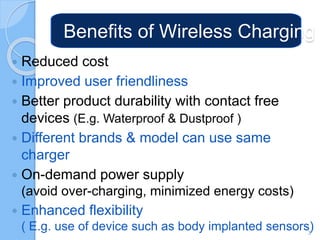
 Reduced cost
 Improved user friendliness
 Better product durability with contact free
devices (E.g. Waterproof & Dustproof )
 Different brands & model can use same
charger
 On-demand power supply
(avoid over-charging, minimized energy costs)
 Enhanced flexibility
( E.g. use of device such as body implanted sensors)3
Techniques use for Wireless
Charging
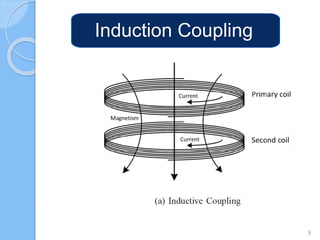
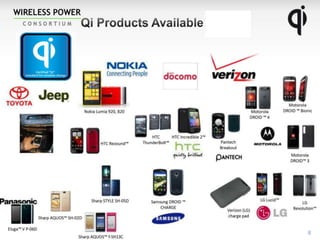
 Inductive Coupling (Qi Standard)
◩ Smartphone, tablets, Bluetooth headsets,
cameras and portable power packs
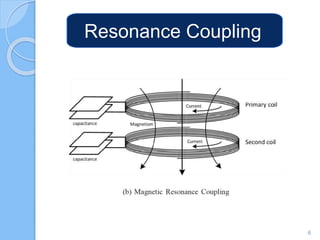
 Resonance Coupling (A4WP Standard)
◩ Electric cars, Robots, Vacuum Cleaners,
Laptop computers & other items that
require large amounts of power
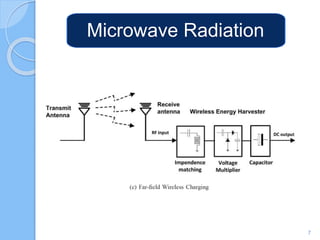
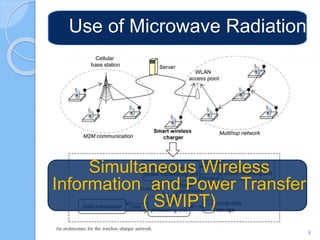
 Microwave radiation
4
Induction Coupling
5
Resonance Coupling
6
Microwave Radiation
7
8
Use of Microwave Radiation
9
Simultaneous Wireless
Information and Power Transfer
( SWIPT)
THANKYOU
10
A4WP
Qi
11

Wireless charging for mobile phone

  • 1.
  • 2.
    Introduction  Wireless Chargingis a technique of transmitting power through an air gap to electrical device for the purpose of energy replenishment. 2
  • 3.
    Benefits of WirelessCharging  Reduced cost  Improved user friendliness  Better product durability with contact free devices (E.g. Waterproof & Dustproof )  Different brands & model can use same charger  On-demand power supply (avoid over-charging, minimized energy costs)  Enhanced flexibility ( E.g. use of device such as body implanted sensors)3
  • 4.
    Techniques use forWireless Charging  Inductive Coupling (Qi Standard) ◩ Smartphone, tablets, Bluetooth headsets, cameras and portable power packs  Resonance Coupling (A4WP Standard) ◩ Electric cars, Robots, Vacuum Cleaners, Laptop computers & other items that require large amounts of power  Microwave radiation 4
  • 5.
  • 6.
  • 7.
  • 8.
  • 9.
    Use of MicrowaveRadiation 9 Simultaneous Wireless Information and Power Transfer ( SWIPT)
  • 10.
  • 11.