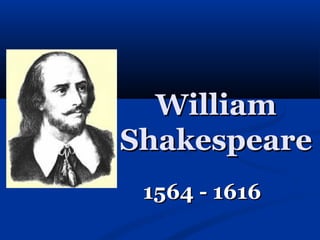
William
Shakespeare
 1564 - 1616
January 2, 2013
          Do Now:

What do you already know
 about Shakespeare? His life?
 His plays?
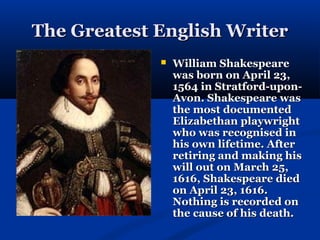
The Greatest English Writer
                William Shakespeare
                 was born on April 23,
                 1564 in Stratford-upon-
                 Avon. Shakespeare was
                 the most documented
                 Elizabethan playwright
                 who was recognised in
                 his own lifetime. After
                 retiring and making his
                 will out on March 25,
                 1616, Shakespeare died
                 on April 23, 1616.
                 Nothing is recorded on
                 the cause of his death.
Shakespeare's Life
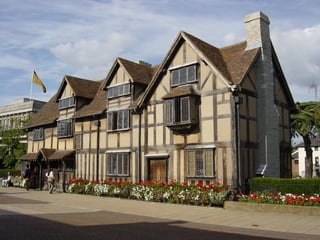
                       John Shakespeare, William's
                        father, was a glover and a
                        whittawer. He was a highly
                        successful and respected man.
                        His father held many public
                        official positions: mayor, town
                        council man, and justice of
                        peace. Shakespeare's father was
                        not able to write. In 1576, John's
                        business went down. He
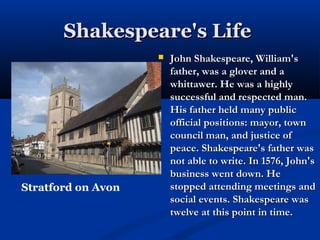
Stratford on Avon       stopped attending meetings and
                        social events. Shakespeare was
                        twelve at this point in time.
Shakespeare's mother was
Mary Arden. She came from a
wealthy family who paid a
handsome dowry to marry her
off.
While living on Henly Street,
she bore eight children with the
Shakespeare name.
 Shakespeare went to Stratford
  Grammar School where he studied
  classics written in Greek and Latin.
  His teachers gave him the incentive
  to read.
 He was taught by two Oxford
  graduates, Simon Hunt and Thomas
  Jenkins. Shakespeare had an
  unusual keen observation of both
  nature and mankind. His education
  was said to have ended here.
   On November 27, 1582,
    Shakespeare married
    Ann Hathaway who was
    twenty-eight years old.
    On May 26, 1583, Ann
    bore their first
    daughter, Susanna. In
    1585, a set of twins
    were born, Judith and
    Hamnet. Hamnet died
    at the age of eleven in
    1596.
    No evidence was found
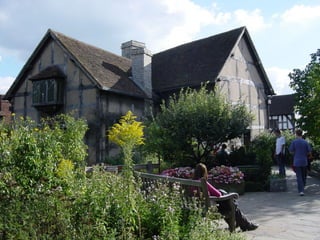
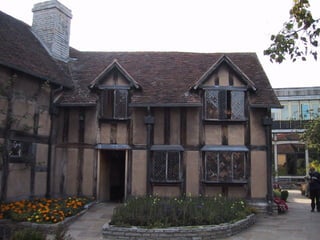
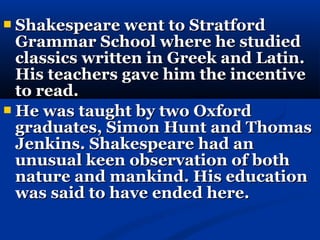
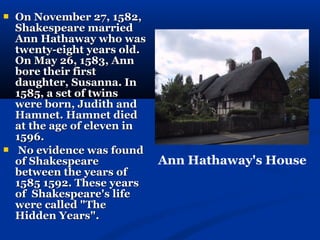
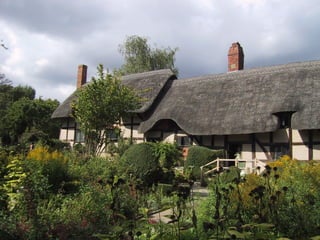
    of Shakespeare            Ann Hathaway's House
    between the years of
    1585 1592. These years
    of Shakespeare's life
    were called "The
    Hidden Years".
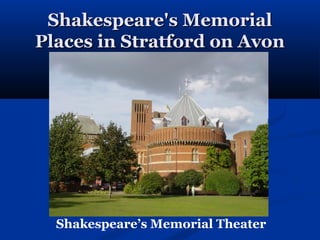
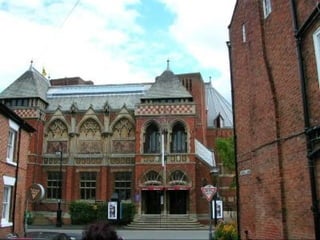
Shakespeare's Memorial
Places in Stratford on Avon


  Shakespeare’s Memorial Theater
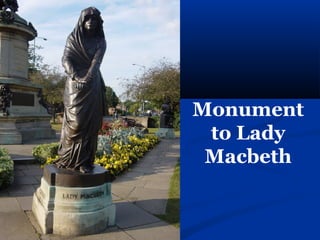
Monument
 to Lady
 Macbeth
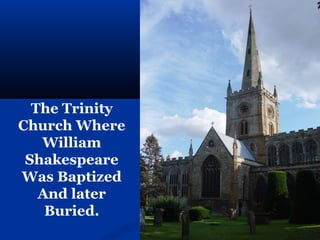
The Trinity
Church Where
   William
 Shakespeare
Was Baptized
   And later
    Buried.
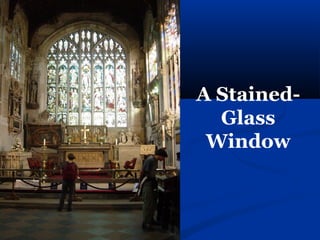
A Stained-
  Glass
 Window
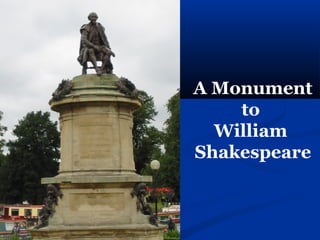
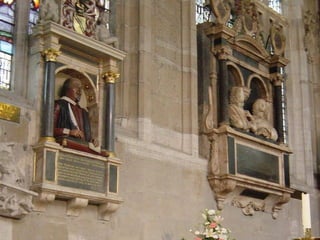
A Monument
    to
  William
Shakespeare
January 3
                 Do Now:
   Read Sonnet 18 by William Shakespeare.

 1. What is the poem conveying?

 2. What is the rhyme scheme?

 3. How many syllables per line?

 4. In the first 2 lines, mark which
    syllables are stressed and unstressed.
Hidden Years
   During Shakespeare's Hidden Years,
    many people suspected that he ran
    away from the law or became a
    butcher's apprentice. Christopher
    Beston, called "The Chronicle of the
    Stage", was also a prominent
    theatrical manager. Beston told John
    Aubry, who wrote "Brief Lies", that
    Shakespeare was probably a school
    teacher during these years. No
    evidence was found of Shakespeare's
    whereabouts until 1592 in London.
London Period
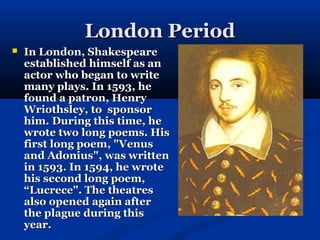
   In London, Shakespeare
    established himself as an
    actor who began to write
    many plays. In 1593, he
    found a patron, Henry
    Wriothsley, to sponsor
    him. During this time, he
    wrote two long poems. His
    first long poem, "Venus
    and Adonius", was written
    in 1593. In 1594, he wrote
    his second long poem,
    “Lucrece". The theatres
    also opened again after
    the plague during this
    year.
The Globe Theater
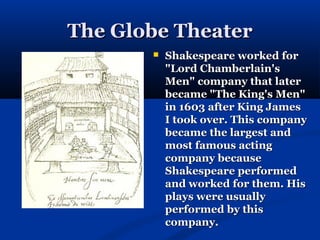
          Shakespeare worked for
           "Lord Chamberlain's
           Men" company that later
           became "The King's Men"
           in 1603 after King James
           I took over. This company
           became the largest and
           most famous acting
           company because
           Shakespeare performed
           and worked for them. His
           plays were usually
           performed by this
           company.
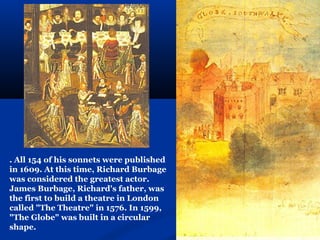
. All 154 of his sonnets were published
in 1609. At this time, Richard Burbage
was considered the greatest actor.
James Burbage, Richard's father, was
the first to build a theatre in London
called "The Theatre" in 1576. In 1599,
"The Globe" was built in a circular
shape.
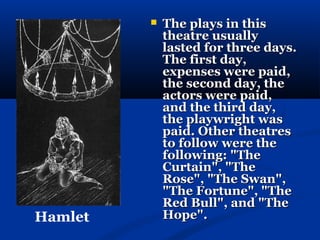
   The plays in this
             theatre usually
             lasted for three days.
             The first day,
             expenses were paid,
             the second day, the
             actors were paid,
             and the third day,
             the playwright was
             paid. Other theatres
             to follow were the
             following: "The
             Curtain", "The
             Rose", "The Swan",
             "The Fortune", "The
             Red Bull", and "The
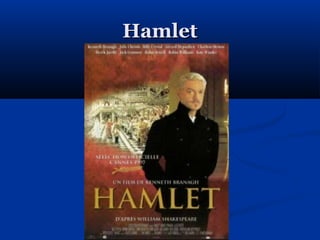
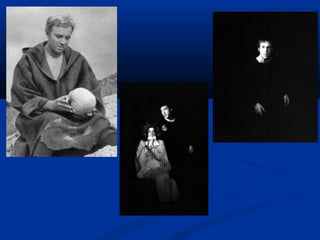
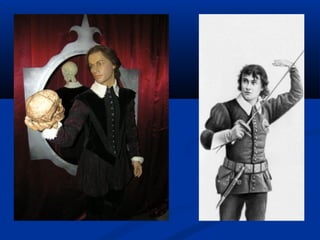
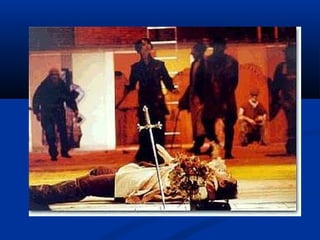
Hamlet       Hope".
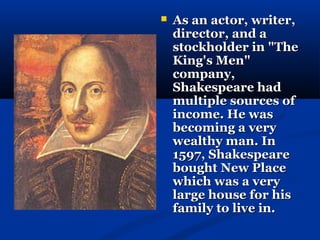
   As an actor, writer,
    director, and a
    stockholder in "The
    King's Men"
    company,
    Shakespeare had
    multiple sources of
    income. He was
    becoming a very
    wealthy man. In
    1597, Shakespeare
    bought New Place
    which was a very
    large house for his
    family to live in.
At the End
   Shakespeare left London in 1611 and
    retired. On March 25, 1616,
    Shakespeare made a will. He died
    April 23, 1616 at the age of fifty-two.
    The cause of his death was unknown.
    Many people believe that Shakespeare
    knew he was dying; however, he
    didn't want anyone to know that he
    was.
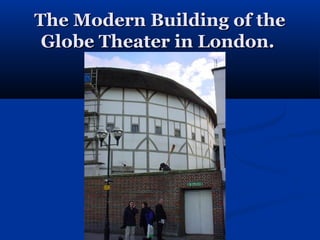
The Modern Building of the
 Globe Theater in London.
   At Shakespeare's time, after the
    graveyard was full, they would
    dig one's corpse up and burn the
    person's bones in a huge
    fireplace. Some people would
    strip the corpse after the burial.
    Shakespeare hated this type of
    treatment after death, so he
    wrote his own epitaph.
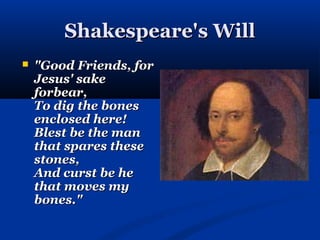
Shakespeare's Will
   "Good Friends, for
    Jesus' sake
    forbear,
    To dig the bones
    enclosed here!
    Blest be the man
    that spares these
    stones,
    And curst be he
    that moves my
    bones."
   Due to the fact that the people at
    this time were superstitious, no
    one ever bothered his corpse. A
    while ago, a few people wanted to
    dig him up and check his bones to
    be sure that the person buried
    there was Shakespeare. However,
    the government would not allow it.
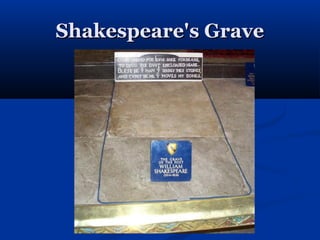
Shakespeare's Grave
   In 1623, Shakespeare's first folio
    was published. The folio included:
    154 sonnets, 37 plays, and 2 long
    poems.
    His friends compiled all of his work
    into this folio before anyone could
    reproduce his plays and claim them
    as their own.
   Many of his plays are famous and
    are studied by students today.
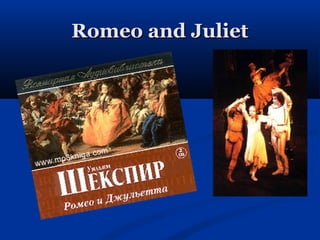
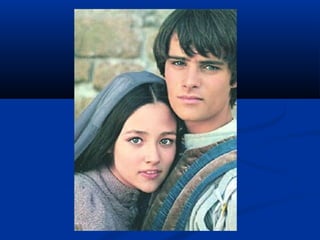
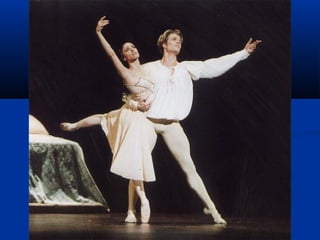
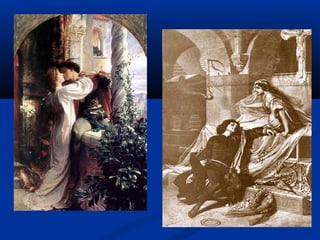
Romeo and Juliet
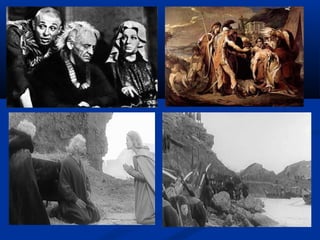
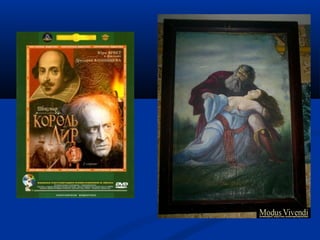
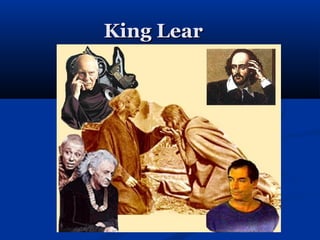
King Lear
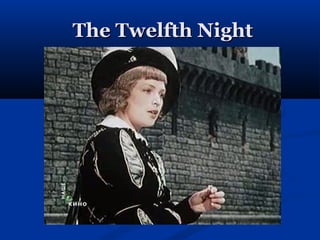
The Twelfth Night
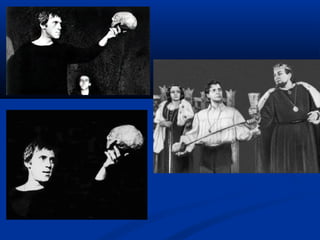
Hamlet
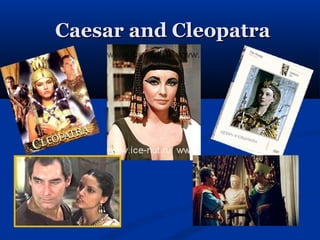
Caesar and Cleopatra
Some Sonnets
   Let me not to the marriage of
    Let me not to the marriage of    Shall I compare thee to a summer's day?
    true minds Admit impediments.       Thou art more lovely and more
    Love is not love                  temperate:
                                      Rough winds do shake the darling buds
    Which alters when it alteration   of May,
    finds, Or bends with the          And summer's lease hath all too short a
    remover to remove: O no! it is    date:
                                      Sometime too hot the eye of heaven
    an ever-fixed mark                shines,
    That looks on tempests and is       And often is his gold complexion
    never shaken; It is the star to   dimm'd;
                                      And every fair from fair sometime
    every wandering bark,             declines,
    Whose worth's unknown,              By chance, or nature's changing
                                      course, untrimm'd;
    although his height be taken.     But thy eternal summer shall not fade,
    Love's not Time's fool, though      Nor lose possession of that fair thou
    rosy lips and cheeks              owest;
    Within his bending sickle's       Nor shall Death brag thou wander'st in
                                      his shade,
    compass come: Love alters not       When in eternal lines to time thou
    with his brief hours and weeks,   growest;
        But bears it out even to the  So long as men can breathe, or eyes can
    edge of doom. If this be error    see,
                                        So long lives this, and this gives life to
    and upon me proved,        I      thee.
    never writ, nor no man ever
    loved.
When in disgrace with fortune and    Not marble, nor the gilded
men's eyes,                           monuments
  I all alone beweep my outcast         Of princes, shall outlive this
state,                                powerful rhyme;
And trouble deaf Heaven with my       But you shall shine more bright
bootless cries,                       in these contents
  And look upon myself, and curse       Than upswept stone,
my fate,                              besmear'd with sluttish time.
Wishing me like to one more rich      When wasteful war shall
in hope,                              statues overturn,
  Featur'd like him, like him with      And broils root out the work
friends possess'd,                    of masonry,
Desiring this man's art, and that     Nor Mars his sword nor war's
man's scope,                          quick fire shall burn
  With what I most enjoy                The living record of your
contented least:                      memory.
Yet in these thoughts myself          ‘Gainst death and all oblivious
almost despising,                     enmity
  Haply I think on thee,--and then      Shall you pace forth; your
my state                              praise shall still find room,
(Like to the lark at break of day     Even in the eyes of all posterity
arising                                 That wear this world out to
  From sullen earth) sings hymns      the ending doom.
at heaven's gate;                     So, till the judgment that
For thy sweet love remember'd         yourself arise,
such wealth brings                      You live in this, and dwell in
  That then I scorn to change my      lovers' eyes.
state with kings'.

William Shakespeare

  • 1.
  • 2.
    January 2, 2013 Do Now: What do you already know about Shakespeare? His life? His plays?
  • 3.
    The Greatest EnglishWriter  William Shakespeare was born on April 23, 1564 in Stratford-upon- Avon. Shakespeare was the most documented Elizabethan playwright who was recognised in his own lifetime. After retiring and making his will out on March 25, 1616, Shakespeare died on April 23, 1616. Nothing is recorded on the cause of his death.
  • 4.
    Shakespeare's Life  John Shakespeare, William's father, was a glover and a whittawer. He was a highly successful and respected man. His father held many public official positions: mayor, town council man, and justice of peace. Shakespeare's father was not able to write. In 1576, John's business went down. He Stratford on Avon stopped attending meetings and social events. Shakespeare was twelve at this point in time.
  • 8.
    Shakespeare's mother was MaryArden. She came from a wealthy family who paid a handsome dowry to marry her off. While living on Henly Street, she bore eight children with the Shakespeare name.
  • 9.
     Shakespeare wentto Stratford Grammar School where he studied classics written in Greek and Latin. His teachers gave him the incentive to read.  He was taught by two Oxford graduates, Simon Hunt and Thomas Jenkins. Shakespeare had an unusual keen observation of both nature and mankind. His education was said to have ended here.
  • 10.
    On November 27, 1582, Shakespeare married Ann Hathaway who was twenty-eight years old. On May 26, 1583, Ann bore their first daughter, Susanna. In 1585, a set of twins were born, Judith and Hamnet. Hamnet died at the age of eleven in 1596.  No evidence was found of Shakespeare Ann Hathaway's House between the years of 1585 1592. These years of Shakespeare's life were called "The Hidden Years".
  • 13.
    Shakespeare's Memorial Places inStratford on Avon Shakespeare’s Memorial Theater
  • 15.
  • 16.
    The Trinity Church Where William Shakespeare Was Baptized And later Buried.
  • 17.
    A Stained- Glass Window
  • 18.
    A Monument to William Shakespeare
  • 19.
    January 3 Do Now:  Read Sonnet 18 by William Shakespeare.  1. What is the poem conveying?  2. What is the rhyme scheme?  3. How many syllables per line?  4. In the first 2 lines, mark which syllables are stressed and unstressed.
  • 20.
    Hidden Years  During Shakespeare's Hidden Years, many people suspected that he ran away from the law or became a butcher's apprentice. Christopher Beston, called "The Chronicle of the Stage", was also a prominent theatrical manager. Beston told John Aubry, who wrote "Brief Lies", that Shakespeare was probably a school teacher during these years. No evidence was found of Shakespeare's whereabouts until 1592 in London.
  • 21.
    London Period  In London, Shakespeare established himself as an actor who began to write many plays. In 1593, he found a patron, Henry Wriothsley, to sponsor him. During this time, he wrote two long poems. His first long poem, "Venus and Adonius", was written in 1593. In 1594, he wrote his second long poem, “Lucrece". The theatres also opened again after the plague during this year.
  • 22.
    The Globe Theater  Shakespeare worked for "Lord Chamberlain's Men" company that later became "The King's Men" in 1603 after King James I took over. This company became the largest and most famous acting company because Shakespeare performed and worked for them. His plays were usually performed by this company.
  • 23.
    . All 154of his sonnets were published in 1609. At this time, Richard Burbage was considered the greatest actor. James Burbage, Richard's father, was the first to build a theatre in London called "The Theatre" in 1576. In 1599, "The Globe" was built in a circular shape.
  • 24.
    The plays in this theatre usually lasted for three days. The first day, expenses were paid, the second day, the actors were paid, and the third day, the playwright was paid. Other theatres to follow were the following: "The Curtain", "The Rose", "The Swan", "The Fortune", "The Red Bull", and "The Hamlet Hope".
  • 25.
    As an actor, writer, director, and a stockholder in "The King's Men" company, Shakespeare had multiple sources of income. He was becoming a very wealthy man. In 1597, Shakespeare bought New Place which was a very large house for his family to live in.
  • 26.
    At the End  Shakespeare left London in 1611 and retired. On March 25, 1616, Shakespeare made a will. He died April 23, 1616 at the age of fifty-two. The cause of his death was unknown. Many people believe that Shakespeare knew he was dying; however, he didn't want anyone to know that he was.
  • 27.
    The Modern Buildingof the Globe Theater in London.
  • 28.
    At Shakespeare's time, after the graveyard was full, they would dig one's corpse up and burn the person's bones in a huge fireplace. Some people would strip the corpse after the burial. Shakespeare hated this type of treatment after death, so he wrote his own epitaph.
  • 29.
    Shakespeare's Will  "Good Friends, for Jesus' sake forbear, To dig the bones enclosed here! Blest be the man that spares these stones, And curst be he that moves my bones."
  • 30.
    Due to the fact that the people at this time were superstitious, no one ever bothered his corpse. A while ago, a few people wanted to dig him up and check his bones to be sure that the person buried there was Shakespeare. However, the government would not allow it.
  • 31.
  • 34.
    In 1623, Shakespeare's first folio was published. The folio included: 154 sonnets, 37 plays, and 2 long poems.  His friends compiled all of his work into this folio before anyone could reproduce his plays and claim them as their own.  Many of his plays are famous and are studied by students today.
  • 35.
  • 39.
  • 42.
  • 45.
  • 50.
  • 51.
    Some Sonnets  Let me not to the marriage of Let me not to the marriage of Shall I compare thee to a summer's day? true minds Admit impediments. Thou art more lovely and more Love is not love temperate: Rough winds do shake the darling buds Which alters when it alteration of May, finds, Or bends with the And summer's lease hath all too short a remover to remove: O no! it is date: Sometime too hot the eye of heaven an ever-fixed mark shines, That looks on tempests and is And often is his gold complexion never shaken; It is the star to dimm'd; And every fair from fair sometime every wandering bark, declines, Whose worth's unknown, By chance, or nature's changing course, untrimm'd; although his height be taken. But thy eternal summer shall not fade, Love's not Time's fool, though Nor lose possession of that fair thou rosy lips and cheeks owest; Within his bending sickle's Nor shall Death brag thou wander'st in his shade, compass come: Love alters not When in eternal lines to time thou with his brief hours and weeks, growest; But bears it out even to the So long as men can breathe, or eyes can edge of doom. If this be error see, So long lives this, and this gives life to and upon me proved, I thee. never writ, nor no man ever loved.
  • 52.
    When in disgracewith fortune and Not marble, nor the gilded men's eyes, monuments I all alone beweep my outcast Of princes, shall outlive this state, powerful rhyme; And trouble deaf Heaven with my But you shall shine more bright bootless cries, in these contents And look upon myself, and curse Than upswept stone, my fate, besmear'd with sluttish time. Wishing me like to one more rich When wasteful war shall in hope, statues overturn, Featur'd like him, like him with And broils root out the work friends possess'd, of masonry, Desiring this man's art, and that Nor Mars his sword nor war's man's scope, quick fire shall burn With what I most enjoy The living record of your contented least: memory. Yet in these thoughts myself ‘Gainst death and all oblivious almost despising, enmity Haply I think on thee,--and then Shall you pace forth; your my state praise shall still find room, (Like to the lark at break of day Even in the eyes of all posterity arising That wear this world out to From sullen earth) sings hymns the ending doom. at heaven's gate; So, till the judgment that For thy sweet love remember'd yourself arise, such wealth brings You live in this, and dwell in That then I scorn to change my lovers' eyes. state with kings'.