Physical
Change
Clay
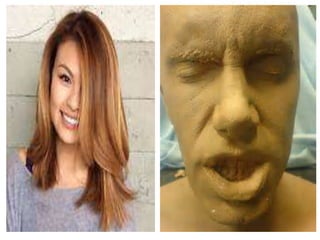
Haircut
Water-ice
Physical change - is the change
in matter where its
appearance, form, shape, or
size may be altered but its
composition stays the same or
it does not change into a new
substance.
• Matter can change from one
state to another.
• A change in state is an
example of physical change.
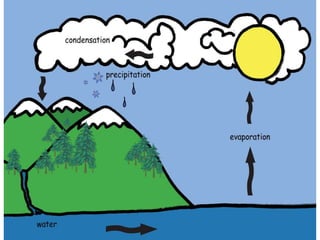
• The water cycle is the
perfect example of matter
changing its states.
Matter can change or
transform from one state
to another through
melting, evaporation,
condensation,
solidification, and
sublimation.
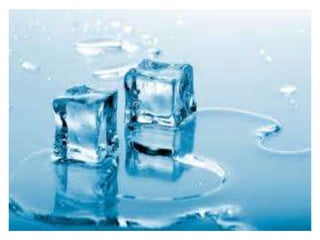
Melting – what happens to a solid
when they are heated? When
particles in solid vibrates, they
gain more energy. This vibration
causes them to expand and break
away from their positions. This is
the condition when melting point is
reached.
Melting point – is the temperature
at which solids turn into liquids.
Different solids have different
melting points.
Melting – the process by which
solids change to liquids due to the
addition or absorption of heat.
Evaporation – particles liquids
gain more energy and move
around faster when heated.
This movement causes them to
expand. The liquid reaches this
state at its boiling point, or
the temperature at which the
liquid turns into gas.
100 degrees celsius - is the boiling
point of the water.
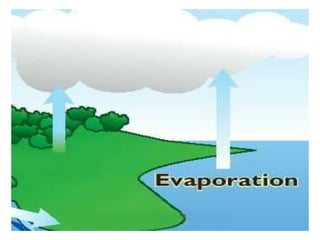
Evaporation – is the process by
which a phase of matter changes
from liquid to gas or vapor.
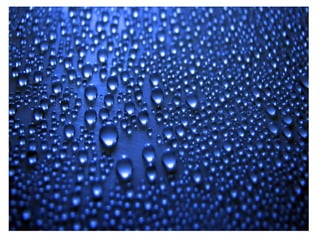
Condensation – is the process when a
liquid forms from gas or vapor. Water
vapor condenses when moist air is
cooled below its dew point, or the
temperature at which moist air
becomes saturated and forms dew
when it comes in contact with the
ground.
Dew is a deposit of moisture on an
exposed surface. Cloud, fog, and mist
are produced by condensation.
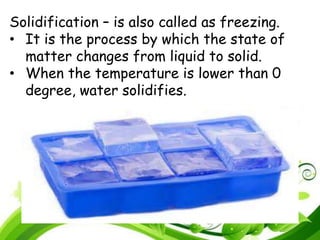
Solidification – is also called as freezing.
• It is the process by which the state of
matter changes from liquid to solid.
• When the temperature is lower than 0
degree, water solidifies.
Freezing point – is the
temperature at which
liquids solidify.
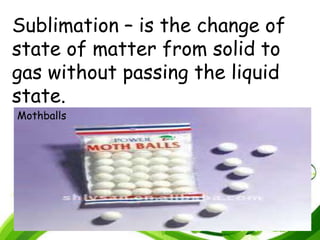
Sublimation – is the change of
state of matter from solid to
gas without passing the liquid
state.
Mothballs
After sometimes, the
mothballs will become
smaller before completely
disappearing. The smell from
the mothballs indicates their
transformation into a gas
state.

What is physical change?

  • 1.
  • 3.
  • 5.
    Physical change -is the change in matter where its appearance, form, shape, or size may be altered but its composition stays the same or it does not change into a new substance.
  • 6.
    • Matter canchange from one state to another. • A change in state is an example of physical change. • The water cycle is the perfect example of matter changing its states.
  • 7.
    Matter can changeor transform from one state to another through melting, evaporation, condensation, solidification, and sublimation.
  • 8.
    Melting – whathappens to a solid when they are heated? When particles in solid vibrates, they gain more energy. This vibration causes them to expand and break away from their positions. This is the condition when melting point is reached.
  • 10.
    Melting point –is the temperature at which solids turn into liquids. Different solids have different melting points. Melting – the process by which solids change to liquids due to the addition or absorption of heat.
  • 11.
    Evaporation – particlesliquids gain more energy and move around faster when heated. This movement causes them to expand. The liquid reaches this state at its boiling point, or the temperature at which the liquid turns into gas.
  • 13.
    100 degrees celsius- is the boiling point of the water. Evaporation – is the process by which a phase of matter changes from liquid to gas or vapor.
  • 14.
    Condensation – isthe process when a liquid forms from gas or vapor. Water vapor condenses when moist air is cooled below its dew point, or the temperature at which moist air becomes saturated and forms dew when it comes in contact with the ground. Dew is a deposit of moisture on an exposed surface. Cloud, fog, and mist are produced by condensation.
  • 16.
    Solidification – isalso called as freezing. • It is the process by which the state of matter changes from liquid to solid. • When the temperature is lower than 0 degree, water solidifies.
  • 17.
    Freezing point –is the temperature at which liquids solidify.
  • 18.
    Sublimation – isthe change of state of matter from solid to gas without passing the liquid state. Mothballs
  • 19.
    After sometimes, the mothballswill become smaller before completely disappearing. The smell from the mothballs indicates their transformation into a gas state.