Studying the Past
What is History?
 “History is fundamentally applied common sense.”
  Robin W. Winks, Yale Historian
 “History is the witness that testifies to the passing of
  time; it illuminates reality, vitalizes memory, provides
  guidance in daily life and brings us tidings of antiquity.”
  Cicero, Roman Author, Orator and Politician, 106 BCE-
  43 BCE
 “History is the version of past events that people have
  decided to agree upon.” Napoleon
 “Some people make headlines while others make
  history.” Philip Elmer-DeWitt, in Time Magazine
What is History?
 History is the story of the human community.
 History details how people live on a daily basis, share
    ideas, how they rule or are ruled and how they fought.
   History is the story of people’s dreams, weather they
    are fulfilled or not.
   When did history begin? History began when people
    were able to document events in writing.
   Events that occurred before people could write them
    down are considered prehistoric.
   Humans began writing about 3500 BCE.
Dating the Past
 There are 4 major methods scientists use to date the
    past. They are as follows:
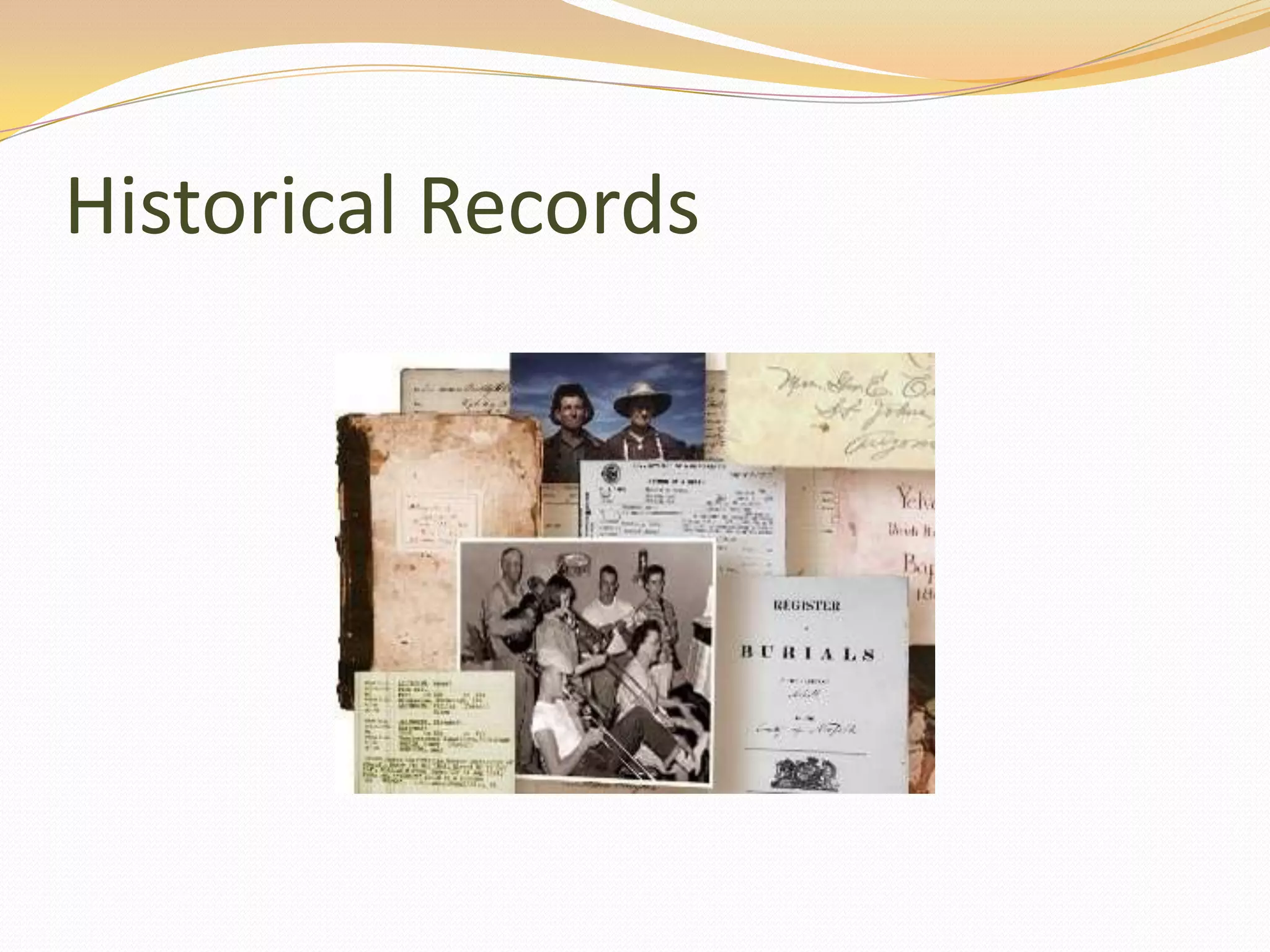
   Historical Records
   Dendrochronology-Tree Ring Dating
   Radiocarbon Dating
   Potassium Argon Dating (Measures the Decay Rate of
    40K Atoms)
Historical Records
Geolithic Period
 The current Geolithic period is the Quaternary, which
  is divided into two epochs:
 Pleistocene-Ice Age (about 2.4 million years ago).
 Holocene-Holos is Greek for “recent.” This is the
  period of time after 10,000 BCE. It is the present time.
Categories of History
 History can be organized into the following categories:
 Political
 Economic
 Social
 Religious
 Scientific
 Cultural
Studying History
 Anthropology is the term used for the science that
  studies humans as a species.
 Archaeology is the term used for the study of past
  cultures and civilizations through the examination of
  their artifacts (items made by humans.)
 Historiography is the written form of history.
Civilization
 A civilization is a complex, developed culture
    associated with specific achievements such as:
   Agriculture
   Urban Life
   Specialized Labor
   Writing System
Civilization
 Civilizations have:
 Urban Focus
 Political Structures
 Military Structures
 Social Structure based on Economic Power
 Development of More Complexity in a Material Sense
 Distinct Religious Structure
 Development of Writing Artistic
 Intellectual Activity
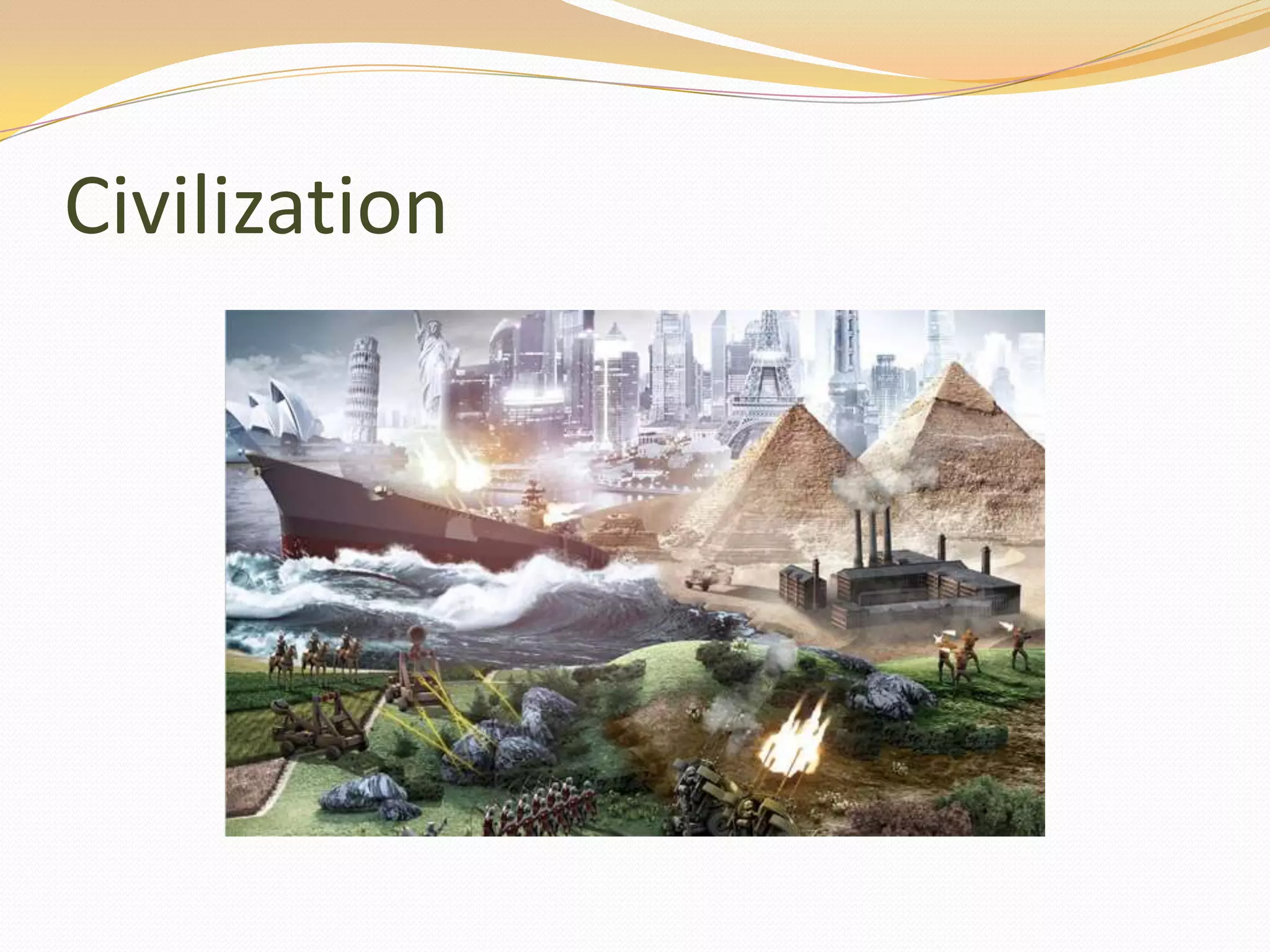
Civilization
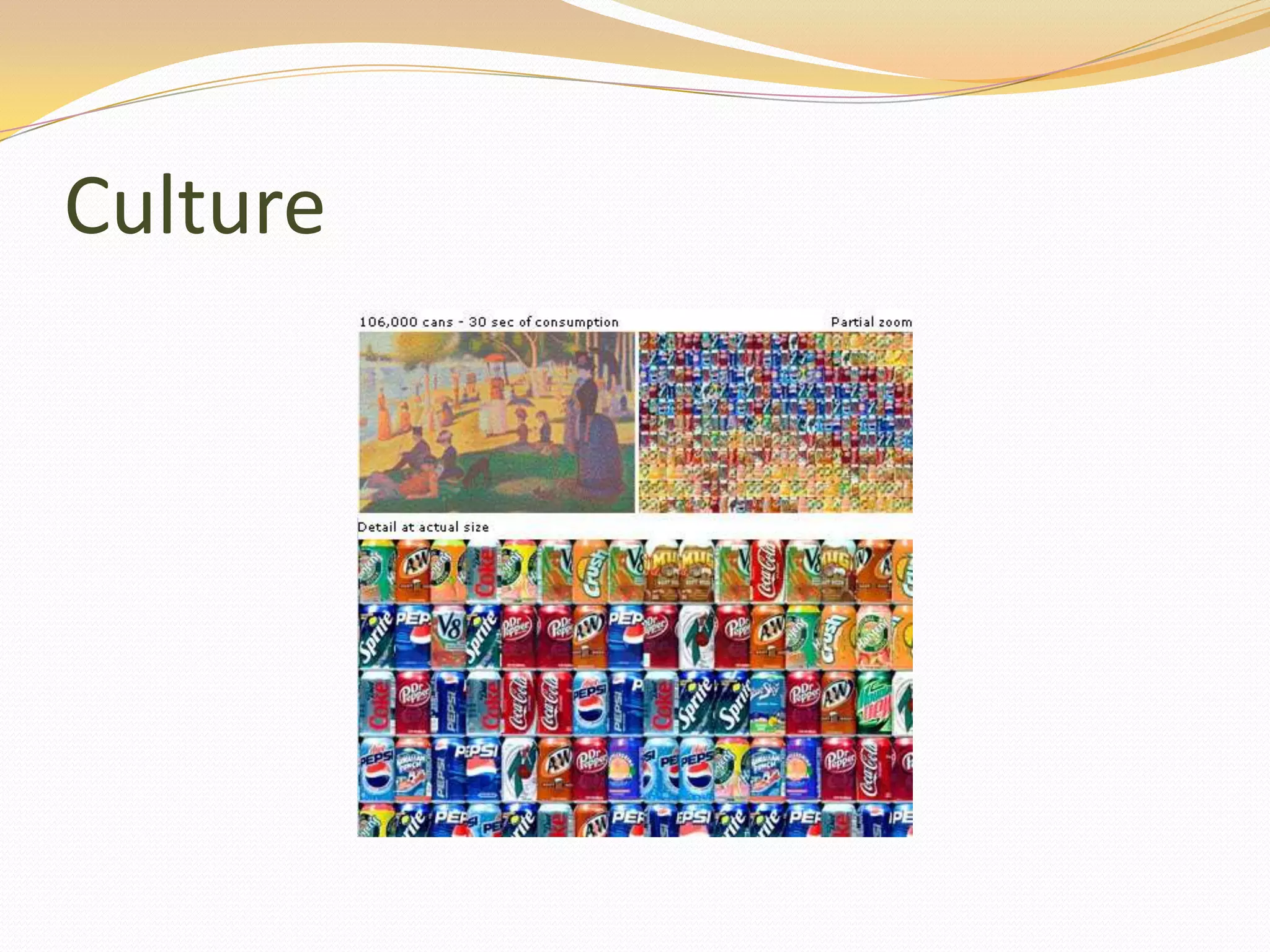
Culture
 Culture is the human created part of the
  environment, “way of life.”
 The concept of culture was developed by
  anthropologists to describe the unique adaptive
  system used by human beings.
 A cultural system is a complex system which includes
  interacting variables such as tools, burial
  customs, ways of obtaining food, religious beliefs and
  social organization.
 Material Culture is concrete objects that people create.
Culture
Diffusion Theory
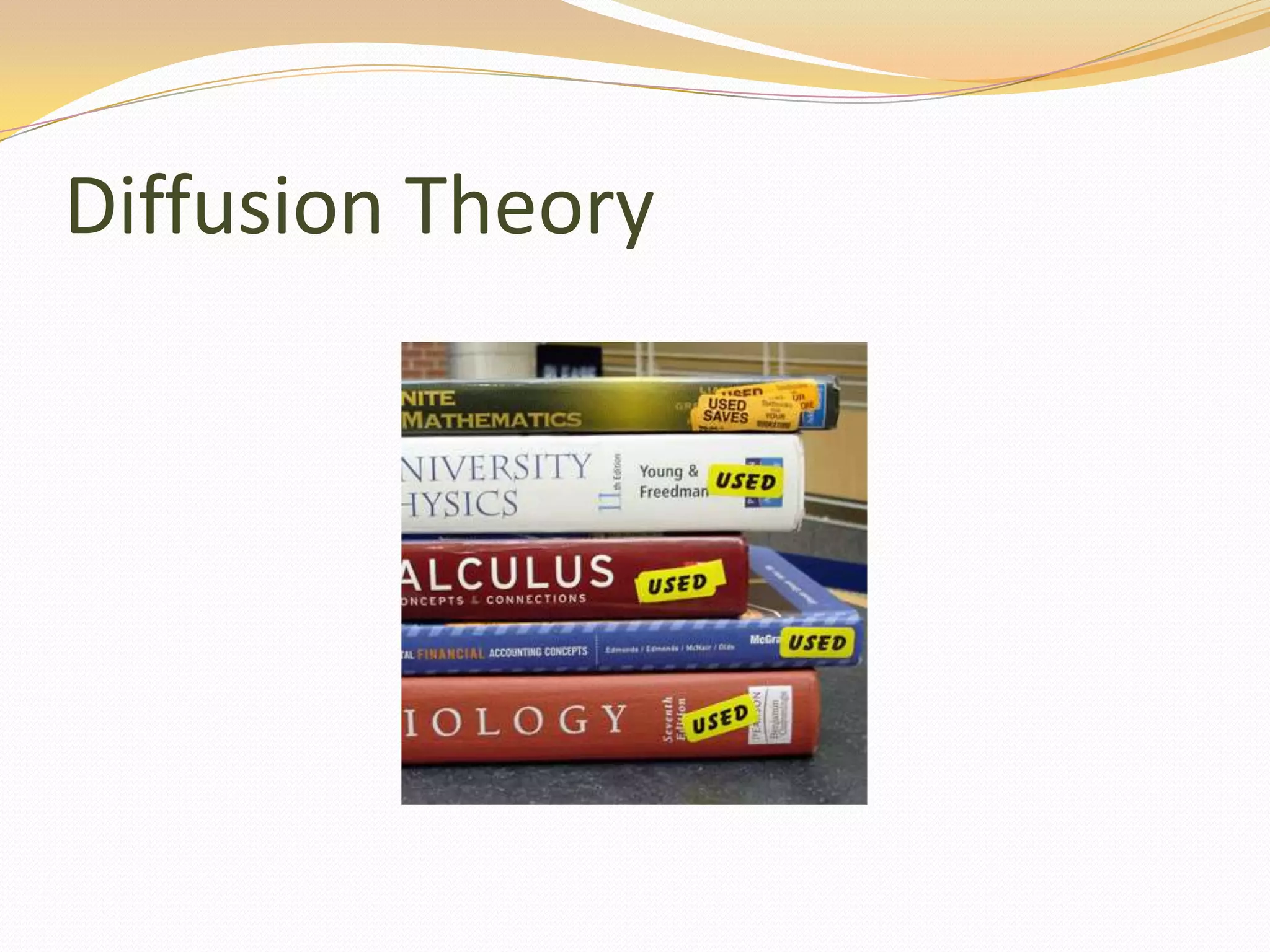
 Diffusion Theory is the knowledge of new techniques
 spread through human contacts.
Diffusion Theory

What is history

  • 1.
  • 2.
    What is History? “History is fundamentally applied common sense.” Robin W. Winks, Yale Historian  “History is the witness that testifies to the passing of time; it illuminates reality, vitalizes memory, provides guidance in daily life and brings us tidings of antiquity.” Cicero, Roman Author, Orator and Politician, 106 BCE- 43 BCE  “History is the version of past events that people have decided to agree upon.” Napoleon  “Some people make headlines while others make history.” Philip Elmer-DeWitt, in Time Magazine
  • 3.
    What is History? History is the story of the human community.  History details how people live on a daily basis, share ideas, how they rule or are ruled and how they fought.  History is the story of people’s dreams, weather they are fulfilled or not.  When did history begin? History began when people were able to document events in writing.  Events that occurred before people could write them down are considered prehistoric.  Humans began writing about 3500 BCE.
  • 4.
    Dating the Past There are 4 major methods scientists use to date the past. They are as follows:  Historical Records  Dendrochronology-Tree Ring Dating  Radiocarbon Dating  Potassium Argon Dating (Measures the Decay Rate of 40K Atoms)
  • 5.
  • 6.
    Geolithic Period  Thecurrent Geolithic period is the Quaternary, which is divided into two epochs:  Pleistocene-Ice Age (about 2.4 million years ago).  Holocene-Holos is Greek for “recent.” This is the period of time after 10,000 BCE. It is the present time.
  • 7.
    Categories of History History can be organized into the following categories:  Political  Economic  Social  Religious  Scientific  Cultural
  • 8.
    Studying History  Anthropologyis the term used for the science that studies humans as a species.  Archaeology is the term used for the study of past cultures and civilizations through the examination of their artifacts (items made by humans.)  Historiography is the written form of history.
  • 9.
    Civilization  A civilizationis a complex, developed culture associated with specific achievements such as:  Agriculture  Urban Life  Specialized Labor  Writing System
  • 10.
    Civilization  Civilizations have: Urban Focus  Political Structures  Military Structures  Social Structure based on Economic Power  Development of More Complexity in a Material Sense  Distinct Religious Structure  Development of Writing Artistic  Intellectual Activity
  • 11.
  • 12.
    Culture  Culture isthe human created part of the environment, “way of life.”  The concept of culture was developed by anthropologists to describe the unique adaptive system used by human beings.  A cultural system is a complex system which includes interacting variables such as tools, burial customs, ways of obtaining food, religious beliefs and social organization.  Material Culture is concrete objects that people create.
  • 13.
  • 14.
    Diffusion Theory  DiffusionTheory is the knowledge of new techniques spread through human contacts.
  • 15.

Editor's Notes

  • #2 History is a systematic study of evidence collected from the human past, in whatever form this evidence exists. This evidence could be in the form of written records or spoken words.