Exploring motivations, benefits, pitfalls,
and lessons learned
Presentation at WETM 18 March 2014
Volunteering
Abroad
@danielapapi
@danielapapi
This is a presentation I gave at the WETM travel
conference. In that presentation I mostly used
images, and had the audience brainstorm ideas
during parts of the workshop. As such, for this
SlideShare I have added some notes and narrative
that were not on the original slides. The yellow
stars ★ represented quotes which I had given to
the audience before the talk started, but I have
included them in here. Reach out if you want me
to clarify anything!
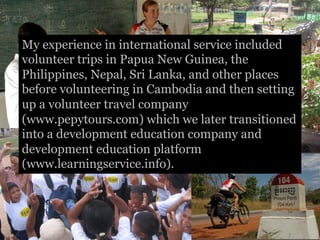
My experience in international service included
volunteer trips in Papua New Guinea, the
Philippines, Nepal, Sri Lanka, and other places
before volunteering in Cambodia and then setting
up a volunteer travel company
(www.pepytours.com) which we later transitioned
into a development education company and
development education platform
(www.learningservice.info).
Volunteering abroad
can
BE FANTASTIC
1	
   2	
   3	
  
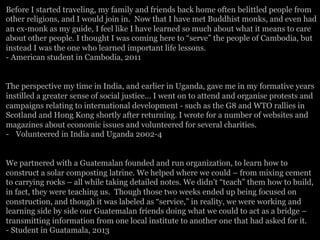
Before I started traveling, my family and friends back home often belittled people from
other religions, and I would join in. Now that I have met Buddhist monks, and even had
an ex-monk as my guide, I feel like I have learned so much about what it means to care
about other people. I thought I was coming here to “serve” the people of Cambodia, but
instead I was the one who learned important life lessons.
- American student in Cambodia, 2011
The perspective my time in India, and earlier in Uganda, gave me in my formative years
instilled a greater sense of social justice... I went on to attend and organise protests and
campaigns relating to international development - such as the G8 and WTO rallies in
Scotland and Hong Kong shortly after returning. I wrote for a number of websites and
magazines about economic issues and volunteered for several charities.
-  Volunteered in India and Uganda 2002-4
We partnered with a Guatemalan founded and run organization, to learn how to
construct a solar composting latrine. We helped where we could – from mixing cement
to carrying rocks – all while taking detailed notes. We didn’t “teach” them how to build,
in fact, they were teaching us. Though those two weeks ended up being focused on
construction, and though it was labeled as “service,” in reality, we were working and
learning side by side our Guatemalan friends doing what we could to act as a bridge –
transmitting information from one local institute to another one that had asked for it.
- Student in Guatamala, 2013
What can
YOUR COMPANY
do to achieve similar
results?
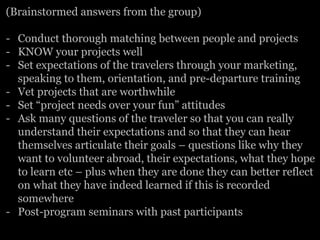
(Brainstormed answers from the group)
-  Conduct thorough matching between people and projects
-  KNOW your projects well
-  Set expectations of the travelers through your marketing,
speaking to them, orientation, and pre-departure training
-  Vet projects that are worthwhile
-  Set “project needs over your fun” attitudes
-  Ask many questions of the traveler so that you can really
understand their expectations and so that they can hear
themselves articulate their goals – questions like why they
want to volunteer abroad, their expectations, what they hope
to learn etc – plus when they are done they can better reflect
on what they have indeed learned if this is recorded
somewhere
-  Post-program seminars with past participants
Volunteering abroad
can
FAIL
to live up to its
stated goals
4	
   5	
   6	
  
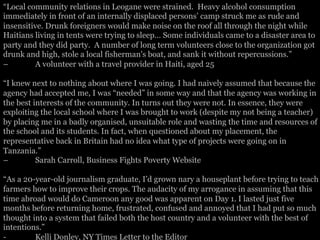
“Local community relations in Leogane were strained. Heavy alcohol consumption
immediately in front of an internally displaced persons’ camp struck me as rude and
insensitive. Drunk foreigners would make noise on the roof all through the night while
Haitians living in tents were trying to sleep… Some individuals came to a disaster area to
party and they did party. A number of long term volunteers close to the organization got
drunk and high, stole a local fisherman's boat, and sank it without repercussions.”
– A volunteer with a travel provider in Haiti, aged 25
“I knew next to nothing about where I was going. I had naively assumed that because the
agency had accepted me, I was “needed” in some way and that the agency was working in
the best interests of the community. In turns out they were not. In essence, they were
exploiting the local school where I was brought to work (despite my not being a teacher)
by placing me in a badly organised, unsuitable role and wasting the time and resources of
the school and its students. In fact, when questioned about my placement, the
representative back in Britain had no idea what type of projects were going on in
Tanzania.”
– Sarah Carroll, Business Fights Poverty Website
“As a 20-year-old journalism graduate, I’d grown nary a houseplant before trying to teach
farmers how to improve their crops. The audacity of my arrogance in assuming that this
time abroad would do Cameroon any good was apparent on Day 1. I lasted just five
months before returning home, frustrated, confused and annoyed that I had put so much
thought into a system that failed both the host country and a volunteer with the best of
intentions.”
- Kelli Donley, NY Times Letter to the Editor
What can
YOUR COMPANY
do to avoid similar
results?
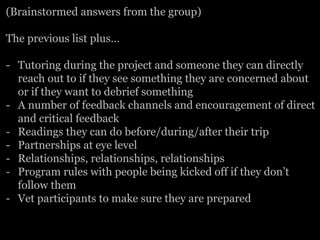
(Brainstormed answers from the group)
The previous list plus…
-  Tutoring during the project and someone they can directly
reach out to if they see something they are concerned about
or if they want to debrief something
-  A number of feedback channels and encouragement of direct
and critical feedback
-  Readings they can do before/during/after their trip
-  Partnerships at eye level
-  Relationships, relationships, relationships
-  Program rules with people being kicked off if they don’t
follow them
-  Vet participants to make sure they are prepared
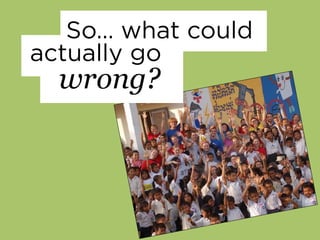
So… what could
actually go
wrong?
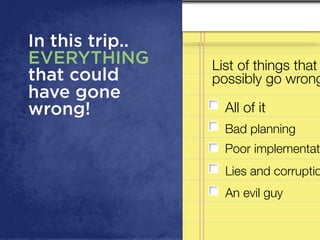
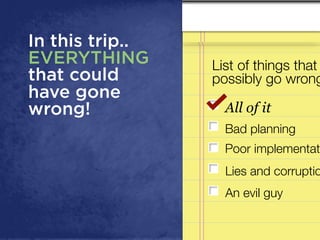
In this trip..
EVERYTHING
that could
have gone
wrong!
All of it
Poor implementat
Bad planning
An evil guy
Lies and corruptio
List of things that
possibly go wrong
In this trip..
EVERYTHING
that could
have gone
wrong!
All of it
List of things that
possibly go wrong
Poor implementat
Bad planning
An evil guy
Lies and corruptio
In this trip..
EVERYTHING
that could
have gone
wrong!
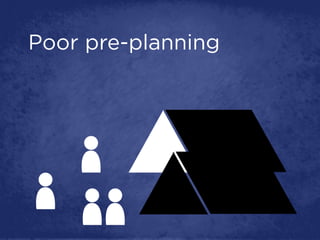
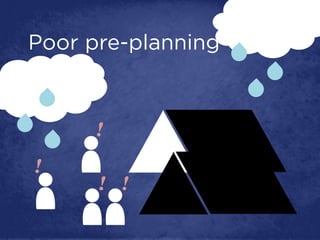
Poor pre-planning
Poor pre-planning
Poor pre-planning
!
!!
!
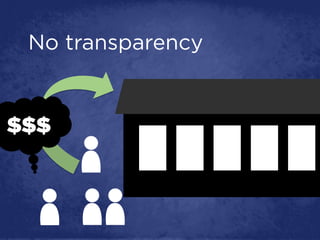
No transparency
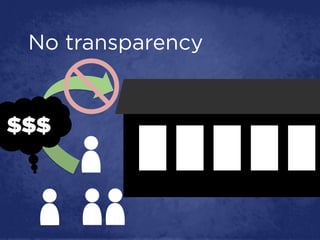
No transparency
$$$
No transparency
$$$
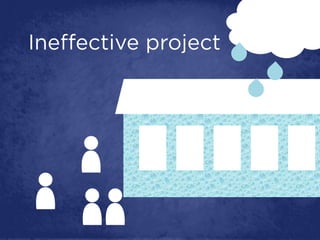
Ineffective project
Ineffective project
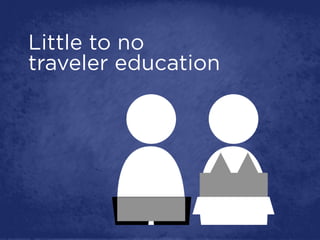
Little to no
traveler education
Little to no
traveler education
The WRONG people
were let in
The WRONG people
were let in
The WRONG people
were let in
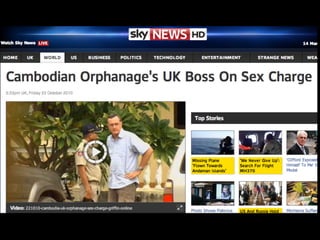
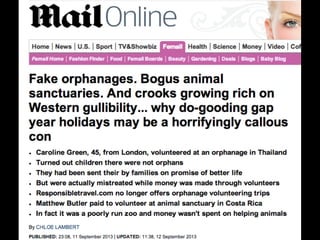
“Earlier this year, the British owner of the
Cambodian Orphan Fund…was sent to
prison in Cambodia for sexually abusing
several minor boys in his care.”
-  Expat Living, Oct 2011
Volunteer Travel
IN THE NEWS
Volunteer Travel
IN THE NEWS
Volunteer Travel
IN THE NEWS
Volunteer Travel
IN THE NEWS
7	
   8	
  
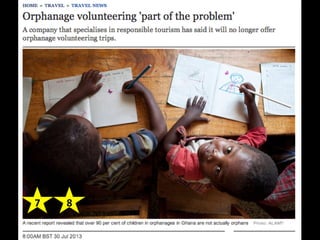
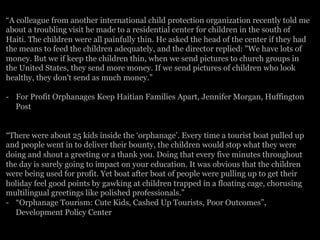
“A colleague from another international child protection organization recently told me
about a troubling visit he made to a residential center for children in the south of
Haiti. The children were all painfully thin. He asked the head of the center if they had
the means to feed the children adequately, and the director replied: "We have lots of
money. But we if keep the children thin, when we send pictures to church groups in
the United States, they send more money. If we send pictures of children who look
healthy, they don't send as much money.”
-  For Profit Orphanages Keep Haitian Families Apart, Jennifer Morgan, Huffington
Post
“There were about 25 kids inside the ‘orphanage’. Every time a tourist boat pulled up
and people went in to deliver their bounty, the children would stop what they were
doing and shout a greeting or a thank you. Doing that every five minutes throughout
the day is surely going to impact on your education. It was obvious that the children
were being used for profit. Yet boat after boat of people were pulling up to get their
holiday feel good points by gawking at children trapped in a floating cage, chorusing
multilingual greetings like polished professionals.”
-  “Orphanage Tourism: Cute Kids, Cashed Up Tourists, Poor Outcomes”,
Development Policy Center
Volunteer Travel
IN THE NEWS
Volunteer Travel
IN THE NEWS
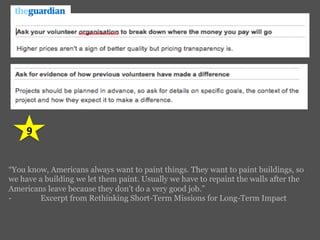
9	
  
“You know, Americans always want to paint things. They want to paint buildings, so
we have a building we let them paint. Usually we have to repaint the walls after the
Americans leave because they don’t do a very good job.”
- Excerpt from Rethinking Short-Term Missions for Long-Term Impact
Volunteering
Beneficiaries
“villagers”
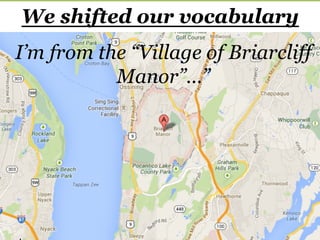
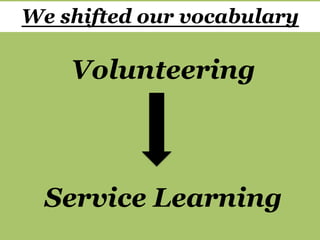
We shifted our vocabulary
I’m from the “Village of Briarcliff
Manor”…”
Volunteering
Beneficiaries
“villagers”
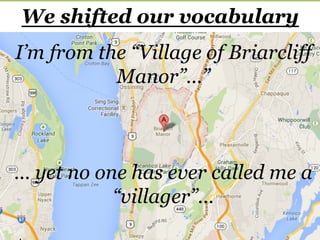
We shifted our vocabulary
I’m from the “Village of Briarcliff
Manor”…”
… yet no one has ever called me a
“villager”…
We shifted our vocabulary
Being a “volunteer” means there is
a “beneficiary”…
Being a “volunteer” means there is
a “beneficiary”…
… but then it’s hard to remember
that those people we’re meant to
“serve” are actually the ones from
whom we need to learn!
We shifted our vocabulary
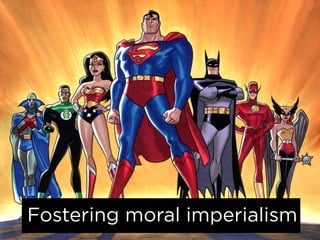
Fostering moral imperialism
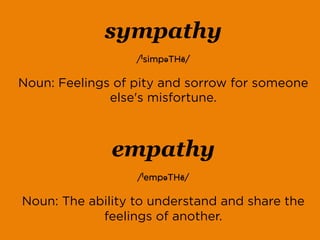
sympathy
/ˈsimpəTHē/
Noun: Feelings of pity and sorrow for someone
else's misfortune.
empathy
/ˈempəTHē/
Noun: The ability to understand and share the
feelings of another.
sympathy
/ˈsimpəTHē/
Noun: Feelings of pity and sorrow for someone
else's misfortune.
empathy
/ˈempəTHē/
Noun: The ability to understand and share the
feelings of another.
Volunteering
Service Learning
We shifted our vocabulary
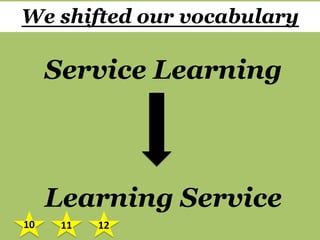
Service Learning
Learning Service
We shifted our vocabulary
12	
  10	
   11	
  
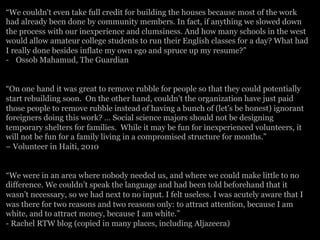
“We couldn't even take full credit for building the houses because most of the work
had already been done by community members. In fact, if anything we slowed down
the process with our inexperience and clumsiness. And how many schools in the west
would allow amateur college students to run their English classes for a day? What had
I really done besides inflate my own ego and spruce up my resume?”
-  Ossob Mahamud, The Guardian
“On one hand it was great to remove rubble for people so that they could potentially
start rebuilding soon. On the other hand, couldn't the organization have just paid
those people to remove rubble instead of having a bunch of (let's be honest) ignorant
foreigners doing this work? … Social science majors should not be designing
temporary shelters for families. While it may be fun for inexperienced volunteers, it
will not be fun for a family living in a compromised structure for months.”
– Volunteer in Haiti, 2010
“We were in an area where nobody needed us, and where we could make little to no
difference. We couldn’t speak the language and had been told beforehand that it
wasn’t necessary, so we had next to no input. I felt useless. I was acutely aware that I
was there for two reasons and two reasons only: to attract attention, because I am
white, and to attract money, because I am white.”
- Rachel RTW blog (copied in many places, including Aljazeera)
We have to learn
before we can help
Five things
to remember
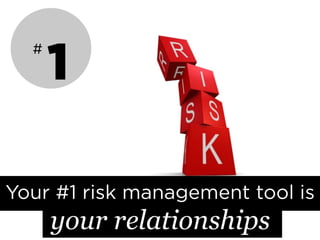
1
#
Your #1 risk management tool is
your relationships
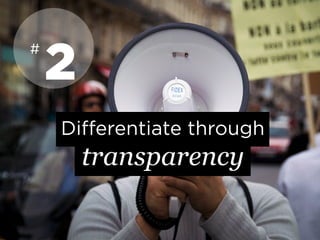
Differentiate through
transparency
2
#
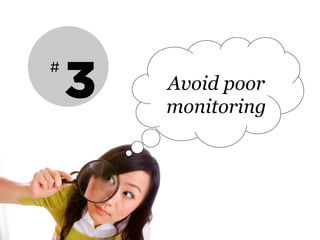
Avoid poor
monitoring
3
#
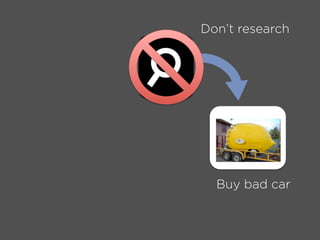
Buy bad car
Don’t research
Buy bad car
Don’t research
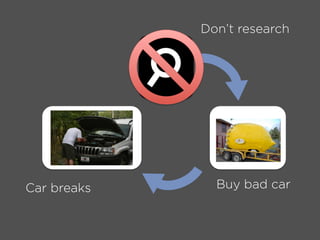
Car breaks
Buy bad car
Don’t research
Car breaks
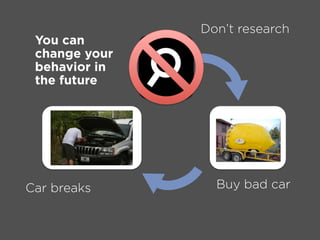
You can
change your
behavior in
the future
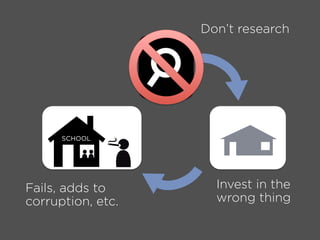
Invest in the
wrong thing
Don’t research
Fails, adds to
corruption, etc.
SCHOOL
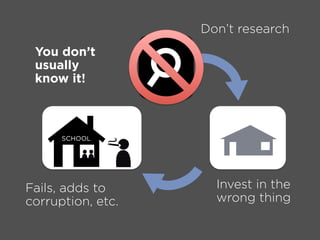
Invest in the
wrong thing
Don’t research
Fails, adds to
corruption, etc.
You don’t
usually
know it!
SCHOOL
Avoid the
long-neck-
women
phenomenon.
4
#
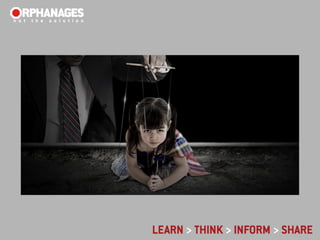
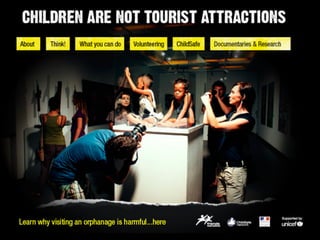
Orphanage tourism
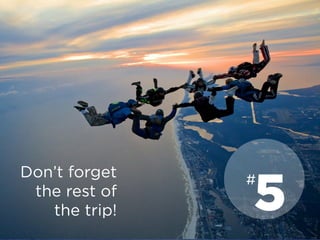
Don’t forget
the rest of
the trip! 5
#
Other
RESOURCES
to consider
www.voluntourism101.com	
  
www.voluntourism101.com	
  
Child Safe
Travelers Philanthropy
Handbook
Travelers Philanthropy
Handbook
Learning Service
Charter/Guidelines/Videos
www.learningservice.info	
  
Daniela Papid@pepytours.com
pepycambodia.org
pepytours.com
learningservie.info
lessonsilearned.org
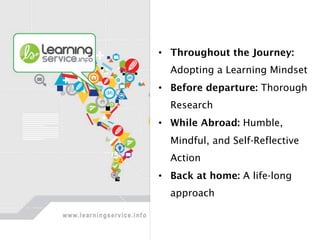
•  Throughout the Journey:
Adopting a Learning Mindset
•  Before departure: Thorough
Research
•  While Abroad: Humble,
Mindful, and Self-Reflective
Action
•  Back at home: A life-long
approach
Daniela Papid@pepytours.com
pepycambodia.org
pepytours.com
learningservie.info
lessonsilearned.org
Daniela Papi
daniela@learningservice.info
www.learningservice.info

WETM Travel Presentation

  • 1.
    Exploring motivations, benefits,pitfalls, and lessons learned Presentation at WETM 18 March 2014 Volunteering Abroad @danielapapi
  • 2.
    @danielapapi This is apresentation I gave at the WETM travel conference. In that presentation I mostly used images, and had the audience brainstorm ideas during parts of the workshop. As such, for this SlideShare I have added some notes and narrative that were not on the original slides. The yellow stars ★ represented quotes which I had given to the audience before the talk started, but I have included them in here. Reach out if you want me to clarify anything!
  • 3.
    My experience ininternational service included volunteer trips in Papua New Guinea, the Philippines, Nepal, Sri Lanka, and other places before volunteering in Cambodia and then setting up a volunteer travel company (www.pepytours.com) which we later transitioned into a development education company and development education platform (www.learningservice.info).
  • 4.
  • 5.
    Before I startedtraveling, my family and friends back home often belittled people from other religions, and I would join in. Now that I have met Buddhist monks, and even had an ex-monk as my guide, I feel like I have learned so much about what it means to care about other people. I thought I was coming here to “serve” the people of Cambodia, but instead I was the one who learned important life lessons. - American student in Cambodia, 2011 The perspective my time in India, and earlier in Uganda, gave me in my formative years instilled a greater sense of social justice... I went on to attend and organise protests and campaigns relating to international development - such as the G8 and WTO rallies in Scotland and Hong Kong shortly after returning. I wrote for a number of websites and magazines about economic issues and volunteered for several charities. -  Volunteered in India and Uganda 2002-4 We partnered with a Guatemalan founded and run organization, to learn how to construct a solar composting latrine. We helped where we could – from mixing cement to carrying rocks – all while taking detailed notes. We didn’t “teach” them how to build, in fact, they were teaching us. Though those two weeks ended up being focused on construction, and though it was labeled as “service,” in reality, we were working and learning side by side our Guatemalan friends doing what we could to act as a bridge – transmitting information from one local institute to another one that had asked for it. - Student in Guatamala, 2013
  • 6.
    What can YOUR COMPANY doto achieve similar results?
  • 7.
    (Brainstormed answers fromthe group) -  Conduct thorough matching between people and projects -  KNOW your projects well -  Set expectations of the travelers through your marketing, speaking to them, orientation, and pre-departure training -  Vet projects that are worthwhile -  Set “project needs over your fun” attitudes -  Ask many questions of the traveler so that you can really understand their expectations and so that they can hear themselves articulate their goals – questions like why they want to volunteer abroad, their expectations, what they hope to learn etc – plus when they are done they can better reflect on what they have indeed learned if this is recorded somewhere -  Post-program seminars with past participants
  • 8.
    Volunteering abroad can FAIL to liveup to its stated goals 4   5   6  
  • 9.
    “Local community relationsin Leogane were strained. Heavy alcohol consumption immediately in front of an internally displaced persons’ camp struck me as rude and insensitive. Drunk foreigners would make noise on the roof all through the night while Haitians living in tents were trying to sleep… Some individuals came to a disaster area to party and they did party. A number of long term volunteers close to the organization got drunk and high, stole a local fisherman's boat, and sank it without repercussions.” – A volunteer with a travel provider in Haiti, aged 25 “I knew next to nothing about where I was going. I had naively assumed that because the agency had accepted me, I was “needed” in some way and that the agency was working in the best interests of the community. In turns out they were not. In essence, they were exploiting the local school where I was brought to work (despite my not being a teacher) by placing me in a badly organised, unsuitable role and wasting the time and resources of the school and its students. In fact, when questioned about my placement, the representative back in Britain had no idea what type of projects were going on in Tanzania.” – Sarah Carroll, Business Fights Poverty Website “As a 20-year-old journalism graduate, I’d grown nary a houseplant before trying to teach farmers how to improve their crops. The audacity of my arrogance in assuming that this time abroad would do Cameroon any good was apparent on Day 1. I lasted just five months before returning home, frustrated, confused and annoyed that I had put so much thought into a system that failed both the host country and a volunteer with the best of intentions.” - Kelli Donley, NY Times Letter to the Editor
  • 10.
    What can YOUR COMPANY doto avoid similar results?
  • 11.
    (Brainstormed answers fromthe group) The previous list plus… -  Tutoring during the project and someone they can directly reach out to if they see something they are concerned about or if they want to debrief something -  A number of feedback channels and encouragement of direct and critical feedback -  Readings they can do before/during/after their trip -  Partnerships at eye level -  Relationships, relationships, relationships -  Program rules with people being kicked off if they don’t follow them -  Vet participants to make sure they are prepared
  • 12.
  • 13.
    In this trip.. EVERYTHING thatcould have gone wrong!
  • 14.
    All of it Poorimplementat Bad planning An evil guy Lies and corruptio List of things that possibly go wrong In this trip.. EVERYTHING that could have gone wrong!
  • 15.
    All of it Listof things that possibly go wrong Poor implementat Bad planning An evil guy Lies and corruptio In this trip.. EVERYTHING that could have gone wrong!
  • 16.
  • 17.
  • 18.
  • 19.
  • 20.
  • 21.
  • 22.
  • 23.
  • 24.
  • 25.
  • 26.
  • 27.
  • 28.
  • 29.
    “Earlier this year,the British owner of the Cambodian Orphan Fund…was sent to prison in Cambodia for sexually abusing several minor boys in his care.” -  Expat Living, Oct 2011
  • 30.
  • 31.
  • 32.
  • 33.
  • 34.
    “A colleague fromanother international child protection organization recently told me about a troubling visit he made to a residential center for children in the south of Haiti. The children were all painfully thin. He asked the head of the center if they had the means to feed the children adequately, and the director replied: "We have lots of money. But we if keep the children thin, when we send pictures to church groups in the United States, they send more money. If we send pictures of children who look healthy, they don't send as much money.” -  For Profit Orphanages Keep Haitian Families Apart, Jennifer Morgan, Huffington Post “There were about 25 kids inside the ‘orphanage’. Every time a tourist boat pulled up and people went in to deliver their bounty, the children would stop what they were doing and shout a greeting or a thank you. Doing that every five minutes throughout the day is surely going to impact on your education. It was obvious that the children were being used for profit. Yet boat after boat of people were pulling up to get their holiday feel good points by gawking at children trapped in a floating cage, chorusing multilingual greetings like polished professionals.” -  “Orphanage Tourism: Cute Kids, Cashed Up Tourists, Poor Outcomes”, Development Policy Center
  • 35.
  • 38.
  • 40.
    9   “You know,Americans always want to paint things. They want to paint buildings, so we have a building we let them paint. Usually we have to repaint the walls after the Americans leave because they don’t do a very good job.” - Excerpt from Rethinking Short-Term Missions for Long-Term Impact
  • 44.
    Volunteering Beneficiaries “villagers” We shifted ourvocabulary I’m from the “Village of Briarcliff Manor”…”
  • 45.
    Volunteering Beneficiaries “villagers” We shifted ourvocabulary I’m from the “Village of Briarcliff Manor”…” … yet no one has ever called me a “villager”…
  • 46.
    We shifted ourvocabulary Being a “volunteer” means there is a “beneficiary”…
  • 47.
    Being a “volunteer”means there is a “beneficiary”… … but then it’s hard to remember that those people we’re meant to “serve” are actually the ones from whom we need to learn! We shifted our vocabulary
  • 48.
  • 49.
    sympathy /ˈsimpəTHē/ Noun: Feelings ofpity and sorrow for someone else's misfortune. empathy /ˈempəTHē/ Noun: The ability to understand and share the feelings of another.
  • 50.
    sympathy /ˈsimpəTHē/ Noun: Feelings ofpity and sorrow for someone else's misfortune. empathy /ˈempəTHē/ Noun: The ability to understand and share the feelings of another.
  • 51.
  • 52.
    Service Learning Learning Service Weshifted our vocabulary 12  10   11  
  • 53.
    “We couldn't eventake full credit for building the houses because most of the work had already been done by community members. In fact, if anything we slowed down the process with our inexperience and clumsiness. And how many schools in the west would allow amateur college students to run their English classes for a day? What had I really done besides inflate my own ego and spruce up my resume?” -  Ossob Mahamud, The Guardian “On one hand it was great to remove rubble for people so that they could potentially start rebuilding soon. On the other hand, couldn't the organization have just paid those people to remove rubble instead of having a bunch of (let's be honest) ignorant foreigners doing this work? … Social science majors should not be designing temporary shelters for families. While it may be fun for inexperienced volunteers, it will not be fun for a family living in a compromised structure for months.” – Volunteer in Haiti, 2010 “We were in an area where nobody needed us, and where we could make little to no difference. We couldn’t speak the language and had been told beforehand that it wasn’t necessary, so we had next to no input. I felt useless. I was acutely aware that I was there for two reasons and two reasons only: to attract attention, because I am white, and to attract money, because I am white.” - Rachel RTW blog (copied in many places, including Aljazeera)
  • 54.
    We have tolearn before we can help
  • 55.
  • 56.
    1 # Your #1 riskmanagement tool is your relationships
  • 57.
  • 58.
  • 59.
  • 60.
    Buy bad car Don’tresearch Car breaks
  • 61.
    Buy bad car Don’tresearch Car breaks You can change your behavior in the future
  • 62.
    Invest in the wrongthing Don’t research Fails, adds to corruption, etc. SCHOOL
  • 63.
    Invest in the wrongthing Don’t research Fails, adds to corruption, etc. You don’t usually know it! SCHOOL
  • 64.
  • 66.
  • 67.
    Don’t forget the restof the trip! 5 #
  • 69.
  • 70.
  • 71.
  • 72.
  • 73.
  • 74.
  • 75.
  • 76.
  • 77.
    •  Throughout theJourney: Adopting a Learning Mindset •  Before departure: Thorough Research •  While Abroad: Humble, Mindful, and Self-Reflective Action •  Back at home: A life-long approach
  • 78.
  • 79.