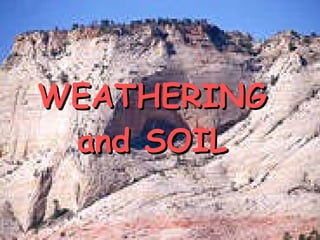
WEATHERING and SOIL
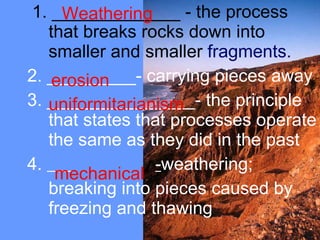
1. _____________ - the process that breaks rocks down into smaller and smaller  fragments. 2. _________- carrying pieces away 3. _______________- the principle that states that processes operate the same as they did in the past 4.  - weathering;  breaking into pieces caused by freezing and thawing Weathering   mechanical erosion uniformitarianism
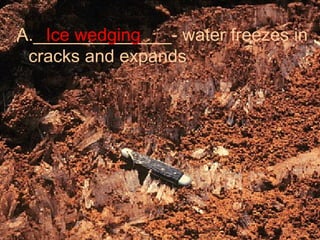
A.______________- water freezes in cracks and expands Ice wedging
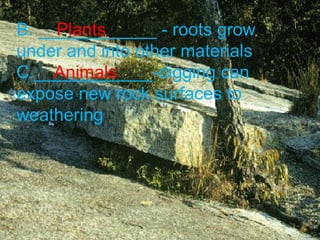
B. ____________ - roots grow under and into other materials C.____________-digging can expose new rock surfaces to weathering Plants Animals
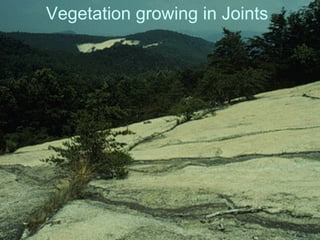
Vegetation growing in Joints
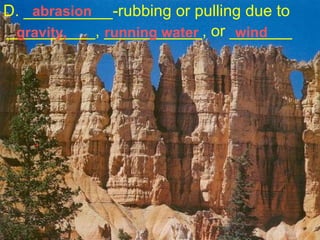
D. __________-rubbing or pulling due to  __________, ___________, or _______ abrasion gravity, running water wind
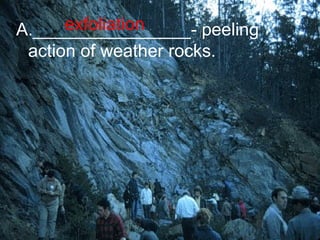
________________- peeling action of weather rocks. exfoliation
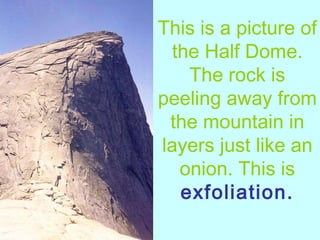
This is a picture of the Half Dome. The rock is peeling away from the mountain in layers just like an onion. This is  exfoliation.
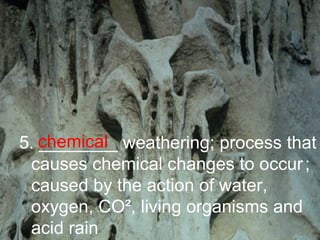
5. ________ weathering; process that causes chemical changes to occur   ;   caused by the action of water, oxygen, CO ², living organisms and acid rain chemical
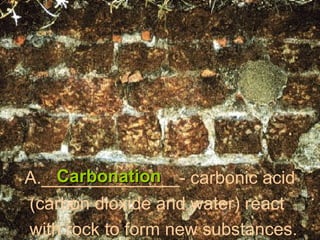
______________- carbonic acid (carbon dioxide and water) react  with rock to form new substances. Carbonation
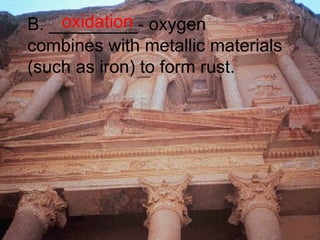
B. _________- oxygen  combines with metallic materials  (such as iron) to form rust. oxidation
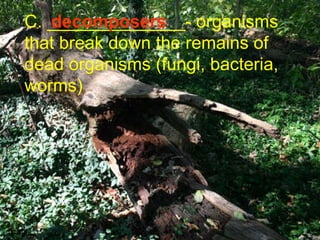
C. ______________- organisms that break down the remains of dead organisms (fungi, bacteria, worms) decomposers
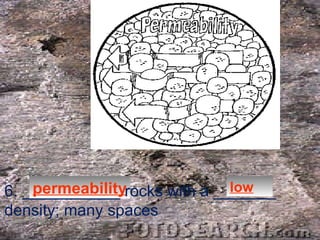
permeability 6. ___________ rocks with a _______  density; many spaces low
impermeability 7.________________rocks with a ____ density; tightly packed  high
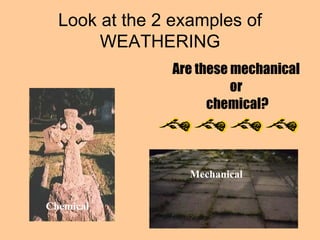
Look at the 2 examples of WEATHERING Chemical  Mechanical Are these mechanical  or  chemical?
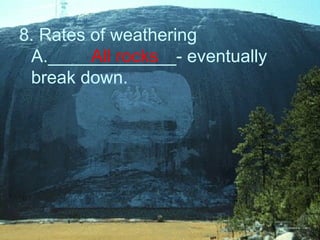
8. Rates of weathering A._____________- eventually  break down. All rocks
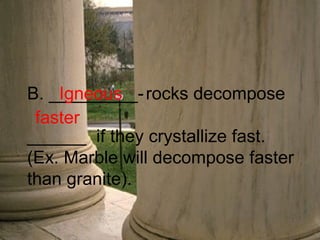
B. _________-   rocks decompose  ______  if they crystallize fast.  (Ex. Marble will decompose faster than granite). Igneous faster
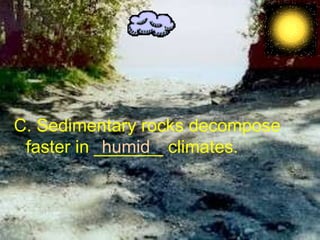
C. Sedimentary rocks decompose faster in _______ climates. humid
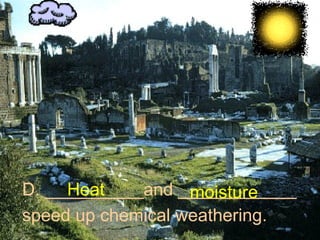
D. __________and ____________  speed up chemical weathering. Heat moisture
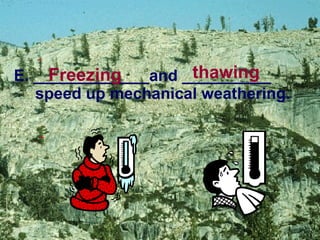
E. _____________and __________  speed up mechanical weathering. Freezing thawing
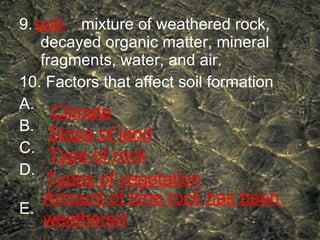
9.  mixture of weathered rock, decayed organic matter, mineral fragments, water, and air. 10. Factors that affect soil formation A.  B. C. D.  E.   soil- Climate Slope of land Type of rock Types of vegetation Amount of time rock has been  weathered
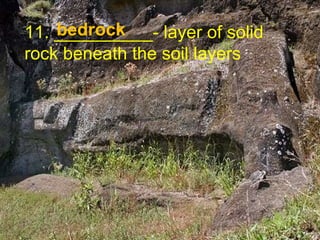
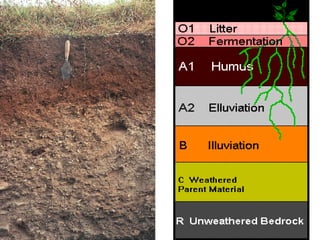
11. __________- layer of solid rock beneath the soil layers bedrock
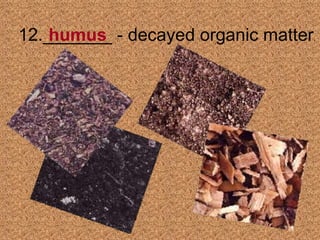
12._______ - decayed organic matter . humus
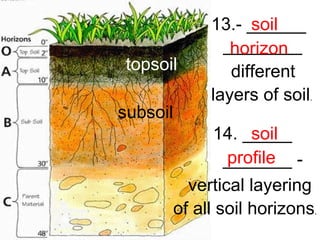
13.- ______ ________ different layers of soil . soil horizon 14. _____ _______ -  vertical layering  of all soil horizons . soil profile topsoil subsoil
 
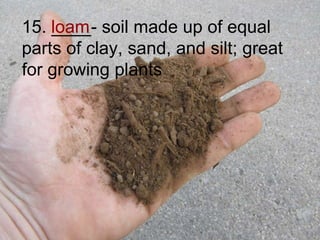
15. ____- soil made up of equal parts of clay, sand, and silt; great for growing plants loam
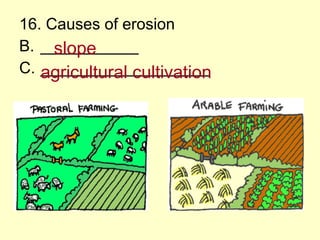
16. Causes of erosion ___________  ___________________  slope agricultural cultivation
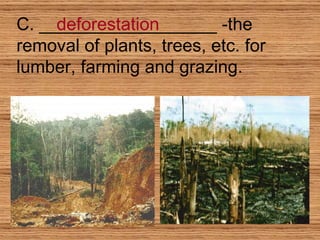
C. __________________ -the removal of plants, trees, etc. for lumber, farming and grazing. deforestation
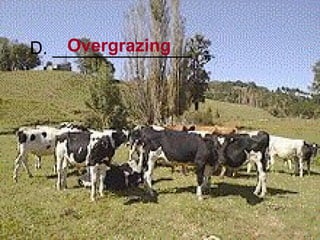
D. ______________ Overgrazing
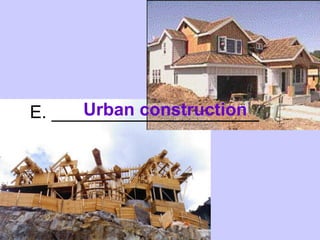
E. _____________________ Urban   construction
17. Soil Conservation  Techniques
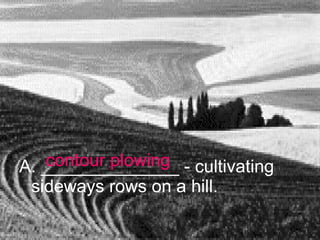
A. ______________ - cultivating sideways rows on a hill. contour plowing
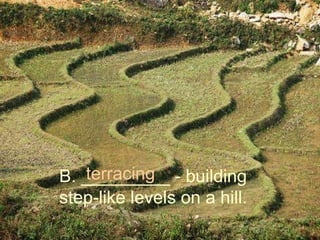
B. _________ - building step-like levels on a hill. terracing
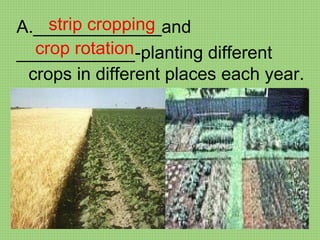
_____________and ____________-planting different crops in different places each year. strip cropping crop rotation
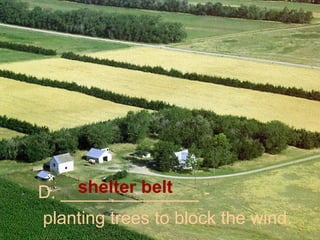
D. ______________ - planting trees to block the wind. shelter belt
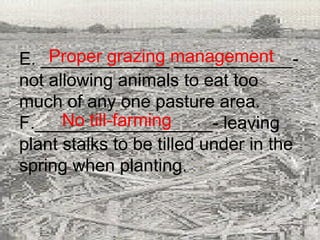
E. _____________ ____________-not allowing animals to eat too much of any one pasture area. F.__________________- leaving plant stalks to be tilled under in the spring when planting. Proper grazing management No till-farming
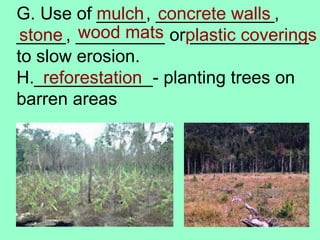
G. Use of _____, ____________, _____, _________ or ____________  to slow erosion. H.____________- planting trees on barren areas mulch concrete walls stone wood mats plastic coverings reforestation
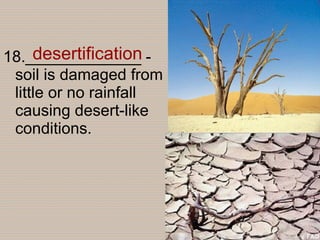
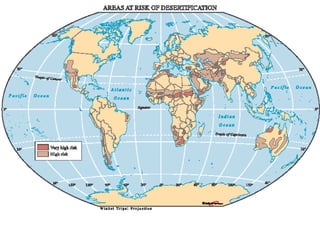
18._____________ - soil is damaged from little or no rainfall causing desert-like conditions. desertification
 
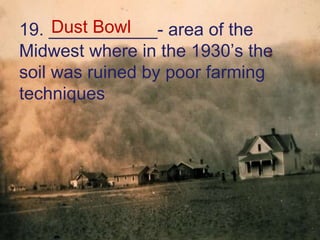
19. ___________- area of the Midwest where in the 1930’s the soil was ruined by poor farming techniques Dust Bowl
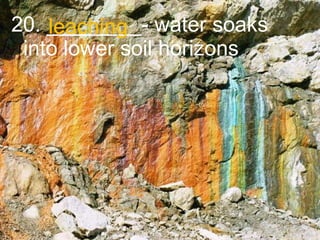
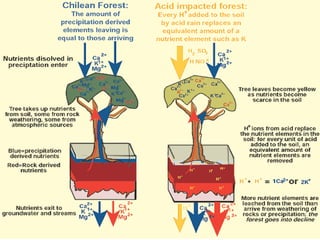
20. ________- water soaks into lower soil horizons leaching
 
The End

Weathering And Soil