Download to read offline

![Actions
• Actions is an observable of all actions
• ofType is an operator that filters specific actions
• Can produce new actions in response
class Actions extends Observable<Action> {
ofType(...keys: string[]): Actions;
}](https://image.slidesharecdn.com/2-170623145022/75/Vasyl-Sydorivskiy-Angular-Functional-Style-13-2048.jpg)




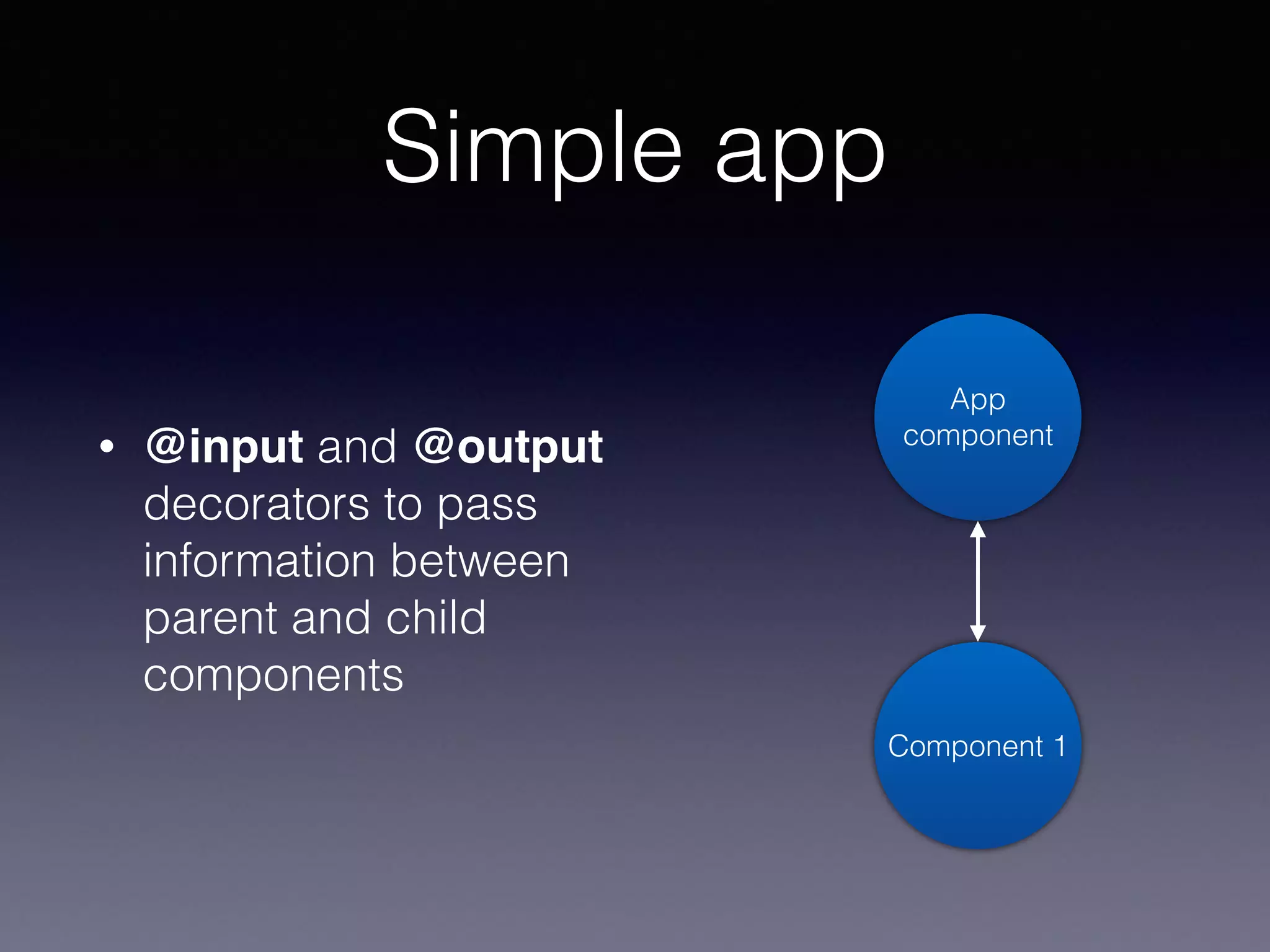
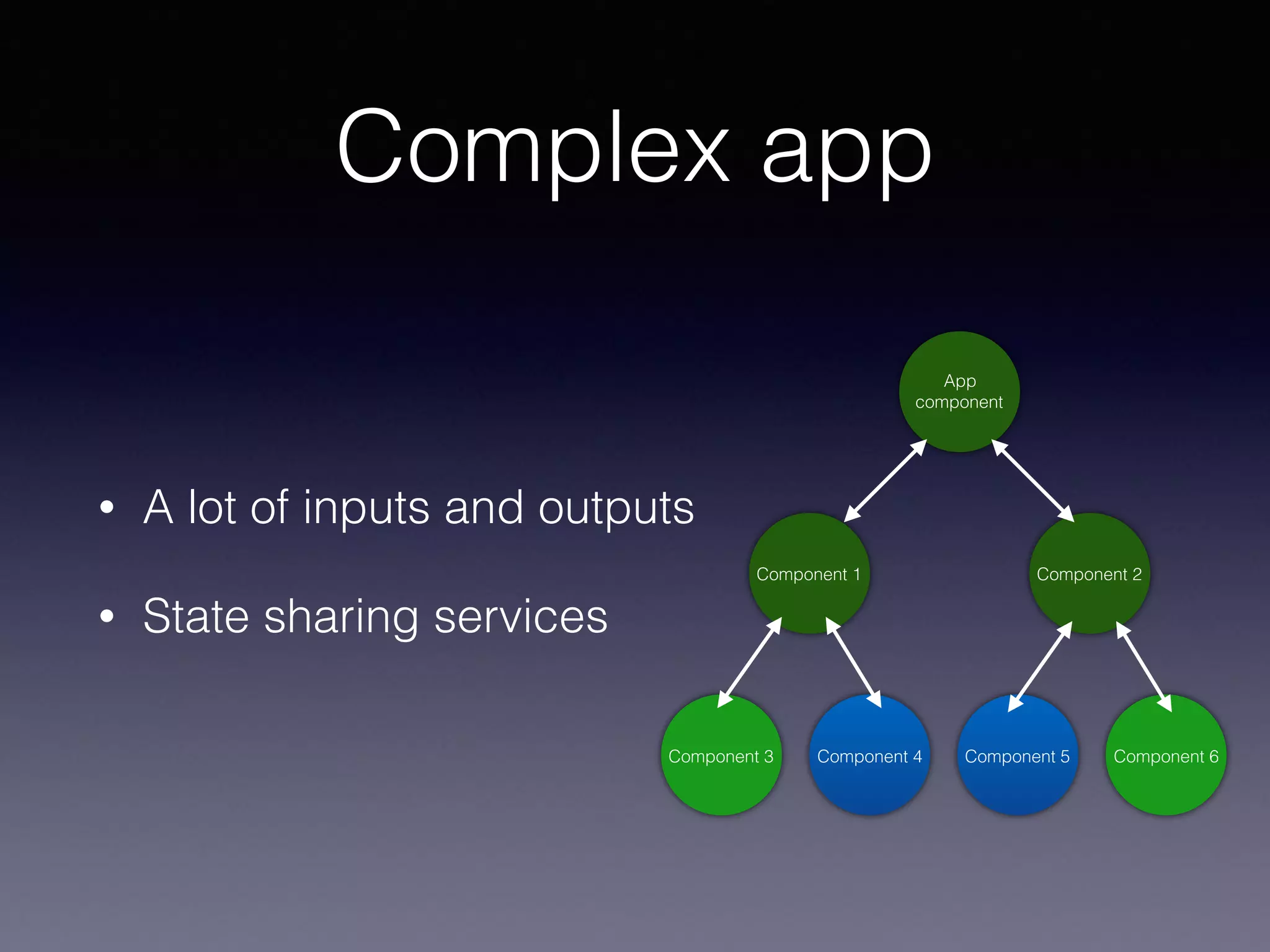
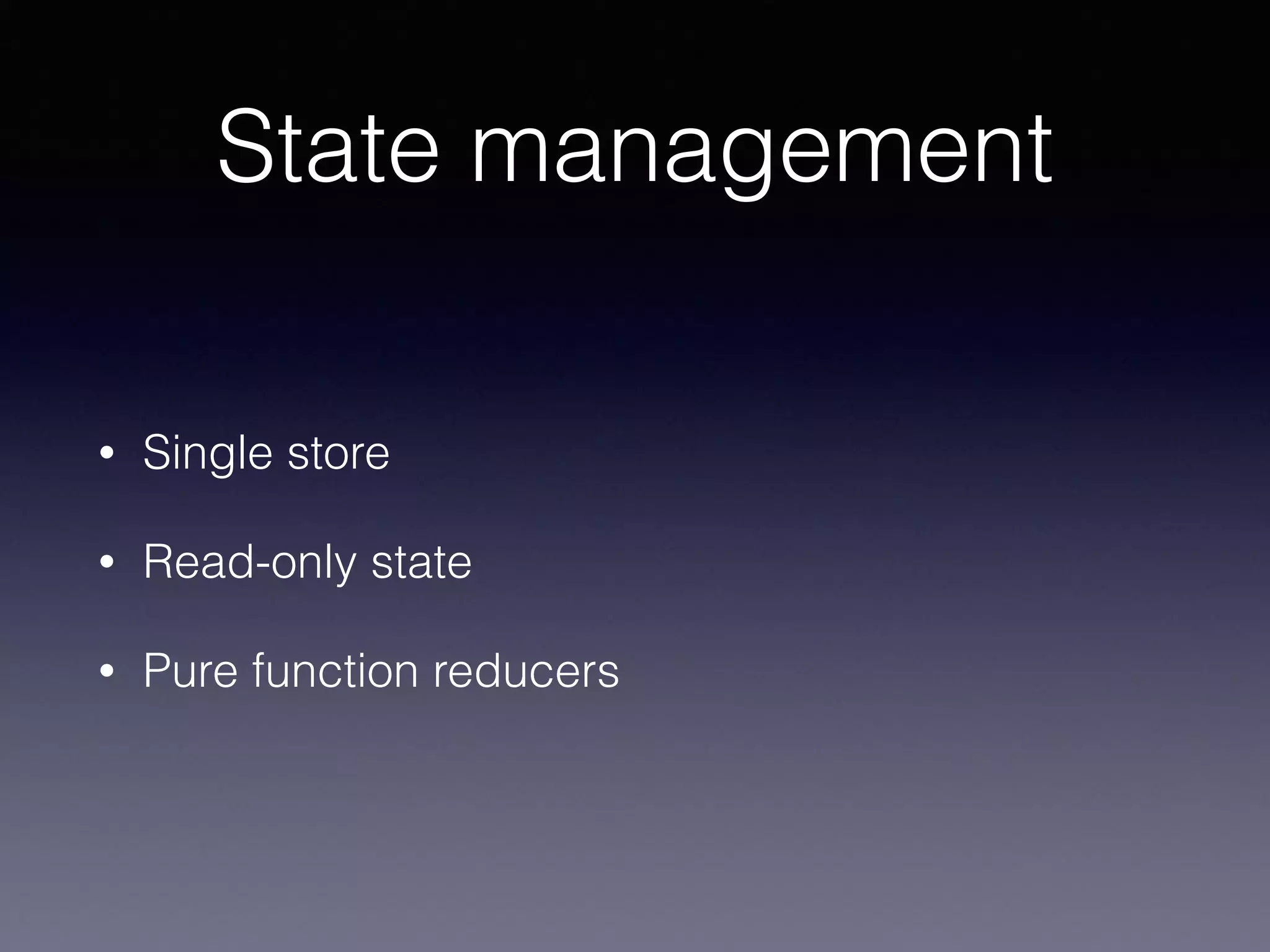
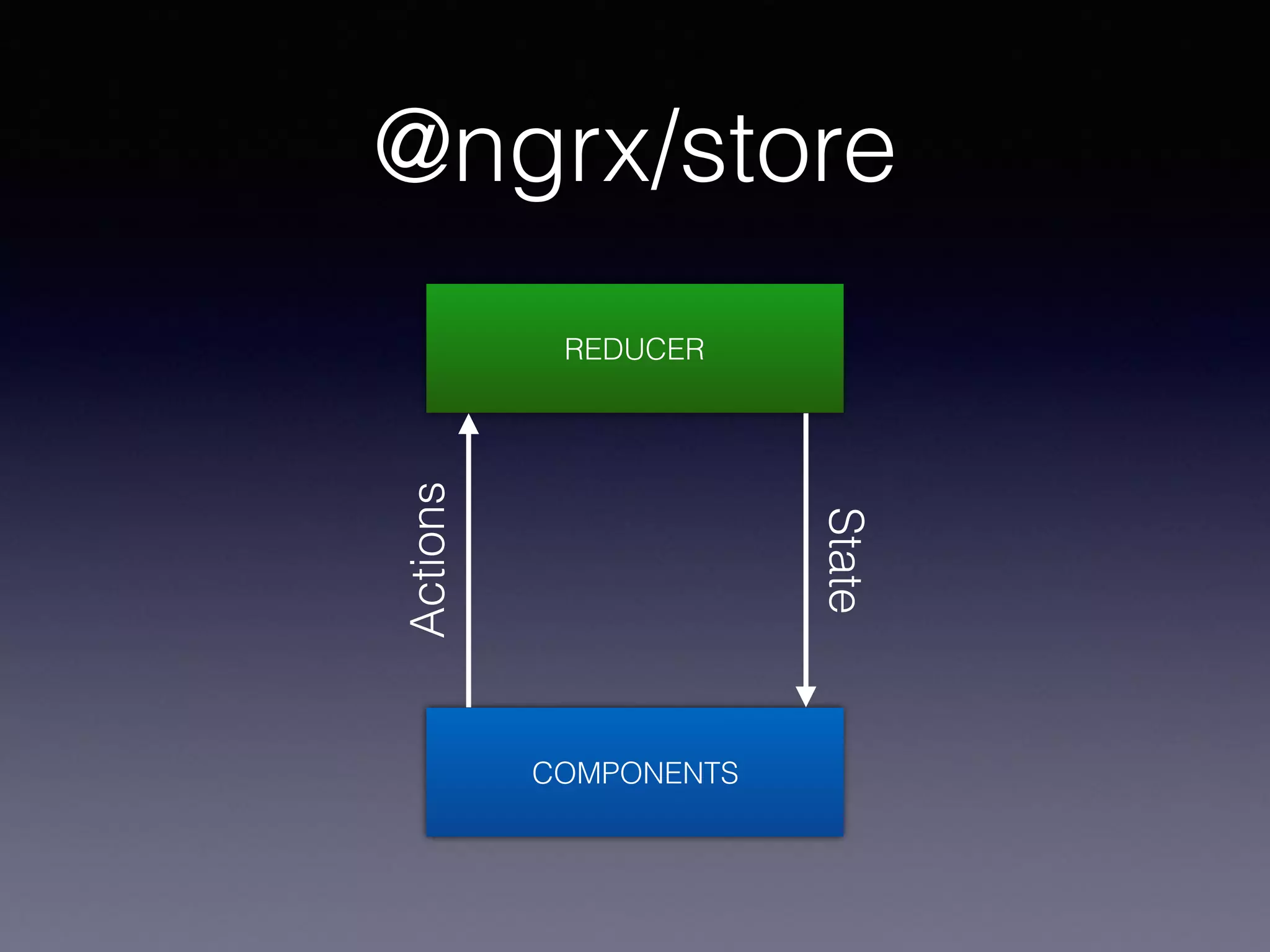
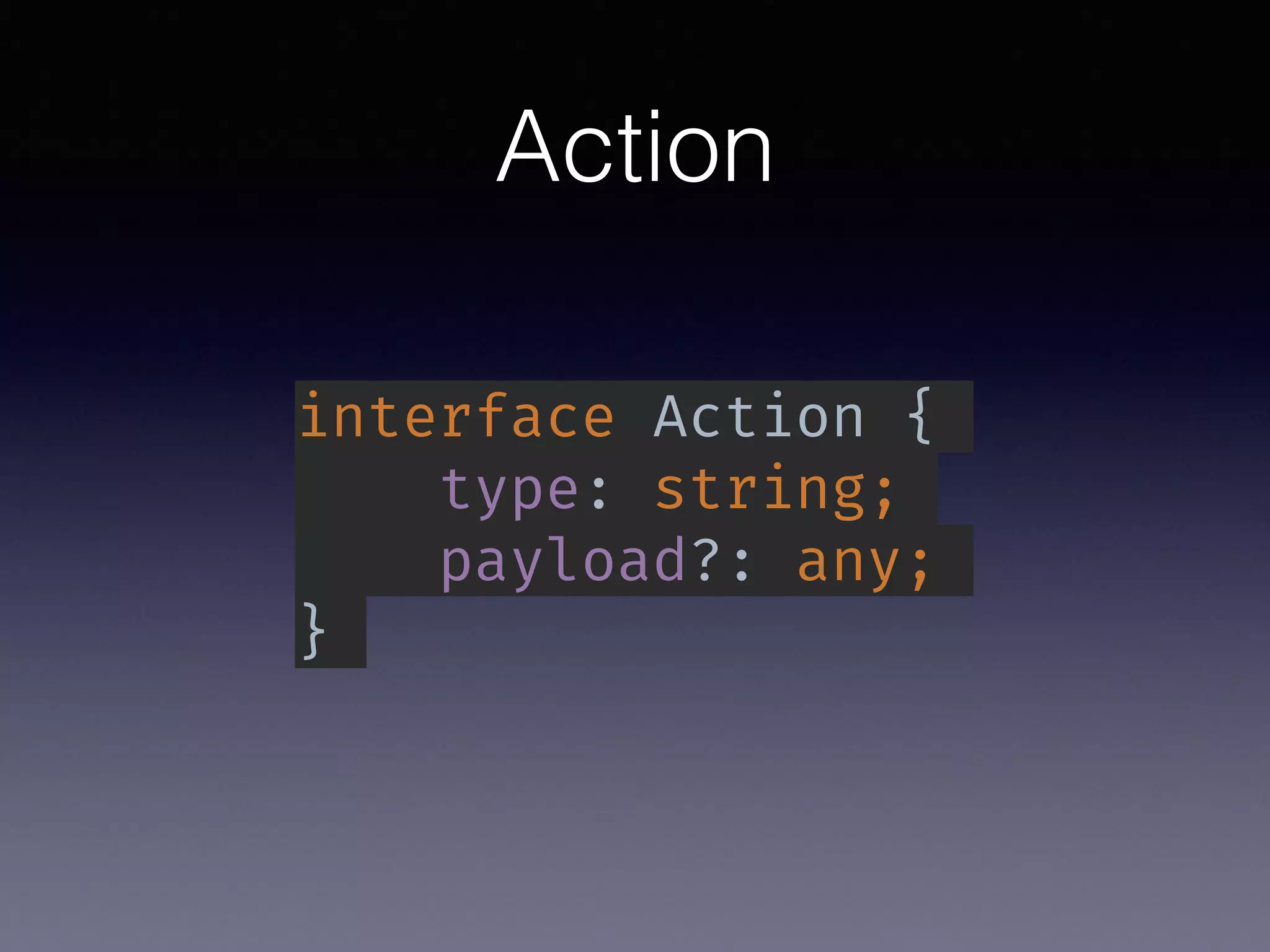
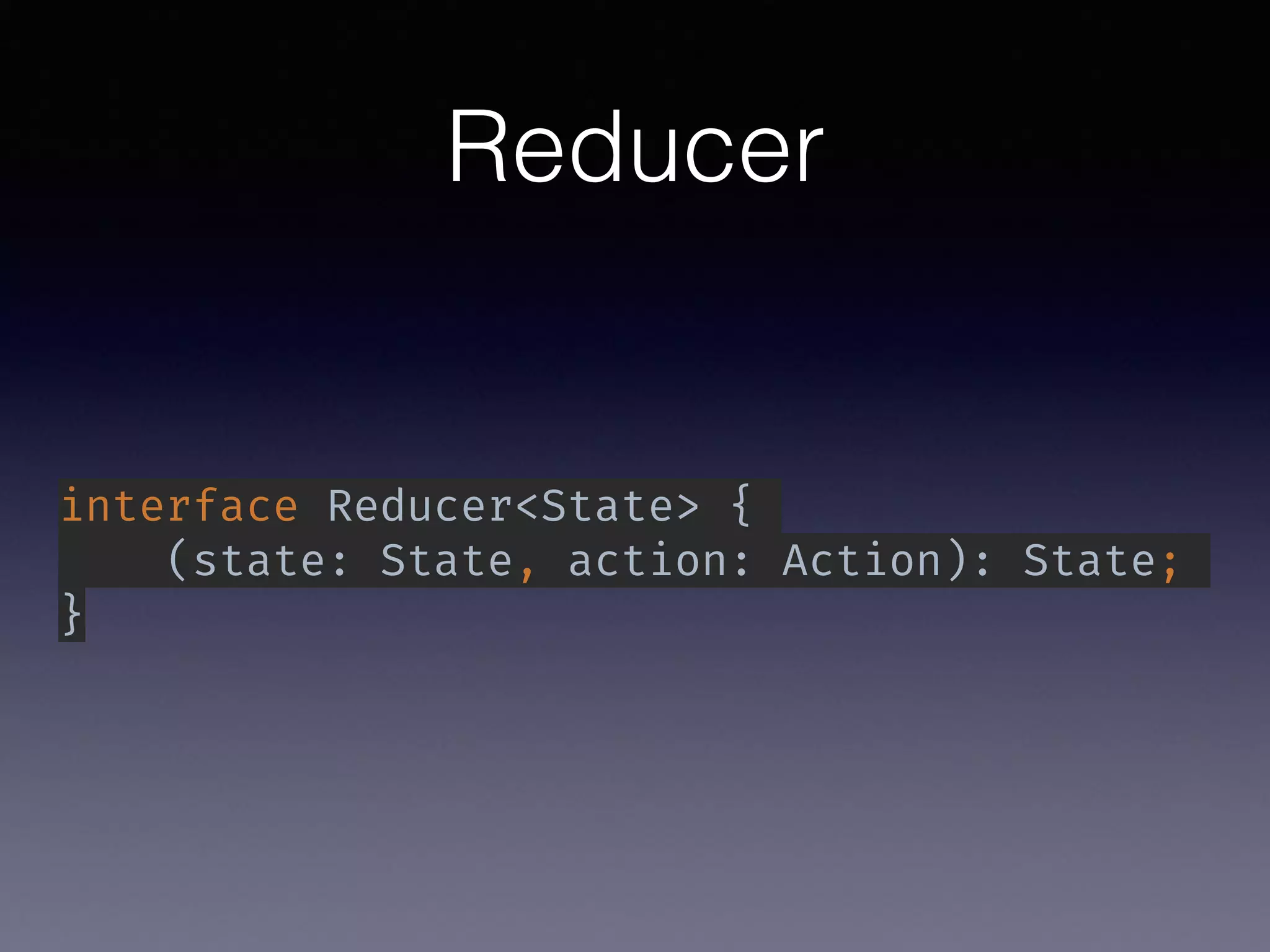
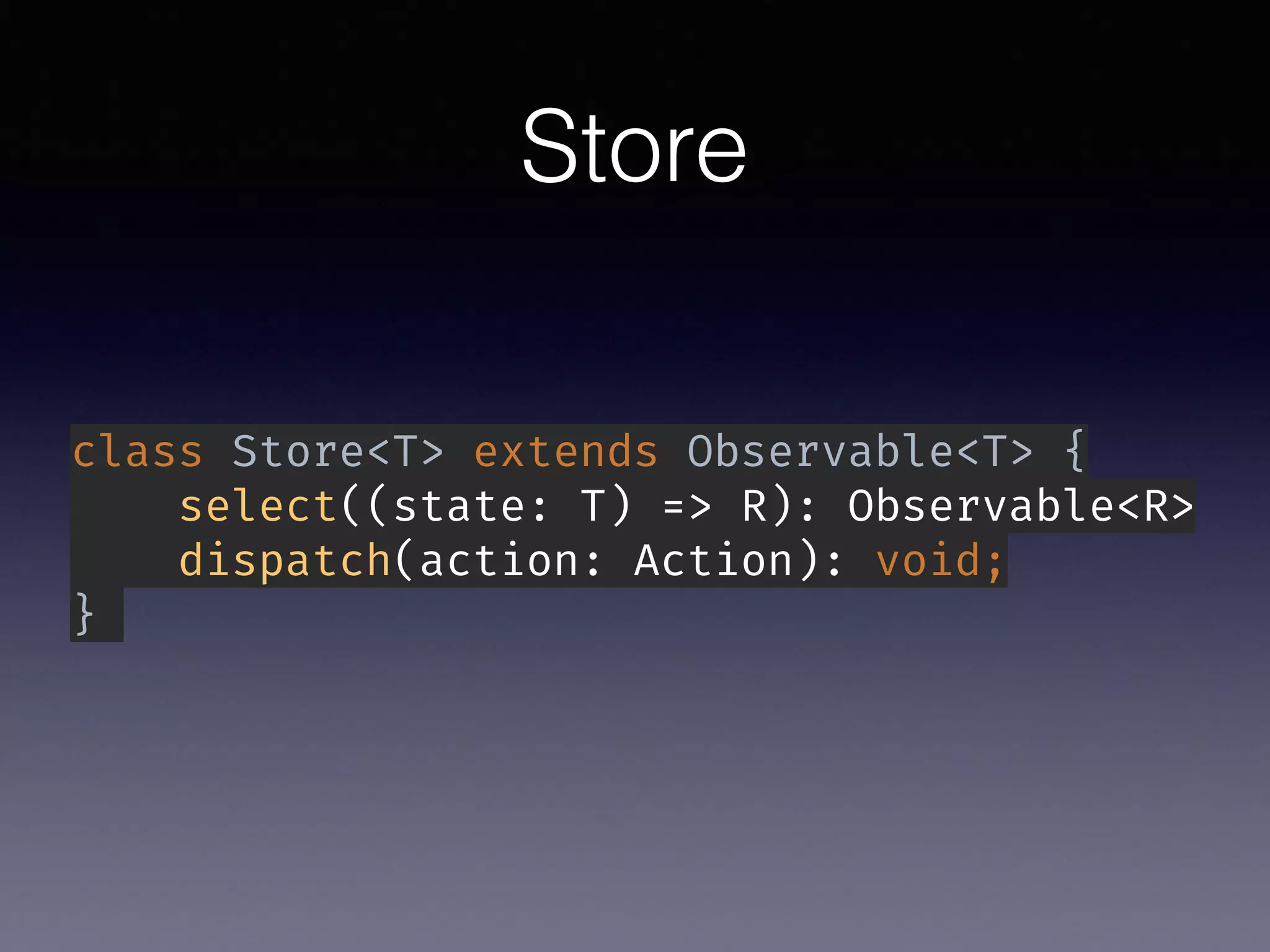
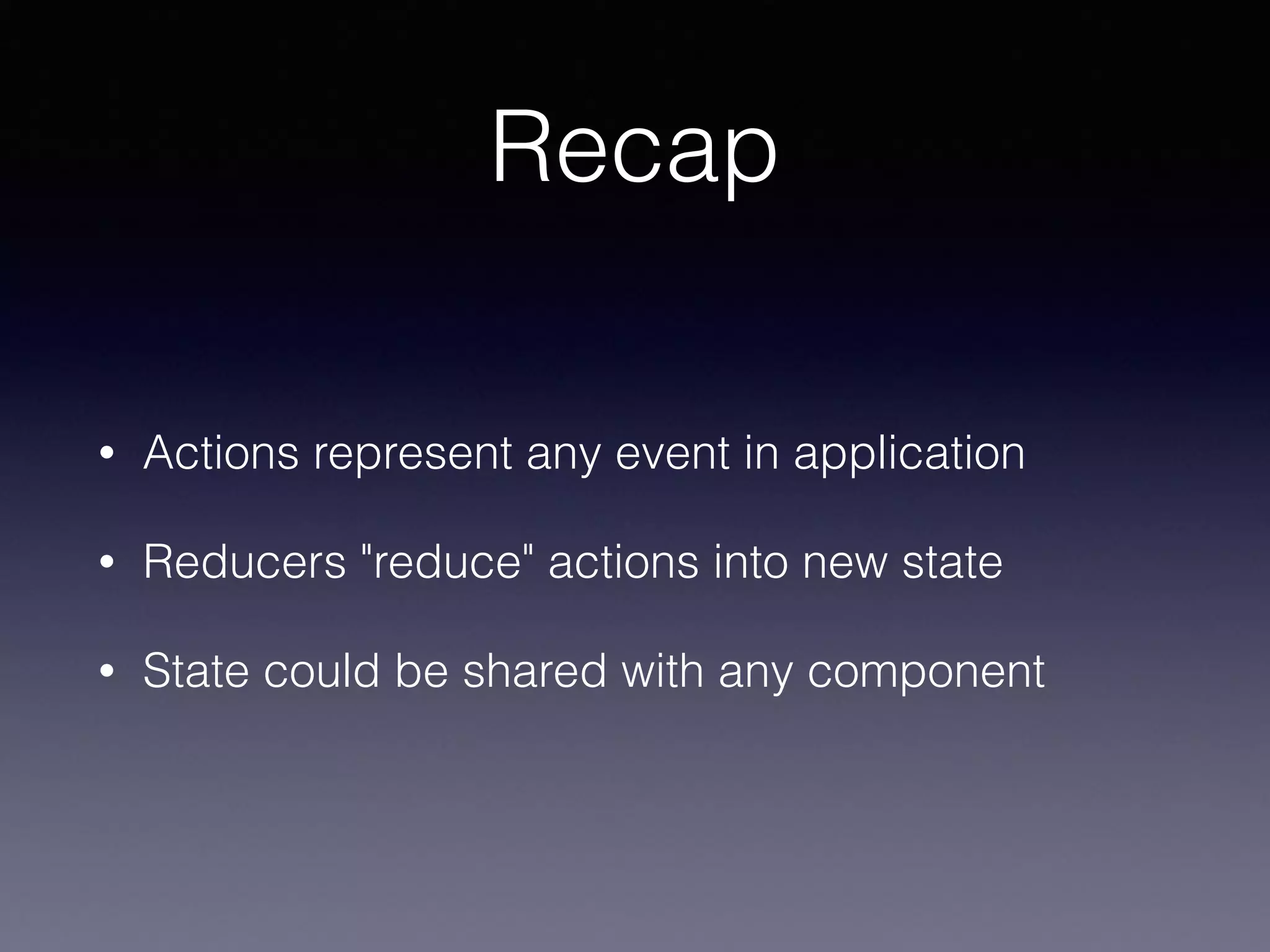
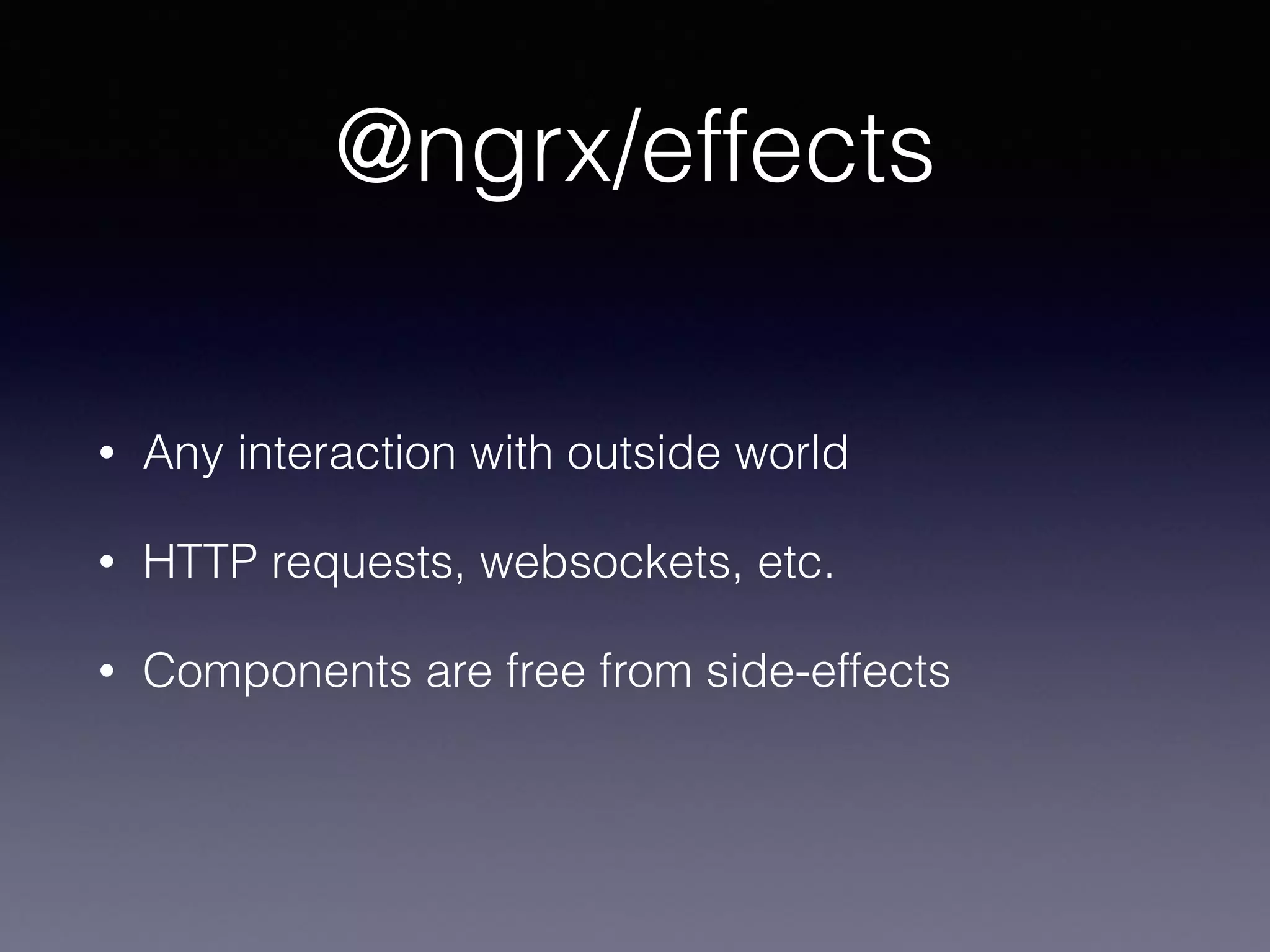
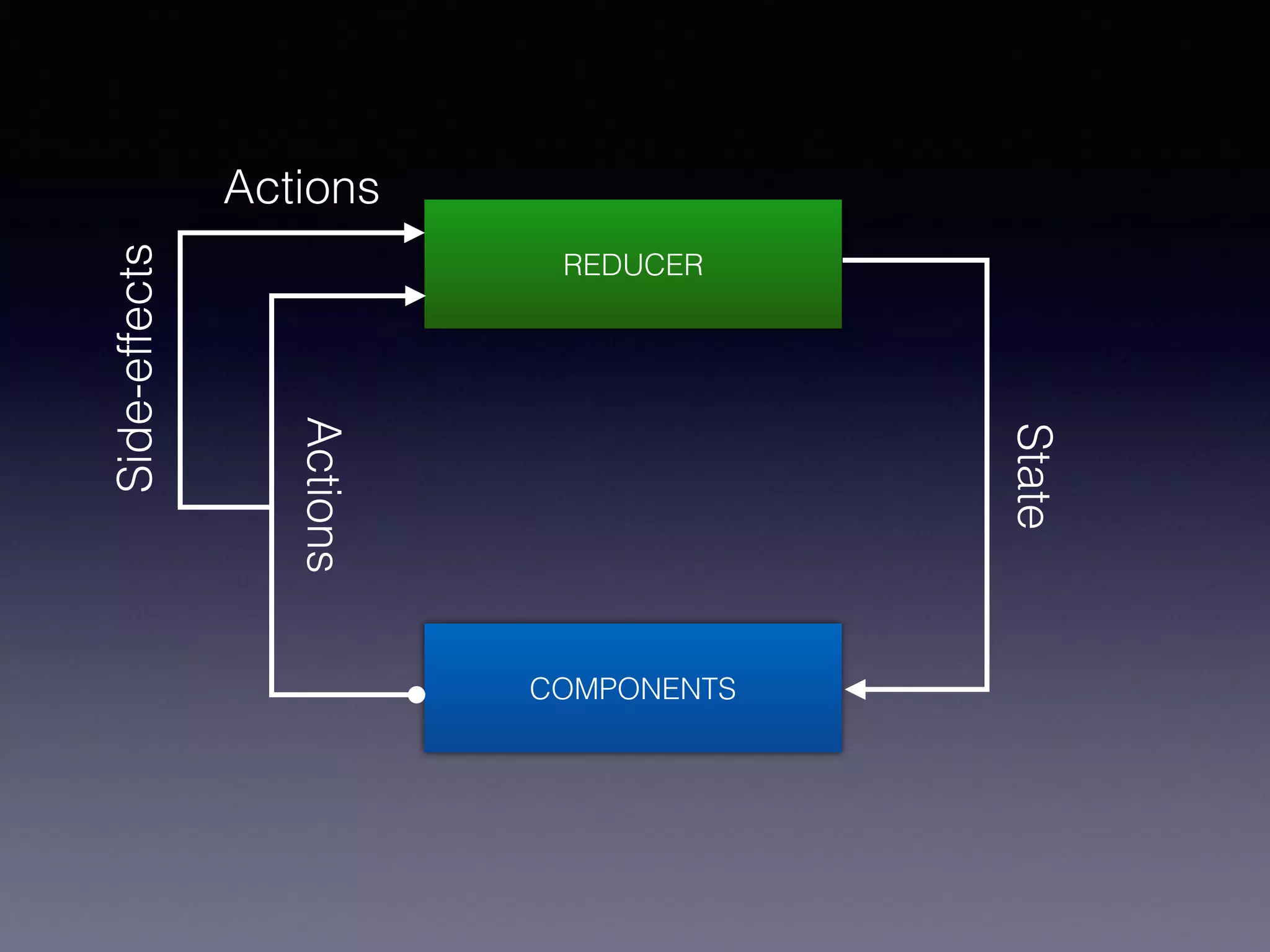
This document discusses using Angular with a functional programming style and the ngrx/store library for state management. It explains how ngrx/store implements a single immutable state store with actions and reducers. Components dispatch actions that are handled by reducers to update the state. State changes are observable throughout the app. Effects isolate side effects like HTTP calls from components. The ngrx/dev-tools enable time travel debugging of state changes.


![[CocoaHeads Tricity] Andrzej Dąbrowski - Dependency injection and testable ar...](https://cdn.slidesharecdn.com/ss_thumbnails/prezentacjadi-160215112616-thumbnail.jpg?width=640&height=640&fit=bounds)


