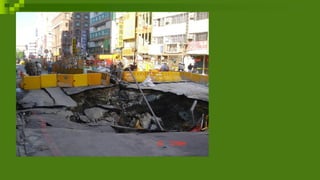
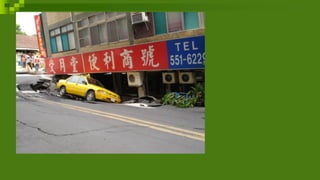
SAFE TUNNELLING
It’s All About Process
Management Processes
Demming Cycle - PDCA
Plan – Execute – Monitor/Control - Adjust
Inputs – Process(es) – Output
IDENTIFY & DESIGN
PROTECTION WORKS
GEOLOGICAL -GEOTECHNICAL MODEL
SITE INVESTIGATIONS (All previous data, desk
study, other project data.)
BUILDING RISK ASSESSMENTS &
PROTECTION PLANS. Allowable Limits
of Deformation
ALIGNMENT OF RAIL
TRACK & STATION
LOCATION
INSTRUMENTATION
DESIGN
SETTLEMENT ANALYSIS
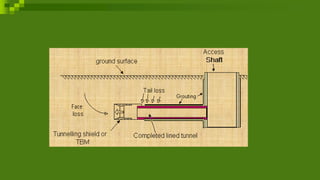
Ground loss, shield loss, tailskin
loss, sensitivity
TBM OPERATIONAL PARAMETERS &
RANGE -Face Pressure, grout pressure/volume
SURVEYS FOR UTILITIES, ID NATURE
OF MATERIAL & ALLOWABLE LIMITS
OF DEFORMATION
GEOLOGICAL PROFILE & GEOTECHNICAL
PARAMETERS
SITE INVESTIGATIONS
Supplementary & Instrumentation
Installation
BUILDING CONDITION SURVEYS,
STRUCTURAL SURVEYS,
Confirm Extent and magnitude of
settlement, correctness of face pressure
Confirm /Reassess Geological profile and
face pressures required to ensure settlements
controlled.
Confirm or Revise Building protection Works
as required. Revise risk assessment
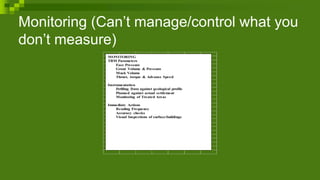
MONITORING
TBM Parameters
Face Pressure
Grout Volume & Pressure
Muck Volume
Thrust, torque & Advance Speed
Instrumentation
Drilling Data against geological profile
Planned against actual settlement
Monitoring of Treated Areas
Immediate Actions
Reading Frequency
Accuracy checks
Visual Inspections of surface/buildings
SAFE TUNNELLING
Controlled settlement, minimal impact on
infrastructure, optimised face pressures,
controlled progress
CONSTRUCTION
Tunnelling
TBM Operation
Face pressure,
Grouting Volume & Pressure
Muck Volume
Thrust
Torque
Speed of Advance
Steering / Survey Control
Lining Erection
Build Quality / Repars
Alignment
Ground Treatment
Drilling
Grouting
Verification
Immediate Actions
Alarm Plans
Standard Operating Procedures
Emergency Plans
DESIGN OF TUNNELADVANCE
Horizontal & Vertical Alignment - deeper tunnels have greater pressures, tight curves may require tapered rings
Geotechnical Interpretation - possible geological hazards, mixed face conditions, geological boundaries
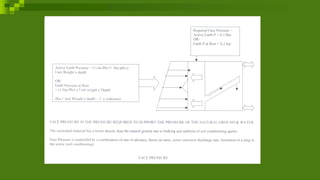
Face Pressures - control of face pressure to avoid stress relaxation & overexcavation
Weights / Volumes - assessment of weight based on range of in-situ density, assess likely use of soil conditioning
Instrument Plan - types & distribution of instruments based on predicted settlements and location of buildings, frequency of reading
Settlement Contours & Settlement Limits - assessment of extent of predicted settlement, allows a check to be carried out during
construction
Required Consolidation Works - building protection worked to prevent any adverse effects due to settlement.
High Risk Areas, Structures & utilities- indicated on drawings to advise of additional care/reporting
Anticipated Anomalies & Actions - Loss of face pressure, additional grout, overexcavation
Probing - predicted geology, tates of penetration
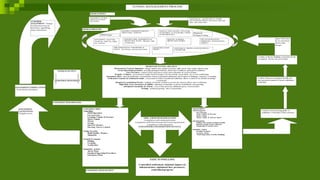
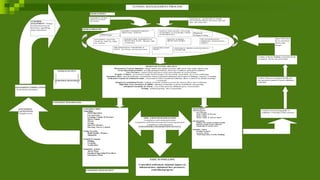
TUNNEL MANAGEMENT PROCESS
DESIGN INPUT
DESIGN PROCESS
DESIGN OUTPUT
CONSTRUCTION INPUT
CONSTRUCTION PROCESS
CONSTRUCTION OUTPUT
Input 'field data'
&/or correction
factors into
design
TBM - GROUND INTERACTION
Compliance with settlement limits
Compliance with Face Pressure & Grout requirements
Compliance with alignment
DAILY/WEEKLY BASISREVIEW OF DATA
TBM Design
Segment
Design/Lining
ALIGNMENT
VALIDATION -
Wriggle survey
ALIGNMENTVERIFICATION
- Track Work Validation
CONFIRM
ALIGNMENT - Design
modifiaction may be
necessary, signalling,
route restrictions.
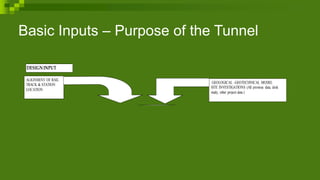
Basic Inputs – Purpose of the Tunnel
GEOLOGICAL -GEOTECHNICAL MODEL
SITE INVESTIGATIONS (All previous data, desk
study, other project data.)
ALIGNMENT OF RAIL
TRACK & STATION
LOCATION
DESIGNINPUT
Purpose and Alignment -(Why and Where)
 Tunnel – pedestrian, road, rail, metro, sewer, water,
utilities, drainage, hydropower, gas/oil storage, district
cooling/heating, ventilation, military installations
 Alignment – proximity to existing infrastructure, land take,
access, cover, future development
Ground Conditions
 Geological Survey – regional geology, pre-existing
tunnels, foundations, local knowledge, site investigations,
desk studies, topographical maps, aerial photographs,
literature searches
 Engineering geological considerations
 Geotechnical engineering aspects
 Previous Tunnelling Experience
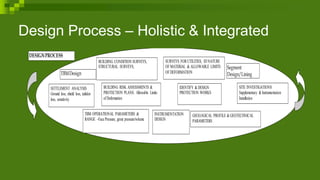
Design Process – Holistic & Integrated
IDENTIFY &DESIGN
PROTECTION WORKS
BUILDING RISK ASSESSMENTS &
PROTECTION PLANS. Allowable Limits
of Deformation
INSTRUMENTATION
DESIGN
SETTLEMENT ANALYSIS
Ground loss, shield loss, tailskin
loss, sensitivity
TBM OPERATIONAL PARAMETERS &
RANGE -Face Pressure, grout pressure/volume
SURVEYS FORUTILITIES, IDNATURE
OFMATERIAL & ALLOWABLE LIMITS
OFDEFORMATION
GEOLOGICAL PROFILE &GEOTECHNICAL
PARAMETERS
SITE INVESTIGATIONS
Supplementary &Instrumentation
Installation
BUILDING CONDITION SURVEYS,
STRUCTURAL SURVEYS,
DESIGNPROCESS
TBMDesign
Segment
Design/Lining
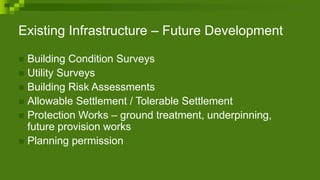
Existing Infrastructure – Future Development
 Building Condition Surveys
 Utility Surveys
 Building Risk Assessments
 Allowable Settlement / Tolerable Settlement
 Protection Works – ground treatment, underpinning,
future provision works
 Planning permission
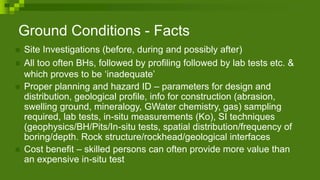
Ground Conditions - Facts
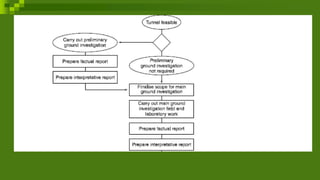
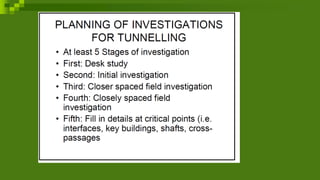
 Site Investigations (before, during and possibly after)
 All too often BHs, followed by profiling followed by lab tests etc. &
which proves to be ‘inadequate’
 Proper planning and hazard ID – parameters for design and
distribution, geological profile, info for construction (abrasion,
swelling ground, mineralogy, GWater chemistry, gas) sampling
required, lab tests, in-situ measurements (Ko), SI techniques
(geophysics/BH/Pits/In-situ tests, spatial distribution/frequency of
boring/depth. Rock structure/rockhead/geological interfaces
 Cost benefit – skilled persons can often provide more value than
an expensive in-situ test
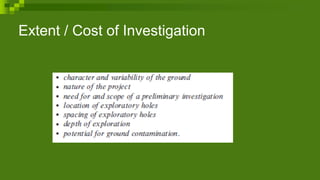
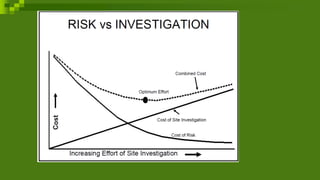
Extent / Cost of Investigation
“You paY for Your site
investigation whether you
have one or not”.
Site Investigation: It isn’t over till it’s over
 If there is a problem then the site investigations may
continue with a ‘forensic’ stage and related official
enquiry…
Ground Conditions - Interpretation
 Geotechnical Interpretative Report
 Design parameters, construction considerations, a prediction
 Strength, Permeability, Deformability, Distribution, Variability,
 Abrasivity, Hazards (voids, boulders, faults, geological hazards,
interfaces, stresses, water inflows)
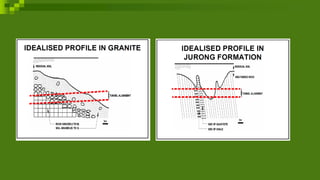
 Soil – Weak Rock – Hard rock
“GBR”
 Geotechnical Baseline Report for the settlement of
disputes as to what is and what is not foreseeable and
what the Contractor takes on as risk, and what the
Employer takes on.
 What the Contract says about the ground and how ‘varied
ground’ is paid for
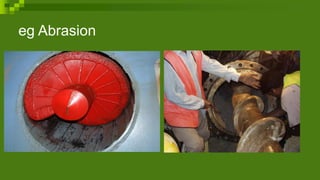
eg Abrasion
Tunnelling Method / Selection
 Type of tunnel and tunnel size
 Ground Conditions
 Contractor experience / preference
 Risk perception
 Tunnel length
 Time available
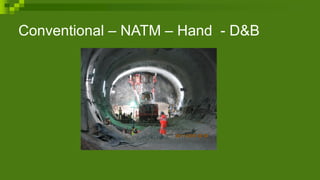
Conventional – NATM – Hand - D&B
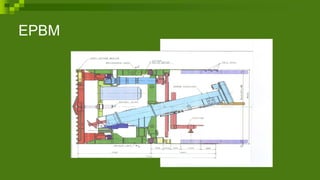
EPBM
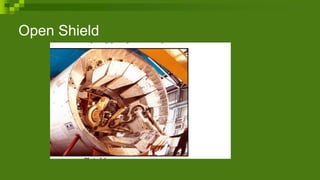
Open Shield
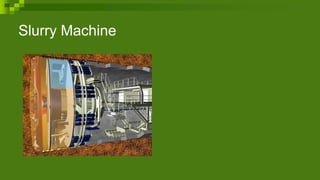
Slurry Machine
Lining Design –
 Temporary / Permanent
 Two Pass system
 One pass system
 Segment design
Settlement / Ground Movement
 Expected deformation
 Iteration with existing infrastructure
 Determines type and extent of any ground treatment
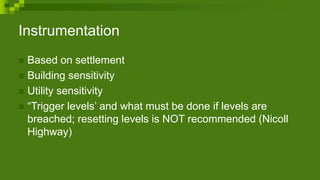
Instrumentation
 Based on settlement
 Building sensitivity
 Utility sensitivity
 “Trigger levels’ and what must be done if levels are
breached; resetting levels is NOT recommended (Nicoll
Highway)
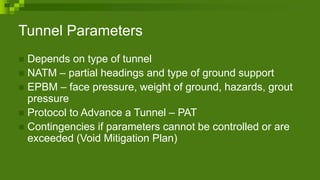
Tunnel Parameters
 Depends on type of tunnel
 NATM – partial headings and type of ground support
 EPBM – face pressure, weight of ground, hazards, grout
pressure
 Protocol to Advance a Tunnel – PAT
 Contingencies if parameters cannot be controlled or are
exceeded (Void Mitigation Plan)
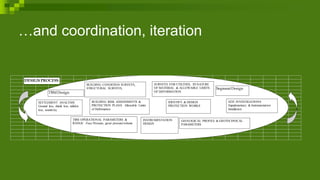
…and coordination, iteration
IDENTIFY & DESIGN
PROTECTION WORKS
BUILDING RISK ASSESSMENTS &
PROTECTION PLANS. Allowable Limits
of Deformation
INSTRUMENTATION
DESIGN
SETTLEMENT ANALYSIS
Ground loss, shield loss, tailskin
loss, sensitivity
TBM OPERATIONAL PARAMETERS &
RANGE -Face Pressure, grout pressure/volume
SURVEYS FOR UTILITIES, ID NATURE
OF MATERIAL & ALLOWABLE LIMITS
OF DEFORMATION
GEOLOGICAL PROFILE & GEOTECHNICAL
PARAMETERS
SITE INVESTIGATIONS
Supplementary & Instrumentation
Installation
BUILDING CONDITION SURVEYS,
STRUCTURAL SURVEYS,
DESIGN PROCESS
TBM Design
SegmentDesign
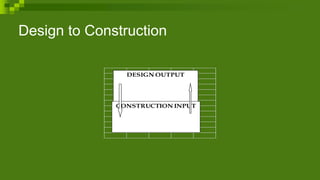
Design to Construction
DESIGN OUTPUT
CONSTRUCTION INPUT
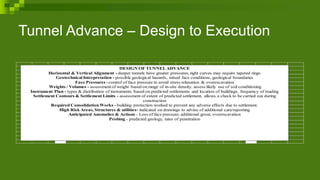
Tunnel Advance – Design to Execution
DESIGN OF TUNNELADVANCE
Horizontal & Vertical Alignment - deeper tunnels have greater pressures, tight curves may require tapered rings
Geotechnical Interpretation - possible geological hazards, mixed face conditions, geological boundaries
Face Pressures - control of face pressure to avoid stress relaxation & overexcavation
Weights / Volumes - assessment of weight based on range of in-situ density, assess likely use of soil conditioning
Instrument Plan - types & distribution of instruments based on predicted settlements and location of buildings, frequency of reading
Settlement Contours & Settlement Limits - assessment of extent of predicted settlement, allows a check to be carried out during
construction
Required ConsolidationWorks - building protection worked to prevent any adverse effects due to settlement.
High Risk Areas, Structures & utilities- indicated on drawings to advise of additional care/reporting
Anticipated Anomalies & Actions - Loss of face pressure, additional grout, overexcavation
Probing - predicted geology, tates of penetration
Horizontal & Vertical Alignment
 deeper tunnels have greater pressures
 tight curves may require tapered rings
 Articulated machines
Geotechnical Interpretation -
 Getting the stratigraphy, structure and distribution right.
 geological boundaries
 mixed face conditions
 possible geological hazards
Face Pressures
 Control of face pressure to avoid stress relaxation & over-
excavation
 Earth pressure
 Compressed air / interventions
Weights / Volumes
 - assessment of weight based on range of in-situ density,
assess likely use of soil conditioning
 Bulking factors
 Measurement methods (balances, optical scanner,
density, ‘muck skips’)
Settlement Contours & Settlement Limits
 Assessment of extent of predicted settlement, allows a
check to be carried out during construction
Instruments & Instrumentation Plan
 Types & distribution of instruments based on predicted
settlements and location of buildings, frequency of
readings
 Settlements points, prisms, targets
 Inclinometers, extensometers
 Piezometers
 Automated monitoring / Real Time / Automated
Communications
Required Consolidation / Treatment Works
 building protection worked to prevent any adverse effects
due to settlement.
 Compensation grouting
 Underpinning
 Spiling rods / forepoling / canopy tubes
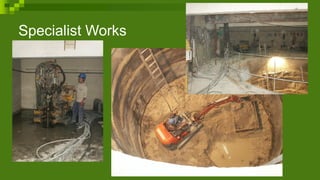
Specialist Works
High Risk Areas, Structures & Utilities-
 Indicated on drawings to advise of additional
care/reporting
 Third Party involvement (step in rights)
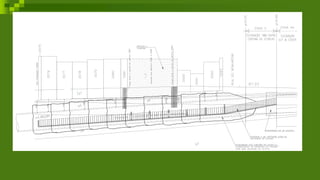
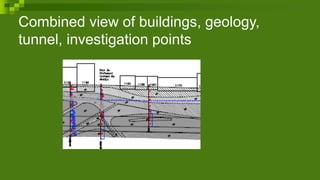
Combined view of buildings, geology,
tunnel, investigation points
Probing / Looking ahead
predicted geology, rates of penetration
Difficult ground / proximity to interfaces
Geophysical techniques (EM, seismic)
Anticipated Anomalies & Actions
Unexpected Conditions & Actions
Contingencies, Emergency Plan
 Loss of face pressure, additional grout, overexcavation
 Surface settlement, chimneys, ground loss
 Collapse
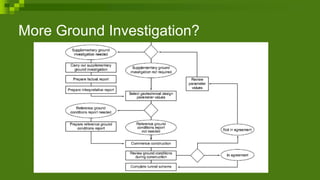
More Ground Investigation?
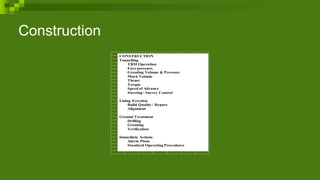
Construction
CONSTRUCTION
Tunnelling
TBM Operation
Face pressure,
Grouting Volume & Pressure
Muck Volume
Thrust
Torque
Speed of Advance
Steering / Survey Control
Lining Erection
Build Quality / Repars
Alignment
Ground Treatment
Drilling
Grouting
Verification
Immediate Actions
Alarm Plans
Standard Operating Procedures
Monitoring (Can’t manage/control what you
don’t measure)
MONITORING
TBM Parameters
Face Pressure
Grout Volume & Pressure
Muck Volume
Thrust, torque & Advance Speed
Instrumentation
Drilling Data against geological profile
Planned against actual settlement
Monitoring of Treated Areas
Immediate Actions
Reading Frequency
Accuracy checks
Visual Inspections of surface/buildings
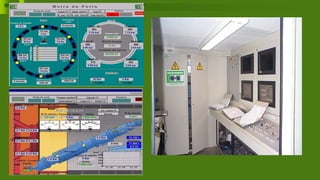
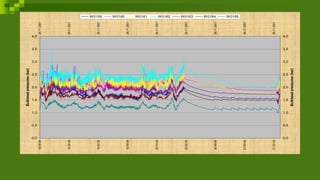
Records of Tunnelling
 Tunnel parameters that must be controlled to ensure
minimum impact on the ground and existing infrastructure.
0,0
0,5
1,0
1,5
2,0
2,5
3,0
3,5
4,0
19:09:06
19:25:46
19:42:26
19:59:06
20:15:46
20:32:26
20:49:06
21:05:46
21:22:26
Bulkheadpressures(bar)
0,0
0,5
1,0
1,5
2,0
2,5
3,0
3,5
4,0
29.11.2001
29.11.2001
29.11.2001
29.11.2001
29.11.2001
29.11.2001
29.11.2001
29.11.2001
29.11.2001
Bulkheadpressures(bar)
W0159 W0160 W0161 W0162 W0163 W0164 W0165
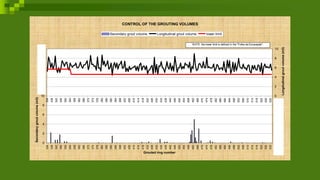
CONTROL OF THE GROUTING VOLUMES
0
2
4
6
8
10
12
14
16
18
20
334
338
342
346
350
354
358
362
366
370
374
378
382
386
390
394
398
402
406
410
414
418
422
426
430
434
438
442
446
450
454
458
462
466
470
474
478
482
486
490
494
498
502
506
510
514
518
522
526
530
Grouted ring number
Secondarygroutvolume(m3)
-10
-8
-6
-4
-2
0
2
4
6
8
10
334
338
342
346
350
354
358
362
366
370
374
378
382
386
390
394
398
402
406
410
414
418
422
426
430
434
438
442
446
450
454
458
462
466
470
474
478
482
486
490
494
498
502
506
510
514
518
522
526
530
Longitudinalgroutvolume(m3)
Secondary grout volume Longitudinal grout volume lower limit
NOTE: the lower limit is defined in the "Folha da Escavaçâo".
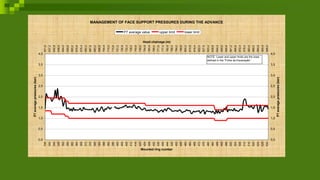
MANAGEMENT OF FACE SUPPORT PRESSURES DURING THE ADVANCE
0,0
0,5
1,0
1,5
2,0
2,5
3,0
3,5
4,0
336
340
344
348
352
356
360
364
368
372
376
380
384
388
392
396
400
404
408
412
416
420
424
428
432
436
440
444
448
452
456
460
464
468
472
476
480
484
488
492
496
500
504
508
512
516
520
524
528
532
Mounted ring number
P7averagepressures(bar)
0,0
0,5
1,0
1,5
2,0
2,5
3,0
3,5
4,0
631,6
637,2
642,8
648,4
654,0
659,6
665,2
670,8
676,4
682,0
687,6
693,2
698,8
704,4
710,0
715,6
721,2
726,8
732,4
738,0
743,6
749,2
754,8
760,4
766,0
771,6
777,2
782,8
788,4
794,0
799,6
805,2
810,8
816,4
822,0
827,6
833,2
838,8
844,4
850,0
855,6
861,2
866,8
872,4
878,0
883,6
889,2
894,8
900,4
906,0
Head chainage (m)
P7averagepressures(bar)
P7 average value upper limit lower limit
NOTE: Lower and upper limits are the ones
defined in the "Folha da Escavaçâo".
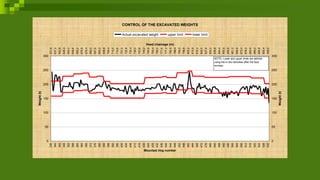
CONTROL OF THE EXCAVATED WEIGHTS
0
50
100
150
200
250
300
336
340
344
348
352
356
360
364
368
372
376
380
384
388
392
396
400
404
408
412
416
420
424
428
432
436
440
444
448
452
456
460
464
468
472
476
480
484
488
492
496
500
504
508
512
516
520
524
528
532
Mounted ring number
Weight(t)
0
50
100
150
200
250
300
631,6
637,2
642,8
648,4
654,0
659,6
665,2
670,8
676,4
682,0
687,6
693,2
698,8
704,4
710,0
715,6
721,2
726,8
732,4
738,0
743,6
749,2
754,8
760,4
766,0
771,6
777,2
782,8
788,4
794,0
799,6
805,2
810,8
816,4
822,0
827,6
833,2
838,8
844,4
850,0
855,6
861,2
866,8
872,4
878,0
883,6
889,2
894,8
900,4
906,0
Head chainage (m)
Weight(t)
Actual excavated weight upper limit lower limit
NOTE: Lower and upper limits are defined
using the in-situ densities after the face
surveys.
Key Parameters
 Pulse Blood pressure, temperature – NOT intensive care
all the time
 Too much data can result in analysis paralysis and
prevent timely decisions from being made.
 Keep your finger on the pulse!
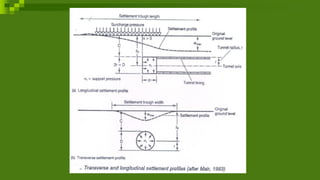
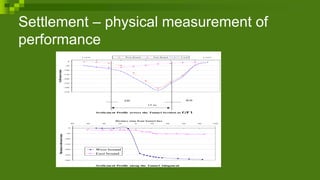
Settlement – physical measurement of
performance
Settlement Profile across the Tunnel Section at GF1
Settlement Profile along the Tunnel Alingment
-350
-300
-250
-200
-150
-100
-50
0
Settlement(mm)
West Bound East Bound T ot alL1247
EB WB
-300
-250
-200
-150
-100
-50
0
-100-80-60-40-20020406080
Distance away from Tunnel face
Maximumsettlement(mm)
West bound
East bound
L1257
15 m
Purpose of Instrumentation
 Confirm assumptions and apply a ‘field factor’ if required
 Revisit building assessments and need for possible
remediation works
Instrumentation & Monitoring
 Instrumentation and Monitoring (I&M) does NOT stop risk
 I&M allows risk to be seen
 Murphy’s Law – “accidents tend to happen where there
are no instruments”
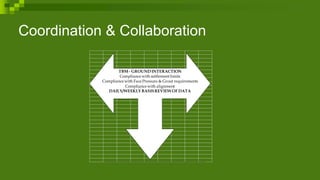
Coordination & Collaboration
SAFE TUNNELLING
TBM - GROUND INTERACTION
Compliance with settlementlimits
Compliance with Face Pressure & Grout requirements
Compliance with alignment
DAILY/WEEKLY BASISREVIEW OF DATA
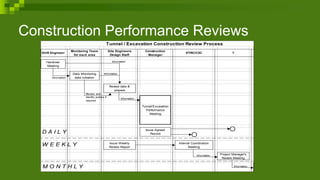
Construction Performance Reviews
Shift Engineer
Monitoring Team
for each area
Site Engineers
Design Staff
Construction
Manager
KTRC/C3C ?
Handover
Meeting
Daily Monitoring
data collation
Review data &
prepare
Tunnel/Excavation
Performance
Meeting
Issue Agreed
Record
Issue Weekly
Review Report
Internal Coordination
Meeting
Project Manager's
Review Meeting
Tunnel / Excavation Construction Review Process
D A I L Y
W E E K L Y
Information
Information
Information
Information
Information
Information
Review and
identify actions if
required
M O N T H L Y
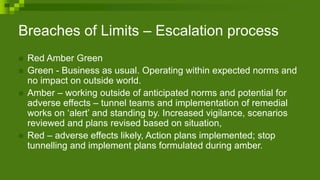
Breaches of Limits – Escalation process
 Red Amber Green
 Green - Business as usual. Operating within expected norms and
no impact on outside world.
 Amber – working outside of anticipated norms and potential for
adverse effects – tunnel teams and implementation of remedial
works on ‘alert’ and standing by. Increased vigilance, scenarios
reviewed and plans revised based on situation,
 Red – adverse effects likely, Action plans implemented; stop
tunnelling and implement plans formulated during amber.
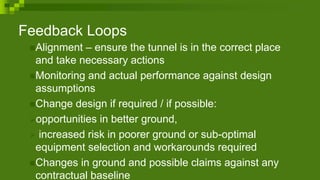
Feedback Loops
Alignment – ensure the tunnel is in the correct place
and take necessary actions
Monitoring and actual performance against design
assumptions
Change design if required / if possible:
➢opportunities in better ground,
➢ increased risk in poorer ground or sub-optimal
equipment selection and workarounds required
Changes in ground and possible claims against any
contractual baseline
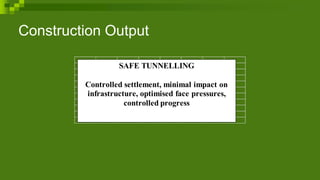
Construction Output
SAFE TUNNELLING
Controlled settlement, minimal impact on
infrastructure, optimised face pressures,
controlled progress
IDENTIFY & DESIGN
PROTECTION WORKS
GEOLOGICAL -GEOTECHNICAL MODEL
SITE INVESTIGATIONS (All previous data, desk
study, other project data.)
BUILDING RISK ASSESSMENTS &
PROTECTION PLANS. Allowable Limits
of Deformation
ALIGNMENT OF RAIL
TRACK & STATION
LOCATION
INSTRUMENTATION
DESIGN
SETTLEMENT ANALYSIS
Ground loss, shield loss, tailskin
loss, sensitivity
TBM OPERATIONAL PARAMETERS &
RANGE -Face Pressure, grout pressure/volume
SURVEYS FOR UTILITIES, ID NATURE
OF MATERIAL & ALLOWABLE LIMITS
OF DEFORMATION
GEOLOGICAL PROFILE & GEOTECHNICAL
PARAMETERS
SITE INVESTIGATIONS
Supplementary & Instrumentation
Installation
BUILDING CONDITION SURVEYS,
STRUCTURAL SURVEYS,
Confirm Extent and magnitude of
settlement, correctness of face pressure
Confirm /Reassess Geological profile and
face pressures required to ensure settlements
controlled.
Confirm or Revise Building protection Works
as required. Revise risk assessment
MONITORING
TBM Parameters
Face Pressure
Grout Volume & Pressure
Muck Volume
Thrust, torque & Advance Speed
Instrumentation
Drilling Data against geological profile
Planned against actual settlement
Monitoring of Treated Areas
Immediate Actions
Reading Frequency
Accuracy checks
Visual Inspections of surface/buildings
SAFE TUNNELLING
Controlled settlement, minimal impact on
infrastructure, optimised face pressures,
controlled progress
CONSTRUCTION
Tunnelling
TBM Operation
Face pressure,
Grouting Volume & Pressure
Muck Volume
Thrust
Torque
Speed of Advance
Steering / Survey Control
Lining Erection
Build Quality / Repars
Alignment
Ground Treatment
Drilling
Grouting
Verification
Immediate Actions
Alarm Plans
Standard Operating Procedures
Emergency Plans
DESIGN OF TUNNELADVANCE
Horizontal & Vertical Alignment - deeper tunnels have greater pressures, tight curves may require tapered rings
Geotechnical Interpretation - possible geological hazards, mixed face conditions, geological boundaries
Face Pressures - control of face pressure to avoid stress relaxation & overexcavation
Weights / Volumes - assessment of weight based on range of in-situ density, assess likely use of soil conditioning
Instrument Plan - types & distribution of instruments based on predicted settlements and location of buildings, frequency of reading
Settlement Contours & Settlement Limits - assessment of extent of predicted settlement, allows a check to be carried out during
construction
Required Consolidation Works - building protection worked to prevent any adverse effects due to settlement.
High Risk Areas, Structures & utilities- indicated on drawings to advise of additional care/reporting
Anticipated Anomalies & Actions - Loss of face pressure, additional grout, overexcavation
Probing - predicted geology, tates of penetration
TUNNEL MANAGEMENT PROCESS
DESIGN INPUT
DESIGN PROCESS
DESIGN OUTPUT
CONSTRUCTION INPUT
CONSTRUCTION PROCESS
CONSTRUCTION OUTPUT
Input 'field data'
&/or correction
factors into
design
TBM - GROUND INTERACTION
Compliance with settlement limits
Compliance with Face Pressure & Grout requirements
Compliance with alignment
DAILY/WEEKLY BASISREVIEW OF DATA
TBM Design
Segment
Design/Lining
ALIGNMENT
VALIDATION -
Wriggle survey
ALIGNMENTVERIFICATION
- Track Work Validation
CONFIRM
ALIGNMENT - Design
modifiaction may be
necessary, signalling,
route restrictions.
Holistic View
 Many specialist areas contribute to the tunnel design
 Many views and opinions
 Many data sources
 Lots of data available
 Multiple stakeholders along the alignment and through the
process
 One error can be enough to be catastrophic!!
Tunnelling process for Safety in design and construction

Tunnelling process for Safety in design and construction

  • 1.
  • 2.
    Management Processes Demming Cycle- PDCA Plan – Execute – Monitor/Control - Adjust Inputs – Process(es) – Output
  • 3.
    IDENTIFY & DESIGN PROTECTIONWORKS GEOLOGICAL -GEOTECHNICAL MODEL SITE INVESTIGATIONS (All previous data, desk study, other project data.) BUILDING RISK ASSESSMENTS & PROTECTION PLANS. Allowable Limits of Deformation ALIGNMENT OF RAIL TRACK & STATION LOCATION INSTRUMENTATION DESIGN SETTLEMENT ANALYSIS Ground loss, shield loss, tailskin loss, sensitivity TBM OPERATIONAL PARAMETERS & RANGE -Face Pressure, grout pressure/volume SURVEYS FOR UTILITIES, ID NATURE OF MATERIAL & ALLOWABLE LIMITS OF DEFORMATION GEOLOGICAL PROFILE & GEOTECHNICAL PARAMETERS SITE INVESTIGATIONS Supplementary & Instrumentation Installation BUILDING CONDITION SURVEYS, STRUCTURAL SURVEYS, Confirm Extent and magnitude of settlement, correctness of face pressure Confirm /Reassess Geological profile and face pressures required to ensure settlements controlled. Confirm or Revise Building protection Works as required. Revise risk assessment MONITORING TBM Parameters Face Pressure Grout Volume & Pressure Muck Volume Thrust, torque & Advance Speed Instrumentation Drilling Data against geological profile Planned against actual settlement Monitoring of Treated Areas Immediate Actions Reading Frequency Accuracy checks Visual Inspections of surface/buildings SAFE TUNNELLING Controlled settlement, minimal impact on infrastructure, optimised face pressures, controlled progress CONSTRUCTION Tunnelling TBM Operation Face pressure, Grouting Volume & Pressure Muck Volume Thrust Torque Speed of Advance Steering / Survey Control Lining Erection Build Quality / Repars Alignment Ground Treatment Drilling Grouting Verification Immediate Actions Alarm Plans Standard Operating Procedures Emergency Plans DESIGN OF TUNNELADVANCE Horizontal & Vertical Alignment - deeper tunnels have greater pressures, tight curves may require tapered rings Geotechnical Interpretation - possible geological hazards, mixed face conditions, geological boundaries Face Pressures - control of face pressure to avoid stress relaxation & overexcavation Weights / Volumes - assessment of weight based on range of in-situ density, assess likely use of soil conditioning Instrument Plan - types & distribution of instruments based on predicted settlements and location of buildings, frequency of reading Settlement Contours & Settlement Limits - assessment of extent of predicted settlement, allows a check to be carried out during construction Required Consolidation Works - building protection worked to prevent any adverse effects due to settlement. High Risk Areas, Structures & utilities- indicated on drawings to advise of additional care/reporting Anticipated Anomalies & Actions - Loss of face pressure, additional grout, overexcavation Probing - predicted geology, tates of penetration TUNNEL MANAGEMENT PROCESS DESIGN INPUT DESIGN PROCESS DESIGN OUTPUT CONSTRUCTION INPUT CONSTRUCTION PROCESS CONSTRUCTION OUTPUT Input 'field data' &/or correction factors into design TBM - GROUND INTERACTION Compliance with settlement limits Compliance with Face Pressure & Grout requirements Compliance with alignment DAILY/WEEKLY BASISREVIEW OF DATA TBM Design Segment Design/Lining ALIGNMENT VALIDATION - Wriggle survey ALIGNMENTVERIFICATION - Track Work Validation CONFIRM ALIGNMENT - Design modifiaction may be necessary, signalling, route restrictions.
  • 4.
    Basic Inputs –Purpose of the Tunnel GEOLOGICAL -GEOTECHNICAL MODEL SITE INVESTIGATIONS (All previous data, desk study, other project data.) ALIGNMENT OF RAIL TRACK & STATION LOCATION DESIGNINPUT
  • 7.
    Purpose and Alignment-(Why and Where)  Tunnel – pedestrian, road, rail, metro, sewer, water, utilities, drainage, hydropower, gas/oil storage, district cooling/heating, ventilation, military installations  Alignment – proximity to existing infrastructure, land take, access, cover, future development
  • 8.
    Ground Conditions  GeologicalSurvey – regional geology, pre-existing tunnels, foundations, local knowledge, site investigations, desk studies, topographical maps, aerial photographs, literature searches  Engineering geological considerations  Geotechnical engineering aspects  Previous Tunnelling Experience
  • 9.
    Design Process –Holistic & Integrated IDENTIFY &DESIGN PROTECTION WORKS BUILDING RISK ASSESSMENTS & PROTECTION PLANS. Allowable Limits of Deformation INSTRUMENTATION DESIGN SETTLEMENT ANALYSIS Ground loss, shield loss, tailskin loss, sensitivity TBM OPERATIONAL PARAMETERS & RANGE -Face Pressure, grout pressure/volume SURVEYS FORUTILITIES, IDNATURE OFMATERIAL & ALLOWABLE LIMITS OFDEFORMATION GEOLOGICAL PROFILE &GEOTECHNICAL PARAMETERS SITE INVESTIGATIONS Supplementary &Instrumentation Installation BUILDING CONDITION SURVEYS, STRUCTURAL SURVEYS, DESIGNPROCESS TBMDesign Segment Design/Lining
  • 10.
    Existing Infrastructure –Future Development  Building Condition Surveys  Utility Surveys  Building Risk Assessments  Allowable Settlement / Tolerable Settlement  Protection Works – ground treatment, underpinning, future provision works  Planning permission
  • 11.
    Ground Conditions -Facts  Site Investigations (before, during and possibly after)  All too often BHs, followed by profiling followed by lab tests etc. & which proves to be ‘inadequate’  Proper planning and hazard ID – parameters for design and distribution, geological profile, info for construction (abrasion, swelling ground, mineralogy, GWater chemistry, gas) sampling required, lab tests, in-situ measurements (Ko), SI techniques (geophysics/BH/Pits/In-situ tests, spatial distribution/frequency of boring/depth. Rock structure/rockhead/geological interfaces  Cost benefit – skilled persons can often provide more value than an expensive in-situ test
  • 12.
    Extent / Costof Investigation
  • 14.
    “You paY forYour site investigation whether you have one or not”.
  • 17.
    Site Investigation: Itisn’t over till it’s over  If there is a problem then the site investigations may continue with a ‘forensic’ stage and related official enquiry…
  • 18.
    Ground Conditions -Interpretation  Geotechnical Interpretative Report  Design parameters, construction considerations, a prediction  Strength, Permeability, Deformability, Distribution, Variability,  Abrasivity, Hazards (voids, boulders, faults, geological hazards, interfaces, stresses, water inflows)  Soil – Weak Rock – Hard rock
  • 20.
    “GBR”  Geotechnical BaselineReport for the settlement of disputes as to what is and what is not foreseeable and what the Contractor takes on as risk, and what the Employer takes on.  What the Contract says about the ground and how ‘varied ground’ is paid for
  • 21.
  • 22.
    Tunnelling Method /Selection  Type of tunnel and tunnel size  Ground Conditions  Contractor experience / preference  Risk perception  Tunnel length  Time available
  • 23.
    Conventional – NATM– Hand - D&B
  • 24.
  • 25.
  • 26.
  • 27.
    Lining Design – Temporary / Permanent  Two Pass system  One pass system  Segment design
  • 28.
    Settlement / GroundMovement  Expected deformation  Iteration with existing infrastructure  Determines type and extent of any ground treatment
  • 31.
    Instrumentation  Based onsettlement  Building sensitivity  Utility sensitivity  “Trigger levels’ and what must be done if levels are breached; resetting levels is NOT recommended (Nicoll Highway)
  • 32.
    Tunnel Parameters  Dependson type of tunnel  NATM – partial headings and type of ground support  EPBM – face pressure, weight of ground, hazards, grout pressure  Protocol to Advance a Tunnel – PAT  Contingencies if parameters cannot be controlled or are exceeded (Void Mitigation Plan)
  • 33.
    …and coordination, iteration IDENTIFY& DESIGN PROTECTION WORKS BUILDING RISK ASSESSMENTS & PROTECTION PLANS. Allowable Limits of Deformation INSTRUMENTATION DESIGN SETTLEMENT ANALYSIS Ground loss, shield loss, tailskin loss, sensitivity TBM OPERATIONAL PARAMETERS & RANGE -Face Pressure, grout pressure/volume SURVEYS FOR UTILITIES, ID NATURE OF MATERIAL & ALLOWABLE LIMITS OF DEFORMATION GEOLOGICAL PROFILE & GEOTECHNICAL PARAMETERS SITE INVESTIGATIONS Supplementary & Instrumentation Installation BUILDING CONDITION SURVEYS, STRUCTURAL SURVEYS, DESIGN PROCESS TBM Design SegmentDesign
  • 34.
    Design to Construction DESIGNOUTPUT CONSTRUCTION INPUT
  • 35.
    Tunnel Advance –Design to Execution DESIGN OF TUNNELADVANCE Horizontal & Vertical Alignment - deeper tunnels have greater pressures, tight curves may require tapered rings Geotechnical Interpretation - possible geological hazards, mixed face conditions, geological boundaries Face Pressures - control of face pressure to avoid stress relaxation & overexcavation Weights / Volumes - assessment of weight based on range of in-situ density, assess likely use of soil conditioning Instrument Plan - types & distribution of instruments based on predicted settlements and location of buildings, frequency of reading Settlement Contours & Settlement Limits - assessment of extent of predicted settlement, allows a check to be carried out during construction Required ConsolidationWorks - building protection worked to prevent any adverse effects due to settlement. High Risk Areas, Structures & utilities- indicated on drawings to advise of additional care/reporting Anticipated Anomalies & Actions - Loss of face pressure, additional grout, overexcavation Probing - predicted geology, tates of penetration
  • 36.
    Horizontal & VerticalAlignment  deeper tunnels have greater pressures  tight curves may require tapered rings  Articulated machines
  • 37.
    Geotechnical Interpretation - Getting the stratigraphy, structure and distribution right.  geological boundaries  mixed face conditions  possible geological hazards
  • 38.
    Face Pressures  Controlof face pressure to avoid stress relaxation & over- excavation  Earth pressure  Compressed air / interventions
  • 40.
    Weights / Volumes - assessment of weight based on range of in-situ density, assess likely use of soil conditioning  Bulking factors  Measurement methods (balances, optical scanner, density, ‘muck skips’)
  • 41.
    Settlement Contours &Settlement Limits  Assessment of extent of predicted settlement, allows a check to be carried out during construction
  • 42.
    Instruments & InstrumentationPlan  Types & distribution of instruments based on predicted settlements and location of buildings, frequency of readings  Settlements points, prisms, targets  Inclinometers, extensometers  Piezometers  Automated monitoring / Real Time / Automated Communications
  • 43.
    Required Consolidation /Treatment Works  building protection worked to prevent any adverse effects due to settlement.  Compensation grouting  Underpinning  Spiling rods / forepoling / canopy tubes
  • 44.
  • 47.
    High Risk Areas,Structures & Utilities-  Indicated on drawings to advise of additional care/reporting  Third Party involvement (step in rights)
  • 48.
    Combined view ofbuildings, geology, tunnel, investigation points
  • 49.
    Probing / Lookingahead predicted geology, rates of penetration Difficult ground / proximity to interfaces Geophysical techniques (EM, seismic)
  • 50.
    Anticipated Anomalies &Actions Unexpected Conditions & Actions Contingencies, Emergency Plan  Loss of face pressure, additional grout, overexcavation  Surface settlement, chimneys, ground loss  Collapse
  • 51.
  • 52.
    Construction CONSTRUCTION Tunnelling TBM Operation Face pressure, GroutingVolume & Pressure Muck Volume Thrust Torque Speed of Advance Steering / Survey Control Lining Erection Build Quality / Repars Alignment Ground Treatment Drilling Grouting Verification Immediate Actions Alarm Plans Standard Operating Procedures
  • 55.
    Monitoring (Can’t manage/controlwhat you don’t measure) MONITORING TBM Parameters Face Pressure Grout Volume & Pressure Muck Volume Thrust, torque & Advance Speed Instrumentation Drilling Data against geological profile Planned against actual settlement Monitoring of Treated Areas Immediate Actions Reading Frequency Accuracy checks Visual Inspections of surface/buildings
  • 56.
    Records of Tunnelling Tunnel parameters that must be controlled to ensure minimum impact on the ground and existing infrastructure.
  • 58.
  • 59.
    CONTROL OF THEGROUTING VOLUMES 0 2 4 6 8 10 12 14 16 18 20 334 338 342 346 350 354 358 362 366 370 374 378 382 386 390 394 398 402 406 410 414 418 422 426 430 434 438 442 446 450 454 458 462 466 470 474 478 482 486 490 494 498 502 506 510 514 518 522 526 530 Grouted ring number Secondarygroutvolume(m3) -10 -8 -6 -4 -2 0 2 4 6 8 10 334 338 342 346 350 354 358 362 366 370 374 378 382 386 390 394 398 402 406 410 414 418 422 426 430 434 438 442 446 450 454 458 462 466 470 474 478 482 486 490 494 498 502 506 510 514 518 522 526 530 Longitudinalgroutvolume(m3) Secondary grout volume Longitudinal grout volume lower limit NOTE: the lower limit is defined in the "Folha da Escavaçâo".
  • 60.
    MANAGEMENT OF FACESUPPORT PRESSURES DURING THE ADVANCE 0,0 0,5 1,0 1,5 2,0 2,5 3,0 3,5 4,0 336 340 344 348 352 356 360 364 368 372 376 380 384 388 392 396 400 404 408 412 416 420 424 428 432 436 440 444 448 452 456 460 464 468 472 476 480 484 488 492 496 500 504 508 512 516 520 524 528 532 Mounted ring number P7averagepressures(bar) 0,0 0,5 1,0 1,5 2,0 2,5 3,0 3,5 4,0 631,6 637,2 642,8 648,4 654,0 659,6 665,2 670,8 676,4 682,0 687,6 693,2 698,8 704,4 710,0 715,6 721,2 726,8 732,4 738,0 743,6 749,2 754,8 760,4 766,0 771,6 777,2 782,8 788,4 794,0 799,6 805,2 810,8 816,4 822,0 827,6 833,2 838,8 844,4 850,0 855,6 861,2 866,8 872,4 878,0 883,6 889,2 894,8 900,4 906,0 Head chainage (m) P7averagepressures(bar) P7 average value upper limit lower limit NOTE: Lower and upper limits are the ones defined in the "Folha da Escavaçâo".
  • 61.
    CONTROL OF THEEXCAVATED WEIGHTS 0 50 100 150 200 250 300 336 340 344 348 352 356 360 364 368 372 376 380 384 388 392 396 400 404 408 412 416 420 424 428 432 436 440 444 448 452 456 460 464 468 472 476 480 484 488 492 496 500 504 508 512 516 520 524 528 532 Mounted ring number Weight(t) 0 50 100 150 200 250 300 631,6 637,2 642,8 648,4 654,0 659,6 665,2 670,8 676,4 682,0 687,6 693,2 698,8 704,4 710,0 715,6 721,2 726,8 732,4 738,0 743,6 749,2 754,8 760,4 766,0 771,6 777,2 782,8 788,4 794,0 799,6 805,2 810,8 816,4 822,0 827,6 833,2 838,8 844,4 850,0 855,6 861,2 866,8 872,4 878,0 883,6 889,2 894,8 900,4 906,0 Head chainage (m) Weight(t) Actual excavated weight upper limit lower limit NOTE: Lower and upper limits are defined using the in-situ densities after the face surveys.
  • 63.
    Key Parameters  PulseBlood pressure, temperature – NOT intensive care all the time  Too much data can result in analysis paralysis and prevent timely decisions from being made.  Keep your finger on the pulse!
  • 64.
    Settlement – physicalmeasurement of performance Settlement Profile across the Tunnel Section at GF1 Settlement Profile along the Tunnel Alingment -350 -300 -250 -200 -150 -100 -50 0 Settlement(mm) West Bound East Bound T ot alL1247 EB WB -300 -250 -200 -150 -100 -50 0 -100-80-60-40-20020406080 Distance away from Tunnel face Maximumsettlement(mm) West bound East bound L1257 15 m
  • 65.
    Purpose of Instrumentation Confirm assumptions and apply a ‘field factor’ if required  Revisit building assessments and need for possible remediation works
  • 66.
    Instrumentation & Monitoring Instrumentation and Monitoring (I&M) does NOT stop risk  I&M allows risk to be seen  Murphy’s Law – “accidents tend to happen where there are no instruments”
  • 69.
    Coordination & Collaboration SAFETUNNELLING TBM - GROUND INTERACTION Compliance with settlementlimits Compliance with Face Pressure & Grout requirements Compliance with alignment DAILY/WEEKLY BASISREVIEW OF DATA
  • 70.
    Construction Performance Reviews ShiftEngineer Monitoring Team for each area Site Engineers Design Staff Construction Manager KTRC/C3C ? Handover Meeting Daily Monitoring data collation Review data & prepare Tunnel/Excavation Performance Meeting Issue Agreed Record Issue Weekly Review Report Internal Coordination Meeting Project Manager's Review Meeting Tunnel / Excavation Construction Review Process D A I L Y W E E K L Y Information Information Information Information Information Information Review and identify actions if required M O N T H L Y
  • 71.
    Breaches of Limits– Escalation process  Red Amber Green  Green - Business as usual. Operating within expected norms and no impact on outside world.  Amber – working outside of anticipated norms and potential for adverse effects – tunnel teams and implementation of remedial works on ‘alert’ and standing by. Increased vigilance, scenarios reviewed and plans revised based on situation,  Red – adverse effects likely, Action plans implemented; stop tunnelling and implement plans formulated during amber.
  • 72.
    Feedback Loops Alignment –ensure the tunnel is in the correct place and take necessary actions Monitoring and actual performance against design assumptions Change design if required / if possible: ➢opportunities in better ground, ➢ increased risk in poorer ground or sub-optimal equipment selection and workarounds required Changes in ground and possible claims against any contractual baseline
  • 73.
    Construction Output SAFE TUNNELLING Controlledsettlement, minimal impact on infrastructure, optimised face pressures, controlled progress
  • 74.
    IDENTIFY & DESIGN PROTECTIONWORKS GEOLOGICAL -GEOTECHNICAL MODEL SITE INVESTIGATIONS (All previous data, desk study, other project data.) BUILDING RISK ASSESSMENTS & PROTECTION PLANS. Allowable Limits of Deformation ALIGNMENT OF RAIL TRACK & STATION LOCATION INSTRUMENTATION DESIGN SETTLEMENT ANALYSIS Ground loss, shield loss, tailskin loss, sensitivity TBM OPERATIONAL PARAMETERS & RANGE -Face Pressure, grout pressure/volume SURVEYS FOR UTILITIES, ID NATURE OF MATERIAL & ALLOWABLE LIMITS OF DEFORMATION GEOLOGICAL PROFILE & GEOTECHNICAL PARAMETERS SITE INVESTIGATIONS Supplementary & Instrumentation Installation BUILDING CONDITION SURVEYS, STRUCTURAL SURVEYS, Confirm Extent and magnitude of settlement, correctness of face pressure Confirm /Reassess Geological profile and face pressures required to ensure settlements controlled. Confirm or Revise Building protection Works as required. Revise risk assessment MONITORING TBM Parameters Face Pressure Grout Volume & Pressure Muck Volume Thrust, torque & Advance Speed Instrumentation Drilling Data against geological profile Planned against actual settlement Monitoring of Treated Areas Immediate Actions Reading Frequency Accuracy checks Visual Inspections of surface/buildings SAFE TUNNELLING Controlled settlement, minimal impact on infrastructure, optimised face pressures, controlled progress CONSTRUCTION Tunnelling TBM Operation Face pressure, Grouting Volume & Pressure Muck Volume Thrust Torque Speed of Advance Steering / Survey Control Lining Erection Build Quality / Repars Alignment Ground Treatment Drilling Grouting Verification Immediate Actions Alarm Plans Standard Operating Procedures Emergency Plans DESIGN OF TUNNELADVANCE Horizontal & Vertical Alignment - deeper tunnels have greater pressures, tight curves may require tapered rings Geotechnical Interpretation - possible geological hazards, mixed face conditions, geological boundaries Face Pressures - control of face pressure to avoid stress relaxation & overexcavation Weights / Volumes - assessment of weight based on range of in-situ density, assess likely use of soil conditioning Instrument Plan - types & distribution of instruments based on predicted settlements and location of buildings, frequency of reading Settlement Contours & Settlement Limits - assessment of extent of predicted settlement, allows a check to be carried out during construction Required Consolidation Works - building protection worked to prevent any adverse effects due to settlement. High Risk Areas, Structures & utilities- indicated on drawings to advise of additional care/reporting Anticipated Anomalies & Actions - Loss of face pressure, additional grout, overexcavation Probing - predicted geology, tates of penetration TUNNEL MANAGEMENT PROCESS DESIGN INPUT DESIGN PROCESS DESIGN OUTPUT CONSTRUCTION INPUT CONSTRUCTION PROCESS CONSTRUCTION OUTPUT Input 'field data' &/or correction factors into design TBM - GROUND INTERACTION Compliance with settlement limits Compliance with Face Pressure & Grout requirements Compliance with alignment DAILY/WEEKLY BASISREVIEW OF DATA TBM Design Segment Design/Lining ALIGNMENT VALIDATION - Wriggle survey ALIGNMENTVERIFICATION - Track Work Validation CONFIRM ALIGNMENT - Design modifiaction may be necessary, signalling, route restrictions.
  • 75.
    Holistic View  Manyspecialist areas contribute to the tunnel design  Many views and opinions  Many data sources  Lots of data available  Multiple stakeholders along the alignment and through the process  One error can be enough to be catastrophic!!