Transition
Curriculum
Packages
DO NO.021,S2020
REPORTERS:
MA. SHARON A. ROQUE
KRISTINE JOY B. CONCEPCION
Transition
refers to the act by which an
LWD passes from one learning
environment or entry point
(i.e., home) to another (i.e.,
formal school) throughout his
or her developmental life
span.
Transition Curriculum
is part of the K to 12 basic education
curriculum specially designed to develop
the LWD’s indispensable life skills
regardless of a person’s level of
functioning or the degree of severity of
his or her disability.
Transition Program
refers to the educational
program in support to the
transition of learners with
disabilities. This covers the
Transition Curriculum and other
policies for this purpose.
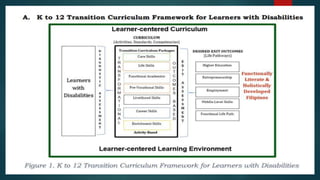
Figure 1 illustrates the transition curriculum
framework, which considers the needs, nature,
abilities, capacities, and interests of the learners.
Thus, it is important to conduct diagnostic
assessment to assess the individual capacity and
ability of the learners to be part of the transition
program. The result of this diagnostic assessment
will guide the teachers in giving academic advice and
in developing the learners’ individualized
transition program (ITP).
K to 12 Transition
Curriculum Packages
a. The Care skills package contains the
fundamental competencies that will enable
LWDs to perform independently and
develop their potentials to the fullest. This
addresses the needs of LWDs who are not
yet capable of or does not have any training
in basic self-care, as well as those learners
who are considered at risk.
K to 12 Transition Curriculum
Packages
b. The Life Skills Package primes the learners for living
independent, productive, purposeful, and fulfilling lives. It
allows LWDs to operate independently at home or in
community settings, and to take control over their own
lives. It contains the basic skills that will prepare and help
the learners in coping with the challenges and demands of
everyday life. These skills are designed to equip LWDs with
the necessary skills to become independent, participative,
empowered, and productive members of society.
K to 12 Transition
Curriculum Packages
c. The Functional Academics Package focuses on basic academic
skills necessary for the enhancement of the learner’s participation
in school and in the community. It focuses on skills required in
everyday life and incorporates the student’s strengths and needs.
This package is for learners who are deemed ready to take up
academic subjects. Functional academics are essential for LWDs
who may not be able to learn age- and grade appropriate
academics as they will be used by these LWDs for the rest of their
lives.
K to 12 Transition
Curriculum Packages
d. The Pre-Vocational Package prepares and trains
LWDs for livelihood, vocational training, or possible
employment. This package is designed to assess and
provide opportunities for LWDs to hone their
individual talents, skills, abilities, strengths, and
interests. These skills will lead to the development of
the LWD’s knowledge on entrepreneurial and
livelihood concepts and skills.
K to 12 Transition
Curriculum Packages
e. The Enrichment Package provides the learners with opportunities
to explore their talents and skills in Music, Arts, Dance, and Sports.
This package aims to cater to the learners’ unique gifts or abilities.
This is an expression of DepEd’s commitment to provide LWDs with
opportunities designed to enrich, sustain, engage, and ensure their
continued growth by harnessing their innate abilities and talents
specifically in singing, playing musical instruments, appreciating
body movements, expressing themselves through artistic creations,
or enhancing their abilities in a specific sport.
K to 12 Transition
Curriculum Packages
f. The Livelihood Package entails a specialized instruction to
support and provide subsistence, and identify sources of
income and assistance to learners to find appropriate means
of living. This focuses on the development of skills and
competencies geared towards self-fulfillment and possible
entrepreneurial endeavors, and covers useful topics which
may be mastered by the learner in order to put up his or her
own business enterprise.
K to 12 Transition
Curriculum Packages
g. The Career Skills Package is designed to assist students in
learning the skills and attitudes necessary to be successful. It
emphasizes decision making, skill development, and awareness
and exploration of future educational and occupational
possibilities. The program also stresses the development of self-
concept and the acquisition of skills in developing interpersonal
relationships. It includes career awareness, employment readiness,
career information, career goals, knowledge to achieve career
goals, and skills to achieve career goals.
Implementation of the K to 12
Transition Curriculum for LWDs
a. Learners entry points. The transition program may accommodate all learners with
disabilities, including adult learners, regardless of their entry point, i.e. whether they are
starting from the home, from a mainstream class, or from a SPED center, based on the results
of appropriate assessment/s. i. Home. This entry point is for LWDs who have no formal school
experience. If necessary, learners under this category may take up Care Skills and Life Skills
packages, before taking up other skills offered under the transition curriculum. ii. School. This
entry point is for learners who have already experienced learning in the regular classroom but
was eventually identified to require careful transition and assistance for any valid reason (i.e.,
accident, recent diagnosis of special need, or other circumstance). iii. SPED Center/Classes.
This entry point is for LWDs who have shown progress and improvement as evidenced by the
reports coming from their ITPs and SPED teachers. Such learners may take up any of the
offerings under the transition curriculum to prepare them for inclusion classes.
Implementation of the K to 12
Transition Curriculum for LWDs
b. Desired exit outcomes or life pathways. The curriculum is designed and developed
to prepare every LWD for five (5) possible exit outcomes or life pathways:
i. Higher Education. LWDs who will proceed to this exit are assumed ready to take up
academic subjects and continue to further education.
ii. Entrepreneurship. LWDs who will proceed to this exit should be able to acquire
entrepreneurial knowledge, skills and attitudes to make them able to run a small
business.
iii. Employment. LWDs who will proceed to this exit should be able to acquire employability
knowledge, skills and attitudes enabling them to enter the world of work.
iv. Middle Level Skills. LWDs who will proceed to this exit should be able to demonstrate
his/her specialized skills/talent both in the world of work and/or business.
v. Functional Life Path. LWDs who will proceed to this exit are those diagnosed and/or
assessed with severe to profound disabilities who need to develop competencies that
will enable them to live independently in the community and in the society.
Implementation of the K to 12
Transition Curriculum for LWDs
c. Matching learners to a
learning package
d. Learning Delivery and Exit
e. Collaboration with
stakeholders.
Thank You for
Listening!

Transition-Curriculum-Packages.pptx

  • 1.
  • 3.
    Transition refers to theact by which an LWD passes from one learning environment or entry point (i.e., home) to another (i.e., formal school) throughout his or her developmental life span.
  • 4.
    Transition Curriculum is partof the K to 12 basic education curriculum specially designed to develop the LWD’s indispensable life skills regardless of a person’s level of functioning or the degree of severity of his or her disability.
  • 5.
    Transition Program refers tothe educational program in support to the transition of learners with disabilities. This covers the Transition Curriculum and other policies for this purpose.
  • 7.
    Figure 1 illustratesthe transition curriculum framework, which considers the needs, nature, abilities, capacities, and interests of the learners. Thus, it is important to conduct diagnostic assessment to assess the individual capacity and ability of the learners to be part of the transition program. The result of this diagnostic assessment will guide the teachers in giving academic advice and in developing the learners’ individualized transition program (ITP).
  • 8.
    K to 12Transition Curriculum Packages a. The Care skills package contains the fundamental competencies that will enable LWDs to perform independently and develop their potentials to the fullest. This addresses the needs of LWDs who are not yet capable of or does not have any training in basic self-care, as well as those learners who are considered at risk.
  • 9.
    K to 12Transition Curriculum Packages b. The Life Skills Package primes the learners for living independent, productive, purposeful, and fulfilling lives. It allows LWDs to operate independently at home or in community settings, and to take control over their own lives. It contains the basic skills that will prepare and help the learners in coping with the challenges and demands of everyday life. These skills are designed to equip LWDs with the necessary skills to become independent, participative, empowered, and productive members of society.
  • 10.
    K to 12Transition Curriculum Packages c. The Functional Academics Package focuses on basic academic skills necessary for the enhancement of the learner’s participation in school and in the community. It focuses on skills required in everyday life and incorporates the student’s strengths and needs. This package is for learners who are deemed ready to take up academic subjects. Functional academics are essential for LWDs who may not be able to learn age- and grade appropriate academics as they will be used by these LWDs for the rest of their lives.
  • 11.
    K to 12Transition Curriculum Packages d. The Pre-Vocational Package prepares and trains LWDs for livelihood, vocational training, or possible employment. This package is designed to assess and provide opportunities for LWDs to hone their individual talents, skills, abilities, strengths, and interests. These skills will lead to the development of the LWD’s knowledge on entrepreneurial and livelihood concepts and skills.
  • 12.
    K to 12Transition Curriculum Packages e. The Enrichment Package provides the learners with opportunities to explore their talents and skills in Music, Arts, Dance, and Sports. This package aims to cater to the learners’ unique gifts or abilities. This is an expression of DepEd’s commitment to provide LWDs with opportunities designed to enrich, sustain, engage, and ensure their continued growth by harnessing their innate abilities and talents specifically in singing, playing musical instruments, appreciating body movements, expressing themselves through artistic creations, or enhancing their abilities in a specific sport.
  • 13.
    K to 12Transition Curriculum Packages f. The Livelihood Package entails a specialized instruction to support and provide subsistence, and identify sources of income and assistance to learners to find appropriate means of living. This focuses on the development of skills and competencies geared towards self-fulfillment and possible entrepreneurial endeavors, and covers useful topics which may be mastered by the learner in order to put up his or her own business enterprise.
  • 14.
    K to 12Transition Curriculum Packages g. The Career Skills Package is designed to assist students in learning the skills and attitudes necessary to be successful. It emphasizes decision making, skill development, and awareness and exploration of future educational and occupational possibilities. The program also stresses the development of self- concept and the acquisition of skills in developing interpersonal relationships. It includes career awareness, employment readiness, career information, career goals, knowledge to achieve career goals, and skills to achieve career goals.
  • 15.
    Implementation of theK to 12 Transition Curriculum for LWDs a. Learners entry points. The transition program may accommodate all learners with disabilities, including adult learners, regardless of their entry point, i.e. whether they are starting from the home, from a mainstream class, or from a SPED center, based on the results of appropriate assessment/s. i. Home. This entry point is for LWDs who have no formal school experience. If necessary, learners under this category may take up Care Skills and Life Skills packages, before taking up other skills offered under the transition curriculum. ii. School. This entry point is for learners who have already experienced learning in the regular classroom but was eventually identified to require careful transition and assistance for any valid reason (i.e., accident, recent diagnosis of special need, or other circumstance). iii. SPED Center/Classes. This entry point is for LWDs who have shown progress and improvement as evidenced by the reports coming from their ITPs and SPED teachers. Such learners may take up any of the offerings under the transition curriculum to prepare them for inclusion classes.
  • 16.
    Implementation of theK to 12 Transition Curriculum for LWDs b. Desired exit outcomes or life pathways. The curriculum is designed and developed to prepare every LWD for five (5) possible exit outcomes or life pathways: i. Higher Education. LWDs who will proceed to this exit are assumed ready to take up academic subjects and continue to further education. ii. Entrepreneurship. LWDs who will proceed to this exit should be able to acquire entrepreneurial knowledge, skills and attitudes to make them able to run a small business. iii. Employment. LWDs who will proceed to this exit should be able to acquire employability knowledge, skills and attitudes enabling them to enter the world of work. iv. Middle Level Skills. LWDs who will proceed to this exit should be able to demonstrate his/her specialized skills/talent both in the world of work and/or business. v. Functional Life Path. LWDs who will proceed to this exit are those diagnosed and/or assessed with severe to profound disabilities who need to develop competencies that will enable them to live independently in the community and in the society.
  • 17.
    Implementation of theK to 12 Transition Curriculum for LWDs c. Matching learners to a learning package d. Learning Delivery and Exit e. Collaboration with stakeholders.
  • 18.