W E E K 1 5
Tourism English
Who are they?
Forrest Lu and Agnes Chien
What is this?
follow-me – follow-me 2 – follow me 3
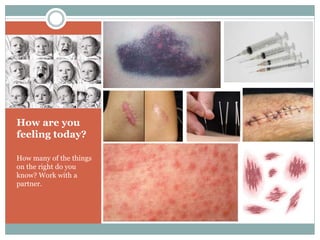
How are you
feeling today?
How many of the things
on the right do you
know? Work with a
partner.
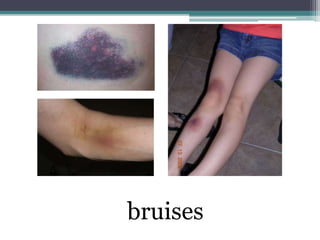
bruises
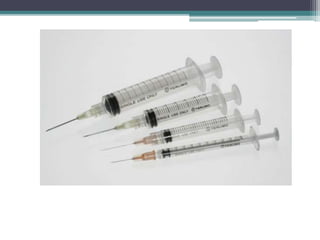
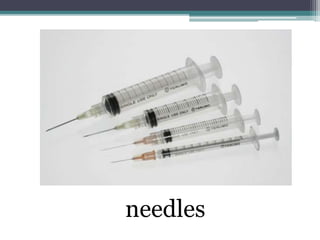
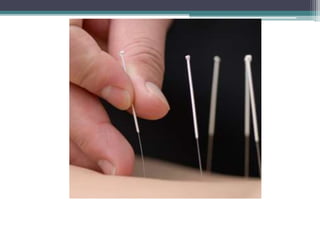
needles
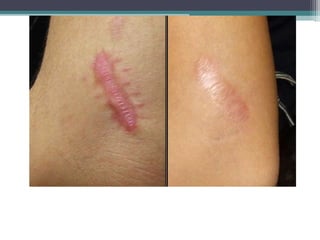
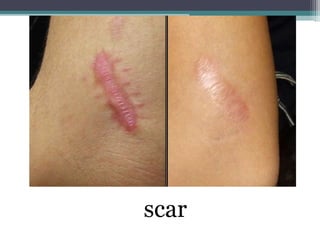
scar
acupuncture
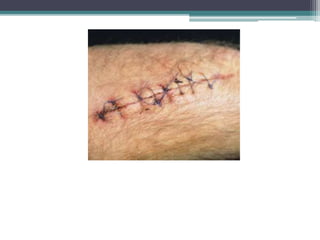
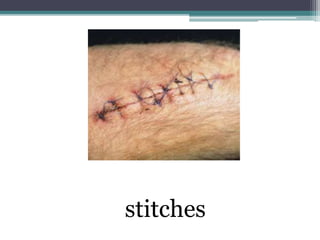
stitches
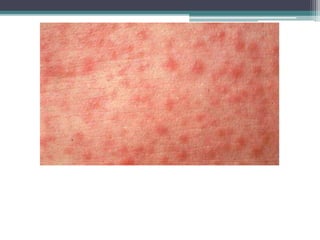
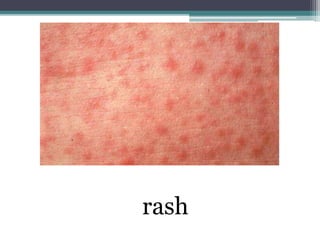
rash
scrape
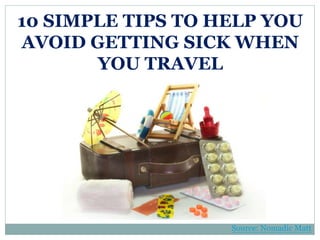
10 SIMPLE TIPS TO HELP YOU
AVOID GETTING SICK WHEN
YOU TRAVEL
Source: Nomadic Matt
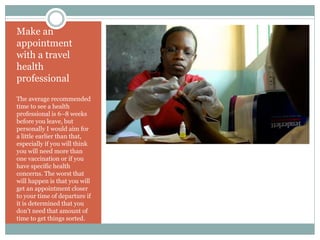
Make an
appointment
with a travel
health
professional
The average recommended
time to see a health
professional is 6–8 weeks
before you leave, but
personally I would aim for
a little earlier than that,
especially if you will think
you will need more than
one vaccination or if you
have specific health
concerns. The worst that
will happen is that you will
get an appointment closer
to your time of departure if
it is determined that you
don’t need that amount of
time to get things sorted.
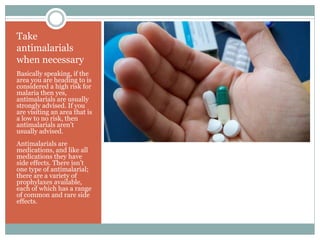
Take
antimalarials
when necessary
Basically speaking, if the
area you are heading to is
considered a high risk for
malaria then yes,
antimalarials are usually
strongly advised. If you
are visiting an area that is
a low to no risk, then
antimalarials aren’t
usually advised.
Antimalarials are
medications, and like all
medications they have
side effects. There isn’t
one type of antimalarial;
there are a variety of
prophylaxes available,
each of which has a range
of common and rare side
effects.
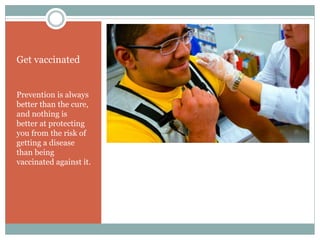
Get vaccinated
Prevention is always
better than the cure,
and nothing is
better at protecting
you from the risk of
getting a disease
than being
vaccinated against it.
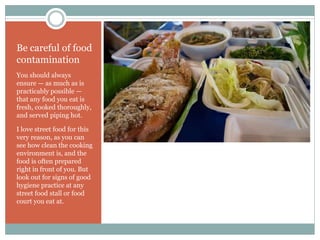
Be careful of food
contamination
You should always
ensure — as much as is
practicably possible —
that any food you eat is
fresh, cooked thoroughly,
and served piping hot.
I love street food for this
very reason, as you can
see how clean the cooking
environment is, and the
food is often prepared
right in front of you. But
look out for signs of good
hygiene practice at any
street food stall or food
court you eat at.
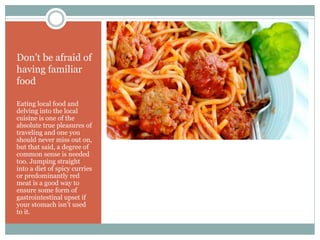
Don’t be afraid of
having familiar
food
Eating local food and
delving into the local
cuisine is one of the
absolute true pleasures of
traveling and one you
should never miss out on,
but that said, a degree of
common sense is needed
too. Jumping straight
into a diet of spicy curries
or predominantly red
meat is a good way to
ensure some form of
gastrointestinal upset if
your stomach isn’t used
to it.
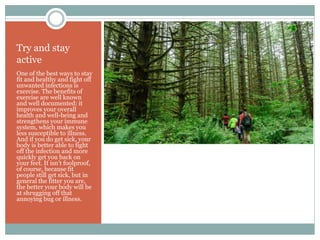
Try and stay
active
One of the best ways to stay
fit and healthy and fight off
unwanted infections is
exercise. The benefits of
exercise are well known
and well documented: it
improves your overall
health and well-being and
strengthens your immune
system, which makes you
less susceptible to illness.
And if you do get sick, your
body is better able to fight
off the infection and more
quickly get you back on
your feet. It isn’t foolproof,
of course, because fit
people still get sick, but in
general the fitter you are,
the better your body will be
at shrugging off that
annoying bug or illness.
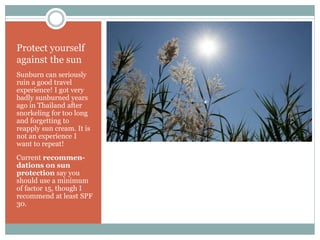
Protect yourself
against the sun
Sunburn can seriously
ruin a good travel
experience! I got very
badly sunburned years
ago in Thailand after
snorkeling for too long
and forgetting to
reapply sun cream. It is
not an experience I
want to repeat!
Current recommen-
dations on sun
protection say you
should use a minimum
of factor 15, though I
recommend at least SPF
30.
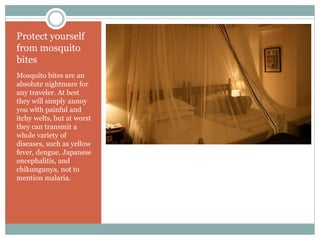
Protect yourself
from mosquito
bites
Mosquito bites are an
absolute nightmare for
any traveler. At best
they will simply annoy
you with painful and
itchy welts, but at worst
they can transmit a
whole variety of
diseases, such as yellow
fever, dengue, Japanese
encephalitis, and
chikungunya, not to
mention malaria.
Drink bottled
water
When you can’t be sure of
the purity of the local
water or you are traveling
in areas where sanitation
is not that great, then it
should go without saying
that you should avoid the
local tap water. Even if
locals drink it without
any problems, your
stomach may not have
the right bacteria to
protect you from
becoming ill, avoid local
water — even ice in your
drinks — in countries that
don’t purify their tap
water.
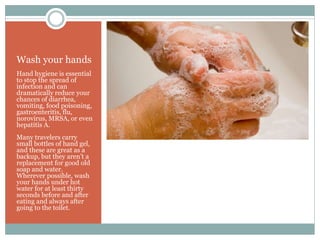
Wash your hands
Hand hygiene is essential
to stop the spread of
infection and can
dramatically reduce your
chances of diarrhea,
vomiting, food poisoning,
gastroenteritis, flu,
norovirus, MRSA, or even
hepatitis A.
Many travelers carry
small bottles of hand gel,
and these are great as a
backup, but they aren’t a
replacement for good old
soap and water.
Wherever possible, wash
your hands under hot
water for at least thirty
seconds before and after
eating and always after
going to the toilet.
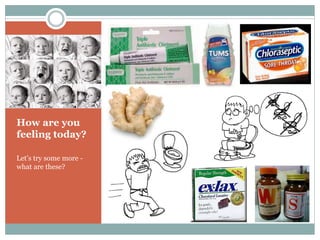
How are you
feeling today?
Let’s try some more -
what are these?
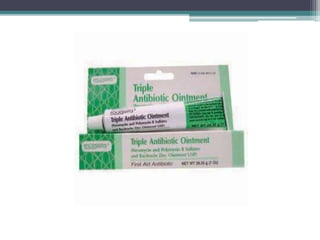
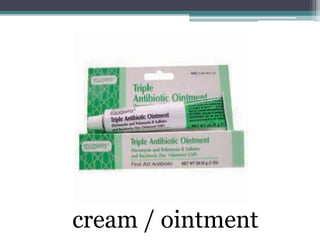
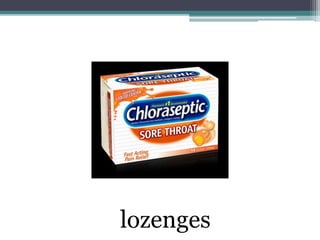
cream / ointment
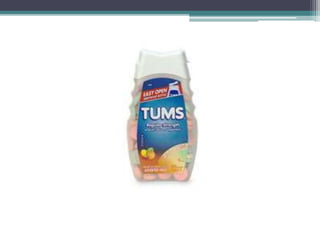
antacid
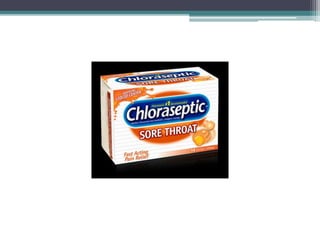
lozenges
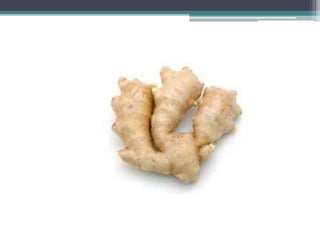
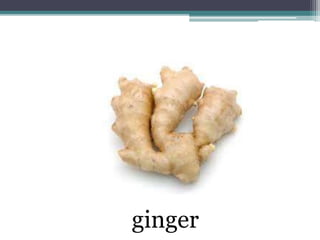
ginger
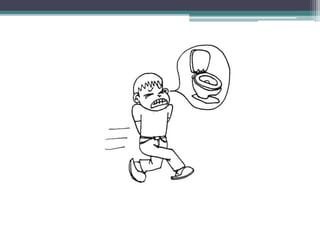
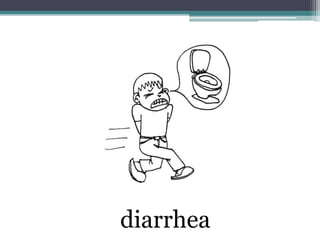
diarrhea
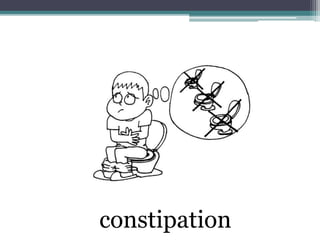
constipation
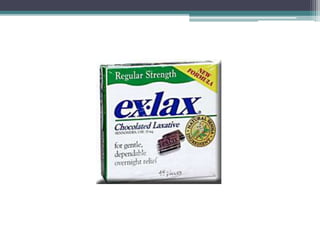
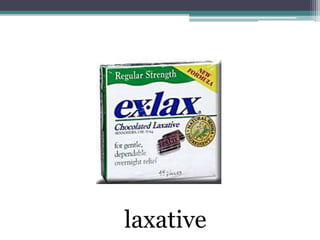
laxative
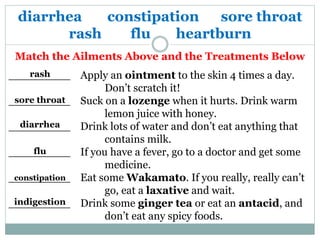
Match the Ailments Above and the Treatments Below
diarrhea constipation sore throat
rash flu heartburn
_________ Apply an ointment to the skin 4 times a day.
Don’t scratch it!
_________ Suck on a lozenge when it hurts. Drink warm
lemon juice with honey.
_________ Drink lots of water and don’t eat anything that
contains milk.
_________ If you have a fever, go to a doctor and get some
medicine.
_________ Eat some Wakamato. If you really, really can’t
go, eat a laxative and wait.
_________ Drink some ginger tea or eat an antacid, and
don’t eat any spicy foods.
rash
sore throat
diarrhea
flu
constipation
indigestion
Ask each
other
the questions
on your
handouts
 Ask your partner the questions on
your sheet.
 Be sure to ask follow up
questions!
78
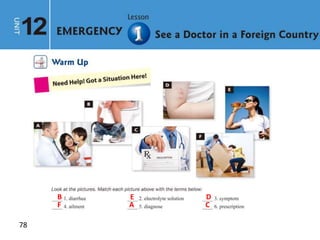
B E D
F A C
78
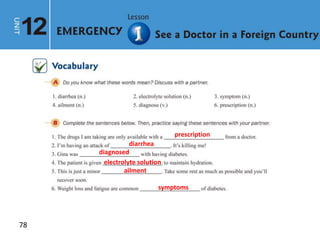
prescription
diarrhea
electrolyte solution
diagnosed
ailment
symptoms
79
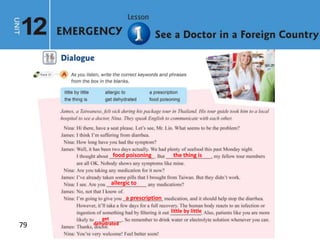
food poisoning the thing is
allergic to
a prescription
little by little
get
dehydrated
79
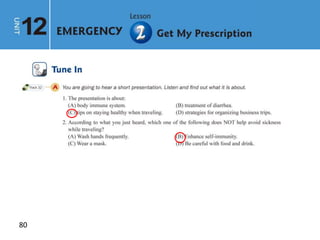
80
80
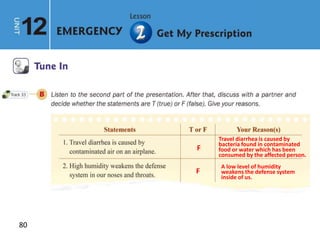
Travel diarrhea is caused by
bacteria found in contaminated
food or water which has been
consumed by the affected person.
A low level of humidity
weakens the defense system
inside of us.
F
F
80
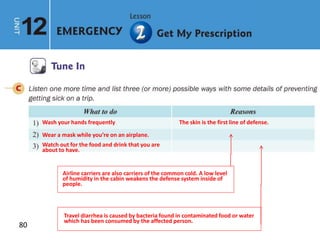
Wash your hands frequently
Wear a mask while you’re on an airplane.
The skin is the first line of defense.
Watch out for the food and drink that you are
about to have.
Airline carriers are also carriers of the common cold. A low level
of humidity in the cabin weakens the defense system inside of
people.
Travel diarrhea is caused by bacteria found in contaminated food or water
which has been consumed by the affected person.
81




Tourism English 15

  • 1.
    W E EK 1 5 Tourism English
  • 2.
    Who are they? ForrestLu and Agnes Chien
  • 3.
    What is this? follow-me– follow-me 2 – follow me 3
  • 4.
    How are you feelingtoday? How many of the things on the right do you know? Work with a partner.
  • 6.
  • 8.
  • 10.
  • 12.
  • 14.
  • 16.
  • 18.
  • 19.
    10 SIMPLE TIPSTO HELP YOU AVOID GETTING SICK WHEN YOU TRAVEL Source: Nomadic Matt
  • 20.
    Make an appointment with atravel health professional The average recommended time to see a health professional is 6–8 weeks before you leave, but personally I would aim for a little earlier than that, especially if you will think you will need more than one vaccination or if you have specific health concerns. The worst that will happen is that you will get an appointment closer to your time of departure if it is determined that you don’t need that amount of time to get things sorted.
  • 21.
    Take antimalarials when necessary Basically speaking,if the area you are heading to is considered a high risk for malaria then yes, antimalarials are usually strongly advised. If you are visiting an area that is a low to no risk, then antimalarials aren’t usually advised. Antimalarials are medications, and like all medications they have side effects. There isn’t one type of antimalarial; there are a variety of prophylaxes available, each of which has a range of common and rare side effects.
  • 22.
    Get vaccinated Prevention isalways better than the cure, and nothing is better at protecting you from the risk of getting a disease than being vaccinated against it.
  • 23.
    Be careful offood contamination You should always ensure — as much as is practicably possible — that any food you eat is fresh, cooked thoroughly, and served piping hot. I love street food for this very reason, as you can see how clean the cooking environment is, and the food is often prepared right in front of you. But look out for signs of good hygiene practice at any street food stall or food court you eat at.
  • 24.
    Don’t be afraidof having familiar food Eating local food and delving into the local cuisine is one of the absolute true pleasures of traveling and one you should never miss out on, but that said, a degree of common sense is needed too. Jumping straight into a diet of spicy curries or predominantly red meat is a good way to ensure some form of gastrointestinal upset if your stomach isn’t used to it.
  • 25.
    Try and stay active Oneof the best ways to stay fit and healthy and fight off unwanted infections is exercise. The benefits of exercise are well known and well documented: it improves your overall health and well-being and strengthens your immune system, which makes you less susceptible to illness. And if you do get sick, your body is better able to fight off the infection and more quickly get you back on your feet. It isn’t foolproof, of course, because fit people still get sick, but in general the fitter you are, the better your body will be at shrugging off that annoying bug or illness.
  • 26.
    Protect yourself against thesun Sunburn can seriously ruin a good travel experience! I got very badly sunburned years ago in Thailand after snorkeling for too long and forgetting to reapply sun cream. It is not an experience I want to repeat! Current recommen- dations on sun protection say you should use a minimum of factor 15, though I recommend at least SPF 30.
  • 27.
    Protect yourself from mosquito bites Mosquitobites are an absolute nightmare for any traveler. At best they will simply annoy you with painful and itchy welts, but at worst they can transmit a whole variety of diseases, such as yellow fever, dengue, Japanese encephalitis, and chikungunya, not to mention malaria.
  • 28.
    Drink bottled water When youcan’t be sure of the purity of the local water or you are traveling in areas where sanitation is not that great, then it should go without saying that you should avoid the local tap water. Even if locals drink it without any problems, your stomach may not have the right bacteria to protect you from becoming ill, avoid local water — even ice in your drinks — in countries that don’t purify their tap water.
  • 29.
    Wash your hands Handhygiene is essential to stop the spread of infection and can dramatically reduce your chances of diarrhea, vomiting, food poisoning, gastroenteritis, flu, norovirus, MRSA, or even hepatitis A. Many travelers carry small bottles of hand gel, and these are great as a backup, but they aren’t a replacement for good old soap and water. Wherever possible, wash your hands under hot water for at least thirty seconds before and after eating and always after going to the toilet.
  • 30.
    How are you feelingtoday? Let’s try some more - what are these?
  • 32.
  • 34.
  • 36.
  • 38.
  • 40.
  • 42.
  • 44.
  • 45.
    Match the AilmentsAbove and the Treatments Below diarrhea constipation sore throat rash flu heartburn _________ Apply an ointment to the skin 4 times a day. Don’t scratch it! _________ Suck on a lozenge when it hurts. Drink warm lemon juice with honey. _________ Drink lots of water and don’t eat anything that contains milk. _________ If you have a fever, go to a doctor and get some medicine. _________ Eat some Wakamato. If you really, really can’t go, eat a laxative and wait. _________ Drink some ginger tea or eat an antacid, and don’t eat any spicy foods. rash sore throat diarrhea flu constipation indigestion
  • 46.
    Ask each other the questions onyour handouts  Ask your partner the questions on your sheet.  Be sure to ask follow up questions!
  • 47.
  • 48.
  • 49.
    79 food poisoning thething is allergic to a prescription little by little get dehydrated
  • 50.
  • 51.
  • 52.
    80 Travel diarrhea iscaused by bacteria found in contaminated food or water which has been consumed by the affected person. A low level of humidity weakens the defense system inside of us. F F
  • 53.
    80 Wash your handsfrequently Wear a mask while you’re on an airplane. The skin is the first line of defense. Watch out for the food and drink that you are about to have. Airline carriers are also carriers of the common cold. A low level of humidity in the cabin weakens the defense system inside of people. Travel diarrhea is caused by bacteria found in contaminated food or water which has been consumed by the affected person.
  • 54.