NEEDLECRAFT
Needlecraft
Techniques
Needlecraft Techniques is an
openwork technique in
which fabric threads re not
cut and removed but pulled
or bundled together by
embroidery stitches.
Needlework
Needlework is decorative
sewing and textile arts
handicrafts. Anything that
uses a needle for
construction can be called
needlework. It
TYPES OF
NEEDLEWORK
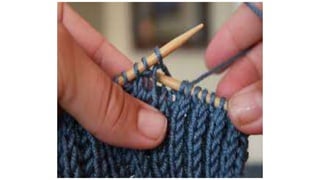
1. Knitting is a method by
which yarn is manipulated to
create a textile or fabric, it is
used in many types of
garments. Knitting may be
done by hand or by machine
Knitting creates stitches.
Loops of yarn in a row, either
flat or in the round (tubular).
There are usually many active
stitches on the knitting
needle at one time.
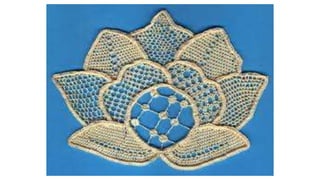
2. Needle lace also known as
needle-made lace or point
lace, is a type of lace created
using a needle and thread to
stitch up hundreds of small
stitches to form the lace itself.
In its purest form, the
only equipment and
materials used are a
needle, thread and
scissors.
3. Embroidery is the craft
of decorating fabric or
other materials using a
needle to apply thread or
yarn.
Some of the basic
techniques or stitches of the
earliest embroidery are chain
stitch, buttonhole or blanket
stitch, running stitch, satin
stitch, cross stitch.
Those stitches remain
the fundamental
techniques of hand
embroidery today.
4. Crochet is a process of
creating textiles by using a
crochet hook to interlock
loops of yarn, thread, or
strands of other materials.
The name is derived from
the French term “crochet”,
meaning 'small hook'. Hooks
can be made from a variety
of materials, such as metal,
wood, bamboo, or plastic.
SAFETY
PRECUATIONS
Safety precautions
when working
with fabric, thread
and accessories:
1. Keep all needlework during work
breaks in the product package;
2. Keep all small parts from the set
in special bags with zip lock;
3. When working, do not bite
through the thread with your teeth
or tear it with your hands;
4. The length of a thread when
sewing must not exceed the length
of the distance to the elbow;
5. When working with seed bead,
use shallow containers;
6. When working with bulk
materials put on a face mask.
Safety precautions
when working with
needles, pins and
knitting needles;
1.Keep needles and pins at a certain
place (a special box, cushion, etc.), do
not leave them at the workplace, never
take the needle, pins in your mouth and
do not stick them in the clothes. Do not
leave a needle and pins in the product;
2.Use thimble when sewing;
3. Do not use rusty needles
and pins in your work;
4. Attach patterns to fabric
with sharp ends of pins
away from you;
5. Collect and dispose of pieces of
broken needles or pins, wrapped in
paper;
6. Count the number of pins taken
before work and the number of
pins at the end of work, it must be
the same;
7. Keep knitting needles and the
hook in the case, at the end of the
work remove them out of reach of
small children;
8. When working with knitting
needles keep them no closer than 35
centimeters from your eyes.

TLE-10-Needle-Craft.pptx

  • 1.
  • 2.
  • 3.
    Needlecraft Techniques isan openwork technique in which fabric threads re not cut and removed but pulled or bundled together by embroidery stitches.
  • 4.
  • 5.
    Needlework is decorative sewingand textile arts handicrafts. Anything that uses a needle for construction can be called needlework. It
  • 6.
  • 7.
    1. Knitting isa method by which yarn is manipulated to create a textile or fabric, it is used in many types of garments. Knitting may be done by hand or by machine
  • 8.
    Knitting creates stitches. Loopsof yarn in a row, either flat or in the round (tubular). There are usually many active stitches on the knitting needle at one time.
  • 10.
    2. Needle lacealso known as needle-made lace or point lace, is a type of lace created using a needle and thread to stitch up hundreds of small stitches to form the lace itself.
  • 11.
    In its purestform, the only equipment and materials used are a needle, thread and scissors.
  • 13.
    3. Embroidery isthe craft of decorating fabric or other materials using a needle to apply thread or yarn.
  • 14.
    Some of thebasic techniques or stitches of the earliest embroidery are chain stitch, buttonhole or blanket stitch, running stitch, satin stitch, cross stitch.
  • 15.
    Those stitches remain thefundamental techniques of hand embroidery today.
  • 17.
    4. Crochet isa process of creating textiles by using a crochet hook to interlock loops of yarn, thread, or strands of other materials.
  • 18.
    The name isderived from the French term “crochet”, meaning 'small hook'. Hooks can be made from a variety of materials, such as metal, wood, bamboo, or plastic.
  • 20.
  • 21.
    Safety precautions when working withfabric, thread and accessories:
  • 22.
    1. Keep allneedlework during work breaks in the product package; 2. Keep all small parts from the set in special bags with zip lock; 3. When working, do not bite through the thread with your teeth or tear it with your hands;
  • 23.
    4. The lengthof a thread when sewing must not exceed the length of the distance to the elbow; 5. When working with seed bead, use shallow containers; 6. When working with bulk materials put on a face mask.
  • 24.
    Safety precautions when workingwith needles, pins and knitting needles;
  • 25.
    1.Keep needles andpins at a certain place (a special box, cushion, etc.), do not leave them at the workplace, never take the needle, pins in your mouth and do not stick them in the clothes. Do not leave a needle and pins in the product; 2.Use thimble when sewing;
  • 26.
    3. Do notuse rusty needles and pins in your work; 4. Attach patterns to fabric with sharp ends of pins away from you;
  • 27.
    5. Collect anddispose of pieces of broken needles or pins, wrapped in paper; 6. Count the number of pins taken before work and the number of pins at the end of work, it must be the same;
  • 28.
    7. Keep knittingneedles and the hook in the case, at the end of the work remove them out of reach of small children; 8. When working with knitting needles keep them no closer than 35 centimeters from your eyes.