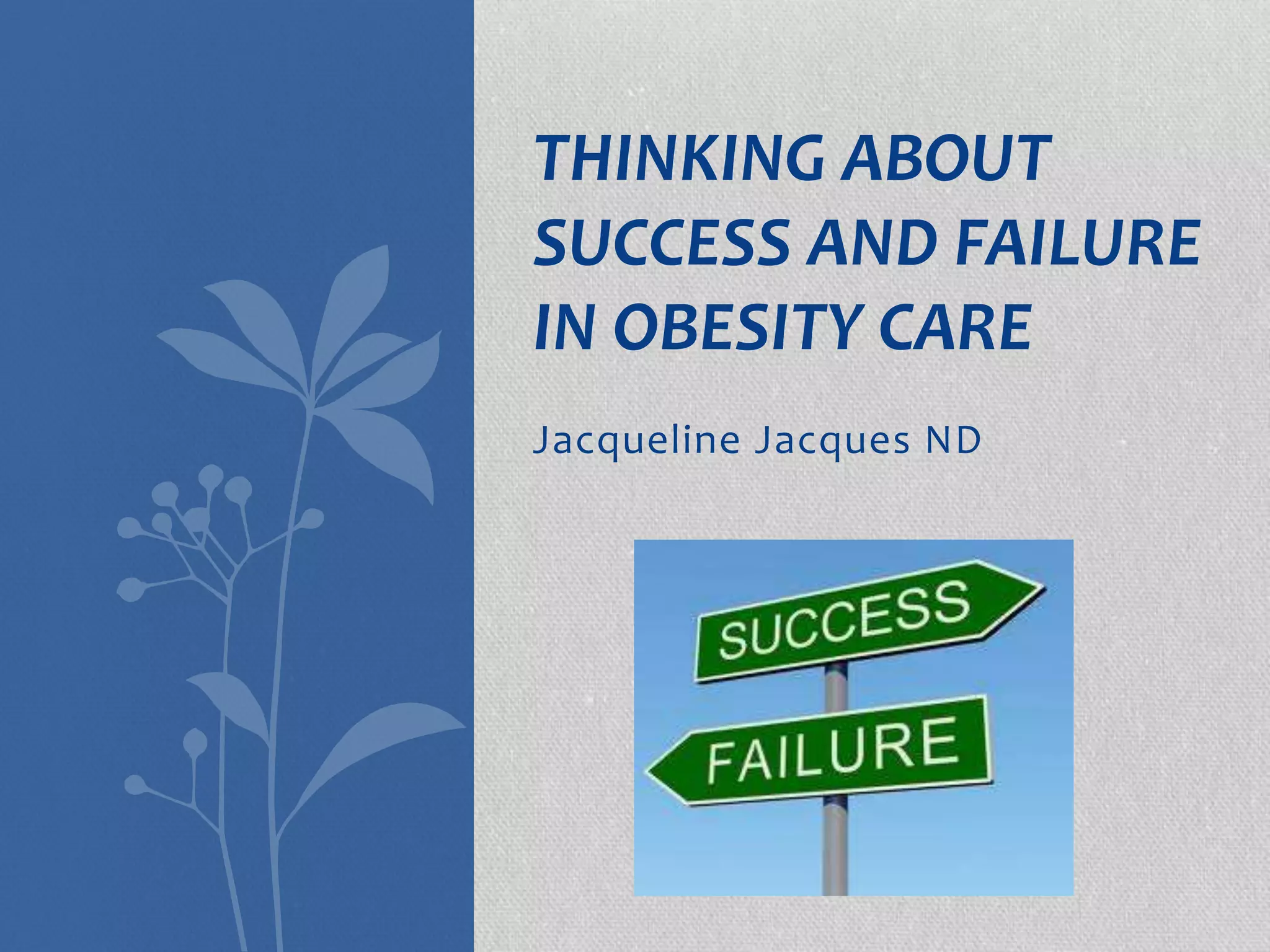
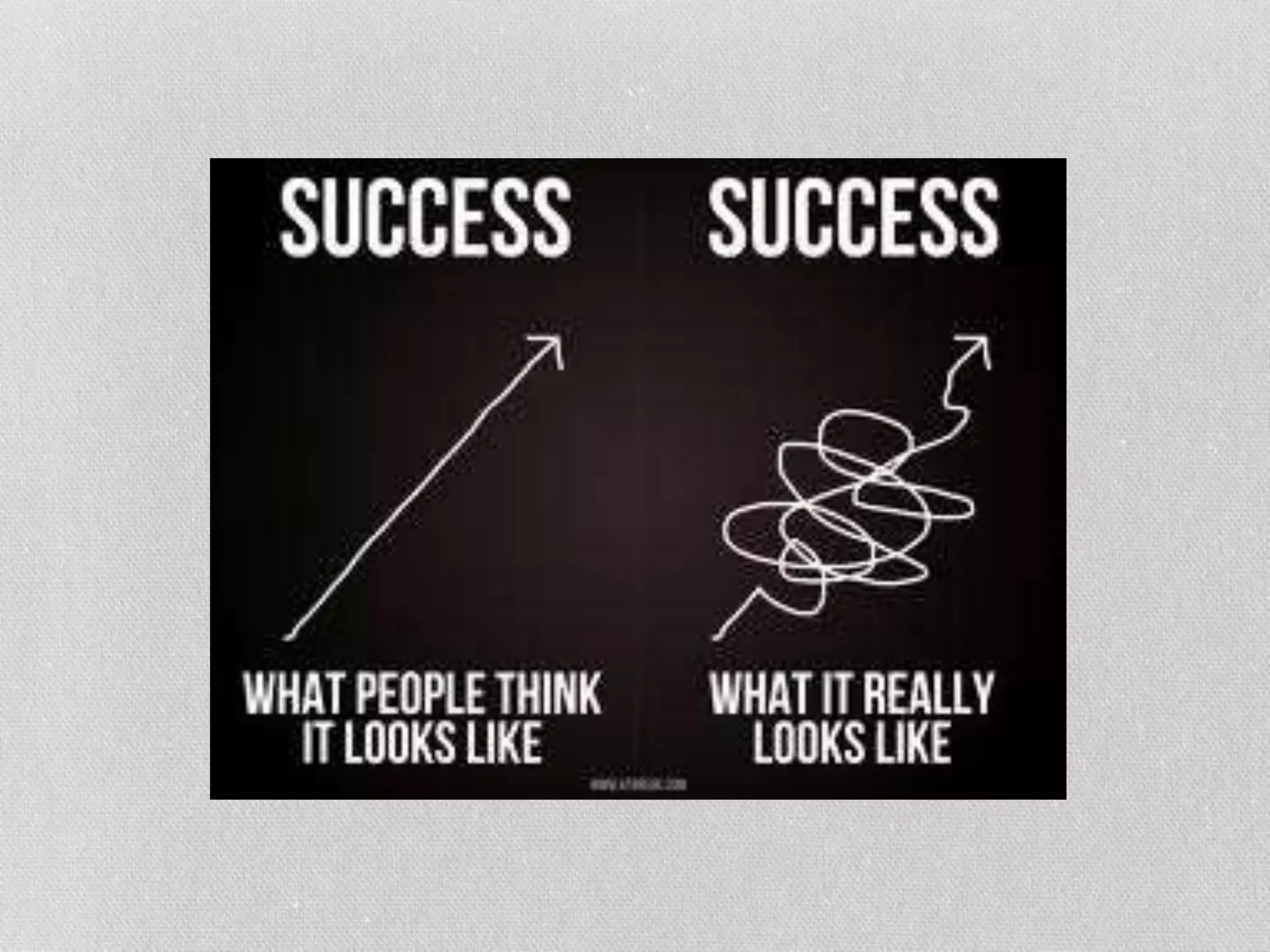
THINKING ABOUT 
SUCCESS AND FAILURE 
IN OBESITY CARE 
Jacqueline Jacques ND
What’s in a word? 
Success: Having a favorable or desired outcome 
Failure: A person or thing that is unsuccessful or 
disappointing 
These are very powerful words!
We have a lot of expectations…. 
•Most people entering a medical or surgical weight 
management program have lost and regained weight 
before 
• The expectation is that weight loss is hard and that they are 
likely to regain weight 
• May people already identify as failures 
•Health professionals may also already have a high 
expectation of failure for their patients
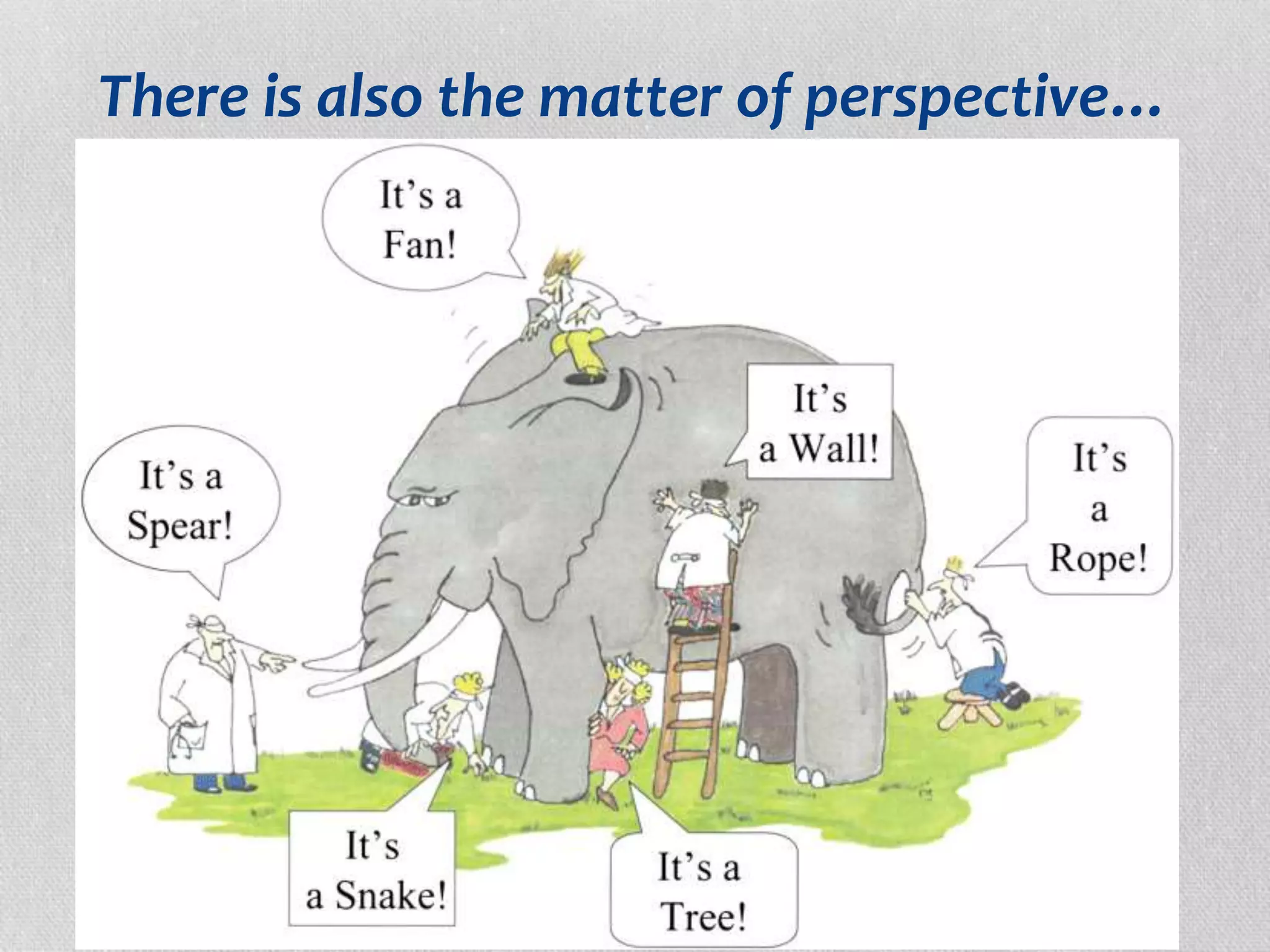
There is also the matter of perspective…
What outcomes are doctors looking at? 
•Weight loss? 
• Patient expectation? 
• Comorbidity resolution 
•Quality of life 
• Psycho social improvements 
•Resolution of serious complications
At what level are we assessing? 
Who or what succeeds or fails? 
• The individual 
• Most common 
• A procedure or treatment 
•A group of patients 
• The practice or program 
•A health care system 
• Society
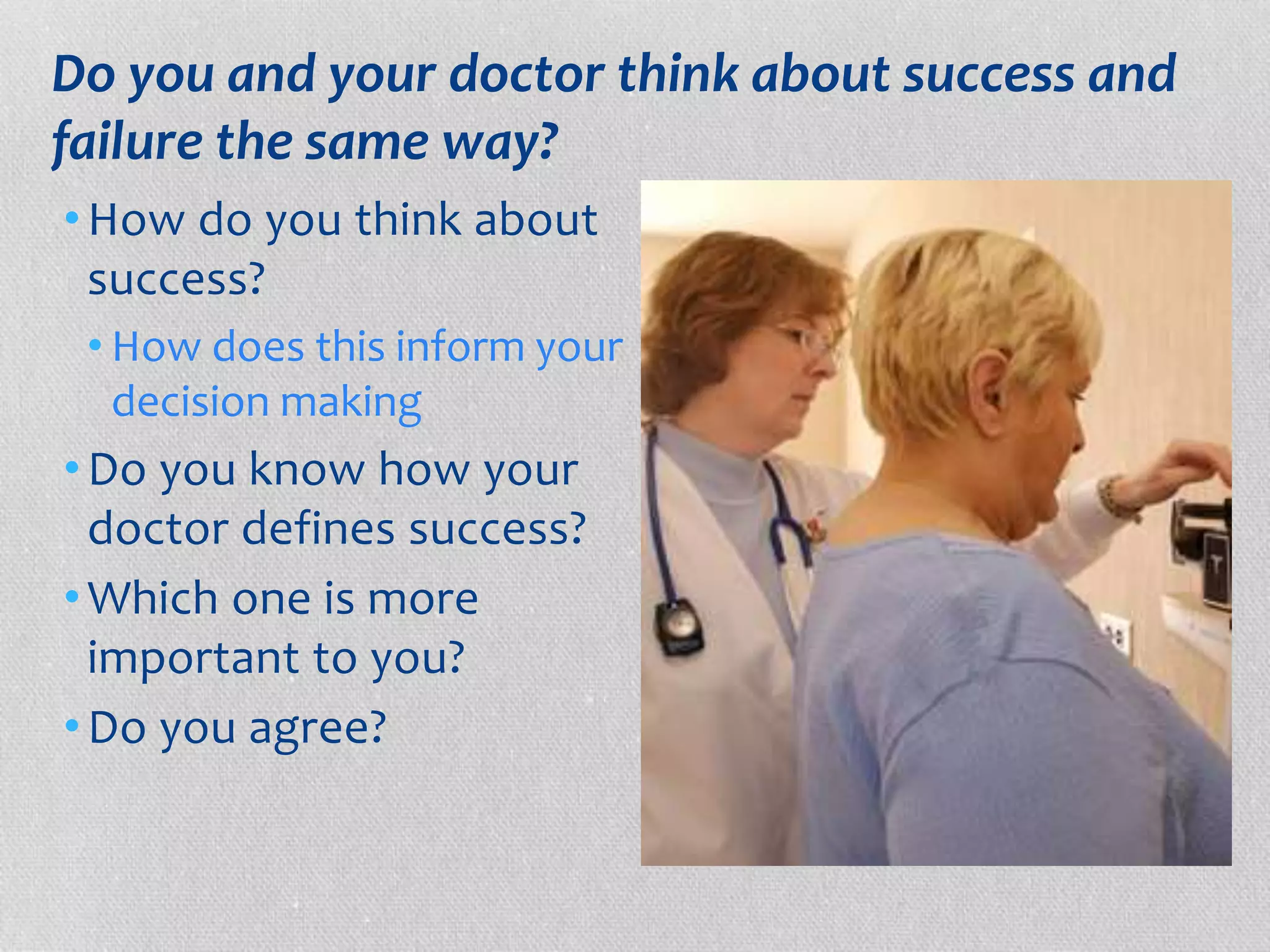
Do you and your doctor think about success and 
failure the same way? 
•How do you think about 
success? 
• How does this inform your 
decision making 
•Do you know how your 
doctor defines success? 
•Which one is more 
important to you? 
•Do you agree?
Common ground? 
• Health professionals tend to be very focused on the 
patient, the treatment and “hard” outcomes: 
• Labs 
• History of disease 
• Findings on examination 
• Individuals seeking care might care about these things, 
but they might also care about other things more: 
• Feelings/emotions 
• Lifestyle, quality of life 
• Functioning 
• Personal expectation 
• Cosmetic appearance
What do you want to lose? 
Of course people want to lose weight, but 
it’s not everything!
Do we even agree on 
how we talk about 
weight loss?
According to NIH 
“The amount of weight lost should not be 
the primary gauge for successful obesity 
treatment.” 
NIH Pub #00-4084 
But while medical thinking may be shifting towards 
improvements in health and reduction of 
comorbidity – do doctors and patients agree?
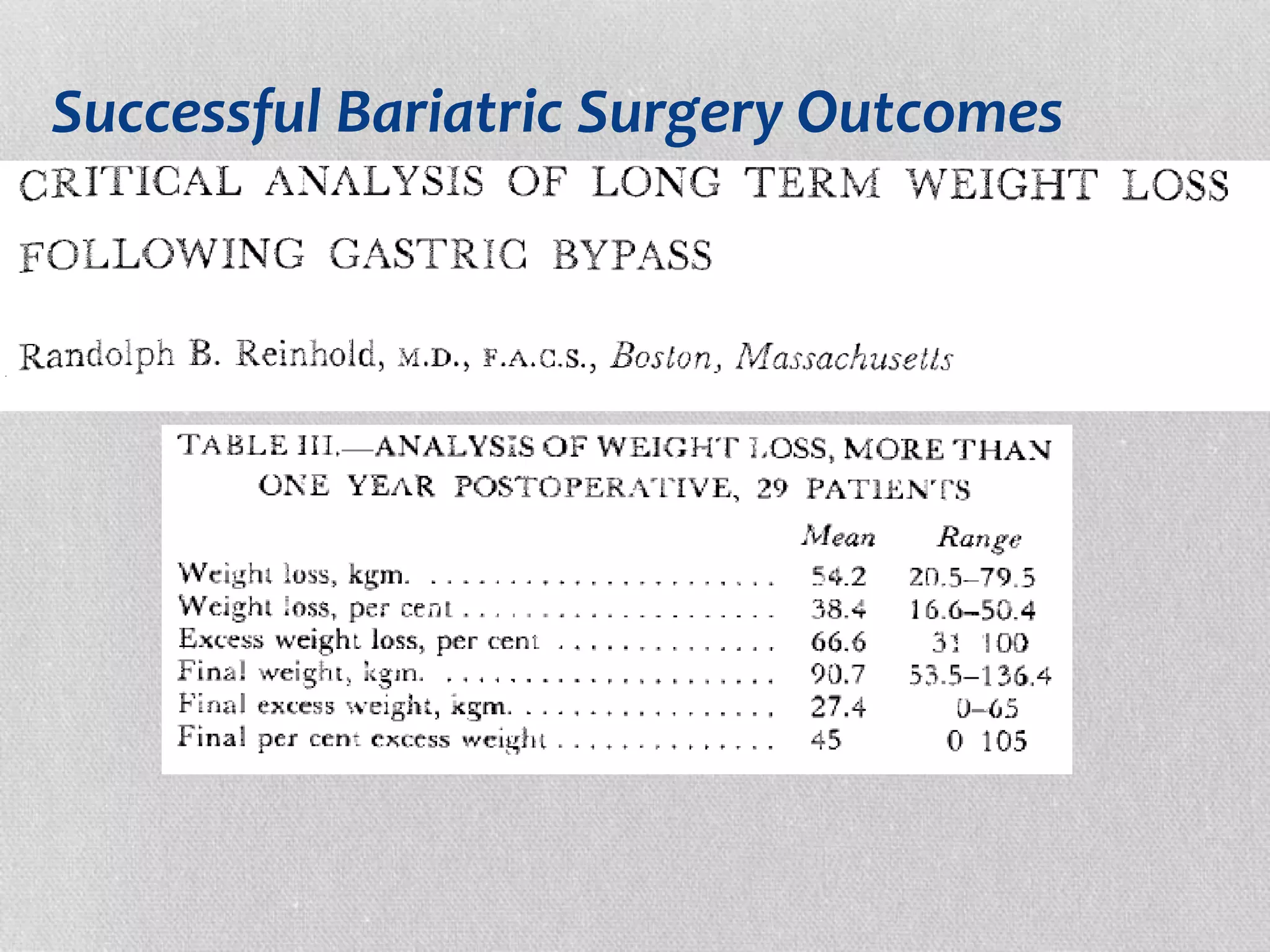
Successful Bariatric Surgery Outcomes
Successful Bariatric Surgery Outcomes (2) 
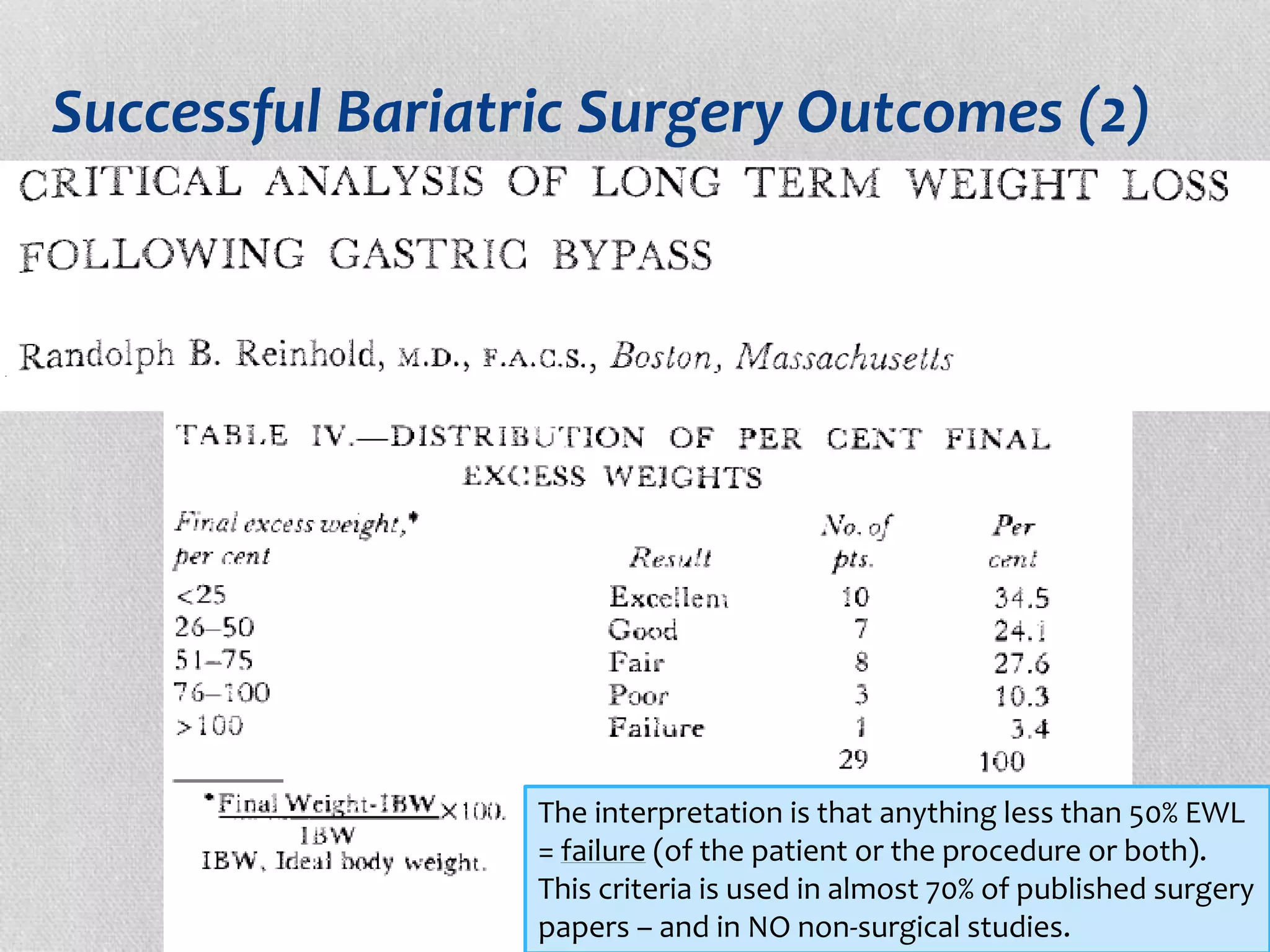
The interpretation is that anything less than 50% EWL 
= failure (of the patient or the procedure or both). 
This criteria is used in almost 70% of published surgery 
papers – and in NO non-surgical studies.

What is success in weight management? 
• Traditionally – reaching an ideal weight as defined by 
the Metropolitan Life Insurance height-weight charts 
•More recently: 
• Since 1995, a 10% reduction in total body weight has been 
suggested as a target for success (based on health 
improvements) 
•Weight loss in the range of 5-10% has been shown to 
significantly reduce comorbid conditions despite final weight.
What is success in weight management? 
• FDA criteria for new drugs: 
• In general, a product can be considered effective for 
weight management if after 1 year of treatment 
either of the following occurs: 
• The difference in mean weight loss between the active-product 
and placebo-treated groups is at least 5% and the 
difference is statistically significant 
• The proportion of subjects who lose greater than or equal to 5 
percent of baseline body weight in the active-product group is 
at least 35 percent, is approximately double the proportion in 
the placebo-treated group, and the difference between 
groups is statistically significant
From the AND 
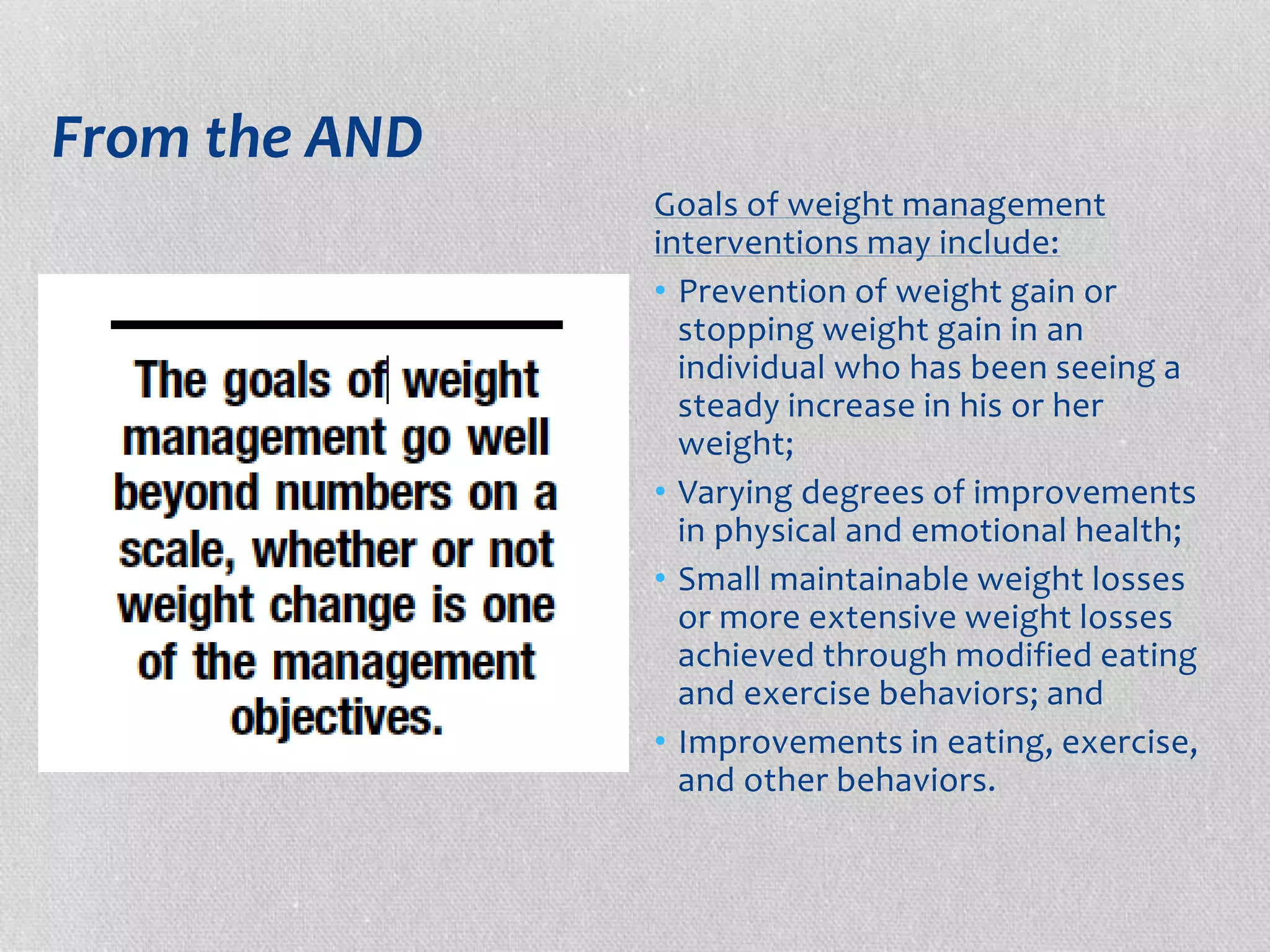
Goals of weight management 
interventions may include: 
• Prevention of weight gain or 
stopping weight gain in an 
individual who has been seeing a 
steady increase in his or her 
weight; 
• Varying degrees of improvements 
in physical and emotional health; 
• Small maintainable weight losses 
or more extensive weight losses 
achieved through modified eating 
and exercise behaviors; and 
• Improvements in eating, exercise, 
and other behaviors.
Do patients think this is successful? 
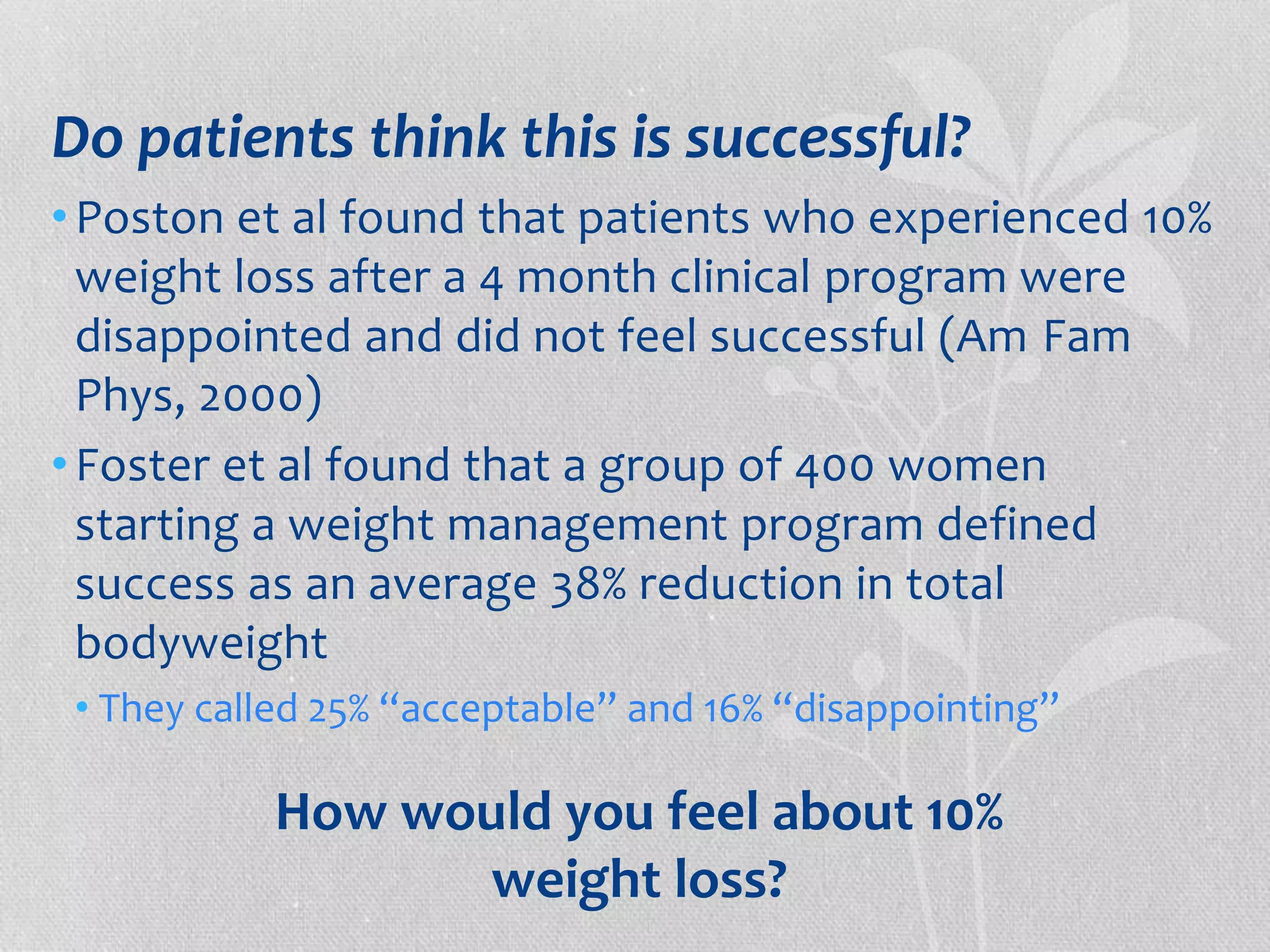
• Poston et al found that patients who experienced 10% 
weight loss after a 4 month clinical program were 
disappointed and did not feel successful (Am Fam 
Phys, 2000) 
• Foster et al found that a group of 400 women 
starting a weight management program defined 
success as an average 38% reduction in total 
bodyweight 
• They called 25% “acceptable” and 16% “disappointing” 
How would you feel about 10% 
weight loss?
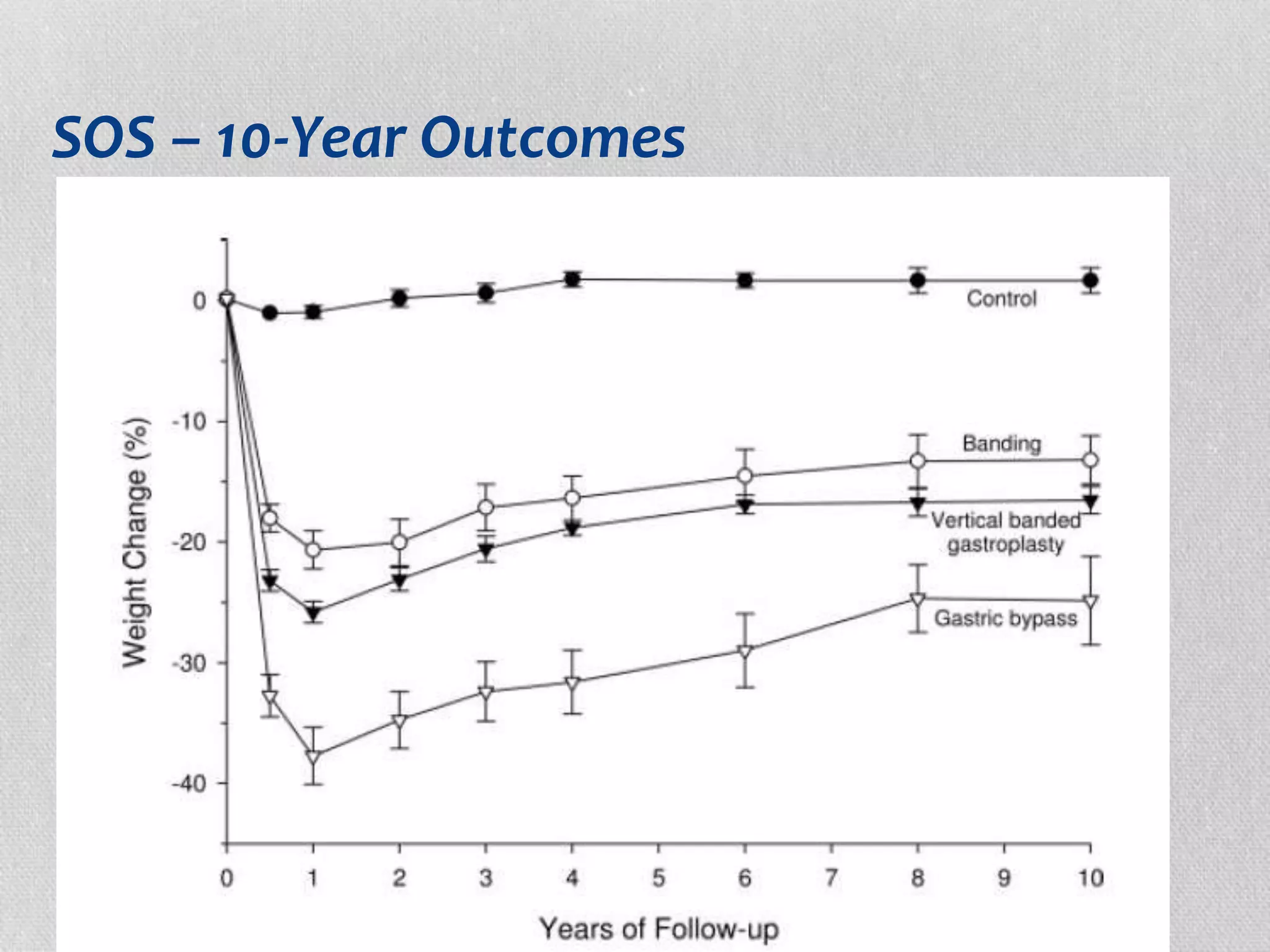
SOS – 10-Year Outcomes
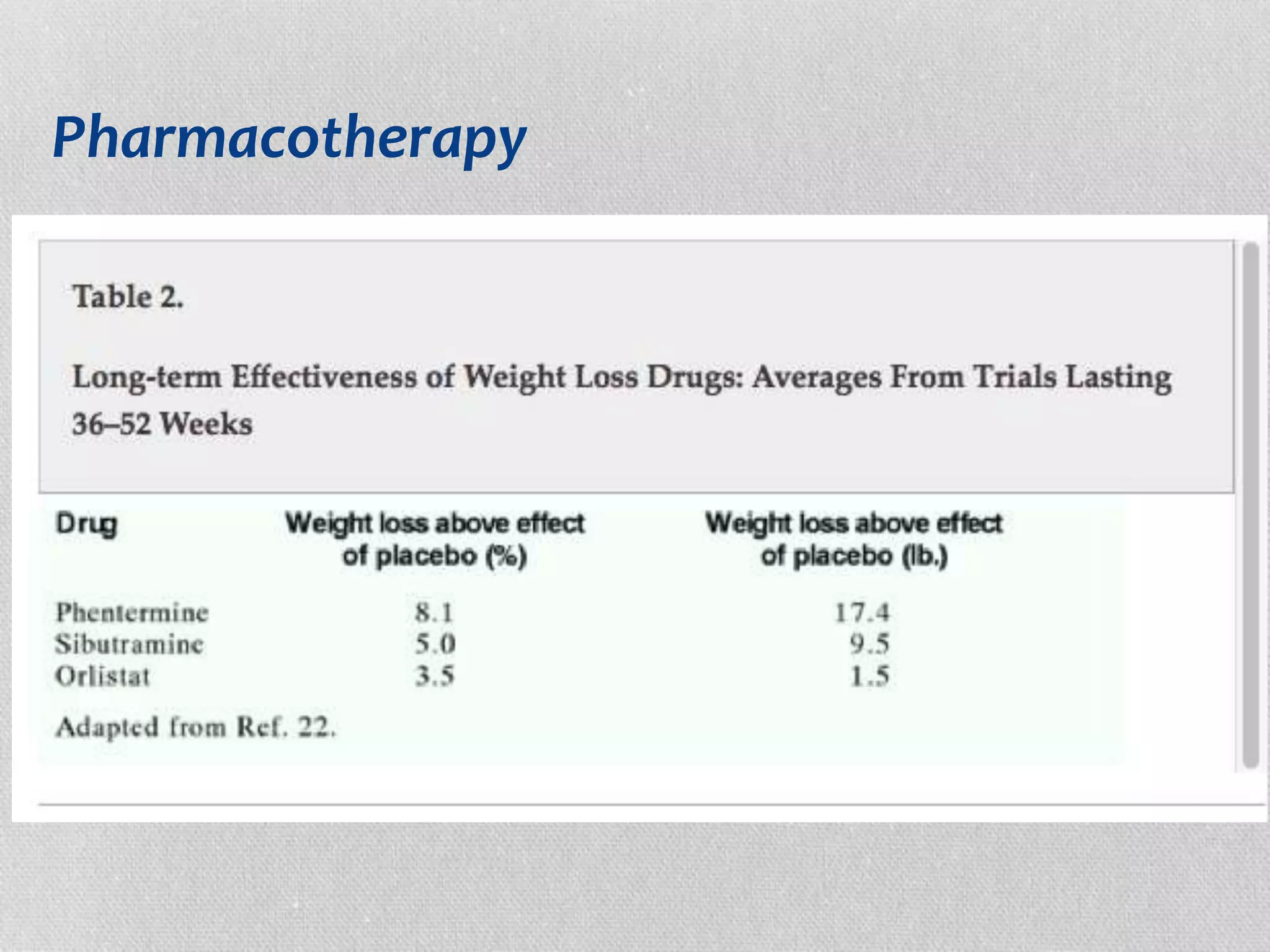
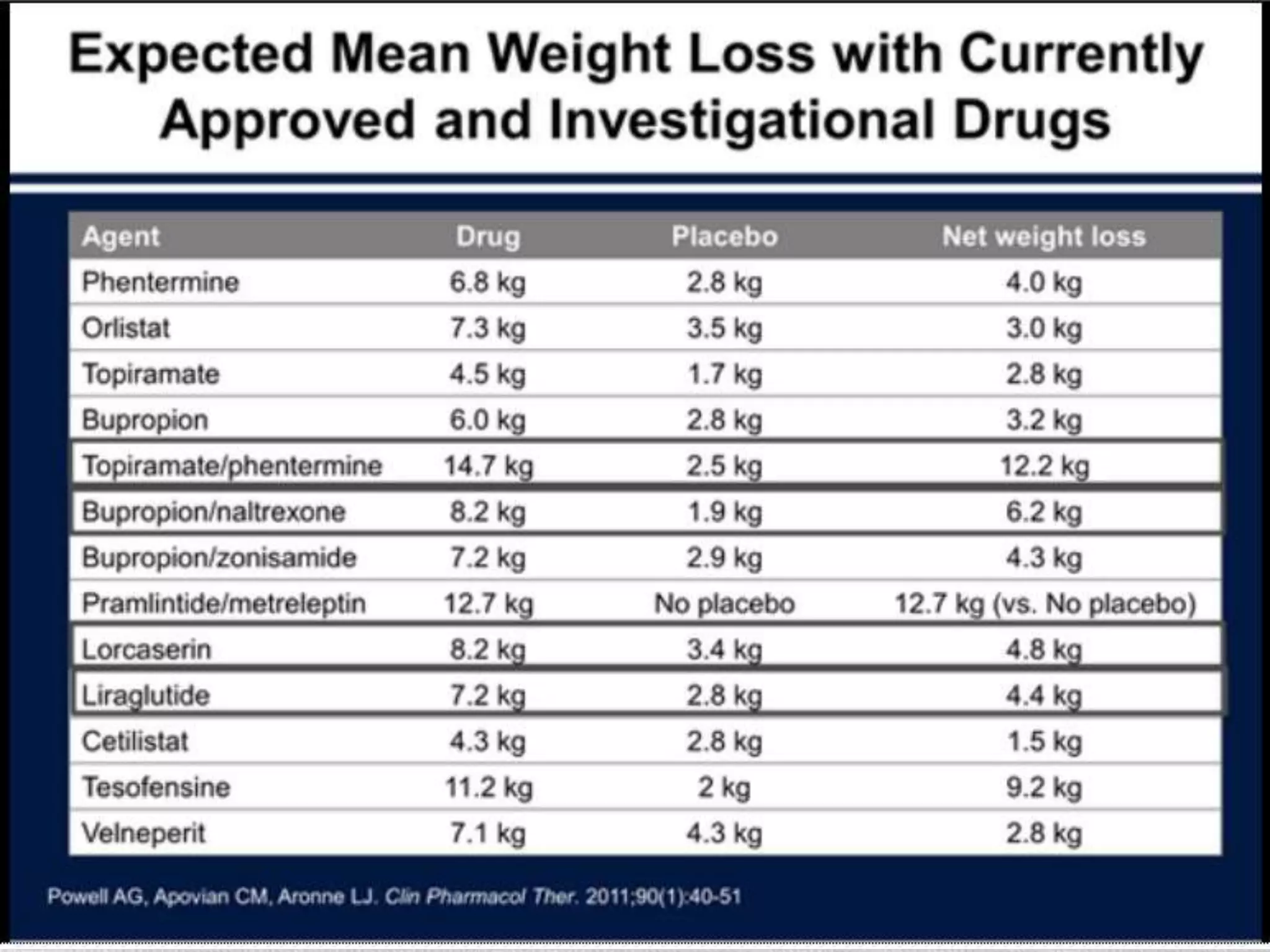
Pharmacotherapy
Pharmacotherapy
Lifestyle Modification 
• Comprehensive medical or commercial diet programs 
lasting for about 6 months result in mean weight 
losses of 15–25 lb. or about 9% of initial body weight 
and are associated with a drop-out rate of 15–20% 
• Less intensive programs have lesser results 
• Studies indicate that weight regain in the first year 
after treatment is about 30–35%. Behavioral therapy 
delays weight regain, but 3–5 years later, at least 50% 
of participants have returned to their initial weight or 
more
How do we 
manage this? 
There appears to 
be a real and 
substantial mis-match 
between 
what medicine is 
starting to define 
as success and 
what individuals 
being treated think 
is successful
What measurements 
should we use for 
success and failure?
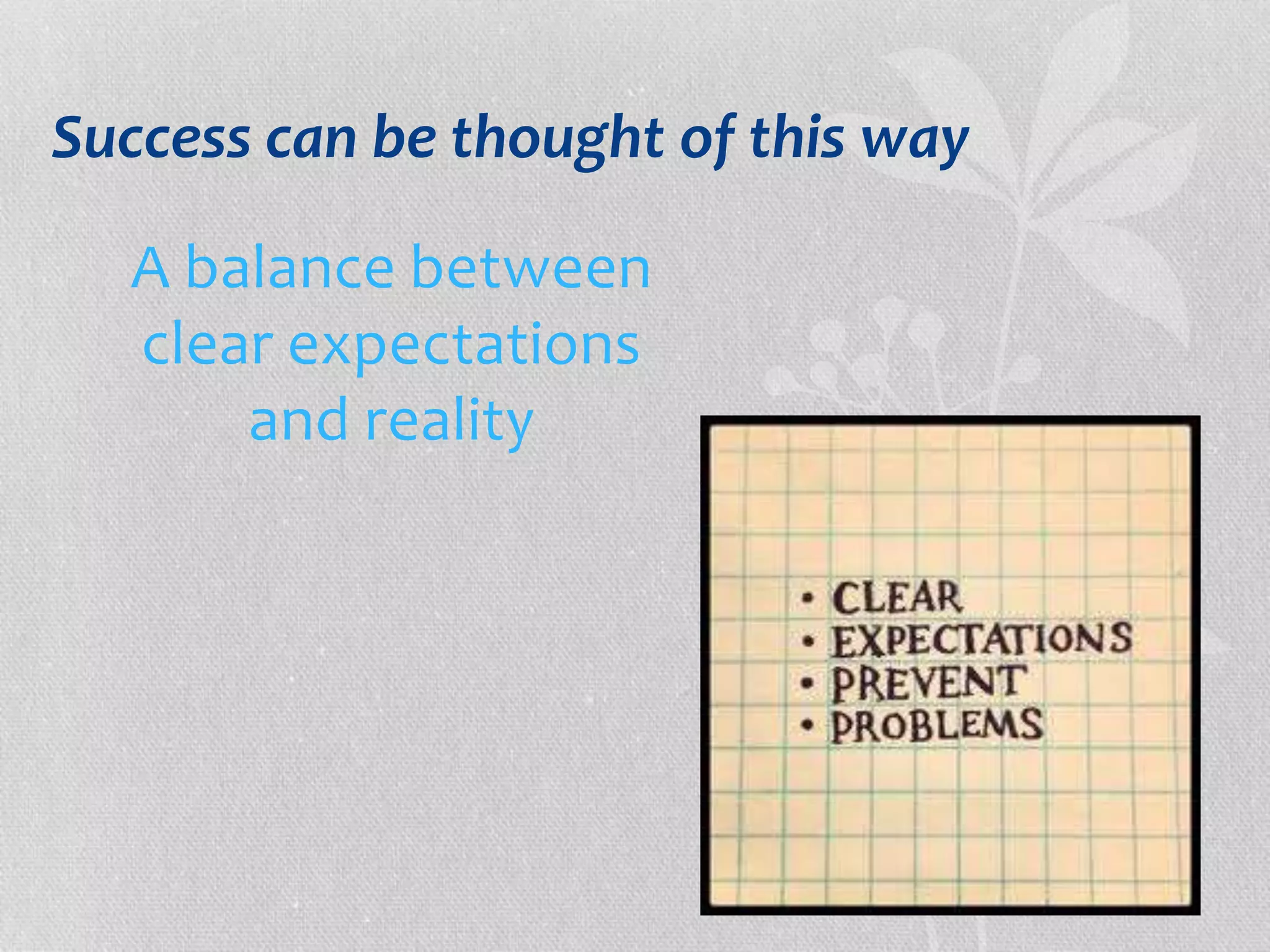
Success can be thought of this way 
A balance between 
clear expectations 
and reality
How should we define it? 
•Measures: 
• Actual weight loss – this always favors heavier patients (they 
typically lose more) 
• Excess weight loss always favors lighter patients (easiest to 
reach 100% EWL is to be as close as possible to a BMI of 25 and 
just lose a little weight) 
• Percent Weight Loss – this is really the standard and is what is 
accepted in the non-surgical world
How should we define it? 
•BMI? – From a population standpoint we have 
evidence that BMI 25 plus or minus a bit is linked to 
better health outcomes – but varies much more at 
the level of the individual 
• Ideally – we want a weight loss that delivers optimal 
health outcomes
How about failure? 
•We have to have a definition of failure that is 
actionable 
• In surgery – if we use our current definition of EWL 
more than half of surgeries are failures (and almost 
all non-surgical treatment would be failure) 
• If we use medical criteria: 
•Weight gain or inadequate weight loss at 2-3 years 
• Less than 25% EWL 
• Or a loss of less than 10% if initial body weight 
• 90% of surgical patients should be able to be successful based 
on this!
Failure in surgery can also be: 
• Primary failure – Never losing weight (non-response) 
• Secondary failure – A significant regain of weight 
after an acceptable weight loss, with a decline in 
health 
• Complications of the procedure that are not 
manageable or are harmful to the patient 
•When a surgery/procedure produces a substantial 
decrease in quality of life 
• Failure of a practice or program? 
• High complication rates 
• High loss to follow up
Moving to a Chronic 
Care Model
Acute or chronic? 
•How do doctors think about obesity in health care? 
•We FINALLY think of it as disease (at least we 
should…) 
•We mostly treat it like an acute disease 
• Expectation is that weight will come off and not return 
• If weight returns patients still get blamed most of the time 
• Or we blame the treatment 
• Or both…
Goal of Chronic Disease Management 
• Engage between doctor and patient to achieve care 
goals that are agreed upon 
•Optimize quality of life (QOL) 
•Optimize healthy functionioning 
•Reduce morbidity and mortality 
•Minimize adverse events related to treatment 
• Provide evidence-based improvement in health 
“The right thing with the right patient 
at the right time”
We have a long way to go 
• In obesity treatment: 
• “Even when continued therapy is available, 
attendance at maintenance sessions declines over 
time, and once treatment is ended, individuals regain 
weight.” 
• WADDEN, TA, et al. Journal of consulting and clinical psychology 62.1 (1994): 165- 
171. 
• Individuals have to stay in treatment or return to 
treatment to have the best outcomes. 
•We have NO treatment that CURES obesity
Set targets and measure progress 
•Weight loss – yes 
•But also: 
• Comorbidity/health measures 
• QOL 
• Psychosocial change and function 
• Complications 
• Is more always better?
Best Weight = Whatever weight you 
can reach while living the healthiest 
life you can honestly enjoy. 
~ Freedhoff and Sharma
In the end, we have to 
remember that any 
definition of success or 
failure is arbitrary
THANK YOU!

Thinking About Success and Failure in Obesity Care

  • 1.
    THINKING ABOUT SUCCESSAND FAILURE IN OBESITY CARE Jacqueline Jacques ND
  • 2.
    What’s in aword? Success: Having a favorable or desired outcome Failure: A person or thing that is unsuccessful or disappointing These are very powerful words!
  • 3.
    We have alot of expectations…. •Most people entering a medical or surgical weight management program have lost and regained weight before • The expectation is that weight loss is hard and that they are likely to regain weight • May people already identify as failures •Health professionals may also already have a high expectation of failure for their patients
  • 4.
    There is alsothe matter of perspective…
  • 5.
    What outcomes aredoctors looking at? •Weight loss? • Patient expectation? • Comorbidity resolution •Quality of life • Psycho social improvements •Resolution of serious complications
  • 6.
    At what levelare we assessing? Who or what succeeds or fails? • The individual • Most common • A procedure or treatment •A group of patients • The practice or program •A health care system • Society
  • 7.
    Do you andyour doctor think about success and failure the same way? •How do you think about success? • How does this inform your decision making •Do you know how your doctor defines success? •Which one is more important to you? •Do you agree?
  • 8.
    Common ground? •Health professionals tend to be very focused on the patient, the treatment and “hard” outcomes: • Labs • History of disease • Findings on examination • Individuals seeking care might care about these things, but they might also care about other things more: • Feelings/emotions • Lifestyle, quality of life • Functioning • Personal expectation • Cosmetic appearance
  • 9.
    What do youwant to lose? Of course people want to lose weight, but it’s not everything!
  • 10.
    Do we evenagree on how we talk about weight loss?
  • 11.
    According to NIH “The amount of weight lost should not be the primary gauge for successful obesity treatment.” NIH Pub #00-4084 But while medical thinking may be shifting towards improvements in health and reduction of comorbidity – do doctors and patients agree?
  • 12.
  • 13.
    Successful Bariatric SurgeryOutcomes (2) The interpretation is that anything less than 50% EWL = failure (of the patient or the procedure or both). This criteria is used in almost 70% of published surgery papers – and in NO non-surgical studies.
  • 14.
    What is successin weight management? • Traditionally – reaching an ideal weight as defined by the Metropolitan Life Insurance height-weight charts •More recently: • Since 1995, a 10% reduction in total body weight has been suggested as a target for success (based on health improvements) •Weight loss in the range of 5-10% has been shown to significantly reduce comorbid conditions despite final weight.
  • 15.
    What is successin weight management? • FDA criteria for new drugs: • In general, a product can be considered effective for weight management if after 1 year of treatment either of the following occurs: • The difference in mean weight loss between the active-product and placebo-treated groups is at least 5% and the difference is statistically significant • The proportion of subjects who lose greater than or equal to 5 percent of baseline body weight in the active-product group is at least 35 percent, is approximately double the proportion in the placebo-treated group, and the difference between groups is statistically significant
  • 16.
    From the AND Goals of weight management interventions may include: • Prevention of weight gain or stopping weight gain in an individual who has been seeing a steady increase in his or her weight; • Varying degrees of improvements in physical and emotional health; • Small maintainable weight losses or more extensive weight losses achieved through modified eating and exercise behaviors; and • Improvements in eating, exercise, and other behaviors.
  • 17.
    Do patients thinkthis is successful? • Poston et al found that patients who experienced 10% weight loss after a 4 month clinical program were disappointed and did not feel successful (Am Fam Phys, 2000) • Foster et al found that a group of 400 women starting a weight management program defined success as an average 38% reduction in total bodyweight • They called 25% “acceptable” and 16% “disappointing” How would you feel about 10% weight loss?
  • 18.
  • 19.
  • 20.
  • 21.
    Lifestyle Modification •Comprehensive medical or commercial diet programs lasting for about 6 months result in mean weight losses of 15–25 lb. or about 9% of initial body weight and are associated with a drop-out rate of 15–20% • Less intensive programs have lesser results • Studies indicate that weight regain in the first year after treatment is about 30–35%. Behavioral therapy delays weight regain, but 3–5 years later, at least 50% of participants have returned to their initial weight or more
  • 22.
    How do we manage this? There appears to be a real and substantial mis-match between what medicine is starting to define as success and what individuals being treated think is successful
  • 23.
    What measurements shouldwe use for success and failure?
  • 24.
    Success can bethought of this way A balance between clear expectations and reality
  • 25.
    How should wedefine it? •Measures: • Actual weight loss – this always favors heavier patients (they typically lose more) • Excess weight loss always favors lighter patients (easiest to reach 100% EWL is to be as close as possible to a BMI of 25 and just lose a little weight) • Percent Weight Loss – this is really the standard and is what is accepted in the non-surgical world
  • 26.
    How should wedefine it? •BMI? – From a population standpoint we have evidence that BMI 25 plus or minus a bit is linked to better health outcomes – but varies much more at the level of the individual • Ideally – we want a weight loss that delivers optimal health outcomes
  • 27.
    How about failure? •We have to have a definition of failure that is actionable • In surgery – if we use our current definition of EWL more than half of surgeries are failures (and almost all non-surgical treatment would be failure) • If we use medical criteria: •Weight gain or inadequate weight loss at 2-3 years • Less than 25% EWL • Or a loss of less than 10% if initial body weight • 90% of surgical patients should be able to be successful based on this!
  • 28.
    Failure in surgerycan also be: • Primary failure – Never losing weight (non-response) • Secondary failure – A significant regain of weight after an acceptable weight loss, with a decline in health • Complications of the procedure that are not manageable or are harmful to the patient •When a surgery/procedure produces a substantial decrease in quality of life • Failure of a practice or program? • High complication rates • High loss to follow up
  • 29.
    Moving to aChronic Care Model
  • 30.
    Acute or chronic? •How do doctors think about obesity in health care? •We FINALLY think of it as disease (at least we should…) •We mostly treat it like an acute disease • Expectation is that weight will come off and not return • If weight returns patients still get blamed most of the time • Or we blame the treatment • Or both…
  • 32.
    Goal of ChronicDisease Management • Engage between doctor and patient to achieve care goals that are agreed upon •Optimize quality of life (QOL) •Optimize healthy functionioning •Reduce morbidity and mortality •Minimize adverse events related to treatment • Provide evidence-based improvement in health “The right thing with the right patient at the right time”
  • 33.
    We have along way to go • In obesity treatment: • “Even when continued therapy is available, attendance at maintenance sessions declines over time, and once treatment is ended, individuals regain weight.” • WADDEN, TA, et al. Journal of consulting and clinical psychology 62.1 (1994): 165- 171. • Individuals have to stay in treatment or return to treatment to have the best outcomes. •We have NO treatment that CURES obesity
  • 34.
    Set targets andmeasure progress •Weight loss – yes •But also: • Comorbidity/health measures • QOL • Psychosocial change and function • Complications • Is more always better?
  • 35.
    Best Weight =Whatever weight you can reach while living the healthiest life you can honestly enjoy. ~ Freedhoff and Sharma
  • 36.
    In the end,we have to remember that any definition of success or failure is arbitrary
  • 38.

Editor's Notes

  • #5 Everything is skewed by how we look at it!
  • #13 Reinhold followed 29 patients and assessed final excess weight loss
  • #14 Reinhold followed 29 patients and assessed final excess weight loss. There are now at least 3 variations on the Rheinhold criteria. Only in Bariatric Surgery is % EWL used – this can make it hard for all involved to understand how bariatric surgery outcomes match up to other modalities.
  • #16 5%...
  • #25 The job of the clinician is to help manage this
  • #27 We still don’t entirely agree on what this should be
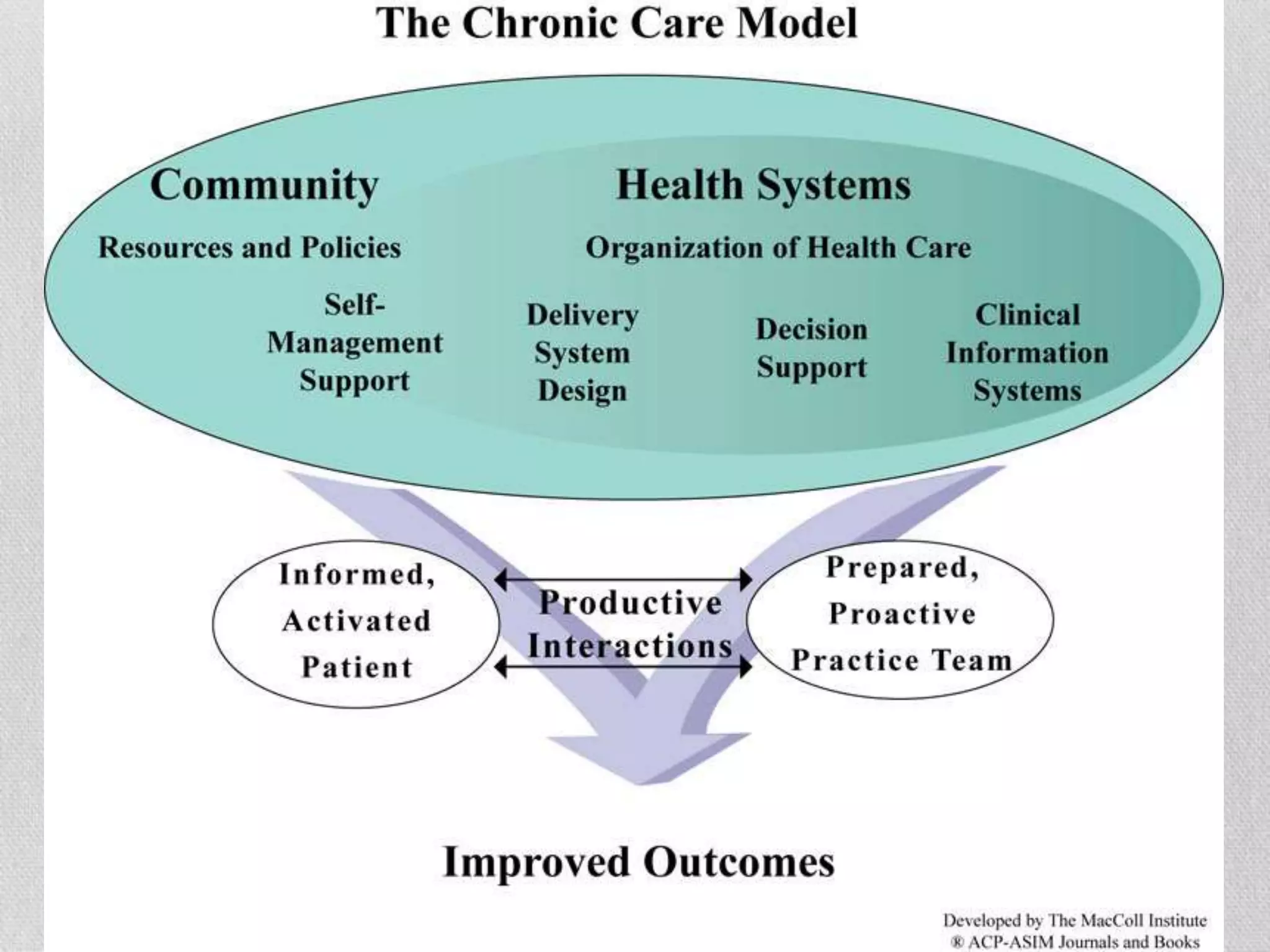
  • #32 When we can match a prepared health system and practitioners with an active informed patient we get improved outcomes