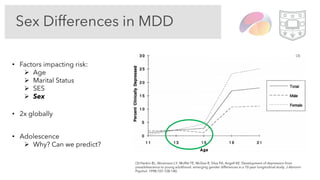
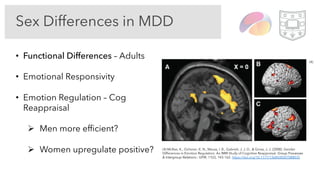
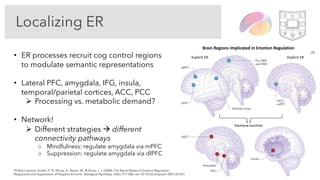
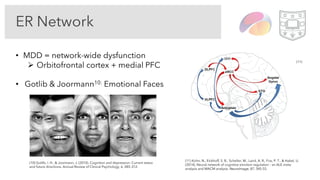
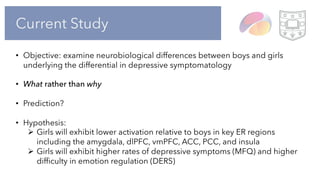
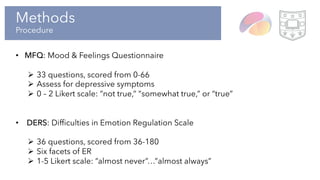
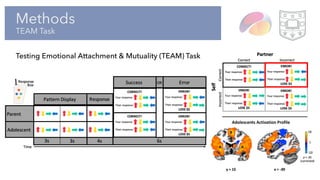
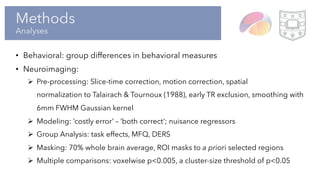
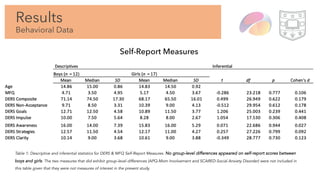
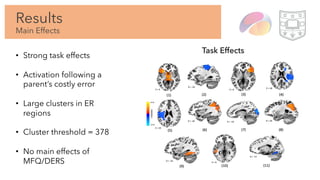
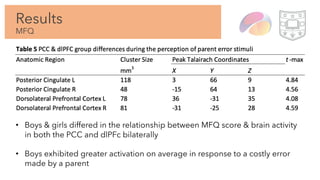
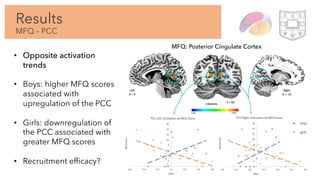
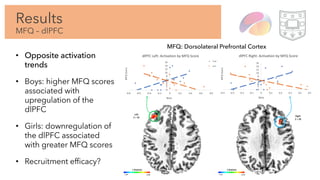
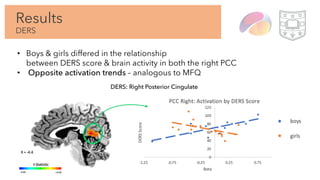
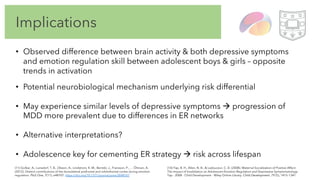
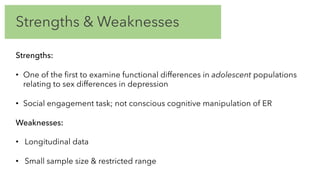
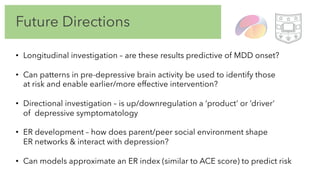
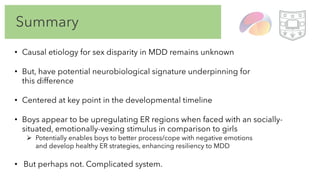
The study examined differences in brain activity and its relationship to depressive symptoms between adolescent boys and girls. It found that boys and girls showed opposite patterns of activation in the posterior cingulate cortex (PCC) and dorsolateral prefrontal cortex (dlPFC) that correlated with their reported depressive symptoms and difficulties with emotion regulation. Specifically, boys showed increased activation in these areas associated with higher symptoms, while girls showed decreased activation. This suggests a potential neurobiological mechanism underlying differences in depression risk between adolescent males and females.