The Supporting
Sections
of the dissertation
 Bibliography;
 Appendices;
 Glossary;
Bibliography
 When you hand in a research project, you
should also hand in a list of all the materials you
used– books, magazines, encyclopedias, web
sites, or videos, etc;
 Works Cited List (M. L. A.)/ or List of
References (A. P. A);
 Bibliography: a complete list of references to
the works you have consulted during the course
of your research;
 A comprehensive and well laid out bibliography
will be an important factor in how positively your
work is evaluated by your examiners;
 A good bibliography will:
 indicate that you have consulted others’ works and are
aware of the debate, arguments and practices in your
field, particularly as they relate to the subject of your
own research;
 add weight and credibility to your statements;
 enable others to check the accuracy of your information
and interpretations;
 direct others to works you have found useful and to
related publications;
 acknowledge other people’s work and ideas;
 enable you and your readers to review the sources of
your information;
 show that you are familiar with academic formatting
conventions;
How to format your bibliography ?
There are varieties of styles used for
formatting list of references;
M. L. A;
A. P. A;
C. M. S;
 Be sure to use MLA Advanced
format for your Works Cited lists;
 The works cited page:
Is in alphabetical order (by the first word in the entry,
excluding "a," "an," and "the" when alphabetizing by
title);
 Is formatted with a hanging indent: the first line is
flush with the left margin, and subsequent lines are
indented 5 inches.
Is double-spaced throughout, including between the
title and the first entry;
Titles of articles from encyclopedias, websites,
newspapers, magazines and databases are put in
“quotation marks”;
Titles of books, encyclopedias, websites, newspapers,
magazines and databases are italicized;
Includes a medium of publication (Print, Web, Film,
DVD, etc.);
 You need to include:
 WHO wrote the book or article or website?
(Author’s last name first, then first name);
 WHAT is it called? (Title of Book/ Article/
Webpage)
 WHERE was it published? (City and name of
publisher / URL);
 WHEN was it published? (Copyright date /
issue date / last updated date & access date);
 The MEDIUM of publication (Print, Web,
Radio, Television, CD, DVD, Film, performance,
Lecture, PDF file, etc.);
Appendix (es)
 Any material that you feel would interrupt the flow of the
main text and act as a distraction from your main
arguments;
 An appendix: supplementary back matter, or other
written material added to a publication;
 Additional information added at the end of a paper, a
book, a dictionary or a thesis;
 Appendices are listed separately;
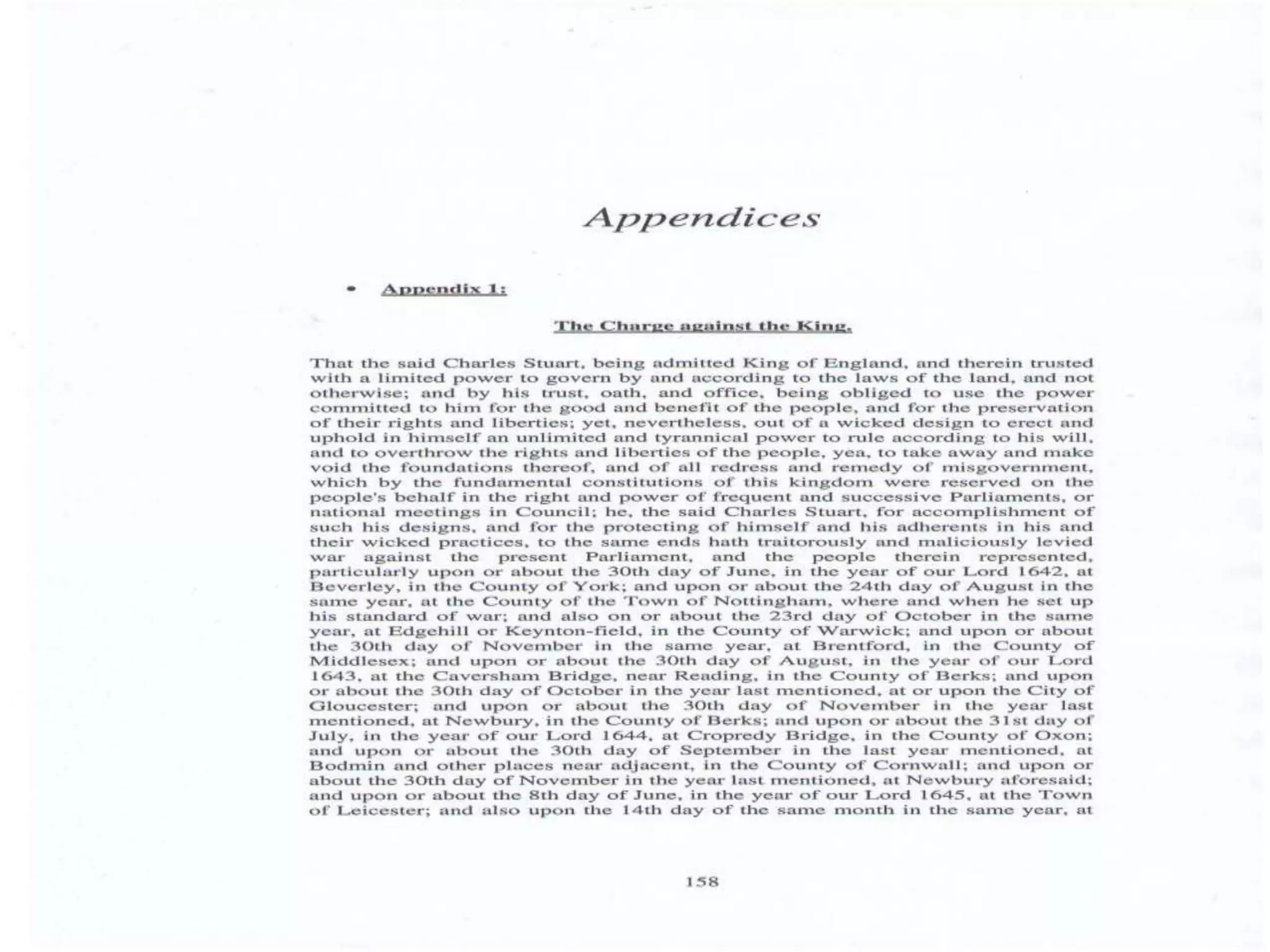
 E. g., Appendix 1, on p. 21; Appendix 2, on p. 22, etc;
 They are longer than footnotes/endnotes (one-page or
even more);
 They support the text;
 They contain less important information that the reader
may refer to if (s)he wants;
How to Format an Appendix
 The heading should be:
APPENDIX or Appendix, followed by a letter or
number;
Centred;
Bold;
APPENDIX A,
Appendix 1,
 Each appendix must begin on a new page;
 Appendices must be listed in the table of contents (if
used);
 The page number(s) of the appendix/ appendices will
follow on from the body of the text;
 Appendices may precede or follow the reference list;
Glossary
 A glossary is an alphabetized collection
of specialized terms with their meanings;
 Glossary entries help the general reader
to understand new or uncommon
vocabulary and specialized terms;
 The word is derived from the Latin word
“glossa”, which means “foreign word”;
 Students often use glossaries as study
tools because they quickly cover a wide
range of concepts with clear and concise
definitions;
 A glossary is used to highlight
concepts;
 For example, someone who is not
very familiar with the Internet could
benefit from reading a glossary which
covers basic terms and issues;
 Since words sometimes have
multiple meanings in the English
language, such a glossary can be
extremely useful because it will
eliminate confusion;
How to Write Glossaries
 Glossaries can be quite difficult to write,
mainly because some definitions require much
research;
 Many definitions can be found online, others
cannot;
 For these, you will have to read standards and
books;
 It is tempting to copy and paste a definition
from an online dictionary into your glossary;
 But, don't;
 It is better to collect as many definitions as you
can and rewrite them in your own words;
Guidelines For Writing a Glossary
 Keywords (terms, acronyms, and abbreviations used in your document) must
appear in alphabetical order;
 Keywords that begin with numbers should be positioned in the glossary as though
the number were written as a word;
 Thus, "10Base-T," for example, would be placed after "TCP/IP";
 Capitalize only those words that are proprietary or that are otherwise intended to be
capitalized;
 For acronyms and abbreviations, do not provide the definition; Instead, expand the
acronym or abbreviation to the full term, and provide a reference to the full term and
definition:
 C. T. U. (Counter̶ Terrorism Unit): A Branch of US Department of Defense
(Pentagon) which is responsible for reacting to/ or retaliation for some previous act
of terrorism.
 N. S. A. (National Security Agency): It is U.S. intelligence agency which is a
branch of Department of Defense (Pentagon) which is responsible for cryptographic
and communications intelligence and security. The NSA grew out of the
communications intelligence activities of U.S. military units during World War II. The
NSA was established in 1952 by a presidential directive. It is the most secret of all
U.S. intelligence agencies. Its director is a military officer of flag rank—i.e., a general
or admiral.
 Do not restate the term in the definition,
 Avoid definitions like "A [term] is a word
that describes what happens when . . . ".
 Keep the definitions short,
 It is much easier to define a noun than a
verb,
 If you are trying to define a verb,
consider changing it to a noun,
 For example, rather than trying to define
"allocate," define "allocation" instead,
Thanks for your attention

The supporting sections

  • 1.
  • 2.
  • 3.
    Bibliography  When youhand in a research project, you should also hand in a list of all the materials you used– books, magazines, encyclopedias, web sites, or videos, etc;  Works Cited List (M. L. A.)/ or List of References (A. P. A);  Bibliography: a complete list of references to the works you have consulted during the course of your research;  A comprehensive and well laid out bibliography will be an important factor in how positively your work is evaluated by your examiners;
  • 4.
     A goodbibliography will:  indicate that you have consulted others’ works and are aware of the debate, arguments and practices in your field, particularly as they relate to the subject of your own research;  add weight and credibility to your statements;  enable others to check the accuracy of your information and interpretations;  direct others to works you have found useful and to related publications;  acknowledge other people’s work and ideas;  enable you and your readers to review the sources of your information;  show that you are familiar with academic formatting conventions;
  • 5.
    How to formatyour bibliography ? There are varieties of styles used for formatting list of references; M. L. A; A. P. A; C. M. S;  Be sure to use MLA Advanced format for your Works Cited lists;  The works cited page:
  • 6.
    Is in alphabeticalorder (by the first word in the entry, excluding "a," "an," and "the" when alphabetizing by title);  Is formatted with a hanging indent: the first line is flush with the left margin, and subsequent lines are indented 5 inches. Is double-spaced throughout, including between the title and the first entry; Titles of articles from encyclopedias, websites, newspapers, magazines and databases are put in “quotation marks”; Titles of books, encyclopedias, websites, newspapers, magazines and databases are italicized; Includes a medium of publication (Print, Web, Film, DVD, etc.);
  • 7.
     You needto include:  WHO wrote the book or article or website? (Author’s last name first, then first name);  WHAT is it called? (Title of Book/ Article/ Webpage)  WHERE was it published? (City and name of publisher / URL);  WHEN was it published? (Copyright date / issue date / last updated date & access date);  The MEDIUM of publication (Print, Web, Radio, Television, CD, DVD, Film, performance, Lecture, PDF file, etc.);
  • 8.
    Appendix (es)  Anymaterial that you feel would interrupt the flow of the main text and act as a distraction from your main arguments;  An appendix: supplementary back matter, or other written material added to a publication;  Additional information added at the end of a paper, a book, a dictionary or a thesis;  Appendices are listed separately;  E. g., Appendix 1, on p. 21; Appendix 2, on p. 22, etc;  They are longer than footnotes/endnotes (one-page or even more);  They support the text;  They contain less important information that the reader may refer to if (s)he wants;
  • 9.
    How to Formatan Appendix  The heading should be: APPENDIX or Appendix, followed by a letter or number; Centred; Bold; APPENDIX A, Appendix 1,  Each appendix must begin on a new page;  Appendices must be listed in the table of contents (if used);  The page number(s) of the appendix/ appendices will follow on from the body of the text;  Appendices may precede or follow the reference list;
  • 12.
    Glossary  A glossaryis an alphabetized collection of specialized terms with their meanings;  Glossary entries help the general reader to understand new or uncommon vocabulary and specialized terms;  The word is derived from the Latin word “glossa”, which means “foreign word”;  Students often use glossaries as study tools because they quickly cover a wide range of concepts with clear and concise definitions;
  • 13.
     A glossaryis used to highlight concepts;  For example, someone who is not very familiar with the Internet could benefit from reading a glossary which covers basic terms and issues;  Since words sometimes have multiple meanings in the English language, such a glossary can be extremely useful because it will eliminate confusion;
  • 15.
    How to WriteGlossaries  Glossaries can be quite difficult to write, mainly because some definitions require much research;  Many definitions can be found online, others cannot;  For these, you will have to read standards and books;  It is tempting to copy and paste a definition from an online dictionary into your glossary;  But, don't;  It is better to collect as many definitions as you can and rewrite them in your own words;
  • 16.
    Guidelines For Writinga Glossary  Keywords (terms, acronyms, and abbreviations used in your document) must appear in alphabetical order;  Keywords that begin with numbers should be positioned in the glossary as though the number were written as a word;  Thus, "10Base-T," for example, would be placed after "TCP/IP";  Capitalize only those words that are proprietary or that are otherwise intended to be capitalized;  For acronyms and abbreviations, do not provide the definition; Instead, expand the acronym or abbreviation to the full term, and provide a reference to the full term and definition:  C. T. U. (Counter̶ Terrorism Unit): A Branch of US Department of Defense (Pentagon) which is responsible for reacting to/ or retaliation for some previous act of terrorism.  N. S. A. (National Security Agency): It is U.S. intelligence agency which is a branch of Department of Defense (Pentagon) which is responsible for cryptographic and communications intelligence and security. The NSA grew out of the communications intelligence activities of U.S. military units during World War II. The NSA was established in 1952 by a presidential directive. It is the most secret of all U.S. intelligence agencies. Its director is a military officer of flag rank—i.e., a general or admiral.
  • 17.
     Do notrestate the term in the definition,  Avoid definitions like "A [term] is a word that describes what happens when . . . ".  Keep the definitions short,  It is much easier to define a noun than a verb,  If you are trying to define a verb, consider changing it to a noun,  For example, rather than trying to define "allocate," define "allocation" instead,
  • 19.
    Thanks for yourattention