The Outdoor Environment as a 
Teaching Resource 
Mairi McLeod 
CASE Education 
www.educase.co.uk 
educase@hotmail.co.uk 
@CASEeducation
When We Were Young….. 
• In pairs discuss a favourite early childhood 
memory 
• Feedback to the group 
• How many were outdoor memories?
Why Outside? 
• March 2012 : National Trust research released a 
report on natural childhood by Stephen Moss 
hi-lighting the gap between children and nature 
• Less than 1 in 10 children play in wild spaces now 
compared to 50% a generation ago 
• Natural England has calculated that equitable 
access to green space would create an estimated 
saving to the health service of £2.1Billion per 
year
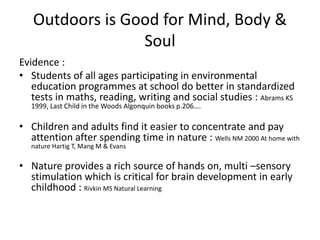
Outdoors is Good for Mind, Body & 
Soul 
Evidence : 
• Students of all ages participating in environmental 
education programmes at school do better in standardized 
tests in maths, reading, writing and social studies : Abrams KS 
1999, Last Child in the Woods Algonquin books p.206…. 
• Children and adults find it easier to concentrate and pay 
attention after spending time in nature : Wells NM 2000 At home with 
nature Hartig T, Mang M & Evans 
• Nature provides a rich source of hands on, multi –sensory 
stimulation which is critical for brain development in early 
childhood : Rivkin MS Natural Learning
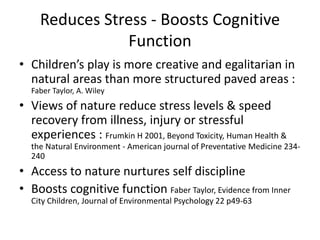
Reduces Stress - Boosts Cognitive 
Function 
• Children’s play is more creative and egalitarian in 
natural areas than more structured paved areas : 
Faber Taylor, A. Wiley 
• Views of nature reduce stress levels & speed 
recovery from illness, injury or stressful 
experiences : Frumkin H 2001, Beyond Toxicity, Human Health & 
the Natural Environment - American journal of Preventative Medicine 234- 
240 
• Access to nature nurtures self discipline 
• Boosts cognitive function Faber Taylor, Evidence from Inner 
City Children, Journal of Environmental Psychology 22 p49-63
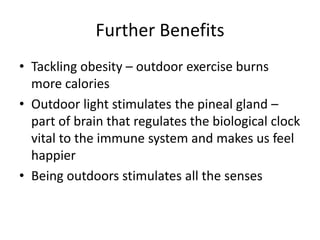
Further Benefits 
• Tackling obesity – outdoor exercise burns 
more calories 
• Outdoor light stimulates the pineal gland – 
part of brain that regulates the biological clock 
vital to the immune system and makes us feel 
happier 
• Being outdoors stimulates all the senses
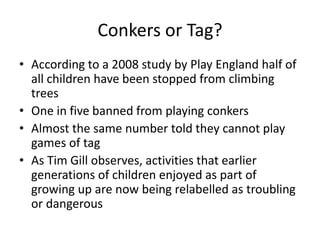
Conkers or Tag? 
• According to a 2008 study by Play England half of 
all children have been stopped from climbing 
trees 
• One in five banned from playing conkers 
• Almost the same number told they cannot play 
games of tag 
• As Tim Gill observes, activities that earlier 
generations of children enjoyed as part of 
growing up are now being relabelled as troubling 
or dangerous
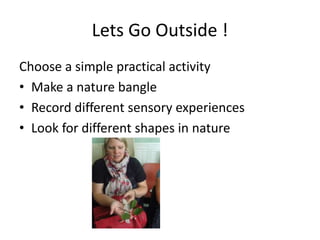
Lets Go Outside ! 
Choose a simple practical activity 
• Make a nature bangle 
• Record different sensory experiences 
• Look for different shapes in nature
Planning The Outdoor Area 
Get in the zone! 
• Think about how you would like your area to 
develop 
• Ask the pupils to help you with the design 
• Hold a competition 
• Do you have any green fingered creative 
parents?
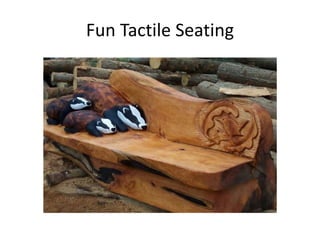
Fun Tactile Seating
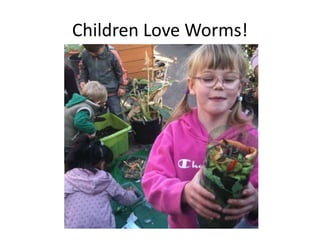
Children Love Worms!
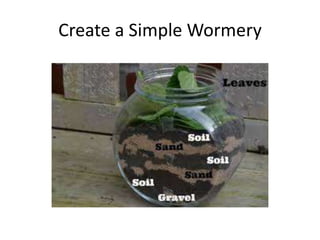
Create a Simple Wormery
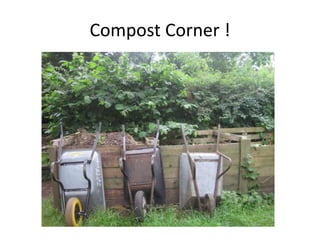
Compost Corner !
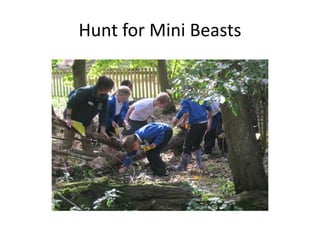
Hunt for Mini Beasts
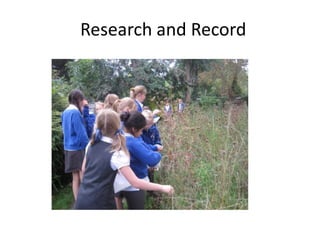
Research and Record
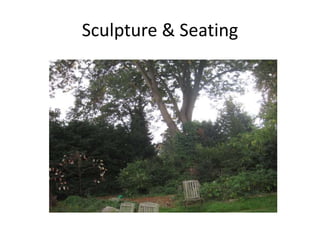
Sculpture & Seating
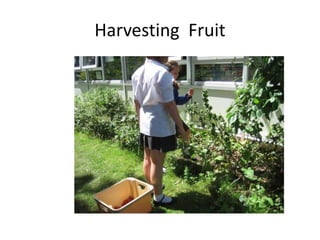
Harvesting Fruit
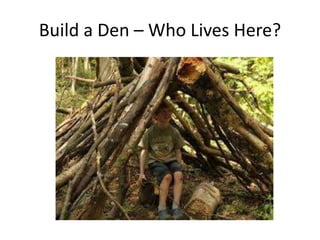
Build a Den – Who Lives Here?
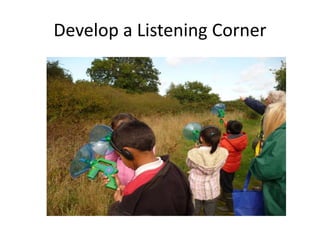
Develop a Listening Corner
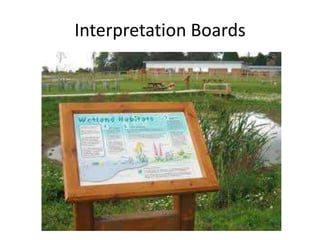
Interpretation Boards
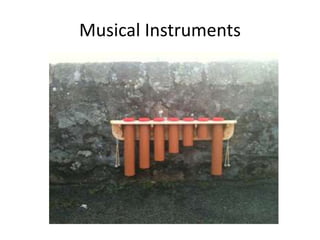
Musical Instruments
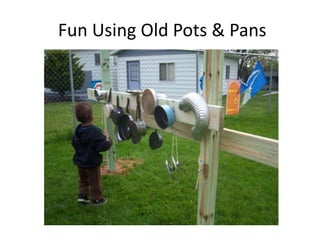
Fun Using Old Pots & Pans
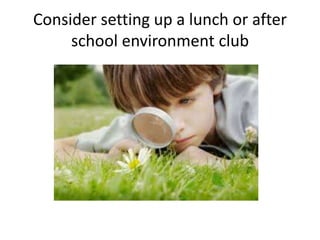
Consider setting up a lunch or after 
school environment club
Useful websites 
• http://www.opalexplorenature.org/kidszone 
• http://ptes.org/kids-club/ 
• http://www.naturedetectives.org.uk/autumn 
• http://www.anglianwater.co.uk/community/education/resources/key-stage-2-pack.aspx 
• http://projectwildthing.com/wildtime 
• http://www.youtube.com/user/SchoolGroundsUK 
• http://www.youtube.com/watch?v=x3s83qVp0mE 
• http://www.force.org.uk/ 
• http://www.ltl.org.uk/resources/results.php?id=751 
• http://www.playengland.org.uk/media/70684/design-for-play.pdf 
• http://www.naturalengland.org.uk/ 
• http://www.leef.org.uk/ 
• http://se-ed.co.uk/edu/
Books for outdoors 
Nursery / Reception 
Brown Bear, Brown Bear by Bill Martin Jr 
The Very Hungry Caterpillar by Eric Carle 
We’re going on a bear hunt by Michael Rosen 
Listen, Listen by Philis Gershator 
Who’s in the garden by Philis Gershator 
Key Stage 1 
Hansel & Gretel by Grimm 
Goldilocks & the 3 bears R. Southey 
Jaspers Beanstalk by Nick Butterworth 
The enormous turnip by Alexsei Tolstoy 
The Gruffalo by Julia Donaldson 
Key Stage 2 
Charlotte’s Web by E B White 
Storyteller- the snapdragon plant -Scholastic 
Mrs Parrot’s Rainforest by Michael Cox 
King of the cloud forests by M. Morpurgo 
Anancy and Mr Drybone by F. French 
Finn’s Island by E. Dunlop
Treasure Box ideas & Equipment 
• Magnifying glasses 
• Listening devices 
• Ultrasound detectors 
• Spades 
• Buckets 
• Fabric 
• Dressing up 
• Cardboard boxes 
• Rope 
• Twine 
• string 
• Clipboards 
• Pencils 
• Laminated Identification cards 
• Paper 
• Crayons 
• Binoculars 
• Torch 
• Compass 
• Sample Pots 
• Camera 
• Wheelbarrow 
• Rakes

The outdoor environment as a teaching resource

  • 1.
    The Outdoor Environmentas a Teaching Resource Mairi McLeod CASE Education www.educase.co.uk educase@hotmail.co.uk @CASEeducation
  • 2.
    When We WereYoung….. • In pairs discuss a favourite early childhood memory • Feedback to the group • How many were outdoor memories?
  • 3.
    Why Outside? •March 2012 : National Trust research released a report on natural childhood by Stephen Moss hi-lighting the gap between children and nature • Less than 1 in 10 children play in wild spaces now compared to 50% a generation ago • Natural England has calculated that equitable access to green space would create an estimated saving to the health service of £2.1Billion per year
  • 4.
    Outdoors is Goodfor Mind, Body & Soul Evidence : • Students of all ages participating in environmental education programmes at school do better in standardized tests in maths, reading, writing and social studies : Abrams KS 1999, Last Child in the Woods Algonquin books p.206…. • Children and adults find it easier to concentrate and pay attention after spending time in nature : Wells NM 2000 At home with nature Hartig T, Mang M & Evans • Nature provides a rich source of hands on, multi –sensory stimulation which is critical for brain development in early childhood : Rivkin MS Natural Learning
  • 5.
    Reduces Stress -Boosts Cognitive Function • Children’s play is more creative and egalitarian in natural areas than more structured paved areas : Faber Taylor, A. Wiley • Views of nature reduce stress levels & speed recovery from illness, injury or stressful experiences : Frumkin H 2001, Beyond Toxicity, Human Health & the Natural Environment - American journal of Preventative Medicine 234- 240 • Access to nature nurtures self discipline • Boosts cognitive function Faber Taylor, Evidence from Inner City Children, Journal of Environmental Psychology 22 p49-63
  • 6.
    Further Benefits •Tackling obesity – outdoor exercise burns more calories • Outdoor light stimulates the pineal gland – part of brain that regulates the biological clock vital to the immune system and makes us feel happier • Being outdoors stimulates all the senses
  • 7.
    Conkers or Tag? • According to a 2008 study by Play England half of all children have been stopped from climbing trees • One in five banned from playing conkers • Almost the same number told they cannot play games of tag • As Tim Gill observes, activities that earlier generations of children enjoyed as part of growing up are now being relabelled as troubling or dangerous
  • 8.
    Lets Go Outside! Choose a simple practical activity • Make a nature bangle • Record different sensory experiences • Look for different shapes in nature
  • 9.
    Planning The OutdoorArea Get in the zone! • Think about how you would like your area to develop • Ask the pupils to help you with the design • Hold a competition • Do you have any green fingered creative parents?
  • 10.
  • 11.
  • 12.
  • 13.
  • 14.
  • 15.
  • 16.
  • 17.
  • 18.
    Build a Den– Who Lives Here?
  • 19.
  • 20.
  • 21.
  • 22.
    Fun Using OldPots & Pans
  • 23.
    Consider setting upa lunch or after school environment club
  • 24.
    Useful websites •http://www.opalexplorenature.org/kidszone • http://ptes.org/kids-club/ • http://www.naturedetectives.org.uk/autumn • http://www.anglianwater.co.uk/community/education/resources/key-stage-2-pack.aspx • http://projectwildthing.com/wildtime • http://www.youtube.com/user/SchoolGroundsUK • http://www.youtube.com/watch?v=x3s83qVp0mE • http://www.force.org.uk/ • http://www.ltl.org.uk/resources/results.php?id=751 • http://www.playengland.org.uk/media/70684/design-for-play.pdf • http://www.naturalengland.org.uk/ • http://www.leef.org.uk/ • http://se-ed.co.uk/edu/
  • 25.
    Books for outdoors Nursery / Reception Brown Bear, Brown Bear by Bill Martin Jr The Very Hungry Caterpillar by Eric Carle We’re going on a bear hunt by Michael Rosen Listen, Listen by Philis Gershator Who’s in the garden by Philis Gershator Key Stage 1 Hansel & Gretel by Grimm Goldilocks & the 3 bears R. Southey Jaspers Beanstalk by Nick Butterworth The enormous turnip by Alexsei Tolstoy The Gruffalo by Julia Donaldson Key Stage 2 Charlotte’s Web by E B White Storyteller- the snapdragon plant -Scholastic Mrs Parrot’s Rainforest by Michael Cox King of the cloud forests by M. Morpurgo Anancy and Mr Drybone by F. French Finn’s Island by E. Dunlop
  • 26.
    Treasure Box ideas& Equipment • Magnifying glasses • Listening devices • Ultrasound detectors • Spades • Buckets • Fabric • Dressing up • Cardboard boxes • Rope • Twine • string • Clipboards • Pencils • Laminated Identification cards • Paper • Crayons • Binoculars • Torch • Compass • Sample Pots • Camera • Wheelbarrow • Rakes