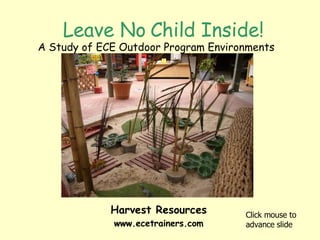
Leave No Child Inside! A Study of ECE Outdoor Program Environments Click mouse to advance slide Harvest Resources www.ecetrainers.com
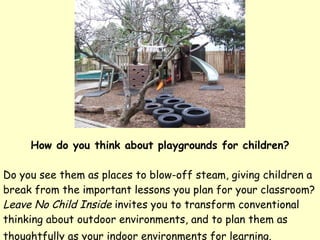
How do you think about playgrounds for children? Do you see them as places to blow-off steam, giving children a break from the important lessons you plan for your classroom?  Leave No Child Inside  invites you to transform conventional thinking about outdoor environments, and to plan them as thoughtfully as your indoor environments for learning.
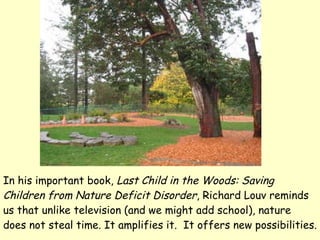
In his important book,  Last Child in the Woods: Saving Children from Nature Deficit Disorder , Richard Louv reminds us that unlike television (and we might add school), nature does not steal time. It amplifies it.  It offers new possibilities.
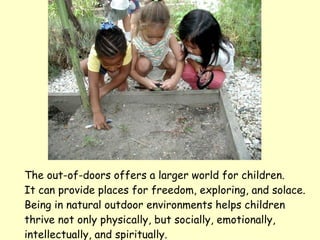
The out-of-doors offers a larger world for children.  It can provide places for freedom, exploring, and solace. Being in natural outdoor environments helps children  thrive not only physically, but socially, emotionally, intellectually, and spiritually.
Likewise, there are human costs that come with alienation from nature. Today’s children are experiencing the symptoms: stress, obesity, fear, depression, and ADHD.
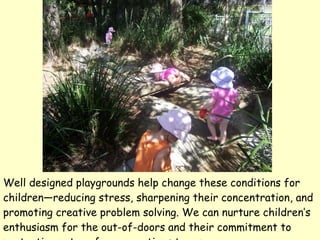
Well designed playgrounds help change these conditions for children—reducing stress, sharpening their concentration, and promoting creative problem solving. We can nurture children’s enthusiasm for the out-of-doors and their commitment to protecting nature for generations to come.
Beyond safety guidelines and risk management, this study guide invites you to consider these elements when planning outdoor environments for young children: Connecting children to nature Caring for plants and creatures Landscaping for adventure and drama Creating places to feel powerful & competent Designing cozy spaces and gathering places Enhancing play with props and activities Defining spaces for people and things
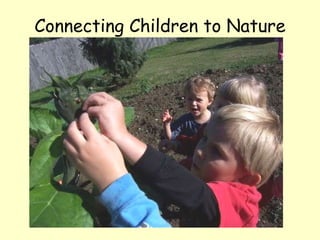
Connecting Children to Nature
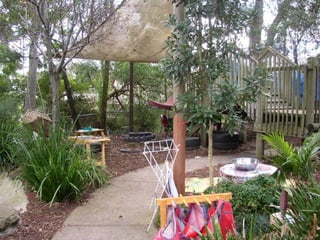
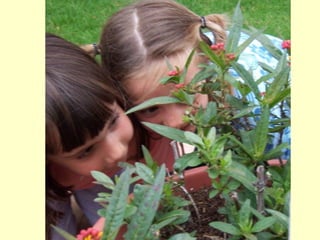
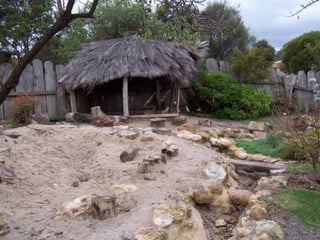
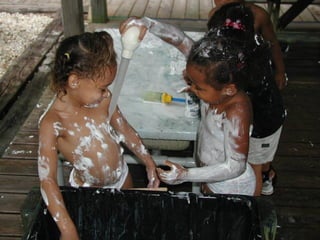
Why is the natural world important for children? Learning to notice the details of texture, color, smell, and sound Finding one’s place in the cycle of life Becoming a steward of plants and creatures Finding the joys of water, dirt, and sand
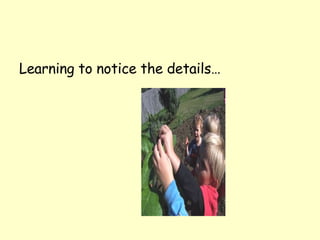
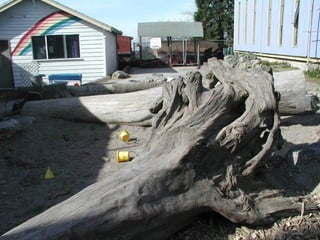
Learning to notice the details…
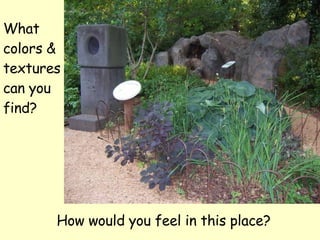
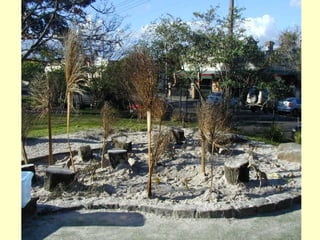
What colors & textures can you find? How would you feel in this place?


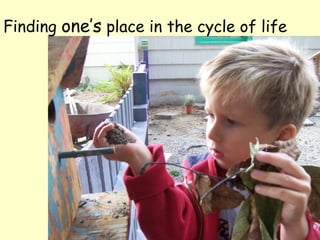
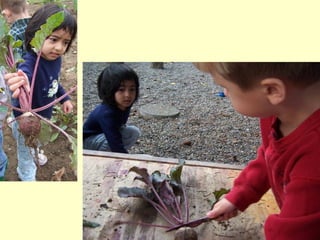
Finding  one’s  place in the cycle of life
 
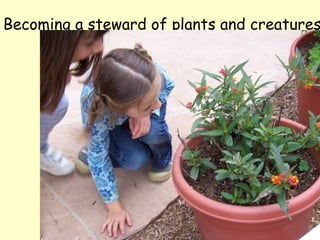
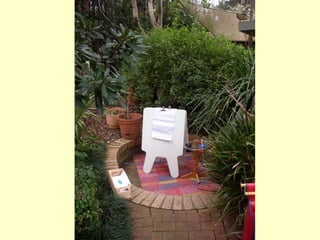
Becoming a steward of plants and creatures


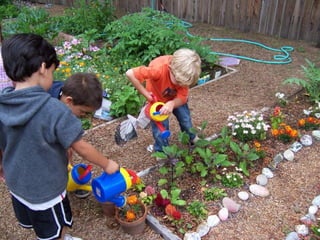
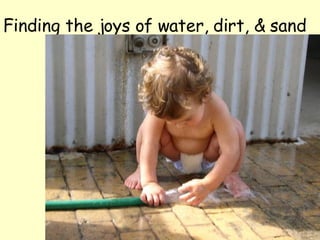
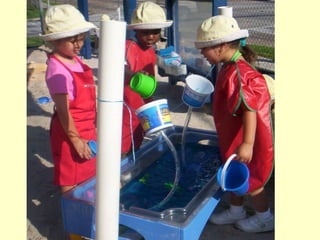
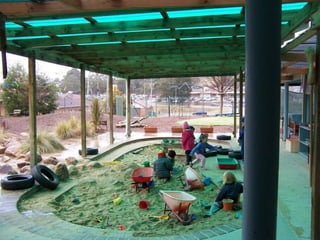
Finding the joys of water, dirt, & sand
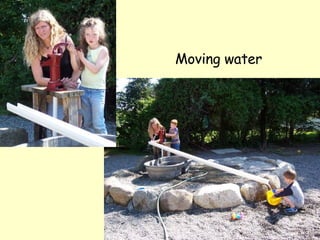
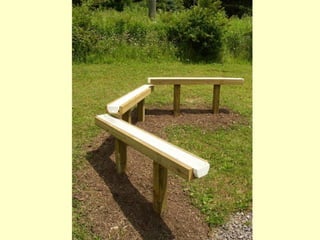
Moving water
 
 
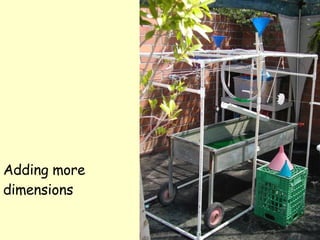
Adding more dimensions
INSPIRATION
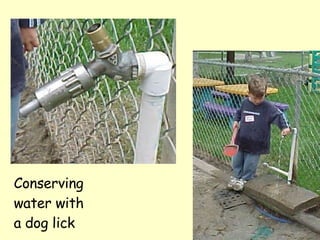
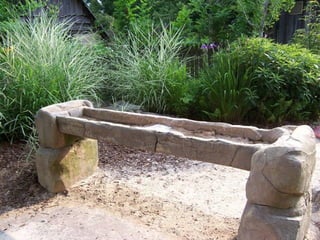
Conserving water with  a dog lick
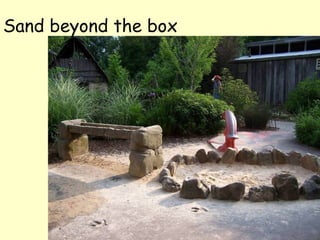
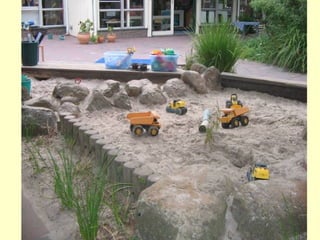
Sand beyond the box


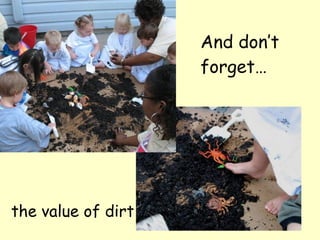
And don’t forget… the value of dirt
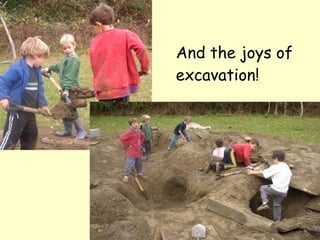
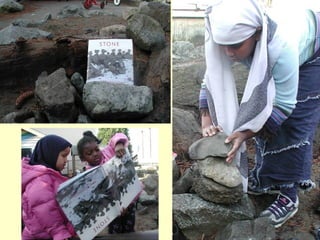
And the joys of excavation!
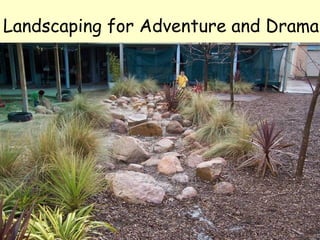
Landscaping for Adventure and Drama
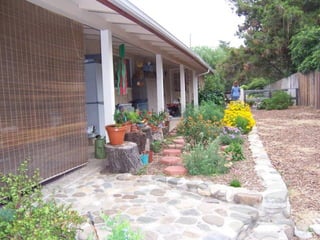
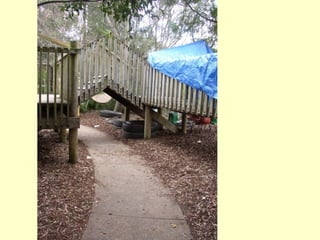
Landscaping for adventure and drama Look around your outdoor play area.   Are there places that engage a sense of wonder provoke curiosity and a desire to  investigate? Can children do the work of  a scientist an ecologist or archeologist?  Can they  conquer fears, take risks, develop courage and become heroes?
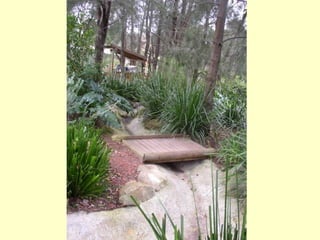
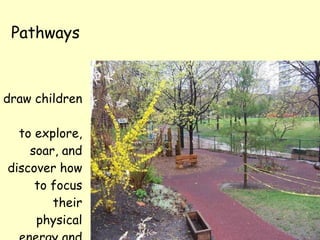
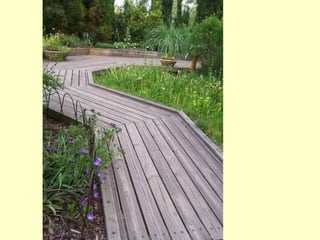
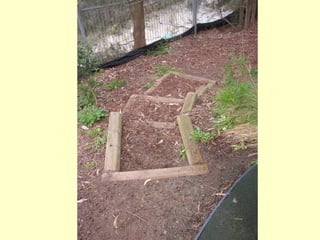
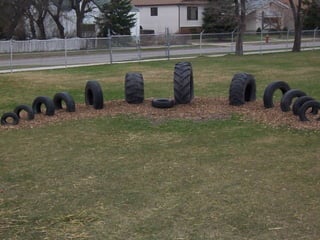
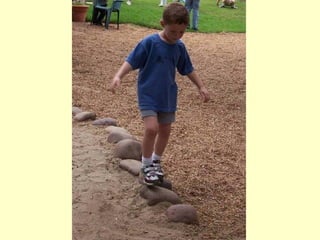
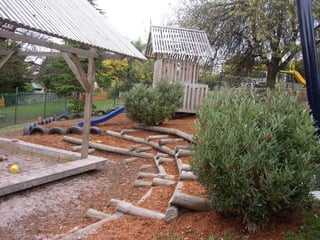
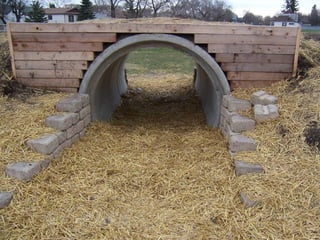
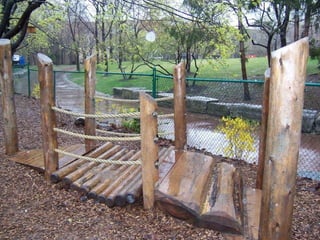
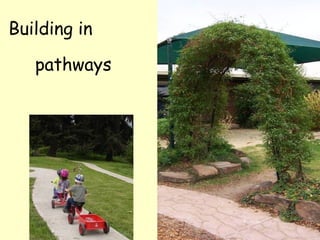
Building in  pathways
 
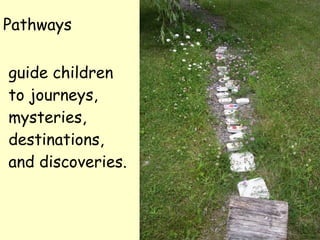
guide children to journeys, mysteries, destinations, and discoveries. Pathways
 
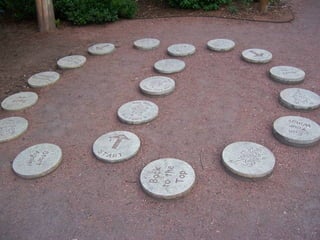
draw children  to explore, soar, and discover how to focus their physical energy and imagination. Pathways
INSPIRATION
 
 
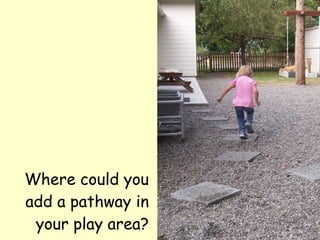
Where could you add a pathway in your play area?
INSPIRATION
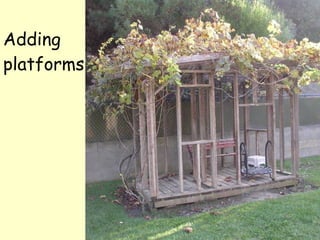
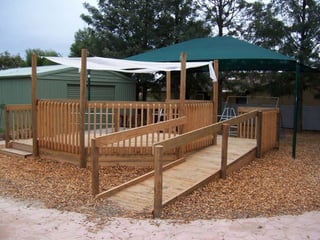
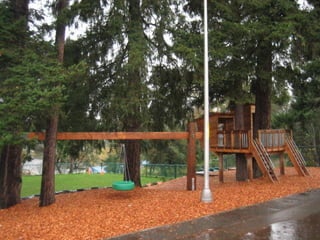
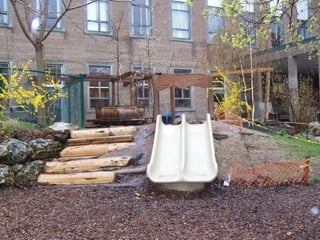
Adding platforms
 
 
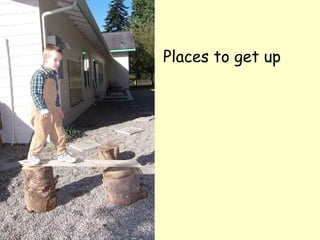
Places to get up
 
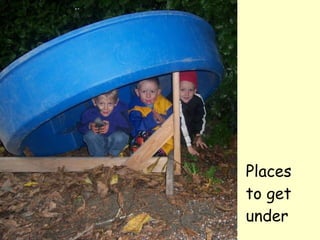
Places to get under
 
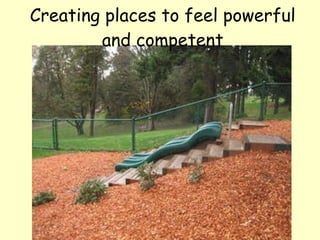
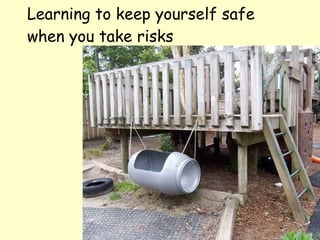
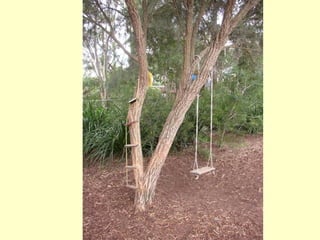
Creating places to feel powerful and competent
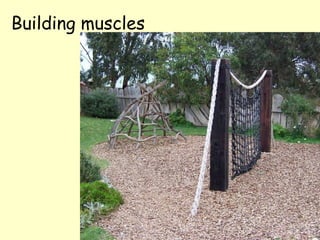
Building muscles
 
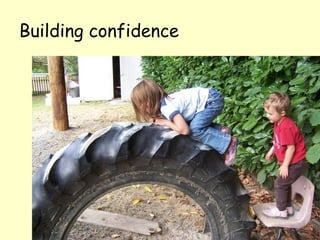
Building confidence
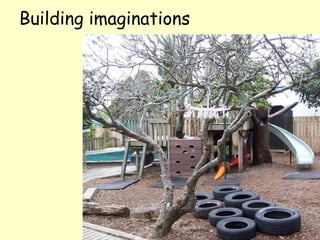
Building imaginations
 
INSPIRATION
INSPIRATION
Learning to keep yourself safe when you take risks
INSPIRATION
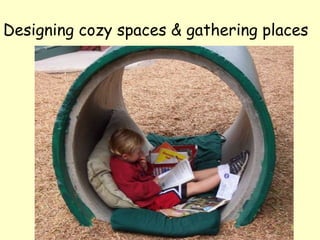
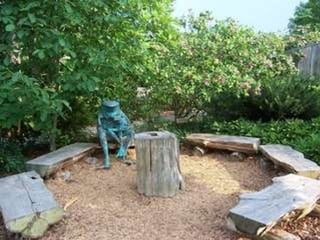
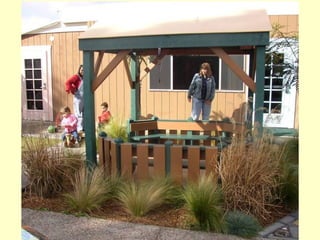
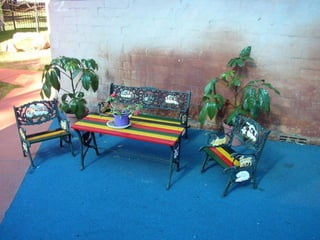
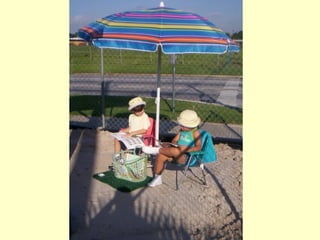
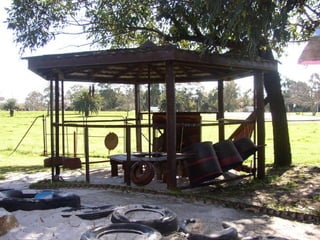
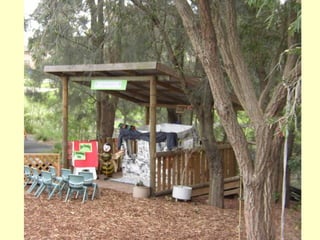
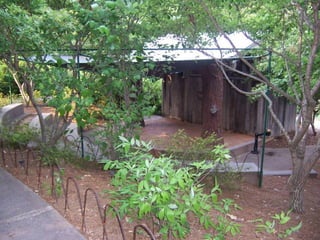
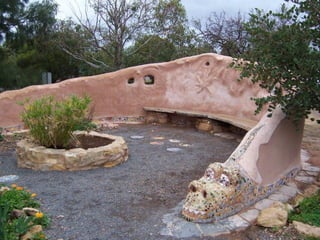
Designing cozy spaces & gathering places
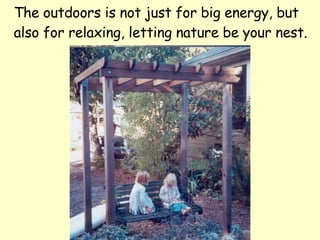
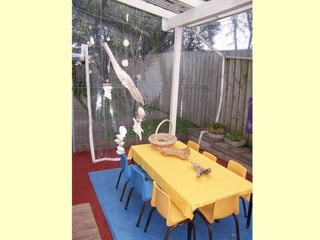
The outdoors is not just for big energy, but also for relaxing, letting nature be your nest.
 
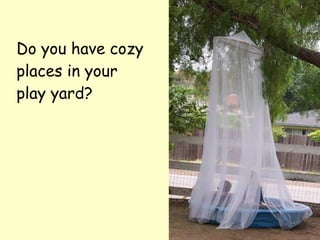
Do you have cozy places in your play yard?
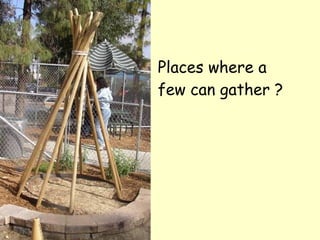
Places where a few can gather ?
 
INSPIRATION
INSPIRATION
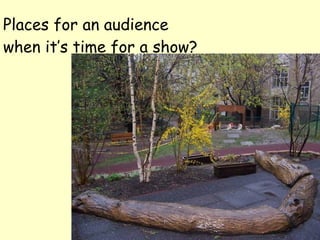
Places for an audience when it’s time for a show?
INSPIRATION


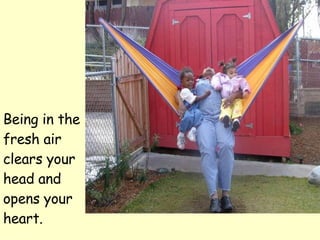
Being in the fresh air clears your head and opens your heart.
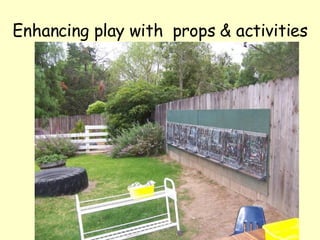
Enhancing play with  props & activities
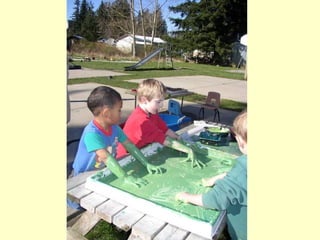
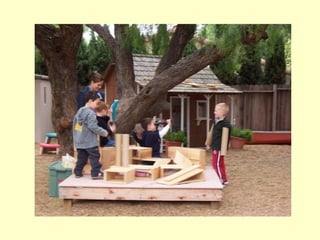
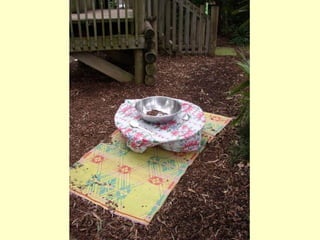
When you bring indoor things outside,  you expand the possibilities with A different quality of light More space Less worry about mess.


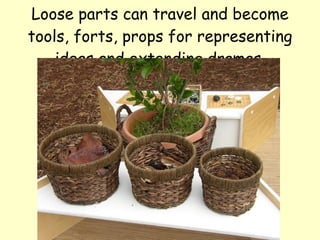
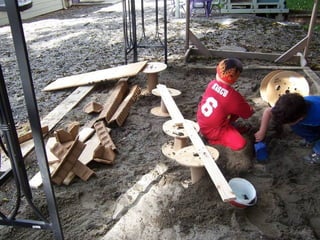
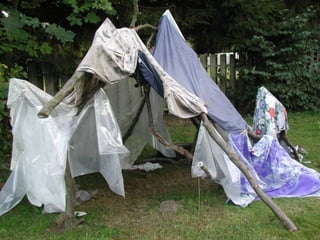
Loose parts can travel and become tools, forts, props for representing ideas and extending dramas.


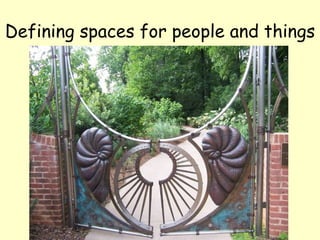
Defining spaces for people and things
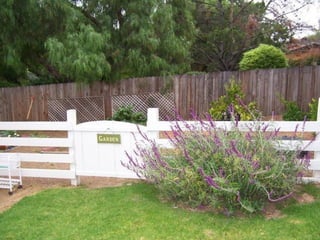
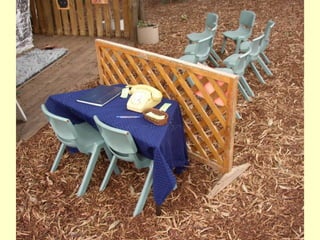
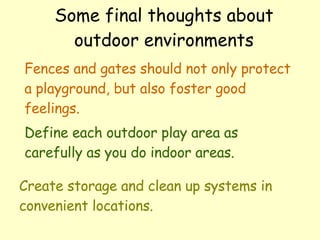
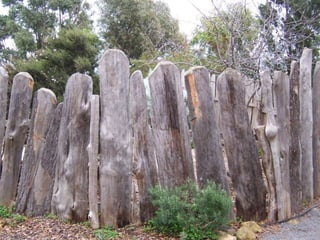
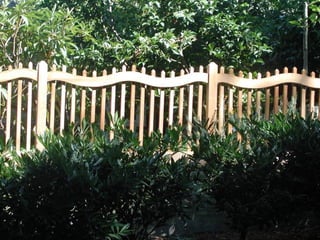
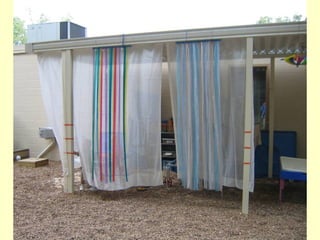
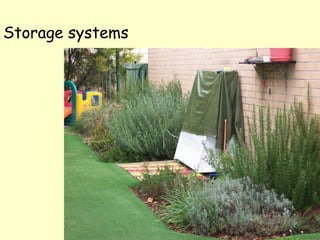
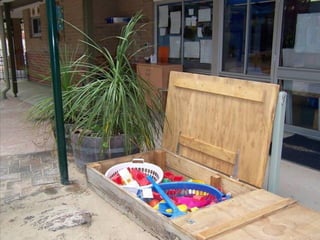
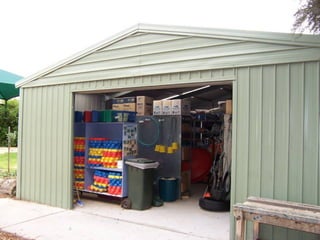
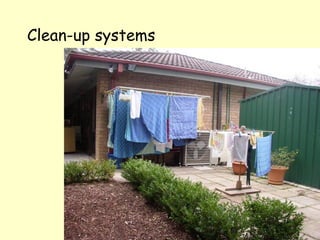
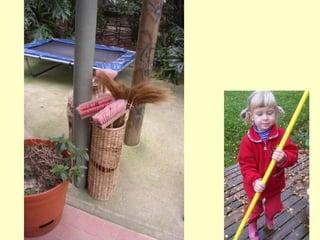
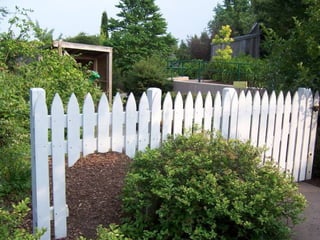
Some final thoughts about outdoor environments Fences and gates should not only protect a playground, but also foster good feelings. Define each outdoor play area as carefully as you do indoor areas. Create storage and clean up systems in convenient locations.


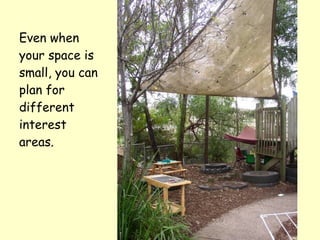
Even when your space is small, you can plan for different interest areas.
 
Storage systems
 
 
Clean-up systems
 
And, one more thing…
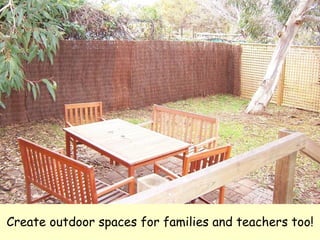
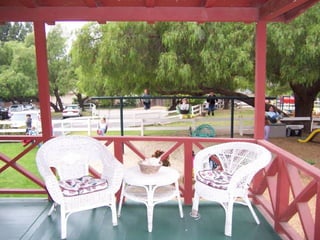
Create outdoor spaces for families and teachers too!
 
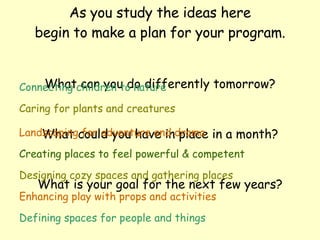
As you study the ideas here begin to make a plan for your program. What can you do differently tomorrow? What could you have in place in a month? What is your goal for the next few years? Connecting children to nature Caring for plants and creatures Landscaping for adventure and drama Creating places to feel powerful & competent Designing cozy spaces and gathering places Enhancing play with props and activities Defining spaces for people and things
Leave no child inside. For further inspiration, read Richard Louv (2006),  Last Child in the Woods. Saving Our Children from Nature Deficit Disorder NY: Algonguin You can prevent nature deficit disorder! Visit Harvest Resources  for ongoing information. www.ecetrainers.com

Leave No Child Inside

  • 1.
    Leave No ChildInside! A Study of ECE Outdoor Program Environments Click mouse to advance slide Harvest Resources www.ecetrainers.com
  • 2.
    How do youthink about playgrounds for children? Do you see them as places to blow-off steam, giving children a break from the important lessons you plan for your classroom? Leave No Child Inside invites you to transform conventional thinking about outdoor environments, and to plan them as thoughtfully as your indoor environments for learning.
  • 3.
    In his importantbook, Last Child in the Woods: Saving Children from Nature Deficit Disorder , Richard Louv reminds us that unlike television (and we might add school), nature does not steal time. It amplifies it. It offers new possibilities.
  • 4.
    The out-of-doors offersa larger world for children. It can provide places for freedom, exploring, and solace. Being in natural outdoor environments helps children thrive not only physically, but socially, emotionally, intellectually, and spiritually.
  • 5.
    Likewise, there arehuman costs that come with alienation from nature. Today’s children are experiencing the symptoms: stress, obesity, fear, depression, and ADHD.
  • 6.
    Well designed playgroundshelp change these conditions for children—reducing stress, sharpening their concentration, and promoting creative problem solving. We can nurture children’s enthusiasm for the out-of-doors and their commitment to protecting nature for generations to come.
  • 7.
    Beyond safety guidelinesand risk management, this study guide invites you to consider these elements when planning outdoor environments for young children: Connecting children to nature Caring for plants and creatures Landscaping for adventure and drama Creating places to feel powerful & competent Designing cozy spaces and gathering places Enhancing play with props and activities Defining spaces for people and things
  • 8.
  • 9.
    Why is thenatural world important for children? Learning to notice the details of texture, color, smell, and sound Finding one’s place in the cycle of life Becoming a steward of plants and creatures Finding the joys of water, dirt, and sand
  • 10.
    Learning to noticethe details…
  • 11.
    What colors &textures can you find? How would you feel in this place?
  • 12.
  • 13.
  • 14.
  • 15.
  • 16.
    Finding one’s place in the cycle of life
  • 17.
  • 18.
    Becoming a stewardof plants and creatures
  • 19.
  • 20.
  • 21.
  • 22.
    Finding the joysof water, dirt, & sand
  • 23.
  • 24.
  • 25.
  • 26.
  • 27.
  • 28.
  • 29.
  • 30.
  • 31.
  • 32.
  • 33.
  • 34.
  • 35.
    And don’t forget…the value of dirt
  • 36.
    And the joysof excavation!
  • 37.
  • 38.
    Landscaping for adventureand drama Look around your outdoor play area. Are there places that engage a sense of wonder provoke curiosity and a desire to investigate? Can children do the work of a scientist an ecologist or archeologist? Can they conquer fears, take risks, develop courage and become heroes?
  • 39.
    Building in pathways
  • 40.
  • 41.
    guide children tojourneys, mysteries, destinations, and discoveries. Pathways
  • 42.
  • 43.
    draw children to explore, soar, and discover how to focus their physical energy and imagination. Pathways
  • 44.
  • 45.
  • 46.
  • 47.
    Where could youadd a pathway in your play area?
  • 48.
  • 49.
  • 50.
  • 51.
  • 52.
  • 53.
  • 54.
  • 55.
  • 56.
    Creating places tofeel powerful and competent
  • 57.
  • 58.
  • 59.
  • 60.
  • 61.
  • 62.
  • 63.
  • 64.
    Learning to keepyourself safe when you take risks
  • 65.
  • 66.
    Designing cozy spaces& gathering places
  • 67.
    The outdoors isnot just for big energy, but also for relaxing, letting nature be your nest.
  • 68.
  • 69.
    Do you havecozy places in your play yard?
  • 70.
    Places where afew can gather ?
  • 71.
  • 72.
  • 73.
  • 74.
    Places for anaudience when it’s time for a show?
  • 75.
  • 76.
  • 77.
  • 78.
  • 79.
    Being in thefresh air clears your head and opens your heart.
  • 80.
    Enhancing play with props & activities
  • 81.
    When you bringindoor things outside, you expand the possibilities with A different quality of light More space Less worry about mess.
  • 82.
  • 83.
  • 84.
  • 85.
  • 86.
  • 87.
  • 88.
    Loose parts cantravel and become tools, forts, props for representing ideas and extending dramas.
  • 89.
  • 90.
  • 91.
  • 92.
  • 93.
  • 94.
  • 95.
  • 96.
    Defining spaces forpeople and things
  • 97.
    Some final thoughtsabout outdoor environments Fences and gates should not only protect a playground, but also foster good feelings. Define each outdoor play area as carefully as you do indoor areas. Create storage and clean up systems in convenient locations.
  • 98.
  • 99.
  • 100.
  • 101.
    Even when yourspace is small, you can plan for different interest areas.
  • 102.
  • 103.
  • 104.
  • 105.
  • 106.
  • 107.
  • 108.
    And, one morething…
  • 109.
    Create outdoor spacesfor families and teachers too!
  • 110.
  • 111.
    As you studythe ideas here begin to make a plan for your program. What can you do differently tomorrow? What could you have in place in a month? What is your goal for the next few years? Connecting children to nature Caring for plants and creatures Landscaping for adventure and drama Creating places to feel powerful & competent Designing cozy spaces and gathering places Enhancing play with props and activities Defining spaces for people and things
  • 112.
    Leave no childinside. For further inspiration, read Richard Louv (2006), Last Child in the Woods. Saving Our Children from Nature Deficit Disorder NY: Algonguin You can prevent nature deficit disorder! Visit Harvest Resources for ongoing information. www.ecetrainers.com