The Microbiome Lifeline
How Can Data and Digital Tools
Help Us Prevent Autoimmunity
Bonnie Feldman, DDS, MBA – Your Autoimmunity Connection
www.drbonnie360.com | @DrBonnie360
A New Ecosystem:
The Body’s
Microbial Garden
@DrBonnie360
Convergence
@DrBonnie360
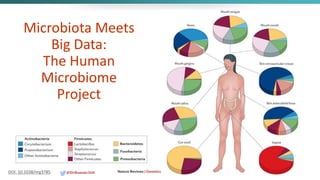
Microbiota Meets
Big Data:
The Human
Microbiome
Project
DOI: 10.1038/nrg3785 @DrBonnie360
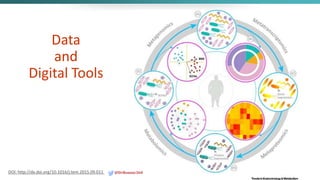
Data
and
Digital Tools
DOI: http://dx.doi.org/10.1016/j.tem.2015.09.011 @DrBonnie360
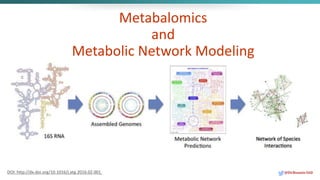
Metabalomics
and
Metabolic Network Modeling
DOI: http://dx.doi.org/10.1016/j.atg.2016.02.001 @DrBonnie360
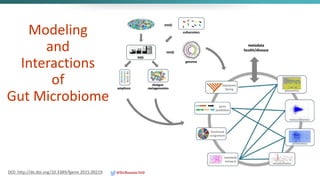
Modeling
and
Interactions
of
Gut Microbiome
DOI: http://dx.doi.org/10.3389/fgene.2015.00219 @DrBonnie360
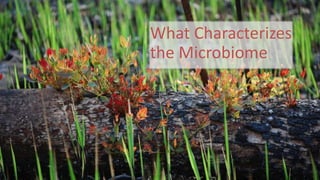
What Characterizes
the Microbiome
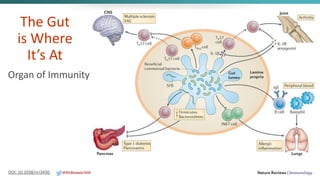
The Gut
is Where
It’s At
Organ of Immunity
DOI: 10.1038/nri3430 @DrBonnie360
The Gut
is Where
It’s At
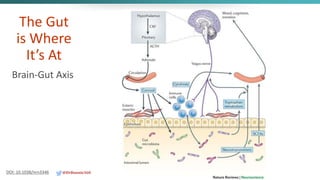
Brain-Gut Axis
DOI: 10.1038/nrn3346 @DrBonnie360
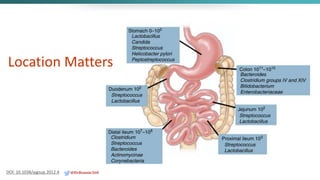
Location Matters
DOI: 10.1038/ajgsup.2012.4 @DrBonnie360
DOI: 10.3389/fcimb.2012.00104 @DrBonnie360
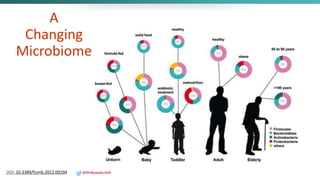
A
Changing
Microbiome
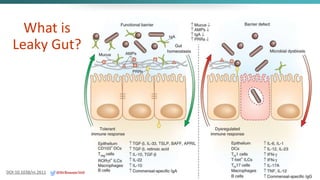
What is
Leaky Gut?
DOI:10.1038/ni.2611 @DrBonnie360
100+ 16% 10
diseases US population Top leading
cause of death
in women
less than 64 yrs
An Invisible Epidemic
@DrBonnie360
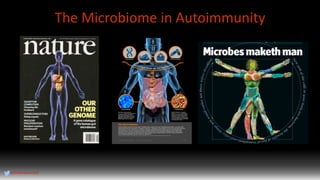
The Microbiome in Autoimmunity
@DrBonnie360
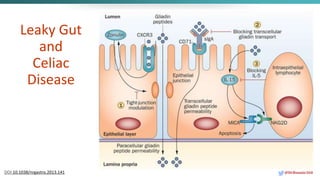
Leaky Gut
and
Celiac
Disease
DOI:10.1038/nrgastro.2013.141 @DrBonnie360
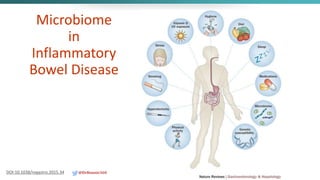
Microbiome
in
Inflammatory
Bowel Disease
DOI:10.1038/nrgastro.2015.34 @DrBonnie360
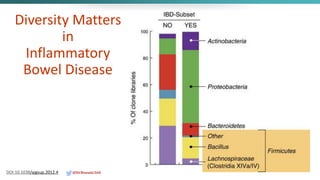
Diversity Matters
in
Inflammatory
Bowel Disease
DOI:10.1038/ajgsup.2012.4 @DrBonnie360
Microbiome
in
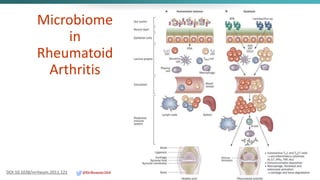
Rheumatoid
Arthritis
DOI:10.1038/nrrheum.2011.121 @DrBonnie360
Microbiome
in
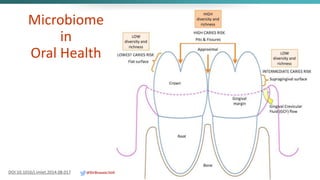
Oral Health
DOI:10.1016/j.imlet.2014.08.017 @DrBonnie360
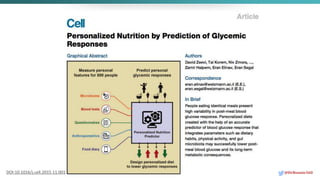
DOI:10.1016/j.cell.2015.11.001 @DrBonnie360
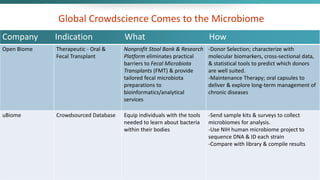
Company Indication What How
Open Biome Therapeutic - Oral &
Fecal Transplant
Nonprofit Stool Bank & Research
Platform eliminates practical
barriers to Fecal Microbiota
Transplants (FMT) & provide
tailored fecal microbiota
preparations to
bioinformatics/analytical
services
-Donor Selection; characterize with
molecular biomarkers, cross-sectional data,
& statistical tools to predict which donors
are well suited.
-Maintenance Therapy; oral capsules to
deliver & explore long-term management of
chronic diseases
uBiome Crowdsourced Database Equip individuals with the tools
needed to learn about bacteria
within their bodies
-Send sample kits & surveys to collect
microbiomes for analysis.
-Use NIH human microbiome project to
sequence DNA & ID each strain
-Compare with library & compile results
Global Crowdscience Comes to the Microbiome
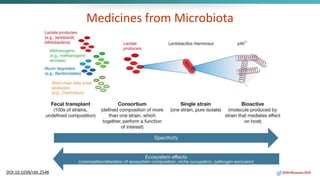
DOI:10.1038/nbt.2548
Medicines from Microbiota
@DrBonnie360
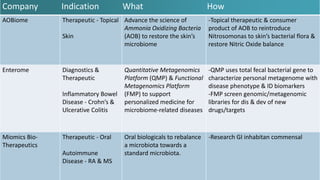
Company Indication What How
AOBiome Therapeutic - Topical
Skin
Advance the science of
Ammonia Oxidizing Bacteria
(AOB) to restore the skin’s
microbiome
-Topical therapeutic & consumer
product of AOB to reintroduce
Nitrosomonas to skin’s bacterial flora &
restore Nitric Oxide balance
Enterome Diagnostics &
Therapeutic
Inflammatory Bowel
Disease - Crohn’s &
Ulcerative Colitis
Quantitative Metagenomics
Platform (QMP) & Functional
Metagenomics Platform
(FMP) to support
personalized medicine for
microbiome-related diseases
-QMP uses total fecal bacterial gene to
characterize personal metagenome with
disease phenotype & ID biomarkers
-FMP screen genomic/metagenomic
libraries for dis & dev of new
drugs/targets
Miomics Bio-
Therapeutics
Therapeutic - Oral
Autoimmune
Disease - RA & MS
Oral biologicals to rebalance
a microbiota towards a
standard microbiota.
-Research GI inhabitan commensal
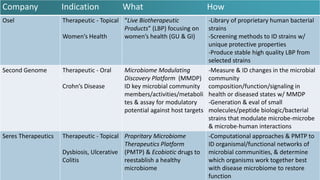
Company Indication What How
Osel Therapeutic - Topical
Women’s Health
“Live Biotherapeutic
Products” (LBP) focusing on
women’s health (GU & GI)
-Library of proprietary human bacterial
strains
-Screening methods to ID strains w/
unique protective properties
-Produce stable high quality LBP from
selected strains
Second Genome Therapeutic - Oral
Crohn’s Disease
Microbiome Modulating
Discovery Platform (MMDP)
ID key microbial community
members/activities/metaboli
tes & assay for modulatory
potential against host targets
-Measure & ID changes in the microbial
community
composition/function/signaling in
health or diseased states w/ MMDP
-Generation & eval of small
molecules/peptide biologic/bacterial
strains that modulate microbe-microbe
& microbe-human interactions
Seres Therapeutics Therapeutic - Topical
Dysbiosis, Ulcerative
Colitis
Propritary Microbiome
Therapeutics Platform
(PMTP) & Ecobiotic drugs to
reestablish a healthy
microbiome
-Computational approaches & PMTP to
ID organismal/functional networks of
microbial communities, & determine
which organisms work together best
with disease microbiome to restore
function
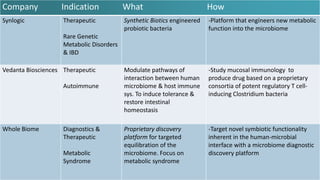
Company Indication What How
Synlogic Therapeutic
Rare Genetic
Metabolic Disorders
& IBD
Synthetic Biotics engineered
probiotic bacteria
-Platform that engineers new metabolic
function into the microbiome
Vedanta Biosciences Therapeutic
Autoimmune
Modulate pathways of
interaction between human
microbiome & host immune
sys. To induce tolerance &
restore intestinal
homeostasis
-Study mucosal immunology to
produce drug based on a proprietary
consortia of potent regulatory T cell-
inducing Clostridium bacteria
Whole Biome Diagnostics &
Therapeutic
Metabolic
Syndrome
Proprietary discovery
platform for targeted
equilibration of the
microbiome. Focus on
metabolic syndrome
-Target novel symbiotic functionality
inherent in the human-microbial
interface with a microbiome diagnostic
discovery platform
• Autoimmune Disease: An Invisible Epidemic
http://bit.ly/1m0ttsl
• The Serious Health Concern All 20-somethings
Should Know About
http://bit.ly/R9cEgp
• Decoding Autoimmunity – a Summary of the State
of the Art
http://bit.ly/1knzaAQ
• The Lonely Voices of Autoimmune Disease via
Youtube
http://bit.ly/X41mMv
• Believe It or Not – The Real Voices of
Autoimmunity
http://bit.ly/20xRCXO
Your Autoimmunity Exploration
Exploring The Microbiome Lifeline
• Fasano, Alessio. “Leaky Gut and Autoimmune Diseases.” Clinical Reviews in Allergy & Immunology 42.1 (2012) :
71–8. <http://www.ncbi.nlm.nih.gov/pubmed/22109896>.
• Gomez, Andres, David Luckey, and Veena Taneja. “The Gut Microbiome in Autoimmunity: Sex Matters.”Clinical
Immunology 159.2 (2015) : 154–162. <http://www.sciencedirect.com/science/article/pii/S1521661615001576>.
• Kamdar, K et al. “Genetic and Metabolic Signals during Acute Enteric Bacterial Infection Alter the Microbiota and
Drive Progression to Chronic Inflammatory Disease.” Cell Host & Microbe 19.1 (2016) : 21-31.
<http://www.cell.com/cell-host-microbe/pdfExtended/S1931-3128(15)00498-9>.
• McLean, Mairi et al. “Does the Microbiota Play a Role in the Pathogenesis of Autoimmune Diseases?” Gut 64.2
(2014) : gutjnl–2014–308514. <http://gut.bmj.com/content/early/2014/11/28/gutjnl-2014-308514>.
• Waldor, Matthew et al. “Where next for Microbiome Research?” PLoS Biology 13.1 (2015) : e1002050.
<http://journals.plos.org/plosbiology/article?id=10.1371/journal.pbio.1002050>.
• Wu, Hao, Valentina Tremaroli, and Fredrik Bäckhed. “Linking Microbiota to Human Diseases: A Systems Biology
Perspective.” Trends in Endocrinology & Metabolism 26.12 (2015) : 758-770.
<http://www.cell.com/trends/endocrinology-metabolism/abstract/S1043-2760(15)00194-0>.
Autoimmunity and the Microbiome
@DrBonnie360
The Microbiome and Inflammatory Bowel Disease
• De Souza, Heitor, and Claudio Fiocchi. “Immunopathogenesis of IBD: Current State of the Art.” Nature Reviews
Gastroenterology & Hepatology (2015) : 13-27 <http://www.ncbi.nlm.nih.gov/pubmed/26627550>.
• Sartor, R. Balfour. “The Intestinal Microbiota in Inflammatory Bowel Disease.” Nestle Nutrition Institute
Workshop Series 79 (2014) : 29–39.<https://uncch.pure.elsevier.com/en/publications/the-intestinal-microbiota-
in-inflammatory-bowel-diseases>.
• Sartor, RB, and SK Mazmanian. “Intestinal Microbes in Inflammatory Bowel Diseases.” The American Journal of
Gastroenterology … (2012) : 15-21. <http://www.nature.com/ajgsup/journal/v1/n1/abs/ajgsup20124a.html>.
• Wlodarska, Marta, Aleksandar Kostic, and Ramnik Xavier. “An Integrative View of Microbiome-Host Interactions
in Inflammatory Bowel Diseases.” Cell Host & Microbe 17.5 (2015) : 577-591.
<http://www.cell.com/cell-host-microbe/abstract/S1931-3128(15)00166-3>.
@DrBonnie360
The Microbiome and Periodontal Disease
• Costalonga, M, and MC Herzberg. “The Oral Microbiome and the Immunobiology of Periodontal Disease and
Caries.” Immunology Letters 162.2 (2014) : 22-38.
<http://www.sciencedirect.com/science/article/pii/S0165247814001874>.
Rheumatoid Arthritis
Systemic Lupus Erythematosus
• Scher, JU, and SB Abramson. “The Microbiome and Rheumatoid Arthritis.” Nature Reviews Rheumatology 7
(2011) : 569-578. <http://www.nature.com/nrrheum/journal/v7/n10/abs/nrrheum.2011.121.html>.
• Mu, Q, H Zhang, and XM Luo. “SLE: Another Autoimmune Disorder Influenced by Microbes and Diet?” Frontiers
in Immunology (2015) : n. pag. <http://www.ncbi.nlm.nih.gov/pmc/articles/PMC4663251/>.
@DrBonnie360
Prevention – Diet, Food, & Nutrition
• Tilg, H, and AR Moschen. “Food, Immunity, and the Microbiome.” Gastroenterology 148.6 (2015) : 1107-1119.
<http://www.sciencedirect.com/science/article/pii/S0016508515000128>.
• Zeevi et al. “Personalized Nutrition by Prediction of Glycemic Responses.” Cell. 163.5 (2015) : 1079-1094.
<http://www.cell.com/abstract/S0092-8674(15)01481-6>.
• Zmora, N et al. “Taking It Personally: Personalized Utilization of the Human Microbiome in Health and
Disease.” Cell Host & Microbe 19.1 (2016) : 12-20.
<http://www.cell.com/cell-host-microbe/pdf/S1931-3128(15)00508-9.pdf>.
Prevention – Prebiotics & Probiotics
• Hemarajata, P, and J Versalovic. “Effects of Probiotics on Gut Microbiota: Mechanisms of Intestinal
Immunomodulation and Neuromodulation.” Therapeutic Advances in Gastroenterology. (2012) : 39-51.
<http://tag.sagepub.com/content/early/2012/09/24/1756283X12459294.abstract>.
• Petschow, B et al. “Probiotics, Prebiotics, and the Host Microbiome: The Science of Translation.” Annals of the
New York Academy of Sciences (2013) : 1-17. <http://onlinelibrary.wiley.com/doi/10.1111/nyas.12303/full>.
@DrBonnie360
The Microbiome Lifeline
+1.310.666.5312
drbonnie360@gmail.com
www.drbonnie360.com
@DrBonnie360
www.facebook.com/YourAutoimmunityConnection
Bonnie Feldman, DDS, MBA
DrBonnie360 is helping companies and
entrepreneurs counteract the autoimmune
epidemic.
Through consulting, market research, writing and
speaking, she works with teams using data and
digital tools to reshape research, diagnosis,
treatment and prevention of autoimmune disease.

The Microbiome Lifeline: How Can Data and Digital Tools Help Us Prevent Autoimmunity

  • 1.
    The Microbiome Lifeline HowCan Data and Digital Tools Help Us Prevent Autoimmunity Bonnie Feldman, DDS, MBA – Your Autoimmunity Connection www.drbonnie360.com | @DrBonnie360
  • 2.
    A New Ecosystem: TheBody’s Microbial Garden @DrBonnie360
  • 3.
  • 4.
    Microbiota Meets Big Data: TheHuman Microbiome Project DOI: 10.1038/nrg3785 @DrBonnie360
  • 5.
  • 6.
    Metabalomics and Metabolic Network Modeling DOI:http://dx.doi.org/10.1016/j.atg.2016.02.001 @DrBonnie360
  • 7.
  • 8.
  • 9.
    The Gut is Where It’sAt Organ of Immunity DOI: 10.1038/nri3430 @DrBonnie360
  • 10.
    The Gut is Where It’sAt Brain-Gut Axis DOI: 10.1038/nrn3346 @DrBonnie360
  • 11.
  • 12.
  • 13.
  • 14.
    100+ 16% 10 diseasesUS population Top leading cause of death in women less than 64 yrs An Invisible Epidemic @DrBonnie360
  • 15.
    The Microbiome inAutoimmunity @DrBonnie360
  • 16.
  • 17.
  • 18.
  • 19.
  • 20.
  • 21.
  • 22.
    Company Indication WhatHow Open Biome Therapeutic - Oral & Fecal Transplant Nonprofit Stool Bank & Research Platform eliminates practical barriers to Fecal Microbiota Transplants (FMT) & provide tailored fecal microbiota preparations to bioinformatics/analytical services -Donor Selection; characterize with molecular biomarkers, cross-sectional data, & statistical tools to predict which donors are well suited. -Maintenance Therapy; oral capsules to deliver & explore long-term management of chronic diseases uBiome Crowdsourced Database Equip individuals with the tools needed to learn about bacteria within their bodies -Send sample kits & surveys to collect microbiomes for analysis. -Use NIH human microbiome project to sequence DNA & ID each strain -Compare with library & compile results Global Crowdscience Comes to the Microbiome
  • 23.
  • 24.
    Company Indication WhatHow AOBiome Therapeutic - Topical Skin Advance the science of Ammonia Oxidizing Bacteria (AOB) to restore the skin’s microbiome -Topical therapeutic & consumer product of AOB to reintroduce Nitrosomonas to skin’s bacterial flora & restore Nitric Oxide balance Enterome Diagnostics & Therapeutic Inflammatory Bowel Disease - Crohn’s & Ulcerative Colitis Quantitative Metagenomics Platform (QMP) & Functional Metagenomics Platform (FMP) to support personalized medicine for microbiome-related diseases -QMP uses total fecal bacterial gene to characterize personal metagenome with disease phenotype & ID biomarkers -FMP screen genomic/metagenomic libraries for dis & dev of new drugs/targets Miomics Bio- Therapeutics Therapeutic - Oral Autoimmune Disease - RA & MS Oral biologicals to rebalance a microbiota towards a standard microbiota. -Research GI inhabitan commensal
  • 25.
    Company Indication WhatHow Osel Therapeutic - Topical Women’s Health “Live Biotherapeutic Products” (LBP) focusing on women’s health (GU & GI) -Library of proprietary human bacterial strains -Screening methods to ID strains w/ unique protective properties -Produce stable high quality LBP from selected strains Second Genome Therapeutic - Oral Crohn’s Disease Microbiome Modulating Discovery Platform (MMDP) ID key microbial community members/activities/metaboli tes & assay for modulatory potential against host targets -Measure & ID changes in the microbial community composition/function/signaling in health or diseased states w/ MMDP -Generation & eval of small molecules/peptide biologic/bacterial strains that modulate microbe-microbe & microbe-human interactions Seres Therapeutics Therapeutic - Topical Dysbiosis, Ulcerative Colitis Propritary Microbiome Therapeutics Platform (PMTP) & Ecobiotic drugs to reestablish a healthy microbiome -Computational approaches & PMTP to ID organismal/functional networks of microbial communities, & determine which organisms work together best with disease microbiome to restore function
  • 26.
    Company Indication WhatHow Synlogic Therapeutic Rare Genetic Metabolic Disorders & IBD Synthetic Biotics engineered probiotic bacteria -Platform that engineers new metabolic function into the microbiome Vedanta Biosciences Therapeutic Autoimmune Modulate pathways of interaction between human microbiome & host immune sys. To induce tolerance & restore intestinal homeostasis -Study mucosal immunology to produce drug based on a proprietary consortia of potent regulatory T cell- inducing Clostridium bacteria Whole Biome Diagnostics & Therapeutic Metabolic Syndrome Proprietary discovery platform for targeted equilibration of the microbiome. Focus on metabolic syndrome -Target novel symbiotic functionality inherent in the human-microbial interface with a microbiome diagnostic discovery platform
  • 27.
    • Autoimmune Disease:An Invisible Epidemic http://bit.ly/1m0ttsl • The Serious Health Concern All 20-somethings Should Know About http://bit.ly/R9cEgp • Decoding Autoimmunity – a Summary of the State of the Art http://bit.ly/1knzaAQ • The Lonely Voices of Autoimmune Disease via Youtube http://bit.ly/X41mMv • Believe It or Not – The Real Voices of Autoimmunity http://bit.ly/20xRCXO Your Autoimmunity Exploration
  • 28.
    Exploring The MicrobiomeLifeline • Fasano, Alessio. “Leaky Gut and Autoimmune Diseases.” Clinical Reviews in Allergy & Immunology 42.1 (2012) : 71–8. <http://www.ncbi.nlm.nih.gov/pubmed/22109896>. • Gomez, Andres, David Luckey, and Veena Taneja. “The Gut Microbiome in Autoimmunity: Sex Matters.”Clinical Immunology 159.2 (2015) : 154–162. <http://www.sciencedirect.com/science/article/pii/S1521661615001576>. • Kamdar, K et al. “Genetic and Metabolic Signals during Acute Enteric Bacterial Infection Alter the Microbiota and Drive Progression to Chronic Inflammatory Disease.” Cell Host & Microbe 19.1 (2016) : 21-31. <http://www.cell.com/cell-host-microbe/pdfExtended/S1931-3128(15)00498-9>. • McLean, Mairi et al. “Does the Microbiota Play a Role in the Pathogenesis of Autoimmune Diseases?” Gut 64.2 (2014) : gutjnl–2014–308514. <http://gut.bmj.com/content/early/2014/11/28/gutjnl-2014-308514>. • Waldor, Matthew et al. “Where next for Microbiome Research?” PLoS Biology 13.1 (2015) : e1002050. <http://journals.plos.org/plosbiology/article?id=10.1371/journal.pbio.1002050>. • Wu, Hao, Valentina Tremaroli, and Fredrik Bäckhed. “Linking Microbiota to Human Diseases: A Systems Biology Perspective.” Trends in Endocrinology & Metabolism 26.12 (2015) : 758-770. <http://www.cell.com/trends/endocrinology-metabolism/abstract/S1043-2760(15)00194-0>. Autoimmunity and the Microbiome @DrBonnie360
  • 29.
    The Microbiome andInflammatory Bowel Disease • De Souza, Heitor, and Claudio Fiocchi. “Immunopathogenesis of IBD: Current State of the Art.” Nature Reviews Gastroenterology & Hepatology (2015) : 13-27 <http://www.ncbi.nlm.nih.gov/pubmed/26627550>. • Sartor, R. Balfour. “The Intestinal Microbiota in Inflammatory Bowel Disease.” Nestle Nutrition Institute Workshop Series 79 (2014) : 29–39.<https://uncch.pure.elsevier.com/en/publications/the-intestinal-microbiota- in-inflammatory-bowel-diseases>. • Sartor, RB, and SK Mazmanian. “Intestinal Microbes in Inflammatory Bowel Diseases.” The American Journal of Gastroenterology … (2012) : 15-21. <http://www.nature.com/ajgsup/journal/v1/n1/abs/ajgsup20124a.html>. • Wlodarska, Marta, Aleksandar Kostic, and Ramnik Xavier. “An Integrative View of Microbiome-Host Interactions in Inflammatory Bowel Diseases.” Cell Host & Microbe 17.5 (2015) : 577-591. <http://www.cell.com/cell-host-microbe/abstract/S1931-3128(15)00166-3>. @DrBonnie360
  • 30.
    The Microbiome andPeriodontal Disease • Costalonga, M, and MC Herzberg. “The Oral Microbiome and the Immunobiology of Periodontal Disease and Caries.” Immunology Letters 162.2 (2014) : 22-38. <http://www.sciencedirect.com/science/article/pii/S0165247814001874>. Rheumatoid Arthritis Systemic Lupus Erythematosus • Scher, JU, and SB Abramson. “The Microbiome and Rheumatoid Arthritis.” Nature Reviews Rheumatology 7 (2011) : 569-578. <http://www.nature.com/nrrheum/journal/v7/n10/abs/nrrheum.2011.121.html>. • Mu, Q, H Zhang, and XM Luo. “SLE: Another Autoimmune Disorder Influenced by Microbes and Diet?” Frontiers in Immunology (2015) : n. pag. <http://www.ncbi.nlm.nih.gov/pmc/articles/PMC4663251/>. @DrBonnie360
  • 31.
    Prevention – Diet,Food, & Nutrition • Tilg, H, and AR Moschen. “Food, Immunity, and the Microbiome.” Gastroenterology 148.6 (2015) : 1107-1119. <http://www.sciencedirect.com/science/article/pii/S0016508515000128>. • Zeevi et al. “Personalized Nutrition by Prediction of Glycemic Responses.” Cell. 163.5 (2015) : 1079-1094. <http://www.cell.com/abstract/S0092-8674(15)01481-6>. • Zmora, N et al. “Taking It Personally: Personalized Utilization of the Human Microbiome in Health and Disease.” Cell Host & Microbe 19.1 (2016) : 12-20. <http://www.cell.com/cell-host-microbe/pdf/S1931-3128(15)00508-9.pdf>. Prevention – Prebiotics & Probiotics • Hemarajata, P, and J Versalovic. “Effects of Probiotics on Gut Microbiota: Mechanisms of Intestinal Immunomodulation and Neuromodulation.” Therapeutic Advances in Gastroenterology. (2012) : 39-51. <http://tag.sagepub.com/content/early/2012/09/24/1756283X12459294.abstract>. • Petschow, B et al. “Probiotics, Prebiotics, and the Host Microbiome: The Science of Translation.” Annals of the New York Academy of Sciences (2013) : 1-17. <http://onlinelibrary.wiley.com/doi/10.1111/nyas.12303/full>. @DrBonnie360
  • 32.
    The Microbiome Lifeline +1.310.666.5312 drbonnie360@gmail.com www.drbonnie360.com @DrBonnie360 www.facebook.com/YourAutoimmunityConnection BonnieFeldman, DDS, MBA DrBonnie360 is helping companies and entrepreneurs counteract the autoimmune epidemic. Through consulting, market research, writing and speaking, she works with teams using data and digital tools to reshape research, diagnosis, treatment and prevention of autoimmune disease.

Editor's Notes

  • #2 Welcome, I am Bonnie Feldman, affectionately known as DRbonnie360 and I am delighted to be Tricon to discuss the Microbiome in Autoimmune Disease This topic is near and dear to me both professionally and personally. At Drbonnie360 we work with large and small companies to help them reverse the rise of the Invisible Epidemic of Autoimmune Disease. For those of you who want to tweet, my twitter handle is @DRBonnie360 Let me get an idea of who is In the audience. Do you work in Autoimmune Disease? Do you know anyone who has an autoimmune disease?
  • #3 We can think of the microbiome as a whole new ecosystem that represents the body’s microbial garden. The human microbiome is composed of the microbes, as well as their genes and genomes that live in and on our human body Throughout history we have felt at war with microbes- Bubonic plague, small pox, yellow fever. We used to think that the only good bug is a dead bug. But new research tells us otherwise. What is a microbe? Too small to be seen by the naked eye. Include bacteria, archai, fungi protists and viruses. The body hosts a large number of microbes of different kinds.- a new type of ecosystem that lives on us and within us. All over us such as the skin, the mouth, the vagina, the nose. Microbes are beneficial and help us in digest many things in our diet such as vegetables that we could not digest without microbial enzymes, provide energy for metabolism make essential vitamins and act as a first line of defense Vocabulary includes Microbiome- both a genetic and ecological definition Genes there may be more microbial genes than human genes and the way these microbial genes interact with human host may describe their role in health Diversity each individual has a unique microbial fingerpoint and is determined by microbial habitat
  • #4 Exciting times New scientific discoveries in immunology, microbiology. With investigations into the microbiome drawing from ecology, genomics, metabolomics, immunology, and public health. Synthetic biology and human microbiome= dev in synthetic genomics creates opp for probiotics or engineered strains that could produce secondary compounds such as vitamins or deliv of bioactive payloads. Data side: The global information storage capacity has roughly doubled every 40 months since the 1980’s. We need big data techniques to collect, analyze and store the microbiome datasets. NGS is a culture free method that enables analysis of the entire microbial community within a sample. And has given us the ability investigate the composition and dynamics of microbial communities. It has driven down the costs and is driving the democratization of DNA sequencing. 16S rRNA sequencing as a cost-effective technique to identify strains that may not be found using other methods. Shotgun metagenomic -With the ability to combine many microbial sequencing samples in a single run and obtain high sequence coverage per sample, shotgun metagenomic sequencing can detect very low abundance members of the microbial community that may be missed or are too expensive to identify using other
  • #5 http://www.nature.com/nrg/journal/v15/n9/box/nrg3785_BX1.html The Human Microbiome Project shines light on these big data and analytic techniques as it reveals some of the ways that our invisible residents shape our lives. Similar in concept to the Human Genome Project, the Human Microbiome Project has been funded by the government to sequence the entire genome of 3000 individual microbiomes found with human microbiome The first phase of HMP (FY2007-2012) had the following six Initiatives which focused on the development of metagenomics datasets and computational tools for characterizing the microbiome in healthy adults and in cohorts of specific microbiome-associated diseases.  An Ethical, Legal and Societal Implications (ELSI) program was also created to address the new and unexplored issues which arise from human microbiome research. Initial 200 scientists and 80 institutions. The second phase of HMP (FY2013-2015) is focused on one Initiative which will create the first ever integrated datasets of biological properties from both the microbiome and the host using multi ‘omics technologies Big data is characterized by high volume, variety and velocity. Data enabled – cloud storage of large data sets, 2. quicker and more flexible data queries with real time analytics 3. new query languages that make the Human Microbiome Project data searchable via Amazon web service Demonstration projects have been started to guide the direction of future clinical research by looking at the potential links between the makeup of our microbiomes and specific disease states.
  • #6 http://www.cell.com/action/showImagesData?pii=S1043-2760%2815%2900194-0 Big Data engines work well because they can do quicker and more flexible queries along with real time data analytics. A suite of data collection and search tools and the mindset inherent in chemical biology have converged to answer questions about the host-microbe interactions, microbial communication antibiotic dev and human physiology and health We have new experimental and computational approaches to understand host- Microbe Diet Interactions Data and digital tools shown here are part of a systems biology approach that beginning to unravel the complexity and the balance between the host, diet and microbes and then determine diagnostic and therapeutic methods for treating human disease. Looking at the top, labeled A, you can see that using metagenomic techniques gut microbiota alterations can be detected as taxomic changes Bioinformatic analyses can be applied to assess variations in (C) microbial gene expression (metatranscriptomics), (D) protein expression (metaproteomics), and (E) metabolism [e.g., short-chain fatty acids (SCFAs); metabolomics] linked to gut microbiota alterations. Omics is part of the big data paradox- the strength is not in the collection of many data points, but the discovery of biological mechanism through observation.
  • #7 http://www.sciencedirect.com/science/article/pii/S2212066115300405 Synthesizing multiple data types into metabolic networks, we can better capture and elucidate the emergent macro level complexity within a microbial world. The who, what, and how of microbial community metabolism. Gut microbes act as chemical transformers converting host aquired or host produced nutrients into metabolites. At the same time the structure and function of the microbial community respond to changes in host diet. Interestingly, microbes are both modulators and reflections of the gut environment. 16S rRNA deep microbial community profiling lets us rapidly and cheaply survey which microbes are present and in what abundances. Metagenome sequencing and genome assembly tells us the biological functions each microbial species can potentially perform. Metabolomics and metabolic network reconstructions allow us to understand the biochemical mechanisms of each microbe, and to make quantitative predictions regarding its metabolic activity. Finally, species interaction networks can be used to identify relationships between microbes within the same community. caption
  • #8 http://journal.frontiersin.org/article/10.3389/fgene.2015.00219/full Figure 1. The gene/genome-centric approach for the gut microbiome. Generally, 16S-rRNA based amplicon sequencing and whole shotgun sequencing are the two main metagenomic approaches for gut microbiome studies. From metagenome data, the taxonomic compositions and functional categories of the gut microbial communities, which may be associated with the health or disease state, can be inferred. Moreover, the combination of culturomics and NGS methods provides deeper information about the functional roles of specific gut microbial species. Other available “omics” data (transcriptomics, proteomics, metabolomics, and phenomics) provides much deeper insight into the functional role of gut microbes in human health and disease. Integrating these data with metagenomics data, especially metabolic models reconstructed from metagenomic studies, will provide a comprehensive view of metabolic interactions between microbes and host.
  • #9 We often hear of butterflies in the stomach or gut instincts GI is finely tuned coordination of digestive, abosorptive, motility, neuroendocrine and immunological functions. Brain gut connection the gut bacteria determine whether we have a healthy brain. Every system in the body works together 100 trillion bacteria in gut manufacture neurochemicals dopamine and seratonin and maintain the lining of the gut. Two important concepts: Enteric Nervous System is second brain located in gut the gut has a mind of its own in the wall of the GI tract. Works in concert with CNS relfex and command centers and It is a bidirectional information flow btwn the ENS and CNS and ENS and sympathetic galia Innate vs adaptive immune innate immune system consists of cells and proteins that are always present and ready to mobilize and fight microbes at the site of infection.Innate immunity works quickly. The adaptive immune system, on the other hand, is called into action against pathogens that are able to evade or overcome innate immune defenses, and creating potent mechanisms for neutralizing or eliminating the microbes. There are two types of adaptive immune responses: humoral immunity, mediated by antibodies produced by B lymphocytes, and cell-mediated immunity, mediated by T lymphocytes.
  • #10 http://www.nature.com/nri/journal/v13/n5/fig_tab/nri3430_F4.html Gut microbiota and immunity The GI tract is largest microbial community of the body. Metagenomic studies have revealed an impressive number of microbial genes that influence host gene expression. Gut microbiata and the metabolites that they generate have an immense impact on host physiology by modulating the chemistry of the gut. Relationship between microbes and host processes in intestine represent a complex, adaptive system constantly in flux. There is incredible inter and intra person variability with less than 10% shared across individuals. As shown here, there is early evidence of an association with MS, type 1 diabetes, Rhematoid Arthritis and others.
  • #11 http://www.nature.com/nrn/journal/v13/n10/full/nrn3346.html Multiple potential direct and indirect pathways exist through which the gut microbiota can modulate the gut–brain axis. As shown here, They include endocrine (cortisol), immune (cytokines) and neural (vagus and enteric nervous system) pathways. The brain recruits these same mechanisms to influence the composition of the gut microbiota, for example, under conditions of stress. The hypothalamus–pituitary–adrenal axis regulates cortisol secretion, and cortisol can affect immune cells (including cytokine secretion) both locally in the gut and systemically. Cortisol can also alter gut permeability and barrier function, and change gut microbiota composition. Conversely, the gut microbiota and probiotic agents can alter the levels of circulating cytokines, and this can have a marked effect on brain function. Both the vagus nerve and modulation of systemic tryptophan levels are strongly implicated in relaying the influence of the gut microbiota to the brain. In addition, short-chain fatty acids (SCFAs) are neuroactive bacterial metabolites of dietary fibres that can also modulate brain and behaviour.
  • #12 http://www.nature.com/ajgsup/journal/v1/n1/fig_tab/ajgsup20124f1.html#figure-title Another important theme is that Location matters as you can see in terms of both the numbers and the types. As you can see here, bacterial numbers range from very low numbers in the stomach to the highest numbers in the colon. There are Functional differences across the Intestinal Landscape. Which appear as physiological, immunological and pathological differences along the intestinal tract. The different numbers and types translate into functional differences in terms of composition of the epithelium, total microbial burden and secretion of antimicrobial peptides and mucus. In health, the GI tract is colonized by broad range of highly diverse microorganisms. The microbiota metabolize exfoliated epithelium, dietary carbohydrates and mucos- produce metabolites that affect the function Of intestinal epithelial cells and influence host energy balance, immune regulations and liver function. The impact of bidirectional communication is so profound that Density of the microbial colonization is mainly though to be governed by PH, oxygen and antimicrobial petides and the mucous layer
  • #13  How does the microbe change over time? The characteristics of human microbiome change over time in response to varying environmental conditions and life stages of life. As shown here, a baby has more bacteroides shown in green, while an older adults has more firmicutes (firmicutees) shown here in pink. Toddlers can have a changing microbiome with antiboiotics as shown here. What is not illustrated is the possible changes to the microbiome during the current vaccine schedules. Image doi: 10.3389/fcimb.2012.00104
  • #14 http://www.nature.com/ni/journal/v14/n7/fig_tab/ni.2611_F3.html What happens when things go wrong? When the intestinal barrier is not working properly- it is often called leaky gut The intestinal epithelium is the largest mucosal surface providing an interface between the external environment and the host. Using omics techniques we are beginning to develop an ecological or community wide understanding of the role of microbiome in intestinal disease. To meet the diverse physiological challenges to which the intestinal epithelial barrier is subjected, TJ must be capable of rapid and coordinated response. A paper published by Alessio Fasano in Clinical Allergy and Immunology in ww 2012 points out that several autoimmune diseases are recognized to involve alterations of intestinal permeability related to changes in Tight Junction competency, The role of gliadin is Zonulin does The new understanding of tight junctions shows us that new therapeutic strategies aimed at reestablishing the intestinal barrier function. Together with the gut associated lymphoid tissue and the neuroendocrine network, the intestinal epithelial barrier and its intercellular tight junctions, controls the equilibrium between tolerance and immunity to non-self antigens.
  • #15 There are actually more than 100 different kinds of autoimmune diseases. Autoimmune is underserved and unrecognized despite the fact that they affect 16% of the US population, more than cancer and heart disease combined! It is one of the top ten leading causes of death in women less than 64 years. Yet, autoimmune diseases (including T1 diabetes) receive only $1B in NIH funding per year, unlike cancers, which get 7 times as much funding. Can you believe, it takes on average more than 3.5 years and 5 doctors to get a diagnosis? During this time, 45% of patients were dismissed as hypochondriacs. Once diagnosed, the available drug treatments are usually applied through a lengthy and frustrating process of trial and error.
  • #16 What is the role of the microbiome in autoimmunity? 3 stages First stage exploring the connection involves DNA sequencing of microbiome, identifying the poulation of microorganisms, studying their chemical output in relation to health and disease Second stage understand the differences in microboime and which ones are associated with each disease and also to ID what makes a healthy microbiome Third state, consists of treatments both on the disease side and the well being ?Unified theory of biology that will merge body + envi, brain and mind, genome and microbiome.
  • #17 http://www.nature.com/nrgastro/journal/v11/n1/full/nrgastro.2013.141.html Celiac disease has a wide range of presenting manifestations of variable severity. It not only affects the gut as shown here, but is also a systemic disease that can cause injury to any organ. Often a wide variety of symptoms can make diagnosis tricky. In untreated celiac disease shown here note the areas where we have labels of 1, 2, 3. which represent opportunities for treatment options that prevent gluten induced effects at the intestinal epithelium. What is happening is that a.gliadin induced zonalin release increases intestinal permeabilty b. the Tight junctions do xx and an onset of autoimmunity. First, is compromised epithelial barrier function, and allows passage of the giladin peptides into the subepithelial compartment. Second, if we could block the transcelllar gliadin transport Third, blocking Il-5 Toxic gliadin peptides induces epithelial and other cells to secrete IL-5 which results in an increase number of lympocytes. These lympocytes There is more to celiac disease than leaky gut because it can also manifest in a wide variety of other symptoms across the body including fatigue, bone or joint pain, itching, depression
  • #18 http://www.nature.com/nrgastro/journal/v12/n4/abs/nrgastro.2015.34.html IBD consisting of Crohns and Ulcerative collitis are diseases of the GI tract. The incidence of and associated costs of treating IBD has been rising exponentially. As shown here, it is thought that the changes in lifestyle such as a western diet, lack of physical activity, low vitamin D, smoking, and the use of antibiotics has contributed to the increase. Role of Microbes in the cause of IBD The past decade has seen a dramatic rise in metagenomic and metabololmic studies of IBD Which are giving us information about the importance of microbes in IBD. In IBD, functional differences along the intestine in terms of composition of the epthelium, total microbial burden and secretion of antimicrobial peptides and mucus Especially the number of microbial genes that affect gene expression. How does it work? We know that the intestinal microbiota metabolize exfoliated epithelial cells, dietary carbohydrated and mucous, producing metabolites that affect the function of intestinal epithelial cells and influence host energy, balance, immune regulation and hepatic function.
  • #19 http://www.nature.com/ajgsup/journal/v1/n1/fig_tab/ajgsup20124f3.html#figure-title In addition to location which we discussed, diversity also matters as shown here with an increase in proteobactera, and bacteroites 4 broad mechanisms to explain the complex relationship between commensal microbiota and IBD. Genetics, environment, microbiome, immune response Genetic predisposition Dybdiosis of conventional microbiota Induction of intestinal inflammation Defective host immunoregulation How Specifics include The microbiota drives intestinal disease through alterations in microbial community architecture,- density of microbial colonization is thought to be governed by ph, oxygen and anitmicrobial peptides and mucous layer disruption of the mucusal barrier, modulation of the innate and adaptive immunity and dysfunction of the enteric nervous system
  • #20 http://www.ncbi.nlm.nih.gov/pmc/articles/PMC3275101/ We still do not know the exact causation of RA. However, new insights from DNA sequenced based analyses of gut microbiome suggests dysbiosis affects not just the gut but other distant areas of the body. In healthy individuals there is a well balanced host microbial cross-talk that is essential for the maintenance of homeostasis. As you can see on the left, a thick mucous layer prevent direct contact with the gut associated immune cells. Looking at the right, When either genetic or env alter the balance in microbiata composition, dybiosis occurs. Harmful microorganisms such as Lactobacillus and then get local expansion of proinflammatory T cells. Expansion of the t cells shown here. These T cells migrate to peripheral immune commpartments to activate B cells B cells differentiate and cause an autoimmune cascade shown here on the right as a joint with RA. It takes two to tango- it is thought that the delicate balance in the immune system can be tilted in one direction or the other from small changes in microbiome.
  • #21 The composition of the oral microbiome differs from one intraoral site to another. There are two major infections of interest- dental caries and periodontal disease. Caries is unique is that it affects the hard tissue, while pd disease affects the soft tissue. Both diseases are marked by an increase in complexity of the microbiome in terms of high diversity and richness, It used to be thought that caries was caused by strep mutans. As shown here, it is the diversity and richness of microbioal communities that relate to caries risk. Now we are beginning to understand that consortia of the less common microbes results in an inability of the host to respond and protect. As When the gingival immune response is impaired, periodontal tissue pathology results when matrix metalloproteinases are released from neurtophils and t cells mediate bone loss
  • #22 CARING FOR YOUR MICROBIOME Your Personal Microbial garden Transition: Ever wonder why that diet didn't work? A new study tracking the blood sugar levels of 800 people over a week suggests that even if we all ate the same meal, how it's metabolized would differ from one person to another. The findings demonstrate the power of personalized nutrition in helping people identify which foods can help or hinder their health goals. This study supports the need for personalized with questions around The role of personalized nutrition is an interesting one. Notion that different dietary components can modulate the microbiota can also be used for therapies. There may be health benefits of Prebiotics maybe along with dietary fiber and of the metabolic end products of microbial fiber fermentation such as short chain fatty acids. Important to find out how individual metagenome-metrascriptiome correlations change with diet interventions.      
  • #23 HELP PATIENTS FIND BALANCE
  • #24 http://www.nature.com/nbt/journal/v31/n4/full/nbt.2548.html As shown above, three is a spectrum of microbiome derived modulators being pursued by biotech companies. They range from ecosystem level interventions to single target approaches. Communities may be described by metabolic function. The time is right to harness the power of our microbiome research and create new medicines for those who need them.
  • #25 HELP PATIENTS FIND BALANCE