The future is a foreign country*Hugh Bradlow, Chief Technology Officer, Telstra Corporation* With apologies to L.P. Hartley1
2OutlineWhat does technology progress look like?What drives technology progress?How can technology progress change society?How is Australia placed in the global technology race?
What does technology progress look like?3
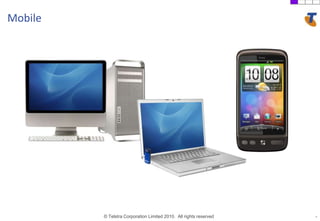
4Mobile
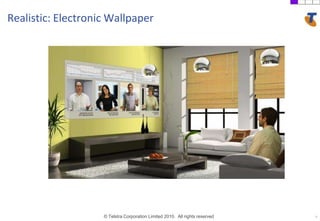
5Realistic: Electronic Wallpaper
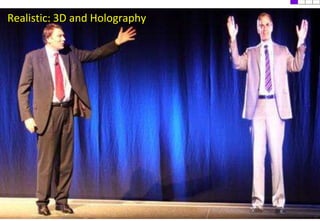
6Realistic: 3D and Holography
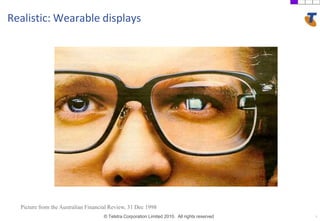
7Picture from the Australian Financial Review, 31 Dec 1998Realistic: Wearable displays
8Entertainment on demand
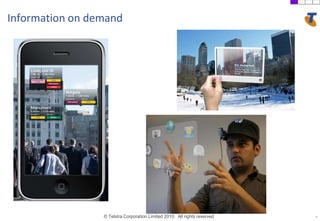
9Information on demand
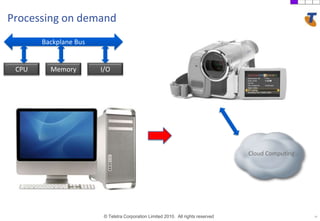
10Processing on demandBackplane BusCPUMemoryI/OCloud Computing
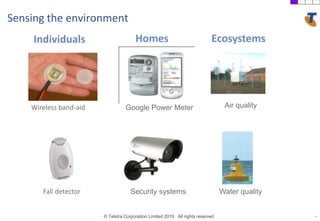
11Sensing the environmentHomesEcosystemsIndividualsAir qualityGoogle Power MeterWireless band-aidSecurity systemsFall detectorWater quality
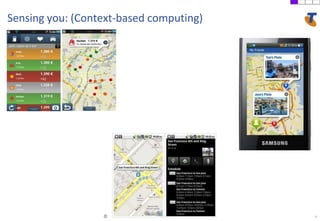
12Sensing you: (Context-based computing)
What drives technology progress?13
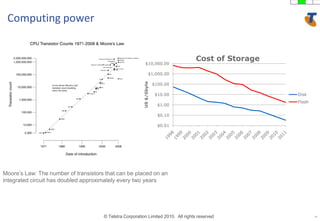
14Computing powerMoore’s Law: The number of transistors that can be placed on an integrated circuit has doubled approximately every two years
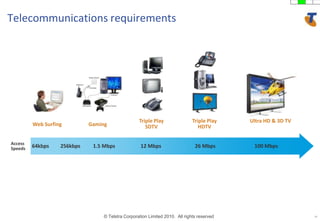
15Telecommunications requirementsTriple PlaySDTVTriple PlayHDTV Ultra HD & 3D TVGamingWeb SurfingAccessSpeeds1.5 Mbps 12 Mbps 26 Mbps 100 Mbps 256kbps 64kbps
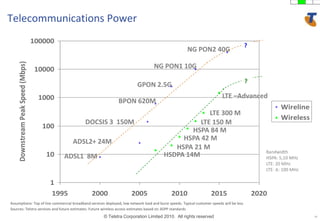
16Telecommunications Power?NG PON2 40GNG PON1 10G?GPON 2.5GLTE –AdvancedBPON 620MLTE 300 MDOCSIS 3  150MLTE 150 MHSPA 84 MHSPA 42 MADSL2+ 24MHSPA 21 MBandwidthHSPA: 5,10 MHzLTE: 20 MHzLTE- A: 100 MHzHSDPA 14MADSL1  8MAssumptions: Top of line commercial broadband services deployed, low network load and burst speeds. Typical customer speeds will be lessSources: Telstra services and future estimates. Future wireless access estimates based on 3GPP standards
Technology’s impact on society17
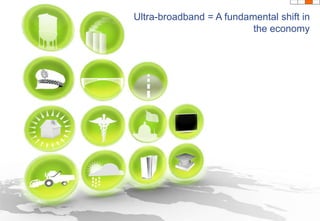
Slide 18Ultra-broadband = A fundamental shift in the economy
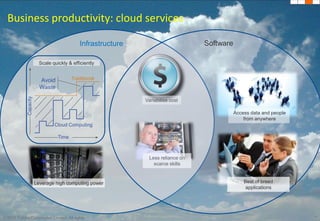
19Business productivity: cloud servicesInfrastructureSoftwareScale quickly & efficientlyTraditionalAvoid WasteCapacityVariabilise costCloud ComputingAccess data and people from anywhereTimeLess reliance on scarce skillsLeverage high computing powerBest of breed applications© 2010 Telstra Corporation Limited. All rights reserved
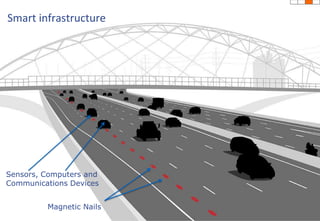
Smart infrastructureSensors, Computers andCommunications DevicesMagnetic Nails20
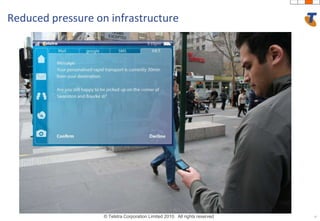
21Reduced pressure on infrastructure
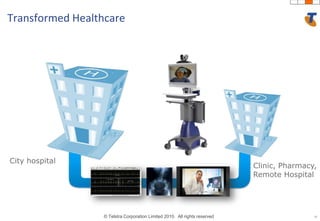
22Transformed HealthcareCity hospitalClinic, Pharmacy, Remote Hospital
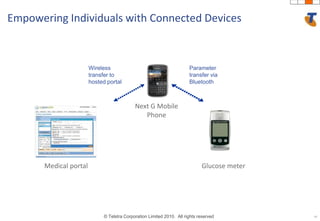
23Empowering Individuals with Connected DevicesWireless transfer to hosted portal Parameter transfer via BluetoothNext G Mobile PhoneMedical portalGlucose meter
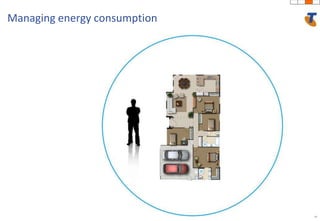
24Managing energy consumption
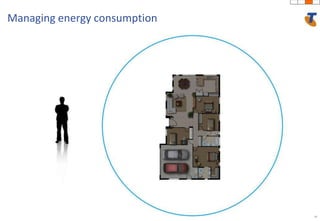
25Managing energy consumption
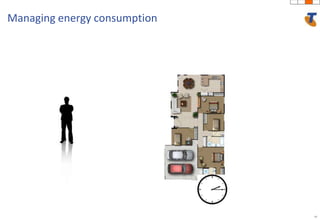
26Managing energy consumption
Australia’s position in the global information economy27
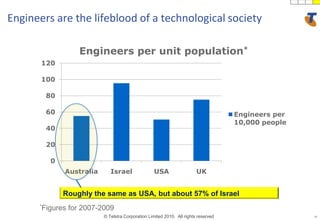
28Engineers are the lifeblood of a technological societyRoughly the same as USA, but about 57% of Israel*Figures for 2007-2009
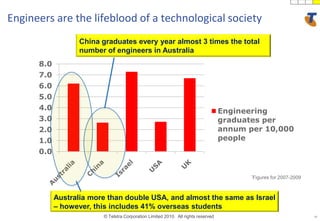
29Engineers are the lifeblood of a technological societyChina graduates every year almost 3 times the total number of engineers in Australia*Figures for 2007-2009Australia more than double USA, and almost the same as Israel – however, this includes 41% overseas students
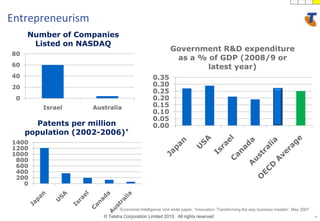
30Entrepreneurism*Economist Intelligence Unit white paper, “Innovation: Transforming the way business creates”, May 2007
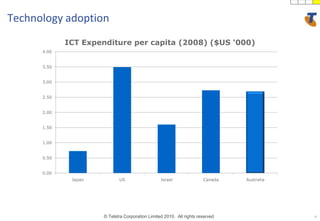
31Technology adoption
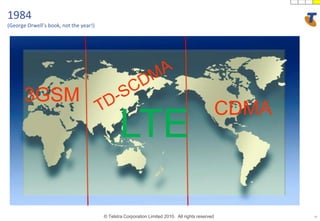
321984 (George Orwell’s book, not the year!)LTETD-SCDMA3GSMCDMA
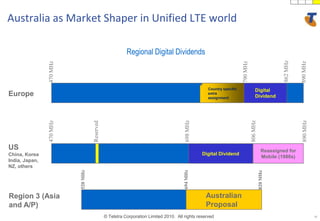
33862 MHz470 MHz890 MHz790 MHzDigital DividendEurope470 MHz890 MHz806 MHz698 MHzReservedUSChina, KoreaIndia, Japan, NZ, othersReassigned for Mobile (1980s)Digital DividendCountry specific extra assignment694 MHz520 MHz820 MHzRegion 3 (Asia and A/P)Australian ProposalAustralia as Market Shaper in Unified LTE worldRegional Digital Dividends
Getting to know our customers

The future is a foreign country

Editor's Notes

  • #6 HD Video: 2000 x 1000 pixels @ 10 Mbps H.264HD Video Wall: (4m x 2m): 8000 x 4000 pixels @ 160 Mbps