BEHAVIORISM
BR. PETER TRAN THE ANH
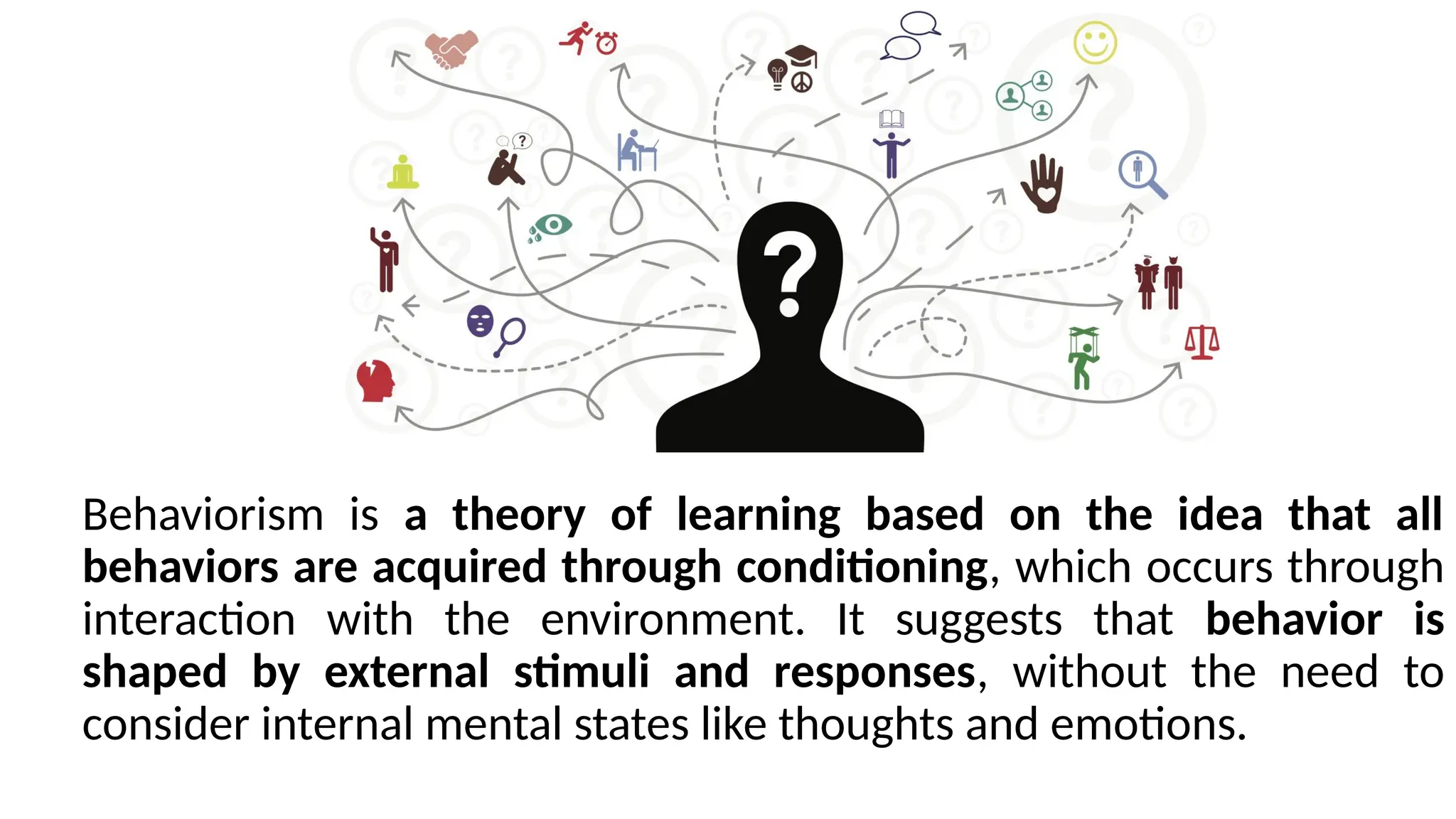
Behaviorism is a theory of learning based on the idea that all
behaviors are acquired through conditioning, which occurs through
interaction with the environment. It suggests that behavior is
shaped by external stimuli and responses, without the need to
consider internal mental states like thoughts and emotions.
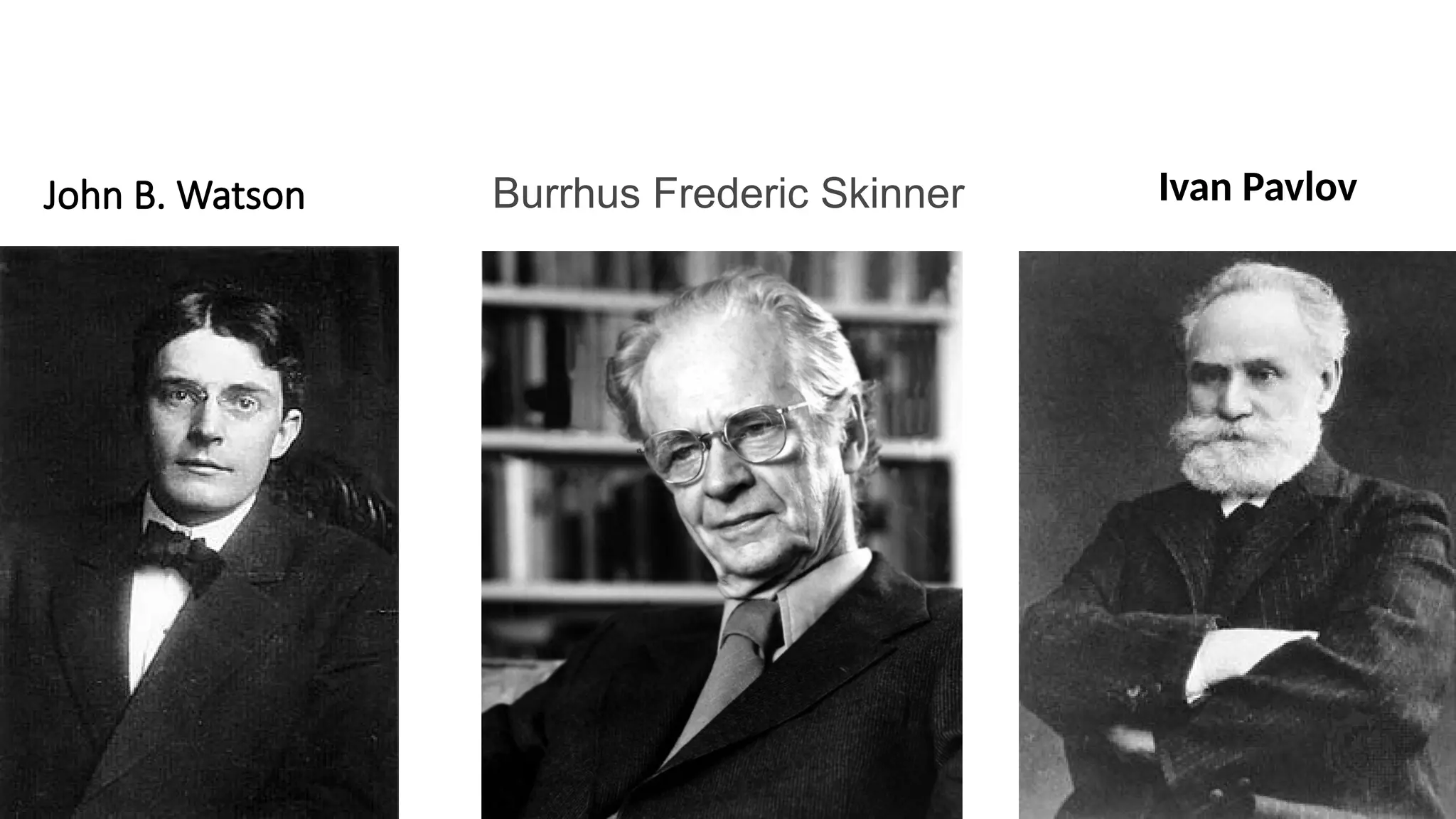
John B. Watson Burrhus Frederic Skinner Ivan Pavlov
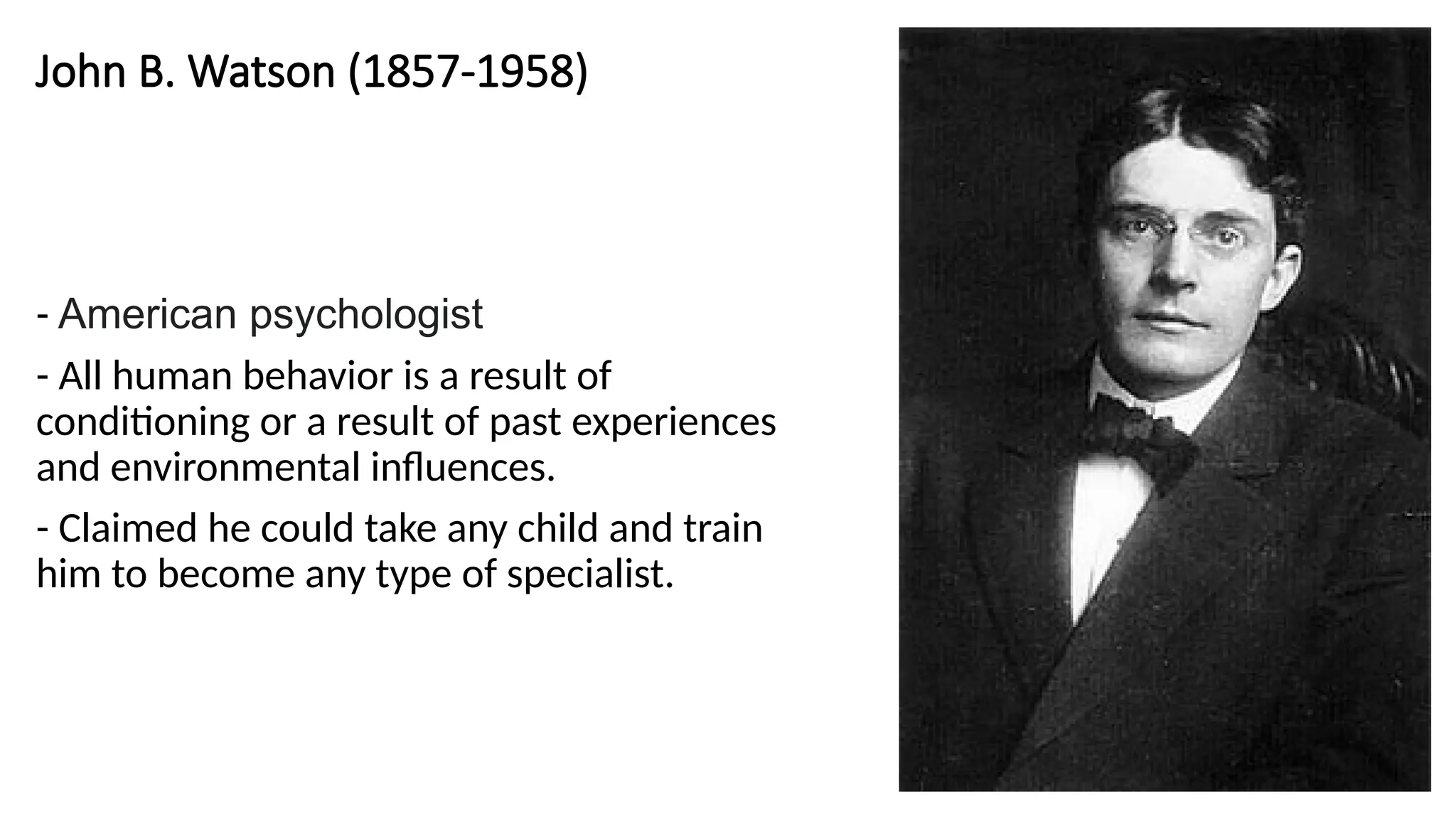
John B. Watson (1857-1958)
- American psychologist
- All human behavior is a result of
conditioning or a result of past experiences
and environmental influences.
- Claimed he could take any child and train
him to become any type of specialist.
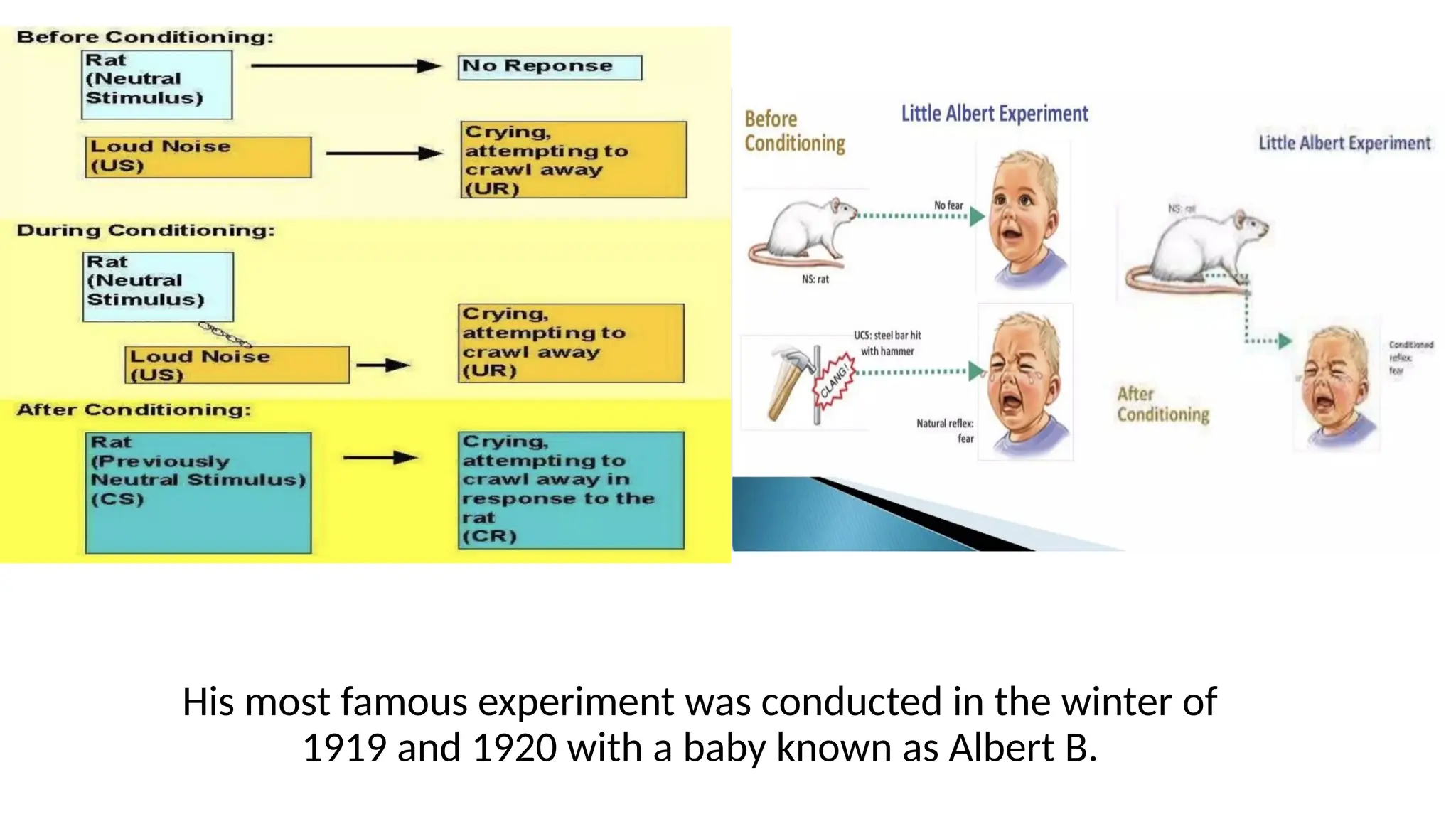
His most famous experiment was conducted in the winter of
1919 and 1920 with a baby known as Albert B.
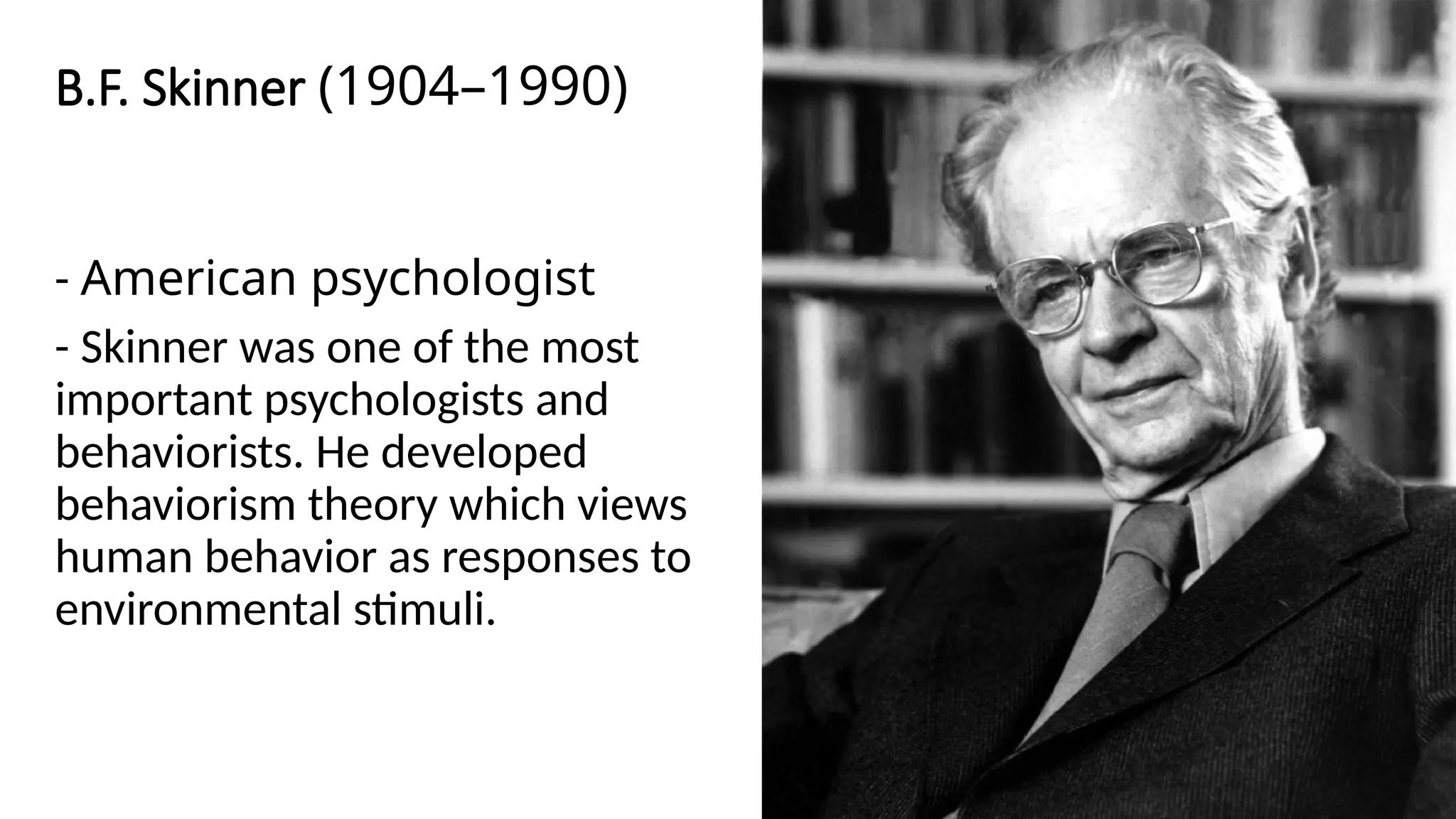
B.F. Skinner (1904–1990)
- American psychologist
- Skinner was one of the most
important psychologists and
behaviorists. He developed
behaviorism theory which views
human behavior as responses to
environmental stimuli.
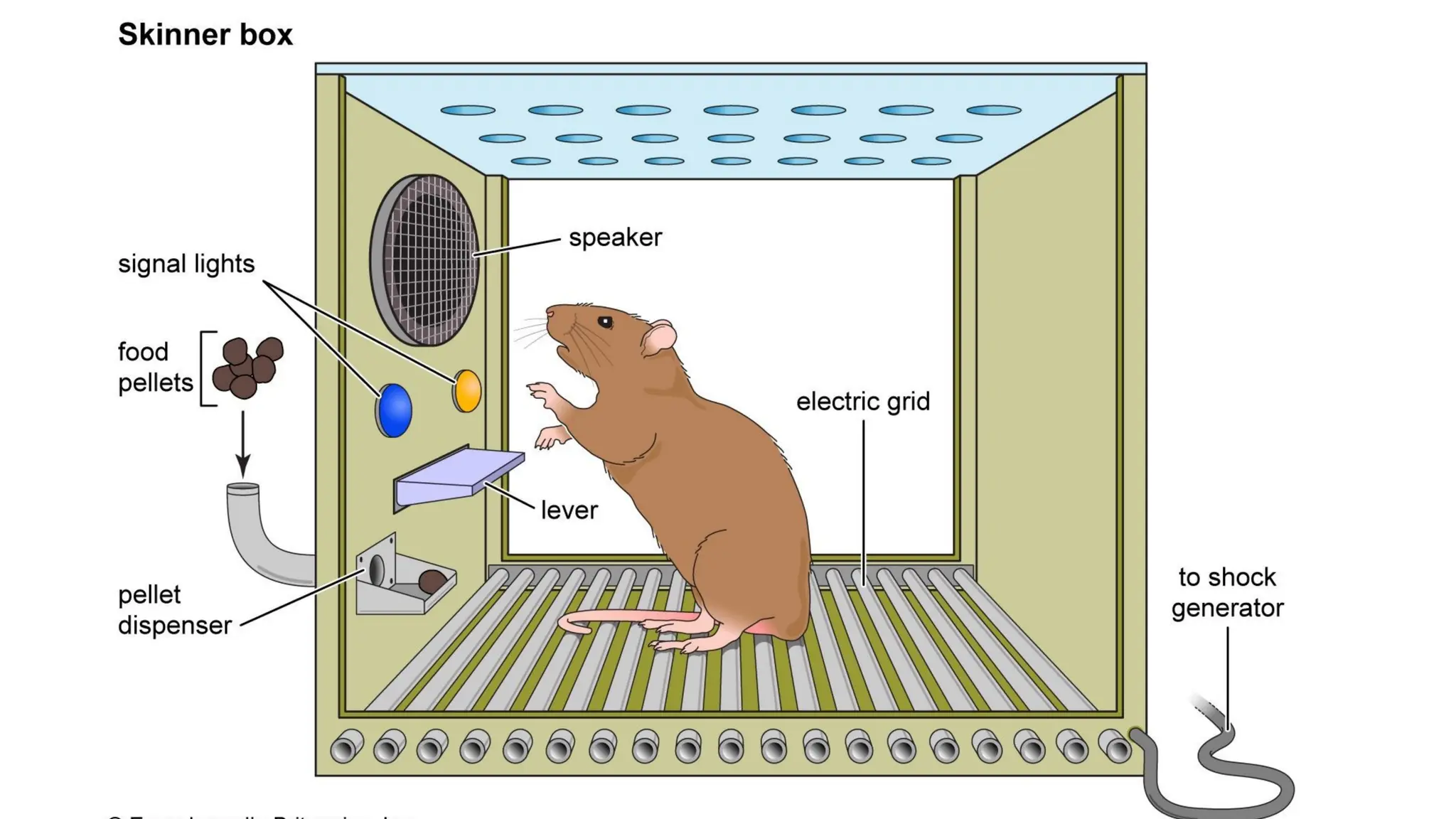
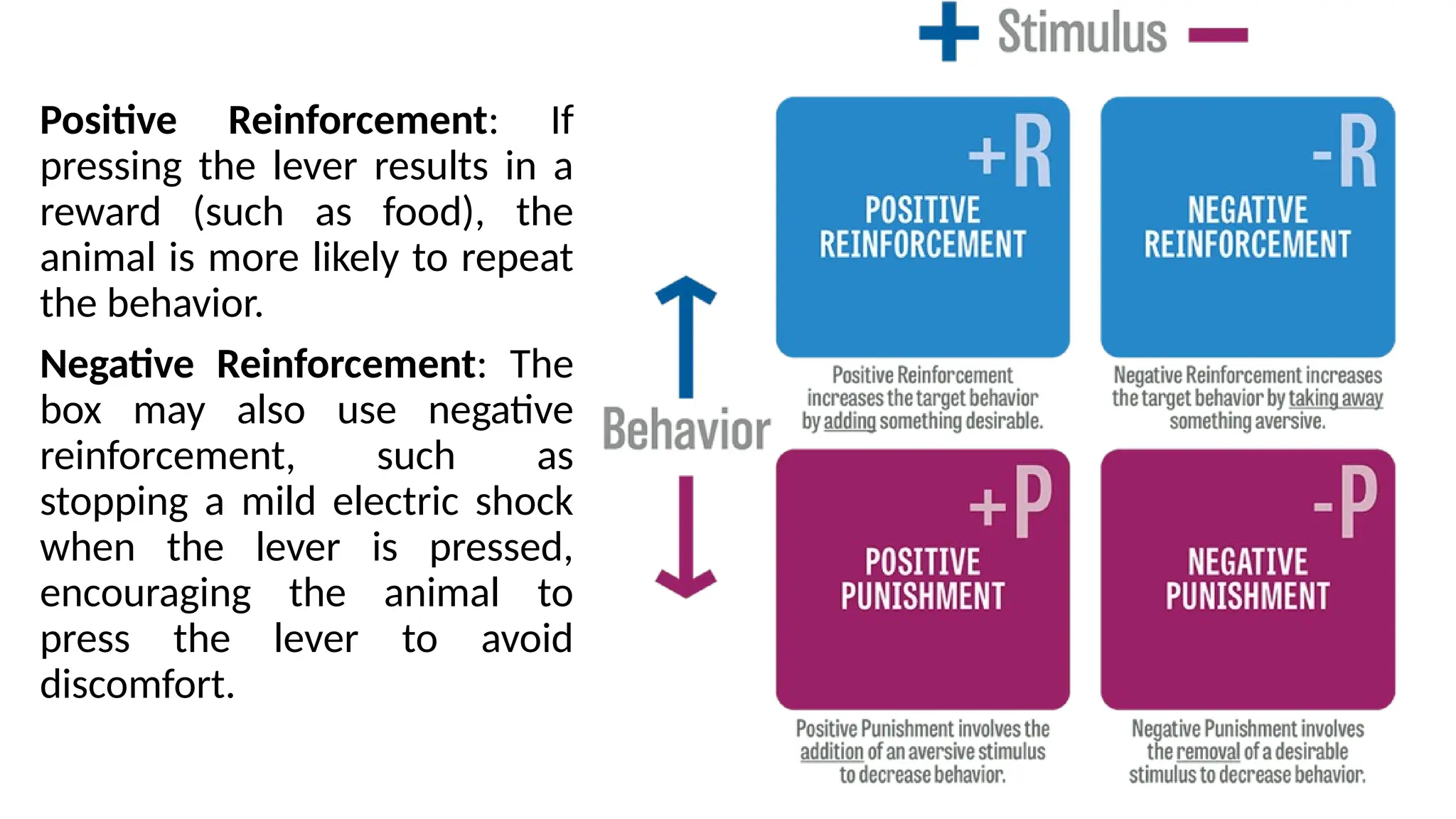
Positive Reinforcement: If
pressing the lever results in a
reward (such as food), the
animal is more likely to repeat
the behavior.
Negative Reinforcement: The
box may also use negative
reinforcement, such as
stopping a mild electric shock
when the lever is pressed,
encouraging the animal to
press the lever to avoid
discomfort.
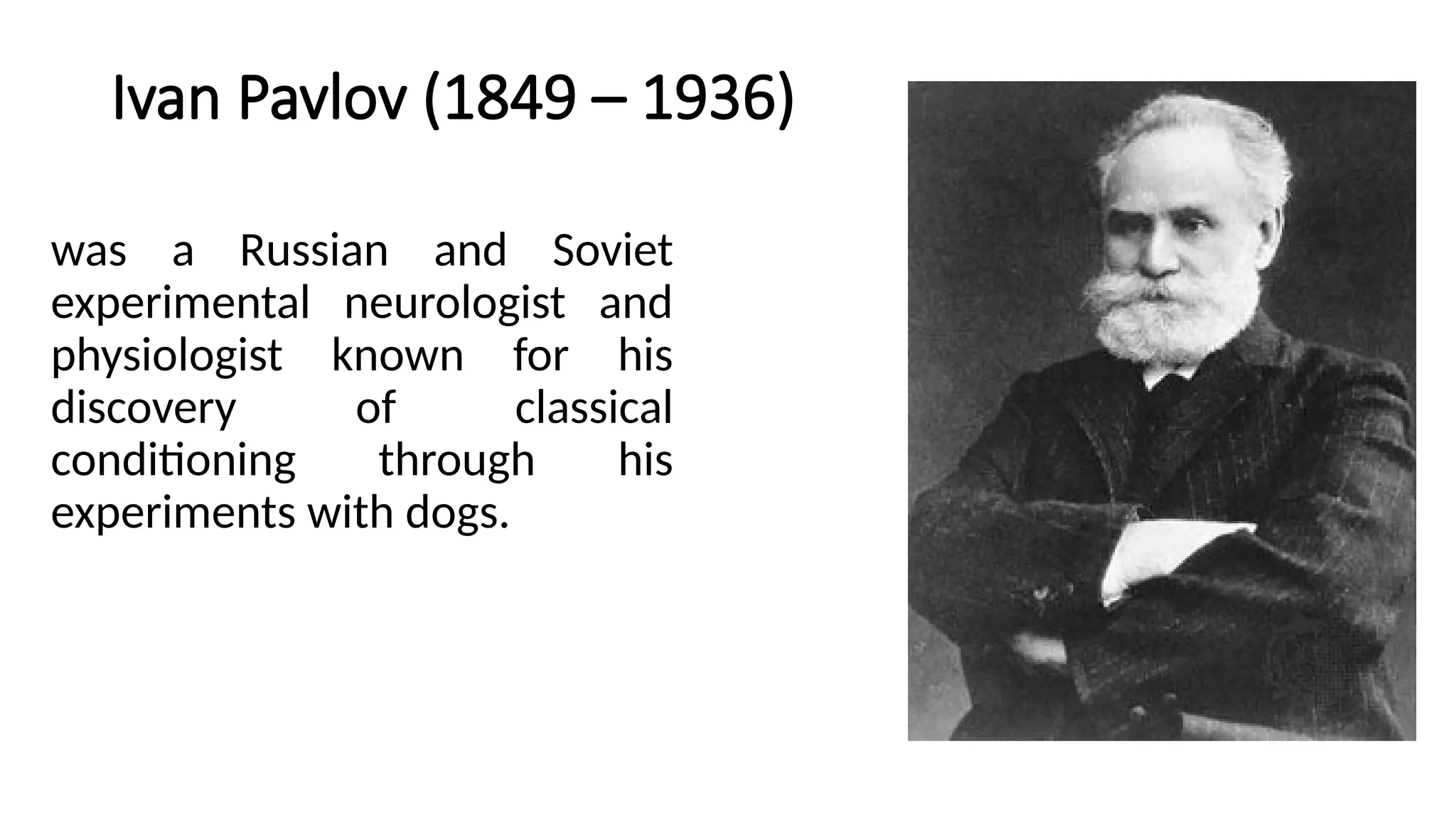
Ivan Pavlov (1849 – 1936)
was a Russian and Soviet
experimental neurologist and
physiologist known for his
discovery of classical
conditioning through his
experiments with dogs.
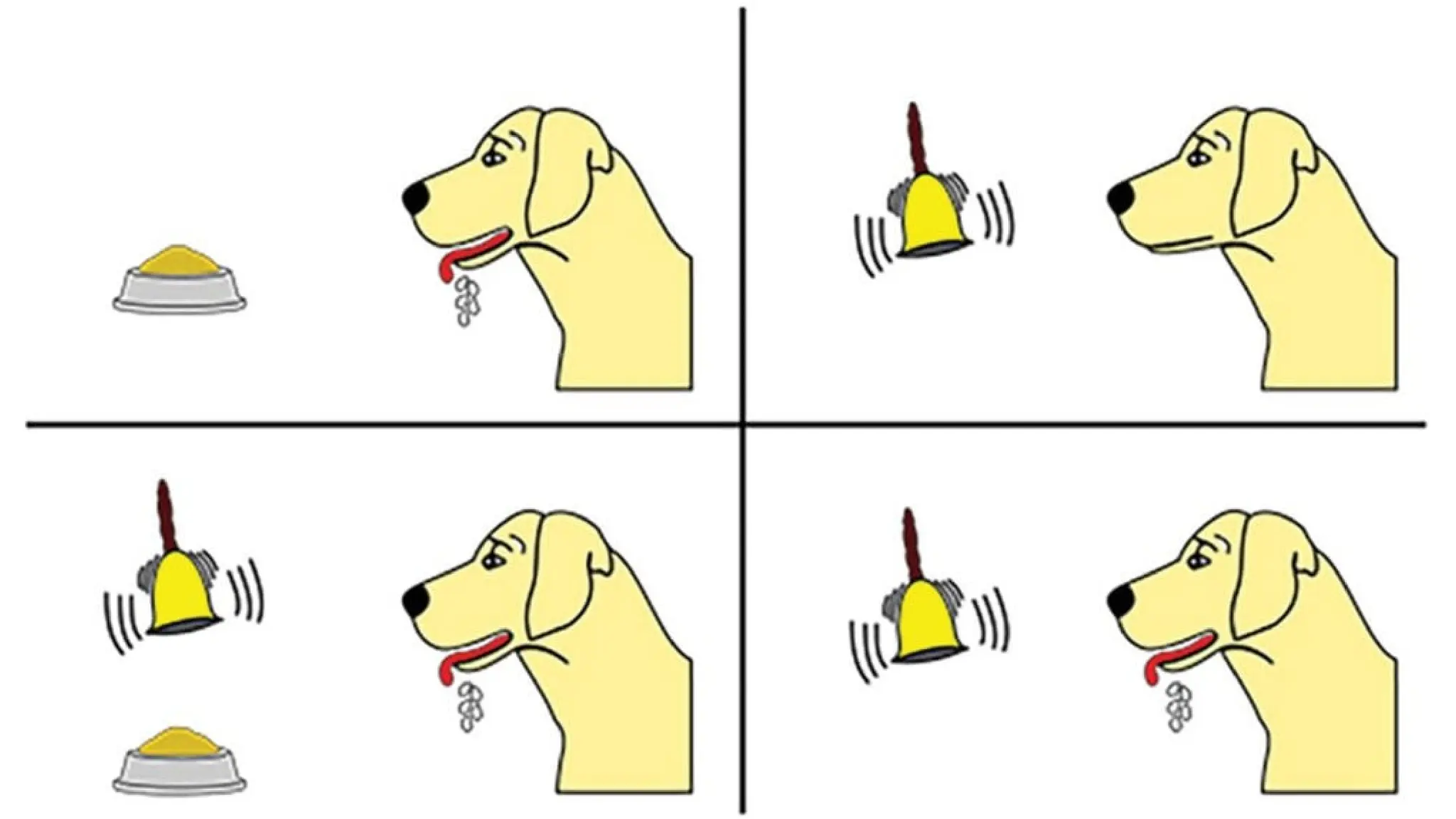
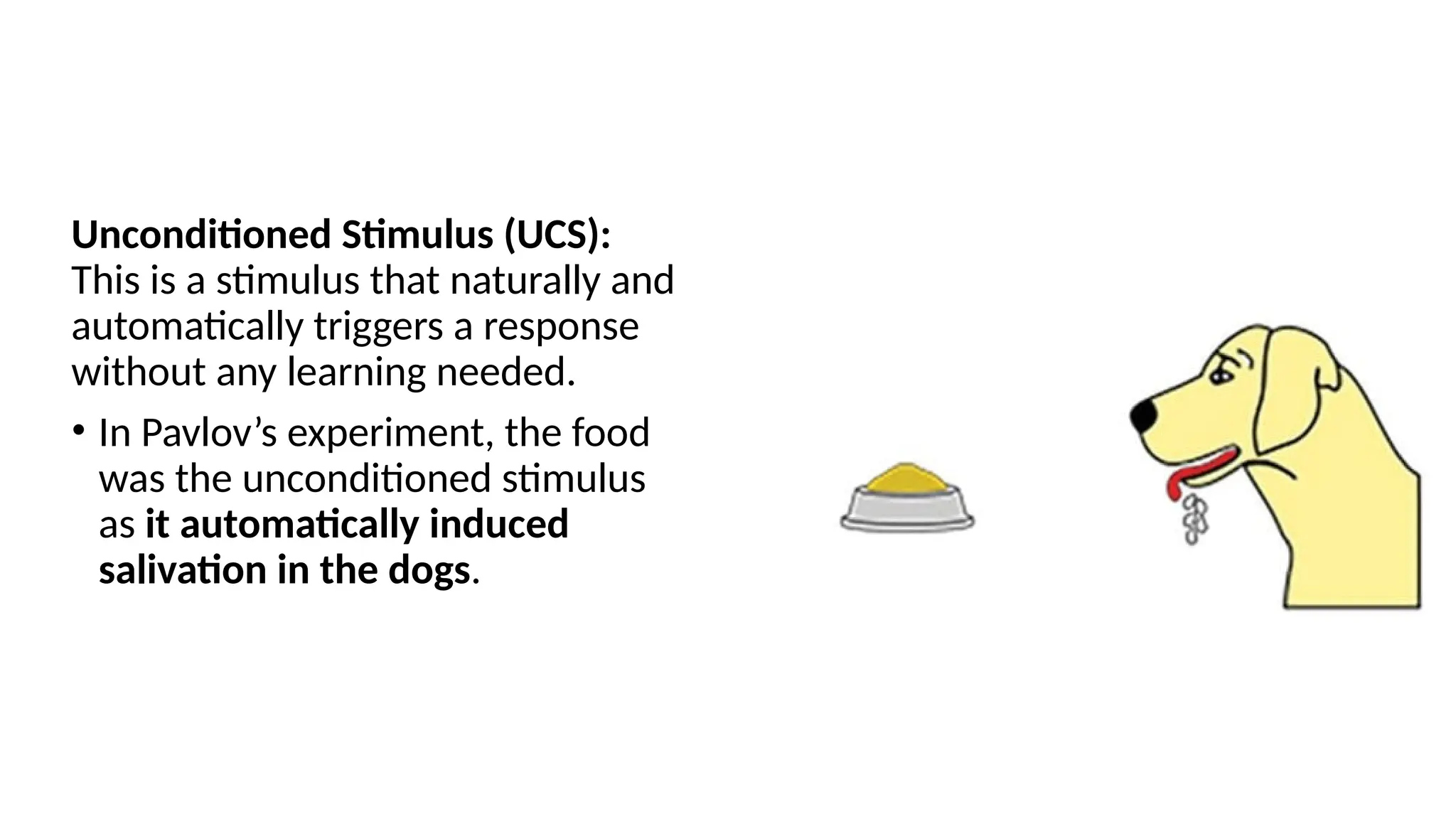
Unconditioned Stimulus (UCS):
This is a stimulus that naturally and
automatically triggers a response
without any learning needed.
• In Pavlov’s experiment, the food
was the unconditioned stimulus
as it automatically induced
salivation in the dogs.
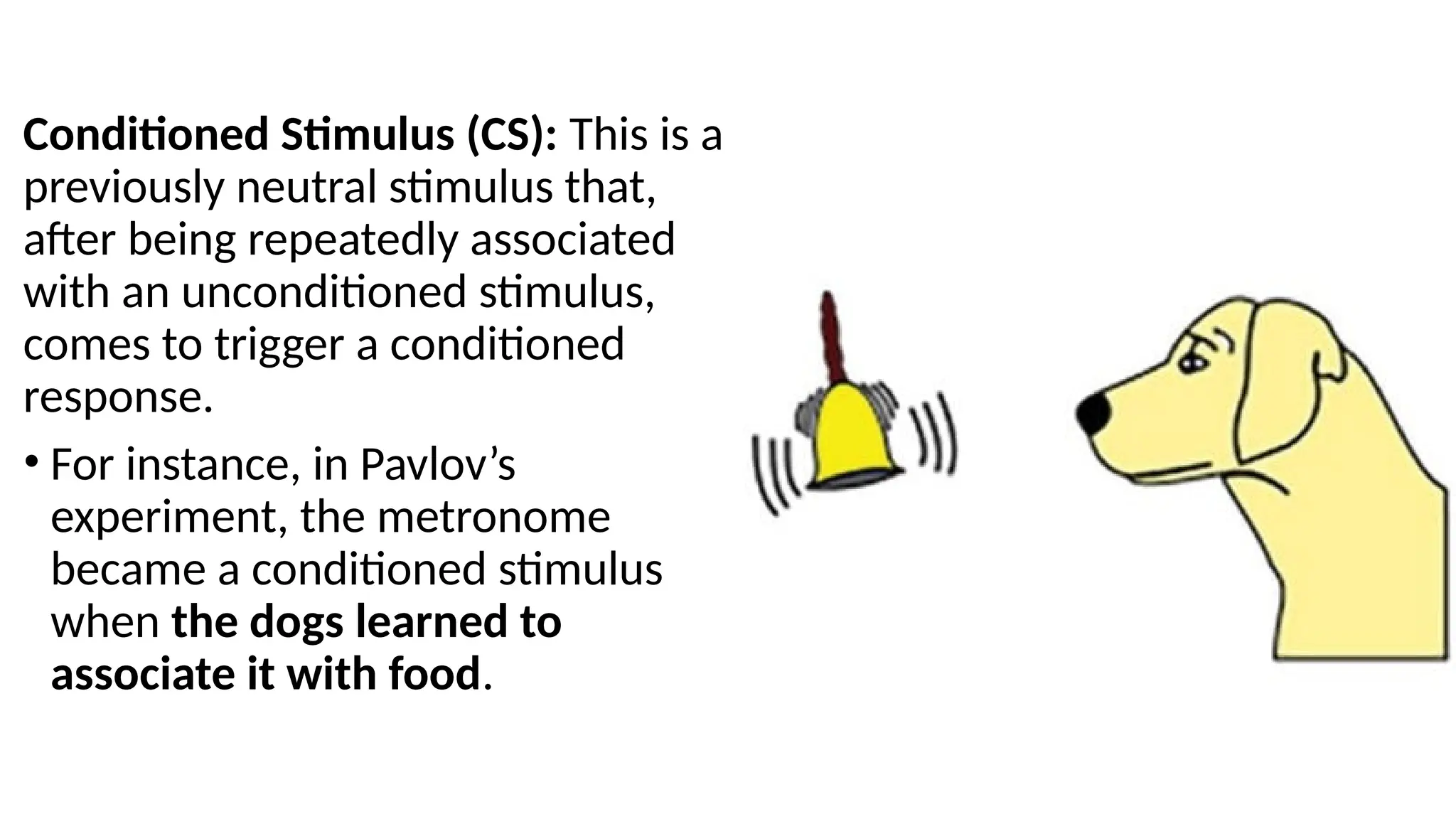
Conditioned Stimulus (CS): This is a
previously neutral stimulus that,
after being repeatedly associated
with an unconditioned stimulus,
comes to trigger a conditioned
response.
• For instance, in Pavlov’s
experiment, the metronome
became a conditioned stimulus
when the dogs learned to
associate it with food.
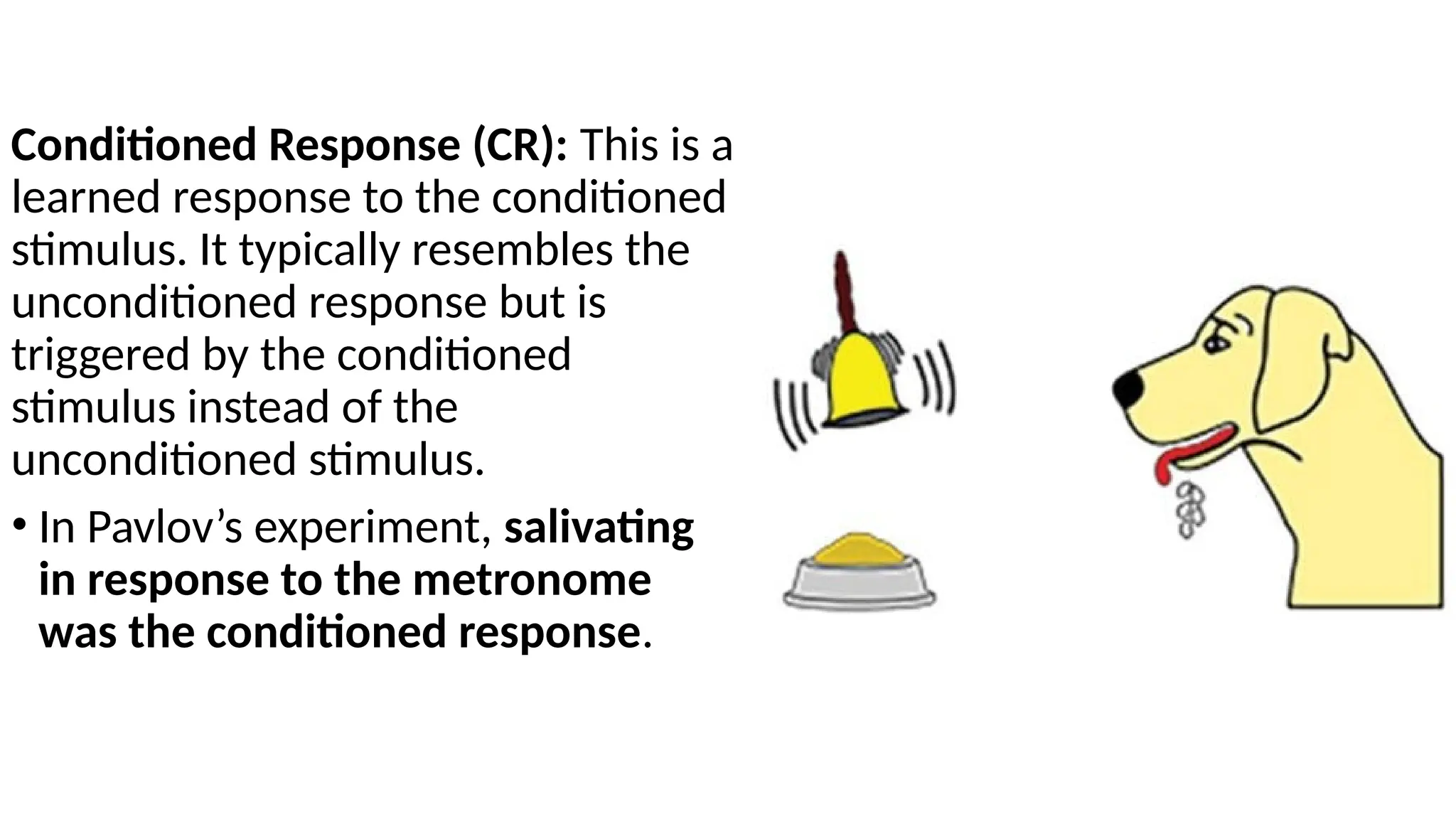
Conditioned Response (CR): This is a
learned response to the conditioned
stimulus. It typically resembles the
unconditioned response but is
triggered by the conditioned
stimulus instead of the
unconditioned stimulus.
• In Pavlov’s experiment, salivating
in response to the metronome
was the conditioned response.
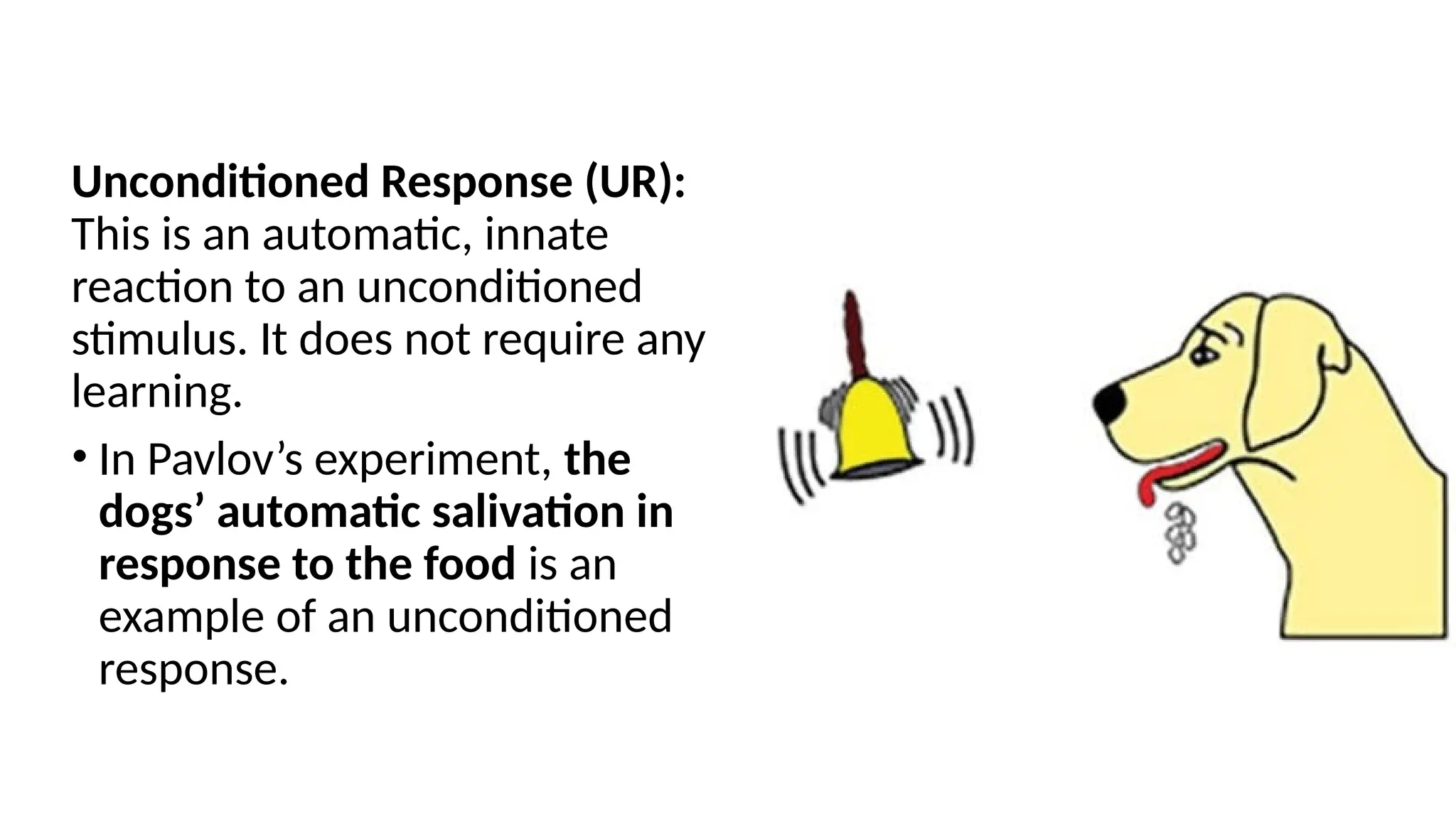
Unconditioned Response (UR):
This is an automatic, innate
reaction to an unconditioned
stimulus. It does not require any
learning.
• In Pavlov’s experiment, the
dogs’ automatic salivation in
response to the food is an
example of an unconditioned
response.
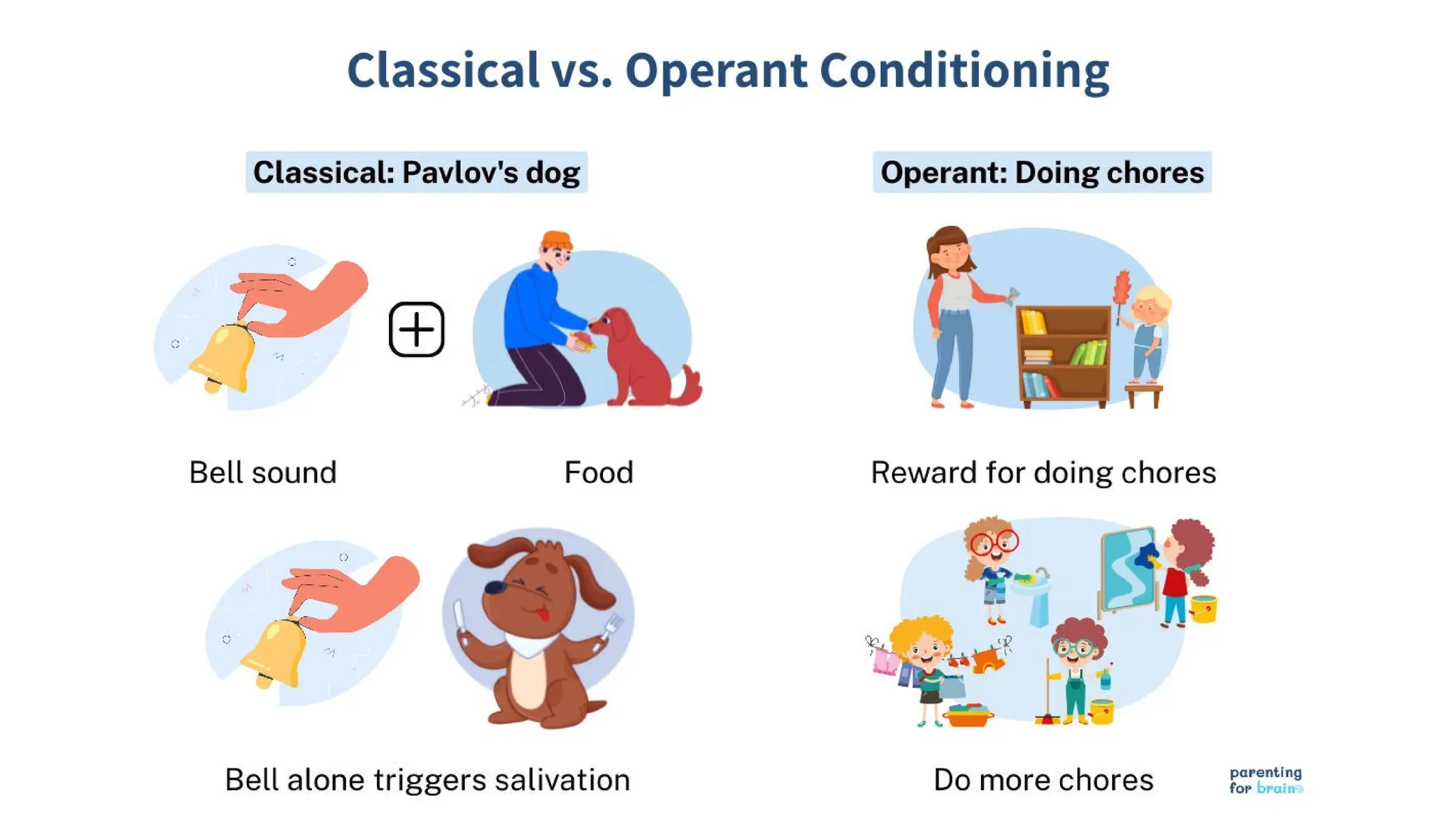
Operant Conditioning vs Classical Conditioning
Application
In daily life
The fish-farming gong
The lake's surface ripples
Suddenly the gong sounds in
succession
The gong signals mealtime
Echoes into the… fish area
Behavioral Modification
The findings from Skinner
Box experiments have
been used to develop
techniques for modifying
behavior, both in humans
and animals. These
principles are applied in
various fields, including
education, psychology,
and animal training.
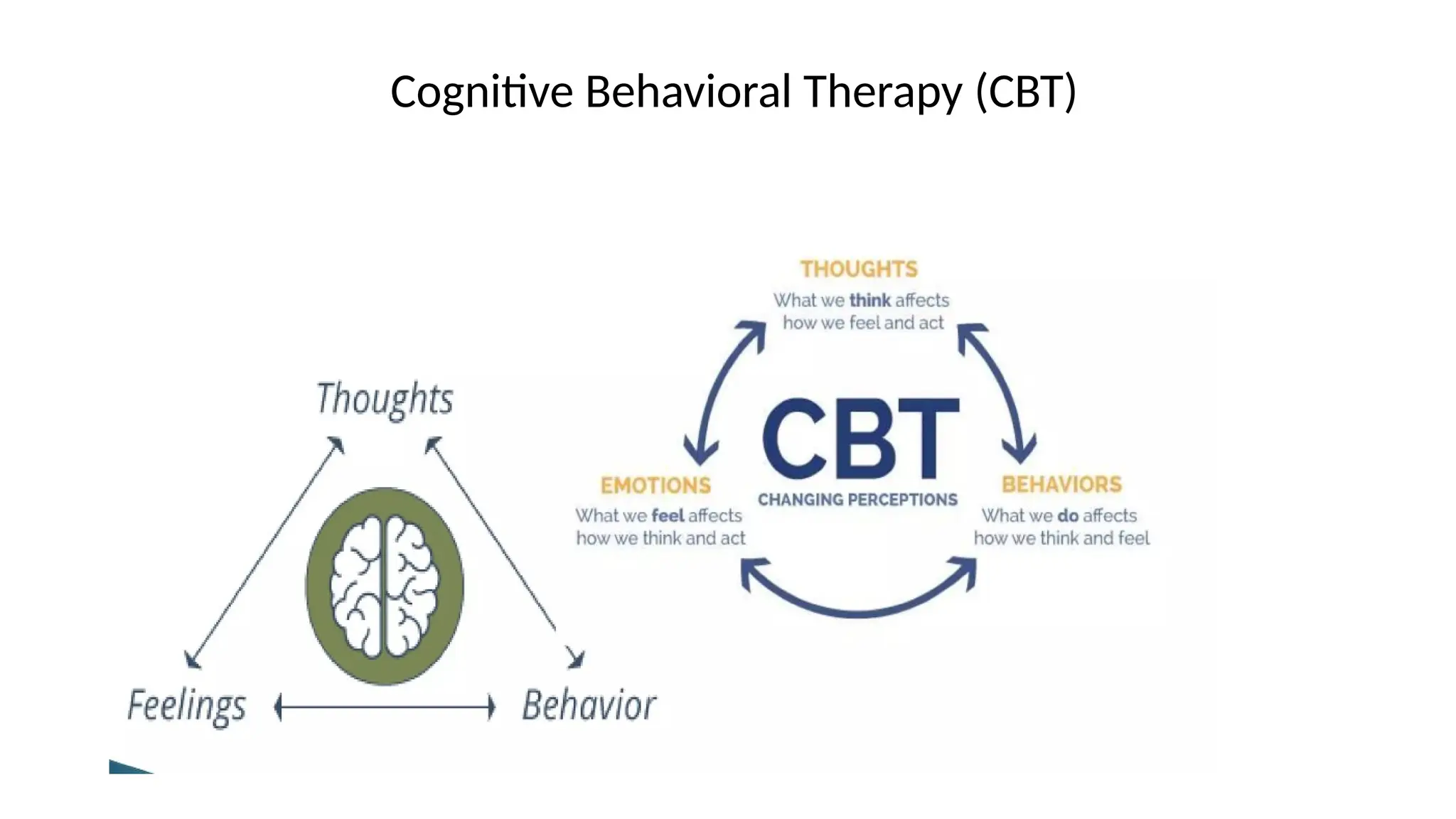
Cognitive Behavioral Therapy (CBT)
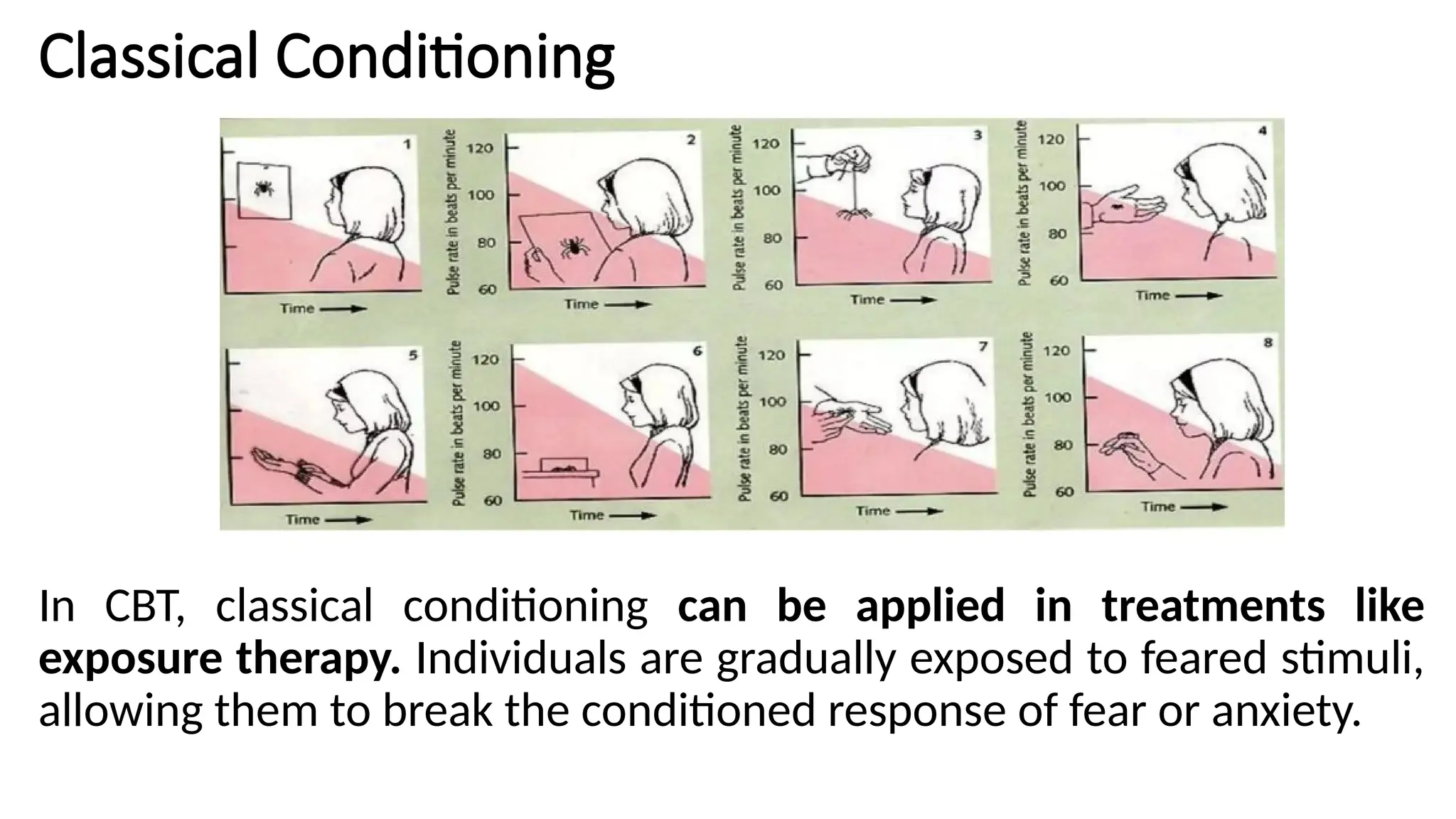
Classical Conditioning
In CBT, classical conditioning can be applied in treatments like
exposure therapy. Individuals are gradually exposed to feared stimuli,
allowing them to break the conditioned response of fear or anxiety.
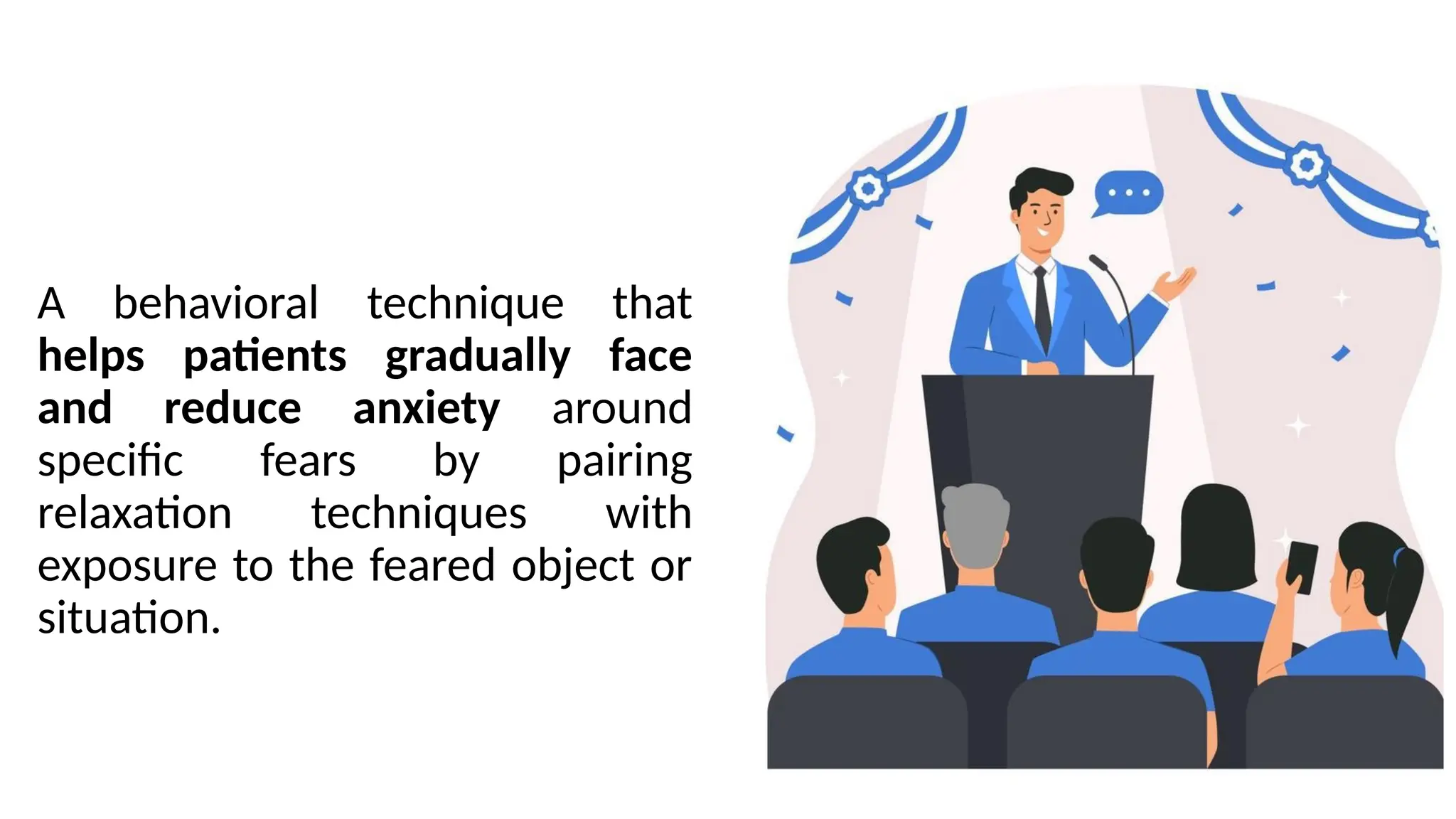
A behavioral technique that
helps patients gradually face
and reduce anxiety around
specific fears by pairing
relaxation techniques with
exposure to the feared object or
situation.
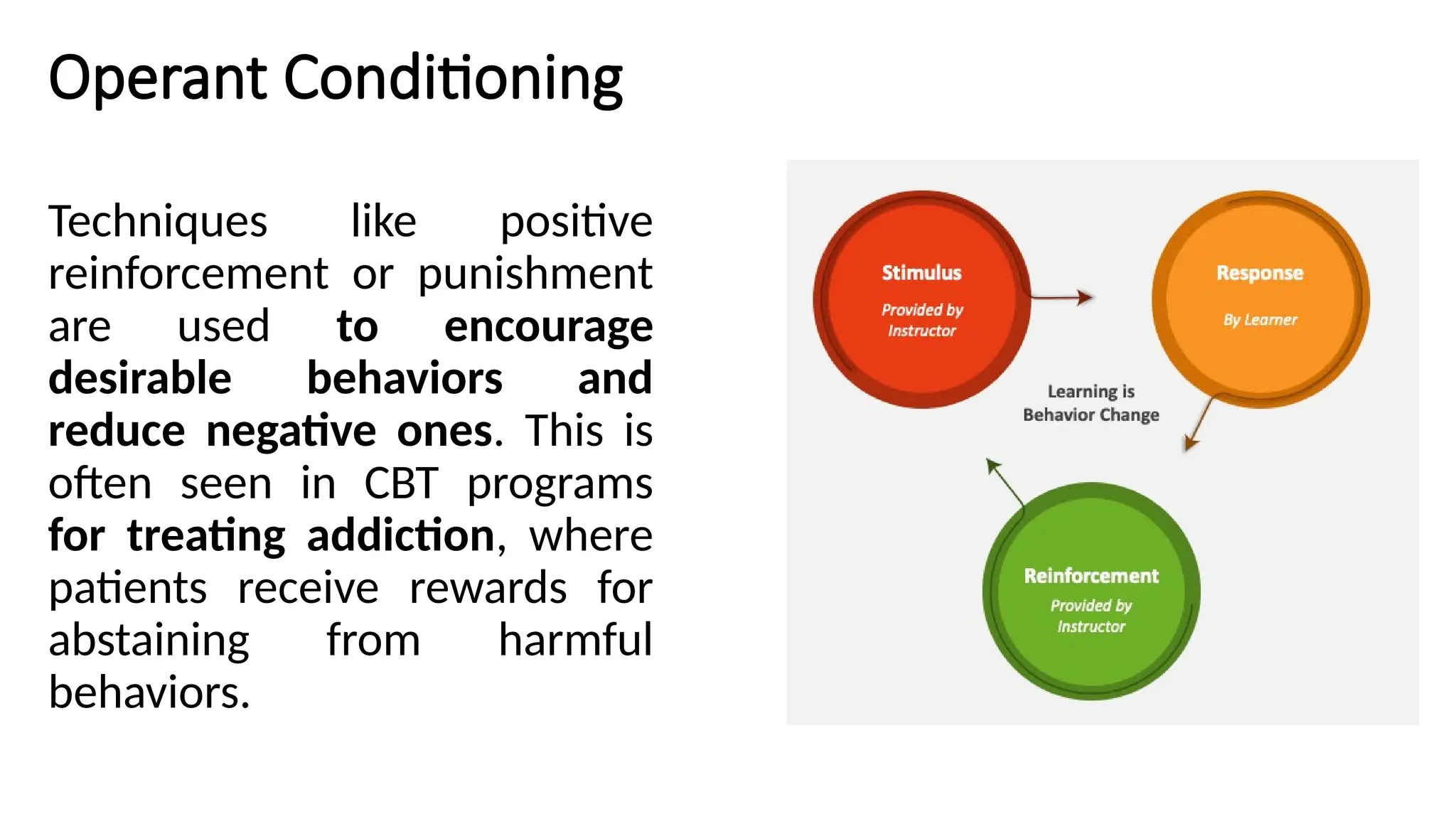
Operant Conditioning
Techniques like positive
reinforcement or punishment
are used to encourage
desirable behaviors and
reduce negative ones. This is
often seen in CBT programs
for treating addiction, where
patients receive rewards for
abstaining from harmful
behaviors.
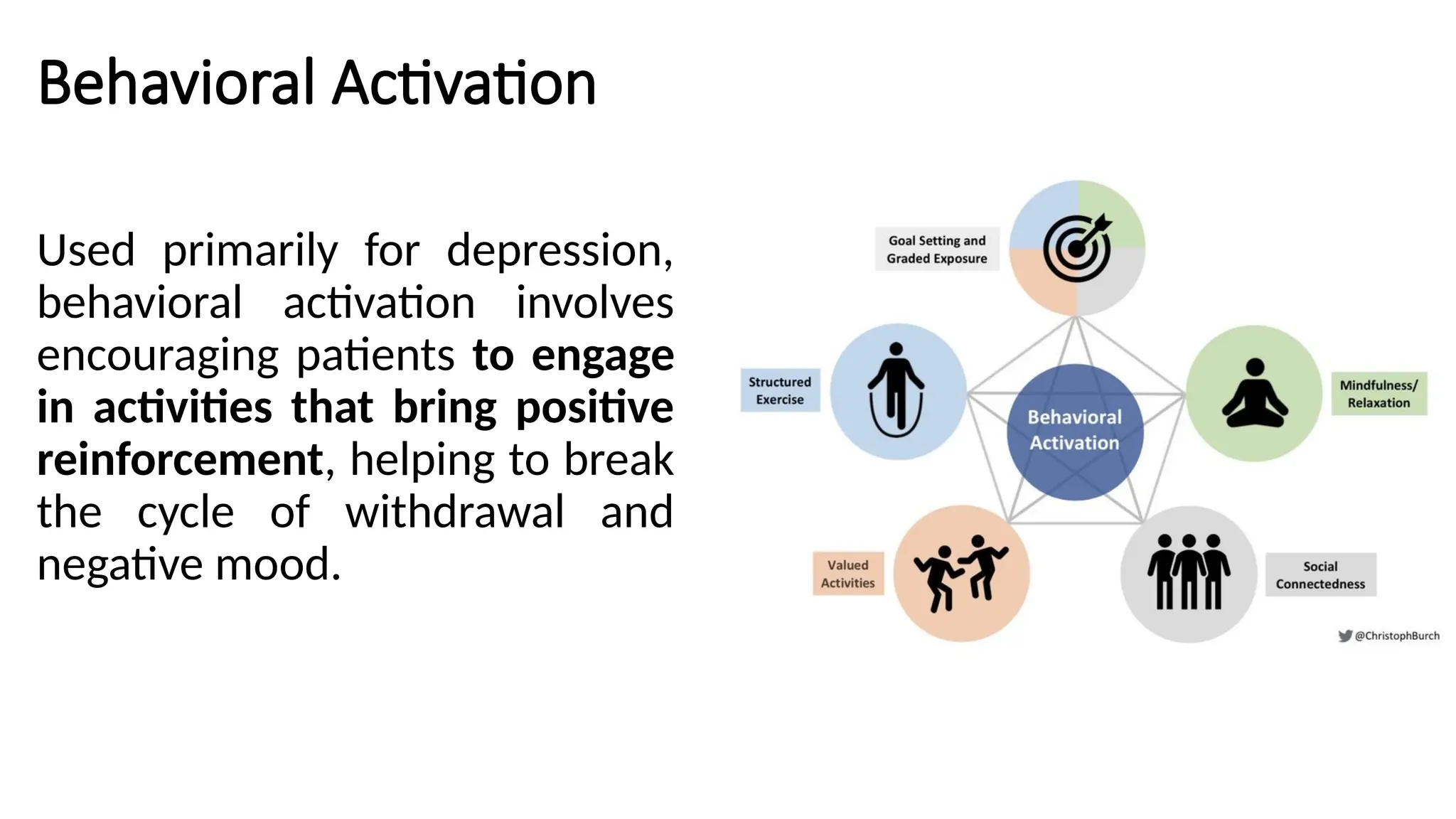
Behavioral Activation
Used primarily for depression,
behavioral activation involves
encouraging patients to engage
in activities that bring positive
reinforcement, helping to break
the cycle of withdrawal and
negative mood.
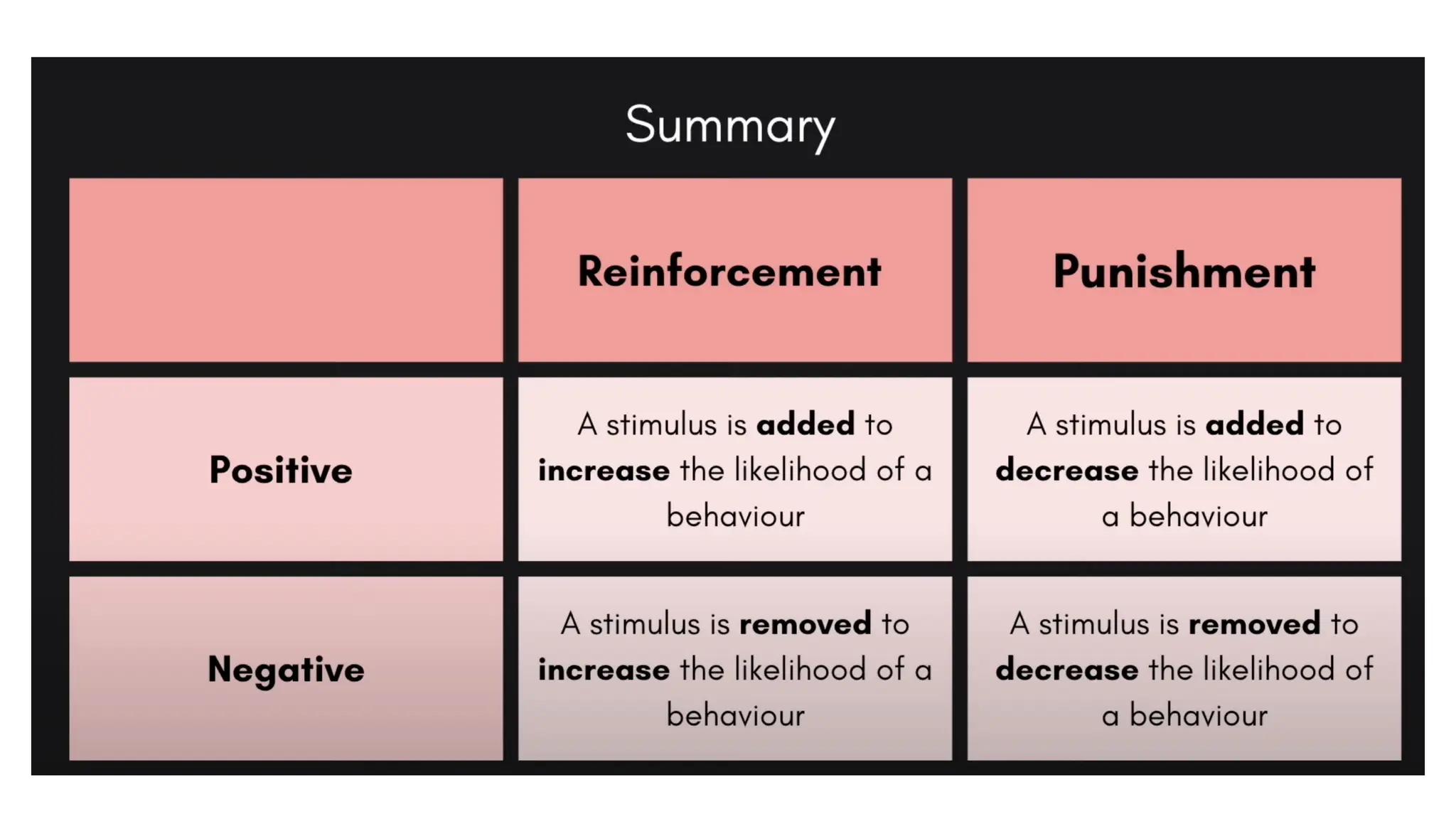
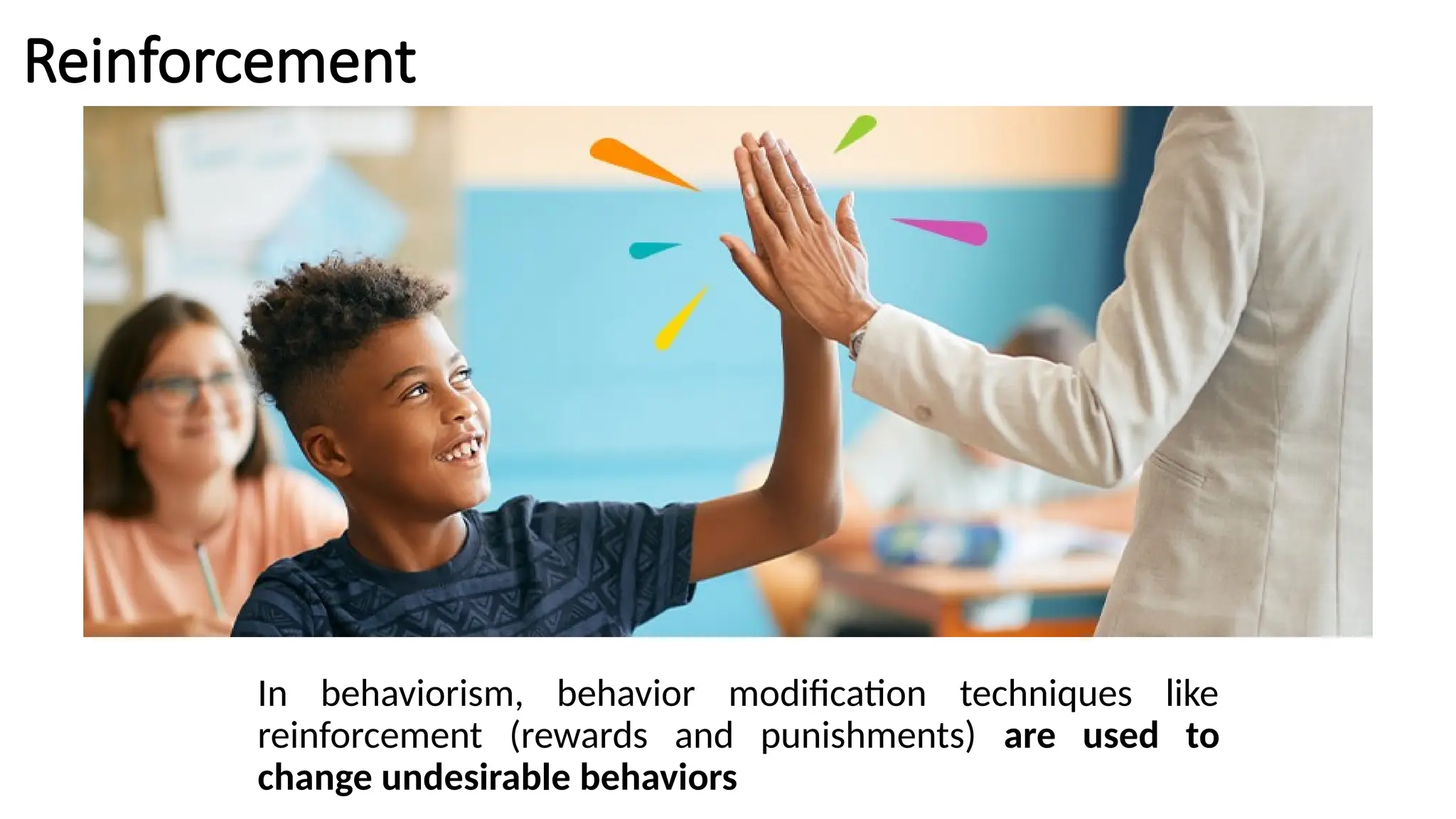
Reinforcement
In behaviorism, behavior modification techniques like
reinforcement (rewards and punishments) are used to
change undesirable behaviors
Informative counseling and spiritual accompaniment
• Behavioral Modeling
• Habit Formation
• Behavioral Activation
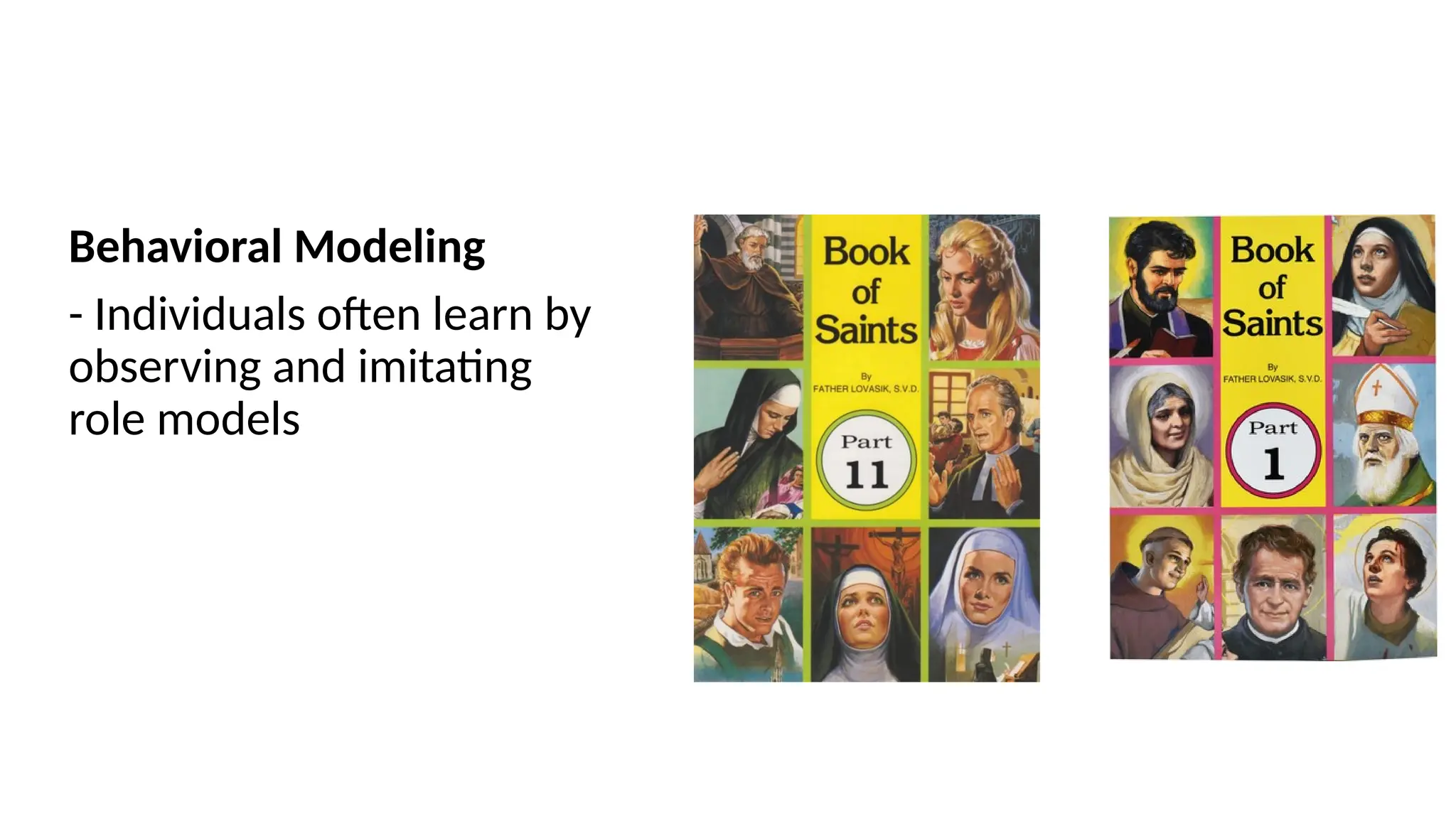
Behavioral Modeling
- Individuals often learn by
observing and imitating
role models
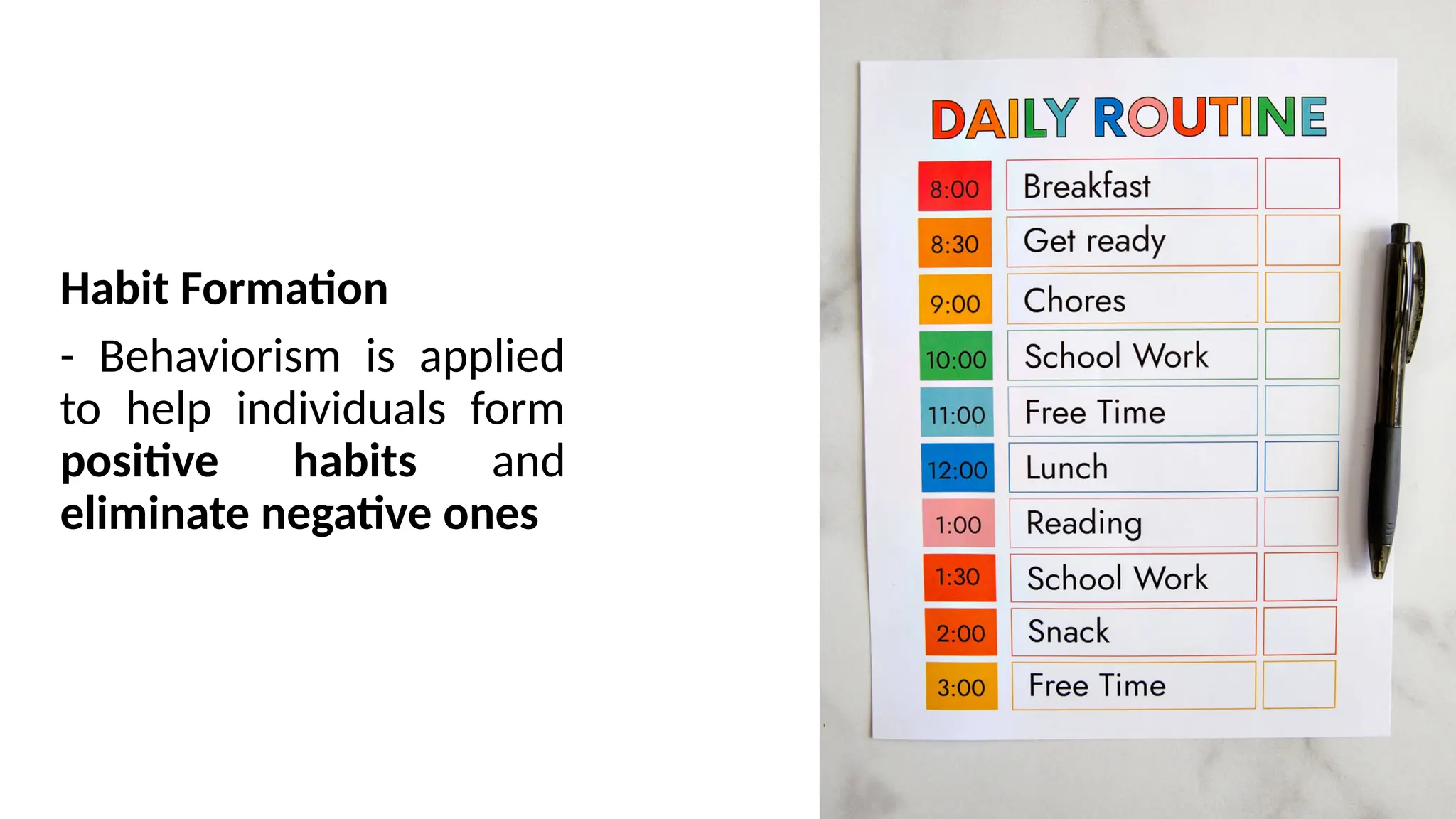
Habit Formation
- Behaviorism is applied
to help individuals form
positive habits and
eliminate negative ones
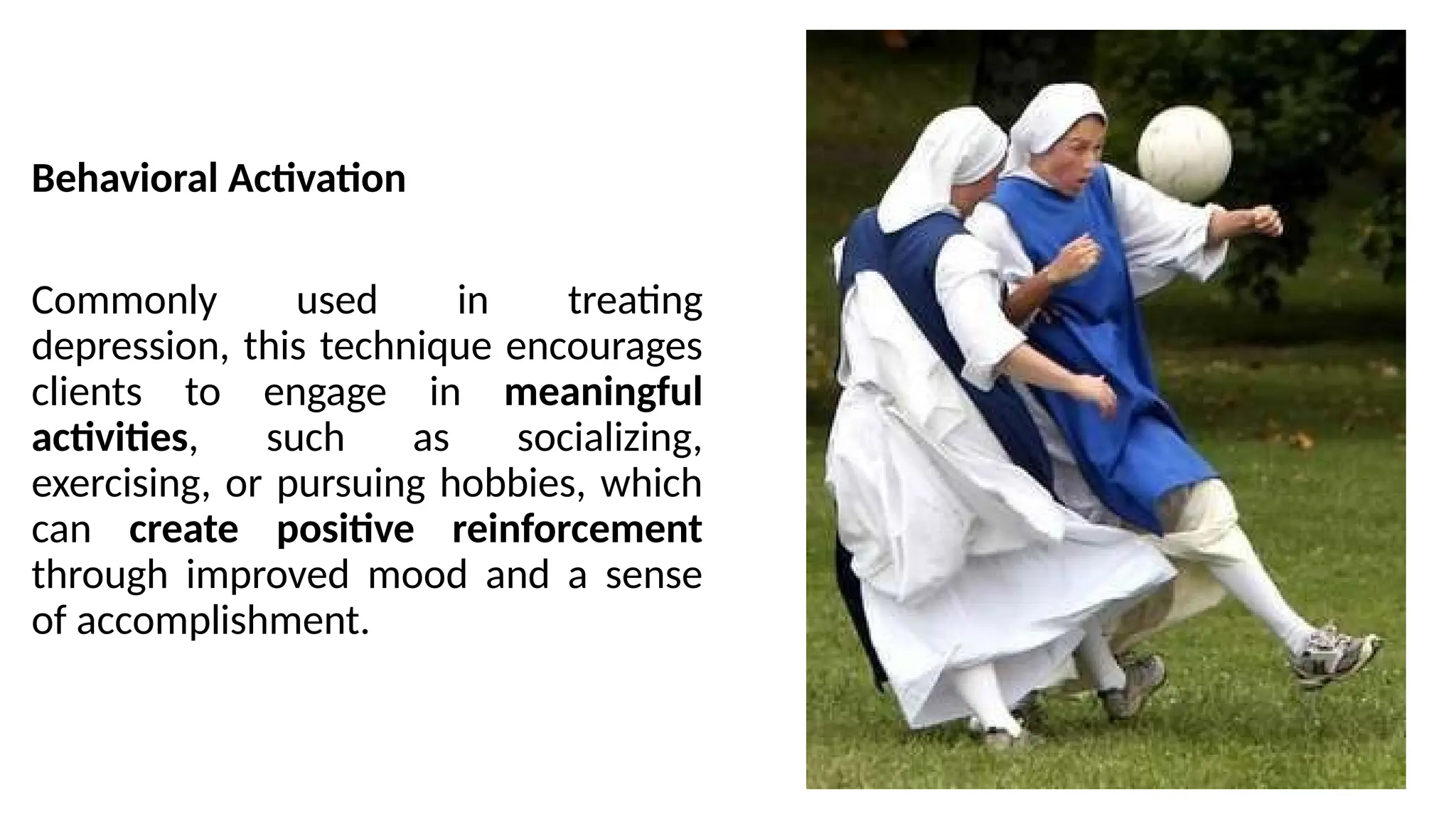
Behavioral Activation
Commonly used in treating
depression, this technique encourages
clients to engage in meaningful
activities, such as socializing,
exercising, or pursuing hobbies, which
can create positive reinforcement
through improved mood and a sense
of accomplishment.
THANK YOU
• https://www.slideshare.net/slideshow/behaviorism-in-29468076/294
68076#13
• https://plato.stanford.edu/entries/behaviorism/
• https://www.britannica.com/science/Thorndikes-law-of-effect

The Behaviorism Theory and Its application

  • 1.
  • 2.
    Behaviorism is atheory of learning based on the idea that all behaviors are acquired through conditioning, which occurs through interaction with the environment. It suggests that behavior is shaped by external stimuli and responses, without the need to consider internal mental states like thoughts and emotions.
  • 3.
    John B. WatsonBurrhus Frederic Skinner Ivan Pavlov
  • 4.
    John B. Watson(1857-1958) - American psychologist - All human behavior is a result of conditioning or a result of past experiences and environmental influences. - Claimed he could take any child and train him to become any type of specialist.
  • 5.
    His most famousexperiment was conducted in the winter of 1919 and 1920 with a baby known as Albert B.
  • 6.
    B.F. Skinner (1904–1990) -American psychologist - Skinner was one of the most important psychologists and behaviorists. He developed behaviorism theory which views human behavior as responses to environmental stimuli.
  • 8.
    Positive Reinforcement: If pressingthe lever results in a reward (such as food), the animal is more likely to repeat the behavior. Negative Reinforcement: The box may also use negative reinforcement, such as stopping a mild electric shock when the lever is pressed, encouraging the animal to press the lever to avoid discomfort.
  • 10.
    Ivan Pavlov (1849– 1936) was a Russian and Soviet experimental neurologist and physiologist known for his discovery of classical conditioning through his experiments with dogs.
  • 12.
    Unconditioned Stimulus (UCS): Thisis a stimulus that naturally and automatically triggers a response without any learning needed. • In Pavlov’s experiment, the food was the unconditioned stimulus as it automatically induced salivation in the dogs.
  • 13.
    Conditioned Stimulus (CS):This is a previously neutral stimulus that, after being repeatedly associated with an unconditioned stimulus, comes to trigger a conditioned response. • For instance, in Pavlov’s experiment, the metronome became a conditioned stimulus when the dogs learned to associate it with food.
  • 14.
    Conditioned Response (CR):This is a learned response to the conditioned stimulus. It typically resembles the unconditioned response but is triggered by the conditioned stimulus instead of the unconditioned stimulus. • In Pavlov’s experiment, salivating in response to the metronome was the conditioned response.
  • 15.
    Unconditioned Response (UR): Thisis an automatic, innate reaction to an unconditioned stimulus. It does not require any learning. • In Pavlov’s experiment, the dogs’ automatic salivation in response to the food is an example of an unconditioned response.
  • 17.
    Operant Conditioning vsClassical Conditioning
  • 18.
  • 19.
    In daily life Thefish-farming gong The lake's surface ripples Suddenly the gong sounds in succession The gong signals mealtime Echoes into the… fish area
  • 20.
    Behavioral Modification The findingsfrom Skinner Box experiments have been used to develop techniques for modifying behavior, both in humans and animals. These principles are applied in various fields, including education, psychology, and animal training.
  • 21.
  • 22.
    Classical Conditioning In CBT,classical conditioning can be applied in treatments like exposure therapy. Individuals are gradually exposed to feared stimuli, allowing them to break the conditioned response of fear or anxiety.
  • 23.
    A behavioral techniquethat helps patients gradually face and reduce anxiety around specific fears by pairing relaxation techniques with exposure to the feared object or situation.
  • 24.
    Operant Conditioning Techniques likepositive reinforcement or punishment are used to encourage desirable behaviors and reduce negative ones. This is often seen in CBT programs for treating addiction, where patients receive rewards for abstaining from harmful behaviors.
  • 25.
    Behavioral Activation Used primarilyfor depression, behavioral activation involves encouraging patients to engage in activities that bring positive reinforcement, helping to break the cycle of withdrawal and negative mood.
  • 26.
    Reinforcement In behaviorism, behaviormodification techniques like reinforcement (rewards and punishments) are used to change undesirable behaviors
  • 27.
    Informative counseling andspiritual accompaniment • Behavioral Modeling • Habit Formation • Behavioral Activation
  • 28.
    Behavioral Modeling - Individualsoften learn by observing and imitating role models
  • 30.
    Habit Formation - Behaviorismis applied to help individuals form positive habits and eliminate negative ones
  • 31.
    Behavioral Activation Commonly usedin treating depression, this technique encourages clients to engage in meaningful activities, such as socializing, exercising, or pursuing hobbies, which can create positive reinforcement through improved mood and a sense of accomplishment.
  • 32.
  • 33.

Editor's Notes

  • #30 Can ask to share the schedule of the community