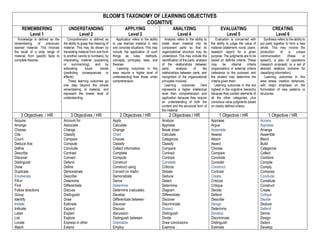
BLOOM’S TAXONOMY OF LEARNING OBJECTIVES
COGNITIVE
REMEMBERING
Level 1
UNDERSTANDING
Level 2
APPLYING
Level 3
ANALYZING
Level 4
EVALUATING
Level 5
CREATING
Level 6
Knowledge is defined as the
remembering of previously
learned material. This involves
the recall of a wide range of
material, from specific facts to
complete theories.
Comprehension is defined as
the ability to grasp the meaning of
material. This may be shown by
translating material from one form
to another (words to numbers), by
interpreting material (explaining
or summarizing), and by
estimating future trends
(predicting consequences or
effects).
These learning outcomes go
one step beyond the simple
remembering of material, and
represent the lowest level of
understanding.
Application refers to the ability
to use learned material in new
and concrete situations. This may
include the application of such
things as rules, methods,
concepts, principles, laws, and
theories.
Learning outcomes in this
area require a higher level of
understanding than those under
comprehension.
Analysis refers to the ability to
break down material into its
component parts so that its
organizational structure may be
understood. This may include the
identification of the parts, analysis
of the relationships between
parts, analysis of the
relationships between parts, and
recognition of the organizational
principles involved.
Learning outcomes here
represents a higher intellectual
level than comprehension and
application because they require
an understanding of both the
content and the structural form of
the material.
Evaluation is concerned with
the ability to judge the value of
material (statement, novel, poem,
research report) for a given
purpose. The judgments are to be
based on definite criteria. These
may be internal criteria
(organization) or external criteria
(relevance to the purpose) and
the student may determine the
criteria given them.
Learning outcomes in this are
highest in the cognitive hierarchy
because they contain elements of
all the other categories, plus
conscious value judgments based
on clearly defined criteria.
Synthesis refers to the ability to
put parts together to form a new
whole. This may involve the
production of a unique
communication (these or
speech), a plan of operations
(research proposal), or a set of
abstract relations (scheme for
classifying information).
Learning outcomes in this
area stress creative behaviors,
with major emphasis on the
formulation of new patterns or
structures.
3 Objectives / HR 3 Objectives / HR 2 Objectives / HR 2 Objectives / HR 1 Objective / HR 1 Objective / HR
Acquire
Arrange
Choose
Cite
Count
Deduce that
Define
Describe
Discover
Distinguish
Draw
Duplicate
Enumerate
Fill-in
Find
Follow directions
Group
Identify
Imitate
Indicate
Label
List
Locate
Match
Account for
Associate
Change
Classify
Compare
Compute
Conclude
Contrast
Convert
Defend
Define
Demonstrate
Describe
Determine
Differentiate
Discuss
Distinguish
Draw
Estimate
Expand
Explain
Explore
Express in other
Extend
Apply
Calculate
Change
Chart
Choose
Classify
Collect information
Complete
Compute
Construct
Construct using
Convert (in math)
Demonstrate
Derive
Determine
Determine (calculate)
Develop
Differentiate between
Discover
Discuss
discussion
Distinguish between
Dramatize
Employ
Analyze
Appraise
Break down
Calculate
Categorize
Classify
Compare
Contract
Contrast
Correlate
Criticize
Debate
Deduce
Detect
Determine
Diagram
Differentiate
Discover
Discriminate
Dissect
Distinguish
Divide
Draw conclusions
Examine
Appraise
Argue
Assemble
Assess
Attach
Award
Choose
Compare
Conclude
Consider
Construct
Contrast
Create
Criticize
Critique
Decide
Defend
Describe
Design
Determine
Develop
Discriminate
Distinguish
Estimate
Access
Appraise
Arrange
Assemble
Blend
Build
Categorize
Collect
Combine
Compile
Comply
Compose
Conclude
Constitute
Construct
Create
Critique
Decide
Deduce
Defend
Derive
Design
Detect
Develop
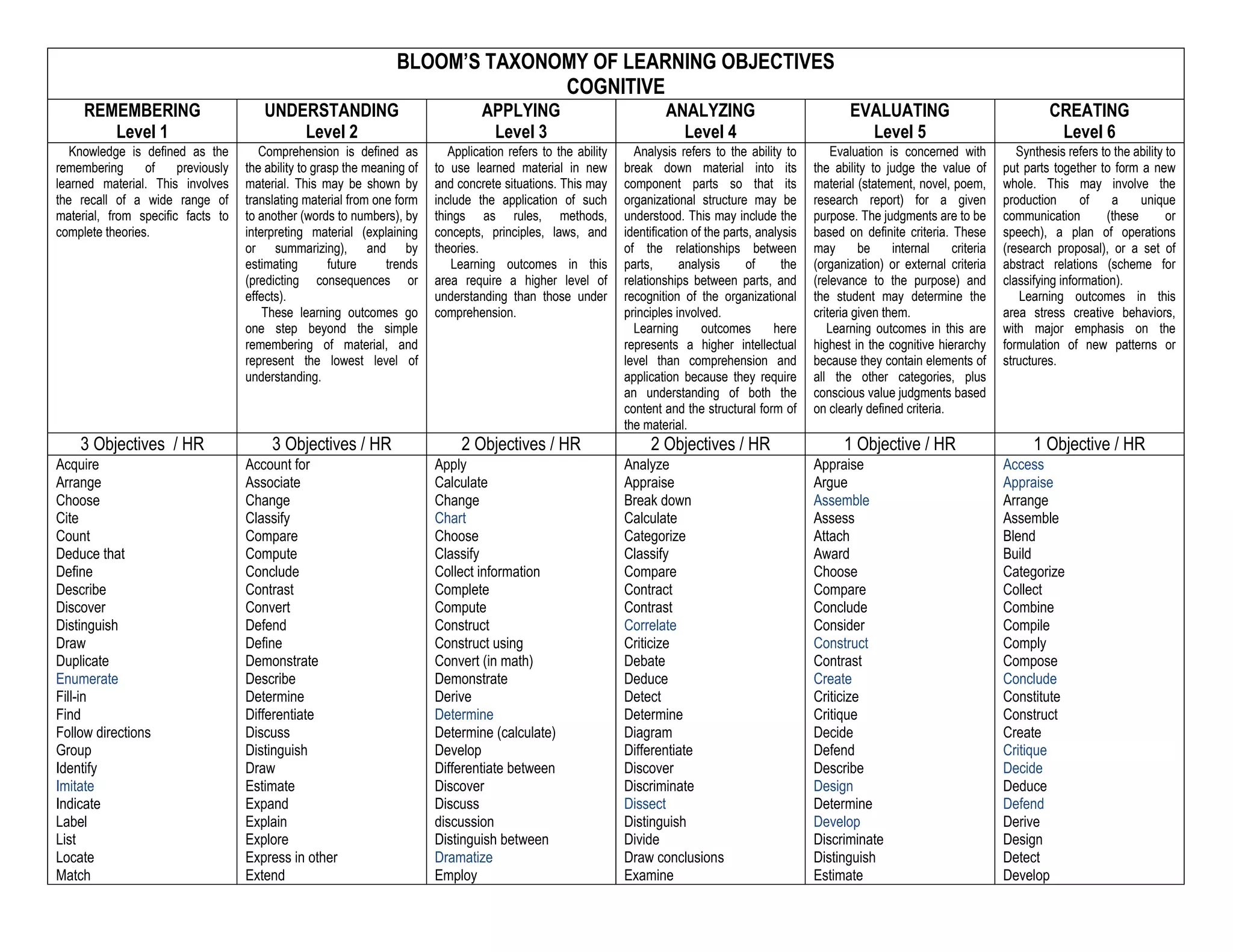
Memorize
Name
Order
Outline
Pick
Point
Quote
Read
Recall
Recite
Recognize
Record
Relate
Repeat
Reproduce
Rewrite
Select
State
Summarize
Tabulate
Tell
Trace
Underline
Write
Extrapolate
Fill in
Find
Generalize
Give examples
Give in own words
Group
Identify
Illustrate
Infer
Interpolate
Interpret
Locate
Measure
Outline
Paraphrase
Predict
Prepare
Put in order
Read
Rearrange
Recognize
Reorder
Reorganize
Report
Represent
Restate
Retell
Review
Reword
Rewrite
Select
Show
Simplify
Solve
Suggest
Summarize
terms
Trace (on map or chart)
Transform
Translate
Establish
Estimate
Examine
Expand
Experiment
Express in a
Find (implies investigation)
Generalize
Graph
history, process)
Illustrate
Interpolate
Interpret
Interview
Investigate
Keep records
Locate (information)
Make
Manipulate
Model
Modify
Operate
Order
Organize
Participate
Perform (except in math in
public)
Plan
Practice
Predict
Prepare
Present
Produce
Project
Prove (in math)
Put into action
Put to use
Put together
Record
Relate
Report
Restate
Restructure
Review
Schedule
Select
Experiment
Form generalization
Formulate
Group
Identify (parts)
Illustrate
Infer
Inspect
Inventory
Investigate
Limit
Make inferences
Order
Outline
Plan
Point out
Put into(categories)
Question
Rearrange
Recognize
Reconstruct
Relate
Reorganize
Revise
Rewrite
Search
Select
Separate
Simplify
Sort
Subdivide
Summarize
Survey
Take apart
Tell
Test
Transform
Uncover
Write
Evaluate
Explain
Formulate
Generalize
Grade
Hypothesize
Initiate
Interpret
Invent
Judge
Justify
Measure
Modify
Predict
Rank
Rate
Recommend
Reframe
Relate
Revise
Score
Select
Standardize
Summarize
Support
Synthesize
Test
Validate
Value
Verify
Devise
Diagnose
Document
Evaluate
Explain
Form
Formulate
Generalize
Generate
Imagine
Integrate
Invent
Judge
Justify
Make up
Manage
Modify
Organize
Originate
Perform (in public)
Plan
Predict
Prepare
Prescribe
Present (an original report or
Produce
Propose
Rank
Rearrange
Recommend
Reconstruct
Relate
Reorganize
Revise
Rewrite
Set up
Specify
Summarize
Support
Suppose
Synthesize
Tell
Transmit
work)
Write
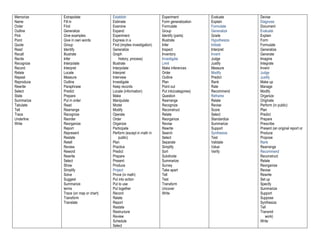
Remarks:
Texts in blue fonts are newly added.
Separate
Show
Sketch
Solve
Subdivide
Track (in development,
Transfer
Translate
Use
Utilize
Note: Learning objectives are additionally defined by the object of the verb and modifiers, thus some verbs maybe used for more than one level
UNMEASURABLE TASK VERBS
Appreciate Be familiar with Grasp the significance of Implement Motivate
Be able to know Believe Enjoy Increase Understand
Be aware of Communicate Have understanding of Learn how to Imbibe

Task Verbs and Time Allotment

  • 1.
    BLOOM’S TAXONOMY OFLEARNING OBJECTIVES COGNITIVE REMEMBERING Level 1 UNDERSTANDING Level 2 APPLYING Level 3 ANALYZING Level 4 EVALUATING Level 5 CREATING Level 6 Knowledge is defined as the remembering of previously learned material. This involves the recall of a wide range of material, from specific facts to complete theories. Comprehension is defined as the ability to grasp the meaning of material. This may be shown by translating material from one form to another (words to numbers), by interpreting material (explaining or summarizing), and by estimating future trends (predicting consequences or effects). These learning outcomes go one step beyond the simple remembering of material, and represent the lowest level of understanding. Application refers to the ability to use learned material in new and concrete situations. This may include the application of such things as rules, methods, concepts, principles, laws, and theories. Learning outcomes in this area require a higher level of understanding than those under comprehension. Analysis refers to the ability to break down material into its component parts so that its organizational structure may be understood. This may include the identification of the parts, analysis of the relationships between parts, analysis of the relationships between parts, and recognition of the organizational principles involved. Learning outcomes here represents a higher intellectual level than comprehension and application because they require an understanding of both the content and the structural form of the material. Evaluation is concerned with the ability to judge the value of material (statement, novel, poem, research report) for a given purpose. The judgments are to be based on definite criteria. These may be internal criteria (organization) or external criteria (relevance to the purpose) and the student may determine the criteria given them. Learning outcomes in this are highest in the cognitive hierarchy because they contain elements of all the other categories, plus conscious value judgments based on clearly defined criteria. Synthesis refers to the ability to put parts together to form a new whole. This may involve the production of a unique communication (these or speech), a plan of operations (research proposal), or a set of abstract relations (scheme for classifying information). Learning outcomes in this area stress creative behaviors, with major emphasis on the formulation of new patterns or structures. 3 Objectives / HR 3 Objectives / HR 2 Objectives / HR 2 Objectives / HR 1 Objective / HR 1 Objective / HR Acquire Arrange Choose Cite Count Deduce that Define Describe Discover Distinguish Draw Duplicate Enumerate Fill-in Find Follow directions Group Identify Imitate Indicate Label List Locate Match Account for Associate Change Classify Compare Compute Conclude Contrast Convert Defend Define Demonstrate Describe Determine Differentiate Discuss Distinguish Draw Estimate Expand Explain Explore Express in other Extend Apply Calculate Change Chart Choose Classify Collect information Complete Compute Construct Construct using Convert (in math) Demonstrate Derive Determine Determine (calculate) Develop Differentiate between Discover Discuss discussion Distinguish between Dramatize Employ Analyze Appraise Break down Calculate Categorize Classify Compare Contract Contrast Correlate Criticize Debate Deduce Detect Determine Diagram Differentiate Discover Discriminate Dissect Distinguish Divide Draw conclusions Examine Appraise Argue Assemble Assess Attach Award Choose Compare Conclude Consider Construct Contrast Create Criticize Critique Decide Defend Describe Design Determine Develop Discriminate Distinguish Estimate Access Appraise Arrange Assemble Blend Build Categorize Collect Combine Compile Comply Compose Conclude Constitute Construct Create Critique Decide Deduce Defend Derive Design Detect Develop
  • 2.
    Memorize Name Order Outline Pick Point Quote Read Recall Recite Recognize Record Relate Repeat Reproduce Rewrite Select State Summarize Tabulate Tell Trace Underline Write Extrapolate Fill in Find Generalize Give examples Givein own words Group Identify Illustrate Infer Interpolate Interpret Locate Measure Outline Paraphrase Predict Prepare Put in order Read Rearrange Recognize Reorder Reorganize Report Represent Restate Retell Review Reword Rewrite Select Show Simplify Solve Suggest Summarize terms Trace (on map or chart) Transform Translate Establish Estimate Examine Expand Experiment Express in a Find (implies investigation) Generalize Graph history, process) Illustrate Interpolate Interpret Interview Investigate Keep records Locate (information) Make Manipulate Model Modify Operate Order Organize Participate Perform (except in math in public) Plan Practice Predict Prepare Present Produce Project Prove (in math) Put into action Put to use Put together Record Relate Report Restate Restructure Review Schedule Select Experiment Form generalization Formulate Group Identify (parts) Illustrate Infer Inspect Inventory Investigate Limit Make inferences Order Outline Plan Point out Put into(categories) Question Rearrange Recognize Reconstruct Relate Reorganize Revise Rewrite Search Select Separate Simplify Sort Subdivide Summarize Survey Take apart Tell Test Transform Uncover Write Evaluate Explain Formulate Generalize Grade Hypothesize Initiate Interpret Invent Judge Justify Measure Modify Predict Rank Rate Recommend Reframe Relate Revise Score Select Standardize Summarize Support Synthesize Test Validate Value Verify Devise Diagnose Document Evaluate Explain Form Formulate Generalize Generate Imagine Integrate Invent Judge Justify Make up Manage Modify Organize Originate Perform (in public) Plan Predict Prepare Prescribe Present (an original report or Produce Propose Rank Rearrange Recommend Reconstruct Relate Reorganize Revise Rewrite Set up Specify Summarize Support Suppose Synthesize Tell Transmit work) Write
  • 3.
    Remarks: Texts in bluefonts are newly added. Separate Show Sketch Solve Subdivide Track (in development, Transfer Translate Use Utilize Note: Learning objectives are additionally defined by the object of the verb and modifiers, thus some verbs maybe used for more than one level UNMEASURABLE TASK VERBS Appreciate Be familiar with Grasp the significance of Implement Motivate Be able to know Believe Enjoy Increase Understand Be aware of Communicate Have understanding of Learn how to Imbibe