Sustainable Development and its
Implementation
By- Rajat Prasad
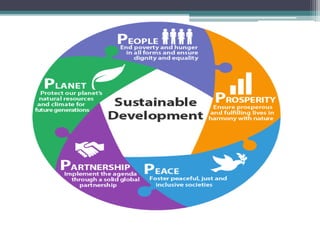
About Sustainable Development
• Sustainable development is development that meets
the needs of the present without compromising the
ability of future generations to meet their own
needs. It contains within it two key concepts:
a) the concept of needs, in particular the essential
needs of the world's poor, to which overriding
priority should be given
b) the idea of limitations imposed by the state of
technology and social organization on the
environment's ability to meet present and future
needs.
Goals of Sustainable Development
• End of Extreme Poverty
• End of Hunger
• Good health and wealth Being
• Quality Education
• Clean Water and sanitation
• Affordable and clean Energy
• Decent work and Economic Growth
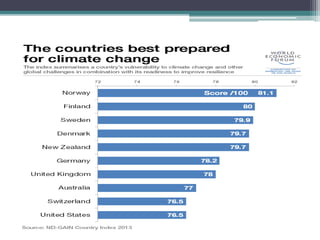
• Abate Climate Change
Goals of Sustainable Development -
cont
• Protection of aquatic life
• Protection of terrestrial life
• Responsible consumption and production
• Industry Innovation and infrastructure
• Peace , Justice and strong institution
• Sustainable cities and communities
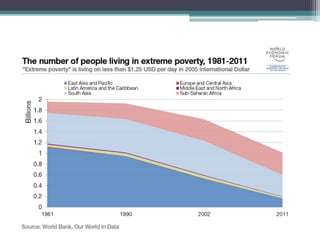
End of Extreme Poverty
• Eradicate extreme poverty for all people
everywhere, currently measured as people living
on less than $1.25 a day
• Ensure significant mobilization of resources
from a variety of source in order to provide
adequate and predictable means for developing
countries
• Reduce the proportion of men, women and
children of all ages living in poverty
End of Hunger
• End hunger and ensure access by all people for the
poor and people in vulnerable situations to safe,
nutritious and sufficient food all year round
• End all forms of malnutrition and address the
nutritional needs of children below 5 years old
,adolescent girls, pregnant women and older
persons
• Double the agricultural productivity and incomes of
small-scale food producers and give equal access to
land, other productive resources and inputs,
knowledge, financial services and markets
Good health and wealth Being
• Reduce the global maternal mortality ratio to
less than 70 per 100,000 live births
• End preventable deaths of newborns and
children under 5 years of age
• End the epidemics of AIDS, tuberculosis,
malaria and neglected tropical diseases and
combat hepatitis, water-borne diseases and
other communicable diseases
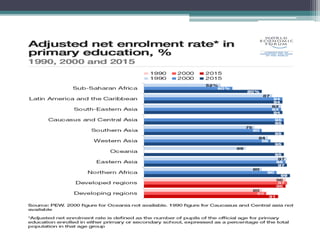
Quality Education
• Ensure that all girls and boys complete free,
equitable and quality primary and secondary
education
• Ensure that all girls and boys have access to
quality early childhood development, so that
they are ready for primary education
• Ensure equal access for all women and men to
affordable and quality technical, vocational and
tertiary education, including university
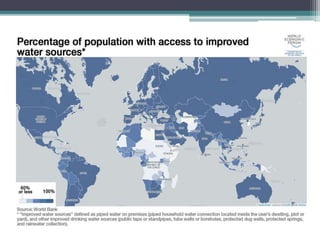
Clean Water and sanitation
• Achieve universal and equitable access to safe
and affordable drinking water for all
• Achieve access to adequate and equitable
sanitation and hygiene for all and end open
defecation
• Reducing pollution, eliminating dumping and
minimizing release of hazardous chemicals and
materials, halving the proportion of untreated
wastewater and increase recycling and safe
reuse globally
Affordable and clean Energy
• Ensure universal access to affordable, reliable
and modern energy services
• Increase substantially the share of renewable
energy in the global energy mix
• Double the global rate of improvement in energy
efficiency
• Enhance international cooperation to facilitate
access to clean energy research and technology
and promote investment in energy infrastructure
and clean energy technology
Decent work and Economic Growth
• Achieve full and productive employment and
decent work for all women and men, including
for young people and persons with disabilities,
and equal pay for work of equal value
• Reduce the proportion of youth not in
employment, education or training
• Protect labor rights and promote safe and secure
working environments for all workers
Abate Climate Change
• Strengthen resilience to climate-related hazards
and natural disasters in all countries
• Integrate climate change measures into national
policies, strategies and planning
• Improve education, awareness-raising and
human and institutional capacity on climate
change mitigation, adaptation, impact reduction
and early warning
Protection of aquatic life
• prevent and significantly reduce marine
pollution of all kinds, in particular from land-
based activities
• Sustainably manage and protect marine and
coastal ecosystems to avoid significant adverse
impacts and take action for their restoration in
order to achieve healthy and productive oceans
• Minimize and address the impacts of ocean
acidification
Protection of terrestrial life
• Ensure the conservation, restoration and
sustainable use of terrestrial and inland freshwater
ecosystems and their services, in particular forests,
wetlands, mountains and dry lands
• Promote the implementation of sustainable
management of all types of forests, halt
deforestation and restore degraded forests
• Combat desertification, restore degraded land and
soil, including land affected by desertification,
drought and floods
Responsible consumption and
production
• Achieve the sustainable management and
efficient use of natural resources
• Reduce the per capita global food waste at the
retail and consumer levels and reduce food
losses along production and supply chains,
including post-harvest losses
• Reduce waste generation through prevention,
reduction, recycling and reuse
Industry Innovation and infrastructure
• Develop quality, reliable, sustainable and
resilient infrastructure to support economic
development and human well-being
• Promote inclusive and sustainable
industrialization and significantly raise
industry’s share of employment and gross
domestic product
• Increase the access of small-scale industrial and
other enterprises to financial services and their
integration into value chains and markets
Peace , Justice and strong institution
• Reduce all forms of violence and related death
rates everywhere
• End abuse, exploitation, trafficking and all forms
of violence against and torture of children
• Promote the rule of law at the national and
international levels and ensure equal access to
justice for all
Sustainable cities and communities
• Ensure access for all to adequate, safe and
affordable housing and basic services and
upgrade slums
• Reduce the adverse per capita environmental
impact of cities, improve air quality and
municipal and other waste management
• Provide universal access to safe, inclusive and
accessible, green and public spaces
Life Style of Current Society
Energy Consuming Habits
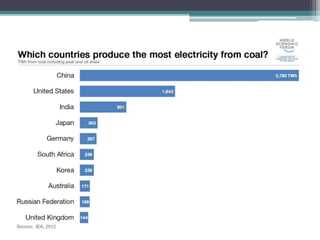
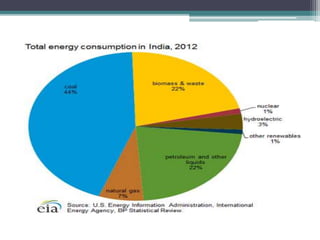
• Our current Society relies heavily on Fossil Fuels
like Coal , Petroleum , Natural Gas etc. which are
Non Renewable and causes Air pollution and
increases Climate Change.
• A very Small portion of our energy needs are met
by resources like solar , wind etc
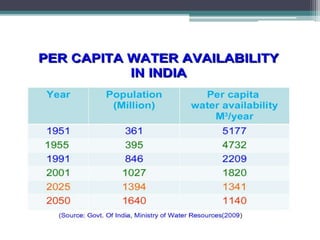
Water Consuming Habits
• The Current Society pays very less
attention to water conservation , the water
is simply wasted by those who have the
resources where as a significant portion of
the population do not get adequate
amount of clean and drinking water
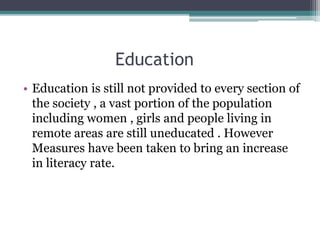
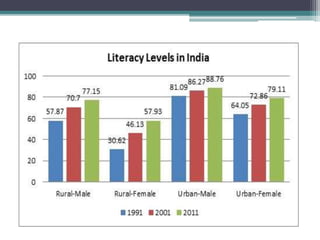
Education
• Education is still not provided to every section of
the society , a vast portion of the population
including women , girls and people living in
remote areas are still uneducated . However
Measures have been taken to bring an increase
in literacy rate.
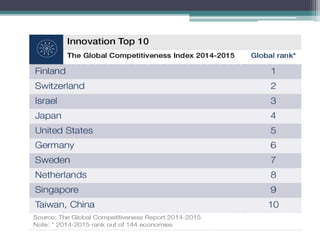
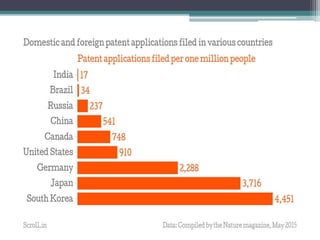
Current Innovation Trends
• Although a significant portion of our population
studies in higher education institutions yet there
are few patents filed every year in order to
improve the existing technology
• Yet the Number of patents have gone up from
previous years suggesting we might see a large
number of patents in near future
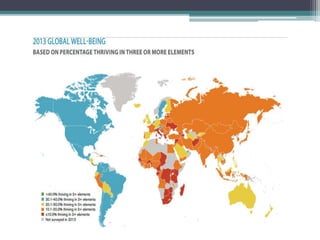
Protection against Diseases and well
Being
• Our Current Society has substantially improved
in terms of well being , this is suggested by an
increase in portion of children getting vaccinated
every year and fall in diseases caused by
dangerous pathogens. Many awareness
campaigns are organized in order to educate the
public
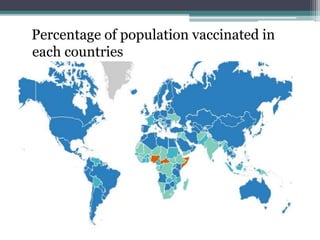
Percentage of population vaccinated in
each countries
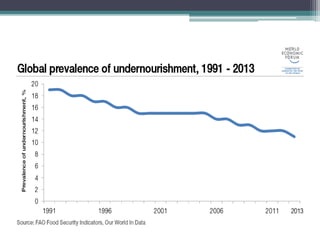
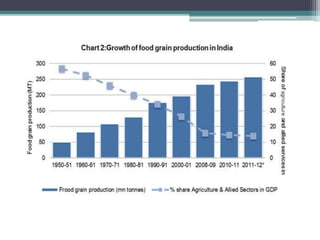
Food Production and Availability
• Food Production has increased from previous
years due to advancement in technology and
awareness programs . Due to more production
less people are succumbing to Malnutrition
Measures to implement Sustainable Development
by an Individual
Measures to Implement Sustainable
Development-1
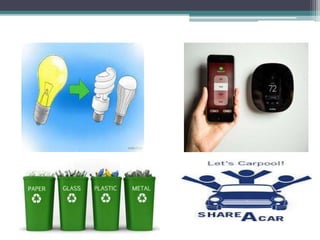
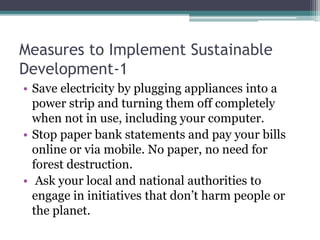
• Save electricity by plugging appliances into a
power strip and turning them off completely
when not in use, including your computer.
• Stop paper bank statements and pay your bills
online or via mobile. No paper, no need for
forest destruction.
• Ask your local and national authorities to
engage in initiatives that don’t harm people or
the planet.
Measures to Implement Sustainable
Development-2
• Air dry. Let your hair and clothes dry naturally
instead of running a machine. If you do wash
your clothes, make sure the load is full.
• Take short showers. Bathtubs require gallons
more water than a 5-10 minute shower.
• Eat less meat, poultry, and fish. More resources
are used to provide meat than plants
• Buy minimally packaged goods.
Measures to Implement Sustainable
Development-3
• Freeze fresh produce and leftovers if you don’t
have the chance to eat them before they go bad.
You will save food and money.
• Compost—composting food scraps can reduce
climate impact while also recycling nutrients.
• Recycling paper, plastic, glass & aluminum
keeps landfills from growing.
Measures to Implement Sustainable
Development-4
• Avoid pre-heating the oven. Unless you need a
precise baking temperature, start heating your food
right when you turn on the oven.
• Plug air leaks in windows and doors to increase
energy efficiency
• Adjust your thermostat, lower in winter, higher in
summer
• Replace old appliances with energy efficient models
and light bulbs
• If you have the option, install solar panels in your
house.
Measures to Implement Sustainable
Development-5
• Shovel snow manually. Avoid the noisy, exhaust-
churning snow blower and get some exercise.
• Use cardboard matches. They don’t require any
petroleum, unlike plastic gas-filled lighters.
• Shop local. Supporting neighborhood businesses
keeps people employed and helps prevent trucks
from driving far distances.
• Shop Smart—plan meals, use shopping lists and
avoid impulse buys. Don’t succumb to marketing
tricks that lead you to buy more food than you need,
particularly for perishable items.
Measures to Implement Sustainable
Development-6
• Shop only for sustainable seafood.
• Bike, walk or take public transport. Save the car
trips for when you’ve got a big group.
• Use a refillable water bottle and coffee cup. Cut
down on waste and maybe even save money at
the coffee shop.
• Bring your own bag when you shop.
Measures to Implement Sustainable
Development-7
• Take fewer napkins. You don’t need a handful of
napkins to eat your takeout. Take just what you
need.
• Maintain your car. A well-tuned car will emit
fewer toxic fumes.
• Donate what you don’t use. Local charities will
give your gently used clothes, books and
furniture a new life.
• Vaccinate yourself and your kids. Protecting
your family from disease also aids public health.
Sustainable Development measures by
Government Authorities
Renewable Resources
• A renewable resource is a natural
resource which replenishes to
overcome resource depletion caused by usage
and consumption, either through biological
reproduction or other naturally recurring
processes in a finite amount of time in a human
time scale. Renewable resources usage should be
encouraged by government to fight resource
crisis .
Energy Renewable Resources
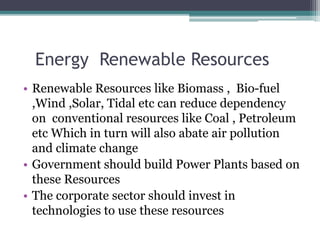
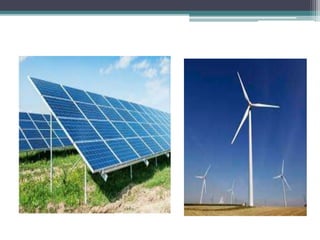
• Renewable Resources like Biomass , Bio-fuel
,Wind ,Solar, Tidal etc can reduce dependency
on conventional resources like Coal , Petroleum
etc Which in turn will also abate air pollution
and climate change
• Government should build Power Plants based on
these Resources
• The corporate sector should invest in
technologies to use these resources
Water
• The Government Should build Artificial water
Reservoirs to conserve water
• The Authorities should also spread awareness
among people about water conservation
• Water should be made available to all by
building efficient pipeline system
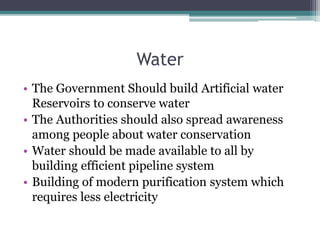
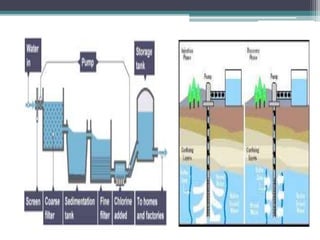
• Building of modern purification system which
requires less electricity
Food Production and Distribution
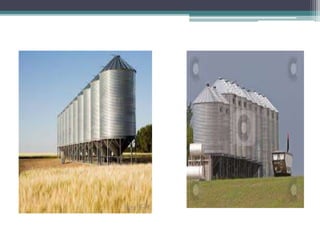
• Building of granaries by the Government in
order to save and preserve food resources
• Educating Farmers of better and efficient
farming techniques which does not effect soil
fertility and increases production
• Building of efficient transportation and
distribution system so that everyone gets access
to food resources
Fighting Poverty
• Jobs should be created by government
authorities in order to provide source of income
to vast section of population
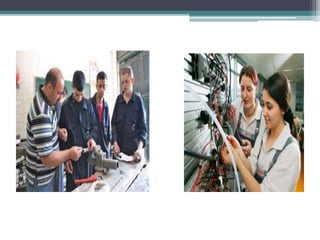
• Vocational training and Free education should
be provided , this will help in making the youth
skilled in doing a task and can help the society
by their work
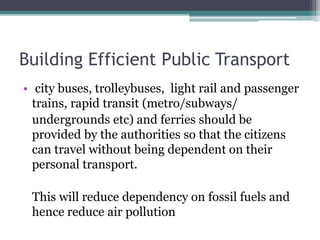
Building Efficient Public Transport
• city buses, trolleybuses, light rail and passenger
trains, rapid transit (metro/subways/
undergrounds etc) and ferries should be
provided by the authorities so that the citizens
can travel without being dependent on their
personal transport.
This will reduce dependency on fossil fuels and
hence reduce air pollution
Conclusion
• Sustainable Development is the need of the hour
in order to save climate change , bring gender
equality, fight malnutrition, save energy
resources for future generation, prevent
pollution and improve quality of life of Humans
as well as other organisms
THANK YOU

Sustainable development

  • 1.
    Sustainable Development andits Implementation By- Rajat Prasad
  • 3.
    About Sustainable Development •Sustainable development is development that meets the needs of the present without compromising the ability of future generations to meet their own needs. It contains within it two key concepts: a) the concept of needs, in particular the essential needs of the world's poor, to which overriding priority should be given b) the idea of limitations imposed by the state of technology and social organization on the environment's ability to meet present and future needs.
  • 4.
    Goals of SustainableDevelopment • End of Extreme Poverty • End of Hunger • Good health and wealth Being • Quality Education • Clean Water and sanitation • Affordable and clean Energy • Decent work and Economic Growth • Abate Climate Change
  • 5.
    Goals of SustainableDevelopment - cont • Protection of aquatic life • Protection of terrestrial life • Responsible consumption and production • Industry Innovation and infrastructure • Peace , Justice and strong institution • Sustainable cities and communities
  • 6.
    End of ExtremePoverty • Eradicate extreme poverty for all people everywhere, currently measured as people living on less than $1.25 a day • Ensure significant mobilization of resources from a variety of source in order to provide adequate and predictable means for developing countries • Reduce the proportion of men, women and children of all ages living in poverty
  • 8.
    End of Hunger •End hunger and ensure access by all people for the poor and people in vulnerable situations to safe, nutritious and sufficient food all year round • End all forms of malnutrition and address the nutritional needs of children below 5 years old ,adolescent girls, pregnant women and older persons • Double the agricultural productivity and incomes of small-scale food producers and give equal access to land, other productive resources and inputs, knowledge, financial services and markets
  • 10.
    Good health andwealth Being • Reduce the global maternal mortality ratio to less than 70 per 100,000 live births • End preventable deaths of newborns and children under 5 years of age • End the epidemics of AIDS, tuberculosis, malaria and neglected tropical diseases and combat hepatitis, water-borne diseases and other communicable diseases
  • 12.
    Quality Education • Ensurethat all girls and boys complete free, equitable and quality primary and secondary education • Ensure that all girls and boys have access to quality early childhood development, so that they are ready for primary education • Ensure equal access for all women and men to affordable and quality technical, vocational and tertiary education, including university
  • 14.
    Clean Water andsanitation • Achieve universal and equitable access to safe and affordable drinking water for all • Achieve access to adequate and equitable sanitation and hygiene for all and end open defecation • Reducing pollution, eliminating dumping and minimizing release of hazardous chemicals and materials, halving the proportion of untreated wastewater and increase recycling and safe reuse globally
  • 16.
    Affordable and cleanEnergy • Ensure universal access to affordable, reliable and modern energy services • Increase substantially the share of renewable energy in the global energy mix • Double the global rate of improvement in energy efficiency • Enhance international cooperation to facilitate access to clean energy research and technology and promote investment in energy infrastructure and clean energy technology
  • 18.
    Decent work andEconomic Growth • Achieve full and productive employment and decent work for all women and men, including for young people and persons with disabilities, and equal pay for work of equal value • Reduce the proportion of youth not in employment, education or training • Protect labor rights and promote safe and secure working environments for all workers
  • 19.
    Abate Climate Change •Strengthen resilience to climate-related hazards and natural disasters in all countries • Integrate climate change measures into national policies, strategies and planning • Improve education, awareness-raising and human and institutional capacity on climate change mitigation, adaptation, impact reduction and early warning
  • 21.
    Protection of aquaticlife • prevent and significantly reduce marine pollution of all kinds, in particular from land- based activities • Sustainably manage and protect marine and coastal ecosystems to avoid significant adverse impacts and take action for their restoration in order to achieve healthy and productive oceans • Minimize and address the impacts of ocean acidification
  • 22.
    Protection of terrestriallife • Ensure the conservation, restoration and sustainable use of terrestrial and inland freshwater ecosystems and their services, in particular forests, wetlands, mountains and dry lands • Promote the implementation of sustainable management of all types of forests, halt deforestation and restore degraded forests • Combat desertification, restore degraded land and soil, including land affected by desertification, drought and floods
  • 23.
    Responsible consumption and production •Achieve the sustainable management and efficient use of natural resources • Reduce the per capita global food waste at the retail and consumer levels and reduce food losses along production and supply chains, including post-harvest losses • Reduce waste generation through prevention, reduction, recycling and reuse
  • 24.
    Industry Innovation andinfrastructure • Develop quality, reliable, sustainable and resilient infrastructure to support economic development and human well-being • Promote inclusive and sustainable industrialization and significantly raise industry’s share of employment and gross domestic product • Increase the access of small-scale industrial and other enterprises to financial services and their integration into value chains and markets
  • 26.
    Peace , Justiceand strong institution • Reduce all forms of violence and related death rates everywhere • End abuse, exploitation, trafficking and all forms of violence against and torture of children • Promote the rule of law at the national and international levels and ensure equal access to justice for all
  • 27.
    Sustainable cities andcommunities • Ensure access for all to adequate, safe and affordable housing and basic services and upgrade slums • Reduce the adverse per capita environmental impact of cities, improve air quality and municipal and other waste management • Provide universal access to safe, inclusive and accessible, green and public spaces
  • 28.
    Life Style ofCurrent Society
  • 29.
    Energy Consuming Habits •Our current Society relies heavily on Fossil Fuels like Coal , Petroleum , Natural Gas etc. which are Non Renewable and causes Air pollution and increases Climate Change. • A very Small portion of our energy needs are met by resources like solar , wind etc
  • 31.
    Water Consuming Habits •The Current Society pays very less attention to water conservation , the water is simply wasted by those who have the resources where as a significant portion of the population do not get adequate amount of clean and drinking water
  • 33.
    Education • Education isstill not provided to every section of the society , a vast portion of the population including women , girls and people living in remote areas are still uneducated . However Measures have been taken to bring an increase in literacy rate.
  • 35.
    Current Innovation Trends •Although a significant portion of our population studies in higher education institutions yet there are few patents filed every year in order to improve the existing technology • Yet the Number of patents have gone up from previous years suggesting we might see a large number of patents in near future
  • 37.
    Protection against Diseasesand well Being • Our Current Society has substantially improved in terms of well being , this is suggested by an increase in portion of children getting vaccinated every year and fall in diseases caused by dangerous pathogens. Many awareness campaigns are organized in order to educate the public
  • 38.
    Percentage of populationvaccinated in each countries
  • 39.
    Food Production andAvailability • Food Production has increased from previous years due to advancement in technology and awareness programs . Due to more production less people are succumbing to Malnutrition
  • 41.
    Measures to implementSustainable Development by an Individual
  • 43.
    Measures to ImplementSustainable Development-1 • Save electricity by plugging appliances into a power strip and turning them off completely when not in use, including your computer. • Stop paper bank statements and pay your bills online or via mobile. No paper, no need for forest destruction. • Ask your local and national authorities to engage in initiatives that don’t harm people or the planet.
  • 44.
    Measures to ImplementSustainable Development-2 • Air dry. Let your hair and clothes dry naturally instead of running a machine. If you do wash your clothes, make sure the load is full. • Take short showers. Bathtubs require gallons more water than a 5-10 minute shower. • Eat less meat, poultry, and fish. More resources are used to provide meat than plants • Buy minimally packaged goods.
  • 45.
    Measures to ImplementSustainable Development-3 • Freeze fresh produce and leftovers if you don’t have the chance to eat them before they go bad. You will save food and money. • Compost—composting food scraps can reduce climate impact while also recycling nutrients. • Recycling paper, plastic, glass & aluminum keeps landfills from growing.
  • 46.
    Measures to ImplementSustainable Development-4 • Avoid pre-heating the oven. Unless you need a precise baking temperature, start heating your food right when you turn on the oven. • Plug air leaks in windows and doors to increase energy efficiency • Adjust your thermostat, lower in winter, higher in summer • Replace old appliances with energy efficient models and light bulbs • If you have the option, install solar panels in your house.
  • 47.
    Measures to ImplementSustainable Development-5 • Shovel snow manually. Avoid the noisy, exhaust- churning snow blower and get some exercise. • Use cardboard matches. They don’t require any petroleum, unlike plastic gas-filled lighters. • Shop local. Supporting neighborhood businesses keeps people employed and helps prevent trucks from driving far distances. • Shop Smart—plan meals, use shopping lists and avoid impulse buys. Don’t succumb to marketing tricks that lead you to buy more food than you need, particularly for perishable items.
  • 48.
    Measures to ImplementSustainable Development-6 • Shop only for sustainable seafood. • Bike, walk or take public transport. Save the car trips for when you’ve got a big group. • Use a refillable water bottle and coffee cup. Cut down on waste and maybe even save money at the coffee shop. • Bring your own bag when you shop.
  • 49.
    Measures to ImplementSustainable Development-7 • Take fewer napkins. You don’t need a handful of napkins to eat your takeout. Take just what you need. • Maintain your car. A well-tuned car will emit fewer toxic fumes. • Donate what you don’t use. Local charities will give your gently used clothes, books and furniture a new life. • Vaccinate yourself and your kids. Protecting your family from disease also aids public health.
  • 50.
    Sustainable Development measuresby Government Authorities
  • 51.
    Renewable Resources • Arenewable resource is a natural resource which replenishes to overcome resource depletion caused by usage and consumption, either through biological reproduction or other naturally recurring processes in a finite amount of time in a human time scale. Renewable resources usage should be encouraged by government to fight resource crisis .
  • 52.
    Energy Renewable Resources •Renewable Resources like Biomass , Bio-fuel ,Wind ,Solar, Tidal etc can reduce dependency on conventional resources like Coal , Petroleum etc Which in turn will also abate air pollution and climate change • Government should build Power Plants based on these Resources • The corporate sector should invest in technologies to use these resources
  • 54.
    Water • The GovernmentShould build Artificial water Reservoirs to conserve water • The Authorities should also spread awareness among people about water conservation • Water should be made available to all by building efficient pipeline system • Building of modern purification system which requires less electricity
  • 56.
    Food Production andDistribution • Building of granaries by the Government in order to save and preserve food resources • Educating Farmers of better and efficient farming techniques which does not effect soil fertility and increases production • Building of efficient transportation and distribution system so that everyone gets access to food resources
  • 58.
    Fighting Poverty • Jobsshould be created by government authorities in order to provide source of income to vast section of population • Vocational training and Free education should be provided , this will help in making the youth skilled in doing a task and can help the society by their work
  • 60.
    Building Efficient PublicTransport • city buses, trolleybuses, light rail and passenger trains, rapid transit (metro/subways/ undergrounds etc) and ferries should be provided by the authorities so that the citizens can travel without being dependent on their personal transport. This will reduce dependency on fossil fuels and hence reduce air pollution
  • 62.
    Conclusion • Sustainable Developmentis the need of the hour in order to save climate change , bring gender equality, fight malnutrition, save energy resources for future generation, prevent pollution and improve quality of life of Humans as well as other organisms
  • 63.