Surrealism
Techniques
EXQUISITE CORPSE
The technique was invented by surrealists and
is similar to an old parlour game called
consequences in which players write in turn on
a sheet of paper, fold it to conceal part of the
writing, and then pass it to the next player for a
further contribution. Surrealism principal
founder André Breton reported that it started
in fun, but became playful and eventually
enriching.
PARSEMAGE
Parsemage is a surrealist and automatic method in the visual
arts invented by Ithell Colquhoun in which dust from charcoal
or colored chalk is scattered on the surface of water and then
skimmed off by passing a stiff paper or cardboard just under
the water's surface.
OUTAGRAPH
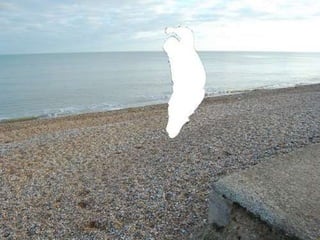
The outagraph is a photograph in which the
subject, what the photograph is "of," is cut
out. The method was invented by Ted Joans.
GRATTAGE
Grattage is a surrealist technique in painting in
which (usually wet) paint is scraped off the
canvas. It was employed by Max Ernst and Joan
Miró.
COLLAGE
Collage is the assemblage of different forms
creating a new whole. For example, an
artistic collage work may include newspaper
clippings, ribbons, bits of colored or hand-
made papers, photographs, etc., glued to a
solid support or canvas.
CUBOMANIA
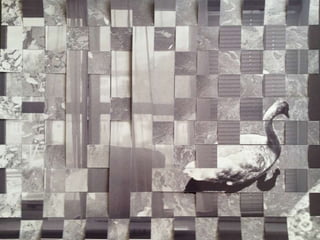
Cubomania is a method of making collages in
which a picture or image is cut into squares and
the squares are then reassembled without
regard for the image. The technique was first
used by the Romanian surrealist Gherasim Luca.
AUTOMATISM
Surrealist automatism is a method of art
making in which the artist suppresses
conscious control over the making process,
allowing the unconscious mind to have great
sway. Early 20th century Dadaists, such as
Hans Arp, made some use of this method
through chance operations.
DECALCOMANIA
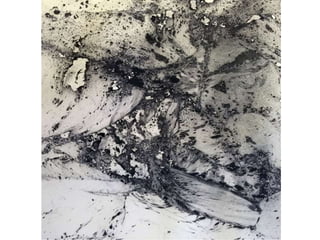
Decalcomania is a process of spreading thick
paint upon a canvas then—while it is still wet—
covering it with further material such as paper or
aluminium foil. This covering is then removed
(again before the paint dries), and the resultant
paint pattern becomes the basis of the finished
painting. The technique was much employed by
artists such as Max Ernst.
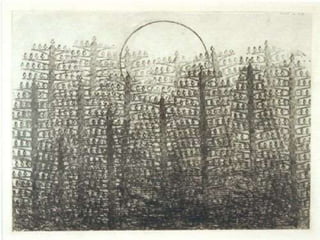
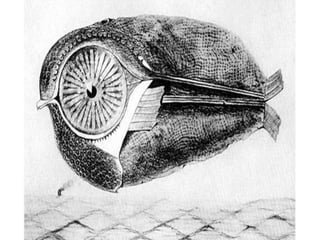
FROTTAGE
Frottage is a method of creation in
which one takes a pencil or other
drawing tool and makes a "rubbing"
over a textured surface. The drawing
can either be left as it is or used as
the basis for further refinement.
Surrealism Techniques

Surrealism Techniques

  • 1.
  • 2.
    EXQUISITE CORPSE The techniquewas invented by surrealists and is similar to an old parlour game called consequences in which players write in turn on a sheet of paper, fold it to conceal part of the writing, and then pass it to the next player for a further contribution. Surrealism principal founder André Breton reported that it started in fun, but became playful and eventually enriching.
  • 4.
    PARSEMAGE Parsemage is asurrealist and automatic method in the visual arts invented by Ithell Colquhoun in which dust from charcoal or colored chalk is scattered on the surface of water and then skimmed off by passing a stiff paper or cardboard just under the water's surface.
  • 7.
    OUTAGRAPH The outagraph isa photograph in which the subject, what the photograph is "of," is cut out. The method was invented by Ted Joans.
  • 10.
    GRATTAGE Grattage is asurrealist technique in painting in which (usually wet) paint is scraped off the canvas. It was employed by Max Ernst and Joan Miró.
  • 13.
    COLLAGE Collage is theassemblage of different forms creating a new whole. For example, an artistic collage work may include newspaper clippings, ribbons, bits of colored or hand- made papers, photographs, etc., glued to a solid support or canvas.
  • 16.
    CUBOMANIA Cubomania is amethod of making collages in which a picture or image is cut into squares and the squares are then reassembled without regard for the image. The technique was first used by the Romanian surrealist Gherasim Luca.
  • 19.
    AUTOMATISM Surrealist automatism isa method of art making in which the artist suppresses conscious control over the making process, allowing the unconscious mind to have great sway. Early 20th century Dadaists, such as Hans Arp, made some use of this method through chance operations.
  • 22.
    DECALCOMANIA Decalcomania is aprocess of spreading thick paint upon a canvas then—while it is still wet— covering it with further material such as paper or aluminium foil. This covering is then removed (again before the paint dries), and the resultant paint pattern becomes the basis of the finished painting. The technique was much employed by artists such as Max Ernst.
  • 25.
    FROTTAGE Frottage is amethod of creation in which one takes a pencil or other drawing tool and makes a "rubbing" over a textured surface. The drawing can either be left as it is or used as the basis for further refinement.