Newport News Public Libraries
Exercise: What are your
study habits now?
Where do you study?
How do you study? How often?
How do you prioritize multiple tasks?
Is it quiet or is there music/TV?
Do you ask questions in class or while you
study?
Time management? Do you make schedules?
How much sleep do you get?
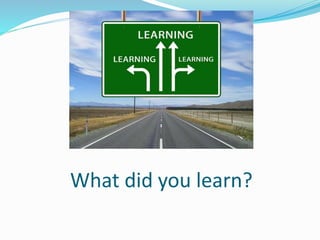
What did you learn?
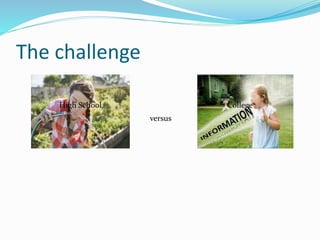
The challenge
versus
High School College
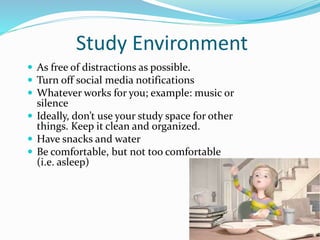
Study Environment
 As free of distractions as possible.
 Turn off social media notifications
 Whatever works for you; example: music or
silence
 Ideally, don’t use your study space for other
things. Keep it clean and organized.
 Have snacks and water
 Be comfortable, but not too comfortable
(i.e. asleep)
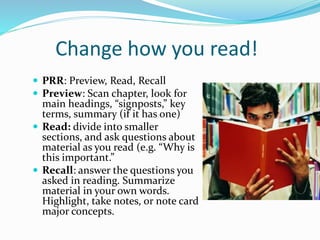
Change how you read!
 PRR: Preview, Read, Recall
 Preview: Scan chapter, look for
main headings, “signposts,” key
terms, summary (if it has one)
 Read: divide into smaller
sections, and ask questions about
material as you read (e.g. “Why is
this important.”
 Recall: answer the questions you
asked in reading. Summarize
material in your own words.
Highlight, take notes, or note card
major concepts.
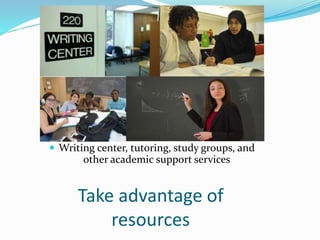
Take advantage of
resources
 Writing center, tutoring, study groups, and
other academic support services
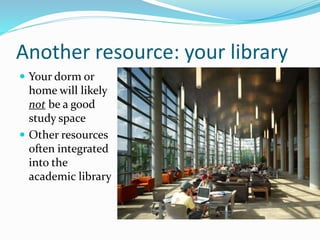
Another resource: your library
 Your dorm or
home will likely
not be a good
study space
 Other resources
often integrated
into the
academic library
Engage
 In class:
 Ask questions
 Discussions help you learn and interpret the material
 With Professors:
 Demonstrate a genuine interest in the field of study
 Make use of office hours or before/after class
Faculty only give recommendations to students they can
remember
Plan ahead and stay organized
 Plan out your week of readings, assignments
and projects
 Knowing when your busy days and weeks are
will help you find a healthier balance with your
social life.
 Eliminates panic and need for “all-nighter”
cram sessions.
 Divide and conquer
 Divide into manageable chunks
 Major tests and papers are less daunting
when you’ve broken studying/writing
down into smaller tasks.
Know yourself
 Don’t deceive yourself
 You know your limits best
 You know whether you’ve studied enough
 Keep feelings in perspective
 Don’t get discouraged over minor setbacks
 Take time to appreciate your successes
 Remember why you’re doing this
 Don’t focus on the grade—focus on learning and
the grades will come.
 Think about how your learning will apply to the
career you want
You’ll make mistakes
 You won’t be perfect, but learn from your failures
 Always ask, “what could I have done better?”
 Be open to feedback
 Study faculty comments to papers, especially drafts to
improve
 Be tenacious
 You won’t always understand concepts or material the
first time. Keep at it, and assess your learning strategy as
you go
Go. To. Class.
• Skipping one day
of class costs you
around $625*
“80 percent of success is
showing up.”
—Woody Allen
Exams
 Explain challenging
concepts to others
 Make use of study
groups
 Take regular breaks
 Drink water/eat
nutritious foods
 Organize your notes
 Give yourself the time
you need to study
“Seeing much, suffering
much, and studying much,
are the three pillars of
learning.” –Benjamin Disraeli
Questions and Links
 US News Study Habits Before College
 ECPI Top 10 Effective Study Habits
 UC Berkeley Study and Success Strategies

Study habits you need to succeed

  • 1.
  • 2.
    Exercise: What areyour study habits now? Where do you study? How do you study? How often? How do you prioritize multiple tasks? Is it quiet or is there music/TV? Do you ask questions in class or while you study? Time management? Do you make schedules? How much sleep do you get?
  • 3.
  • 4.
  • 5.
    Study Environment  Asfree of distractions as possible.  Turn off social media notifications  Whatever works for you; example: music or silence  Ideally, don’t use your study space for other things. Keep it clean and organized.  Have snacks and water  Be comfortable, but not too comfortable (i.e. asleep)
  • 6.
    Change how youread!  PRR: Preview, Read, Recall  Preview: Scan chapter, look for main headings, “signposts,” key terms, summary (if it has one)  Read: divide into smaller sections, and ask questions about material as you read (e.g. “Why is this important.”  Recall: answer the questions you asked in reading. Summarize material in your own words. Highlight, take notes, or note card major concepts.
  • 7.
    Take advantage of resources Writing center, tutoring, study groups, and other academic support services
  • 8.
    Another resource: yourlibrary  Your dorm or home will likely not be a good study space  Other resources often integrated into the academic library
  • 9.
    Engage  In class: Ask questions  Discussions help you learn and interpret the material  With Professors:  Demonstrate a genuine interest in the field of study  Make use of office hours or before/after class Faculty only give recommendations to students they can remember
  • 10.
    Plan ahead andstay organized  Plan out your week of readings, assignments and projects  Knowing when your busy days and weeks are will help you find a healthier balance with your social life.  Eliminates panic and need for “all-nighter” cram sessions.  Divide and conquer  Divide into manageable chunks  Major tests and papers are less daunting when you’ve broken studying/writing down into smaller tasks.
  • 11.
    Know yourself  Don’tdeceive yourself  You know your limits best  You know whether you’ve studied enough  Keep feelings in perspective  Don’t get discouraged over minor setbacks  Take time to appreciate your successes  Remember why you’re doing this  Don’t focus on the grade—focus on learning and the grades will come.  Think about how your learning will apply to the career you want
  • 12.
    You’ll make mistakes You won’t be perfect, but learn from your failures  Always ask, “what could I have done better?”  Be open to feedback  Study faculty comments to papers, especially drafts to improve  Be tenacious  You won’t always understand concepts or material the first time. Keep at it, and assess your learning strategy as you go
  • 13.
    Go. To. Class. •Skipping one day of class costs you around $625* “80 percent of success is showing up.” —Woody Allen
  • 14.
    Exams  Explain challenging conceptsto others  Make use of study groups  Take regular breaks  Drink water/eat nutritious foods  Organize your notes  Give yourself the time you need to study “Seeing much, suffering much, and studying much, are the three pillars of learning.” –Benjamin Disraeli
  • 15.
    Questions and Links US News Study Habits Before College  ECPI Top 10 Effective Study Habits  UC Berkeley Study and Success Strategies

Editor's Notes

  • #3 Take 5 minutes and write down your current study habits, above are some potential questions to ask yourselves. Think about the environment you study in; what your notes look like; how often you study? The most important part of this step is being honest with yourself and how you work.
  • #4 There are multiple paths to learning, and each of us has a style. But that style may need to adapt to succeed in higher education.
  • #5 Here’s the challenge, and why how you study in high school may not work anymore. The amount of learning that goes on, about new subjects, new theories, new material The type of learning: not just memorizing, but taking new knowledge and applying it, synthesizing it. The stuff outside the classroom: college isn’t just what you learn in labs or lecture halls, it’s what you learn from work, from interacting with other students, through service programs, through extracurriculars, through living with others….through dealing with paperwork...through adulting.
  • #7 Signposts This essay argues that …. The main questions addressed in this paper are …. This essay critically examines…. The above discussion raises some interesting questions. In conclusion…
  • #8 Writing center, tutoring, study groups, and other academic support services
  • #9 The best ones are open 24 hours to let you study when you want to.
  • #13 http://blogs.oregonstate.edu/studentsuccess/2016/11/08/persistence-vs-tenacity/
  • #14 * Or more, with interest, if you have loans.