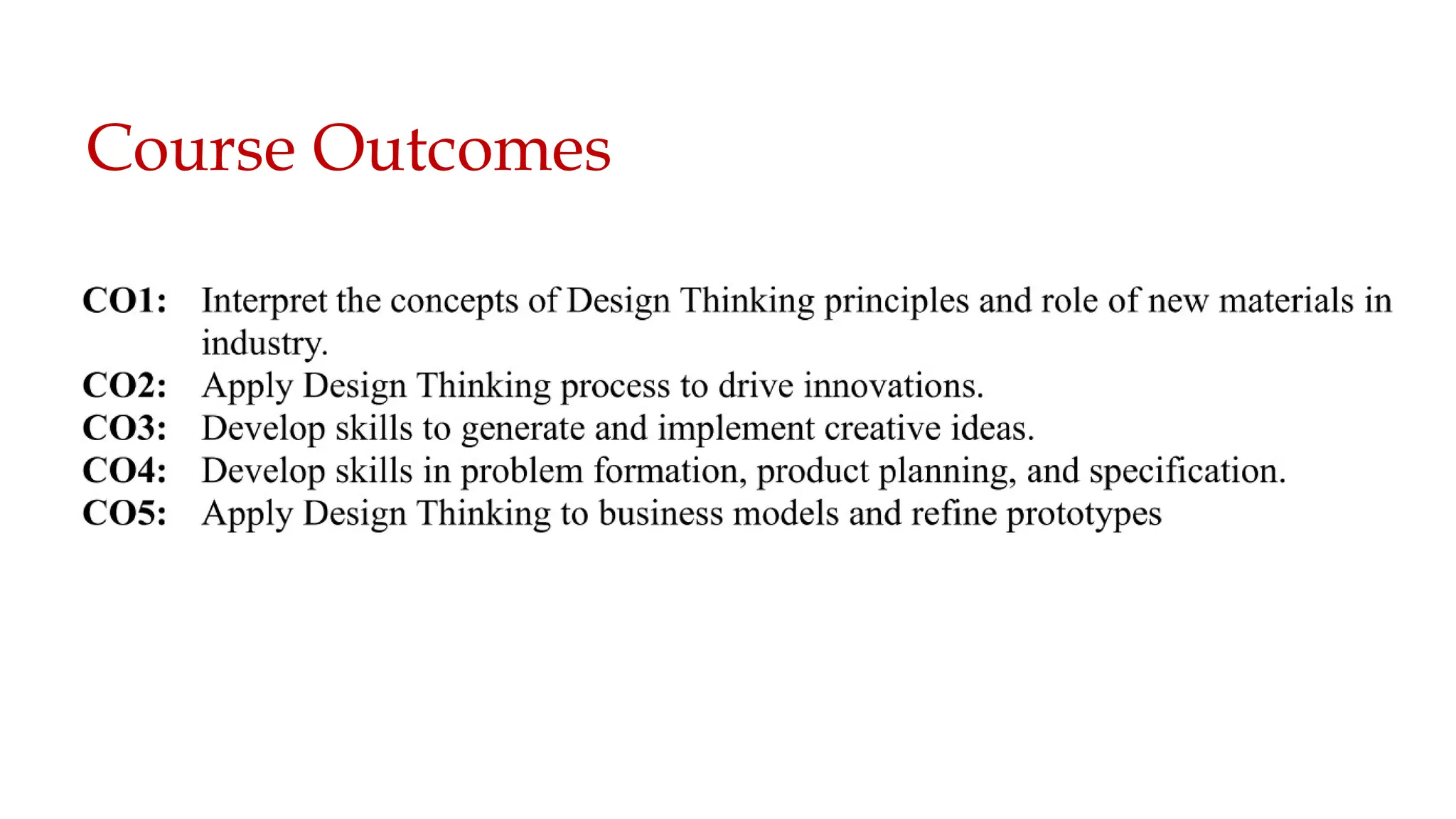
Empathy – Tryto connect
with the user’s needs
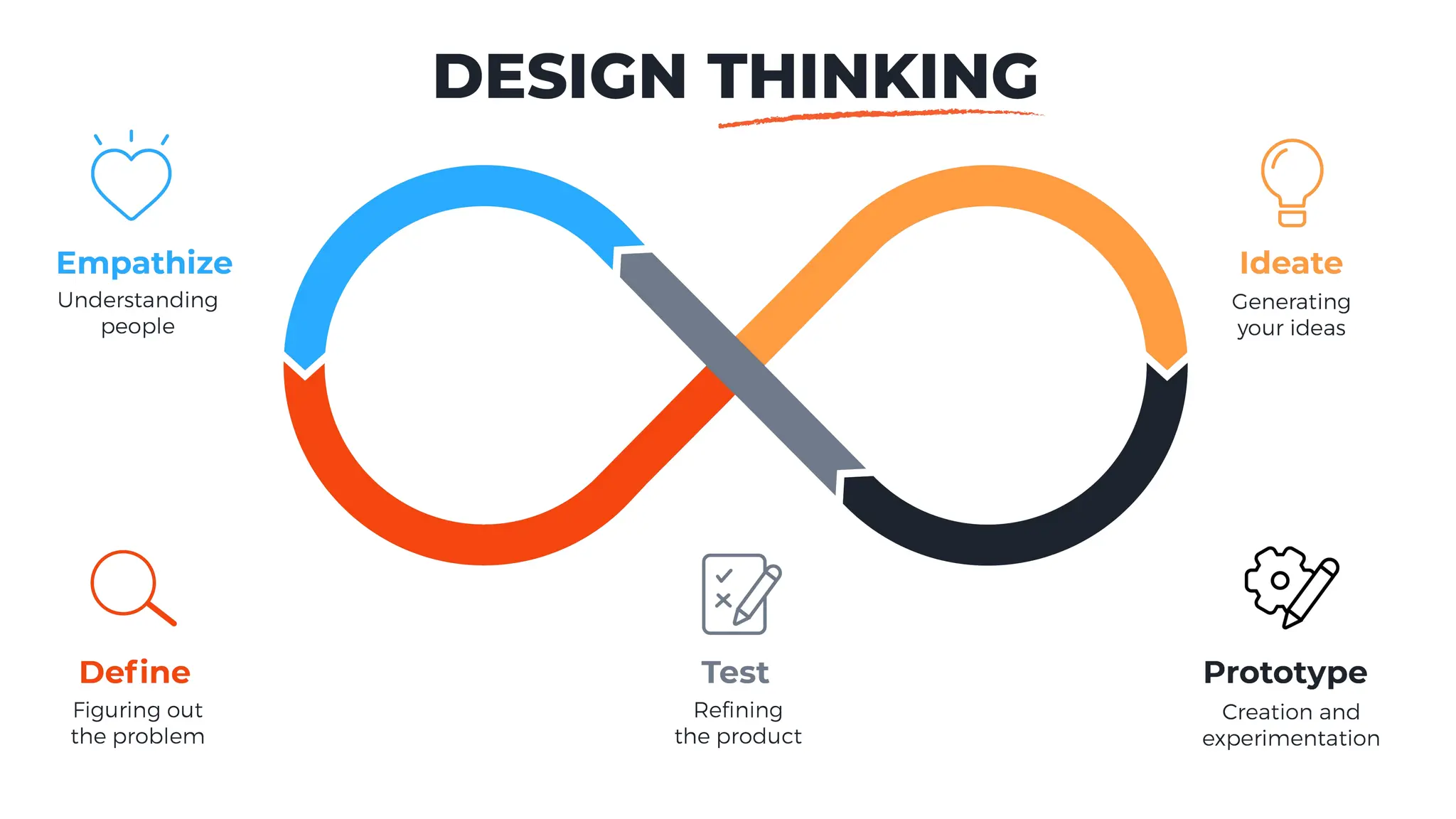
Define – Use your findings to
generate a human-centric
problem statement
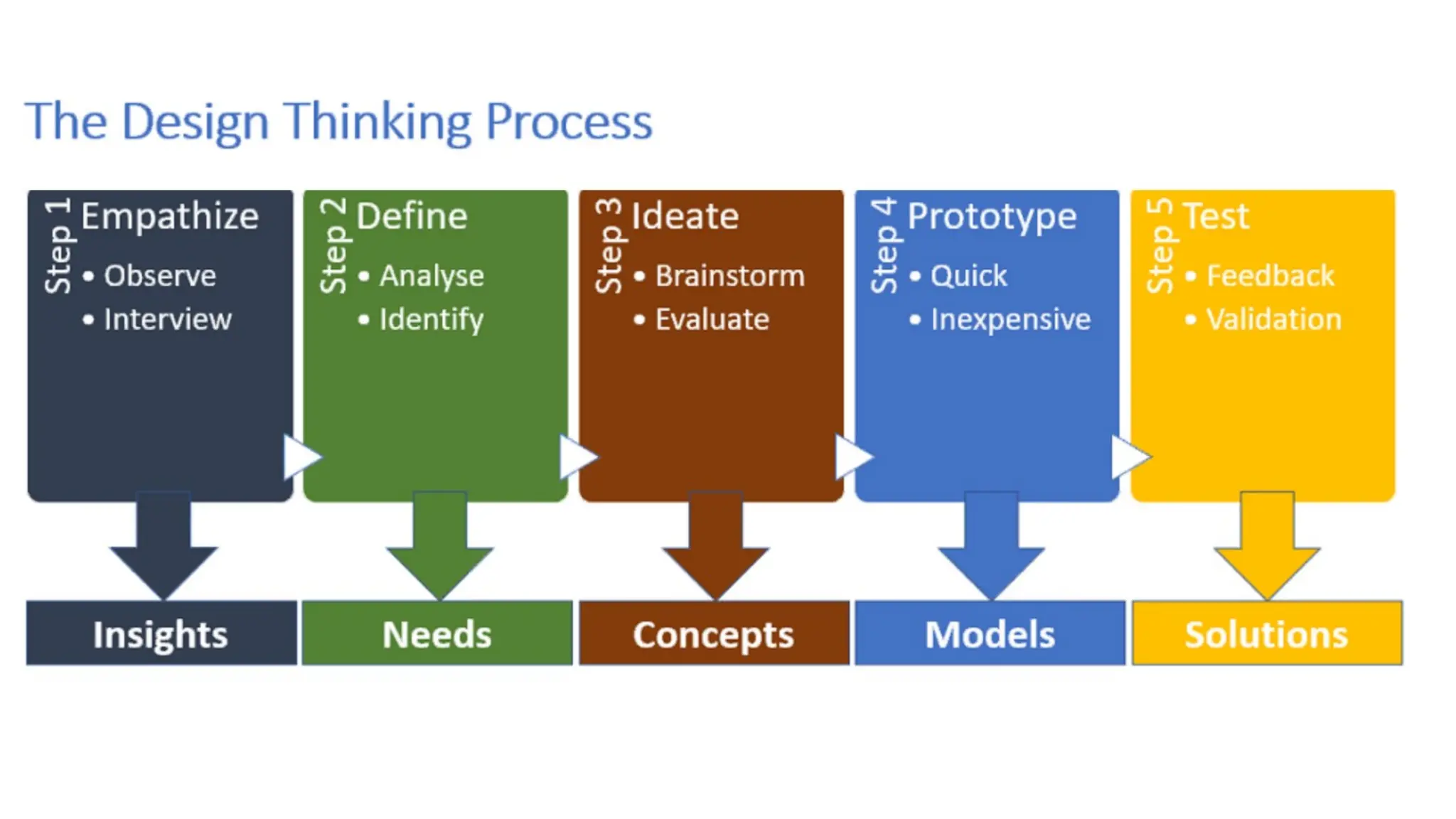
Ideate – Gather as many
ideas as you can
Prototype – Stay focused on user
needs. Even if you like a feature,
if it doesn’t help the user it’s not
necessary
Test – Going backwards really can
mean you are going forwards
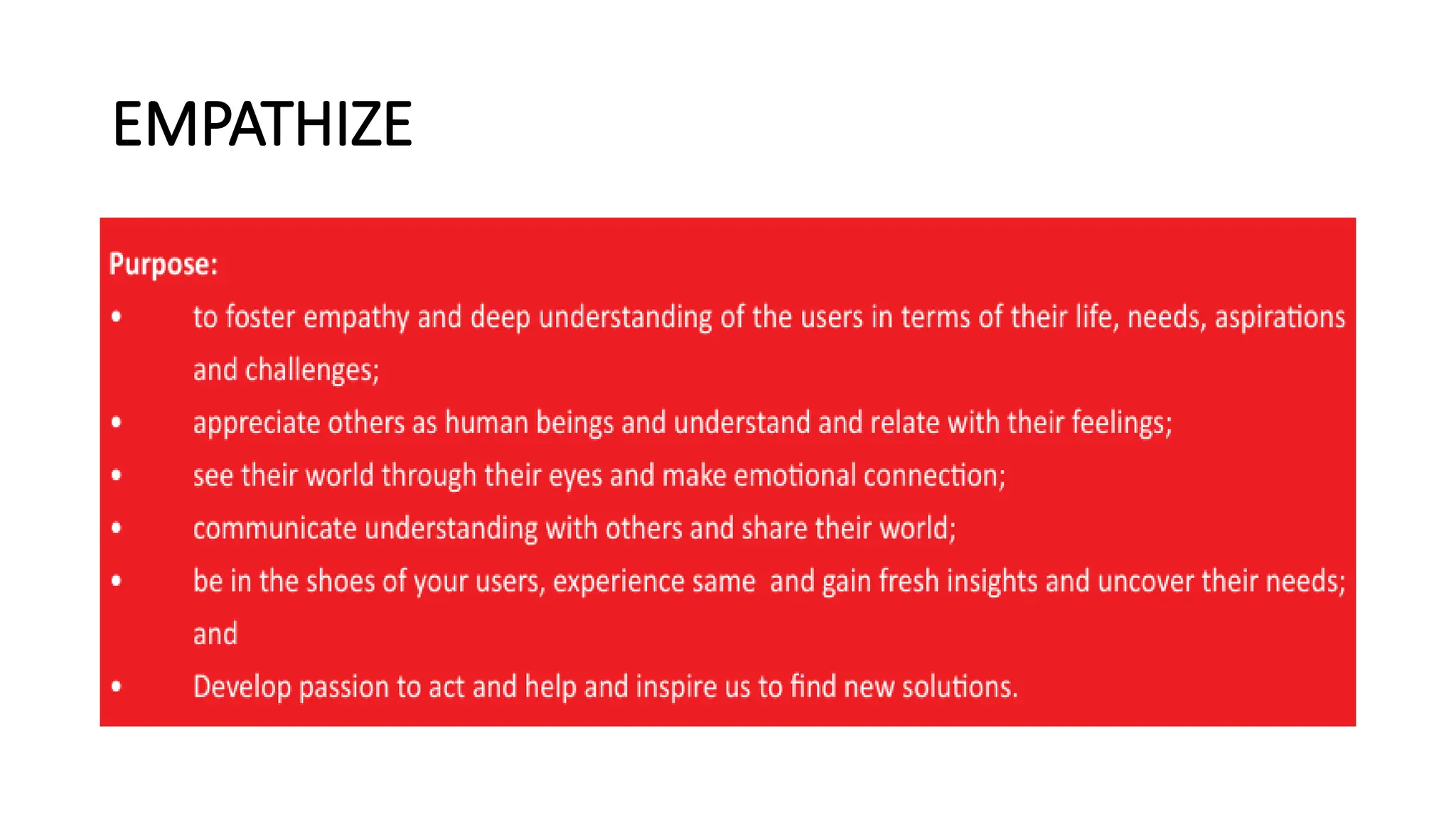
1. EMPATHIZE –Step into someone else’s shoes
What does "empathize" mean?
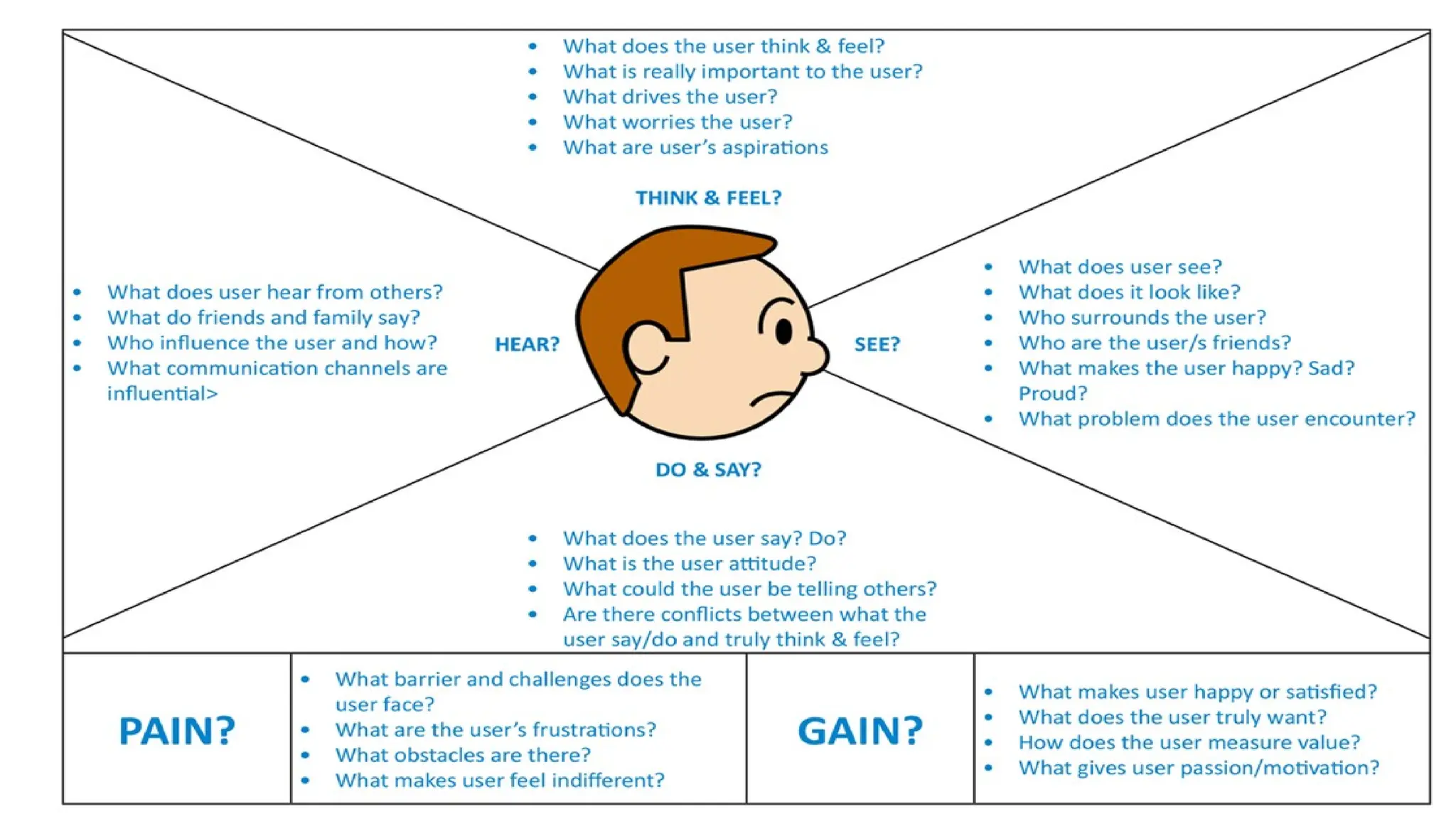
It means trying to understand how someone feels, what they see, hear,
think, and fear — from their point of view, not yours.
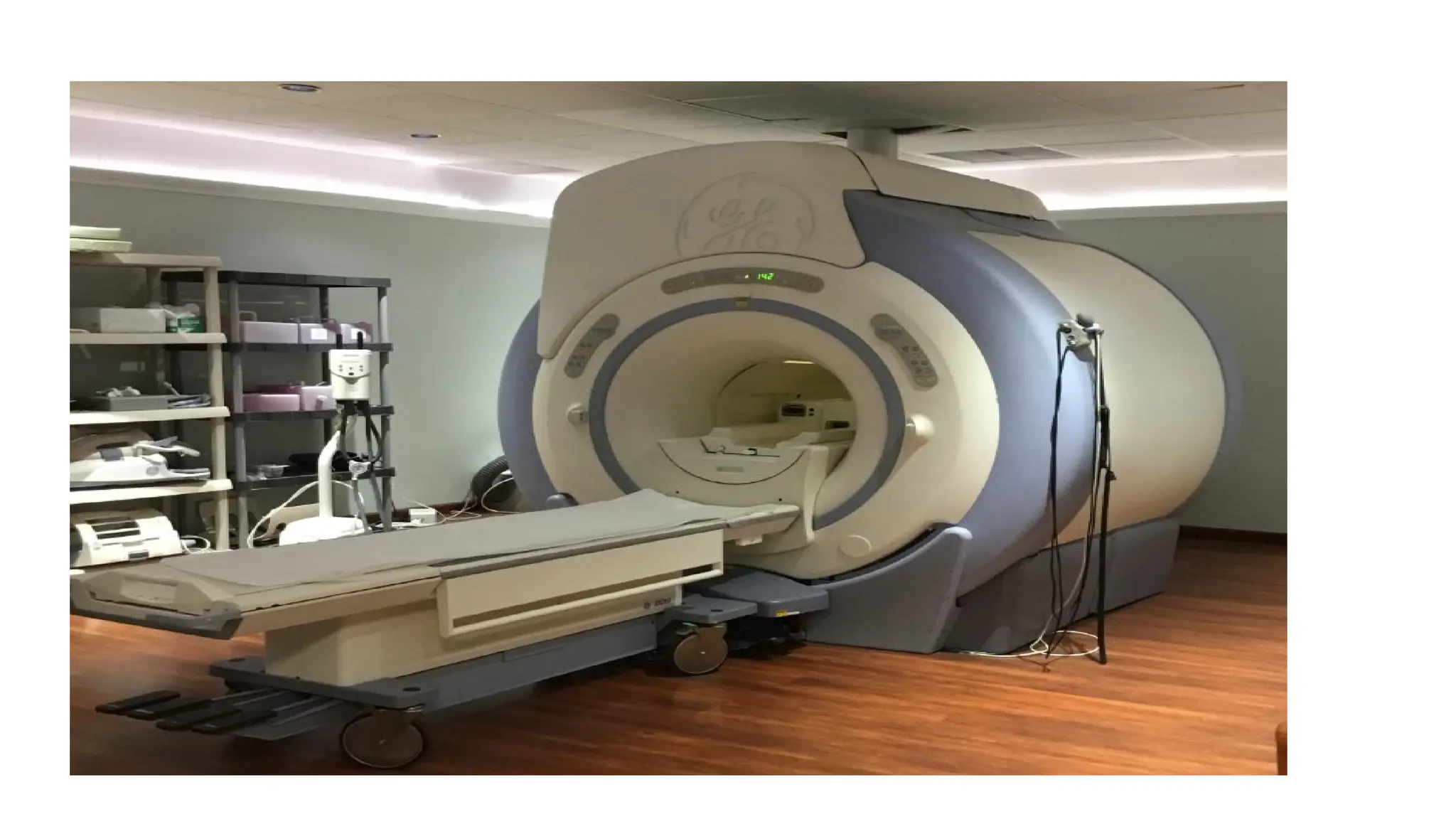
In our MRI example:
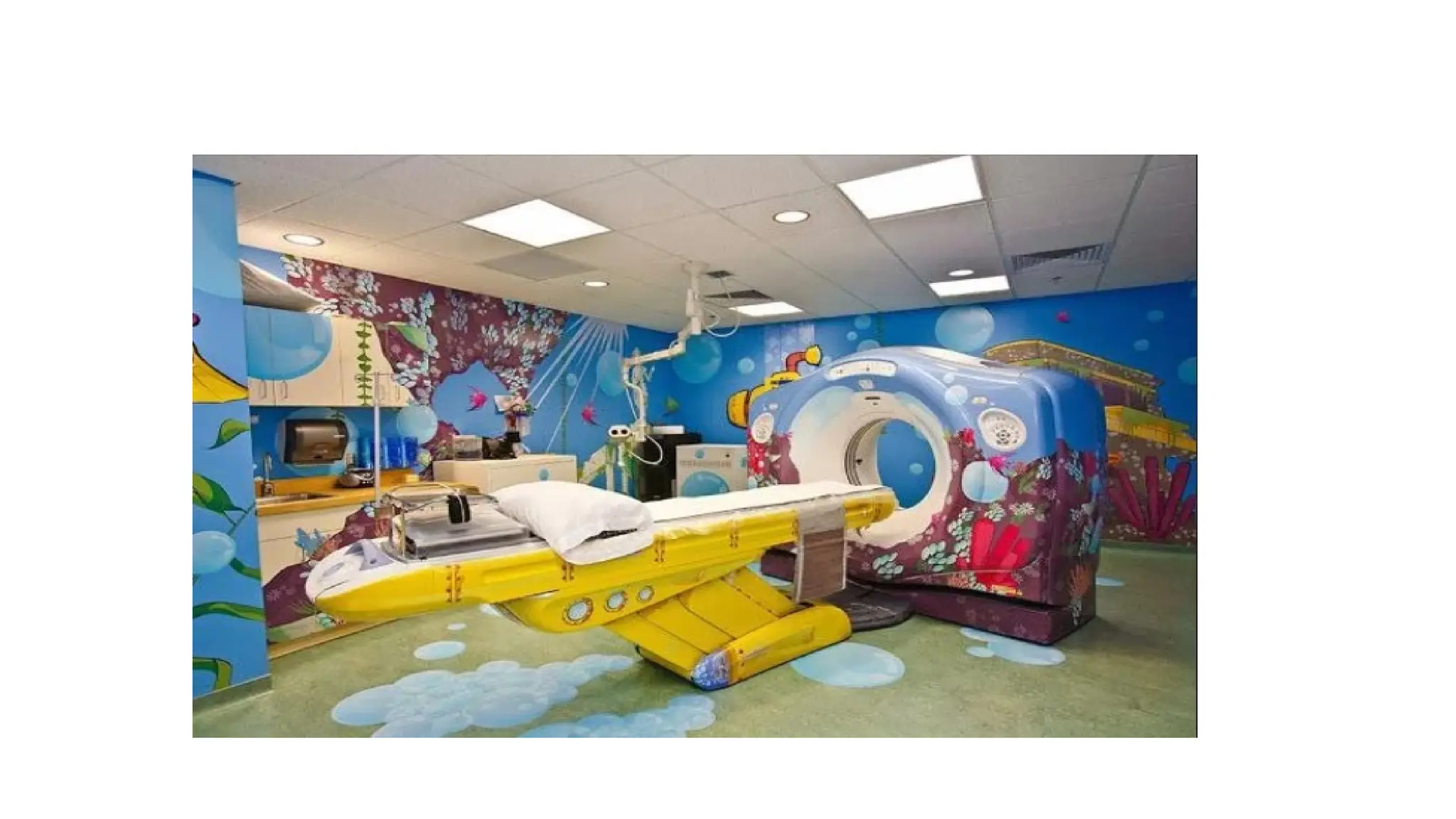
We’re trying to help kids who are afraid of going inside an MRI
machine. But to help them, we first need to understand:
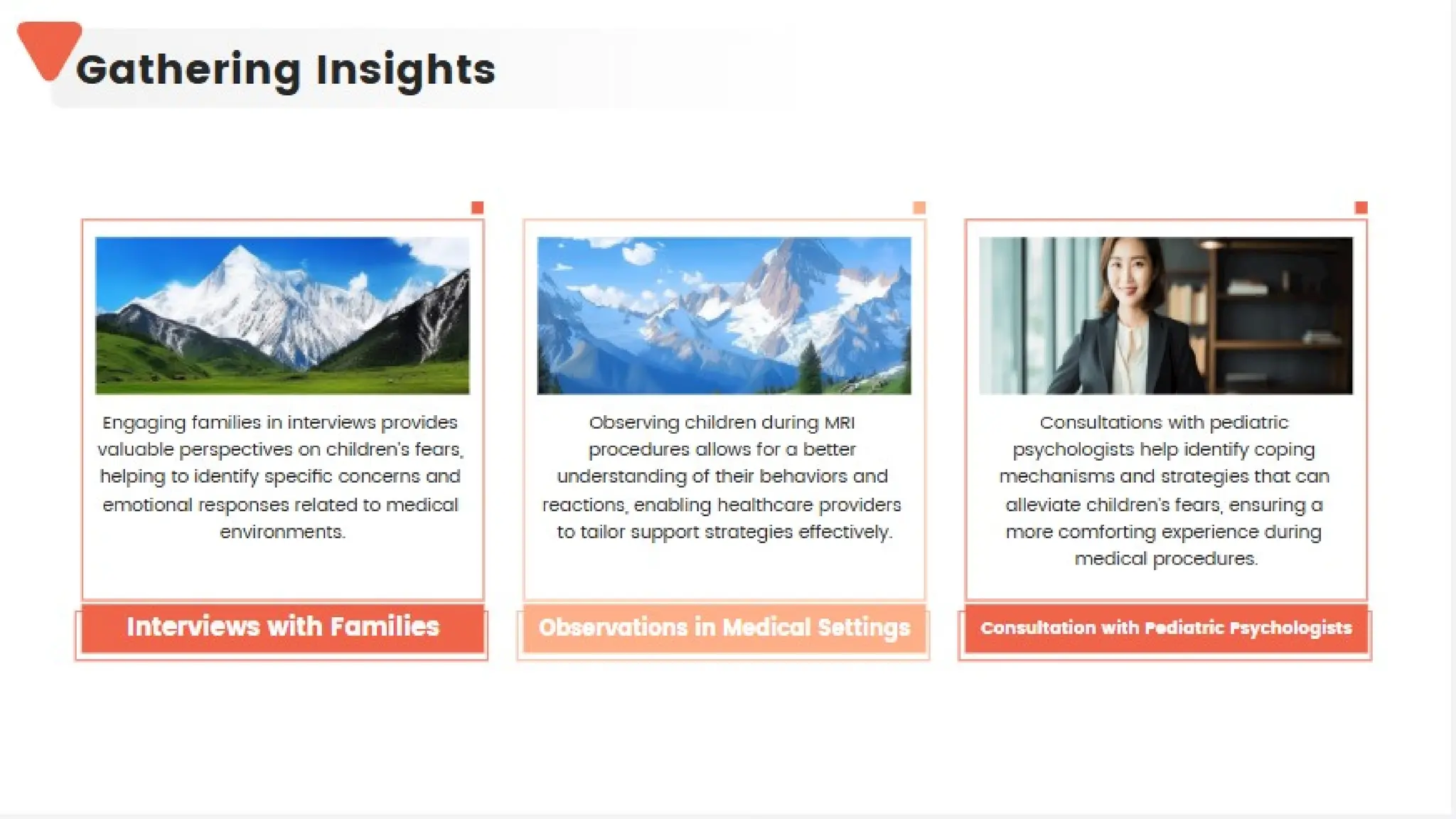
• What are they feeling?
• Why are they scared?
• What are they thinking?
• History ofDesign Thinking
• Began with industrial design and architecture in the mid-20th
century.
• Stanford University’s D School, the work of designers like David
Kelley, and the integration of human-centered design.
• Transitioned from traditional design TO problem-solving for
business, technology, and social innovation.
17.
1.Develop interactive educationtools like
apps or games that explain medical
processes to children in engaging ways,
demystifying their experiences and
reducing anxiety.
2.Implement relaxation techniques such as
deep breathing, guided imagery, and
mindfulness practices to help children feel
more at ease before medical procedures.
Relaxation Techniques
18.
• Stages ofDesign Thinking
• 1. Empathize: Understanding the needs and problems of users.
• 2. Define: Articulate the problem clearly.
• 3. Ideate: Brainstorm solutions.
• 4. Prototype: Build tangible representations for ideas.
• 5. Test: Evaluate solutions and refine.