STATINS AND ITS
PLEIOTROPIC EFFECTS
PRESENTED BY-
DR.AAKANKSHA PRIYA
PGY 1
AIIMS PATNA
MODULATOR – DR.P.P GUPTA
PROFESSOR AND HEAD OF DEPARTMENT
DEPT.OF PHARMACOLOGY
AIIMS PATNA
OVERVIEW
1. Introduction
2. Cholesterol and its synthesis
3. Statins and its mechanism of action
4. Pleiotropic effects of statins
5. Research article on statin safety and vitamin D.
6. Bibliography
INTRODUCTION
 Cardiovascular diseases (coronary heart disease) principal cause of
morbidity and mortality in developing as well as developed countries.
 Atherosclerosis is the main underlying cause of disorders in CVDs.
 An association has been established between Elevated levels of plasma
Cholesterol and increased atherosclerotic diseases.
 Several landmark clinical trials Eg: Scandinavian simvastatin survival study,
cholesterol and Recurrent Events, Heart Protection study etc have
demonstrated the benefit of lipid lowering with 3-hydroxy-3-
methylglutaryl coenzyme A[HMG CoA] reductase enzyme inhibitors
/statins for primary and secondary of CHDs.
 Statins also exerts many pleiotropic effects too.
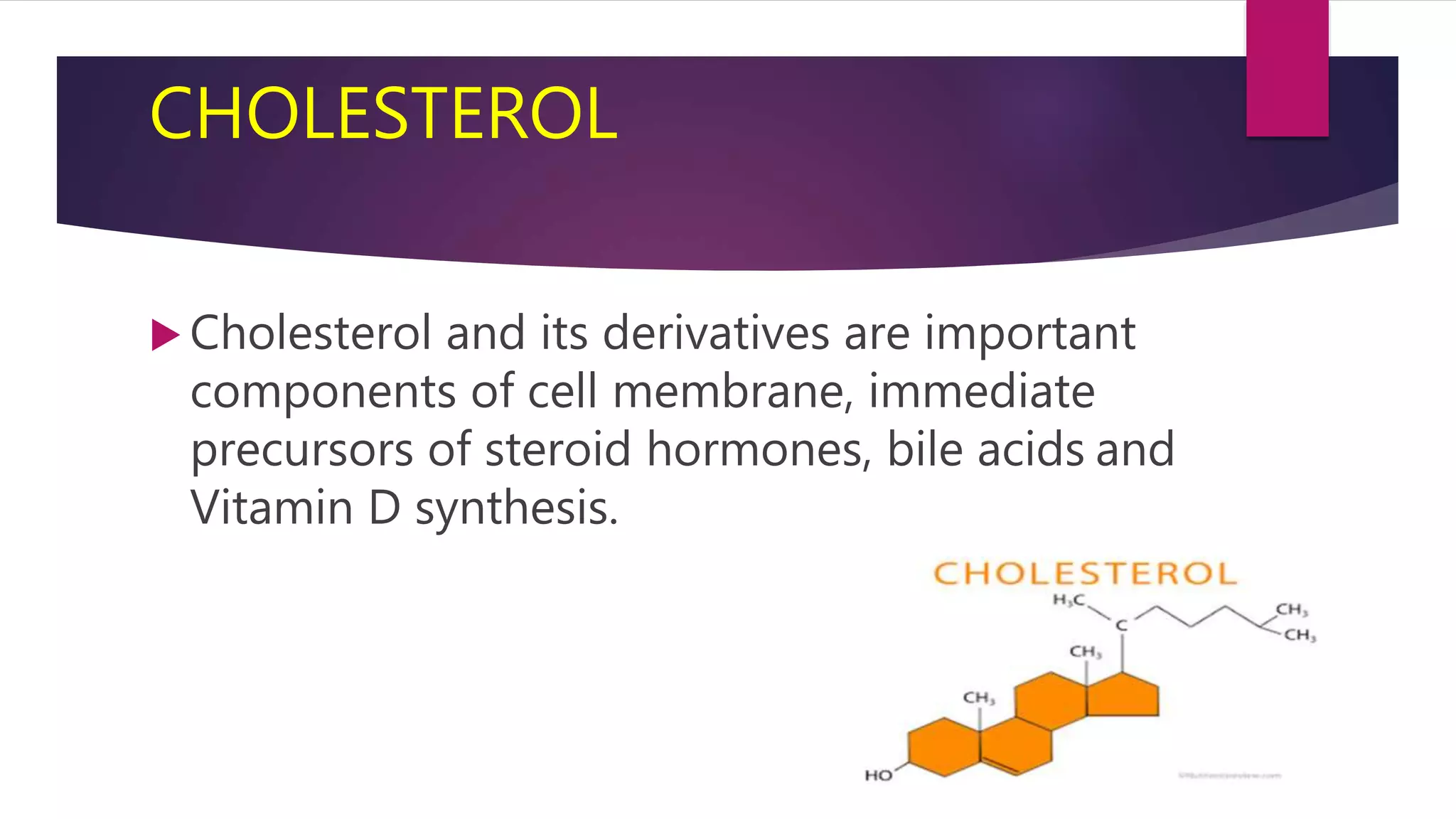
CHOLESTEROL
 Cholesterol and its derivatives are important
components of cell membrane, immediate
precursors of steroid hormones, bile acids and
Vitamin D synthesis.
CONT…
 Cholesterol in excessive amounts, becomes an important risk
factors for CVDs.
 Demonstrated in clinical trials from “FRAMINGHAM HEART
SOCIETY” and “MULTIPLE RISK FACTOR INTERVENTION
TRIAL.”
 >2/3 body cholesterol is synthesized in Liver.
 Therefore, inhibition of hepatic biosynthesis is target of
choice for reducing Serum cholesterol.
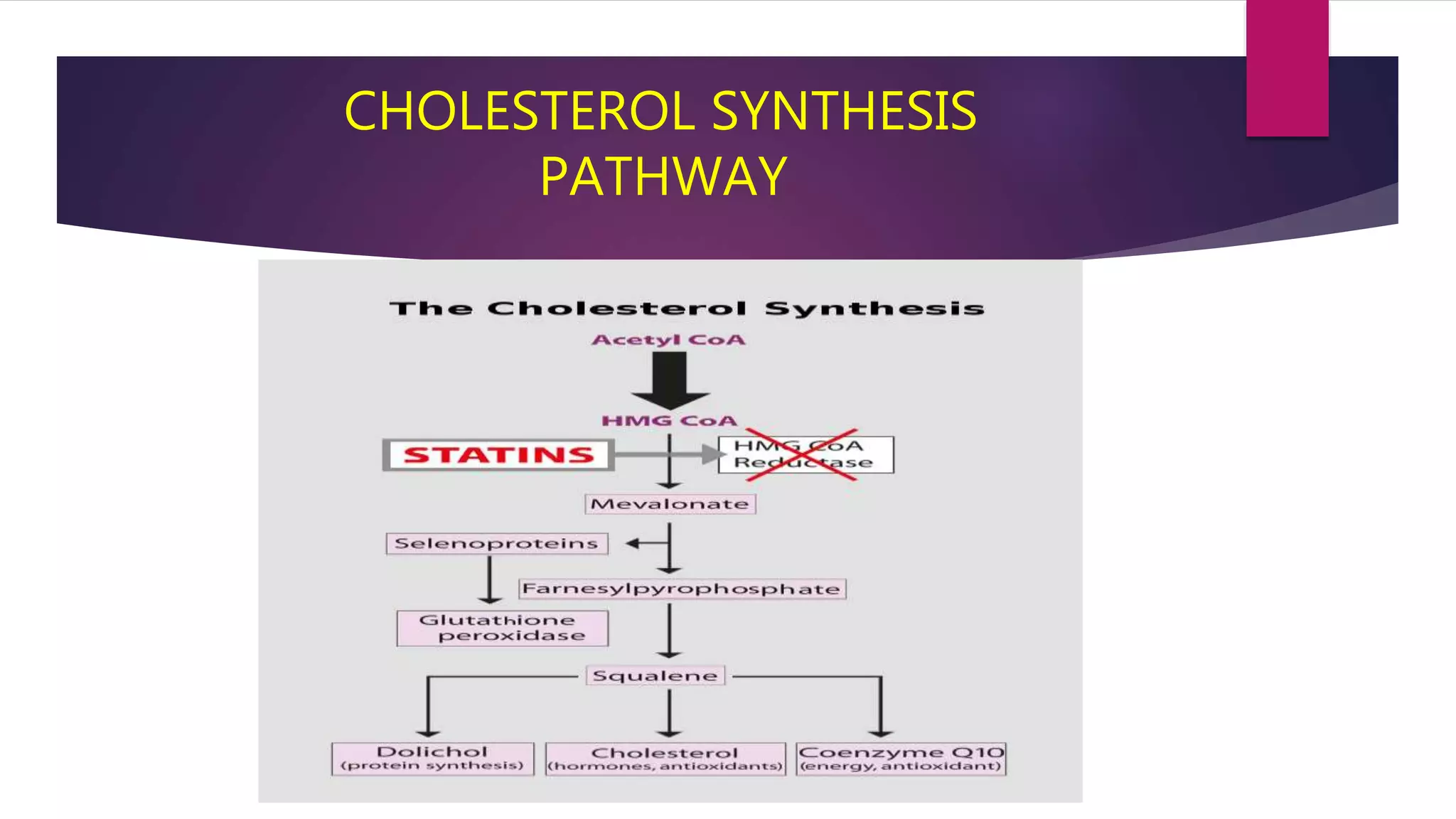
CHOLESTEROL SYNTHESIS
PATHWAY
DISCOVERY OF STATINS
 Statins(similar to HMG CoA Reductase) were first isolated
from a mold, Penicillium citrinum in 1976 by Endo et al.
 First statin was studied in Rats is Compactin,( Mevastatins)
but was withdrawn due to its hepatocellular toxicity.
 Lovastatin become the first statin approved to be used in
humans was isolated from aspergillus terreus by Hoffman et
al. in 1979.
MECHANISM OF ACTION OF
STATINS
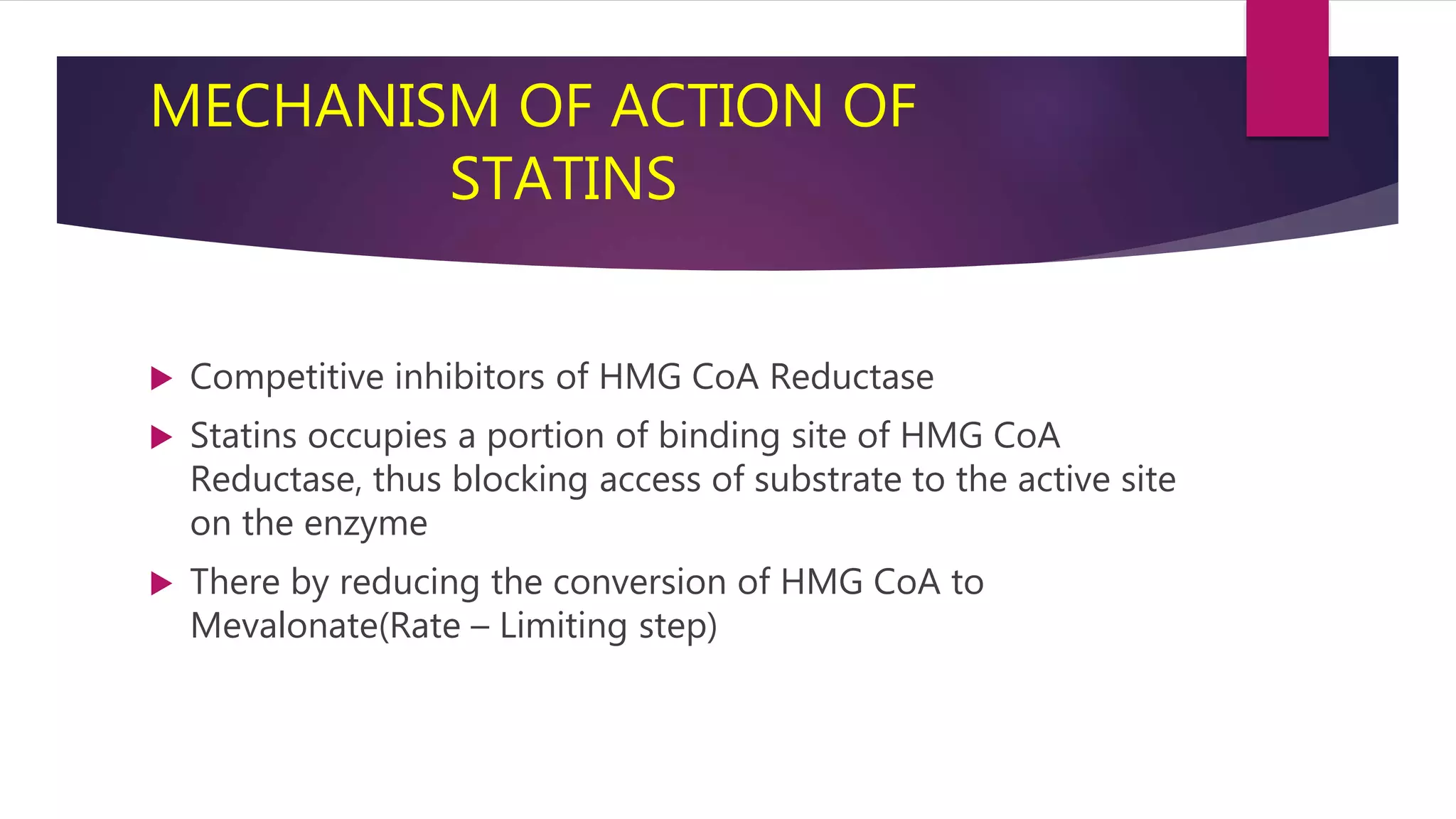
 Competitive inhibitors of HMG CoA Reductase
 Statins occupies a portion of binding site of HMG CoA
Reductase, thus blocking access of substrate to the active site
on the enzyme
 There by reducing the conversion of HMG CoA to
Mevalonate(Rate – Limiting step)
CONT…
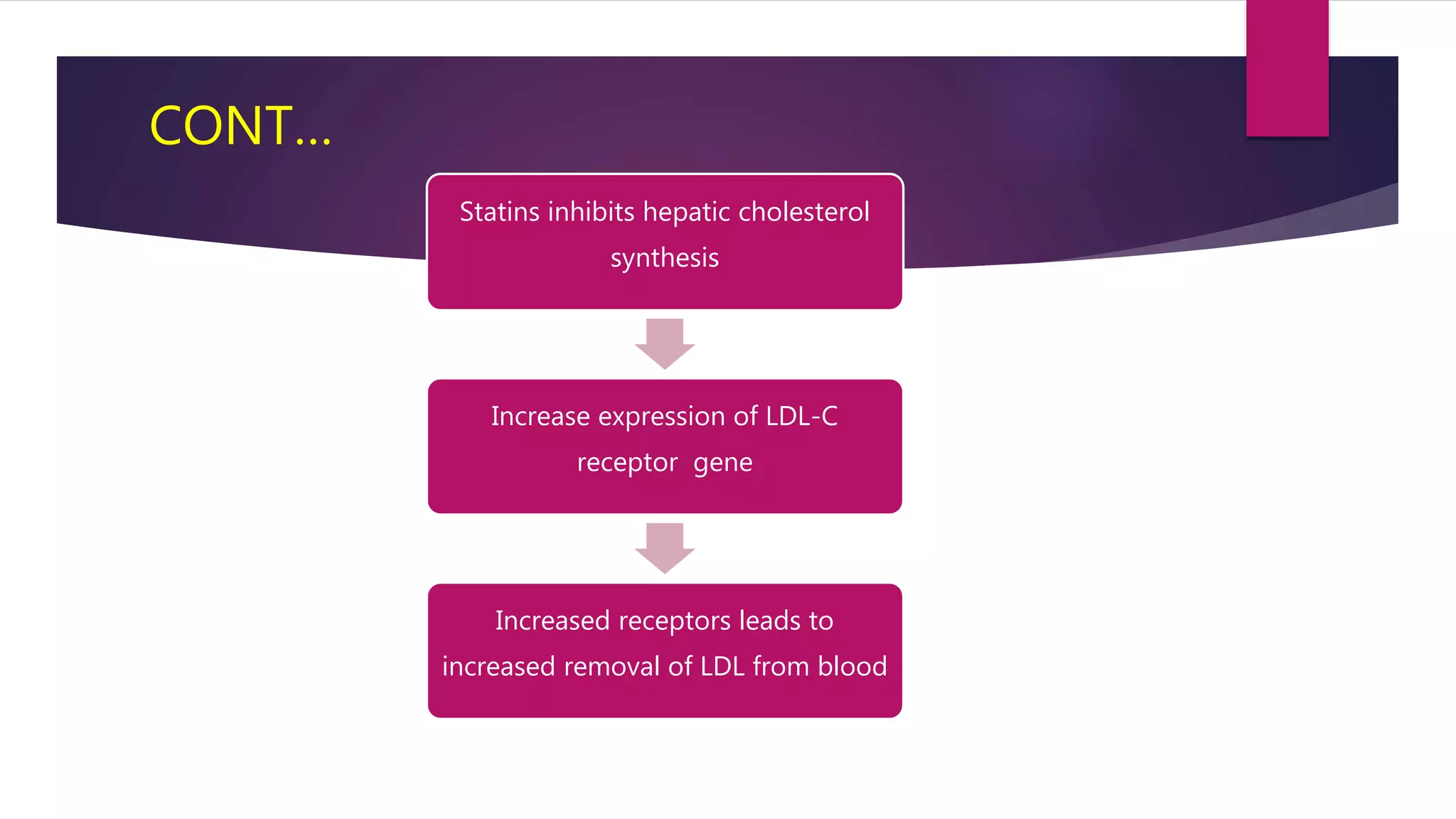
Statins inhibits hepatic cholesterol
synthesis
Increase expression of LDL-C
receptor gene
Increased receptors leads to
increased removal of LDL from blood
TYPES OF STATINS..
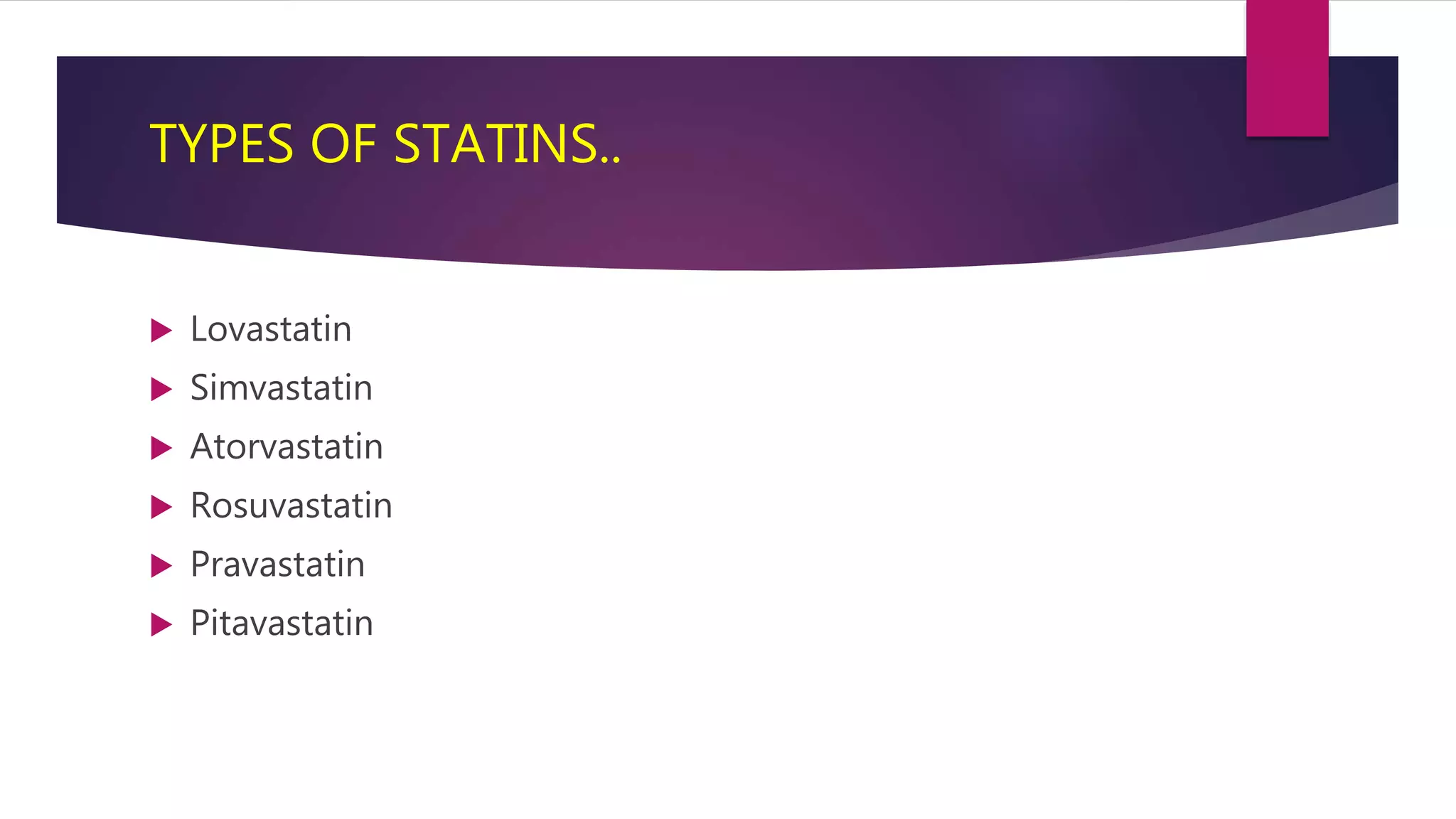
 Lovastatin
 Simvastatin
 Atorvastatin
 Rosuvastatin
 Pravastatin
 Pitavastatin
UNDERSTANDING OF PLEIOTROPIC
EFFECTS
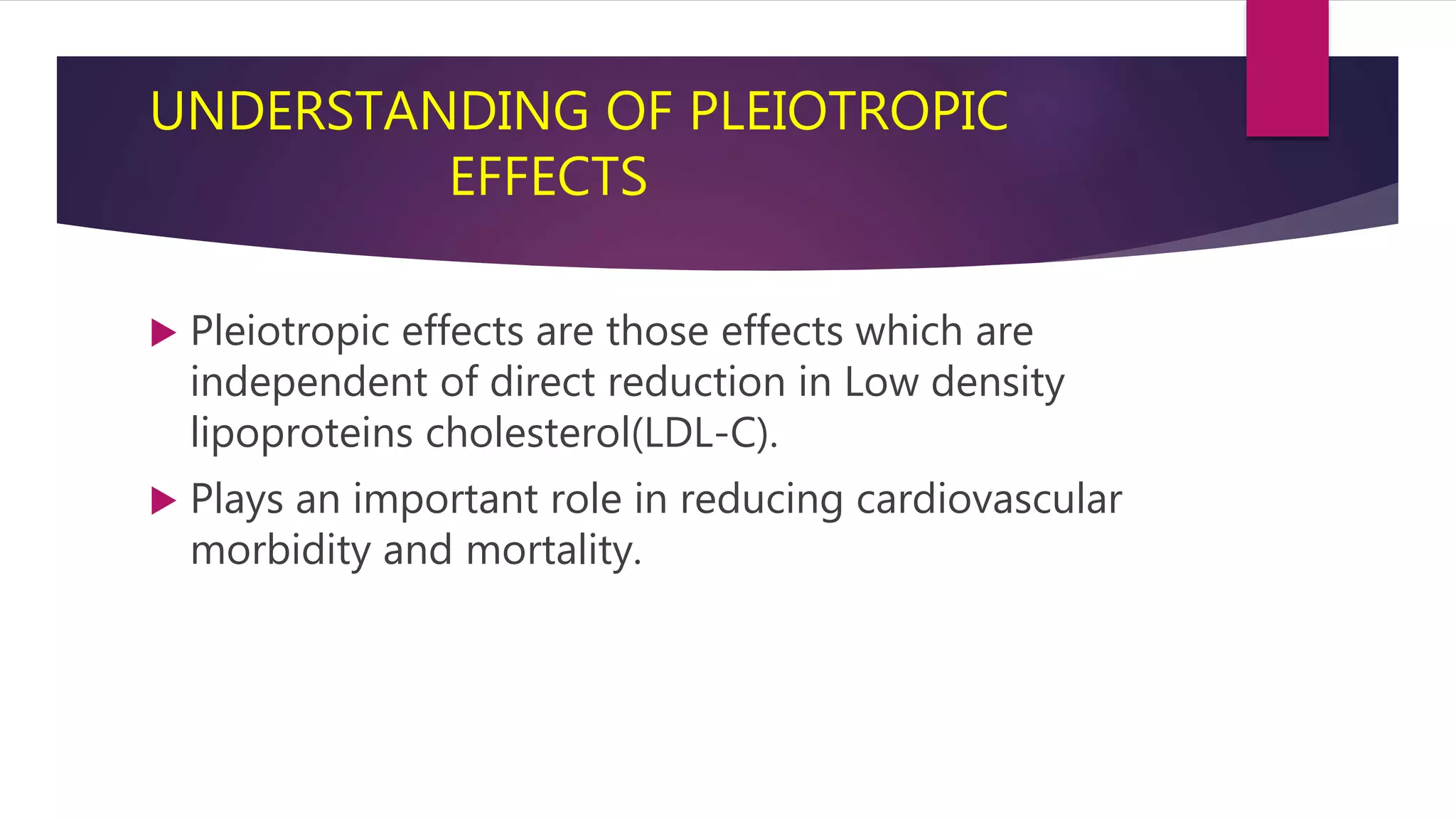
 Pleiotropic effects are those effects which are
independent of direct reduction in Low density
lipoproteins cholesterol(LDL-C).
 Plays an important role in reducing cardiovascular
morbidity and mortality.
TYPES PLEIOTROPIC EFFECTS OF
STATINS
 Improves Endothelial Function.
 Provides stability to the Plaques.
 Acts as an Anti Inflammatory agents.
 Provides Oxidative modification of LDL
 Acts as an Anti-Coagulant.
 CNS – in case of Ischemic stroke and
Dementia
 HEART – on Myocardium.
 LUNGS – copd.
OTHER ORGAN PROTECTIVE EFFECTS
OF STATINS
STATINS AND ENDOTHELIAL
FUNCTIONS
 Main role of Vascular Endothelium – vasoconstriction
/relaxation.
 Hypercholesterolemia adversely affects the processes by
which the endothelium modulates arterial tone.
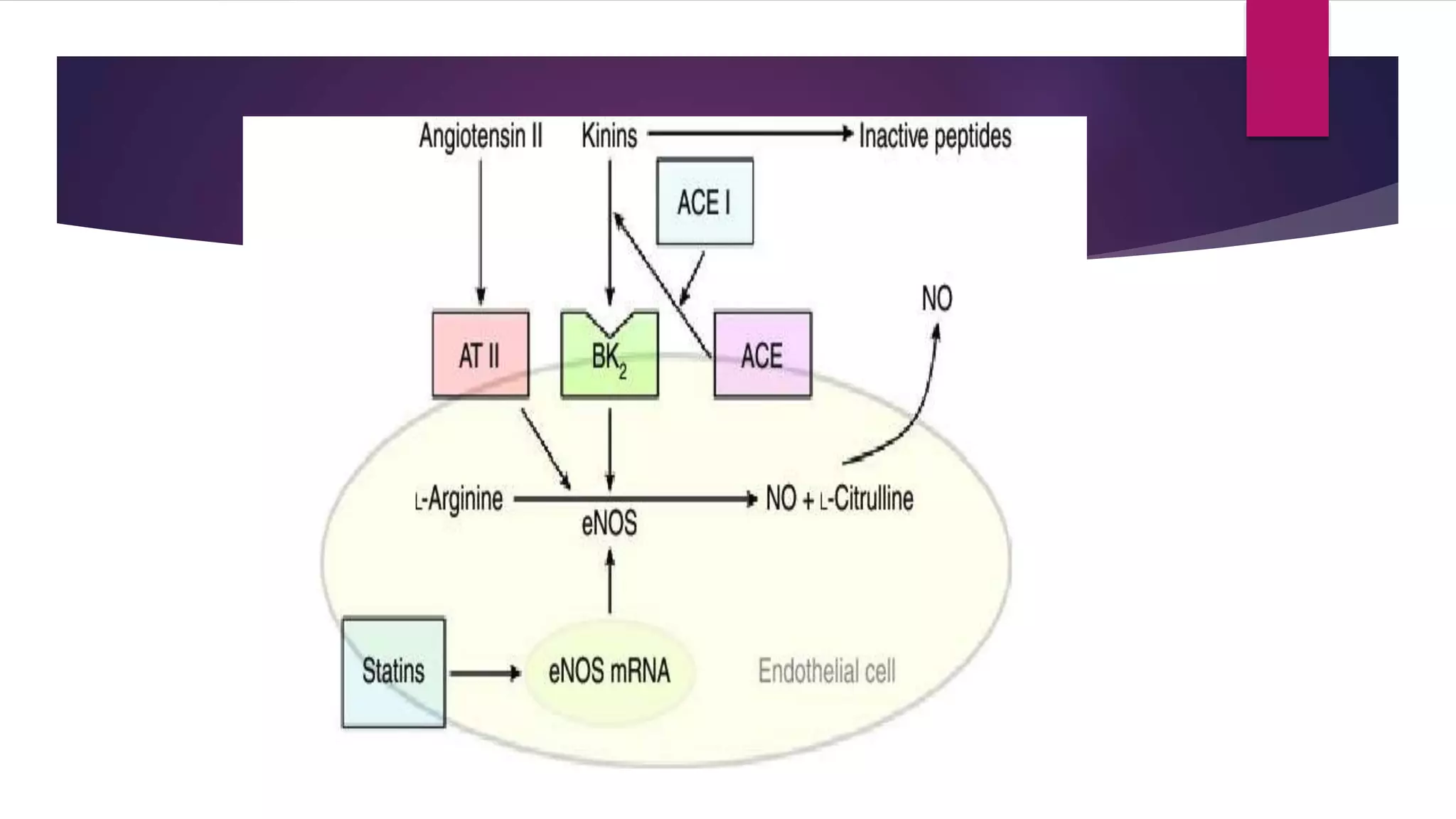
 Statins therapy enhances endothelial production of
Vasodilator NITRIC OXIDE thus leading to improve
endothelial functions.
 This mechanism is Independent of change of Plasma
Cholesterol levels.
OTHER FAVOURABLE EFFECTS ON
ENDOTHELIUM
 Restores endothelial NOS activity even in presence of
HYPOXIA and OXIDIZED LDL-C.
 Increases the expression of Tissue – type Plasminogen
activator(t-PA).
 Inhibits expression of endothelin-1(potent vasoconstrictor).
 Upregulation of Endothelial progenitor cells.
 Increases half life of mRNA.
STATINS AND PLAQUE STABILITY
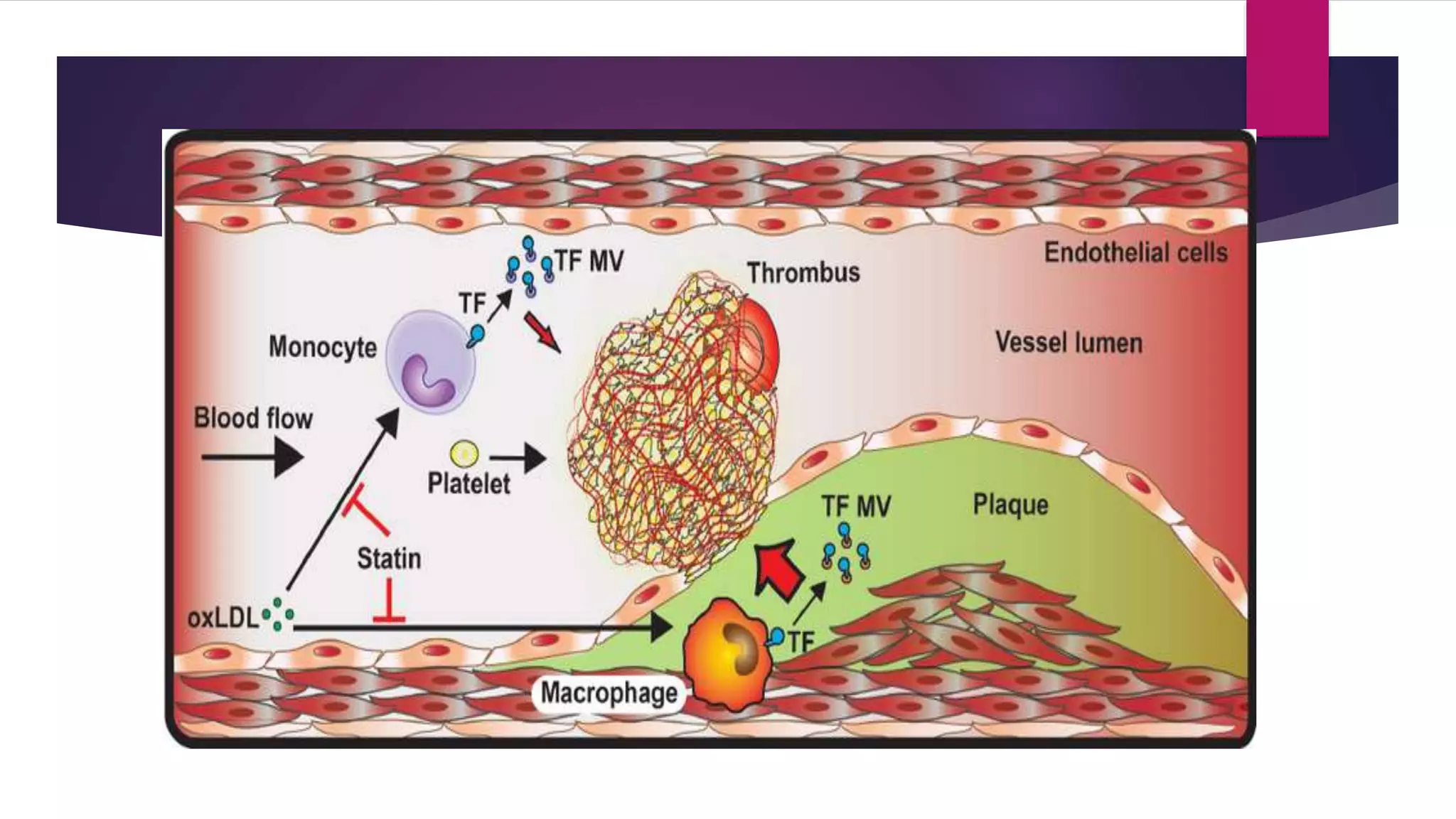
 Plaque rupture is a major cause of Acute
Coronary syndrome.
 Statins reduces macrophage Cholesterol
accumulation.
 And also Reduces secretion of
Metalloproteinase(a proteolytic enzyme)
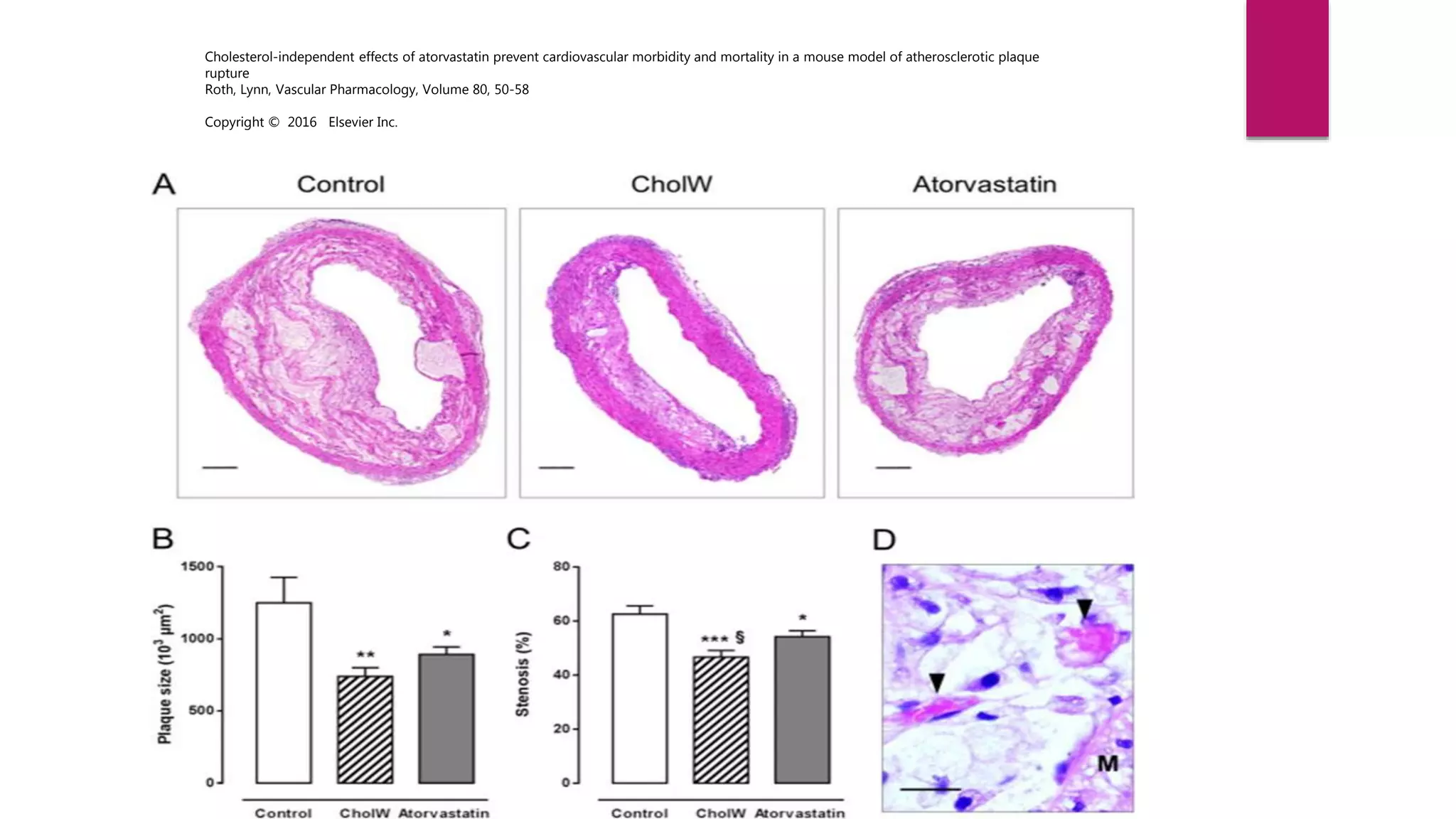
Cholesterol-independent effects of atorvastatin prevent cardiovascular morbidity and mortality in a mouse model of atherosclerotic plaque
rupture
Roth, Lynn, Vascular Pharmacology, Volume 80, 50-58
Copyright © 2016 Elsevier Inc.
AS AN ANTI INFLAMMATORY AGENTS
 Atherosclerosis is a complex inflammatory process
characterised by presence of monocytes /macrophages and T
lymphocytes in the atheroma.
 Inflammatory cytokines secreted by these macrophages and
T lymphocytes can modify Endothelial functions, SMC
proliferation, collagen degradation, and Thrombosis.
 Role of statins are-
1. Decreases T- cell recruitment and activation.
2. Reduction in expression of inflammatory cytokines and
chemokines.
3. Attenuation of expression of CD40(TNF family) in T-cells.
4. Inhibition of SMC proliferation.
CLINICAL EVIDENCE OF INFLAMMATION
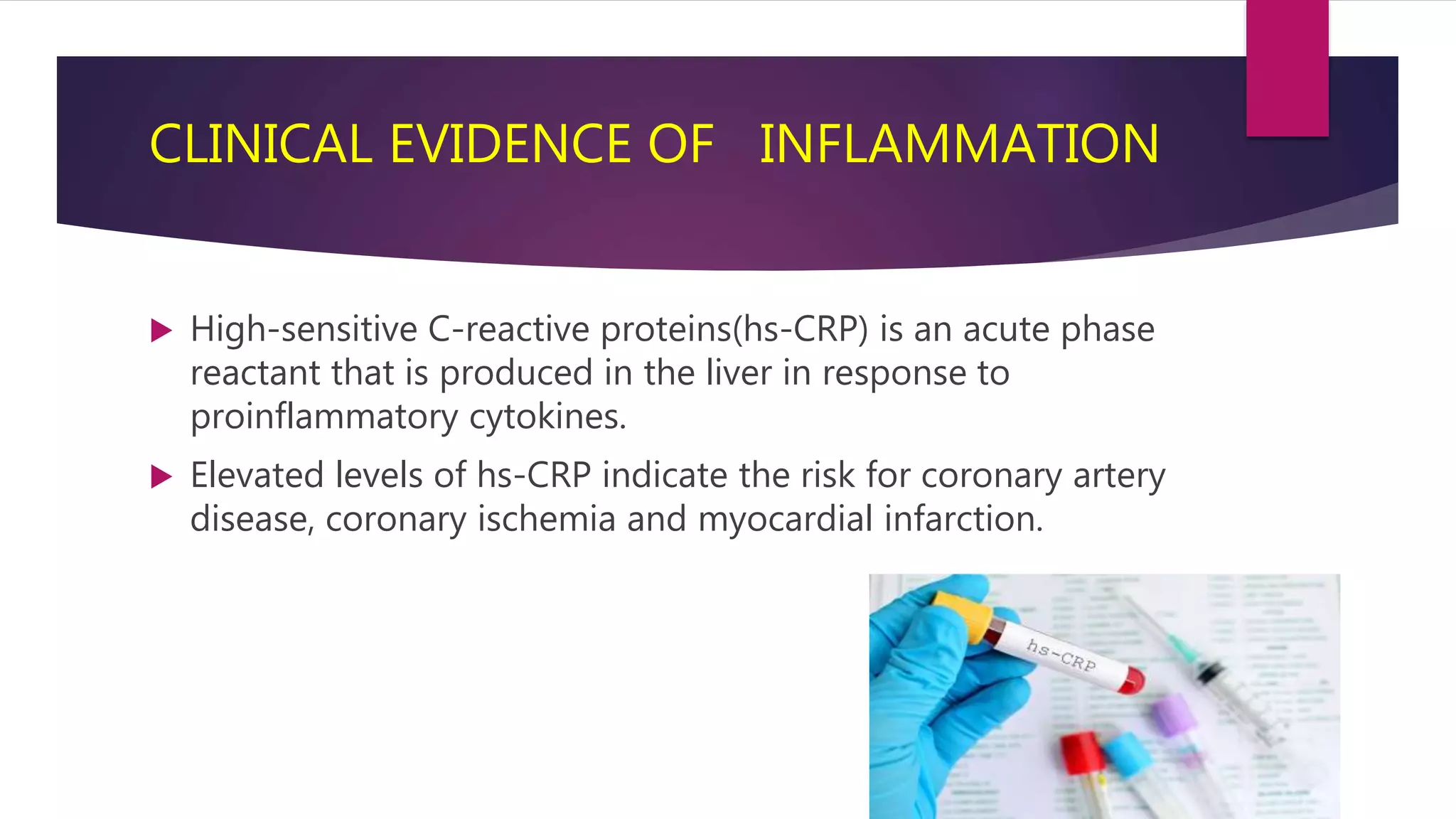
 High-sensitive C-reactive proteins(hs-CRP) is an acute phase
reactant that is produced in the liver in response to
proinflammatory cytokines.
 Elevated levels of hs-CRP indicate the risk for coronary artery
disease, coronary ischemia and myocardial infarction.
RESEARCH ARTICLE ON hs-CRP
 TOPIC- Effect of Atorvastatin on hs-CRP in Acute Coronary
Syndrome(ACS)
 PUBLISHED IN- British journal of pharmacology
 RESEARCH DONE AT- CMC Hospital Ludhiana
 AUTHOR – Gupta et al.
 AIM – to evaluate the effect of lower dose(20mg) Atorvastatin
in patients with ACS.
METHOD USED..
 It was prospective, open study conducted on patients
enrolled for over 15months.
 Patients diagnosed with ACS as per criteria were included.
 Group A(n=50) received atorvastatin 20mg/day for 4 weeks
along with std anti anginal treatment.
 Group B(n=50) received std anti anginal treatment without
atorvastatin.
RESULT
 Data was analyzed using student t test, ANOVA and chi square test.
GROUPS Hs-CRP at the
begin
Hs-CRP at the
end
% change
Group A 2.32 0.57 82
Group B 1.91 1.04 54
CONCLUSION
 hs – CRP decreased in both but decrease in group A
(p<0.001) was significant.
 The use of lower dose(20mg) of atorvastatin can offer an
attractive approach for early treatment of ACS patients.
PROVIDES OXIDATIVE MODIFICATION OF
LDL
 Key role in mediating the uptake of Lipoprotein cholesterol
by macrophages and in other process, including cytotoxicity
within lesions.
 Statins reduces susceptibility of lipoproteins to oxidation of
both in vivo and ex vivo by neutralising reactive oxygen
species and NADPH oxidase activity.
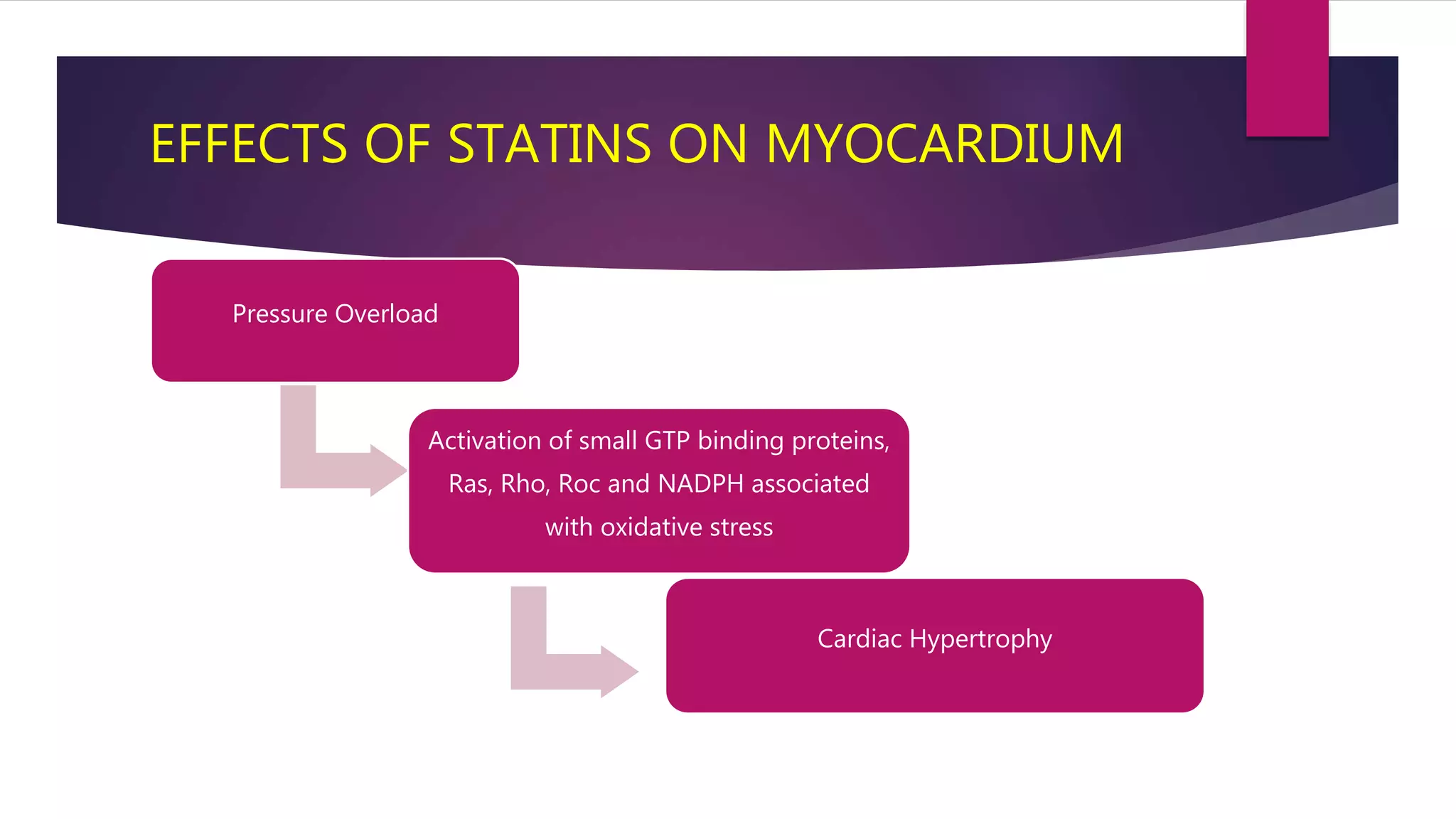
EFFECTS OF STATINS ON MYOCARDIUM
Pressure Overload
Activation of small GTP binding proteins,
Ras, Rho, Roc and NADPH associated
with oxidative stress
Cardiac Hypertrophy
Cont….
 In human studies it has been proved that statins could inhibit
cardiac hypertrophy through antioxidation mechanism
involving of Rac 1and NADPH oxidase.
Pleiotropic effects of the 3-hydroxy-3-methylglutaryl-CoA reductase inhibitors in pulmonary diseases: A comprehensive review
Krishna, Rama K., Pulmonary Pharmacology & Therapeutics, Volume 30, 134-140
Copyright © 2014
STATINS AS ANTI COAGULANT
 According to JUPITER trial done by (Glynn et al 2009)
concluded that there were 43% reduction in venous
thromboembolic events in patients treated with Rosuvastatin,
20mg.
 Role of statin—
1. Inhibition of platelets adhesion/aggregation.
2. Reduces fibrinogen concentration.
3. Reduces blood viscosity.
STATINS AND ITS EFFECT ON ISCHEMIC
STROKE
 Heart Protection Study(HPS) conducted study in those aged
over 70yrs and those presented with different levels of
B.P/Lipids, even when pretreatment LDL-C was below
116mg/dl were prescribed statins.
 As a result there was 28% reduction in ischemic stroke in over
20,000 people with cerebrovascular diseases.
 Role of statin (seen in animal studies) is by upregulating of
eNOS in prevention of ischemic stroke.
STATINS AND DEMENTIA
 Dementia is syndrome of chronic /progressive nature with
multiple disturbances of higher cortical functions. For Eg:
Alzheimer disease.
 In a nested case control study, based on the UK-based
General Practice Research Database showed that among
people of aged over 50yrs with statin therapy, risk for
developing dementia was significantly reduced, independent
of their lipid status.
STATINS IN PULMONARY DISEASE
 COPD- statins have Immunomodulatory effects including –
1. Reducing Neutrophil migration
2. Cytokine production
3. Adverse matrix remodelling
4. Reducing small airway inflammation.
 ASTHMA –
1. In laboratory animals , statins have shown
immunomodulatory role in allergic lung
inflammation.
2. In human trials statins have shown negative , or
perhaps only modest benefit.
ORIGINAL RESEARCH ARTICLE
 TOPIC – Statin therapy and Vitamin D
 RESEARCH DONE AT- Chettinad Hospital and Research
Institute Chennai TN.
 PUBLISHED IN – International Journal of Basic and Clinical
Pharmacology.
AIM AND METHOD USED..
 AIM- To Evaluate association between statins and vitamin D.
 METHOD- the study was a prospective cross-sectional study. 125
participants who fulfilled the selection criteria were enrolled in the
study. 65 subjects belonged to control group and 60, statin group.
The blood sample were collected for vitamin D estimation. The
result were correlated with demographic profile, nature of statin
and muscular side effects and compared with control group.
 SELECTION CRITERIA-
1. Statin group- all subjects who were on any one of statins for
more than 1 year.
2. Control group- apparently healthy individuals.
3. Subjects who were on vitamin D supplementation were
excluded from both groups.
METHOD CONT….
 From the eligible subjects, 5ml of blood was collected by
direct venous puncture
 Vitamin D(total) was estimated with High sensitivity
chemiluminescence immunoassay method.
 Vitamin D level in blood was classified as –
1. Sufficient – 30-100ng/ml
2. Insufficient – 20-29ng/ml
3. Deficient - <20ng/ml.
RESULT
 Statistical comparison was made for vitamin D level using
Independent samples t- test as well as vitamin D status using chi
square test.
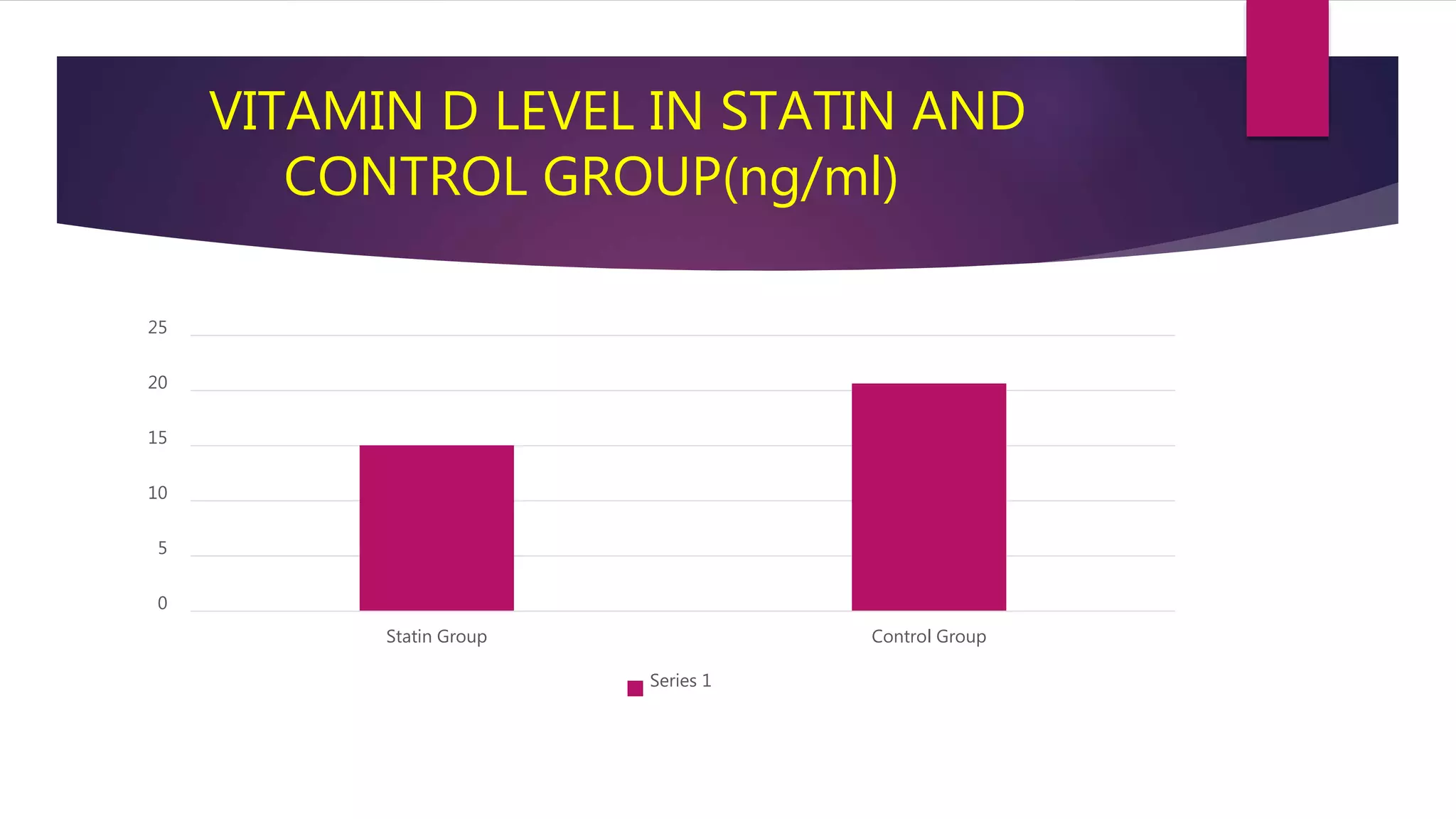
 The mean vitamin D level in statin group was 15.82ng/ml and
20.57ng in control group.
 This difference was found to be statistically significant(p=0.006 and
0.033)
 Myalgia was reported by 30 among 60 subjects(50%) in statin
group and 5 among 65 subjects (7.69%) in control group.
CONT….
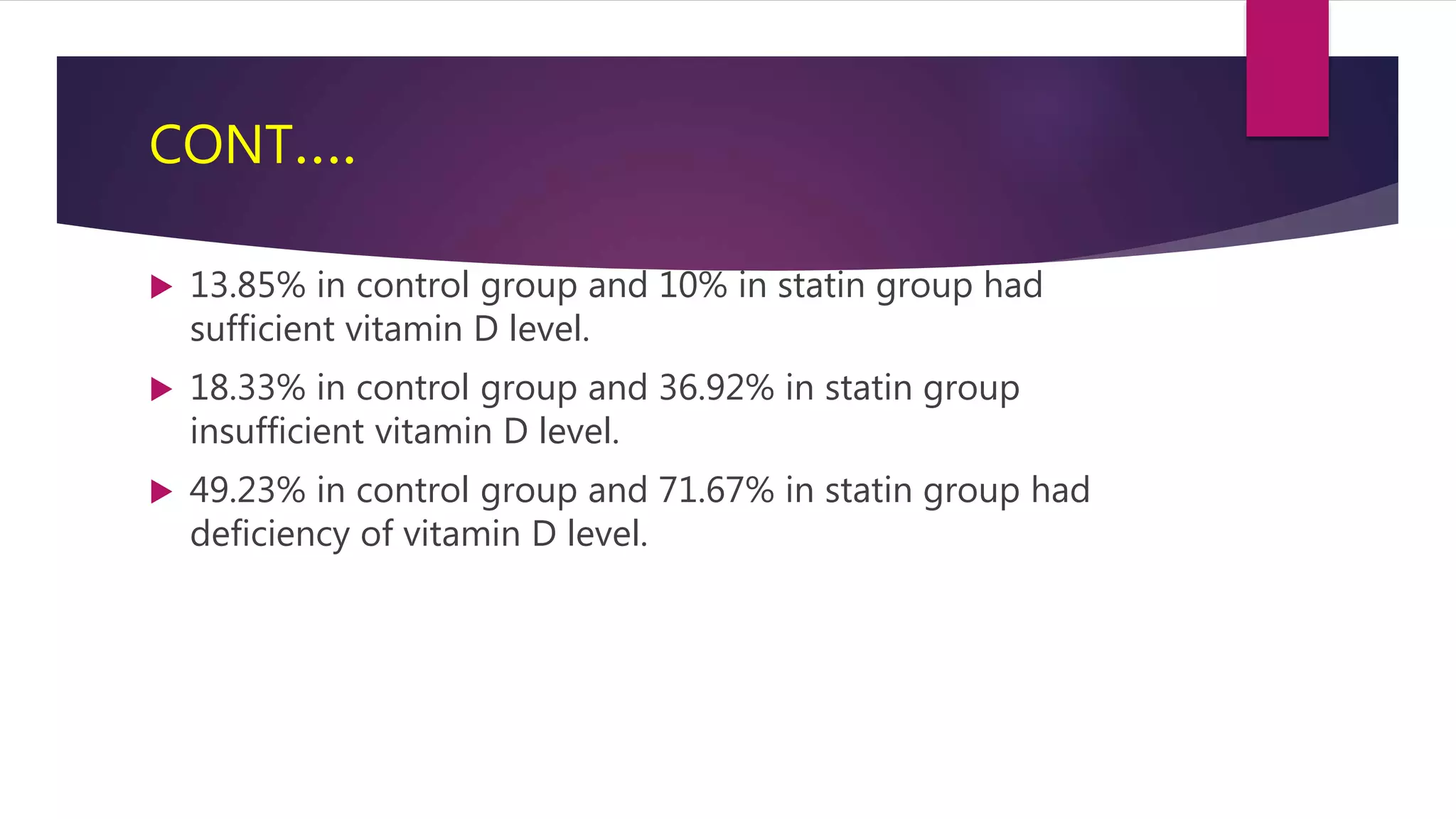
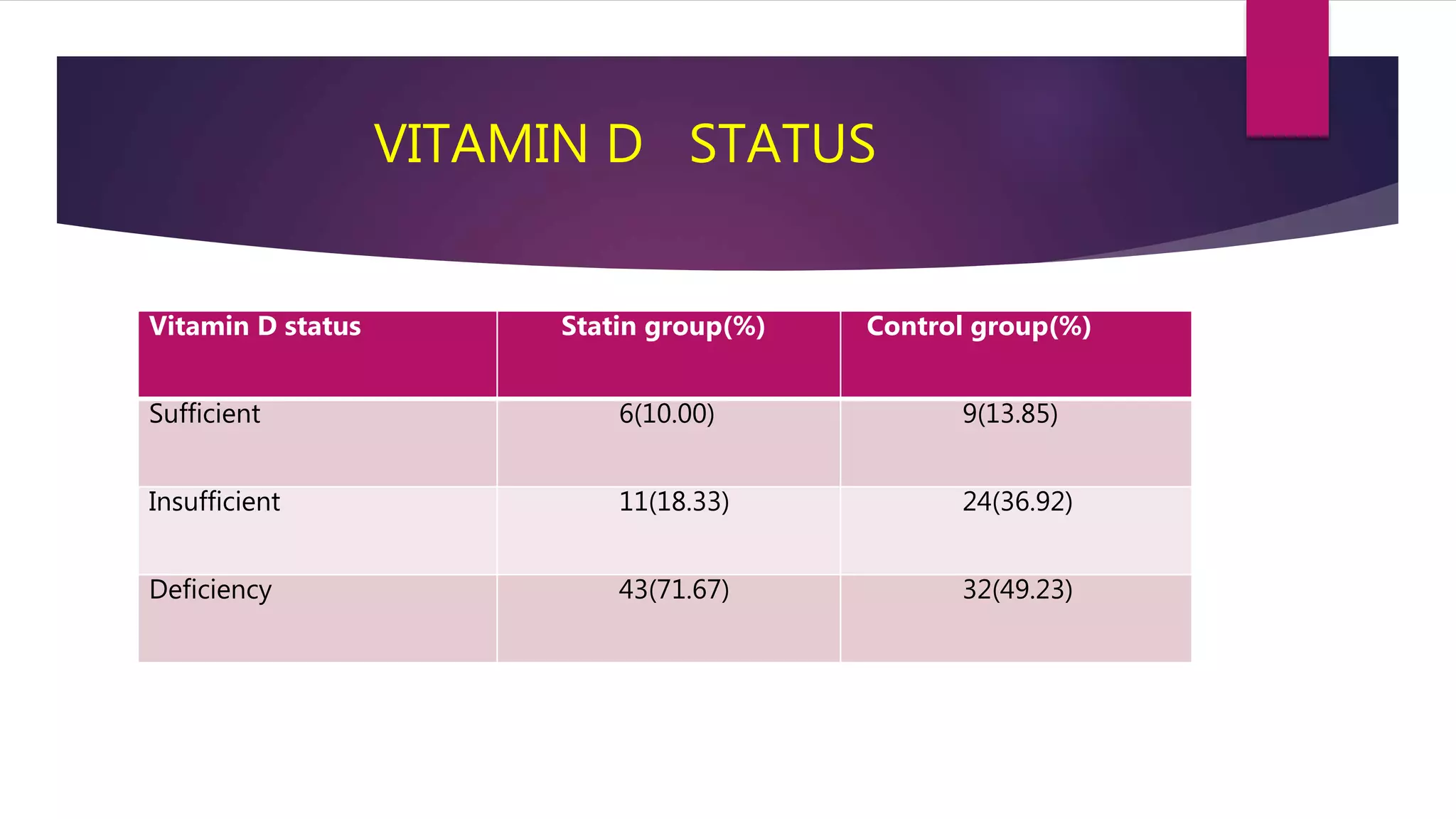
 13.85% in control group and 10% in statin group had
sufficient vitamin D level.
 18.33% in control group and 36.92% in statin group
insufficient vitamin D level.
 49.23% in control group and 71.67% in statin group had
deficiency of vitamin D level.
DATA OF VITAMIN D LEVEL IN STATIN
GROUP.
Age(years) N Mean vitamin
D(ng/ml)
SD
<40 0
40-60 14 15.03 12.22
>60 46 15.26 12.35
Gender
Male 28 16.65 10.02
Female 32 13.94 13.90
DATA OF VITAMIN D LEVEL IN
CONTROL GROUP.
Age(years) N Mean Vitamin
D(ng/ml)
SD
<40 12 15.13 6.46
40-60 29 20.64 7.11
>60 24 23.04 6.53
Gender
Male 35 22.48 6.68
Female 30 18.20 7.29
VITAMIN D LEVEL IN STATIN AND
CONTROL GROUP(ng/ml)
0
5
10
15
20
25
Statin Group Control Group
Series 1
VITAMIN D STATUS
Vitamin D status Statin group(%) Control group(%)
Sufficient 6(10.00) 9(13.85)
Insufficient 11(18.33) 24(36.92)
Deficiency 43(71.67) 32(49.23)
GRAPHICAL REPRESENTATION OF
VITAMIN D STATUS
0
20
40
60
80
Sufficient Insufficient Deficient
Control gp Statin gp
SUMMARY..
STATIN PLEIOTROPY BENEFITS
Increased synthesis of Nitric oxide Improved endothelial dysfunction
Inhibition of free radical release
Decreased synthesis of endothelin-1
Inhibition of LDL-C oxidation
Upregulation of endothelial progenitor
cell
Reduced number and activities of
inflammatory cells
Reduced inflammatory response
Reduced levels of c-reactive proteins
Reduced macrophages cholesterol
accumulation
Stabilization of atherosclerotic plaques
Inhibition of platelets aggregation Reduced thrombogenic response
Reduced fibrinogen concentration
Reduced blood viscosity
BIBLIOGRAPHY
1. Goodman and Gilman. The Pharmacological basis of
therapeutics.12th ed.china.McGraw-Hill,2011.
2. Bertram G. Katzung. Basic & clinical Pharmacology. 14th ed.
Chennai. McGraw-Hill, 2018.
3. Liao JK, Laufs U. Pleiotropic effect of statins. Annu Rev
Pharmacol Toxicol, 2005; 45: 89-118.
4. Roth L et al. cholesterol- independent effects of Atorvastatin.
Vascular Pharmacology, 2016; 80:50-58.
CONT…
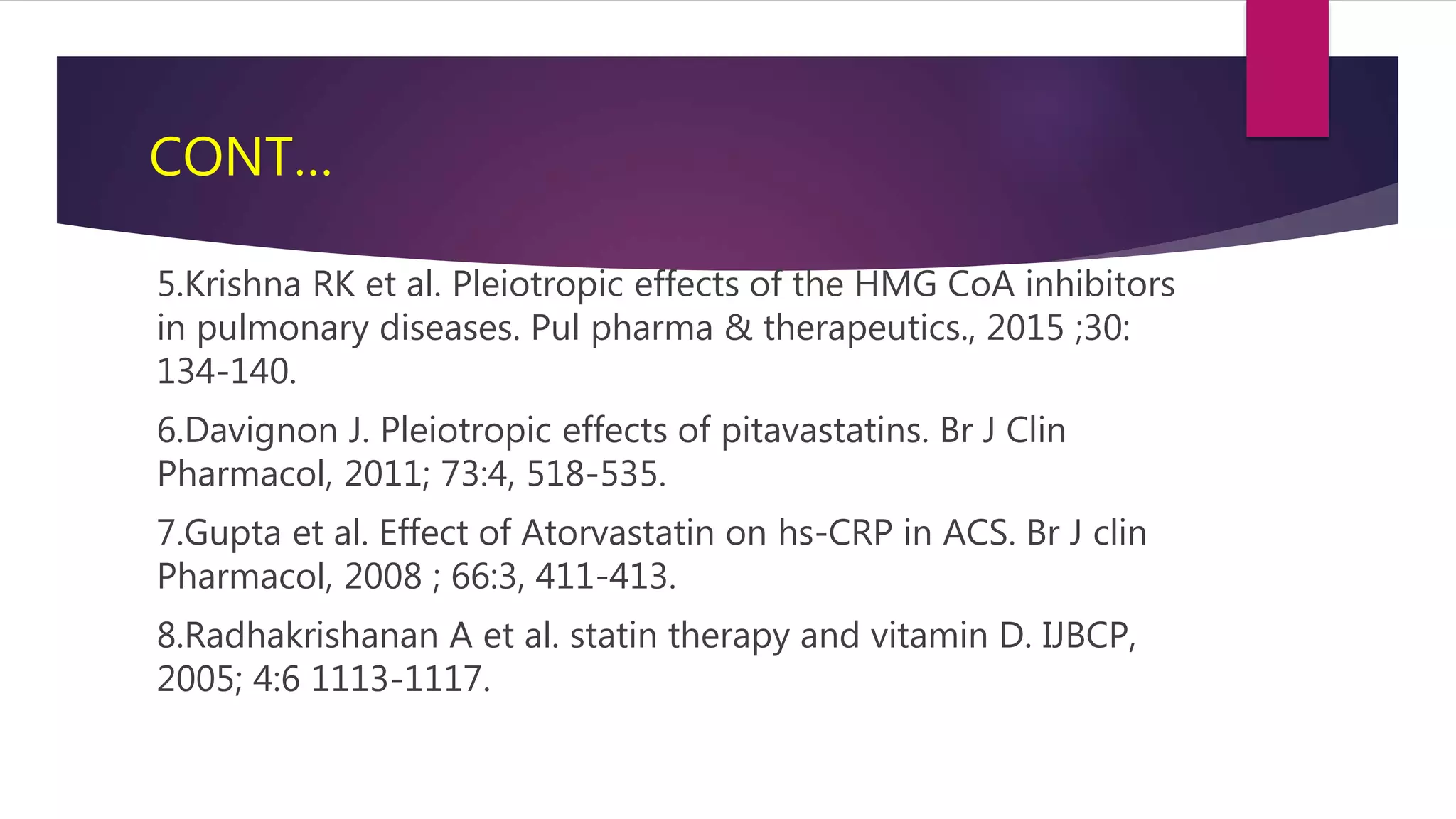
5.Krishna RK et al. Pleiotropic effects of the HMG CoA inhibitors
in pulmonary diseases. Pul pharma & therapeutics., 2015 ;30:
134-140.
6.Davignon J. Pleiotropic effects of pitavastatins. Br J Clin
Pharmacol, 2011; 73:4, 518-535.
7.Gupta et al. Effect of Atorvastatin on hs-CRP in ACS. Br J clin
Pharmacol, 2008 ; 66:3, 411-413.
8.Radhakrishanan A et al. statin therapy and vitamin D. IJBCP,
2005; 4:6 1113-1117.
Statins and its pleiotropic effects 2

Statins and its pleiotropic effects 2

  • 1.
    STATINS AND ITS PLEIOTROPICEFFECTS PRESENTED BY- DR.AAKANKSHA PRIYA PGY 1 AIIMS PATNA MODULATOR – DR.P.P GUPTA PROFESSOR AND HEAD OF DEPARTMENT DEPT.OF PHARMACOLOGY AIIMS PATNA
  • 2.
    OVERVIEW 1. Introduction 2. Cholesteroland its synthesis 3. Statins and its mechanism of action 4. Pleiotropic effects of statins 5. Research article on statin safety and vitamin D. 6. Bibliography
  • 3.
    INTRODUCTION  Cardiovascular diseases(coronary heart disease) principal cause of morbidity and mortality in developing as well as developed countries.  Atherosclerosis is the main underlying cause of disorders in CVDs.  An association has been established between Elevated levels of plasma Cholesterol and increased atherosclerotic diseases.  Several landmark clinical trials Eg: Scandinavian simvastatin survival study, cholesterol and Recurrent Events, Heart Protection study etc have demonstrated the benefit of lipid lowering with 3-hydroxy-3- methylglutaryl coenzyme A[HMG CoA] reductase enzyme inhibitors /statins for primary and secondary of CHDs.  Statins also exerts many pleiotropic effects too.
  • 4.
    CHOLESTEROL  Cholesterol andits derivatives are important components of cell membrane, immediate precursors of steroid hormones, bile acids and Vitamin D synthesis.
  • 5.
    CONT…  Cholesterol inexcessive amounts, becomes an important risk factors for CVDs.  Demonstrated in clinical trials from “FRAMINGHAM HEART SOCIETY” and “MULTIPLE RISK FACTOR INTERVENTION TRIAL.”  >2/3 body cholesterol is synthesized in Liver.  Therefore, inhibition of hepatic biosynthesis is target of choice for reducing Serum cholesterol.
  • 6.
  • 7.
    DISCOVERY OF STATINS Statins(similar to HMG CoA Reductase) were first isolated from a mold, Penicillium citrinum in 1976 by Endo et al.  First statin was studied in Rats is Compactin,( Mevastatins) but was withdrawn due to its hepatocellular toxicity.  Lovastatin become the first statin approved to be used in humans was isolated from aspergillus terreus by Hoffman et al. in 1979.
  • 8.
    MECHANISM OF ACTIONOF STATINS  Competitive inhibitors of HMG CoA Reductase  Statins occupies a portion of binding site of HMG CoA Reductase, thus blocking access of substrate to the active site on the enzyme  There by reducing the conversion of HMG CoA to Mevalonate(Rate – Limiting step)
  • 9.
    CONT… Statins inhibits hepaticcholesterol synthesis Increase expression of LDL-C receptor gene Increased receptors leads to increased removal of LDL from blood
  • 10.
    TYPES OF STATINS.. Lovastatin  Simvastatin  Atorvastatin  Rosuvastatin  Pravastatin  Pitavastatin
  • 11.
    UNDERSTANDING OF PLEIOTROPIC EFFECTS Pleiotropic effects are those effects which are independent of direct reduction in Low density lipoproteins cholesterol(LDL-C).  Plays an important role in reducing cardiovascular morbidity and mortality.
  • 12.
    TYPES PLEIOTROPIC EFFECTSOF STATINS  Improves Endothelial Function.  Provides stability to the Plaques.  Acts as an Anti Inflammatory agents.  Provides Oxidative modification of LDL  Acts as an Anti-Coagulant.
  • 13.
     CNS –in case of Ischemic stroke and Dementia  HEART – on Myocardium.  LUNGS – copd. OTHER ORGAN PROTECTIVE EFFECTS OF STATINS
  • 14.
    STATINS AND ENDOTHELIAL FUNCTIONS Main role of Vascular Endothelium – vasoconstriction /relaxation.  Hypercholesterolemia adversely affects the processes by which the endothelium modulates arterial tone.  Statins therapy enhances endothelial production of Vasodilator NITRIC OXIDE thus leading to improve endothelial functions.  This mechanism is Independent of change of Plasma Cholesterol levels.
  • 16.
    OTHER FAVOURABLE EFFECTSON ENDOTHELIUM  Restores endothelial NOS activity even in presence of HYPOXIA and OXIDIZED LDL-C.  Increases the expression of Tissue – type Plasminogen activator(t-PA).  Inhibits expression of endothelin-1(potent vasoconstrictor).  Upregulation of Endothelial progenitor cells.  Increases half life of mRNA.
  • 17.
    STATINS AND PLAQUESTABILITY  Plaque rupture is a major cause of Acute Coronary syndrome.  Statins reduces macrophage Cholesterol accumulation.  And also Reduces secretion of Metalloproteinase(a proteolytic enzyme)
  • 19.
    Cholesterol-independent effects ofatorvastatin prevent cardiovascular morbidity and mortality in a mouse model of atherosclerotic plaque rupture Roth, Lynn, Vascular Pharmacology, Volume 80, 50-58 Copyright © 2016 Elsevier Inc.
  • 20.
    AS AN ANTIINFLAMMATORY AGENTS  Atherosclerosis is a complex inflammatory process characterised by presence of monocytes /macrophages and T lymphocytes in the atheroma.  Inflammatory cytokines secreted by these macrophages and T lymphocytes can modify Endothelial functions, SMC proliferation, collagen degradation, and Thrombosis.
  • 21.
     Role ofstatins are- 1. Decreases T- cell recruitment and activation. 2. Reduction in expression of inflammatory cytokines and chemokines. 3. Attenuation of expression of CD40(TNF family) in T-cells. 4. Inhibition of SMC proliferation.
  • 22.
    CLINICAL EVIDENCE OFINFLAMMATION  High-sensitive C-reactive proteins(hs-CRP) is an acute phase reactant that is produced in the liver in response to proinflammatory cytokines.  Elevated levels of hs-CRP indicate the risk for coronary artery disease, coronary ischemia and myocardial infarction.
  • 23.
    RESEARCH ARTICLE ONhs-CRP  TOPIC- Effect of Atorvastatin on hs-CRP in Acute Coronary Syndrome(ACS)  PUBLISHED IN- British journal of pharmacology  RESEARCH DONE AT- CMC Hospital Ludhiana  AUTHOR – Gupta et al.  AIM – to evaluate the effect of lower dose(20mg) Atorvastatin in patients with ACS.
  • 24.
    METHOD USED..  Itwas prospective, open study conducted on patients enrolled for over 15months.  Patients diagnosed with ACS as per criteria were included.  Group A(n=50) received atorvastatin 20mg/day for 4 weeks along with std anti anginal treatment.  Group B(n=50) received std anti anginal treatment without atorvastatin.
  • 25.
    RESULT  Data wasanalyzed using student t test, ANOVA and chi square test. GROUPS Hs-CRP at the begin Hs-CRP at the end % change Group A 2.32 0.57 82 Group B 1.91 1.04 54
  • 26.
    CONCLUSION  hs –CRP decreased in both but decrease in group A (p<0.001) was significant.  The use of lower dose(20mg) of atorvastatin can offer an attractive approach for early treatment of ACS patients.
  • 27.
    PROVIDES OXIDATIVE MODIFICATIONOF LDL  Key role in mediating the uptake of Lipoprotein cholesterol by macrophages and in other process, including cytotoxicity within lesions.  Statins reduces susceptibility of lipoproteins to oxidation of both in vivo and ex vivo by neutralising reactive oxygen species and NADPH oxidase activity.
  • 28.
    EFFECTS OF STATINSON MYOCARDIUM Pressure Overload Activation of small GTP binding proteins, Ras, Rho, Roc and NADPH associated with oxidative stress Cardiac Hypertrophy
  • 29.
    Cont….  In humanstudies it has been proved that statins could inhibit cardiac hypertrophy through antioxidation mechanism involving of Rac 1and NADPH oxidase.
  • 30.
    Pleiotropic effects ofthe 3-hydroxy-3-methylglutaryl-CoA reductase inhibitors in pulmonary diseases: A comprehensive review Krishna, Rama K., Pulmonary Pharmacology & Therapeutics, Volume 30, 134-140 Copyright © 2014
  • 31.
    STATINS AS ANTICOAGULANT  According to JUPITER trial done by (Glynn et al 2009) concluded that there were 43% reduction in venous thromboembolic events in patients treated with Rosuvastatin, 20mg.  Role of statin— 1. Inhibition of platelets adhesion/aggregation. 2. Reduces fibrinogen concentration. 3. Reduces blood viscosity.
  • 32.
    STATINS AND ITSEFFECT ON ISCHEMIC STROKE  Heart Protection Study(HPS) conducted study in those aged over 70yrs and those presented with different levels of B.P/Lipids, even when pretreatment LDL-C was below 116mg/dl were prescribed statins.  As a result there was 28% reduction in ischemic stroke in over 20,000 people with cerebrovascular diseases.  Role of statin (seen in animal studies) is by upregulating of eNOS in prevention of ischemic stroke.
  • 33.
    STATINS AND DEMENTIA Dementia is syndrome of chronic /progressive nature with multiple disturbances of higher cortical functions. For Eg: Alzheimer disease.  In a nested case control study, based on the UK-based General Practice Research Database showed that among people of aged over 50yrs with statin therapy, risk for developing dementia was significantly reduced, independent of their lipid status.
  • 34.
    STATINS IN PULMONARYDISEASE  COPD- statins have Immunomodulatory effects including – 1. Reducing Neutrophil migration 2. Cytokine production 3. Adverse matrix remodelling 4. Reducing small airway inflammation.
  • 35.
     ASTHMA – 1.In laboratory animals , statins have shown immunomodulatory role in allergic lung inflammation. 2. In human trials statins have shown negative , or perhaps only modest benefit.
  • 36.
    ORIGINAL RESEARCH ARTICLE TOPIC – Statin therapy and Vitamin D  RESEARCH DONE AT- Chettinad Hospital and Research Institute Chennai TN.  PUBLISHED IN – International Journal of Basic and Clinical Pharmacology.
  • 37.
    AIM AND METHODUSED..  AIM- To Evaluate association between statins and vitamin D.  METHOD- the study was a prospective cross-sectional study. 125 participants who fulfilled the selection criteria were enrolled in the study. 65 subjects belonged to control group and 60, statin group. The blood sample were collected for vitamin D estimation. The result were correlated with demographic profile, nature of statin and muscular side effects and compared with control group.
  • 38.
     SELECTION CRITERIA- 1.Statin group- all subjects who were on any one of statins for more than 1 year. 2. Control group- apparently healthy individuals. 3. Subjects who were on vitamin D supplementation were excluded from both groups.
  • 39.
    METHOD CONT….  Fromthe eligible subjects, 5ml of blood was collected by direct venous puncture  Vitamin D(total) was estimated with High sensitivity chemiluminescence immunoassay method.  Vitamin D level in blood was classified as – 1. Sufficient – 30-100ng/ml 2. Insufficient – 20-29ng/ml 3. Deficient - <20ng/ml.
  • 40.
    RESULT  Statistical comparisonwas made for vitamin D level using Independent samples t- test as well as vitamin D status using chi square test.  The mean vitamin D level in statin group was 15.82ng/ml and 20.57ng in control group.  This difference was found to be statistically significant(p=0.006 and 0.033)  Myalgia was reported by 30 among 60 subjects(50%) in statin group and 5 among 65 subjects (7.69%) in control group.
  • 41.
    CONT….  13.85% incontrol group and 10% in statin group had sufficient vitamin D level.  18.33% in control group and 36.92% in statin group insufficient vitamin D level.  49.23% in control group and 71.67% in statin group had deficiency of vitamin D level.
  • 42.
    DATA OF VITAMIND LEVEL IN STATIN GROUP. Age(years) N Mean vitamin D(ng/ml) SD <40 0 40-60 14 15.03 12.22 >60 46 15.26 12.35 Gender Male 28 16.65 10.02 Female 32 13.94 13.90
  • 43.
    DATA OF VITAMIND LEVEL IN CONTROL GROUP. Age(years) N Mean Vitamin D(ng/ml) SD <40 12 15.13 6.46 40-60 29 20.64 7.11 >60 24 23.04 6.53 Gender Male 35 22.48 6.68 Female 30 18.20 7.29
  • 44.
    VITAMIN D LEVELIN STATIN AND CONTROL GROUP(ng/ml) 0 5 10 15 20 25 Statin Group Control Group Series 1
  • 45.
    VITAMIN D STATUS VitaminD status Statin group(%) Control group(%) Sufficient 6(10.00) 9(13.85) Insufficient 11(18.33) 24(36.92) Deficiency 43(71.67) 32(49.23)
  • 46.
    GRAPHICAL REPRESENTATION OF VITAMIND STATUS 0 20 40 60 80 Sufficient Insufficient Deficient Control gp Statin gp
  • 47.
    SUMMARY.. STATIN PLEIOTROPY BENEFITS Increasedsynthesis of Nitric oxide Improved endothelial dysfunction Inhibition of free radical release Decreased synthesis of endothelin-1 Inhibition of LDL-C oxidation Upregulation of endothelial progenitor cell Reduced number and activities of inflammatory cells Reduced inflammatory response Reduced levels of c-reactive proteins Reduced macrophages cholesterol accumulation Stabilization of atherosclerotic plaques Inhibition of platelets aggregation Reduced thrombogenic response Reduced fibrinogen concentration Reduced blood viscosity
  • 48.
    BIBLIOGRAPHY 1. Goodman andGilman. The Pharmacological basis of therapeutics.12th ed.china.McGraw-Hill,2011. 2. Bertram G. Katzung. Basic & clinical Pharmacology. 14th ed. Chennai. McGraw-Hill, 2018. 3. Liao JK, Laufs U. Pleiotropic effect of statins. Annu Rev Pharmacol Toxicol, 2005; 45: 89-118. 4. Roth L et al. cholesterol- independent effects of Atorvastatin. Vascular Pharmacology, 2016; 80:50-58.
  • 49.
    CONT… 5.Krishna RK etal. Pleiotropic effects of the HMG CoA inhibitors in pulmonary diseases. Pul pharma & therapeutics., 2015 ;30: 134-140. 6.Davignon J. Pleiotropic effects of pitavastatins. Br J Clin Pharmacol, 2011; 73:4, 518-535. 7.Gupta et al. Effect of Atorvastatin on hs-CRP in ACS. Br J clin Pharmacol, 2008 ; 66:3, 411-413. 8.Radhakrishanan A et al. statin therapy and vitamin D. IJBCP, 2005; 4:6 1113-1117.