Embedding Matter, Energy and Engineering into the Early Childhood Curriculum
Kengo Yamada, STEM Enrichment Specialist: Early Childhood
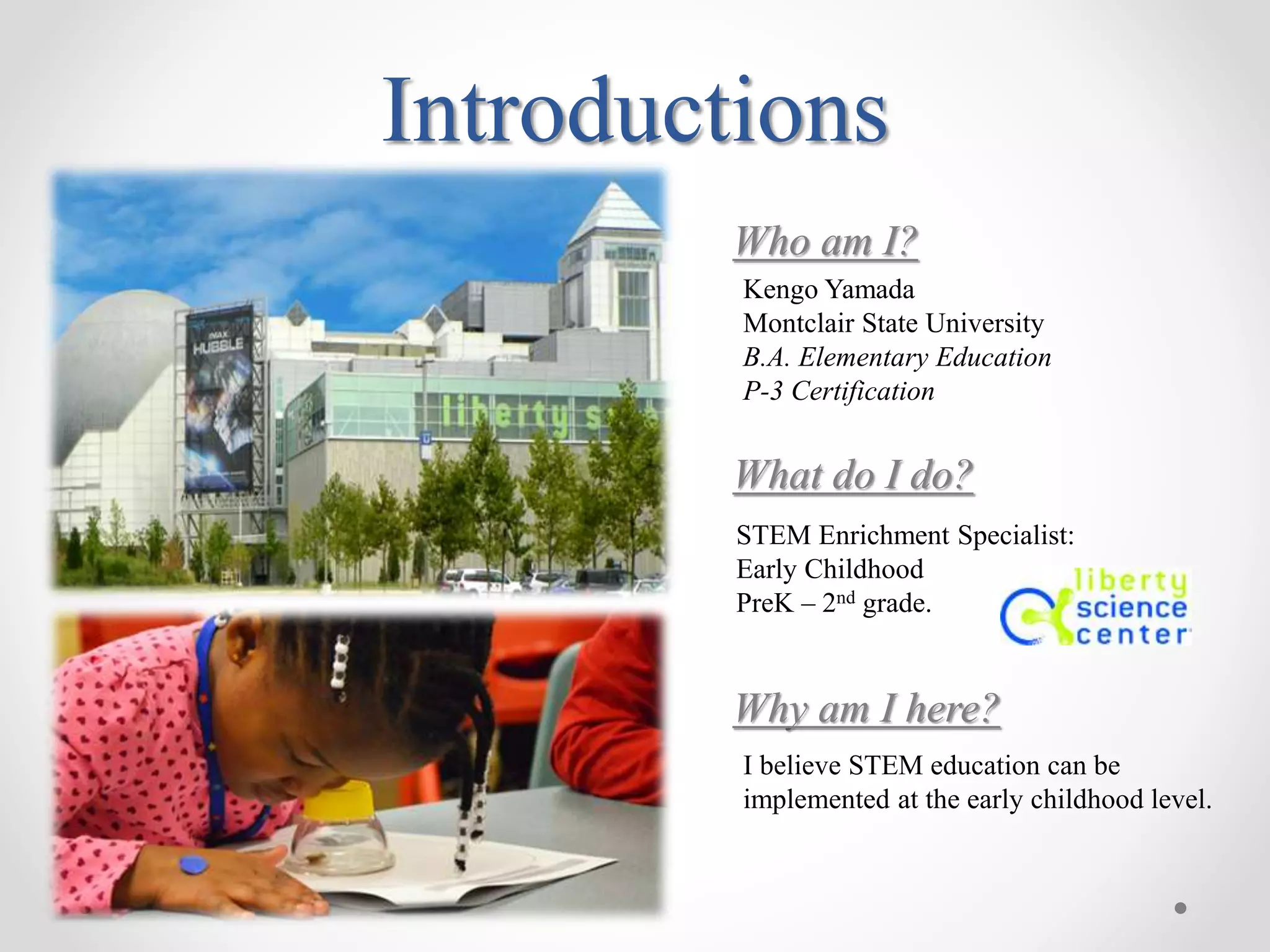
Introductions
Who am I?
What do I do?
Why am I here?
STEM Enrichment Specialist:
Early Childhood
PreK – 2nd grade.
I believe STEM education can be
implemented at the early childhood level.
Kengo Yamada
Montclair State University
B.A. Elementary Education
P-3 Certification
What is the goal for
today?
To observe some ways in which we, as
early childhood educators, can introduce
STEM concepts into our classrooms and
daily schedules.
Jump In, Jump Out
Ice Breaker
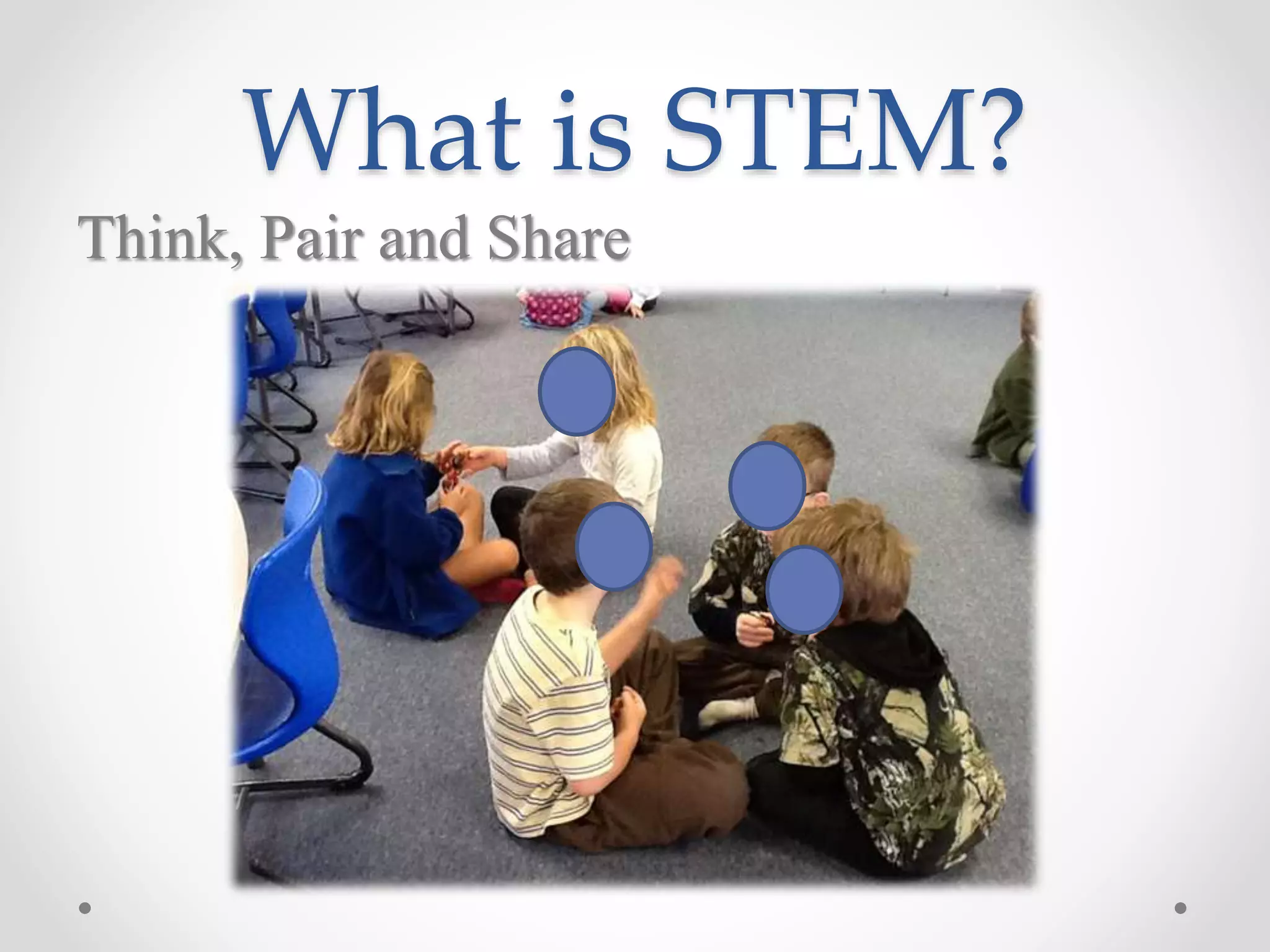
What is STEM?
Think, Pair and Share
What is STEM?
STEM (Science, Technology, Engineering,
and Math) is a interdisciplinary approach to
education in which subjects are merged
while also presenting opportunities to
consider real-world application.
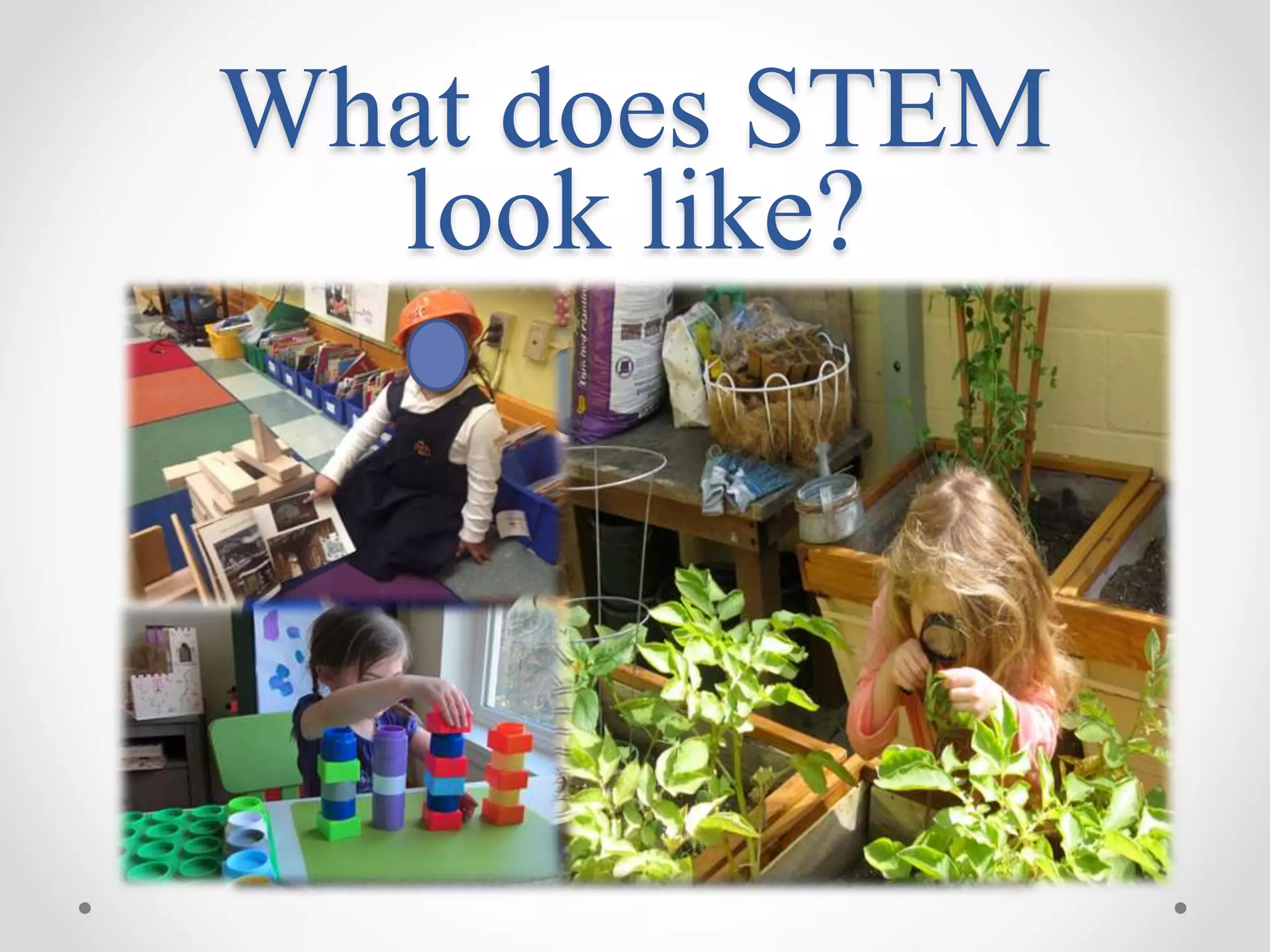
So what does this look like?
What does STEM
look like?
I believe…
“Children are engineers, problem solvers, and collaborators at
heart – with boundless potential for leadership, creativity and
innovation. Filling their days building and creating with blocks
and manipulatives, wooden sticks and Legos, finger-paints and
clay, they naturally seek solutions to challenges, discuss multiple
options and, when necessary, start over!”
(Stone-MacDonald, 2011)
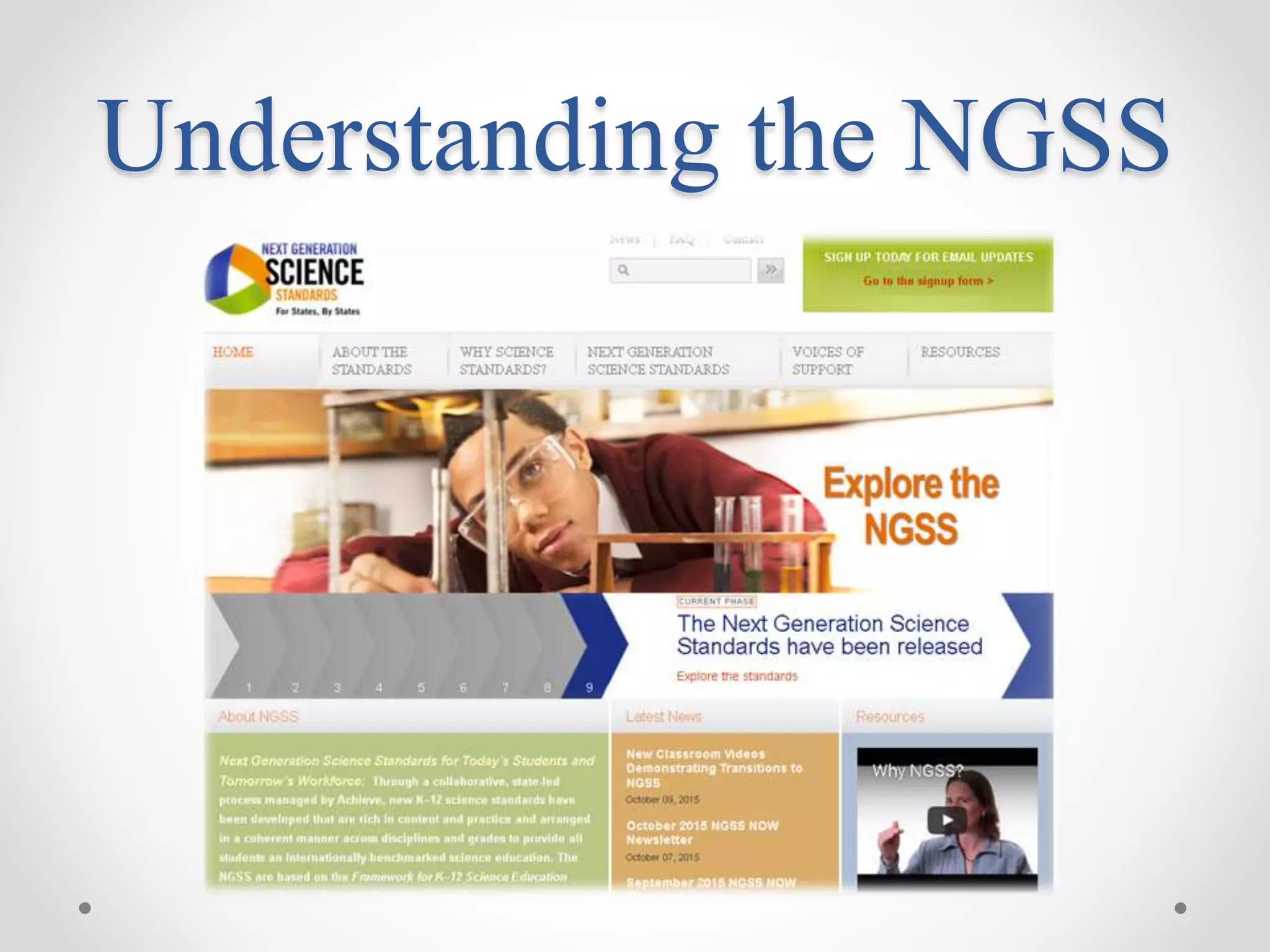
Understanding the NGSS
Important Roles
• Two educators work on completing the lesson.
• One educator brainstorms the parts in the school day during which
we can include the activities.

• After completing the activity, we will come together in a share out
of our experience and how we can integrate it into our classroom’s
daily experience.
Please consider switching roles during the course of this presentation.
It is good practice to try navigating the NGSS website if you have not
done so already.
Sample Activity
Simple Machines: Making a Lever
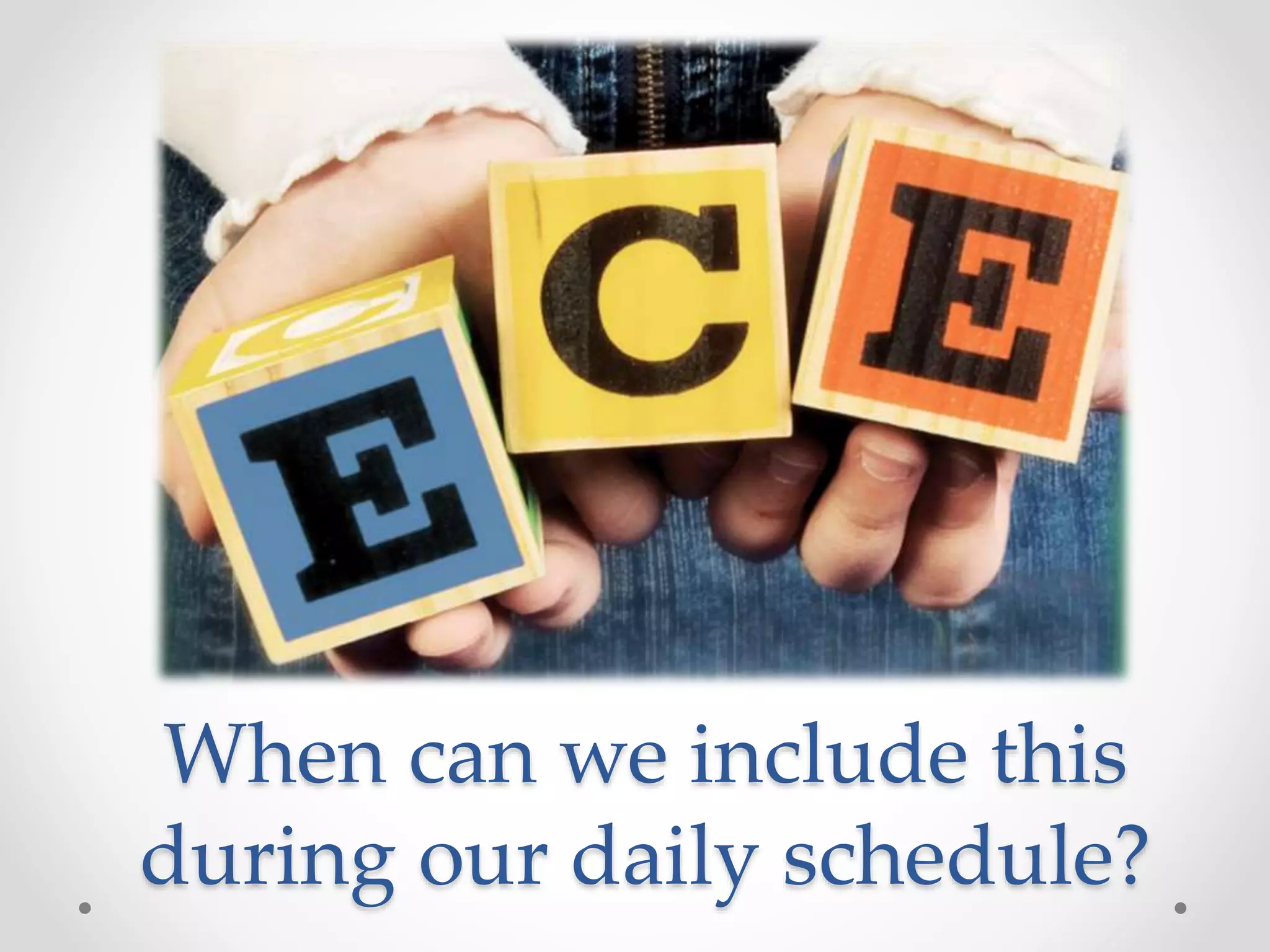
When can we include this
during our daily schedule?
When can we include this
during our daily schedule?
What’s the Matter?
Exploring Solids, Liquids and Gases
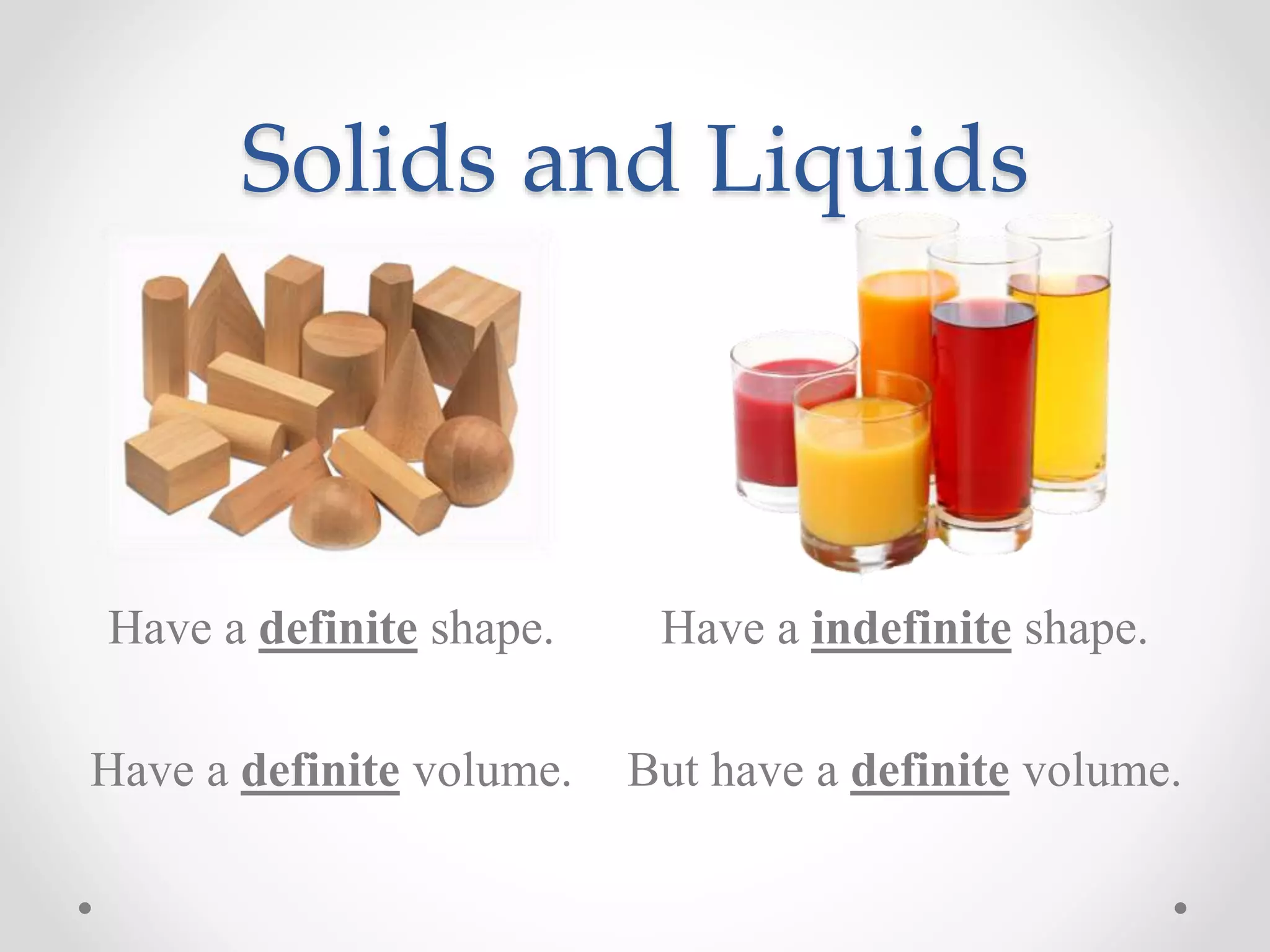
Solids and Liquids
Have a indefinite shape.
But have a definite volume.
Have a definite shape.
Have a definite volume.
But what about gas?
Do you see gas? Can we make it?
But what about gas?
Do you see gas? Can we make it?
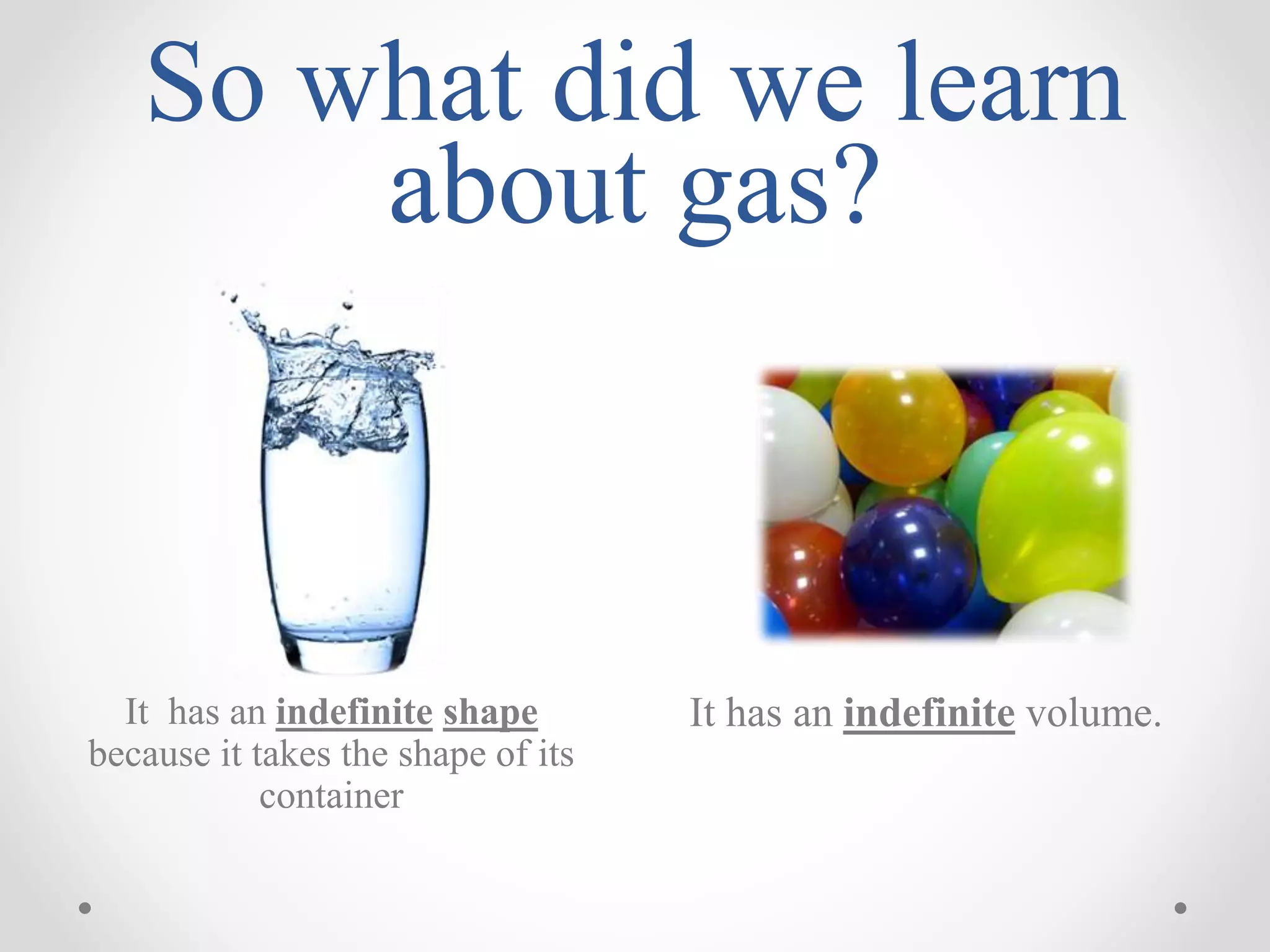
So what did we learn
about gas?
It has an indefinite volume.It has an indefinite shape
because it takes the shape of its
container
When can we include this
during our daily schedule?
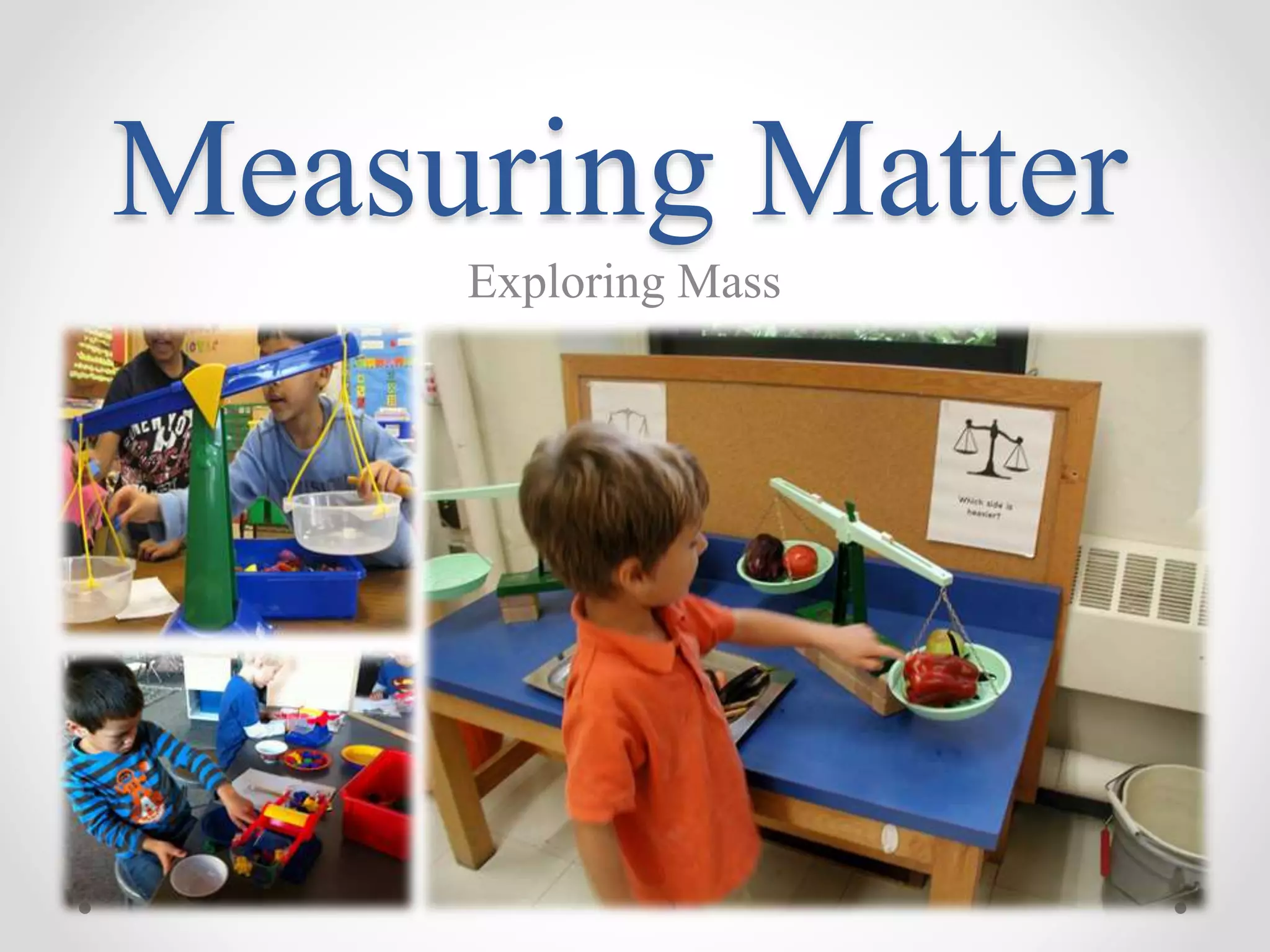
Measuring Matter
Exploring Mass
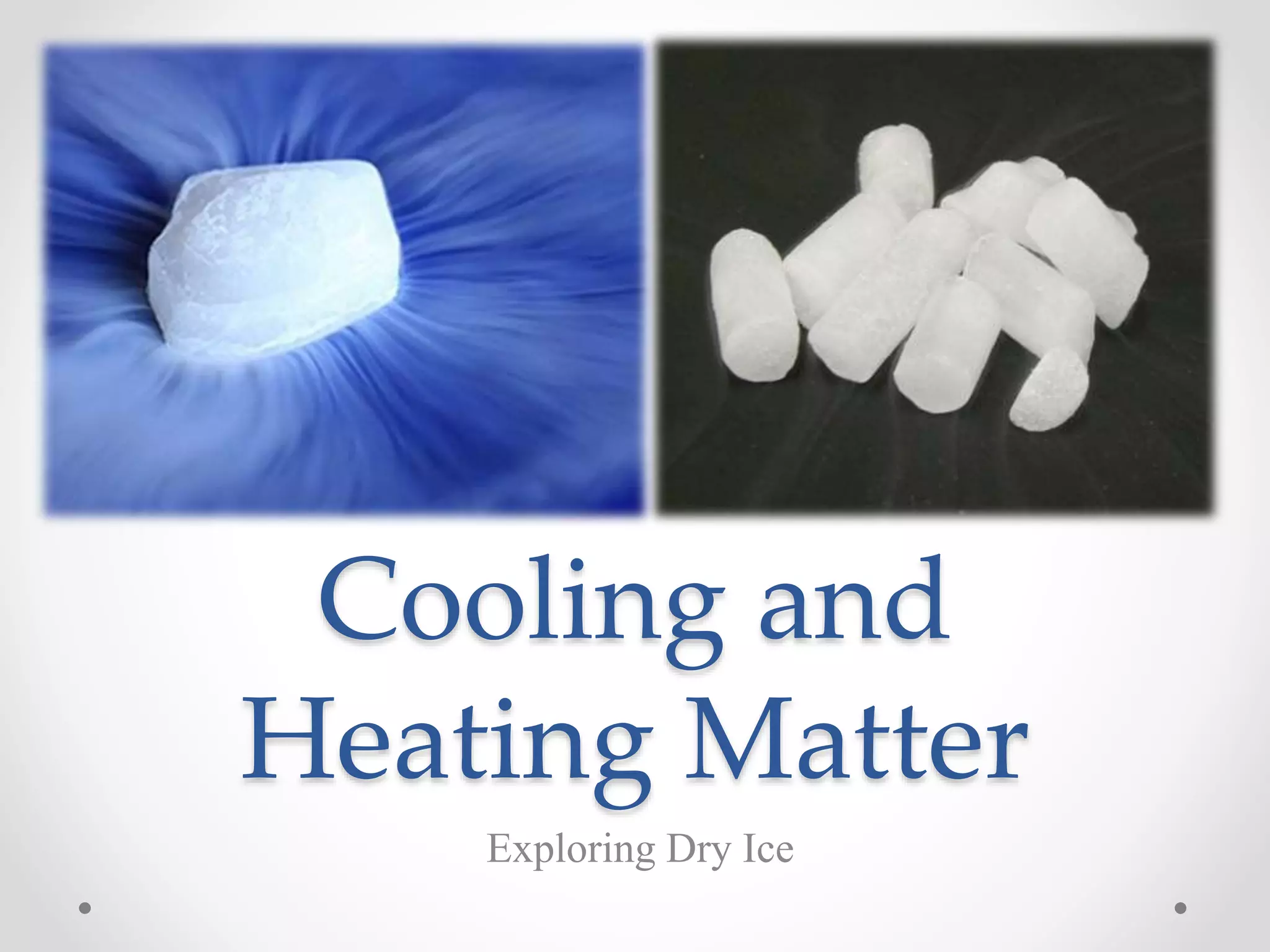
Cooling and
Heating Matter
Exploring Dry Ice
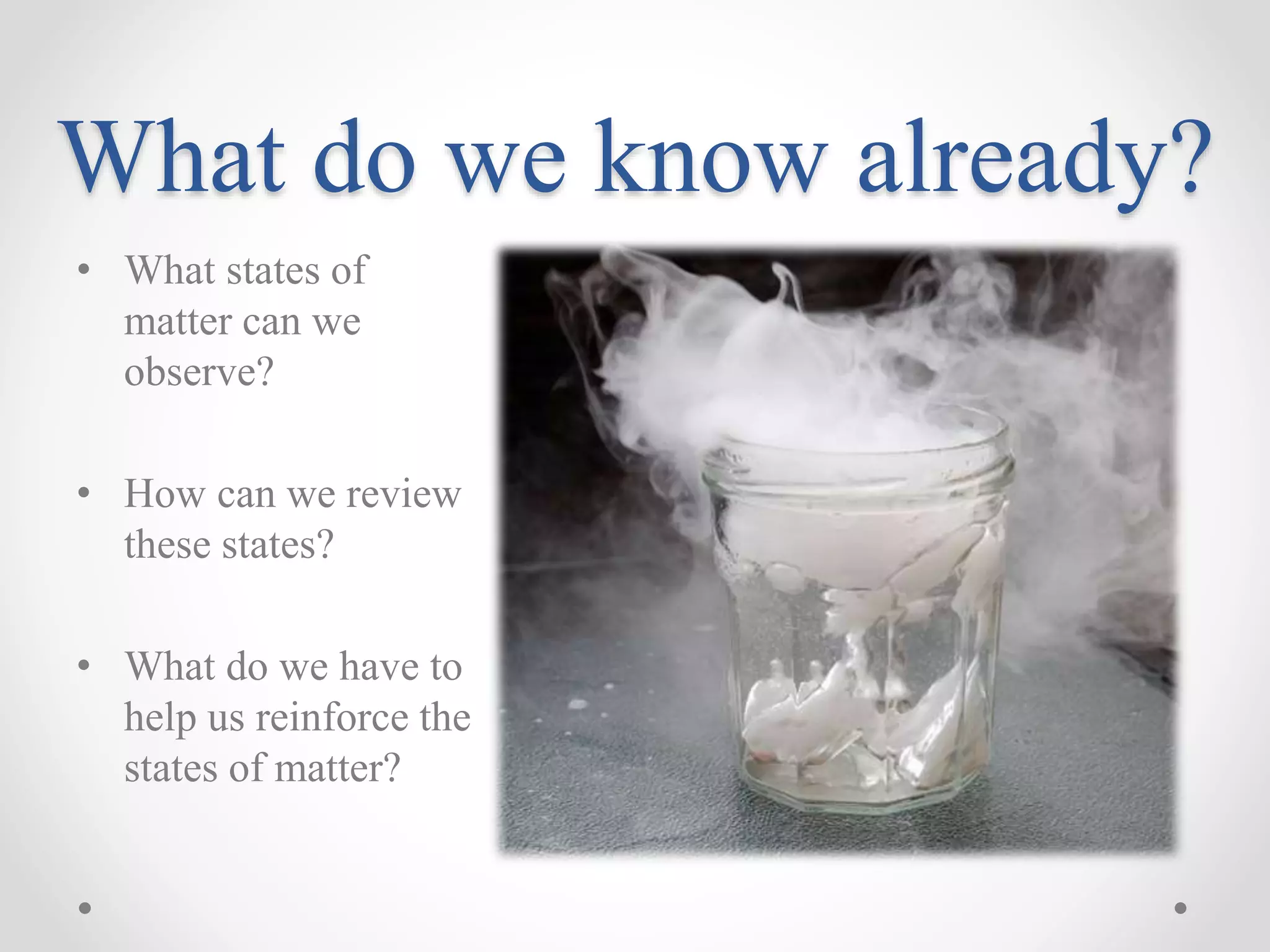
What do we know already?
• What states of
matter can we
observe?
• How can we review
these states?
• What do we have to
help us reinforce the
states of matter?
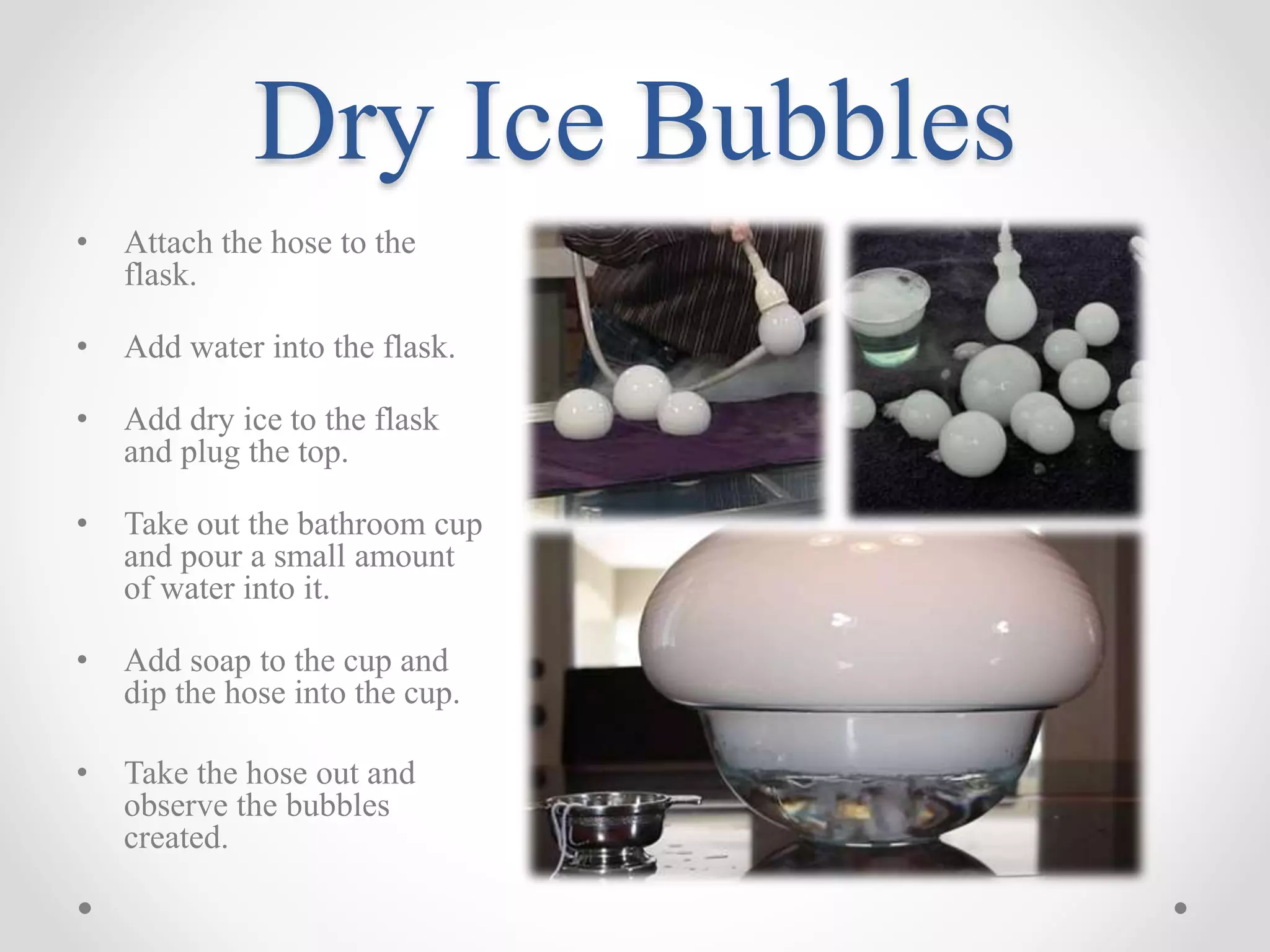
Dry Ice Bubbles
• Attach the hose to the
flask.
• Add water into the flask.
• Add dry ice to the flask
and plug the top.
• Take out the bathroom cup
and pour a small amount
of water into it.
• Add soap to the cup and
dip the hose into the cup.
• Take the hose out and
observe the bubbles
created.
When can we include this
during our daily schedule?
When can we include this
during our daily schedule?
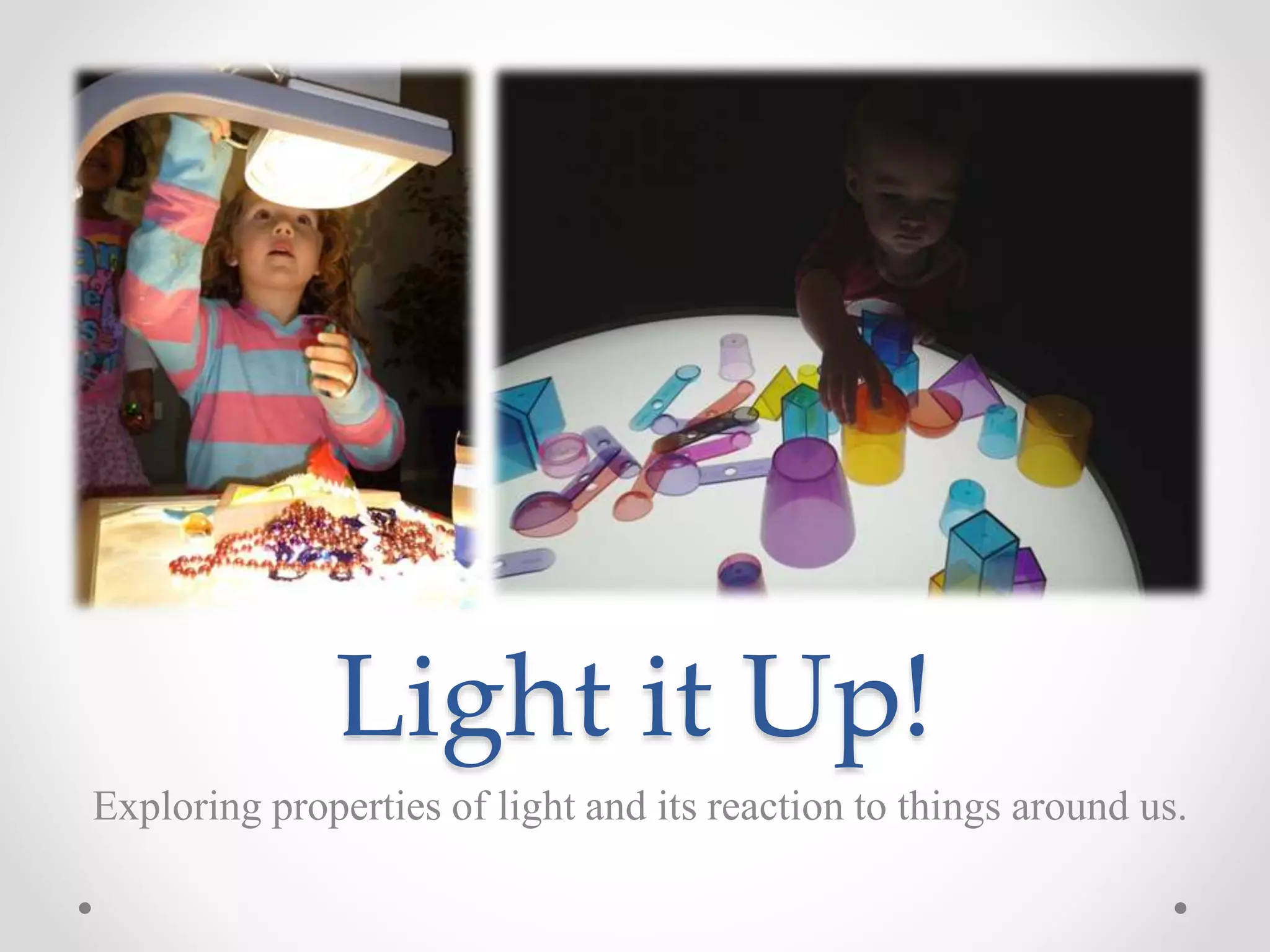
Light it Up!
Exploring properties of light and its reaction to things around us.
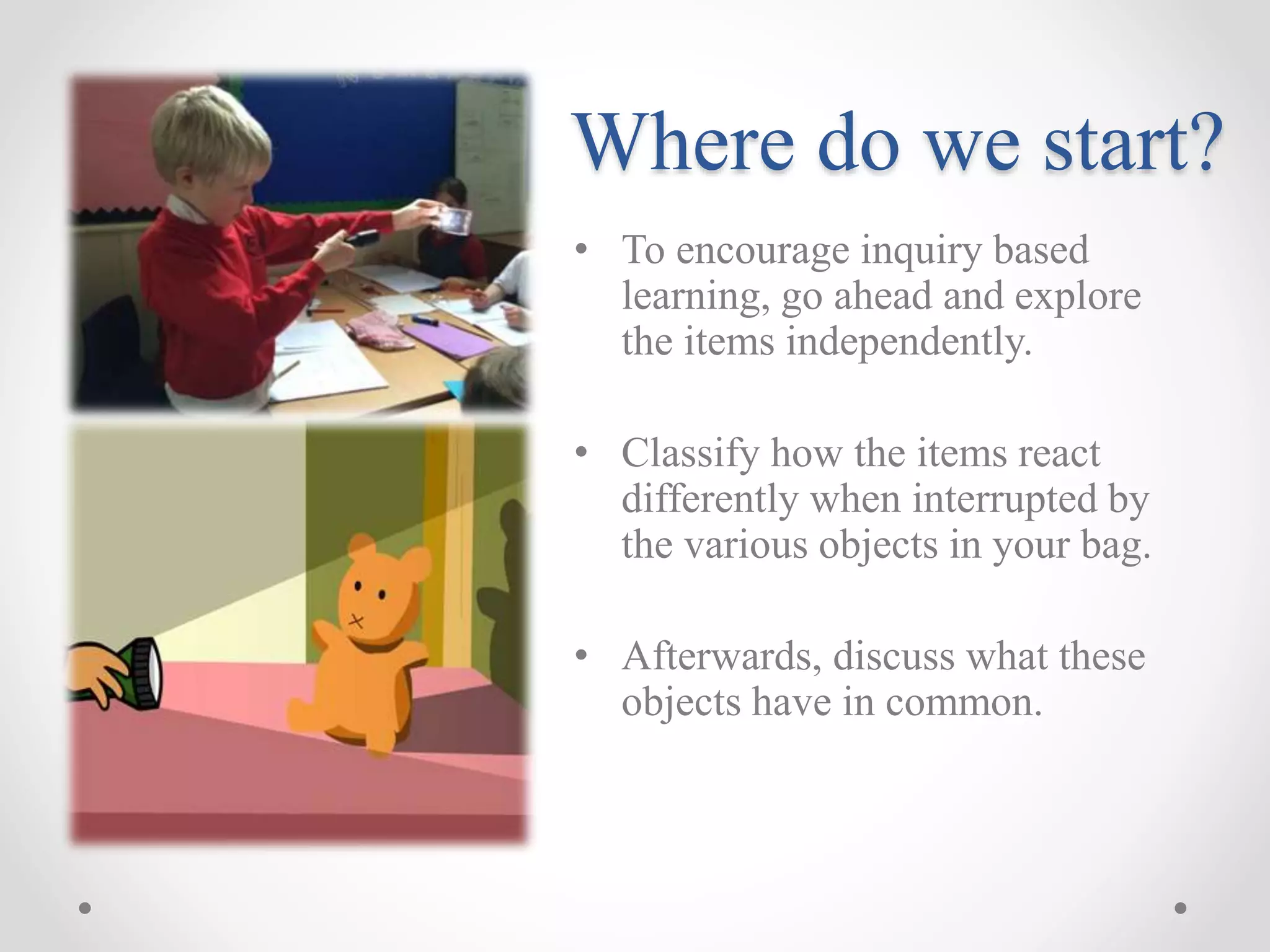
Where do we start?
• To encourage inquiry based
learning, go ahead and explore
the items independently.
• Classify how the items react
differently when interrupted by
the various objects in your bag.
• Afterwards, discuss what these
objects have in common.
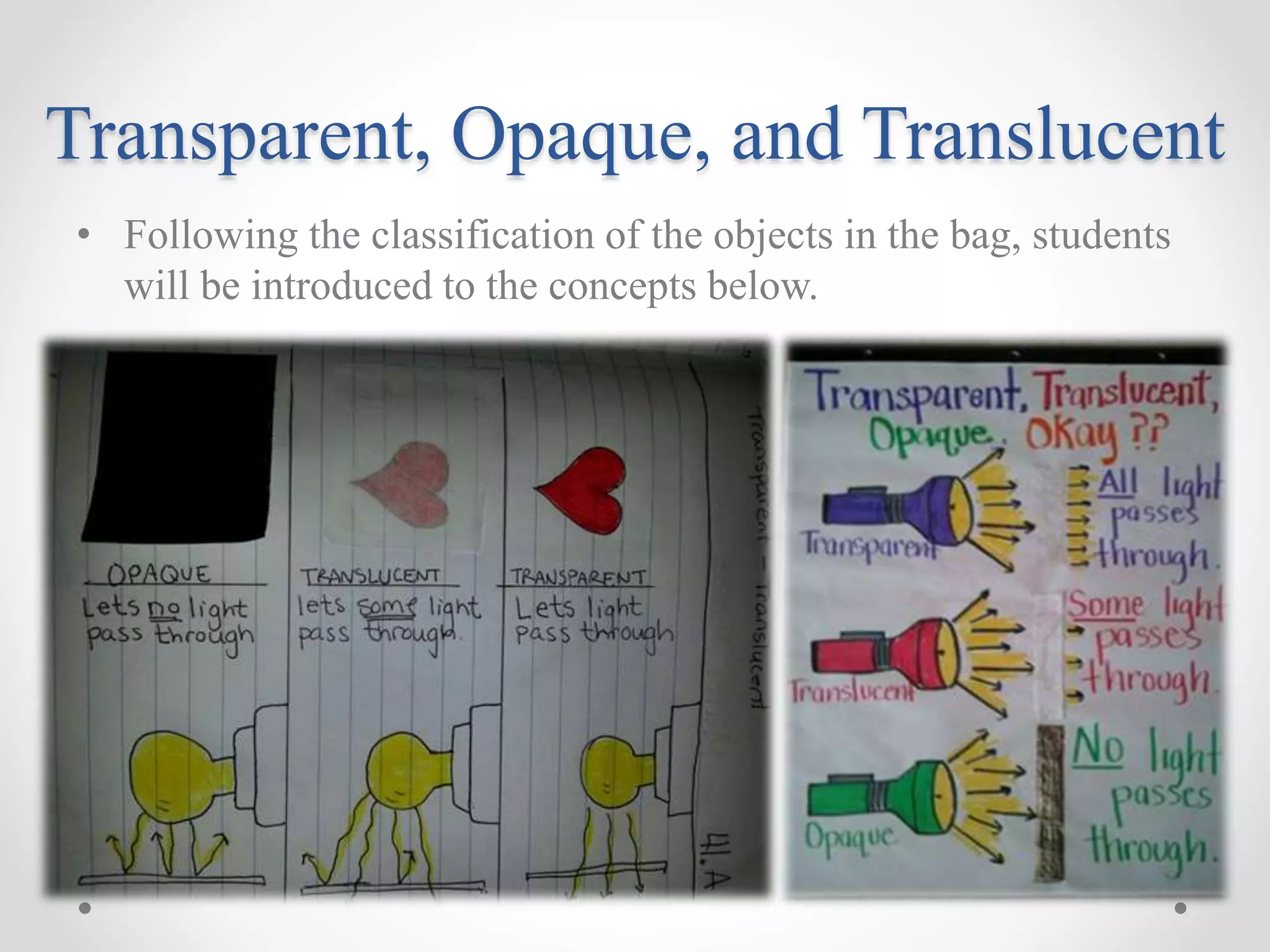
Transparent, Opaque, and Translucent
• Following the classification of the objects in the bag, students
will be introduced to the concepts below.
When can we include this
during our daily schedule?
When can we include this
during our daily schedule?
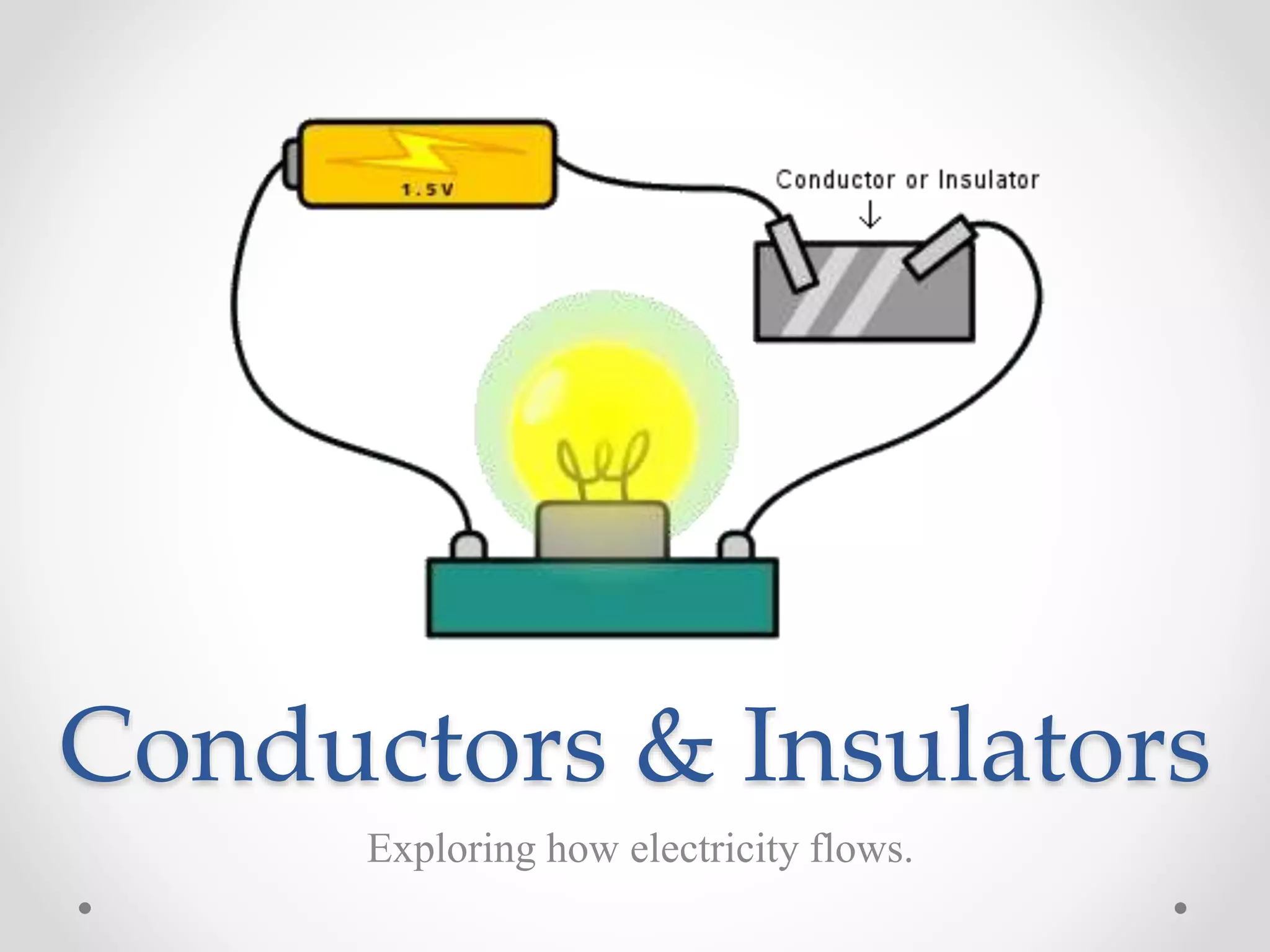
Conductors & Insulators
Exploring how electricity flows.
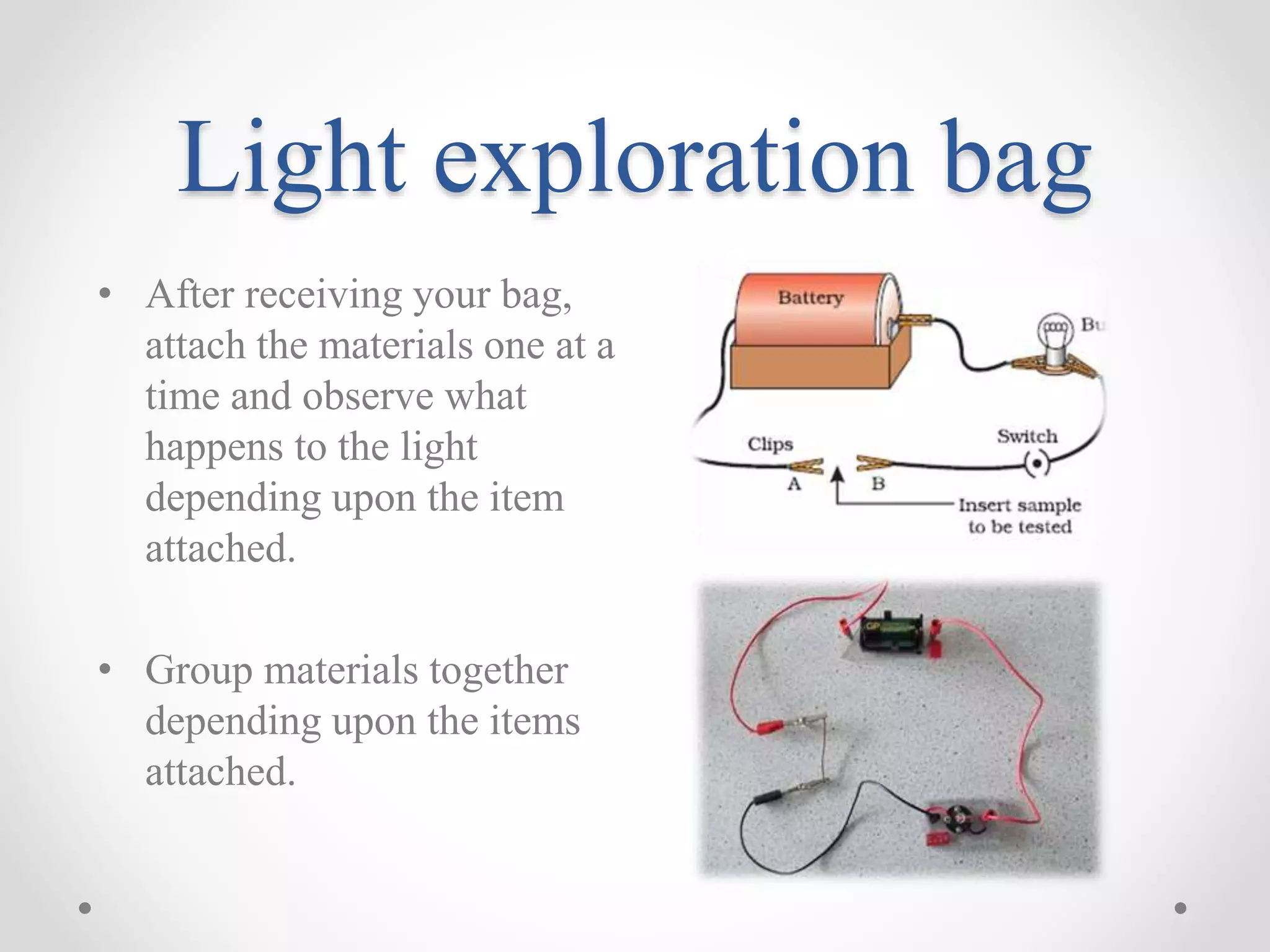
Light exploration bag
• After receiving your bag,
attach the materials one at a
time and observe what
happens to the light
depending upon the item
attached.
• Group materials together
depending upon the items
attached.
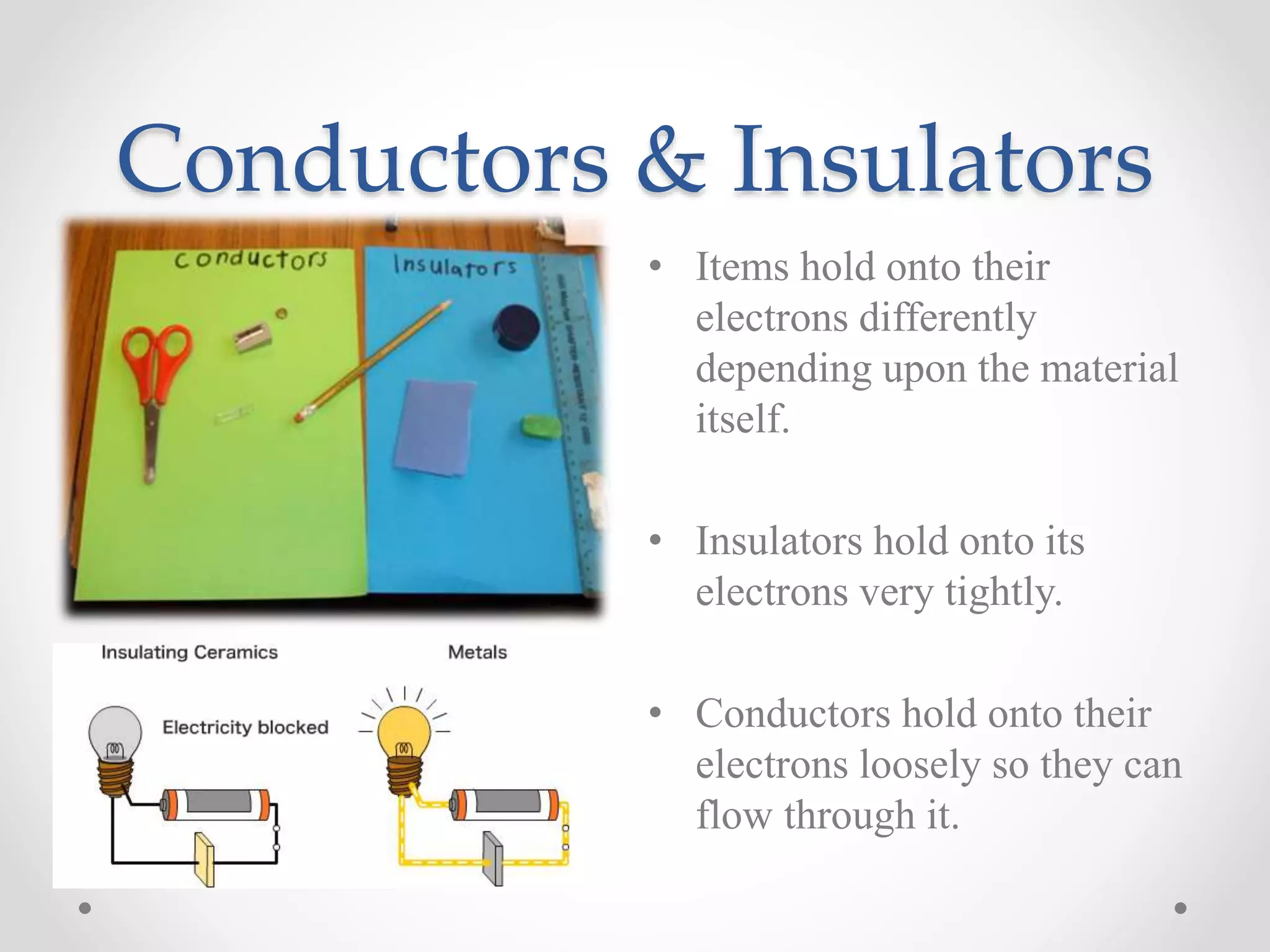
Conductors & Insulators
• Items hold onto their
electrons differently
depending upon the material
itself.
• Insulators hold onto its
electrons very tightly.
• Conductors hold onto their
electrons loosely so they can
flow through it.
When can we include this
during our daily schedule?
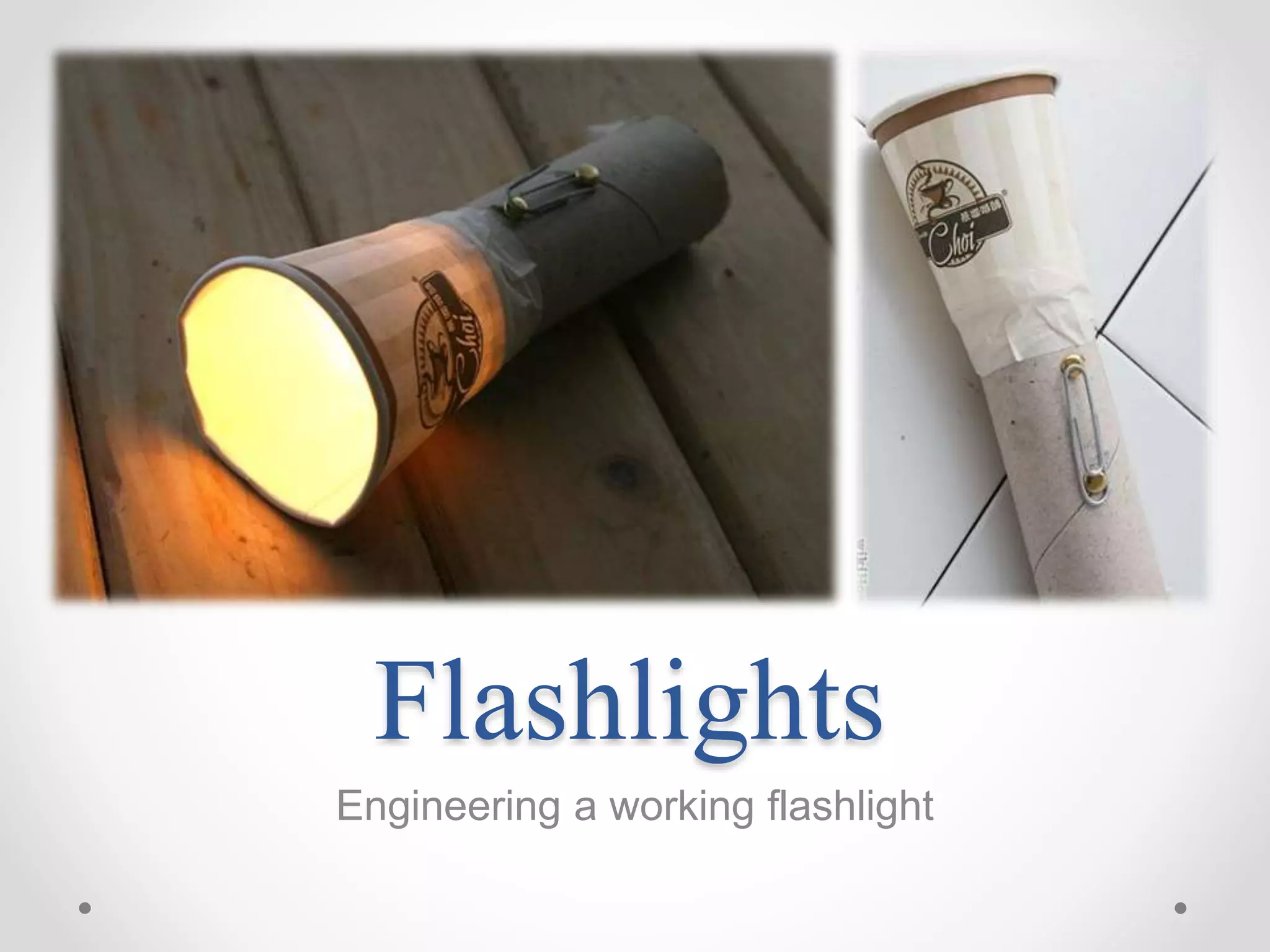
Flashlights
Engineering a working flashlight
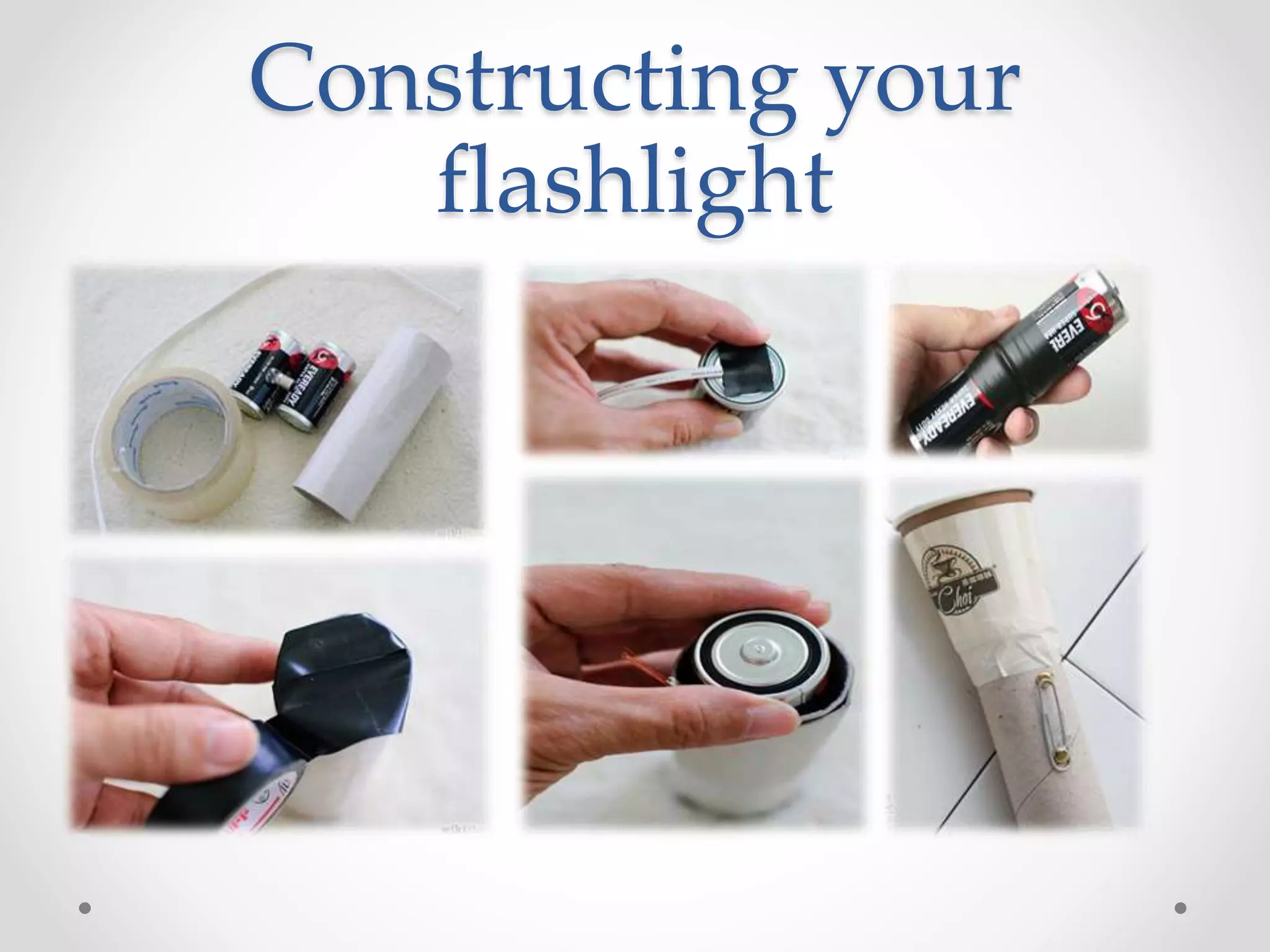
Constructing your
flashlight
When can we include this
during our daily schedule?
Paper Sail Boats
Exploring the Engineering Design Process
Building a Boat
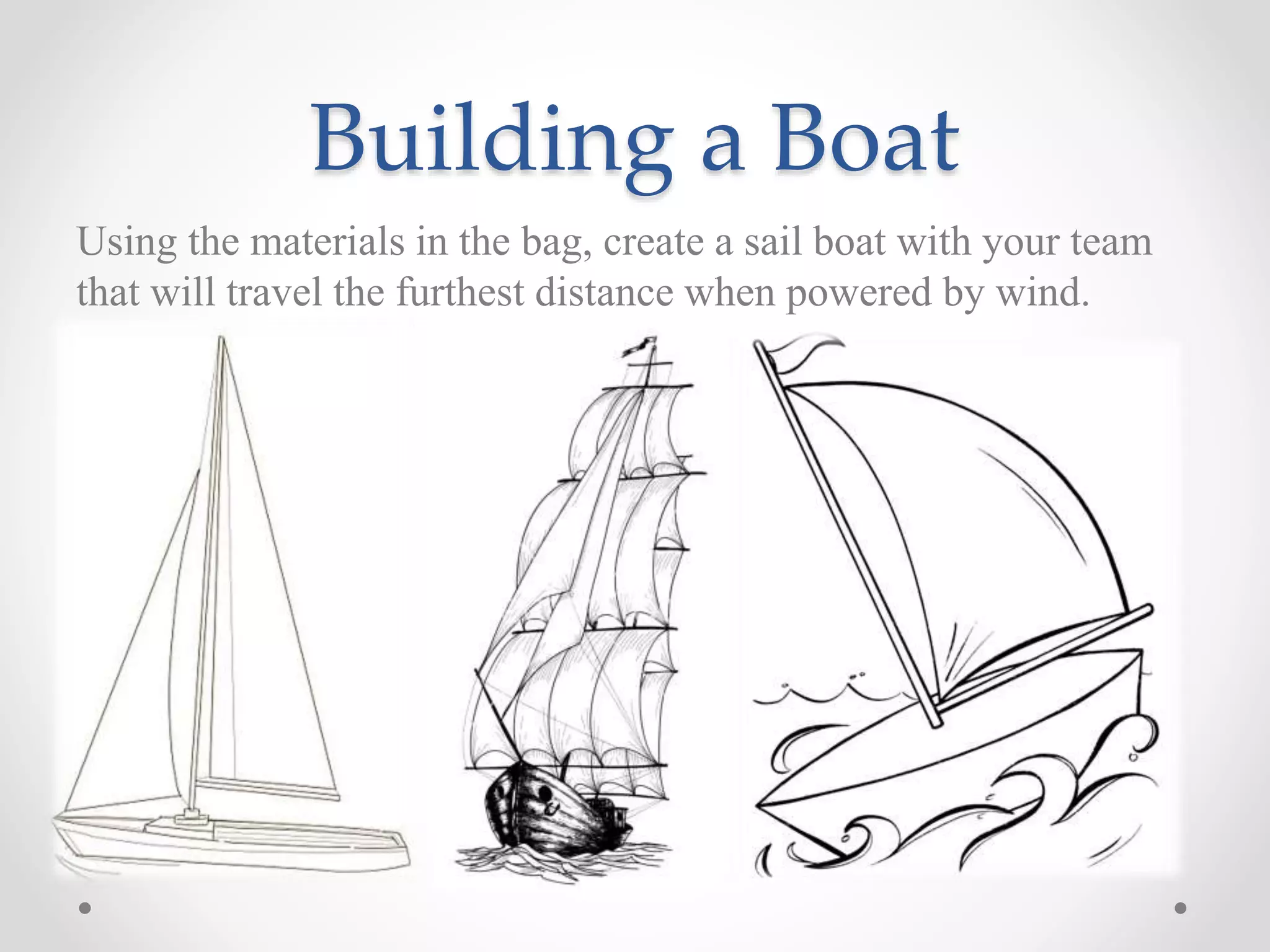
Using the materials in the bag, create a sail boat with your team
that will travel the furthest distance when powered by wind.
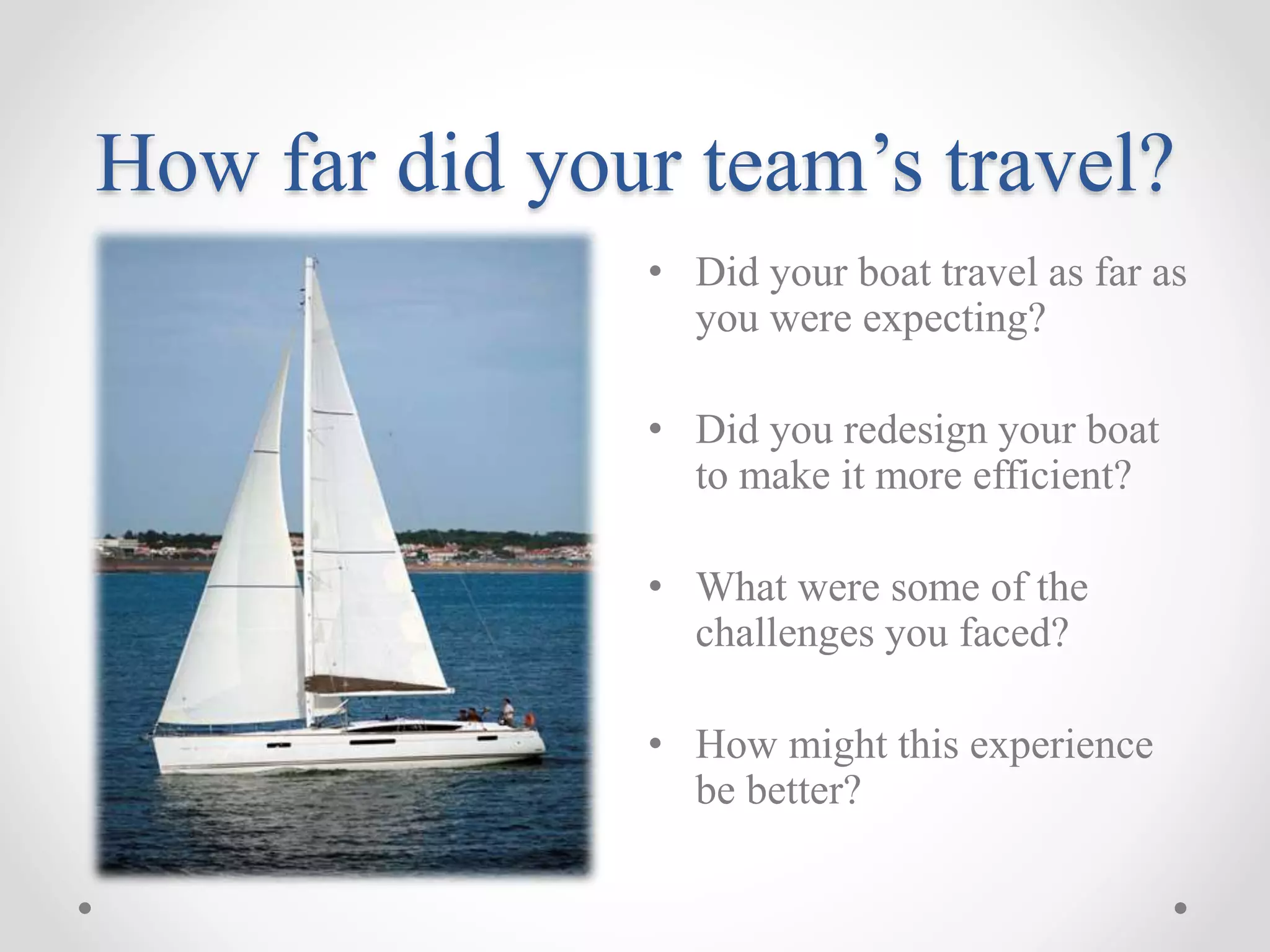
How far did your team’s travel?
• Did your boat travel as far as
you were expecting?
• Did you redesign your boat
to make it more efficient?
• What were some of the
challenges you faced?
• How might this experience
be better?
How far did your team’s travel?
• Did your boat travel as far as
you were expecting?
• Did you redesign your boat
to make it more efficient?
• What were some of the
challenges you faced?
• How might this experience
be better?
Differing Designs
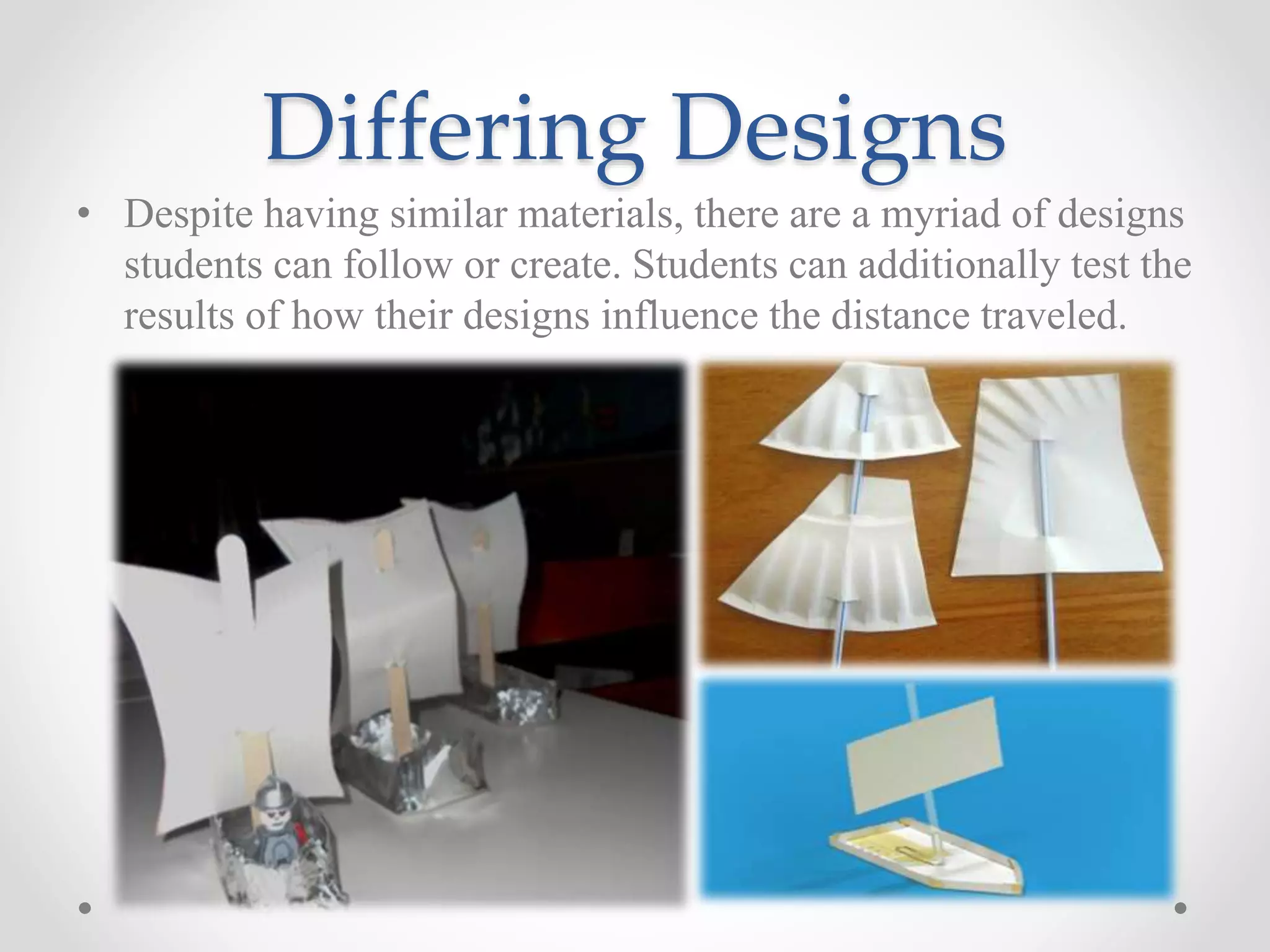
• Despite having similar materials, there are a myriad of designs
students can follow or create. Students can additionally test the
results of how their designs influence the distance traveled.
When can we include this
during our daily schedule?
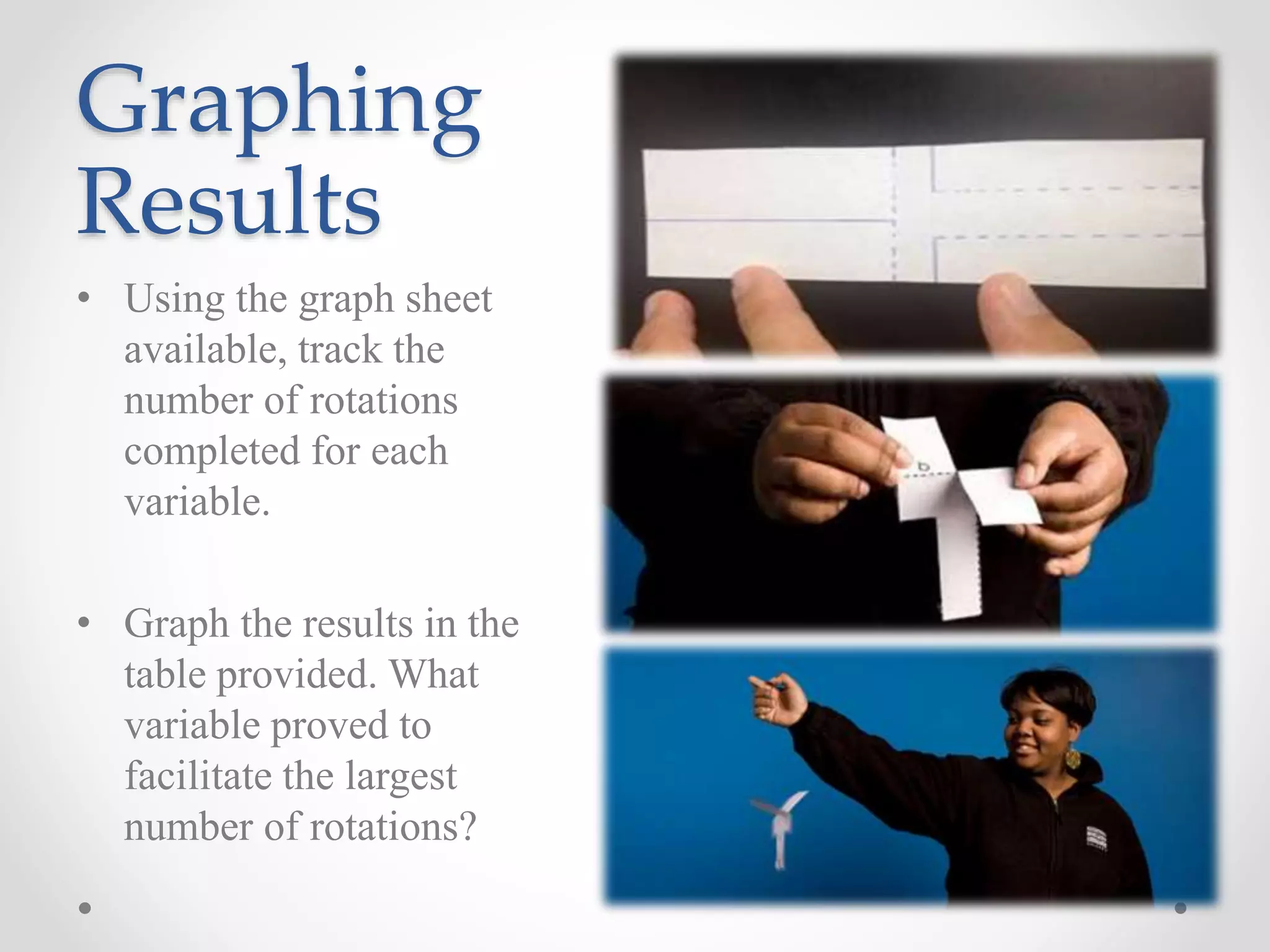
Paper Helicopters
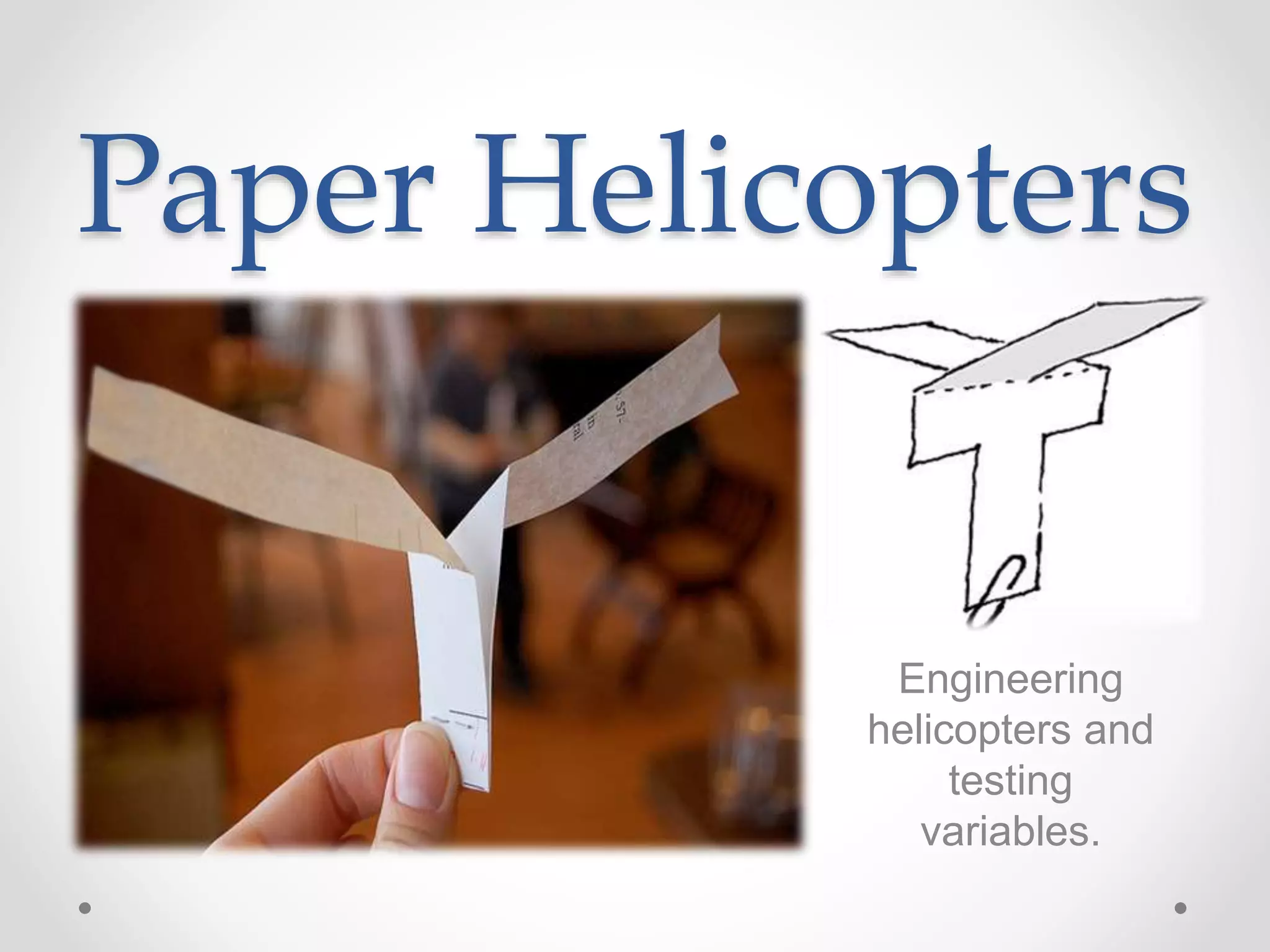
Engineering
helicopters and
testing
variables.
Graphing
Results
• Using the graph sheet
available, track the
number of rotations
completed for each
variable.
• Graph the results in the
table provided. What
variable proved to
facilitate the largest
number of rotations?
When can we include this
during our daily schedule?
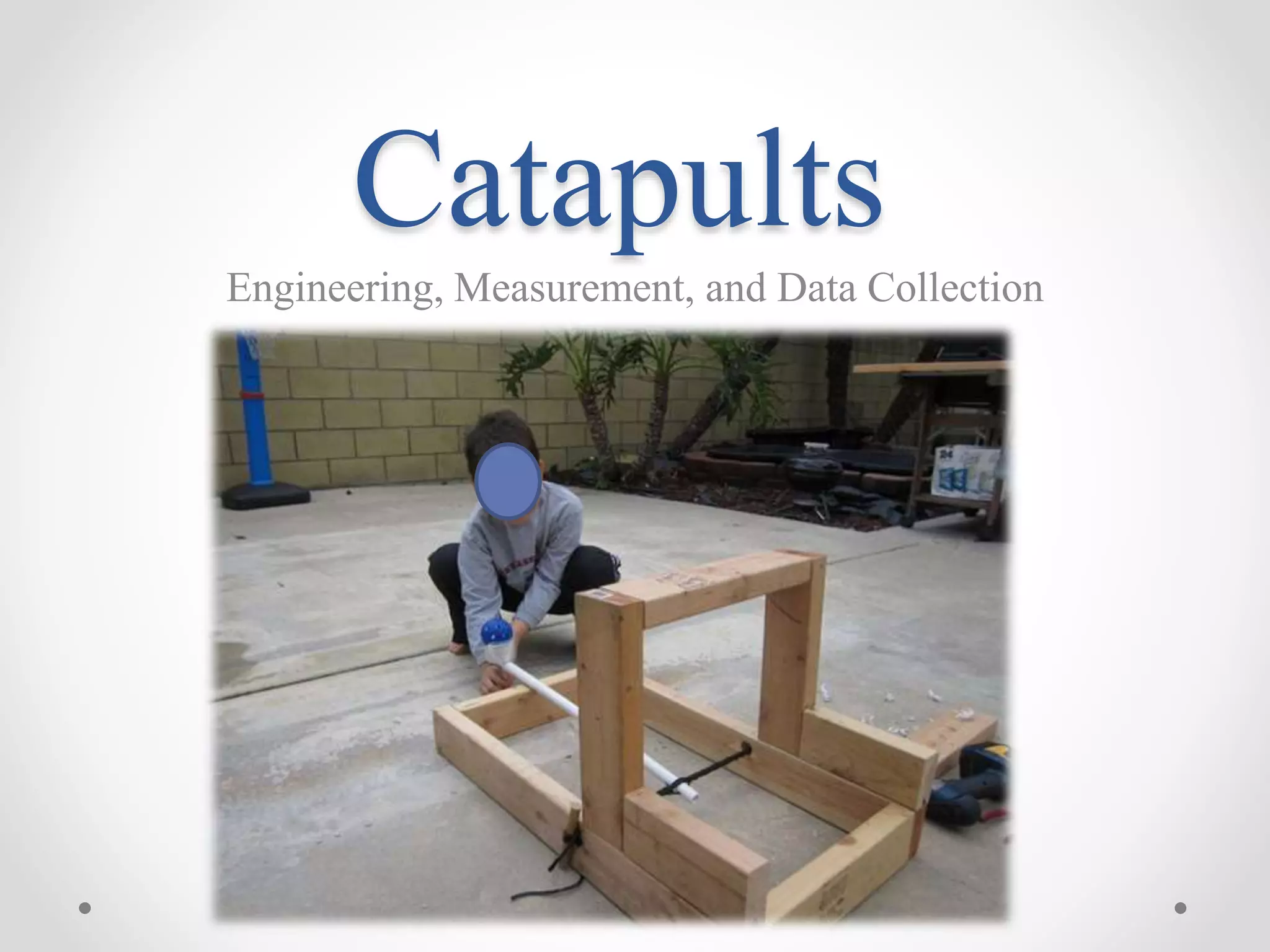
Catapults
Engineering, Measurement, and Data Collection
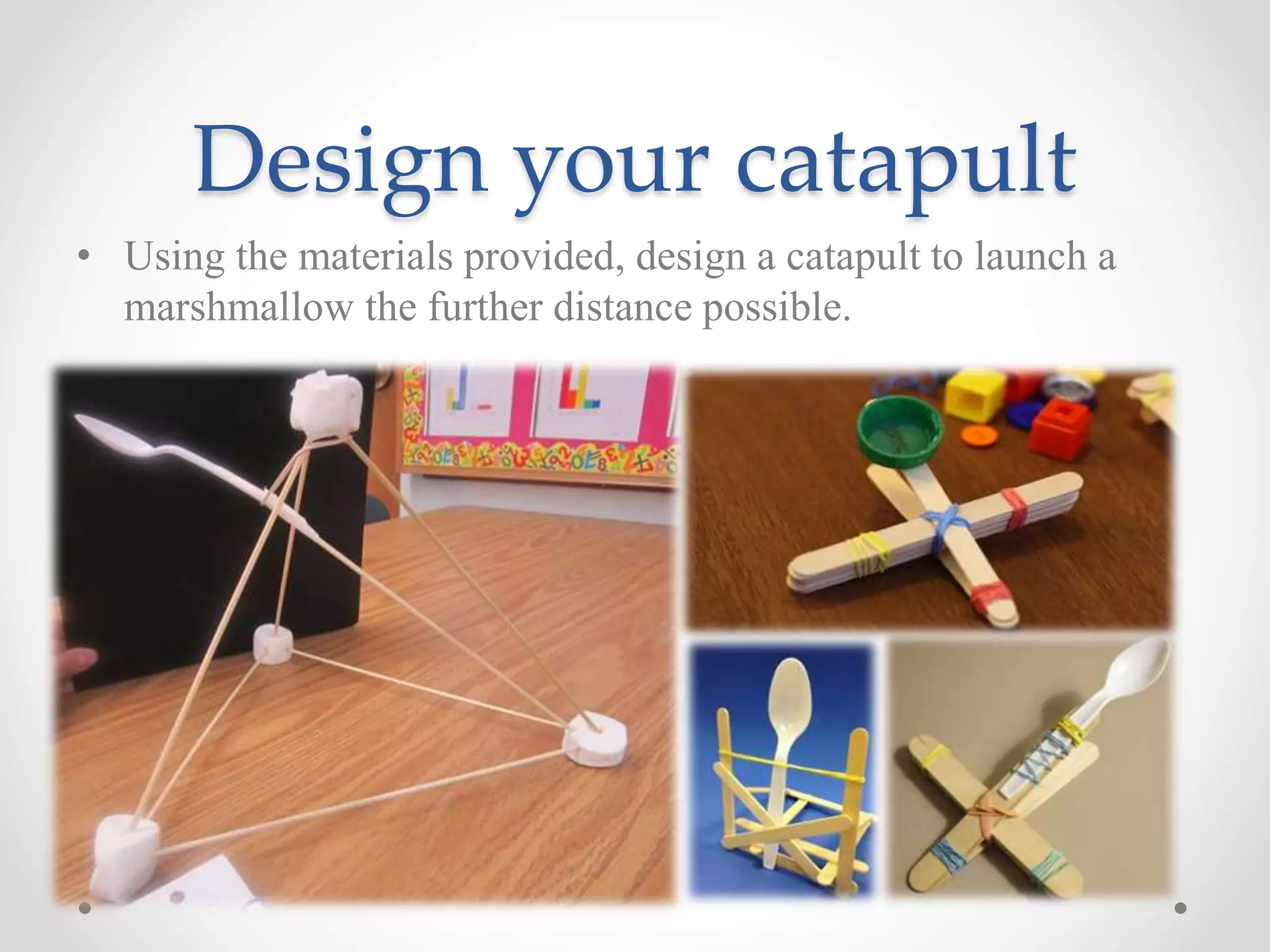
Design your catapult
• Using the materials provided, design a catapult to launch a
marshmallow the further distance possible.
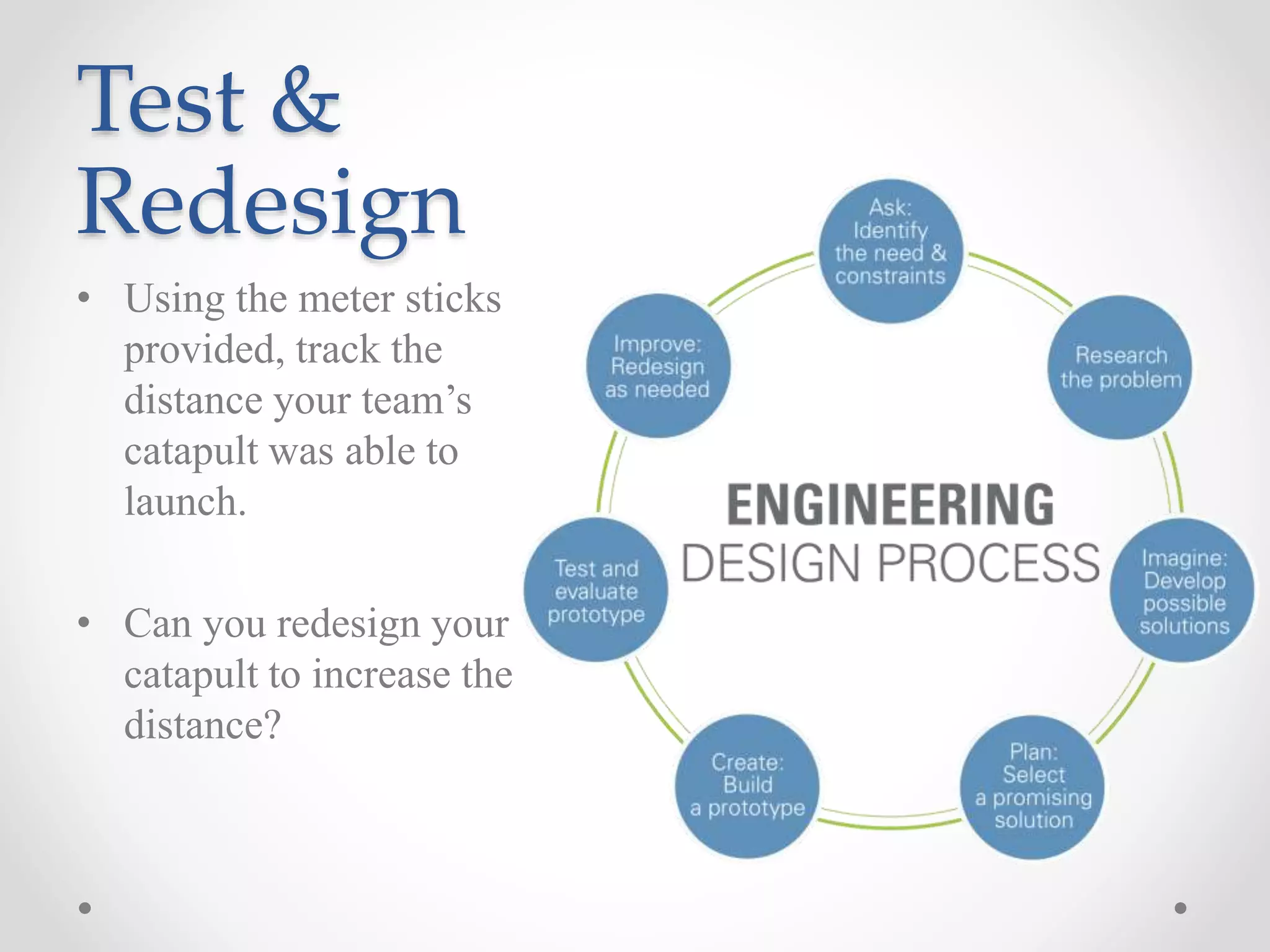
Test &
Redesign
• Using the meter sticks
provided, track the
distance your team’s
catapult was able to
launch.
• Can you redesign your
catapult to increase the
distance?
When can we include this
during our daily schedule?
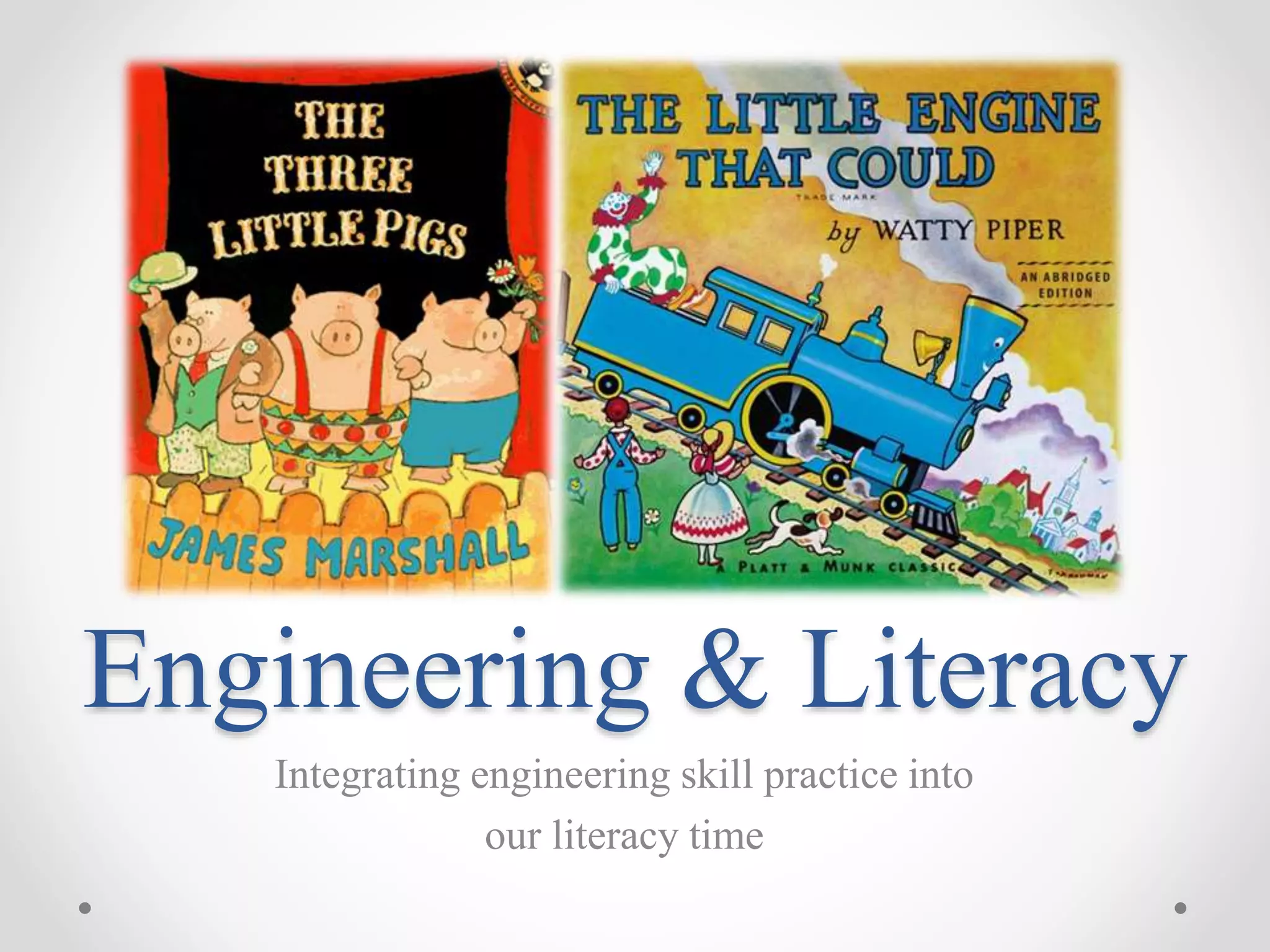
Engineering & Literacy
Integrating engineering skill practice into
our literacy time
Questions & Comments

Starting STEM Early: Embedding Matter, Energy, and Engineering into the Early Childhood Curriculum

  • 1.
    Embedding Matter, Energyand Engineering into the Early Childhood Curriculum Kengo Yamada, STEM Enrichment Specialist: Early Childhood
  • 2.
    Introductions Who am I? Whatdo I do? Why am I here? STEM Enrichment Specialist: Early Childhood PreK – 2nd grade. I believe STEM education can be implemented at the early childhood level. Kengo Yamada Montclair State University B.A. Elementary Education P-3 Certification
  • 3.
    What is thegoal for today? To observe some ways in which we, as early childhood educators, can introduce STEM concepts into our classrooms and daily schedules.
  • 4.
    Jump In, JumpOut Ice Breaker
  • 5.
    What is STEM? Think,Pair and Share
  • 6.
    What is STEM? STEM(Science, Technology, Engineering, and Math) is a interdisciplinary approach to education in which subjects are merged while also presenting opportunities to consider real-world application. So what does this look like?
  • 7.
  • 8.
    I believe… “Children areengineers, problem solvers, and collaborators at heart – with boundless potential for leadership, creativity and innovation. Filling their days building and creating with blocks and manipulatives, wooden sticks and Legos, finger-paints and clay, they naturally seek solutions to challenges, discuss multiple options and, when necessary, start over!” (Stone-MacDonald, 2011)
  • 9.
  • 10.
    Important Roles • Twoeducators work on completing the lesson. • One educator brainstorms the parts in the school day during which we can include the activities. • After completing the activity, we will come together in a share out of our experience and how we can integrate it into our classroom’s daily experience. Please consider switching roles during the course of this presentation. It is good practice to try navigating the NGSS website if you have not done so already.
  • 11.
  • 12.
    When can weinclude this during our daily schedule?
  • 13.
    When can weinclude this during our daily schedule?
  • 14.
    What’s the Matter? ExploringSolids, Liquids and Gases
  • 15.
    Solids and Liquids Havea indefinite shape. But have a definite volume. Have a definite shape. Have a definite volume.
  • 16.
    But what aboutgas? Do you see gas? Can we make it?
  • 17.
    But what aboutgas? Do you see gas? Can we make it?
  • 18.
    So what didwe learn about gas? It has an indefinite volume.It has an indefinite shape because it takes the shape of its container
  • 19.
    When can weinclude this during our daily schedule?
  • 20.
  • 21.
  • 22.
    What do weknow already? • What states of matter can we observe? • How can we review these states? • What do we have to help us reinforce the states of matter?
  • 23.
    Dry Ice Bubbles •Attach the hose to the flask. • Add water into the flask. • Add dry ice to the flask and plug the top. • Take out the bathroom cup and pour a small amount of water into it. • Add soap to the cup and dip the hose into the cup. • Take the hose out and observe the bubbles created.
  • 24.
    When can weinclude this during our daily schedule?
  • 25.
    When can weinclude this during our daily schedule?
  • 26.
    Light it Up! Exploringproperties of light and its reaction to things around us.
  • 27.
    Where do westart? • To encourage inquiry based learning, go ahead and explore the items independently. • Classify how the items react differently when interrupted by the various objects in your bag. • Afterwards, discuss what these objects have in common.
  • 28.
    Transparent, Opaque, andTranslucent • Following the classification of the objects in the bag, students will be introduced to the concepts below.
  • 29.
    When can weinclude this during our daily schedule?
  • 30.
    When can weinclude this during our daily schedule?
  • 31.
    Conductors & Insulators Exploringhow electricity flows.
  • 32.
    Light exploration bag •After receiving your bag, attach the materials one at a time and observe what happens to the light depending upon the item attached. • Group materials together depending upon the items attached.
  • 33.
    Conductors & Insulators •Items hold onto their electrons differently depending upon the material itself. • Insulators hold onto its electrons very tightly. • Conductors hold onto their electrons loosely so they can flow through it.
  • 34.
    When can weinclude this during our daily schedule?
  • 35.
  • 36.
  • 37.
    When can weinclude this during our daily schedule?
  • 38.
    Paper Sail Boats Exploringthe Engineering Design Process
  • 39.
    Building a Boat Usingthe materials in the bag, create a sail boat with your team that will travel the furthest distance when powered by wind.
  • 40.
    How far didyour team’s travel? • Did your boat travel as far as you were expecting? • Did you redesign your boat to make it more efficient? • What were some of the challenges you faced? • How might this experience be better?
  • 41.
    How far didyour team’s travel? • Did your boat travel as far as you were expecting? • Did you redesign your boat to make it more efficient? • What were some of the challenges you faced? • How might this experience be better?
  • 42.
    Differing Designs • Despitehaving similar materials, there are a myriad of designs students can follow or create. Students can additionally test the results of how their designs influence the distance traveled.
  • 43.
    When can weinclude this during our daily schedule?
  • 44.
  • 45.
    Graphing Results • Using thegraph sheet available, track the number of rotations completed for each variable. • Graph the results in the table provided. What variable proved to facilitate the largest number of rotations?
  • 46.
    When can weinclude this during our daily schedule?
  • 47.
  • 48.
    Design your catapult •Using the materials provided, design a catapult to launch a marshmallow the further distance possible.
  • 49.
    Test & Redesign • Usingthe meter sticks provided, track the distance your team’s catapult was able to launch. • Can you redesign your catapult to increase the distance?
  • 50.
    When can weinclude this during our daily schedule?
  • 51.
    Engineering & Literacy Integratingengineering skill practice into our literacy time
  • 52.

Editor's Notes

  • #13 During centers time, this activity can be implemented in the toys and games center. Students can measure the weight of the toys compared to each other and arrange them by weight from lightest to heaviest.
  • #14 During centers time, this activity can be implemented in the toys and games center. Students can measure the weight of the toys compared to each other and arrange them by weight from lightest to heaviest.
  • #20 This can be implemented during a study of weather in the science center.
  • #25 During the winter time when we normally explore concepts of weather and our students are experiencing snow fall, introducing this activity would be a great way to extend their learning about the cold. For example, one of my favorite stories to read when I was a teacher was Ezra Jack Keats’ The Snowy Day. -How you included science in literacy? (Bringing out a cup and placing ice inside and observing what happen to the ice during the process of reading our story) -What would happen to the dry ice?
  • #26 During the winter time when we normally explore concepts of weather and our students are experiencing snow fall, introducing this activity would be a great way to extend their learning about the cold. For example, one of my favorite stories to read when I was a teacher was Ezra Jack Keats’ The Snowy Day. -How you included science in literacy? (Bringing out a cup and placing ice inside and observing what happen to the ice during the process of reading our story) -What would happen to the dry ice?
  • #30 Around the new year, we normally explored the changing amount of sunlight we experience. And read Corduroy.
  • #31 Around the new year, we normally explored the changing amount of sunlight we experience. And read Corduroy.