Image source: http://blogs.neoseeker.com/Arietta/2278-error-404-page-not-found-earths-history-in-danger/
Starting
(and ending) with
WhyPresented by Lindy Klein
@moodlechick
Question:
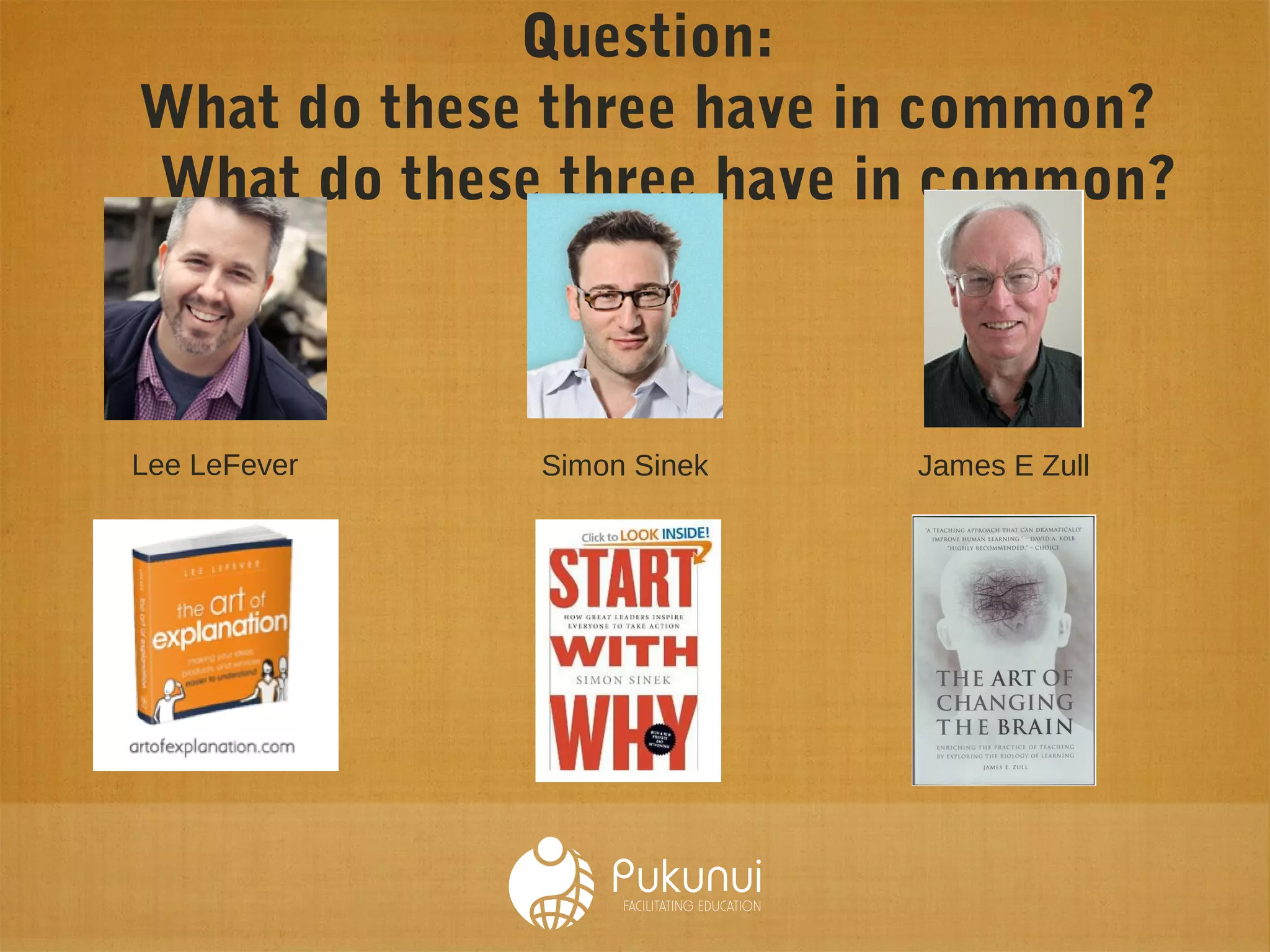
What do these three have in common?
Lee LeFever Simon Sinek James E Zull
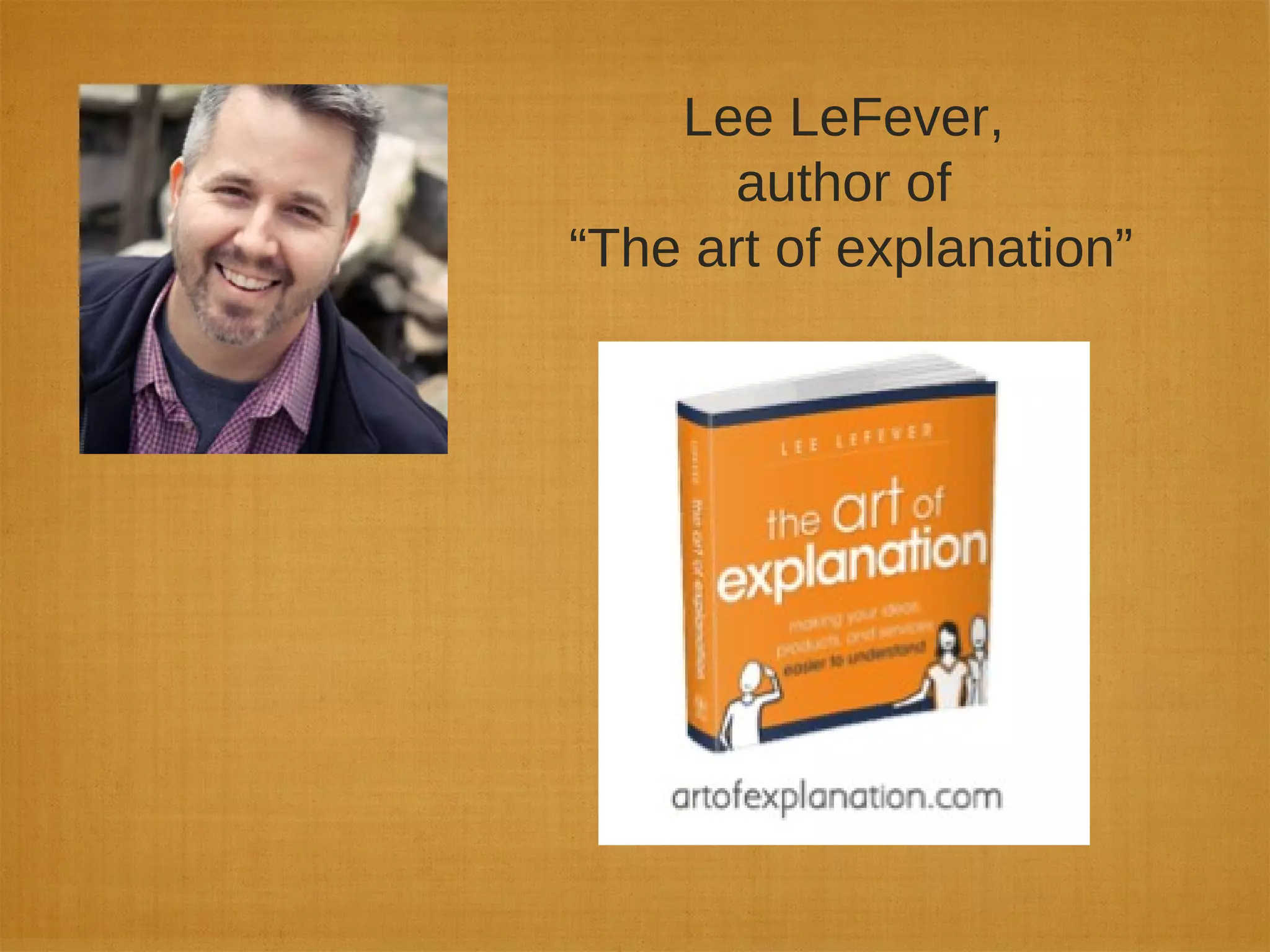
Lee LeFever,
author of
“The art of explanation”
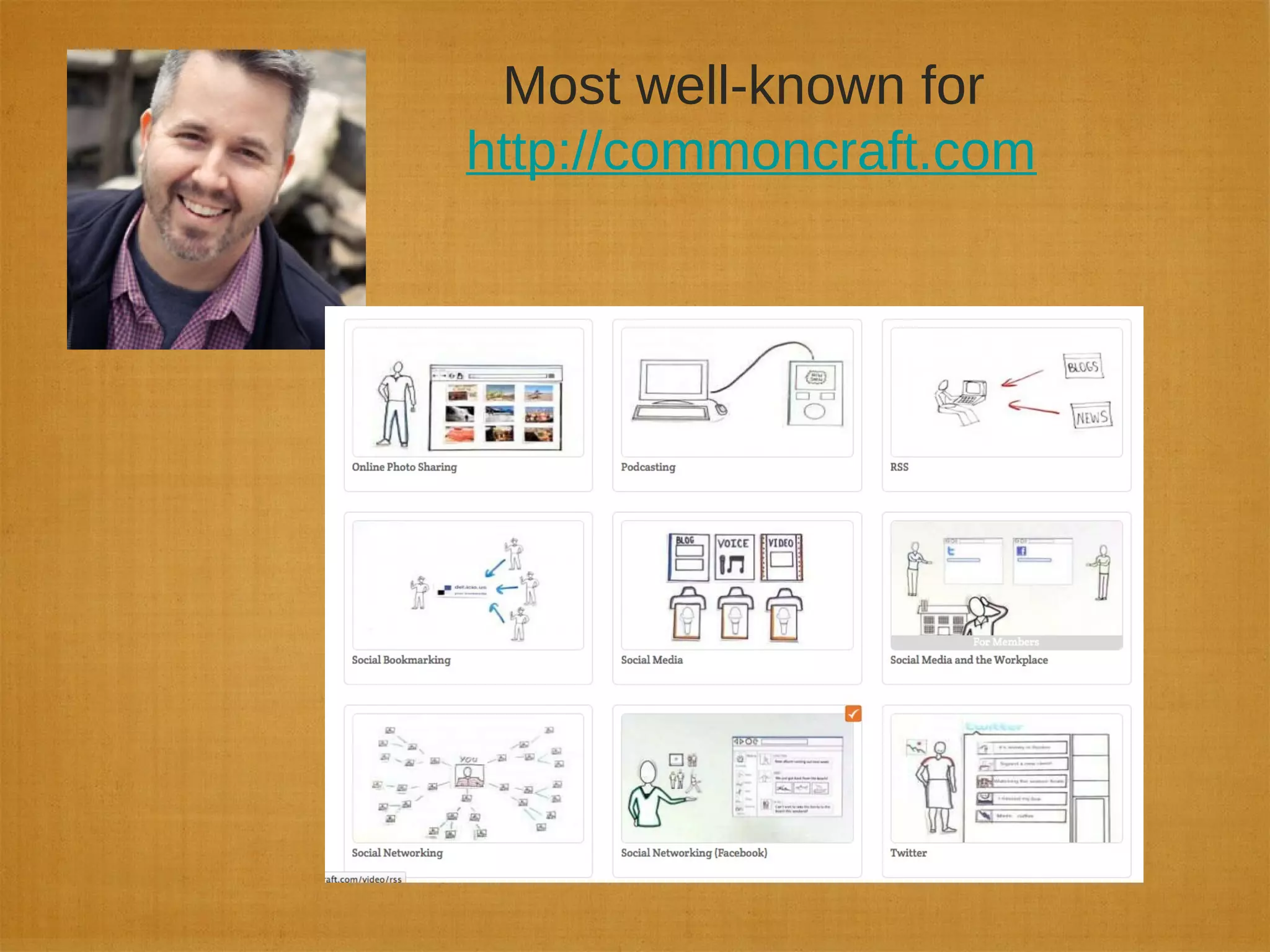
Most well-known for
http://commoncraft.com
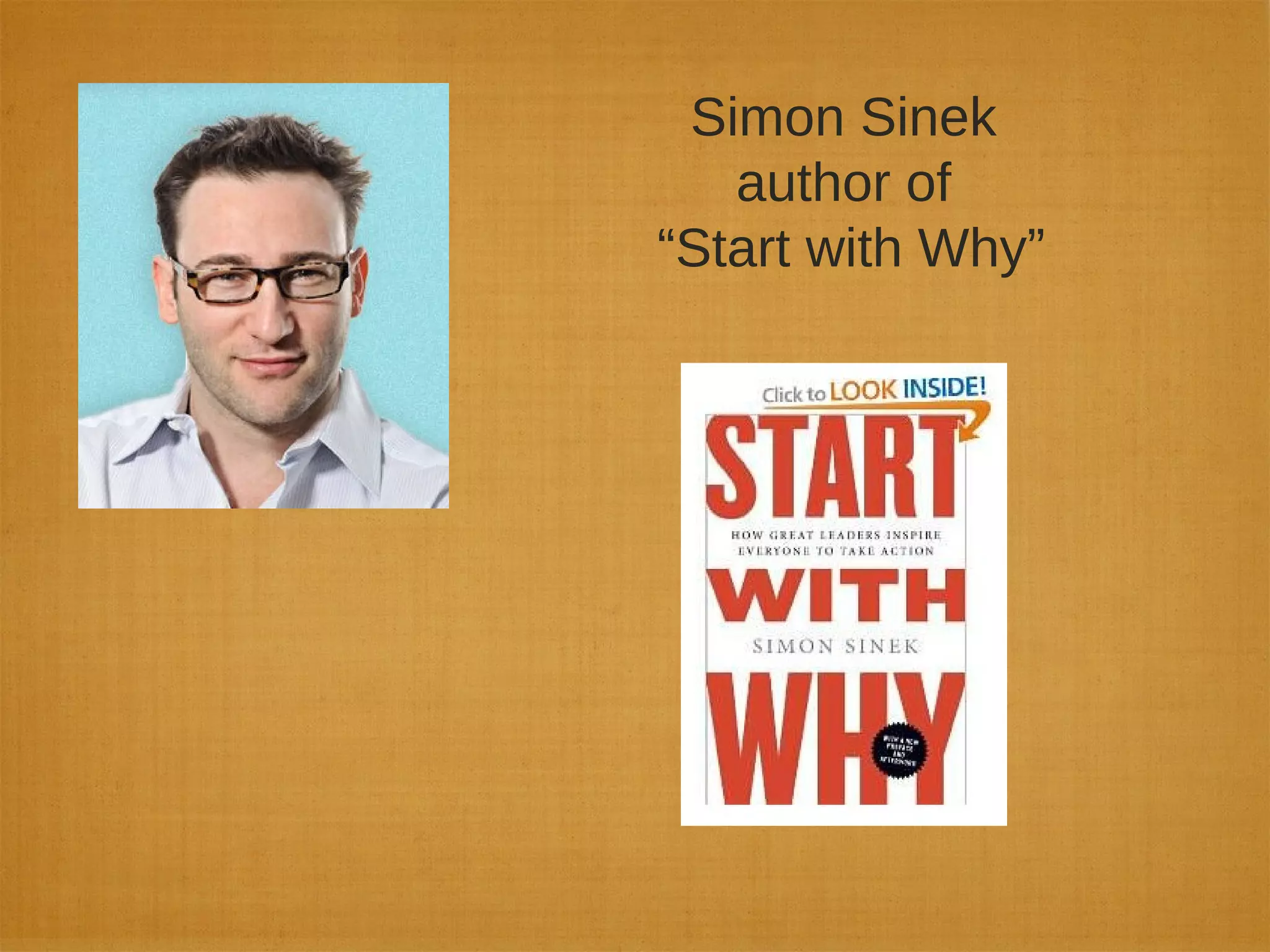
Simon Sinek
author of
“Start with Why”
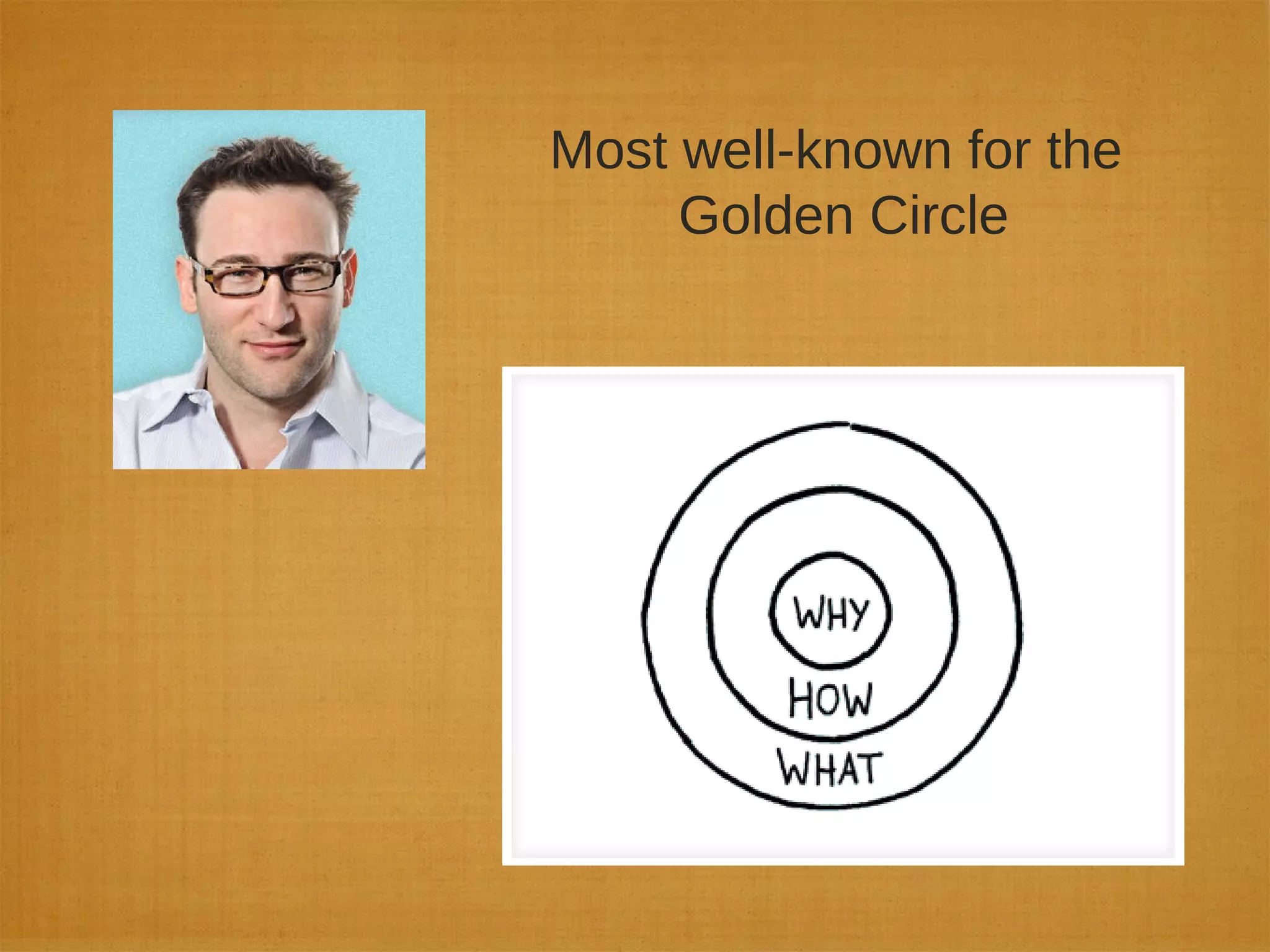
Most well-known for the
Golden Circle
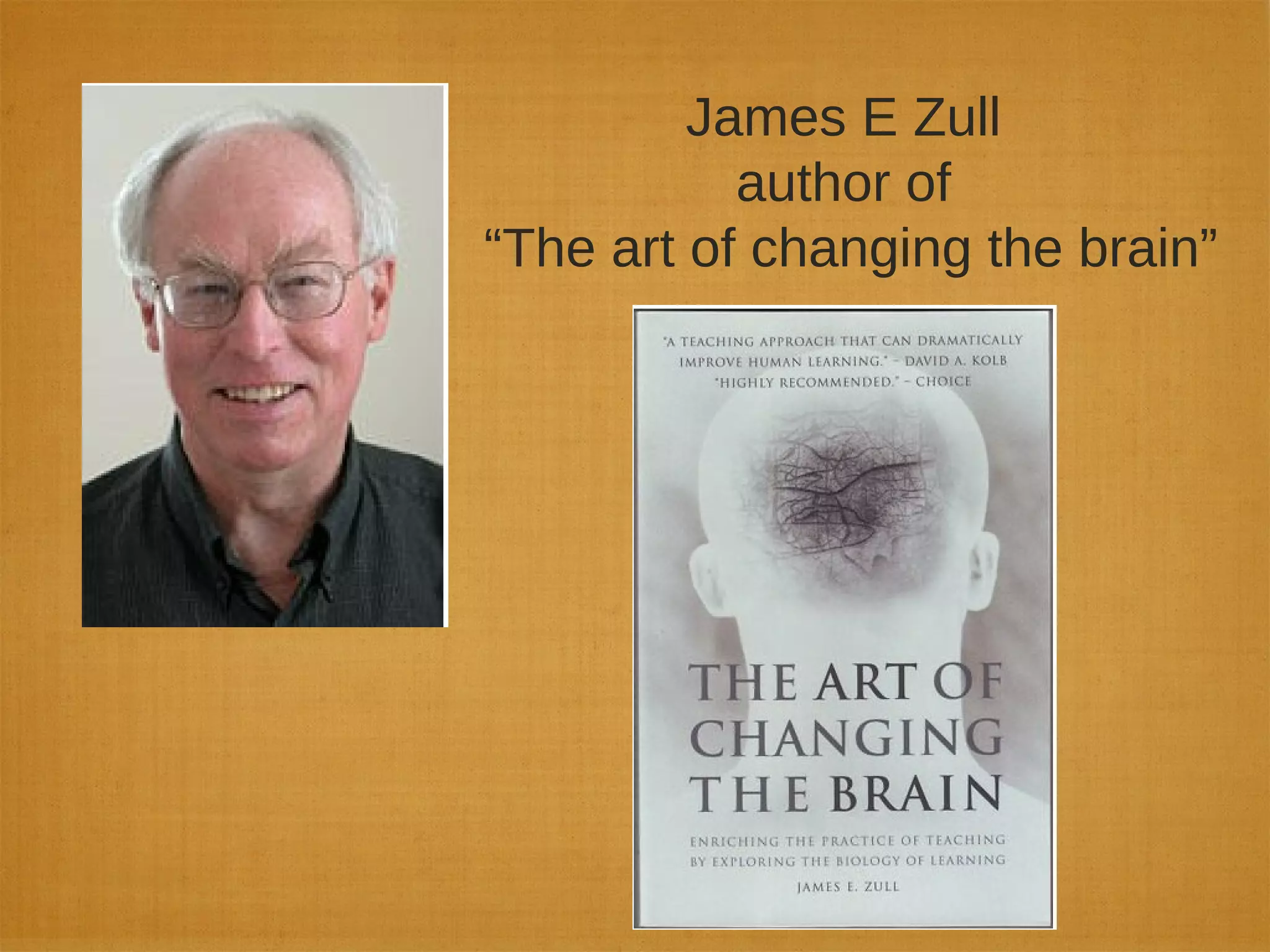
James E Zull
author of
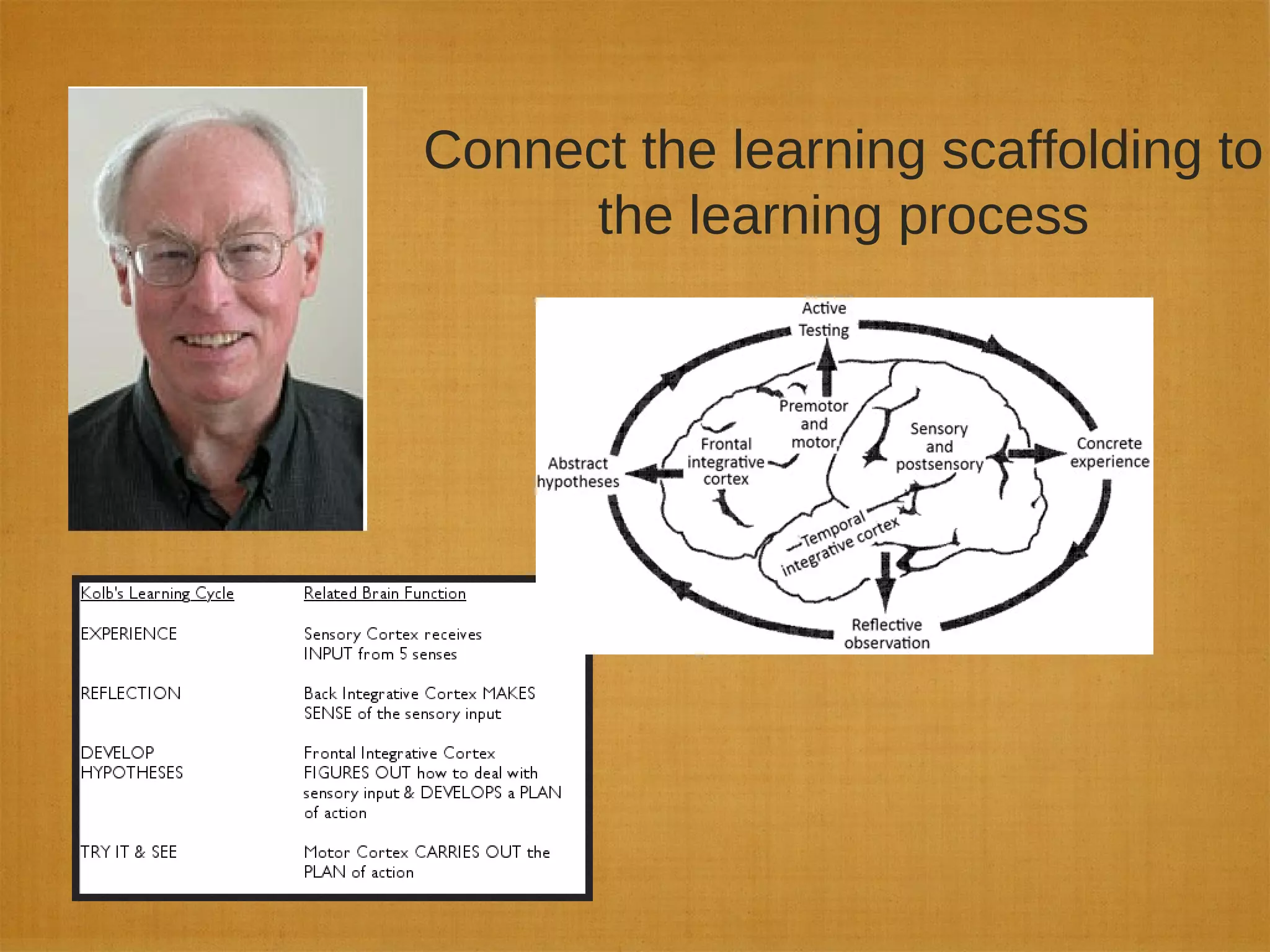
“The art of changing the brain”
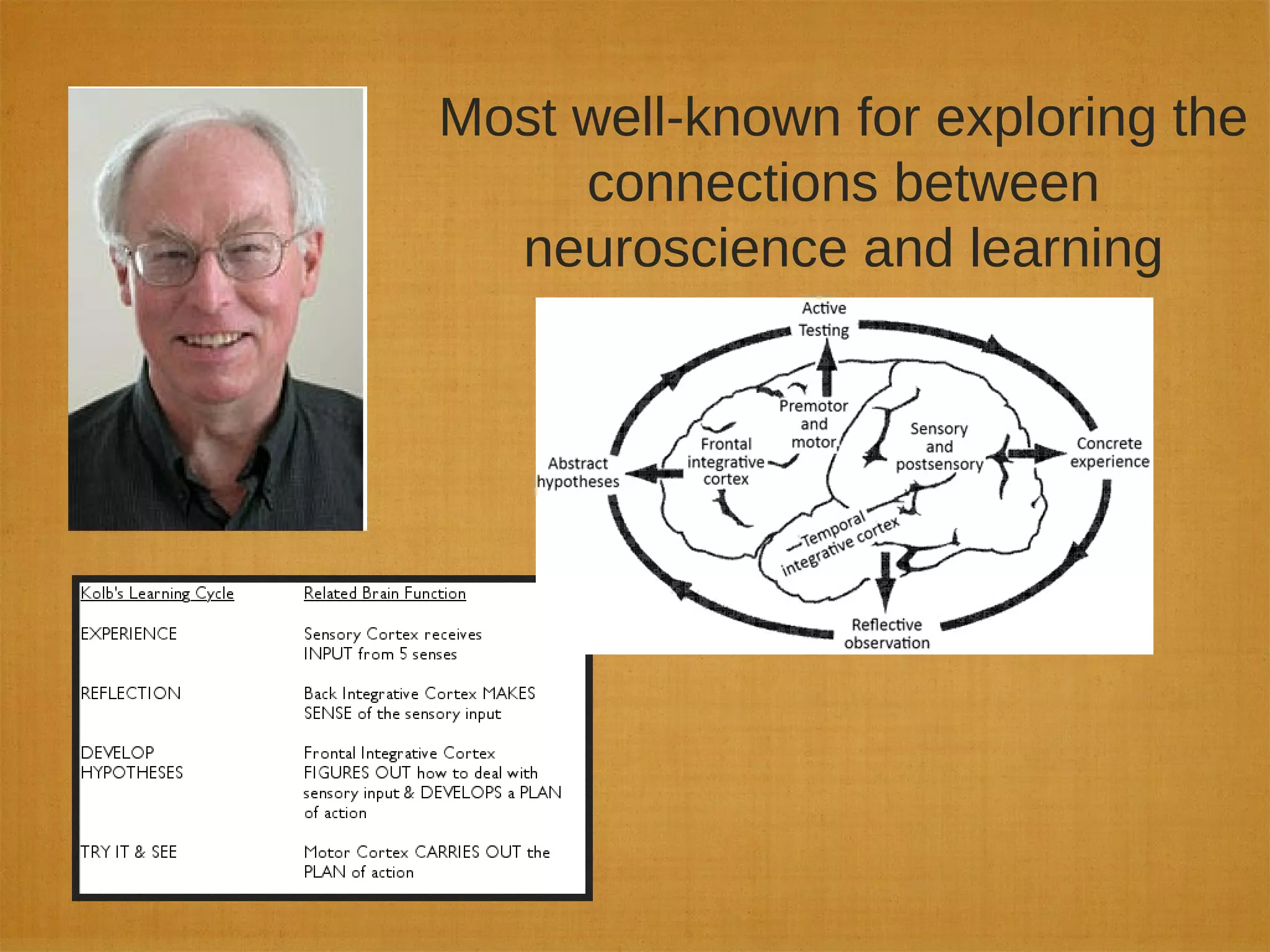
Most well-known for exploring the
connections between
neuroscience and learning
ANSWER:
All three understand the importance
of WHY to the LEARNER
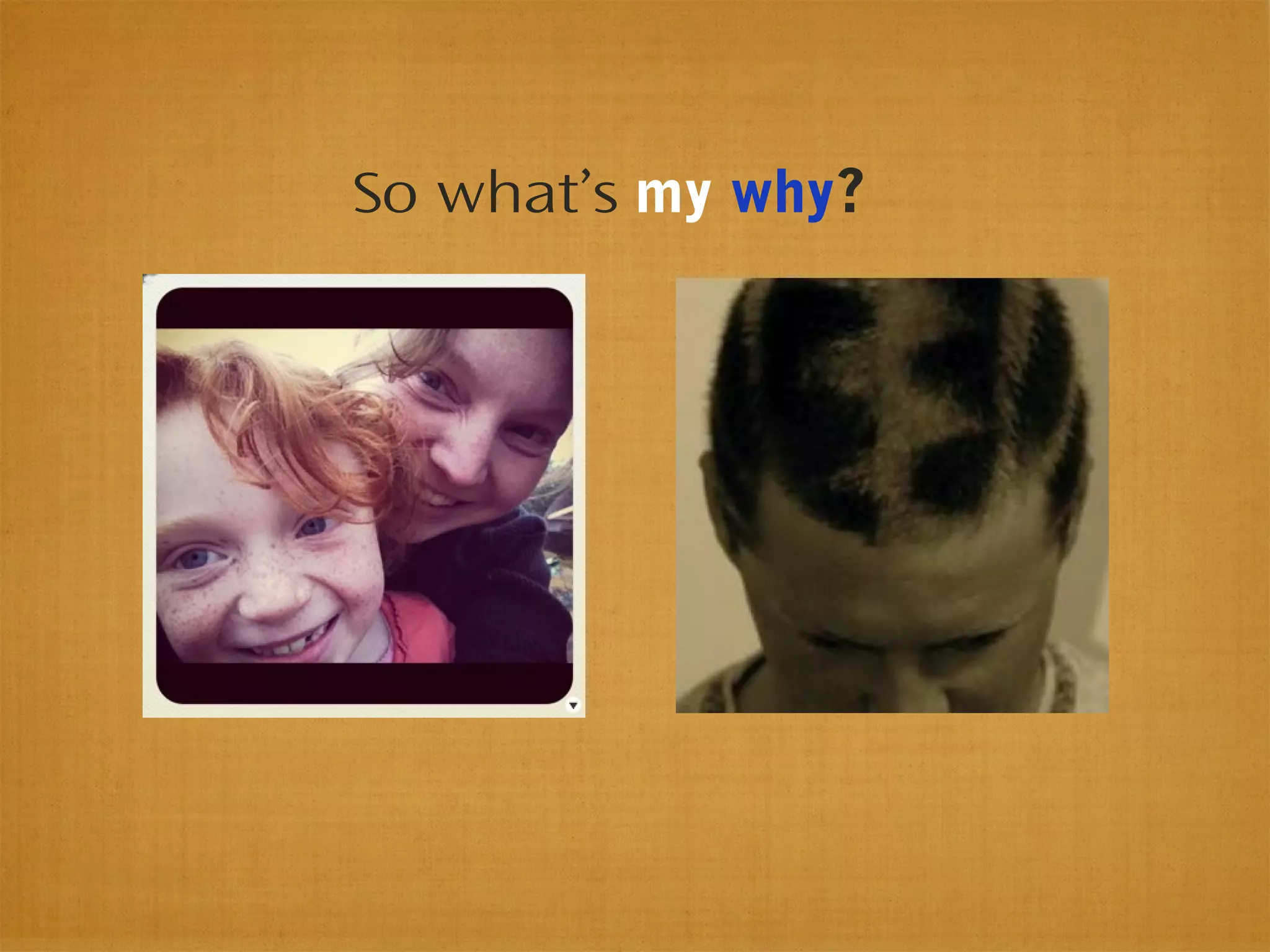
So what’s my why?
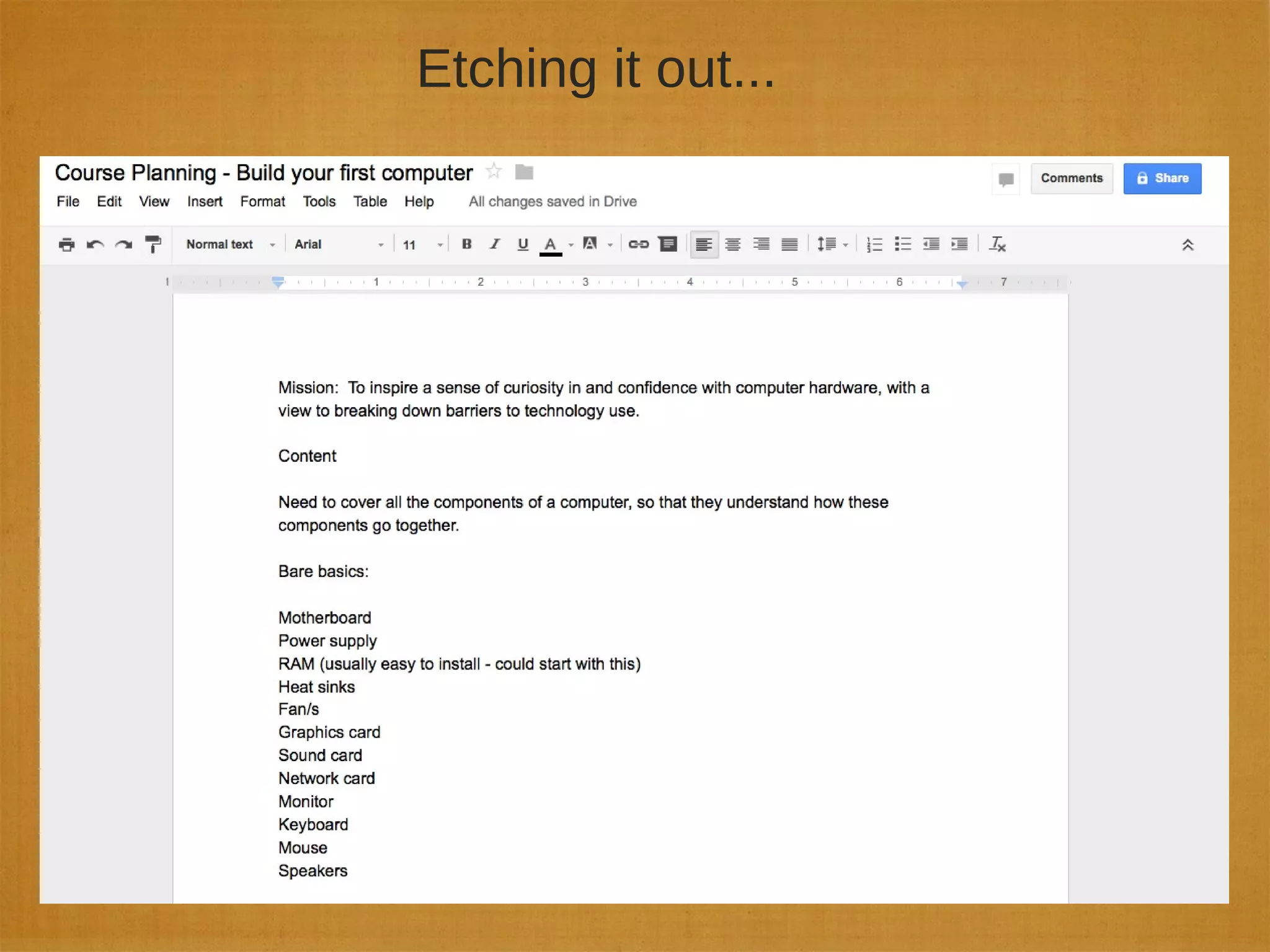
Etching it out...
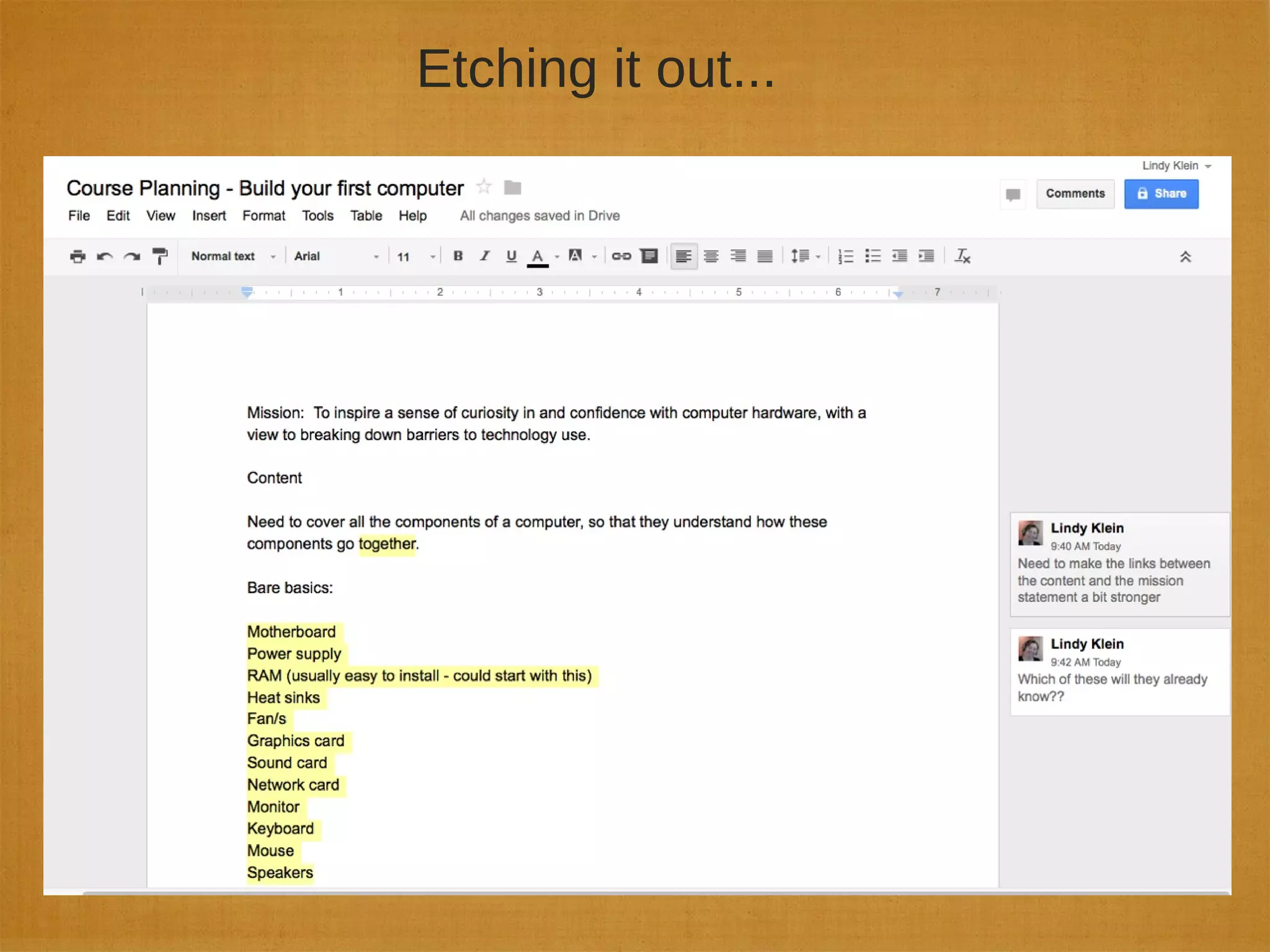
Etching it out...
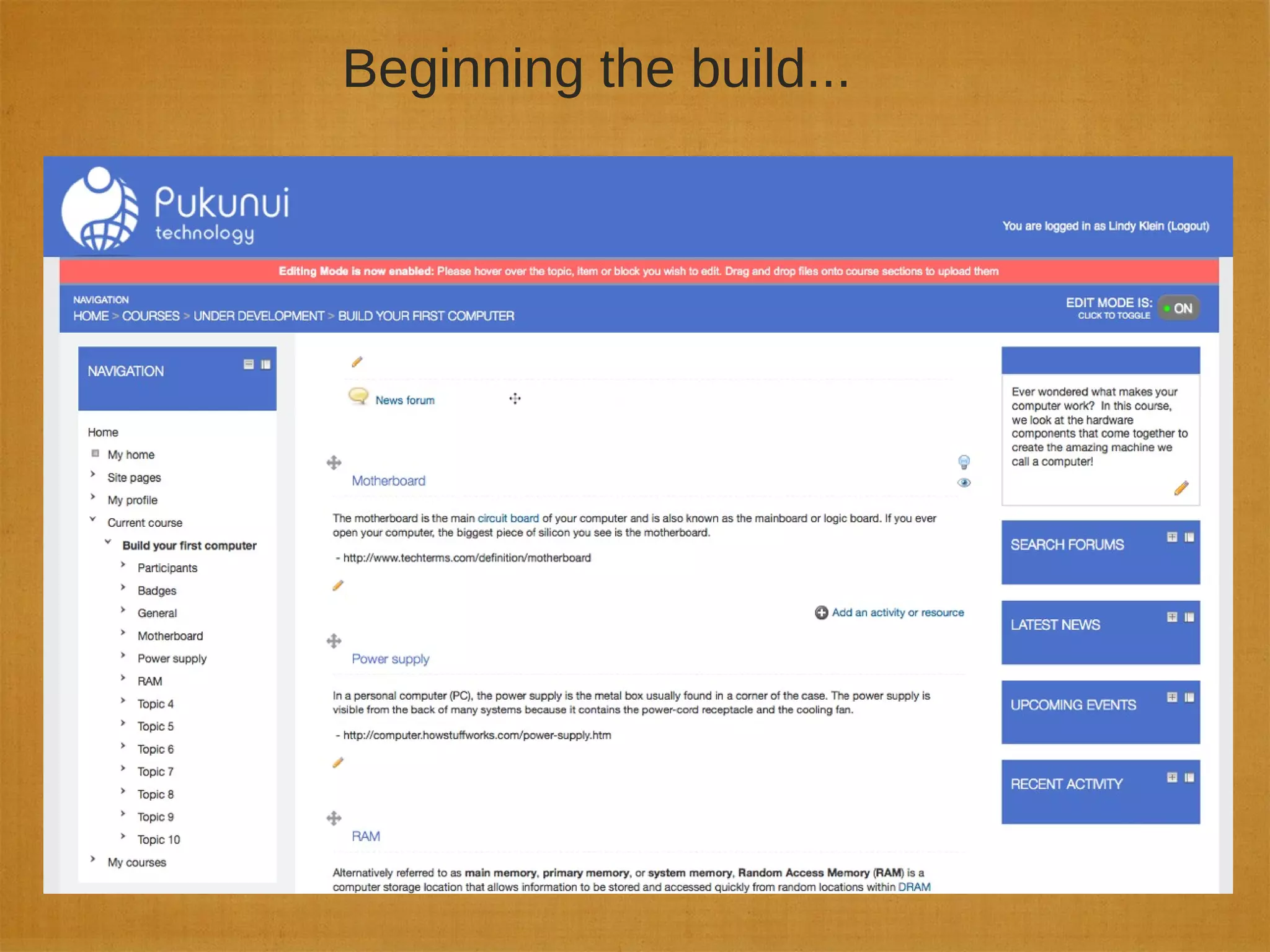
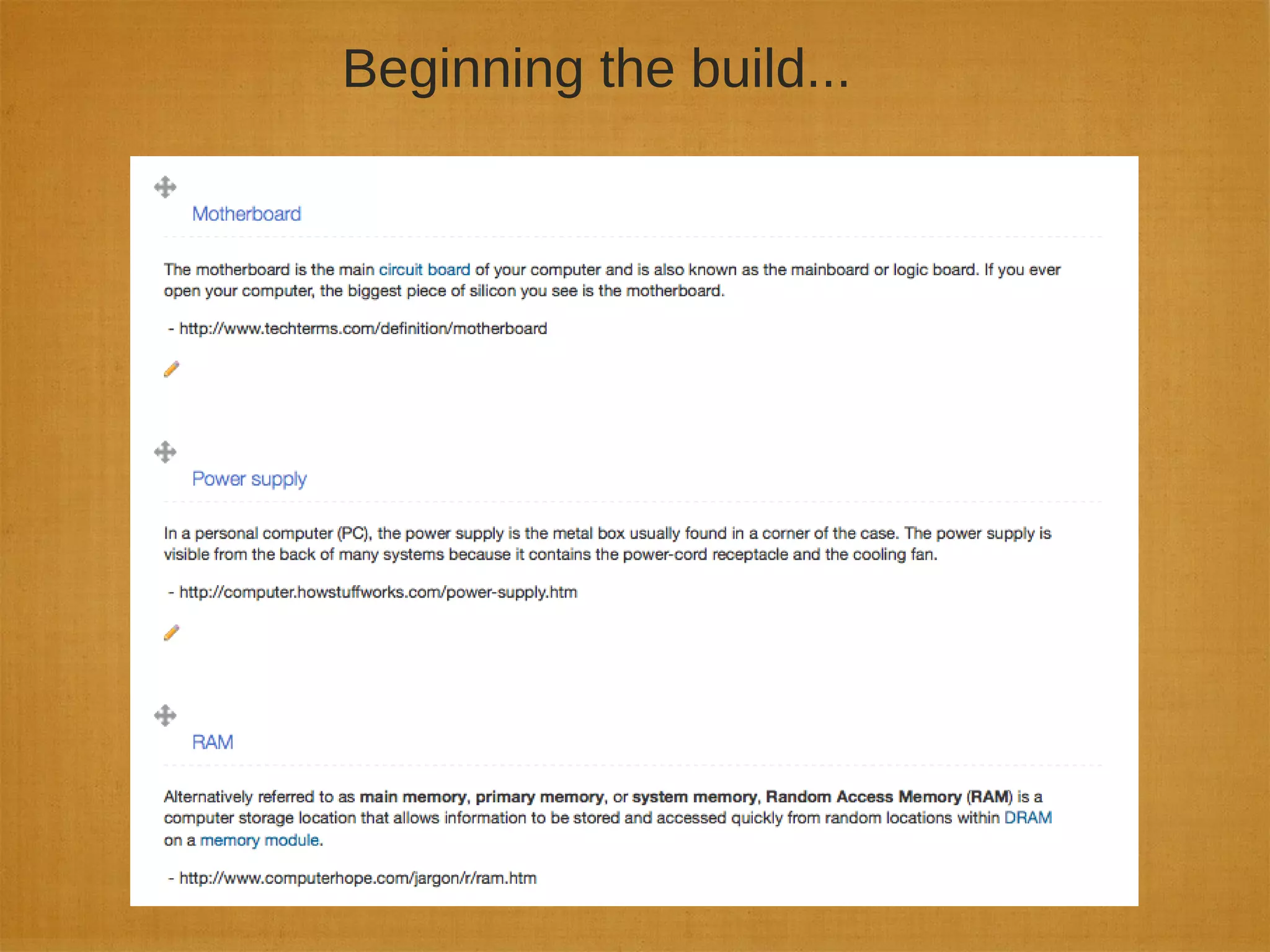
Beginning the build...
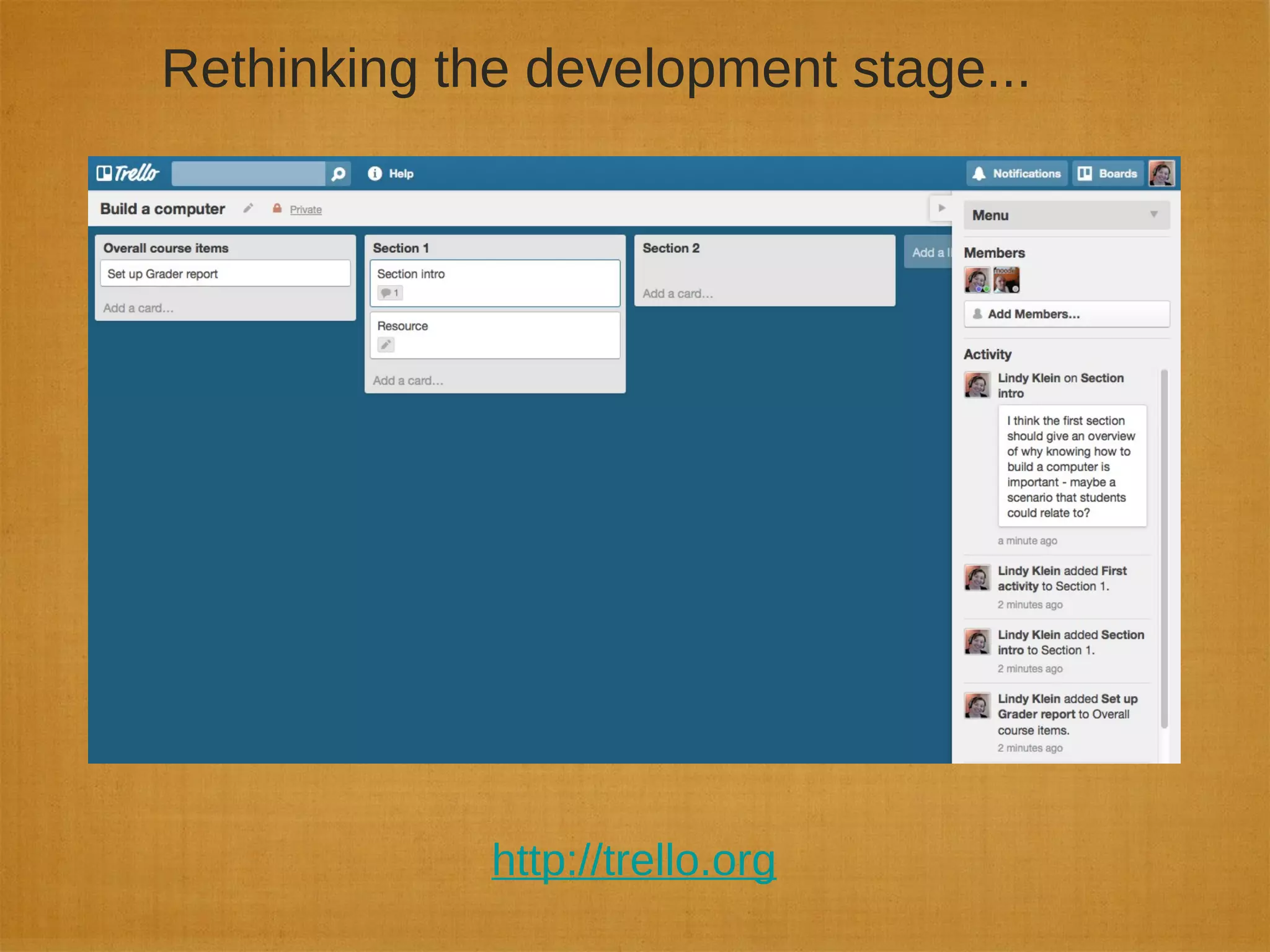
Rethinking the development stage...
http://trello.org
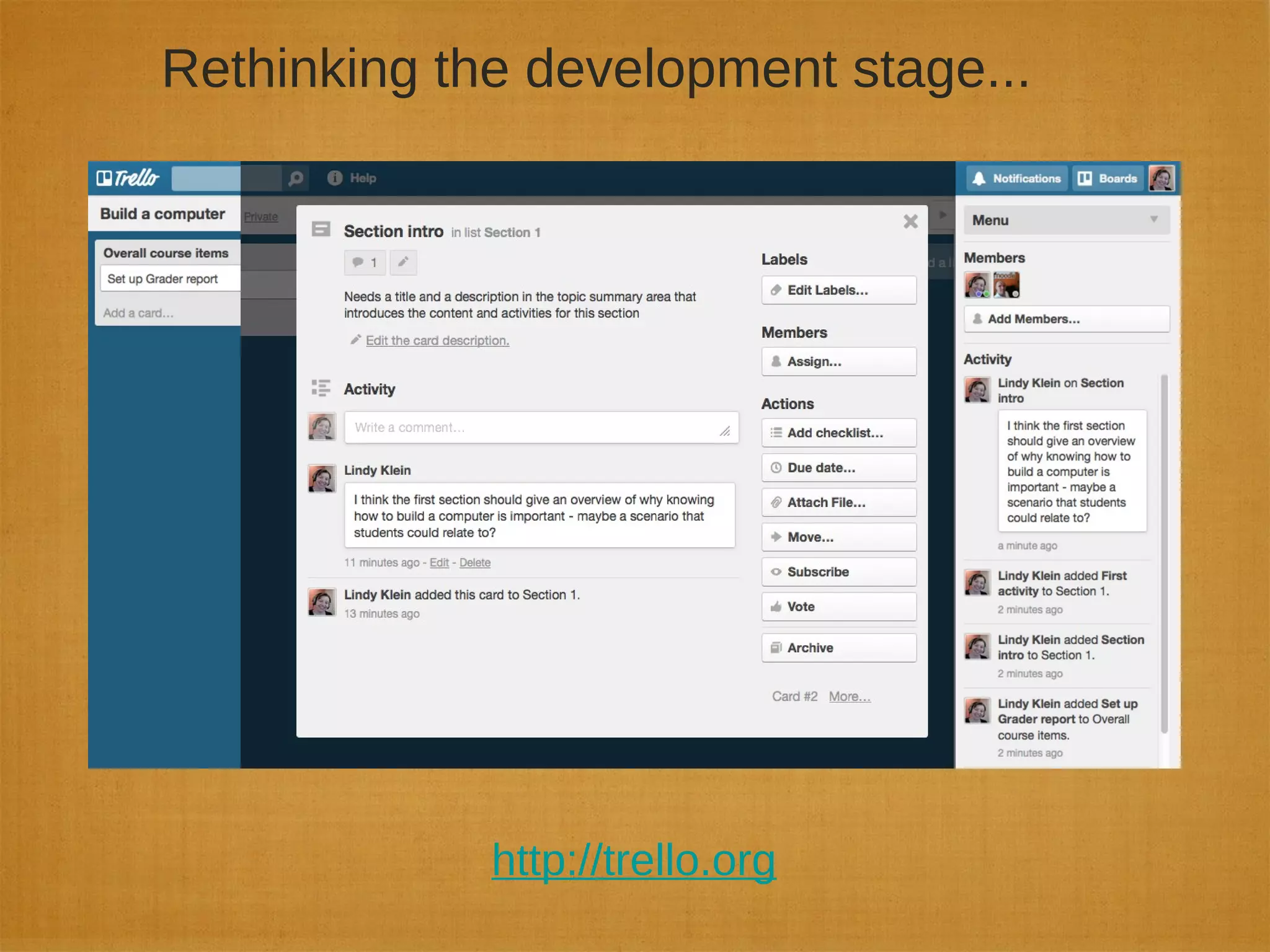
Rethinking the development stage...
http://trello.org
and then rethinking the course...
Why are our students doing this course?
Why are we building it?
And are those motivations compatible?
and then rethinking the course...
Why are our students doing this course?
We can make assumptions, but it helps to ask
our students - so that they are cognitively
processing it too!
and then rethinking the course...
Why are we building it?
Personal and organisational motivations
could include:
* raising institutional profile;
* sharing a passion for a subject;
* skill building within an organisation;
* and more...
All of which are valid!
BUT:
Are those motivations compatible?
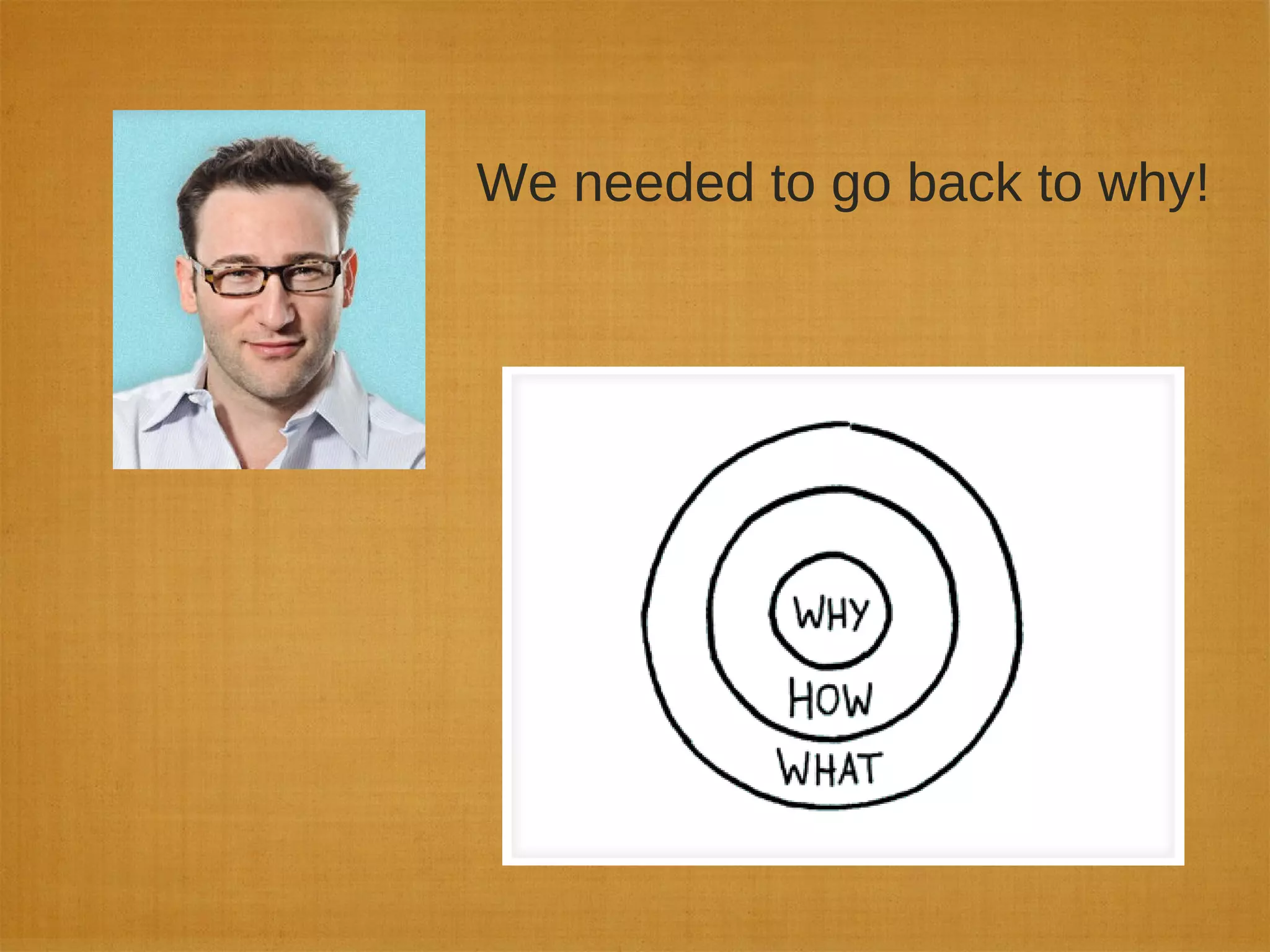
We needed to go back to why!
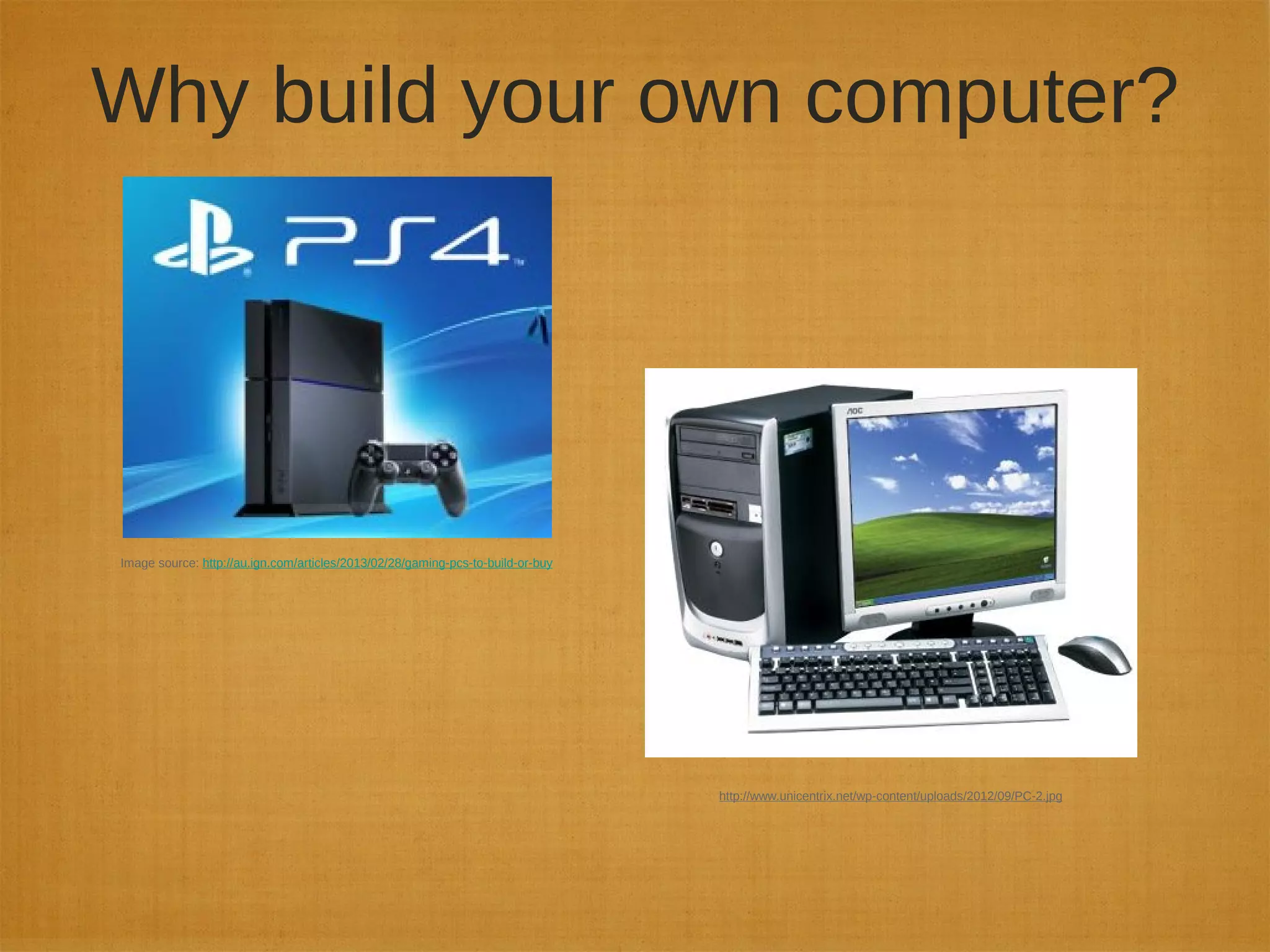
Why build your own computer?
Image source: http://au.ign.com/articles/2013/02/28/gaming-pcs-to-build-or-buy
http://www.unicentrix.net/wp-content/uploads/2012/09/PC-2.jpg
Connect the learning scaffolding to
the learning process
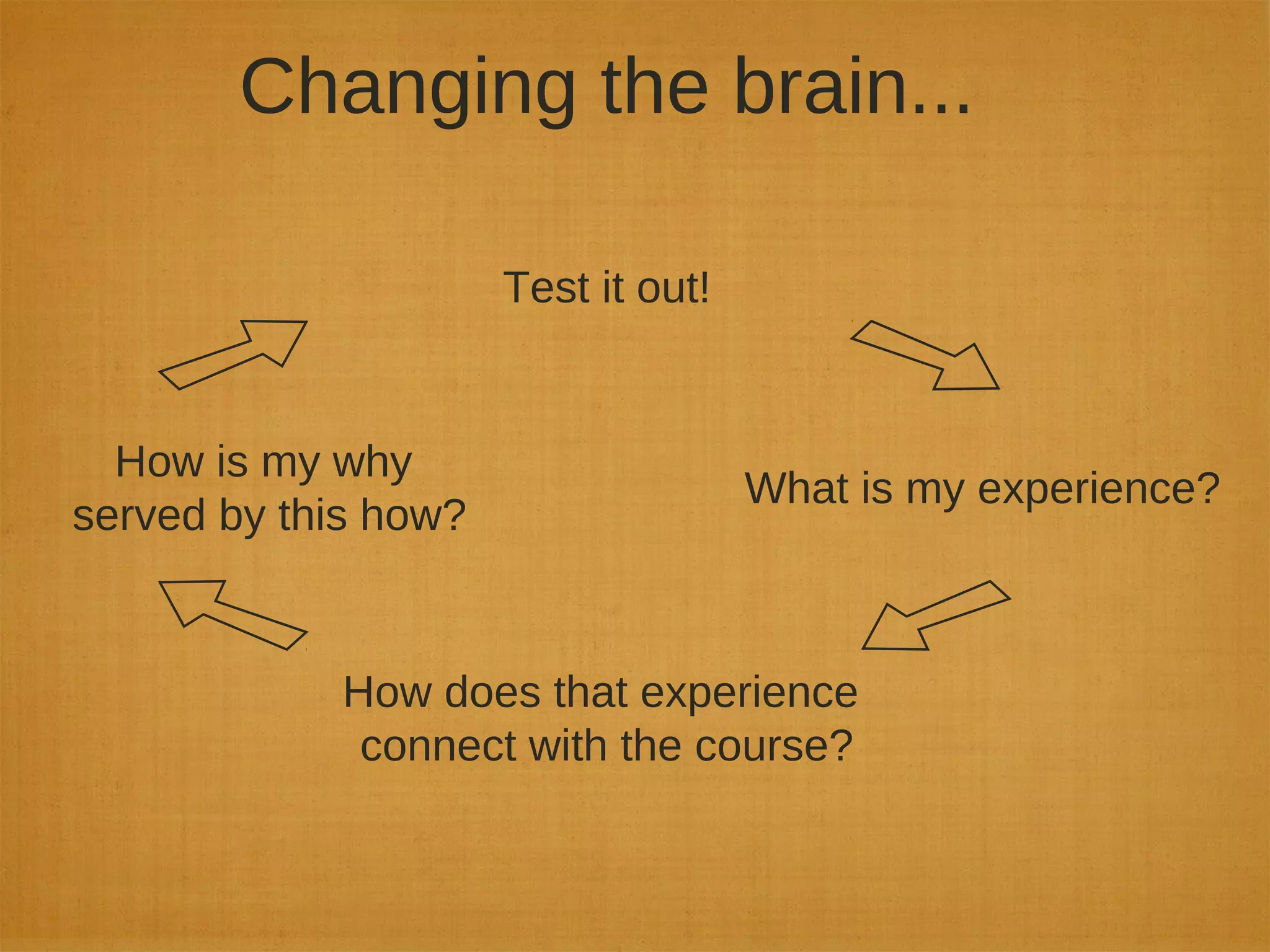
What is my experience?
How does that experience
connect with the course?
How is my why
served by this how?
Test it out!
Changing the brain...
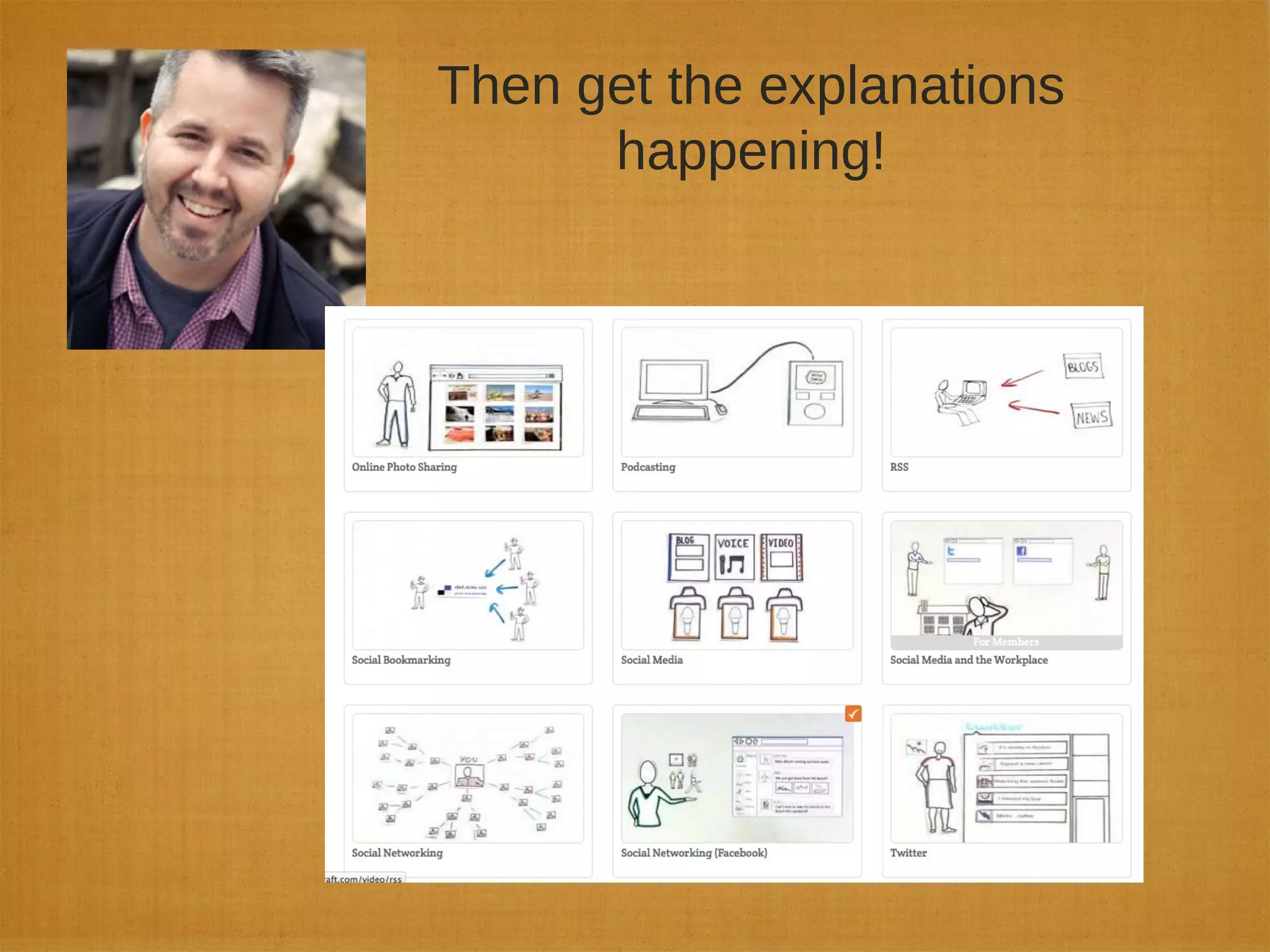
Then get the explanations
happening!
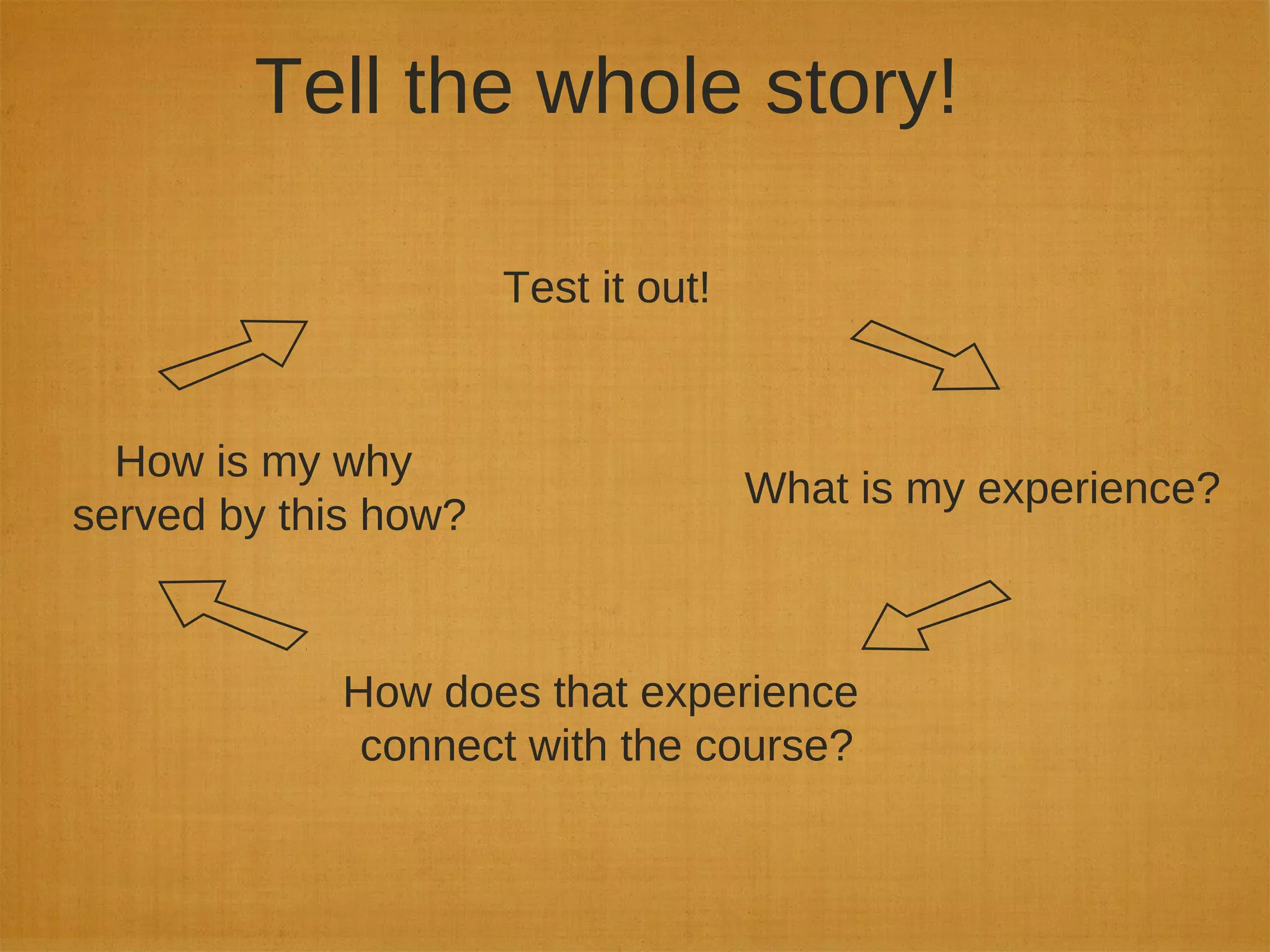
What is my experience?
How does that experience
connect with the course?
How is my why
served by this how?
Test it out!
Tell the whole story!
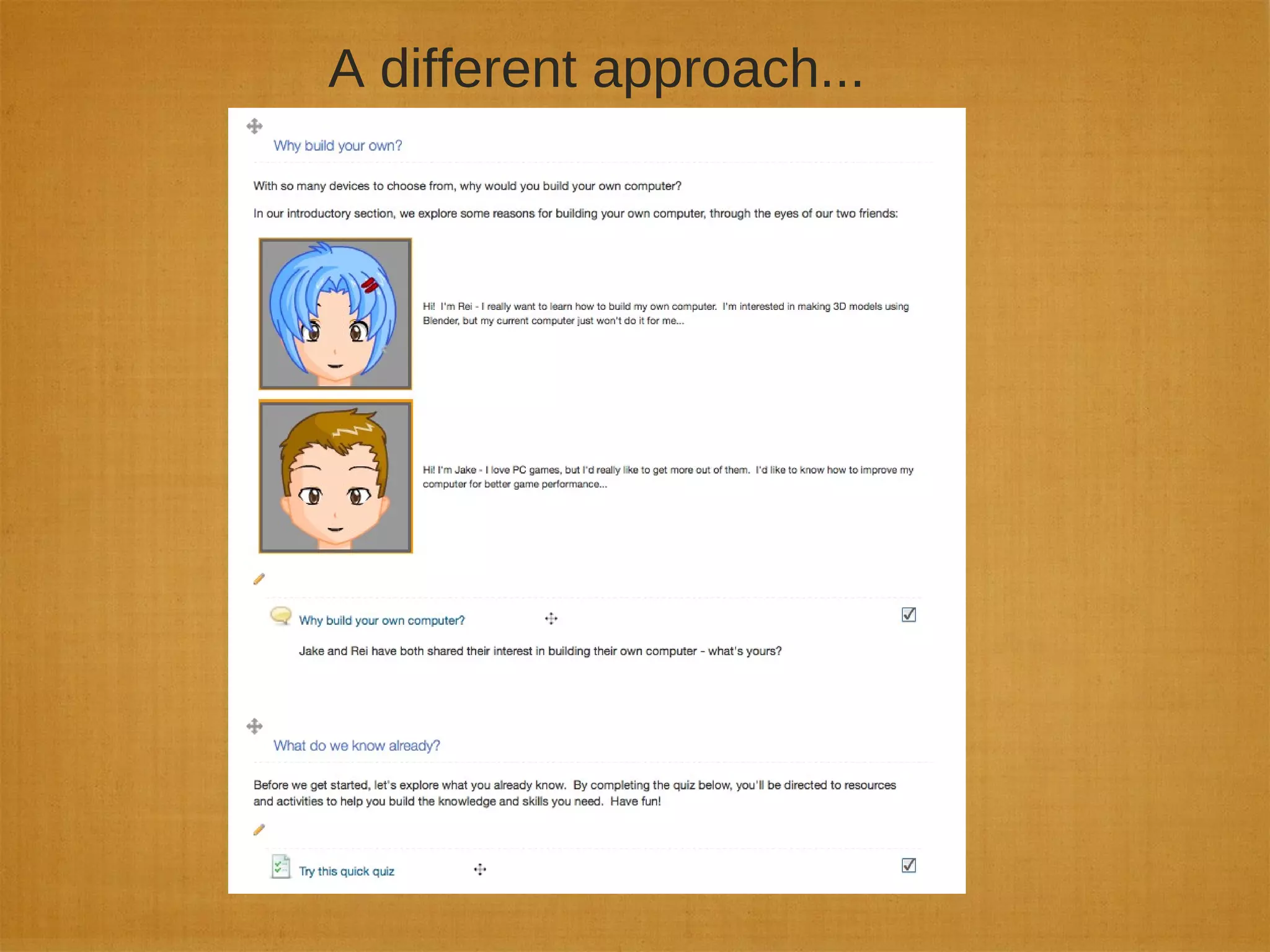
A different approach...
I’ve forgotten most of what I was
taught
BUT;
I’ve remembered everything I
learned
Further resources....
Simon Senek - Start with Why
Lee LeFever - The Art of Explanation
James E Zull - The Art of Changing the Brain
Daniel Pink - Drive
James Marcus Bach - Secrets of a Buccaneer
Scholar
Joseph Grenny et al - Influencer: The Power to
Change Anything
Questions?

Starting (and ending!) with Why

Editor's Notes

  • #3 Disclaimer: This presentation contains generalisations and sweeping statements.
  • #4 And a sleep-deprived presenter...
  • #5 Lee LeFever, author of the Art of Explanation
  • #13 So having spent so far reinforcing that why is important, it seems important that I share a personal why with you. I believe the world is a better place when folks can freely learn what they need to know to let their talent and passion shine. I believe we learn best when we are inspired and inspiring people share with us their why.
  • #14 Using google docs, quite text heavy, and hard to collaborate with
  • #15 Fine for one with few comments - but gets messy with more people, and more density... So we switch to the Moodle space itself to build and design...
  • #16 Fine for one with few comments - but gets messy with more people, and more density... So we switch to the Moodle space itself to build and design...
  • #17 And realise quite early that we’re on different pages! The first version became an exercise in information transfer, rather than knowledge transfer The course sections here are very component focussed - which was an important part of the course, but we’ve quickly jumped into how, and missed why! We needed a tool that could help us etch out the course, without a heavy development time investment before we were clear on what we wanted.
  • #18 So we trialled trello.org, a free tool, which allows for the creation of task lists, containing task items, with comments on them
  • #19 So we trialled trello.org, a free tool, which allows for the creation of task lists, containing task items, with comments on them
  • #20 Using trello allowed us to step back from the course space and talk through assumptions more thoroughly, to be able to do detailed task planning and high level overviewing
  • #23 We assumed that our students wanted to learn, and that our task as course builders was to find a way to help them learn!
  • #24 We needed to connect our student’s motivation to our teacher’s motivation
  • #25 Telling stories - long before we had gaming consoles, we played on our own computers - which often encouraged us to upgrade our hardware to get a better gaming experience! In telling this story, we uncover hidden stories on how we got to a point where the hardware is locked down, and what implications that has for future development
  • #26 Connecting our story to their story, and creating our story...
  • #28 Once we understand the why better - then we can build better explanations
  • #31 We assumed that our students wanted to learn, and that our task as course builders was to find a way to help them learn!