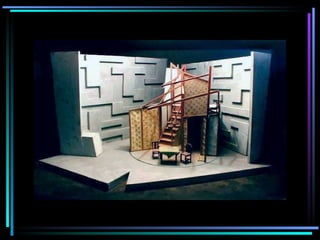
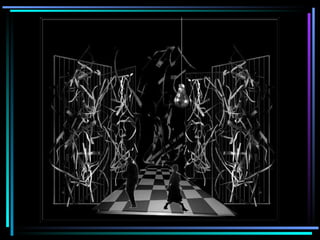
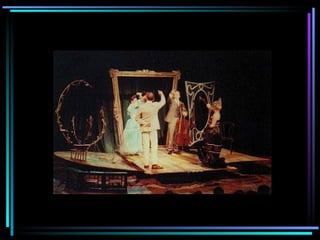
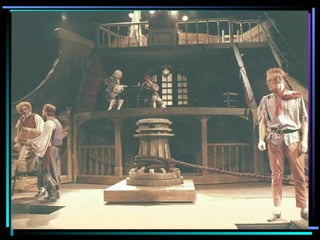
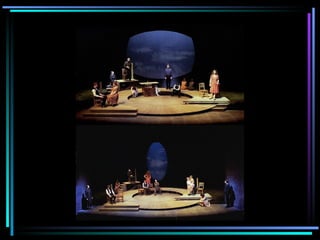
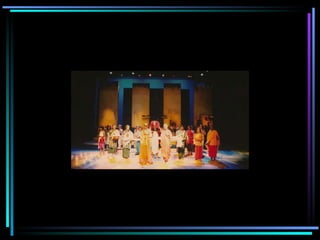
The Whole world is a stage William Shakespeare
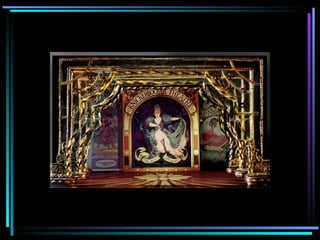
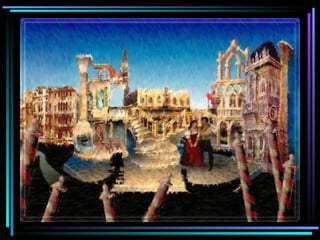
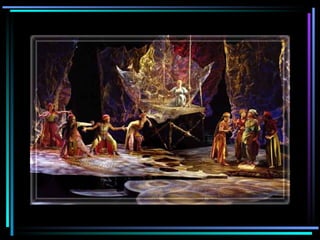
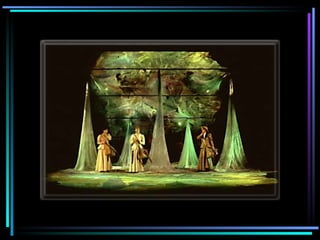
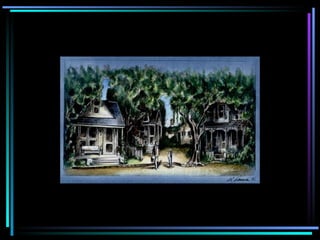
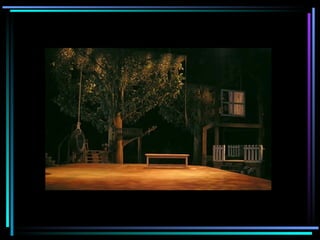
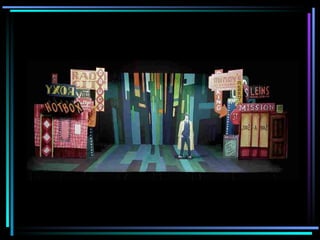
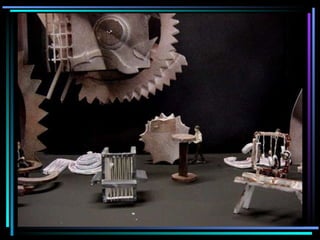
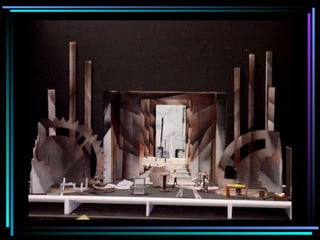
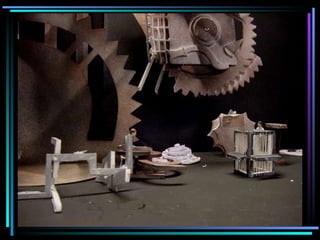
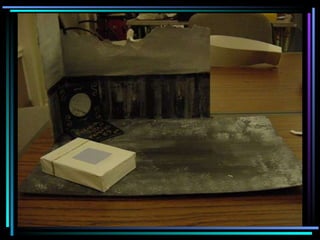
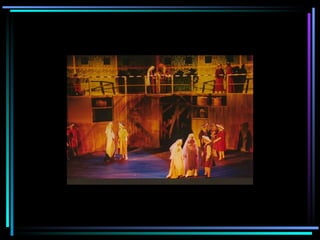
The Stage Designer In a professional theatre,  a set designer works very closely with  the director to interpret the play
 
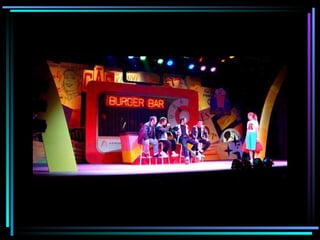
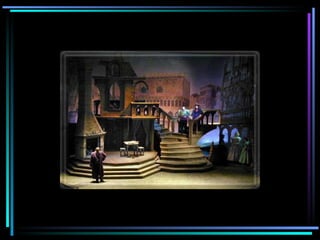
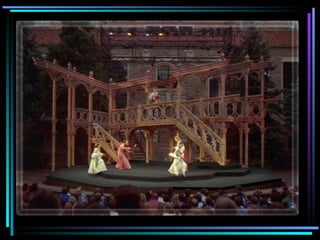
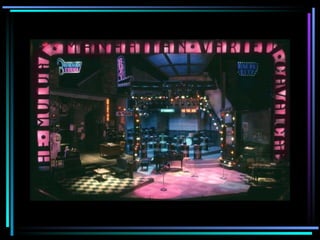
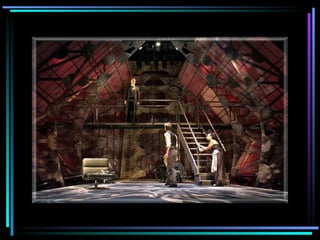
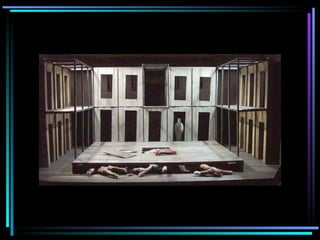
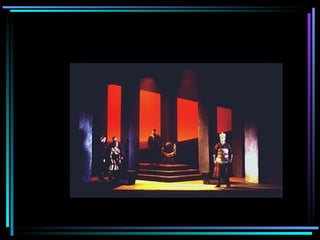
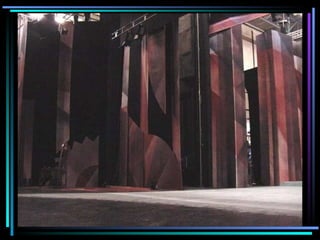
The set will influence the - The place Defining the place Restricting or creating opportunities for movement Restricting view Creating levels Symbolism of the piece
 
Types of sets Rostra and levels Box set Swivel sets Fixed sets
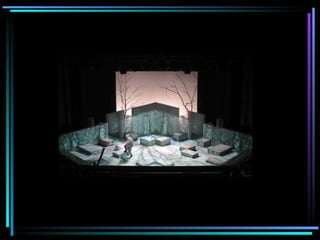
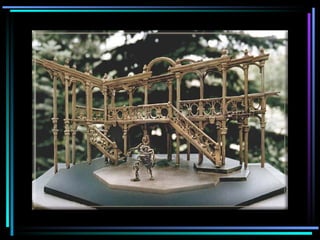
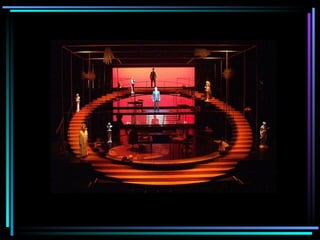
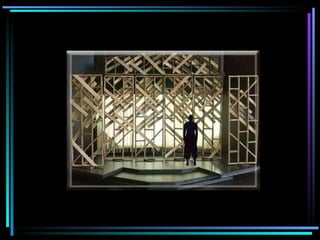
Rostra and Levels Using a minimalist set can create an interesting set Interlocking rostra
 
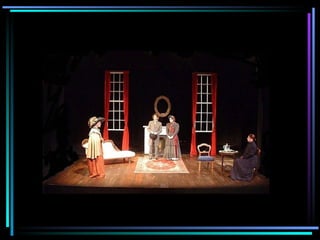
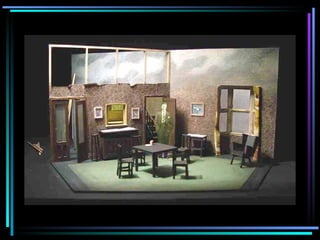
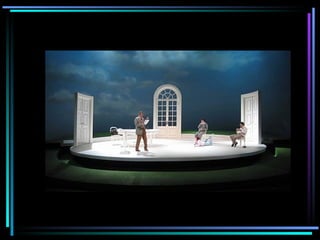
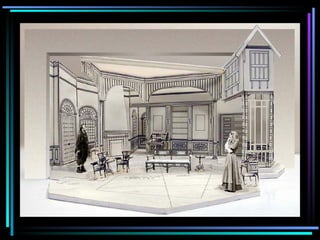
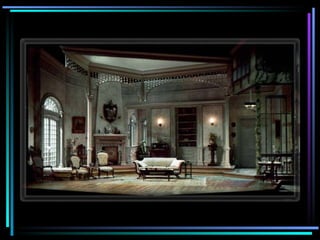
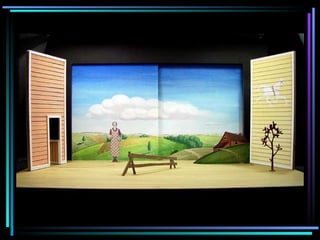
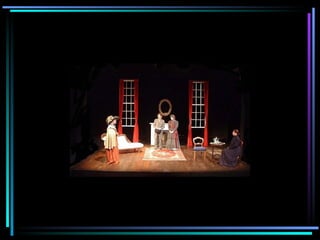
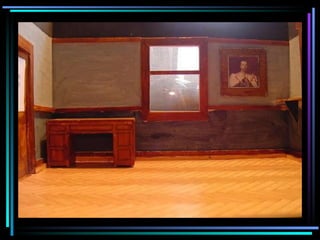
Box set This set is like a part of a room. The sides and back are generally constructed with flats. These are wooden frames with canvas stretched across them. The canvas can be painted
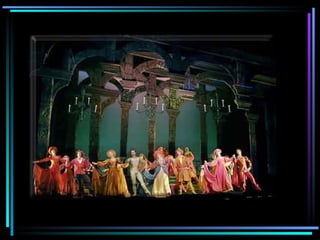
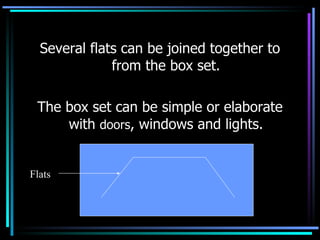
Several flats can be joined together to from the box set. The box set can be simple or elaborate with  doors , windows and lights. Flats
 
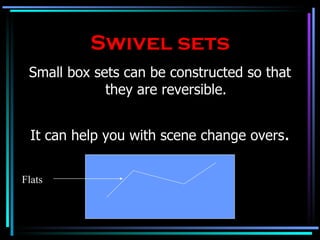
Swivel sets Small box sets can be constructed so that they are reversible. It can help you with scene change overs . Flats
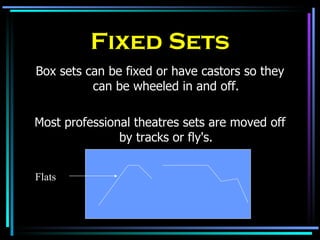
Fixed Sets Box sets can be fixed or have castors so they can be wheeled in and off. Most professional theatres sets are moved off by tracks or fly's. Flats
 
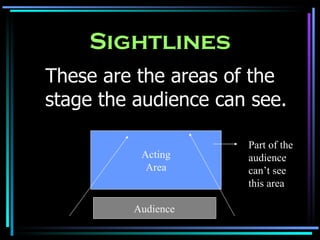
Sightlines These are the areas of the stage the audience can see. Acting Area Audience Part of the audience can’t see this area
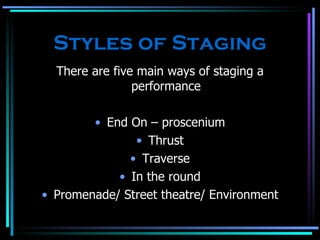
Styles of Staging There are five main ways of staging a performance End On – proscenium Thrust Traverse In the round Promenade/ Street theatre/ Environment
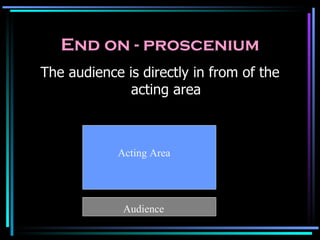
End on - proscenium The audience is directly in from of the acting area Audience Acting Area
 
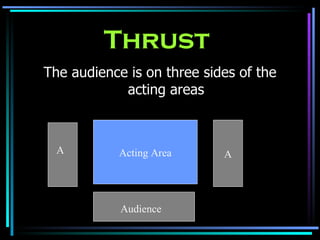
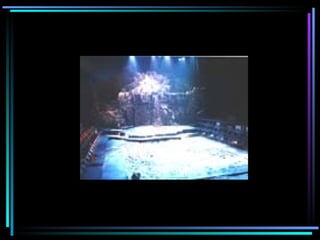
Thrust  The audience is on three sides of the acting areas Acting Area A Audience A
 
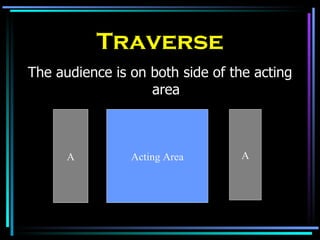
Traverse The audience is on both side of the acting area Acting Area A A
 
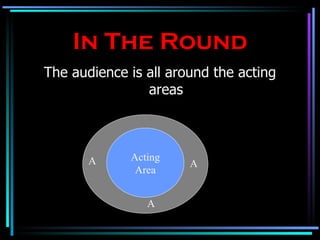
In The Round The audience is all around the acting areas A Acting Area A A A
 
Promenade/  Street theatre/ Environment Promenade  -  the audience follows the actors from area to area Street Theatre  -  The actors perform to the audience some where in the street.  Different scenes can move into the space. Environment  – The performance is based around a place or building
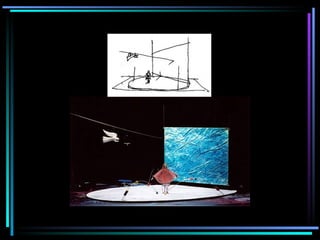
Designing a set When you design a set you need to consider: The period The place Opportunities for movement Creating levels Symbolism of the piece
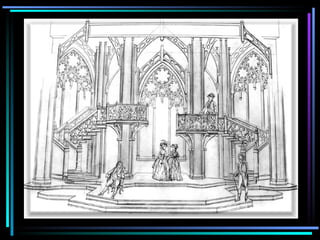
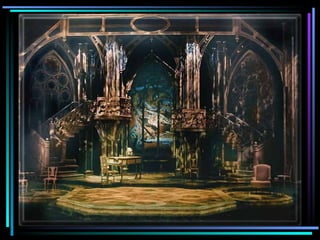
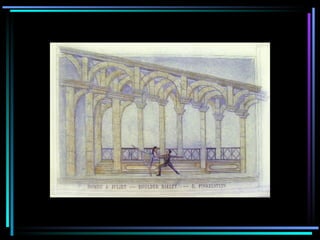
The design Brief It should include : A page of research of ideas Samples of material with annotation A rough design Final design with annotation Bibliography


You   are   only limited by   your imagination

Stage pp

  • 1.
    The Whole worldis a stage William Shakespeare
  • 2.
    The Stage DesignerIn a professional theatre, a set designer works very closely with the director to interpret the play
  • 3.
  • 4.
    The set willinfluence the - The place Defining the place Restricting or creating opportunities for movement Restricting view Creating levels Symbolism of the piece
  • 5.
  • 6.
    Types of setsRostra and levels Box set Swivel sets Fixed sets
  • 7.
    Rostra and LevelsUsing a minimalist set can create an interesting set Interlocking rostra
  • 8.
  • 9.
    Box set Thisset is like a part of a room. The sides and back are generally constructed with flats. These are wooden frames with canvas stretched across them. The canvas can be painted
  • 10.
    Several flats canbe joined together to from the box set. The box set can be simple or elaborate with doors , windows and lights. Flats
  • 11.
  • 12.
    Swivel sets Smallbox sets can be constructed so that they are reversible. It can help you with scene change overs . Flats
  • 13.
    Fixed Sets Boxsets can be fixed or have castors so they can be wheeled in and off. Most professional theatres sets are moved off by tracks or fly's. Flats
  • 14.
  • 15.
    Sightlines These arethe areas of the stage the audience can see. Acting Area Audience Part of the audience can’t see this area
  • 16.
    Styles of StagingThere are five main ways of staging a performance End On – proscenium Thrust Traverse In the round Promenade/ Street theatre/ Environment
  • 17.
    End on -proscenium The audience is directly in from of the acting area Audience Acting Area
  • 18.
  • 19.
    Thrust Theaudience is on three sides of the acting areas Acting Area A Audience A
  • 20.
  • 21.
    Traverse The audienceis on both side of the acting area Acting Area A A
  • 22.
  • 23.
    In The RoundThe audience is all around the acting areas A Acting Area A A A
  • 24.
  • 25.
    Promenade/ Streettheatre/ Environment Promenade - the audience follows the actors from area to area Street Theatre - The actors perform to the audience some where in the street. Different scenes can move into the space. Environment – The performance is based around a place or building
  • 26.
    Designing a setWhen you design a set you need to consider: The period The place Opportunities for movement Creating levels Symbolism of the piece
  • 27.
    The design BriefIt should include : A page of research of ideas Samples of material with annotation A rough design Final design with annotation Bibliography
  • 28.
  • 29.
  • 30.
  • 31.
  • 32.
  • 33.
  • 34.
  • 35.
  • 36.
  • 37.
  • 38.
  • 39.
  • 40.
  • 41.
  • 42.
  • 43.
  • 44.
  • 45.
  • 46.
  • 47.
  • 48.
  • 49.
  • 50.
  • 51.
  • 52.
  • 53.
  • 54.
  • 55.
  • 56.
  • 57.
  • 58.
  • 59.
  • 60.
  • 61.
  • 62.
  • 63.
  • 64.
  • 65.
  • 66.
    You are only limited by your imagination