




Leonardo Neto, PhD
www.leonardoneto.com.br
SlideShare
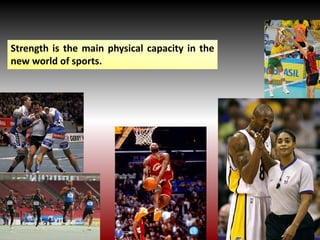
Strength is the main physical capacity in the
new world of sports.
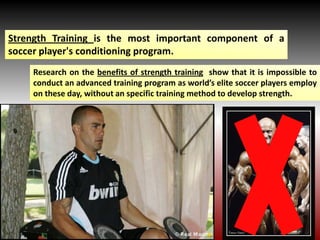
Strength Training is the most important component of a
soccer player's conditioning program.
Research on the benefits of strength training show that it is impossible to
conduct an advanced training program as world’s elite soccer players employ
on these day, without an specific training method to develop strength.
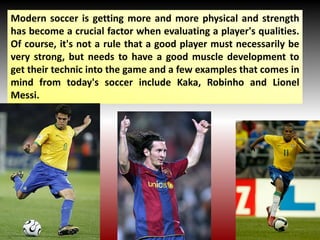
Modern soccer is getting more and more physical and strength
has become a crucial factor when evaluating a player's qualities.
Of course, it's not a rule that a good player must necessarily be
very strong, but needs to have a good muscle development to
get their technic into the game and a few examples that comes in
mind from today's soccer include Kaka, Robinho and Lionel
Messi.
Sometimes soccer strength is so well shadowed by a player's
other qualities that we don't really picture them as spending
too much time in the gym. But if you look at players such as
Ronaldinho, Zinedine Zidane or Cristiano Ronaldo, you'll
notice they all have a solid constitution and make heavy use
of their bodies when dribbling or protecting the ball.
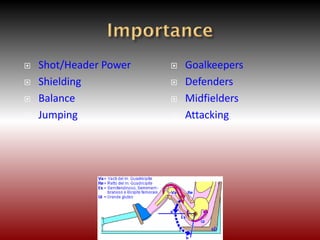
 Shot/Header Power
 Shielding
 Balance
 Jumping
 Goalkeepers
 Defenders
 Midfielders
 Attacking
16% 14%
20% 10%
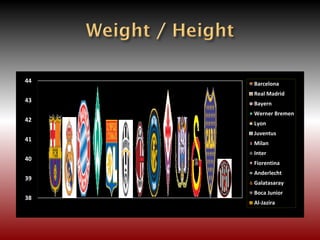
38
39
40
41
42
43
44 Barcelona
Real Madrid
Bayern
Werner Bremen
Lyon
Juventus
Milan
Inter
Fiorentina
Anderlecht
Galatasaray
Boca Junior
Al-Jazira
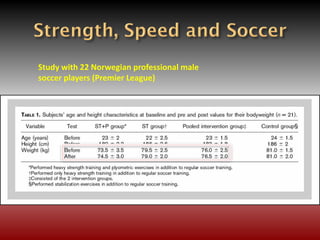
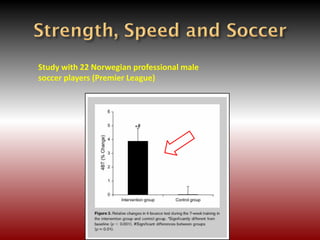
Study with 22 Norwegian professional male
soccer players (Premier League)
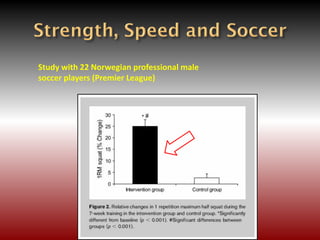
Study with 22 Norwegian professional male
soccer players (Premier League)
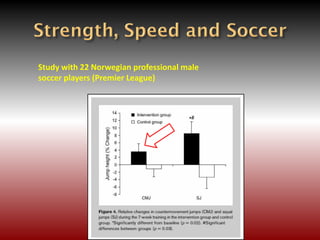
Study with 22 Norwegian professional male
soccer players (Premier League)
Study with 22 Norwegian professional male
soccer players (Premier League)
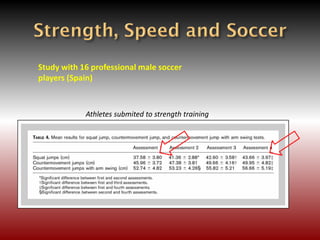
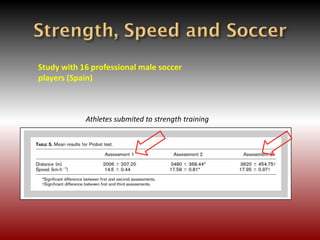
Study with 16 professional male soccer
players (Spain)
Athletes submited to strength training
Study with 16 professional male soccer
players (Spain)
Athletes submited to strength training
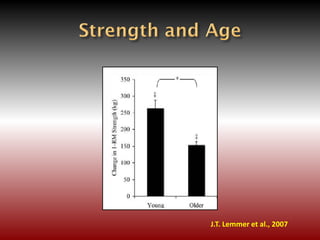
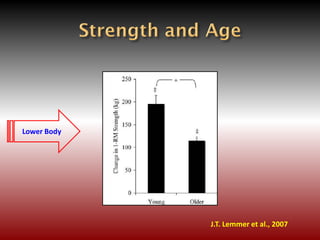
J.T. Lemmer et al., 2007
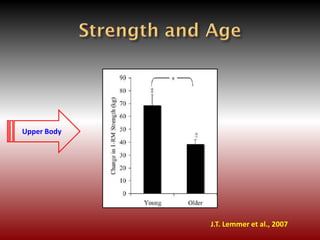
Upper Body
J.T. Lemmer et al., 2007
Lower Body
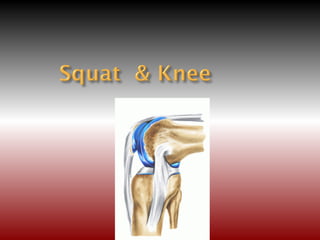
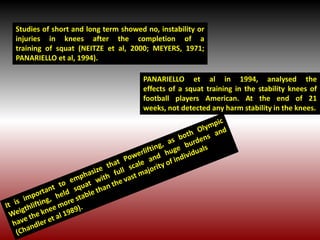
Studies of short and long term showed no, instability or
injuries in knees after the completion of a
training of squat (NEITZE et al, 2000; MEYERS, 1971;
PANARIELLO et al, 1994).
PANARIELLO et al in 1994, analysed the
effects of a squat training in the stability knees of
football players American. At the end of 21
weeks, not detected any harm stability in the knees.
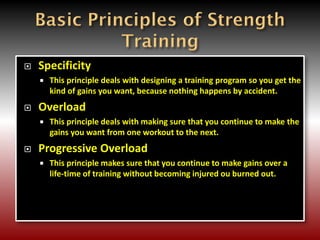
 Specificity
 This principle deals with designing a training program so you get the
kind of gains you want, because nothing happens by accident.
 Overload
 This principle deals with making sure that you continue to make the
gains you want from one workout to the next.
 Progressive Overload
 This principle makes sure that you continue to make gains over a
life-time of training without becoming injured ou burned out.
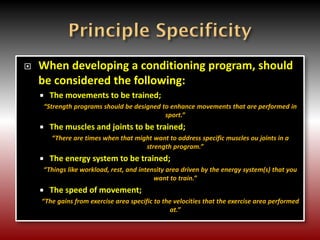
 When developing a conditioning program, should
be considered the following:
 The movements to be trained;
“Strength programs should be designed to enhance movements that are performed in
sport.”
 The muscles and joints to be trained;
“There are times when that might want to address specific muscles ou joints in a
strength program.”
 The energy system to be trained;
“Things like workload, rest, and intensity area driven by the energy system(s) that you
want to train.”
 The speed of movement;
“The gains from exercise area specific to the velocities that the exercise area performed
at.”
 The overload principles states that in order to
keep making gains from exercise program, you
must find some way to make it more difficult.
 This is because bodies adapt to exercise.
 The problem is that once your body adapts to a
given workload, it will not continue to adapt
unless the workload is increase.
 If you do not continue to adapt, then eventually
you will plateau and regress.
 The are a number of ways to apply the load principle
to a strength program:
 Increase the weight lifted;
“Heavier weights will force your muscles, connective tisse, bone and nervous system to adapt”
 Increase the volume of work;
“Increase number of sets, number of repetitions, or some combination thereof will result in
your body having to adapt to it.”
 Change the exercises employed;
“There are a number of benefits, that include keeping the workouts interesting and requiring
your body and nervous system to adapt to resistance imposed in a totally different way”
 Modify the order of the exercises
“By changing when exercises are performed, you make some exercises more difficult to perfom
and others easier”
 Alter the rest periods.
“The benefit of this approach to training is that it allows you to increase your strength on
exercise”
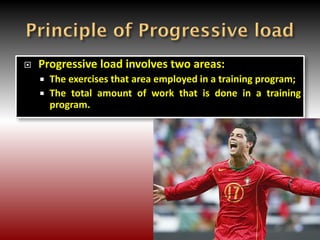
 Progressive load involves two areas:
 The exercises that area employed in a training program;
 The total amount of work that is done in a training
program.
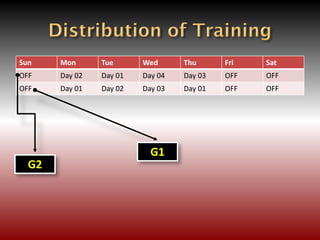
Sun Mon Tue Wed Thu Fri Sat
OFF Day 02 Day 01 Day 04 Day 03 OFF OFF
OFF Day 01 Day 02 Day 03 Day 01 OFF OFF
G2
G1
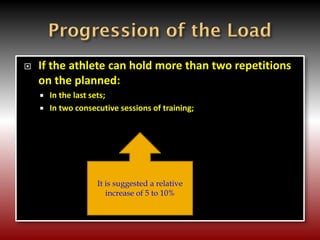
 If the athlete can hold more than two repetitions
on the planned:
 In the last sets;
 In two consecutive sessions of training;
It is suggested a relative
increase of 5 to 10%
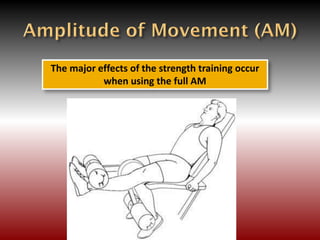
The major effects of the strength training occur
when using the full AM
Leonardo Neto
Blog: www.leonardoneto.com.br
Facebook: www.facebook.com/leonardonetopro72
Twitter: www.twitter.com/leoneto72sport

Slide weight-training-soccer

  • 1.
  • 2.
    Strength is themain physical capacity in the new world of sports.
  • 3.
    Strength Training isthe most important component of a soccer player's conditioning program. Research on the benefits of strength training show that it is impossible to conduct an advanced training program as world’s elite soccer players employ on these day, without an specific training method to develop strength.
  • 4.
    Modern soccer isgetting more and more physical and strength has become a crucial factor when evaluating a player's qualities. Of course, it's not a rule that a good player must necessarily be very strong, but needs to have a good muscle development to get their technic into the game and a few examples that comes in mind from today's soccer include Kaka, Robinho and Lionel Messi.
  • 5.
    Sometimes soccer strengthis so well shadowed by a player's other qualities that we don't really picture them as spending too much time in the gym. But if you look at players such as Ronaldinho, Zinedine Zidane or Cristiano Ronaldo, you'll notice they all have a solid constitution and make heavy use of their bodies when dribbling or protecting the ball.
  • 6.
     Shot/Header Power Shielding  Balance  Jumping  Goalkeepers  Defenders  Midfielders  Attacking
  • 8.
  • 10.
    38 39 40 41 42 43 44 Barcelona Real Madrid Bayern WernerBremen Lyon Juventus Milan Inter Fiorentina Anderlecht Galatasaray Boca Junior Al-Jazira
  • 15.
    Study with 22Norwegian professional male soccer players (Premier League)
  • 16.
    Study with 22Norwegian professional male soccer players (Premier League)
  • 17.
    Study with 22Norwegian professional male soccer players (Premier League)
  • 18.
    Study with 22Norwegian professional male soccer players (Premier League)
  • 19.
    Study with 16professional male soccer players (Spain) Athletes submited to strength training
  • 20.
    Study with 16professional male soccer players (Spain) Athletes submited to strength training
  • 22.
    J.T. Lemmer etal., 2007
  • 23.
    J.T. Lemmer etal., 2007 Upper Body
  • 24.
    J.T. Lemmer etal., 2007 Lower Body
  • 26.
    Studies of shortand long term showed no, instability or injuries in knees after the completion of a training of squat (NEITZE et al, 2000; MEYERS, 1971; PANARIELLO et al, 1994). PANARIELLO et al in 1994, analysed the effects of a squat training in the stability knees of football players American. At the end of 21 weeks, not detected any harm stability in the knees.
  • 28.
     Specificity  Thisprinciple deals with designing a training program so you get the kind of gains you want, because nothing happens by accident.  Overload  This principle deals with making sure that you continue to make the gains you want from one workout to the next.  Progressive Overload  This principle makes sure that you continue to make gains over a life-time of training without becoming injured ou burned out.
  • 29.
     When developinga conditioning program, should be considered the following:  The movements to be trained; “Strength programs should be designed to enhance movements that are performed in sport.”  The muscles and joints to be trained; “There are times when that might want to address specific muscles ou joints in a strength program.”  The energy system to be trained; “Things like workload, rest, and intensity area driven by the energy system(s) that you want to train.”  The speed of movement; “The gains from exercise area specific to the velocities that the exercise area performed at.”
  • 30.
     The overloadprinciples states that in order to keep making gains from exercise program, you must find some way to make it more difficult.  This is because bodies adapt to exercise.  The problem is that once your body adapts to a given workload, it will not continue to adapt unless the workload is increase.  If you do not continue to adapt, then eventually you will plateau and regress.
  • 31.
     The area number of ways to apply the load principle to a strength program:  Increase the weight lifted; “Heavier weights will force your muscles, connective tisse, bone and nervous system to adapt”  Increase the volume of work; “Increase number of sets, number of repetitions, or some combination thereof will result in your body having to adapt to it.”  Change the exercises employed; “There are a number of benefits, that include keeping the workouts interesting and requiring your body and nervous system to adapt to resistance imposed in a totally different way”  Modify the order of the exercises “By changing when exercises are performed, you make some exercises more difficult to perfom and others easier”  Alter the rest periods. “The benefit of this approach to training is that it allows you to increase your strength on exercise”
  • 32.
     Progressive loadinvolves two areas:  The exercises that area employed in a training program;  The total amount of work that is done in a training program.
  • 34.
    Sun Mon TueWed Thu Fri Sat OFF Day 02 Day 01 Day 04 Day 03 OFF OFF OFF Day 01 Day 02 Day 03 Day 01 OFF OFF G2 G1
  • 35.
     If theathlete can hold more than two repetitions on the planned:  In the last sets;  In two consecutive sessions of training; It is suggested a relative increase of 5 to 10%
  • 36.
    The major effectsof the strength training occur when using the full AM
  • 37.
    Leonardo Neto Blog: www.leonardoneto.com.br Facebook:www.facebook.com/leonardonetopro72 Twitter: www.twitter.com/leoneto72sport