welcomeWELCOME
SIGNIFICANCE OF TOURISM
By
MUHAMED ALI
Fb/ ALI PARAMBIL
Watsapp/ 9037875711
TOURISM-DEFINITION
UNWTO defined tourism as
- the activities of person travelling to and
staying in places outside their usual environment for
not more than consecutive year for leisure business
and other purposes.
TOURISM
o Tourism has been a major social phenomenon from times
immemorial.
o Travel for pilgrimage and learning has been an integral
part of tourism and thus several centuries of learning and
religious worship developed all over the country.
o Tourism plays a major role in economic development of
the country through tourism income, promoting concerned
central place for business and creation of a wide range of
jobs.
o It also help to protect our nature through national parks,
wild life sanctuaries etc.
CATEGORIES
• Accommodation
• Hospitality
• Transport service
• Tourist guide
• Travel agencies and other reservation services
• Cultural services
SIGNIFICANCE OF TOURISM
• It is necessary for overcome the mounting
stress and strain of modern life.
• Tourism is a multi- discipline sector and is
interlinked with several different industries
and service sectors.
CONTRIBUTIONS
Regional development
Employment
Entertainment activities
Cultural and other hospitality services
Infrastructure
Transportation
Health
Education
SIGNIFICANCE OF TOURISM
SOCIAL ECONOMICSOCIAL ECONOMIC
CULTURAL ENVIRONMENTAL
SOCIAL SIGNIFICANCE
 In developing countries, the social exchange
between the host country and the foreign tourist
occur.
It helps them to understand one another , not only
in learning their languages but also their culture.
It gives importance to community structure, family
relationships, collective traditional life styles,
ceremonies and morality.
• Increase community facilities
• Stimulate new and expanded community
facilities and infrastructure initiatives, such as
the improvement of retail, restaurant and
entertainment options, transport services,
education and sporting facilities.
• Increase the quality of life for the community,
which may not otherwise warrant the
improvement, based on the residential
population alone.
ECONOMIC SIGNIFICANCE
• Tourism is the one of the most important
aspect for developing countries.
• Both domestic and international tourism must
be considered to evaluate the impact of
tourism on the economy.
• The level of economic activities of the area
shall increase through the sale of products
and services to the tourists.
Continue...
• Tourism provides foreign exchange without
exporting anything out of the country and it
provides more stable earning for the country
than any other industry.
• The income in the form of foreign exchange
earning from an invisible exports helps in off
setting the loss if any.
CULTURAL
SIGNIFICANCE
• Culture is about how people interact as
observed through social interactions,
social relations and material art fact
• Cultural impacts of tourism refers to
changes in the arts, artifacts, customs,
rituals and architecture of a people.
• The cultural significance of tourism that, it
effects the host communities of direct and
indirect relations with tourists, and of interaction
with the tourism industry.
• Other potential significance of tourism include:
– Tourism as a force for peace
– Strengthening communities
– Facilities developed for tourism can benefit
residents
– Revaluation of culture and traditions
– Encourages civic involvement and pride
• Preservation of cultural heritage.
• ie, prompts the conservation of cultural heritage, either as a
result of increased awareness and pride, or because it can be
justified on economic grounds as a tourist attraction.
• bring about a real sense of pride and identity to
communities. By showcasing distinct characteristics of their
ways of life, history and culture, and it also encourage the
preservation of traditions.
• Tourism provide cultural social and economic knowledge
about other countries.
• It provide wide knowledge about different countrie of the
world.
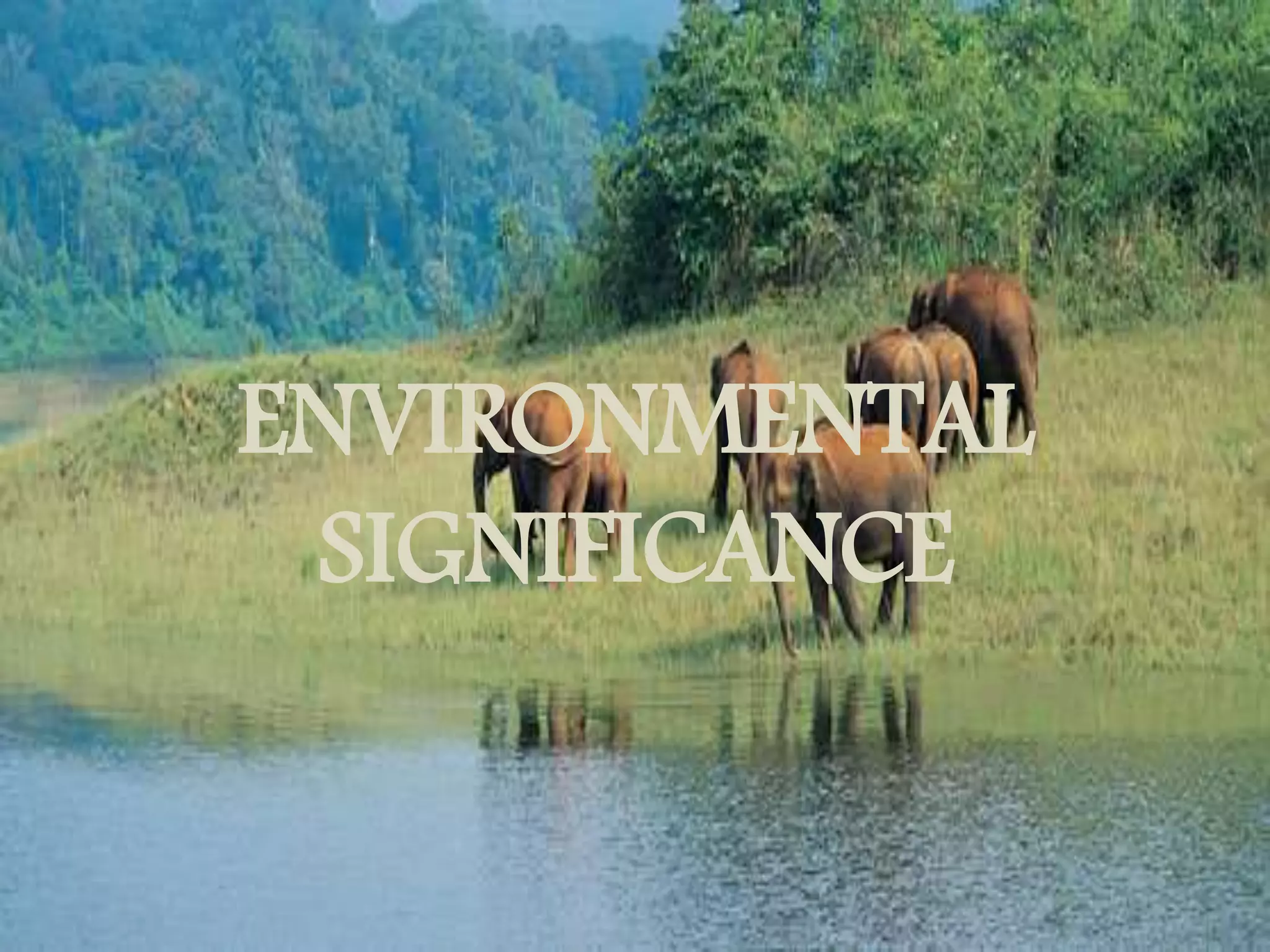
ENVIRONMENTAL
SIGNIFICANCE
 Improved environmental management and planning
 Hotels can increase the benefits to natural areas.
 This requires careful planning for controlled development,
based on analysis of the environmental resources of the
area.
 Proper planning can reduce expensive mistakes , avoiding
the gradual deterioration of environmental assets.
Continue…
 Environmental awareness raising
 Tourism has the potential to increase public appreciation
of the environment .
 It spread awareness of environmental problems when it
brings people into closer contact with nature and the
environment.
 This also give awareness of the value of nature and lead to
environmentally conscious behavior and activities to
preserve the environment.
Continue…
 Cleaner production techniques can be an
important tools for planning and operating tourism
facilities in a way that minimizes their
environmental impacts
 Pollution prevention and waste minimization
techniques are especially important in the tourism
industry.
Continue…
Sustainable consumption is important for the
long run of tourism.
 The tourism industry can play a key role in
providing environmental information and
raising awareness among tourists about
environmental consequences.
Continue…
Protection and preservation
Tourism can significantly contribute to
environmental protection, conservation and
restoration of biological diversity and sustainable
use of natural resources.
Because of their attractiveness, pristine sites and
natural areas are identified as valuable and the
need to keep the attraction alive can lead to
creation of national parks and wildlife sanctuary.
Continue…
Alternative employment
Tourism can provide an alternative to
development scenarios that may have greater
environmental impacts.
Global code of ethics for tourism
• Tourism's contribution to mutual understanding and
respect between peoples and societies.
• Tourism as a vehicle for individual and collective
fulfillment.
•
Tourism, a factor of sustainable development.
•
Tourism, a user of the cultural heritage of mankind and
contributor to its enhancement.
• Tourism, a beneficial activity for host countries and
communities.
• Obligations of stakeholders in tourism development.
• Right of workers and entrepreneur in the tourism industry .
• implementation of the principles of the global code ethics
tourism.
CONCLUSION
• Thus tourism plays a major role in social,
cultural, economic, and environmental
development of nation. Both the host as well
as the tourist gain positive impact as a part of
tourism.
THANK YOU

Significance of tourism

  • 1.
  • 2.
    SIGNIFICANCE OF TOURISM By MUHAMEDALI Fb/ ALI PARAMBIL Watsapp/ 9037875711
  • 3.
    TOURISM-DEFINITION UNWTO defined tourismas - the activities of person travelling to and staying in places outside their usual environment for not more than consecutive year for leisure business and other purposes.
  • 4.
    TOURISM o Tourism hasbeen a major social phenomenon from times immemorial. o Travel for pilgrimage and learning has been an integral part of tourism and thus several centuries of learning and religious worship developed all over the country. o Tourism plays a major role in economic development of the country through tourism income, promoting concerned central place for business and creation of a wide range of jobs. o It also help to protect our nature through national parks, wild life sanctuaries etc.
  • 5.
    CATEGORIES • Accommodation • Hospitality •Transport service • Tourist guide • Travel agencies and other reservation services • Cultural services
  • 6.
    SIGNIFICANCE OF TOURISM •It is necessary for overcome the mounting stress and strain of modern life. • Tourism is a multi- discipline sector and is interlinked with several different industries and service sectors.
  • 7.
    CONTRIBUTIONS Regional development Employment Entertainment activities Culturaland other hospitality services Infrastructure Transportation Health Education
  • 8.
    SIGNIFICANCE OF TOURISM SOCIALECONOMICSOCIAL ECONOMIC CULTURAL ENVIRONMENTAL
  • 9.
  • 10.
     In developingcountries, the social exchange between the host country and the foreign tourist occur. It helps them to understand one another , not only in learning their languages but also their culture. It gives importance to community structure, family relationships, collective traditional life styles, ceremonies and morality.
  • 11.
    • Increase communityfacilities • Stimulate new and expanded community facilities and infrastructure initiatives, such as the improvement of retail, restaurant and entertainment options, transport services, education and sporting facilities. • Increase the quality of life for the community, which may not otherwise warrant the improvement, based on the residential population alone.
  • 12.
  • 13.
    • Tourism isthe one of the most important aspect for developing countries. • Both domestic and international tourism must be considered to evaluate the impact of tourism on the economy. • The level of economic activities of the area shall increase through the sale of products and services to the tourists.
  • 14.
    Continue... • Tourism providesforeign exchange without exporting anything out of the country and it provides more stable earning for the country than any other industry. • The income in the form of foreign exchange earning from an invisible exports helps in off setting the loss if any.
  • 16.
  • 17.
    • Culture isabout how people interact as observed through social interactions, social relations and material art fact • Cultural impacts of tourism refers to changes in the arts, artifacts, customs, rituals and architecture of a people.
  • 18.
    • The culturalsignificance of tourism that, it effects the host communities of direct and indirect relations with tourists, and of interaction with the tourism industry. • Other potential significance of tourism include: – Tourism as a force for peace – Strengthening communities – Facilities developed for tourism can benefit residents – Revaluation of culture and traditions – Encourages civic involvement and pride
  • 19.
    • Preservation ofcultural heritage. • ie, prompts the conservation of cultural heritage, either as a result of increased awareness and pride, or because it can be justified on economic grounds as a tourist attraction. • bring about a real sense of pride and identity to communities. By showcasing distinct characteristics of their ways of life, history and culture, and it also encourage the preservation of traditions. • Tourism provide cultural social and economic knowledge about other countries. • It provide wide knowledge about different countrie of the world.
  • 20.
  • 21.
     Improved environmentalmanagement and planning  Hotels can increase the benefits to natural areas.  This requires careful planning for controlled development, based on analysis of the environmental resources of the area.  Proper planning can reduce expensive mistakes , avoiding the gradual deterioration of environmental assets.
  • 22.
    Continue…  Environmental awarenessraising  Tourism has the potential to increase public appreciation of the environment .  It spread awareness of environmental problems when it brings people into closer contact with nature and the environment.  This also give awareness of the value of nature and lead to environmentally conscious behavior and activities to preserve the environment.
  • 23.
    Continue…  Cleaner productiontechniques can be an important tools for planning and operating tourism facilities in a way that minimizes their environmental impacts  Pollution prevention and waste minimization techniques are especially important in the tourism industry.
  • 24.
    Continue… Sustainable consumption isimportant for the long run of tourism.  The tourism industry can play a key role in providing environmental information and raising awareness among tourists about environmental consequences.
  • 25.
    Continue… Protection and preservation Tourismcan significantly contribute to environmental protection, conservation and restoration of biological diversity and sustainable use of natural resources. Because of their attractiveness, pristine sites and natural areas are identified as valuable and the need to keep the attraction alive can lead to creation of national parks and wildlife sanctuary.
  • 26.
    Continue… Alternative employment Tourism canprovide an alternative to development scenarios that may have greater environmental impacts.
  • 27.
    Global code ofethics for tourism • Tourism's contribution to mutual understanding and respect between peoples and societies. • Tourism as a vehicle for individual and collective fulfillment. • Tourism, a factor of sustainable development. • Tourism, a user of the cultural heritage of mankind and contributor to its enhancement. • Tourism, a beneficial activity for host countries and communities.
  • 28.
    • Obligations ofstakeholders in tourism development. • Right of workers and entrepreneur in the tourism industry . • implementation of the principles of the global code ethics tourism.
  • 29.
    CONCLUSION • Thus tourismplays a major role in social, cultural, economic, and environmental development of nation. Both the host as well as the tourist gain positive impact as a part of tourism.
  • 30.