SIGNIFICANCE OF COMPUTATIONAL
TOOLS IN DRUG DISCOVERY
1
Dr. M Deepa
Professor
Department of Pharmaceutical Chemistry
Annamacharya College of Pharmacy,
New Boyanapalli, Rajampet, Andhra
Pradesh.
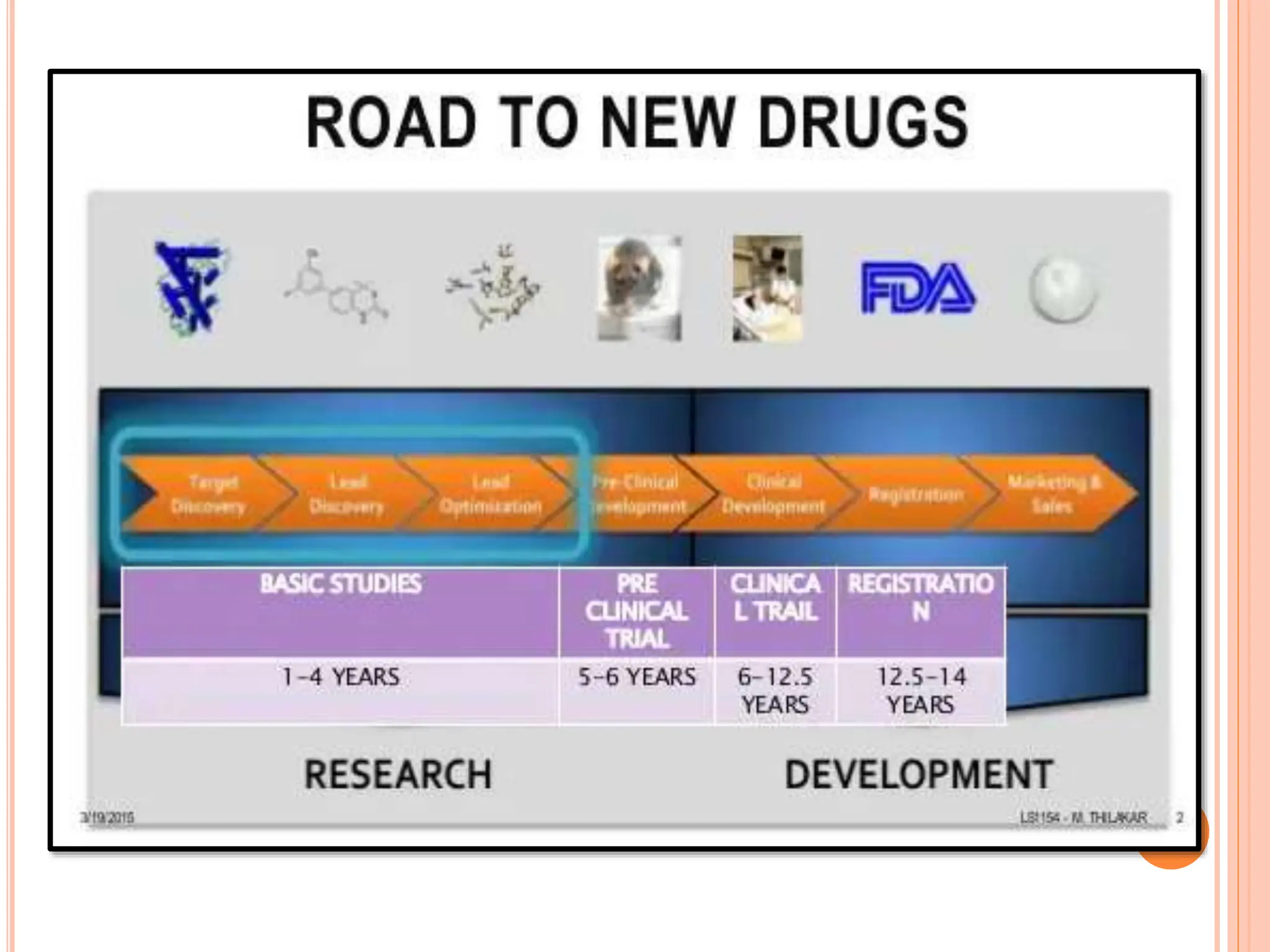
 Developing a new drug from original idea to the launch of a finished
product is a complex process which can take 12–15 years and cost in
excess of $1 billion.
 Simply put, approval of a new drug is a massive undertaking and fast
turnaround, goes a long way in avoiding missteps and moving your
drug program closer to success.
 A drug discovery programme initiates because there is a disease or
clinical condition without suitable medical products available and it is
this unmet clinical need which is the underlying driving motivation for
the project.
2
COMPUTER AIDED DRUG DESIGN
 Once a target has been identified, there are several in silico tools to
initiate a drug design process.
 The use of these methods depends on the nature of the target and the
available information on the system.
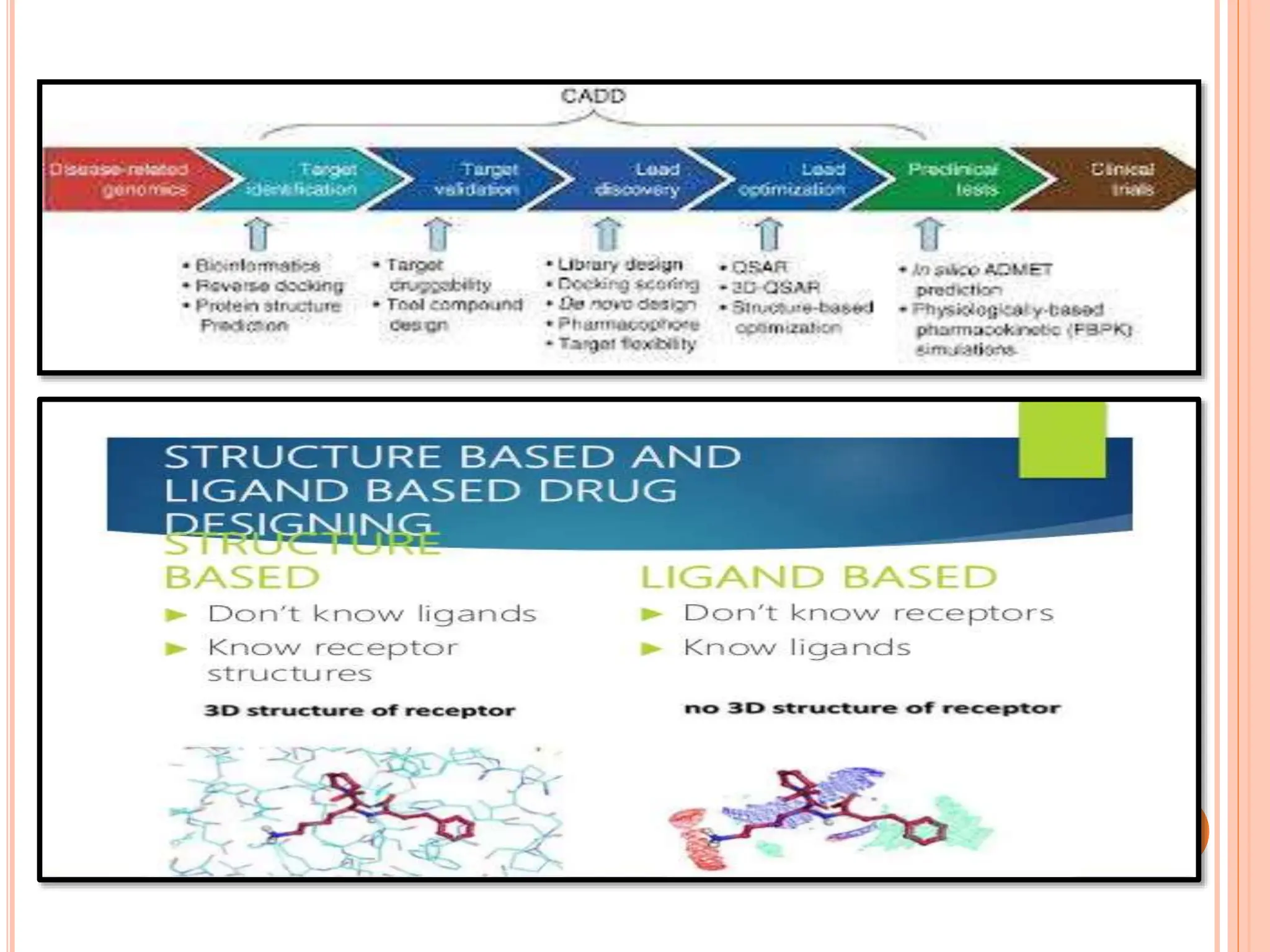
 CADD methods can be broadly classified into two groups, namely structure-
based (SB) and ligand-based (LB) drug discovery
 When neither is available, computational methods such as homology
modeling may be used to predict the three-dimensional structures of
targets.
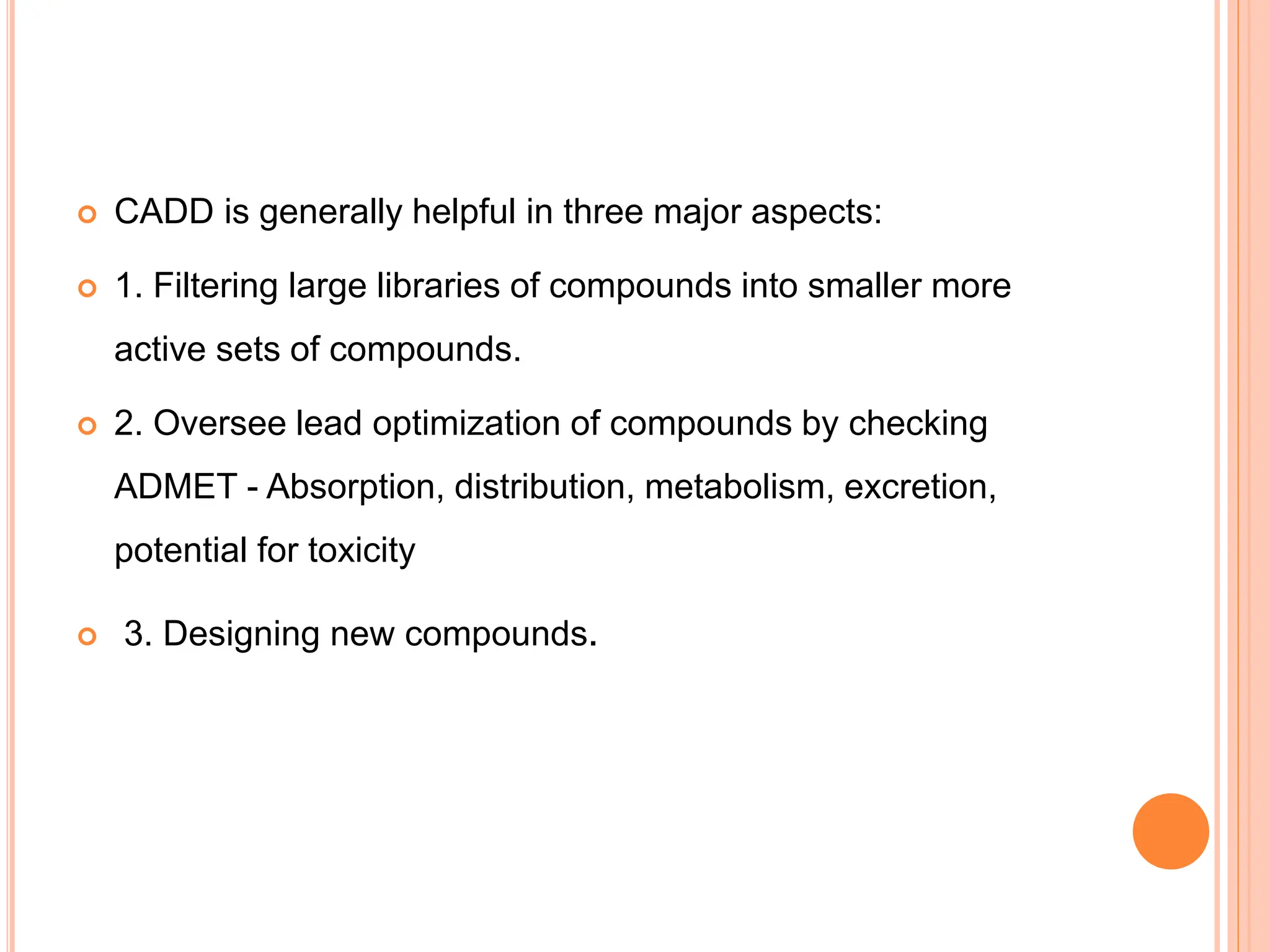
 CADD is generally helpful in three major aspects:
 1. Filtering large libraries of compounds into smaller more
active sets of compounds.
 2. Oversee lead optimization of compounds by checking
ADMET - Absorption, distribution, metabolism, excretion,
potential for toxicity
 3. Designing new compounds.
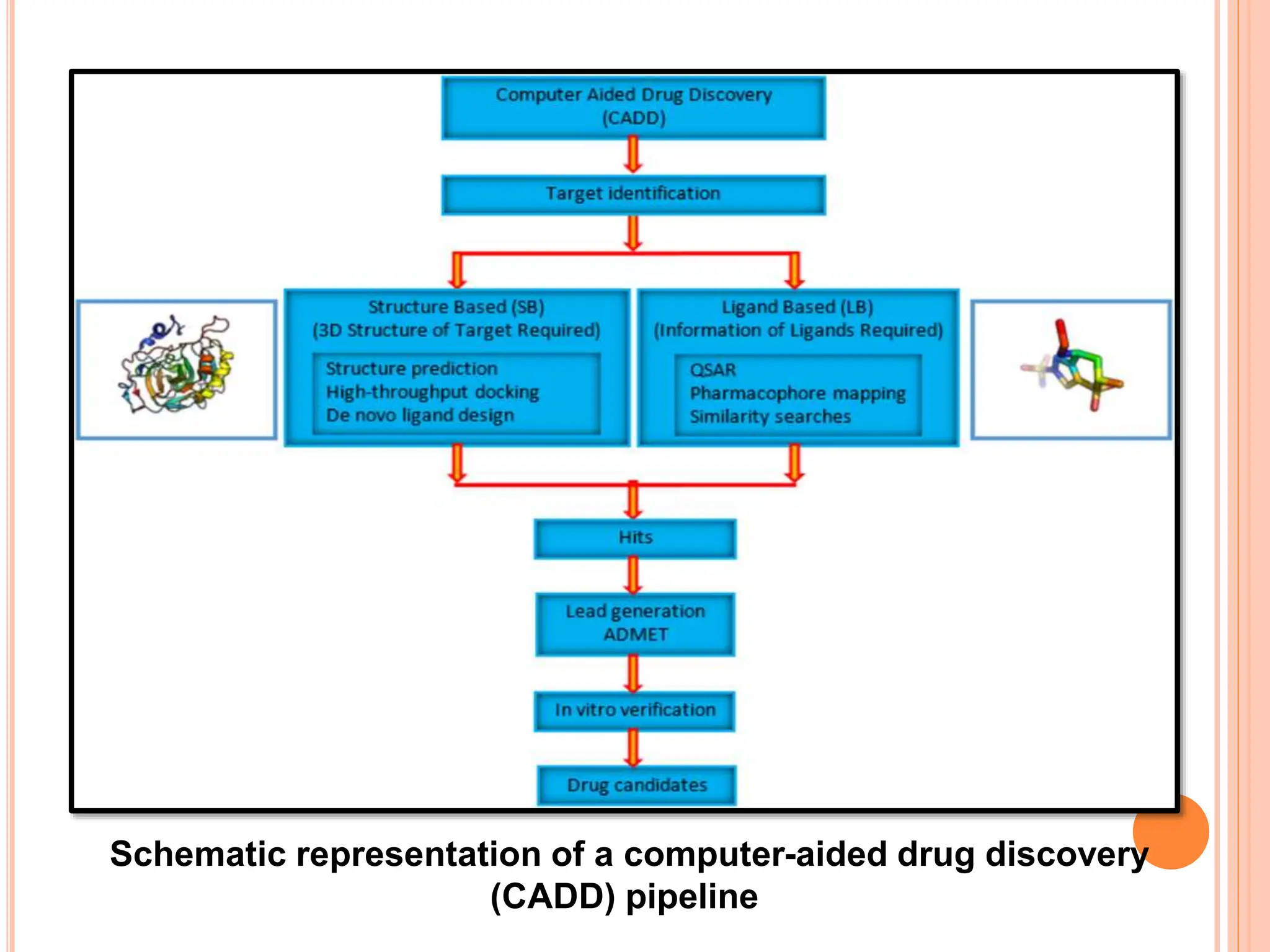
Schematic representation of a computer-aided drug discovery
(CADD) pipeline
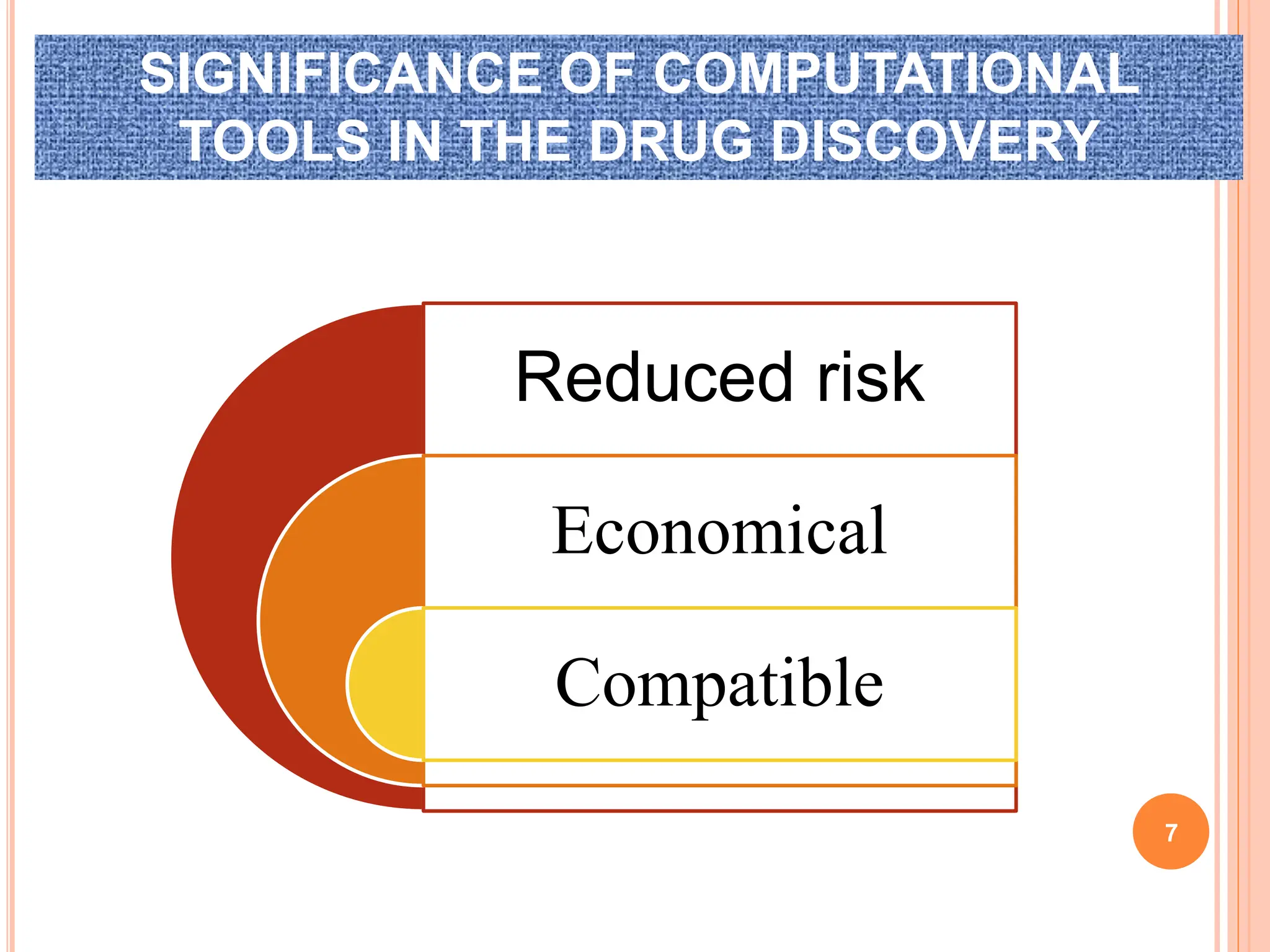
SIGNIFICANCE OF COMPUTATIONAL
TOOLS IN THE DRUG DISCOVERY
7
Reduced risk
Economical
Compatible
WHY TARGET IDENTIFICATION ????
9
Drugs fail in the clinic for two main reasons;
the first is that they do not work and
the second is that they are not safe.
As such, one of the most important steps in developing a new drug is target
identification and validation.
Target identification of the known bioactive compounds and novel synthetic
analogs is a very important research field in medicinal chemistry, biochemistry,
and pharmacology. It is also a challenging and costly step.
In silico identification of potential biological targets for chemical compounds
offers an alternative avenue for the exploration of ligand–target interactions
and biochemical mechanisms, as well as for investigation of drug repurposing.
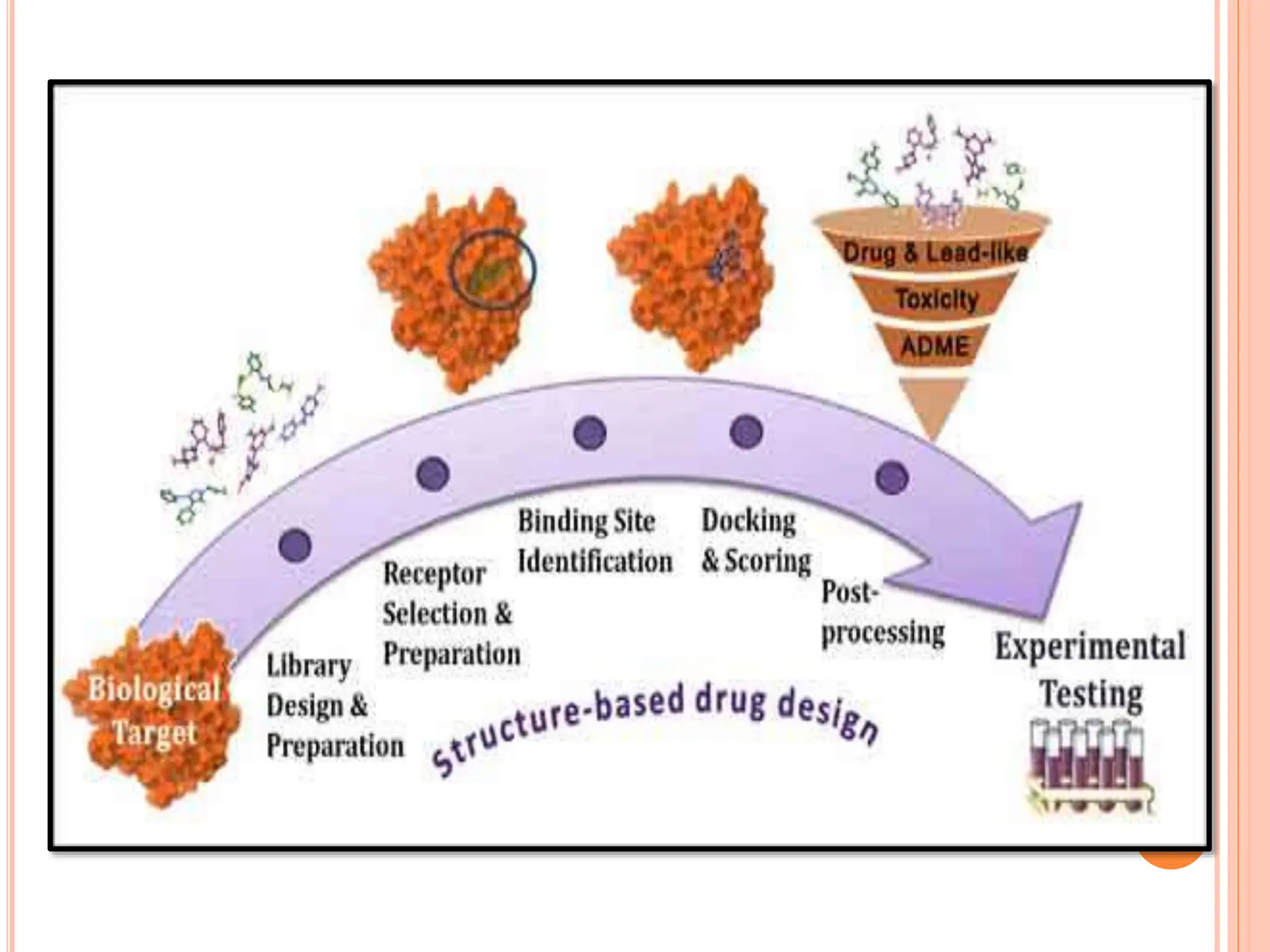
STRUCTURE BASED
DRUG DESIGN
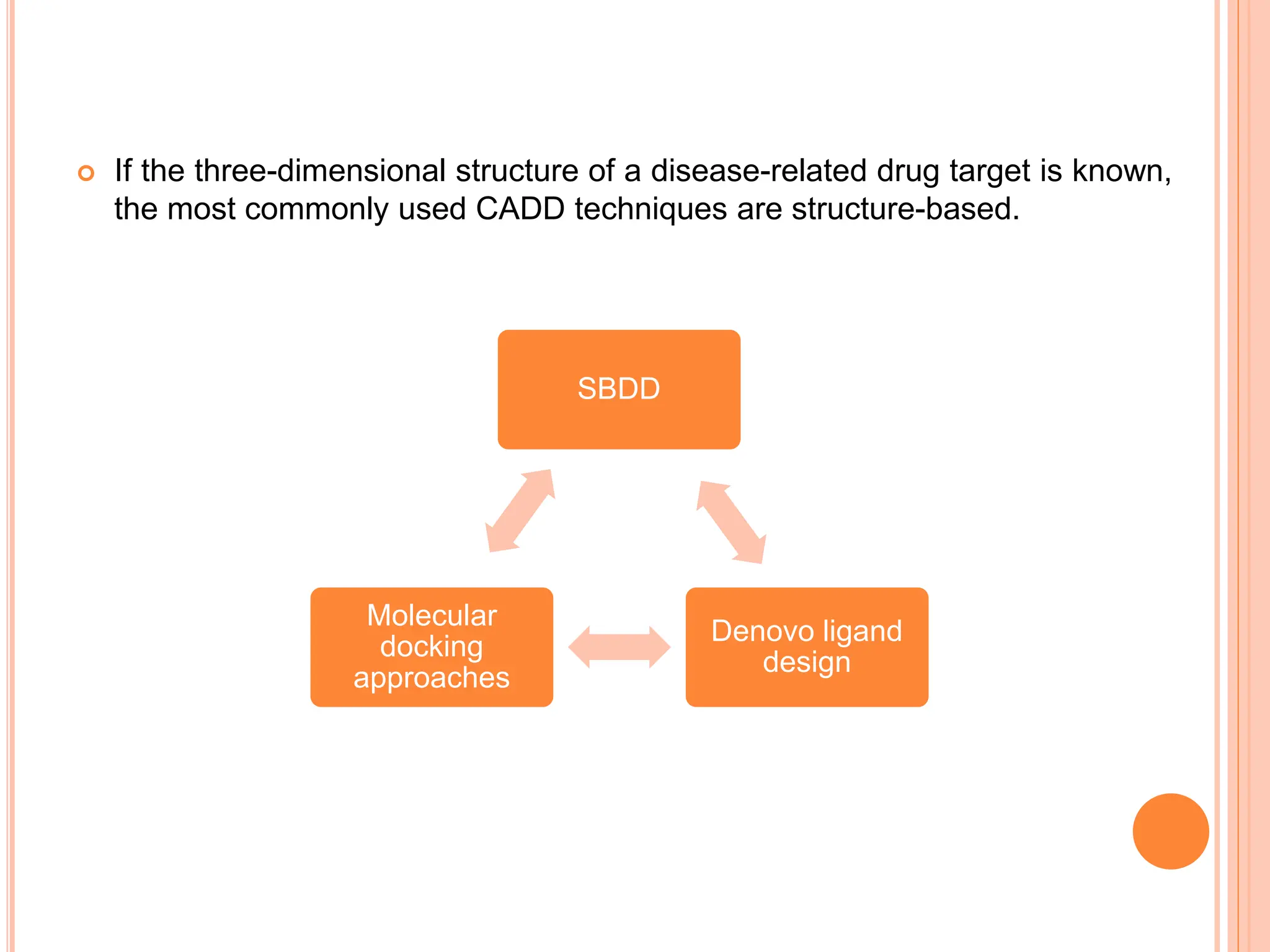
 If the three-dimensional structure of a disease-related drug target is known,
the most commonly used CADD techniques are structure-based.
SBDD
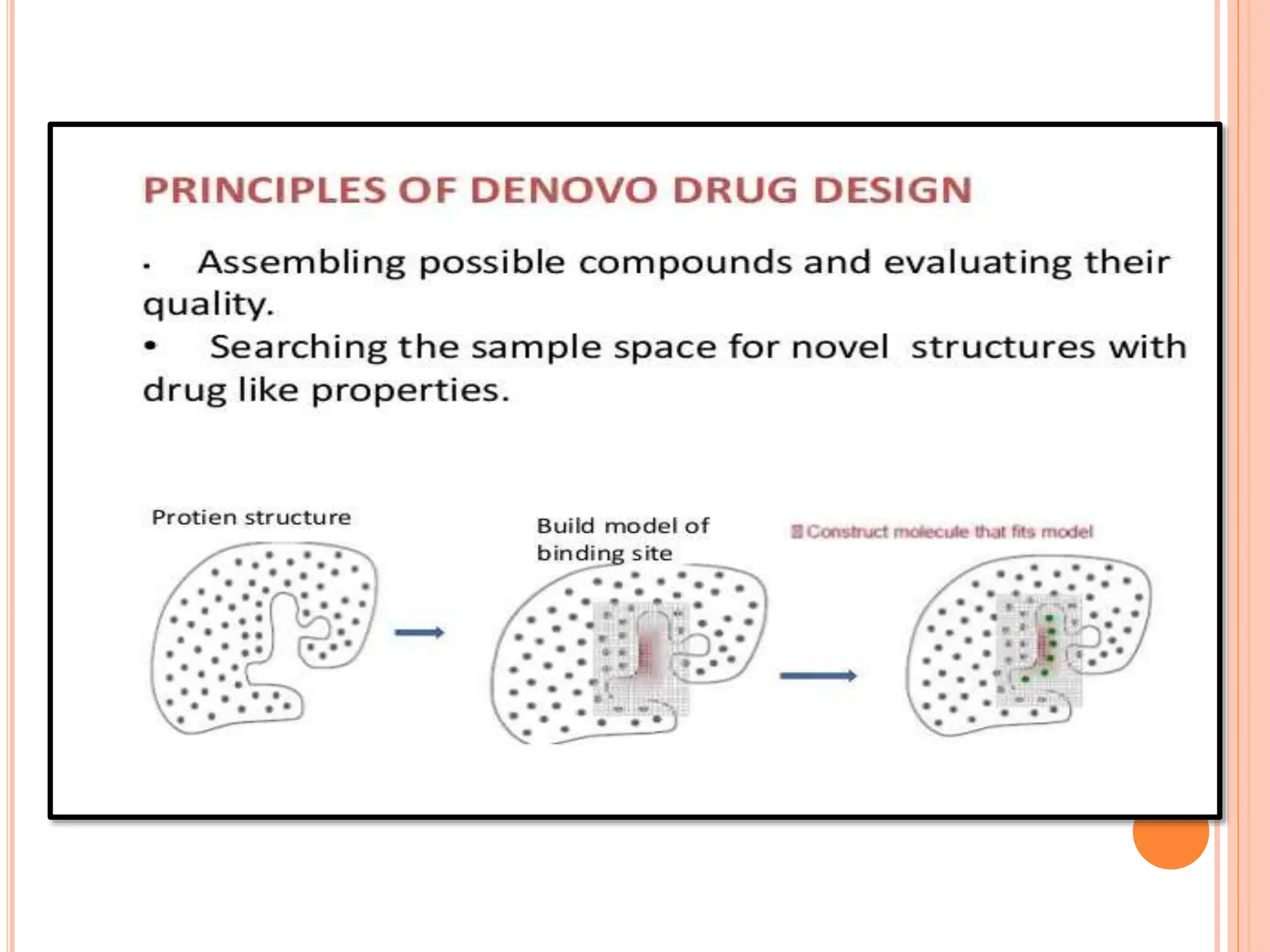
Denovo ligand
design
Molecular
docking
approaches
 Molecular dynamics (MD) simulations are frequently used in SBDD to give
insights into not only how ligands bind with target proteins but also the
pathways of interaction and to account for target flexibility.
 This is especially important when drug targets are membrane proteins where
membrane permeability is considered to be important for drugs to be useful
 Successes have been reported for SBDD and it has contributed to many
compounds reaching clinical trials and get FDA approvals to go into the
market
 In the early 1990s many approved HIV protease inhibitors were developed
to target HIV infections using structure-based molecular docking. It was a
ground breaking success at that time and made it possible for HIV infected
individuals to live longer than they could have without the treatment
 Saquinavir, Amprenavir
 FDA approved Dorzolamide is a carbonic anhydrase II inhibitor which is
used in the treatment of glaucoma and was developed using structure-
based tools
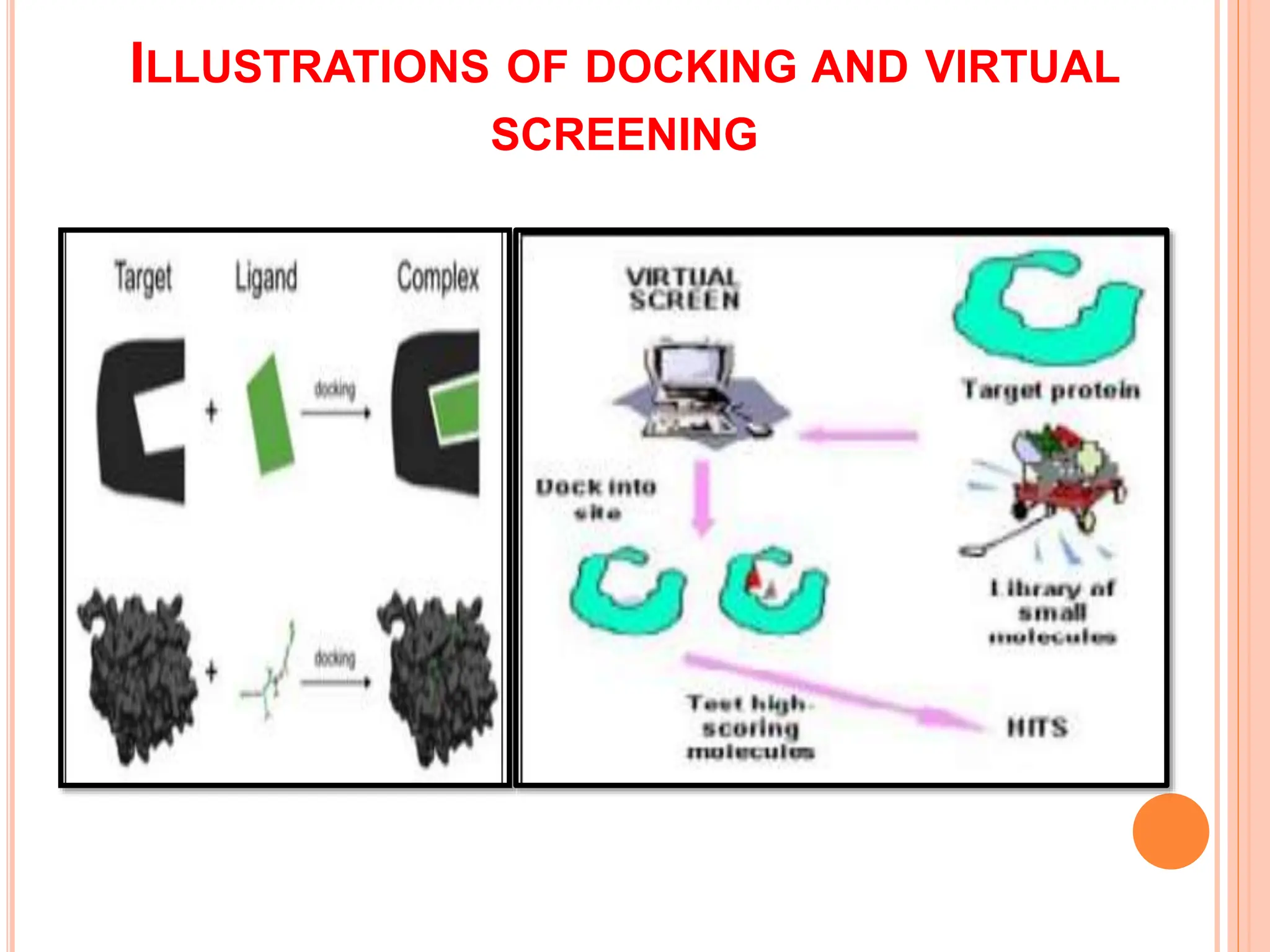
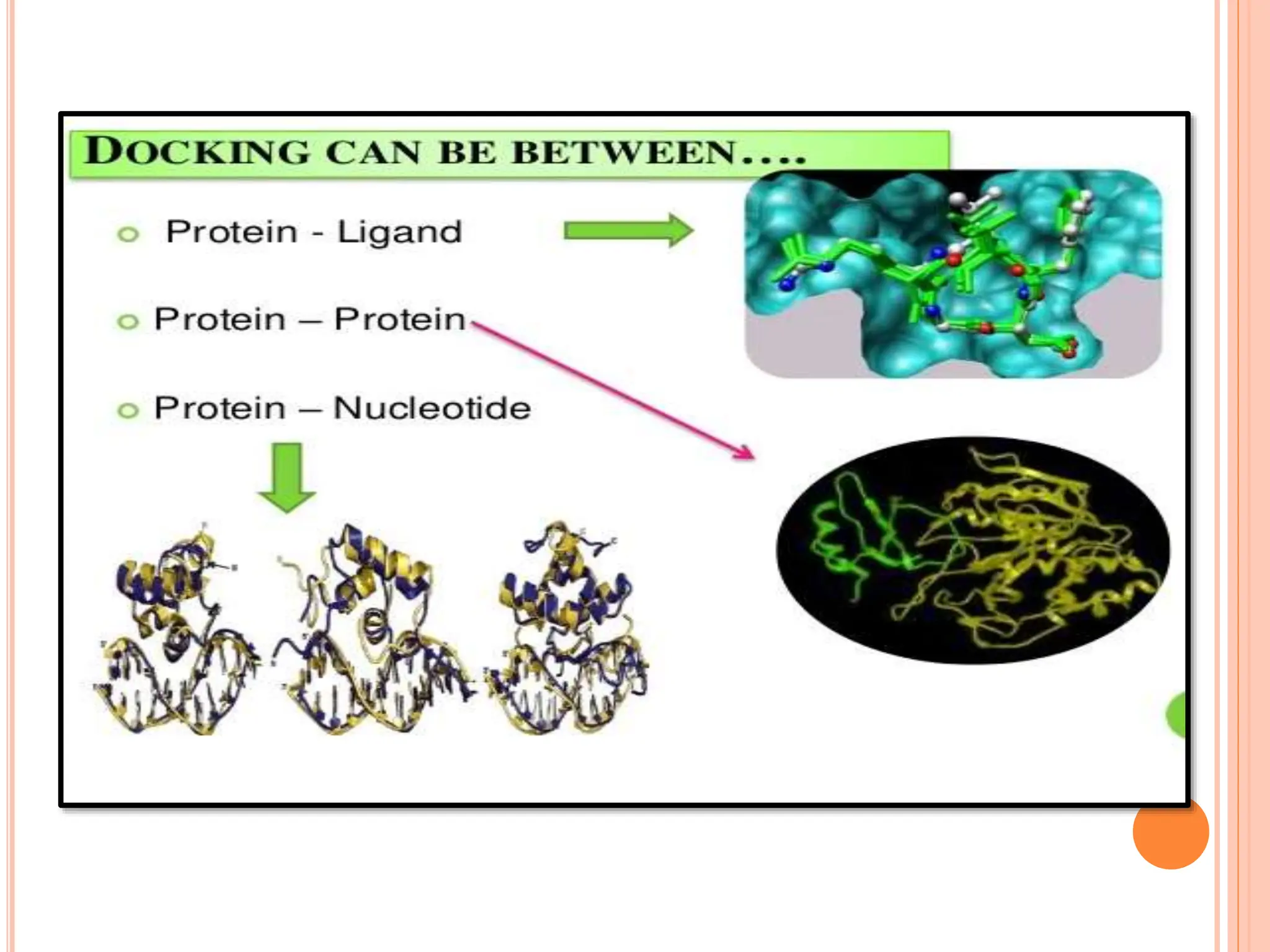
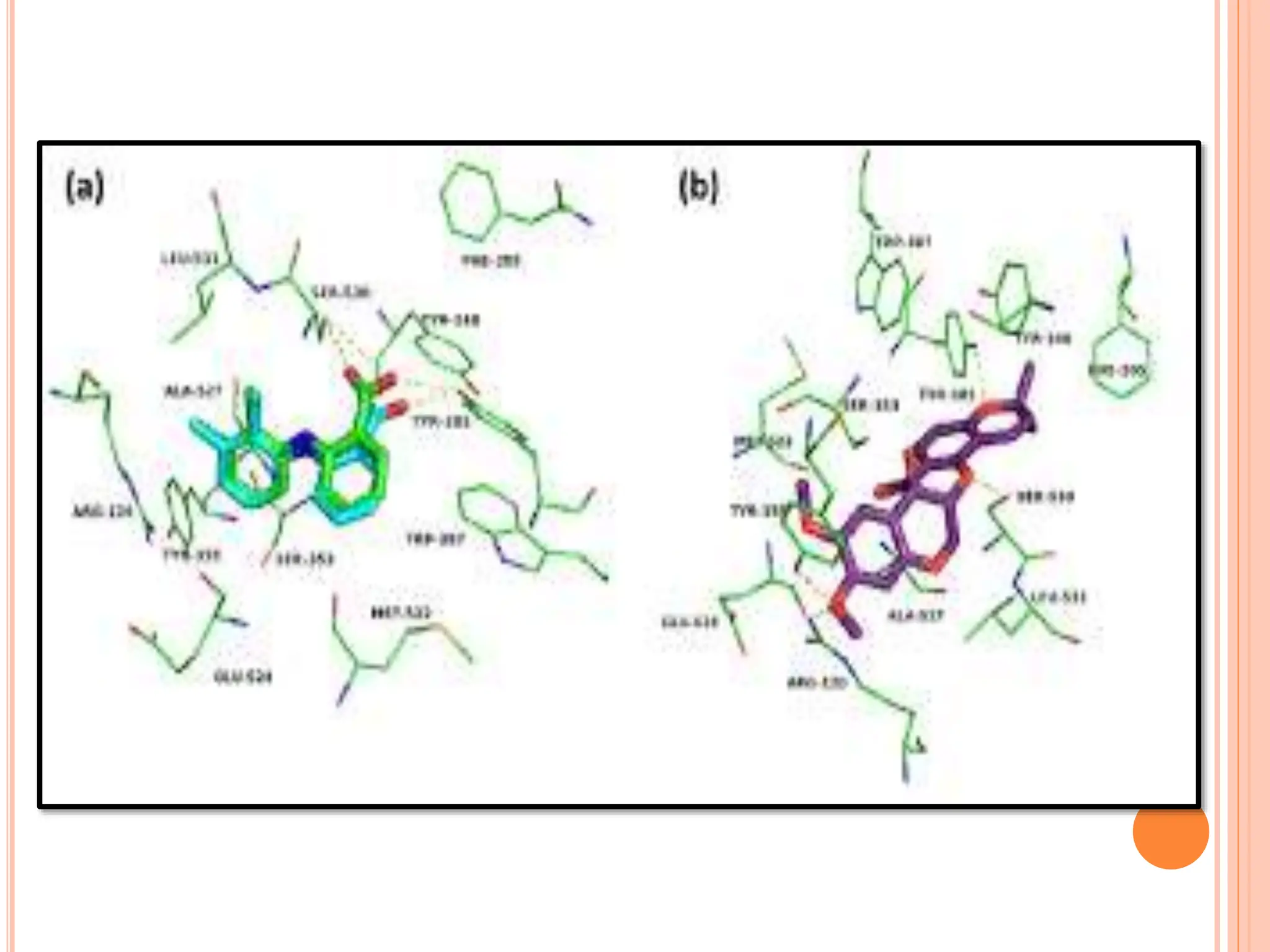
ILLUSTRATIONS OF DOCKING AND VIRTUAL
SCREENING
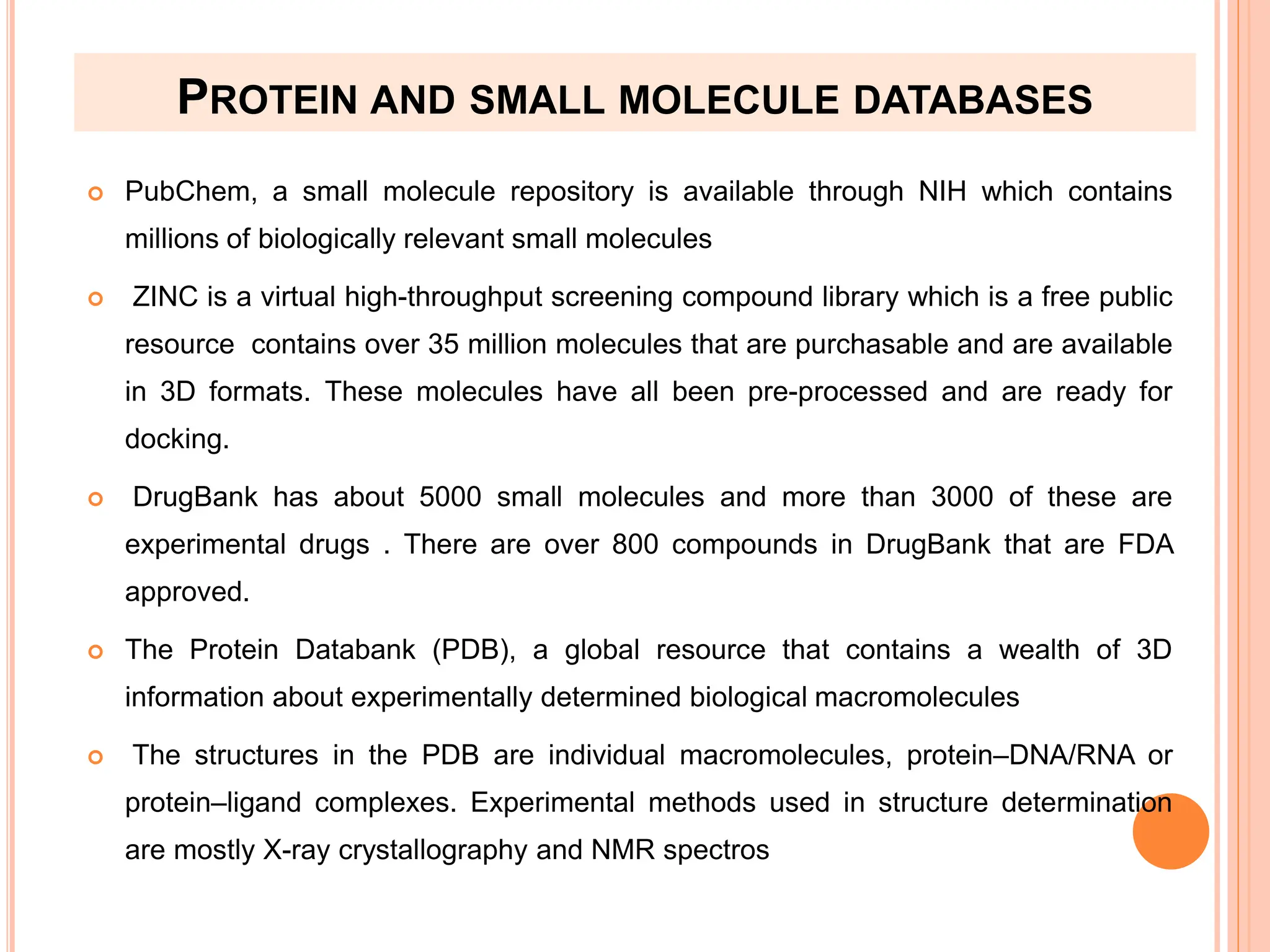
PROTEIN AND SMALL MOLECULE DATABASES
 PubChem, a small molecule repository is available through NIH which contains
millions of biologically relevant small molecules
 ZINC is a virtual high-throughput screening compound library which is a free public
resource contains over 35 million molecules that are purchasable and are available
in 3D formats. These molecules have all been pre-processed and are ready for
docking.
 DrugBank has about 5000 small molecules and more than 3000 of these are
experimental drugs . There are over 800 compounds in DrugBank that are FDA
approved.
 The Protein Databank (PDB), a global resource that contains a wealth of 3D
information about experimentally determined biological macromolecules
 The structures in the PDB are individual macromolecules, protein–DNA/RNA or
protein–ligand complexes. Experimental methods used in structure determination
are mostly X-ray crystallography and NMR spectros
PROTEIN STRUCTURE DETERMINATION
All structure-based methods rely on the three-dimensional target
structure and in the cases where the target structure is not possible
to be determined by experimental methods, computational methods
become useful. Several methods have been used for protein
structure prediction including homology modeling
HOMOLOGY (COMPARATIVE) MODELING
 In homology modeling, the first task is to find a homologous
structure to the sequence of interest. To do that, the sequence is
compared against a database of protien. Homology modeling is
commonly applied in structure-based drug discovery to predict
target structures that are important in diseases.
 Once a homologous protein structure for the sequence has been
identified, building the models for the target structure is done
using comparative modeling algorithm
PREPROCESSING OF TARGET AND LIGAND
 Target and ligand preparation steps are crucial and are often done before
docking is performed to ensure good screening results .
 In experimental methods such as X-ray crystallography the hydrogen
atoms of structures are not generally present. However, the presence of
these atoms and the locations of these bonds are important for molecule
docking algorithms.
 SPORES is one program that is used for the prepossessing of proteins for
protein–ligand docking. It can generate different protonated states,
tautomeric states and stereoisomers for protein structures .
 LigPrep from the Schrodinger Suite allows to obtain all-atom 3D structures
of ligands.
BINDING POCKET IDENTIFICATION AND VOLUME
CALCULATION
 Once a protein’s three-dimensional structure is known, finding binding pockets on
that protein is an important next step in structure-based drug discovery.
 It can give indications of where small molecules can bind to target structures,
which are associated with diseases, contributing to increase or decrease of target
activity.
 Binding sites in target proteins can be experimentally determined; for example
using site-directed mutagenesis or X-ray crystallography.
 Binding pocket predicting algorithms can be grouped into two broad categories;
geometry-based and energy-based methods.
 Virtual high-throughput screening or vHTS is a technique done with the
help of computations, in which the in-silico compound libraries are
screened so that the binding affinity of the target receptors with the library
compounds is checked and analyzed.
 A small molecule is virtually screened against a library of protein structures.
Predicting receptors to which a synthesized compound may bind would
give insights to drug repurposing, metabolism, toxicity, and lead
optimization
VIRTUAL HIGH THROUGH PUT
SCREENING
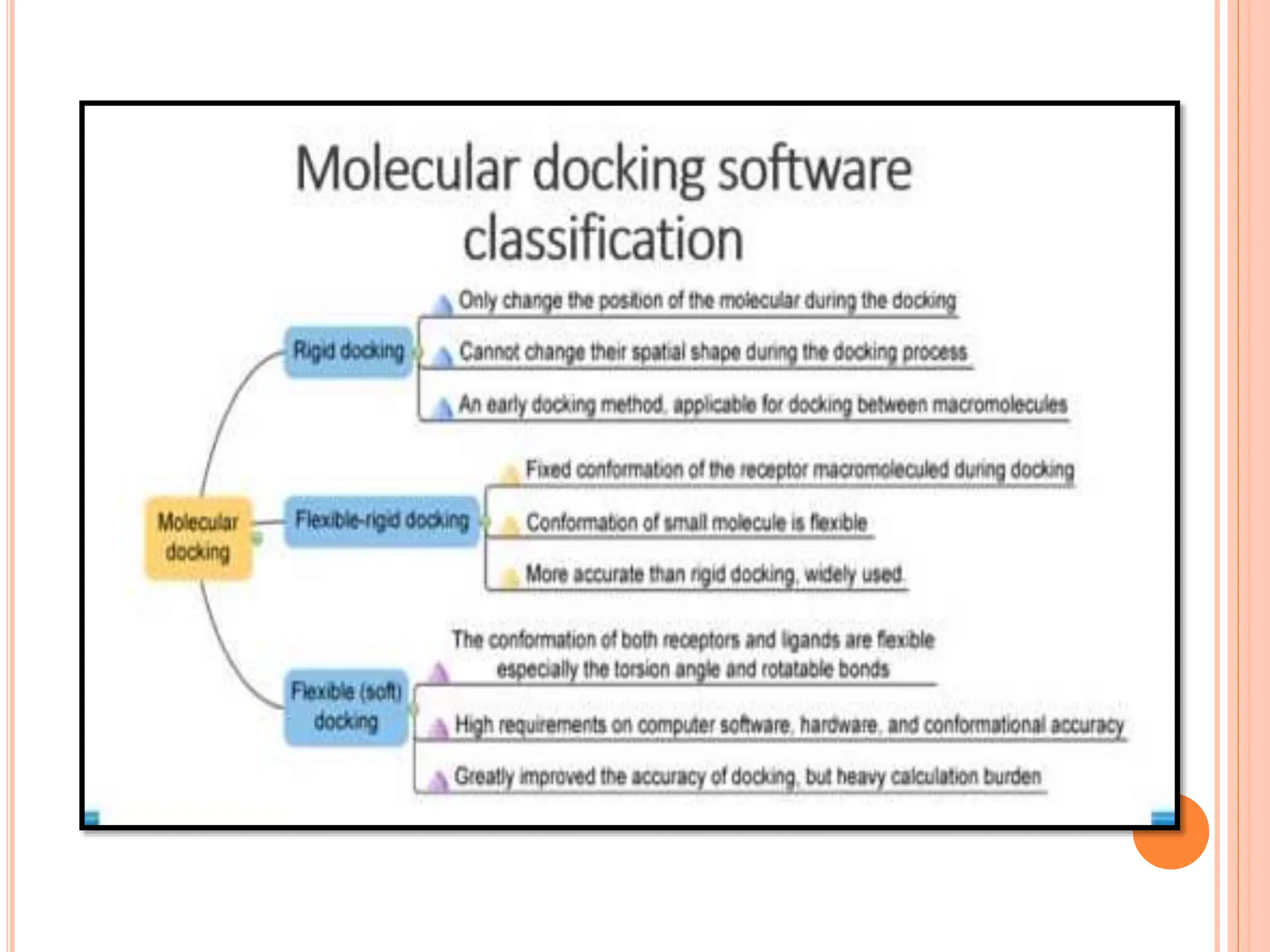
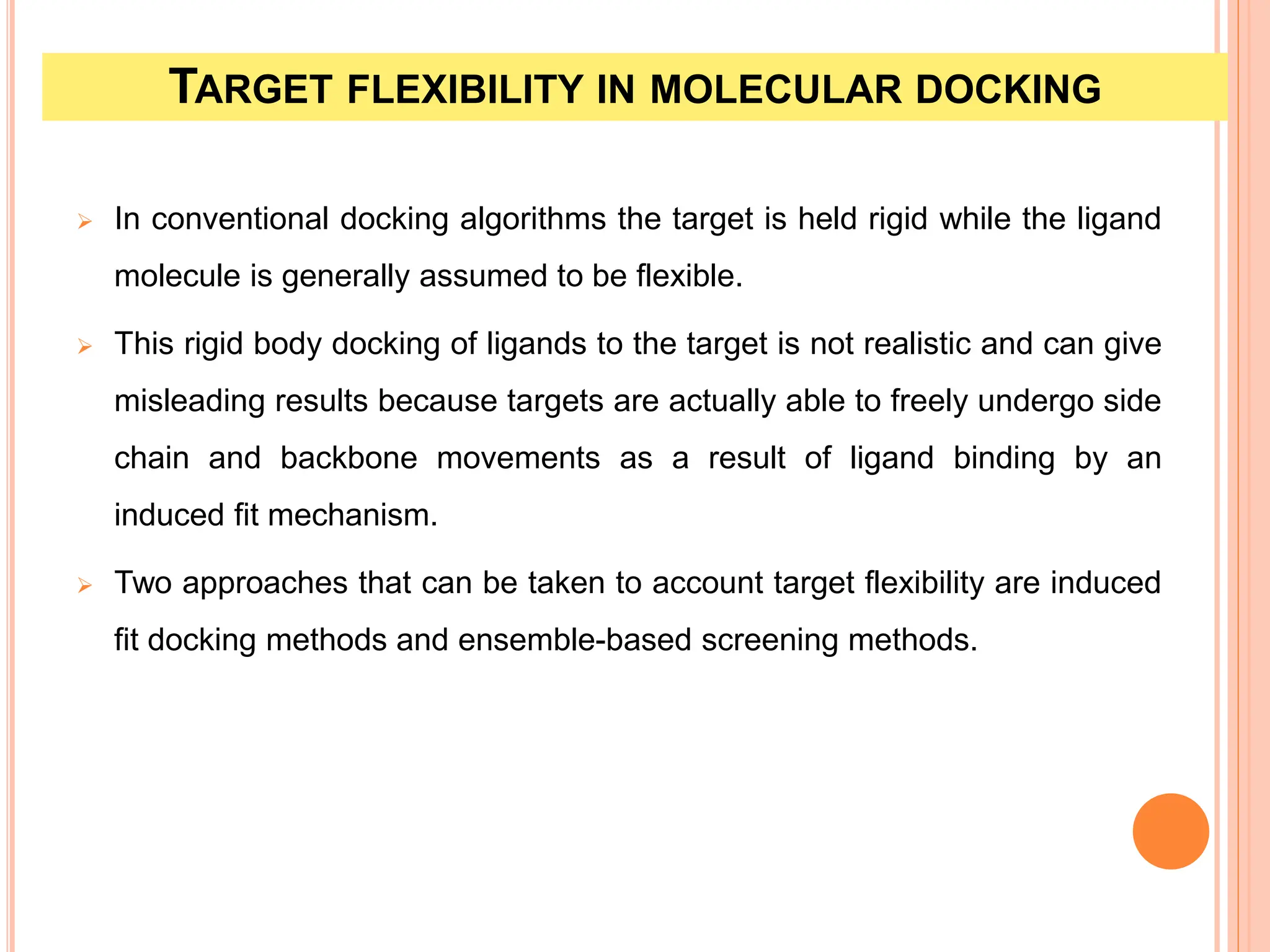
TARGET FLEXIBILITY IN MOLECULAR DOCKING
 In conventional docking algorithms the target is held rigid while the ligand
molecule is generally assumed to be flexible.
 This rigid body docking of ligands to the target is not realistic and can give
misleading results because targets are actually able to freely undergo side
chain and backbone movements as a result of ligand binding by an
induced fit mechanism.
 Two approaches that can be taken to account target flexibility are induced
fit docking methods and ensemble-based screening methods.
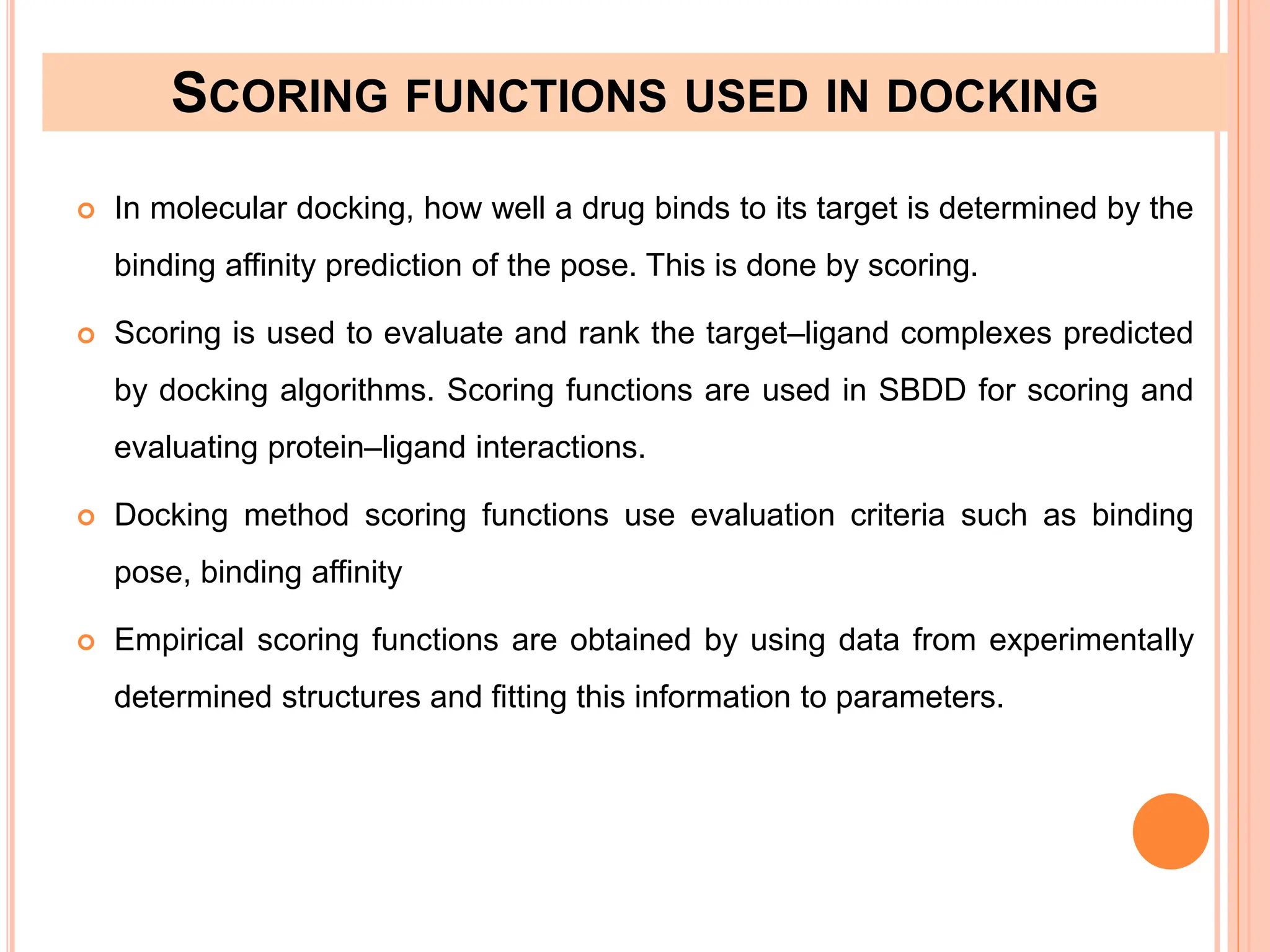
SCORING FUNCTIONS USED IN DOCKING
 In molecular docking, how well a drug binds to its target is determined by the
binding affinity prediction of the pose. This is done by scoring.
 Scoring is used to evaluate and rank the target–ligand complexes predicted
by docking algorithms. Scoring functions are used in SBDD for scoring and
evaluating protein–ligand interactions.
 Docking method scoring functions use evaluation criteria such as binding
pose, binding affinity
 Empirical scoring functions are obtained by using data from experimentally
determined structures and fitting this information to parameters.
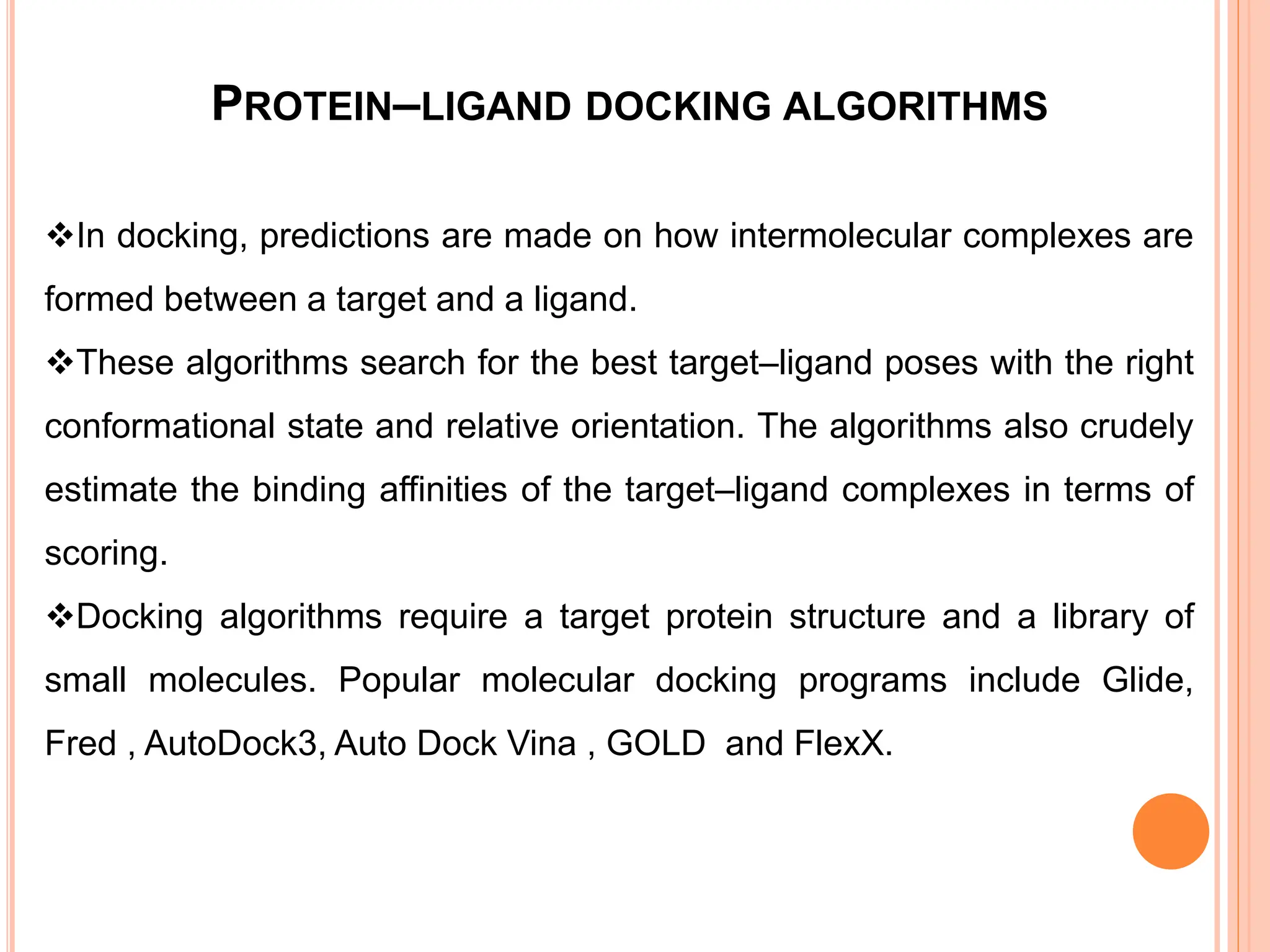
PROTEIN–LIGAND DOCKING ALGORITHMS
In docking, predictions are made on how intermolecular complexes are
formed between a target and a ligand.
These algorithms search for the best target–ligand poses with the right
conformational state and relative orientation. The algorithms also crudely
estimate the binding affinities of the target–ligand complexes in terms of
scoring.
Docking algorithms require a target protein structure and a library of
small molecules. Popular molecular docking programs include Glide,
Fred , AutoDock3, Auto Dock Vina , GOLD and FlexX.
LEAD OPTIMISATION AND ASSESSMENT OF ADME
AND DRUG SAFETY
When hits are obtained for a target structure by screening small
molecule databases, the next step usually is lead optimization.
During lead optimization, the effectiveness of promising hits obtained
is generally enhanced while at the same time obtaining the desired
pharmacological profiles to reach the required affinity, pharmacokinetic
properties, drug safety, and ADME (absorption, distribution, metabolism,
and excretion/elimination) properties.
By increasing the affinity of a drug to the target its potency (efficacy)
can be increased.
QikProp is an ADME program
 VolSurfFAF-Drugs2 is an ADME and toxicity filtering tool that can
calculate physicochemical properties, toxic and unstable groups,
and key functional components
 Computational ADME methods have advanced greatly in the last
few decades and pharmaceutical companies are showing great
interest in this area
LIGAND-BASED DRUG DESIGN (LBDD)
 The main alternative to SBDD is LBDD.
 In the case where the potential drug target structure is unknown and
predicting this structure using methods such as homology modeling or ab
initio structure prediction is challenging or undesirable, the alternative
protocol to use is Ligand-based drug design
 Importantly, however, this method relies on the knowledge of small
molecules that bind to the target of interest. Pharmacophore modeling,
molecular similarity approaches and QSAR (quantitative structure–activity
relationship) modeling are some popular LBDD approaches .
PHARMACOPHORE MODELLING
 A pharmacophore is a molecular framework that defines the essential features
responsible for the biological activity of a compound. When structural information
about the drug target is limited or not known, pharmacophore models may be built
using the structural characteristics of active ligands that bind to the target
 When 3D information of the target structure is known this binding site information
can also be used in generating pharmacophore models .
 Pharmacophore modelling is a useful technique which classifies a group of ligands
or molecules into active or inactive compounds. It is extensively used to identify new
compounds when compared to drug targets
 There are programs developed to identify and generate pharmacophore models
such as DISCO, GASP and Catalyst.
 There are two main methods for the identification of
pharmacophores.
 On one hand, if the target structure is available, the possible
pharmacophore structure can be inferred by analyzing the action
mode of receptor and drug molecule.
 On the other hand, when the structure of the target is unknown or
the action mechanism is still unclear, a series of compounds will be
studied for pharmacophores, and information on some groups that
play a key role in the activity of compound is considered.
35
In spite of extensive effort by industry and academia to develop new drugs,
there are still several diseases that are in need of therapeutic agents and have
yet to be developed.
10 years the identification rate of disease-associated targets has been higher
than the therapeutics identification rate.
 Nevertheless, it is apparent that computational tools provide high hopes that
many of the diseases under investigation can be brought under control.
36

Significance of computational tools in drug discovery

  • 1.
    SIGNIFICANCE OF COMPUTATIONAL TOOLSIN DRUG DISCOVERY 1 Dr. M Deepa Professor Department of Pharmaceutical Chemistry Annamacharya College of Pharmacy, New Boyanapalli, Rajampet, Andhra Pradesh.
  • 2.
     Developing anew drug from original idea to the launch of a finished product is a complex process which can take 12–15 years and cost in excess of $1 billion.  Simply put, approval of a new drug is a massive undertaking and fast turnaround, goes a long way in avoiding missteps and moving your drug program closer to success.  A drug discovery programme initiates because there is a disease or clinical condition without suitable medical products available and it is this unmet clinical need which is the underlying driving motivation for the project. 2
  • 4.
    COMPUTER AIDED DRUGDESIGN  Once a target has been identified, there are several in silico tools to initiate a drug design process.  The use of these methods depends on the nature of the target and the available information on the system.  CADD methods can be broadly classified into two groups, namely structure- based (SB) and ligand-based (LB) drug discovery  When neither is available, computational methods such as homology modeling may be used to predict the three-dimensional structures of targets.
  • 5.
     CADD isgenerally helpful in three major aspects:  1. Filtering large libraries of compounds into smaller more active sets of compounds.  2. Oversee lead optimization of compounds by checking ADMET - Absorption, distribution, metabolism, excretion, potential for toxicity  3. Designing new compounds.
  • 6.
    Schematic representation ofa computer-aided drug discovery (CADD) pipeline
  • 7.
    SIGNIFICANCE OF COMPUTATIONAL TOOLSIN THE DRUG DISCOVERY 7 Reduced risk Economical Compatible
  • 9.
    WHY TARGET IDENTIFICATION???? 9 Drugs fail in the clinic for two main reasons; the first is that they do not work and the second is that they are not safe. As such, one of the most important steps in developing a new drug is target identification and validation. Target identification of the known bioactive compounds and novel synthetic analogs is a very important research field in medicinal chemistry, biochemistry, and pharmacology. It is also a challenging and costly step. In silico identification of potential biological targets for chemical compounds offers an alternative avenue for the exploration of ligand–target interactions and biochemical mechanisms, as well as for investigation of drug repurposing.
  • 11.
  • 13.
     If thethree-dimensional structure of a disease-related drug target is known, the most commonly used CADD techniques are structure-based. SBDD Denovo ligand design Molecular docking approaches
  • 15.
     Molecular dynamics(MD) simulations are frequently used in SBDD to give insights into not only how ligands bind with target proteins but also the pathways of interaction and to account for target flexibility.  This is especially important when drug targets are membrane proteins where membrane permeability is considered to be important for drugs to be useful  Successes have been reported for SBDD and it has contributed to many compounds reaching clinical trials and get FDA approvals to go into the market
  • 16.
     In theearly 1990s many approved HIV protease inhibitors were developed to target HIV infections using structure-based molecular docking. It was a ground breaking success at that time and made it possible for HIV infected individuals to live longer than they could have without the treatment  Saquinavir, Amprenavir  FDA approved Dorzolamide is a carbonic anhydrase II inhibitor which is used in the treatment of glaucoma and was developed using structure- based tools
  • 17.
    ILLUSTRATIONS OF DOCKINGAND VIRTUAL SCREENING
  • 18.
    PROTEIN AND SMALLMOLECULE DATABASES  PubChem, a small molecule repository is available through NIH which contains millions of biologically relevant small molecules  ZINC is a virtual high-throughput screening compound library which is a free public resource contains over 35 million molecules that are purchasable and are available in 3D formats. These molecules have all been pre-processed and are ready for docking.  DrugBank has about 5000 small molecules and more than 3000 of these are experimental drugs . There are over 800 compounds in DrugBank that are FDA approved.  The Protein Databank (PDB), a global resource that contains a wealth of 3D information about experimentally determined biological macromolecules  The structures in the PDB are individual macromolecules, protein–DNA/RNA or protein–ligand complexes. Experimental methods used in structure determination are mostly X-ray crystallography and NMR spectros
  • 19.
    PROTEIN STRUCTURE DETERMINATION Allstructure-based methods rely on the three-dimensional target structure and in the cases where the target structure is not possible to be determined by experimental methods, computational methods become useful. Several methods have been used for protein structure prediction including homology modeling
  • 20.
    HOMOLOGY (COMPARATIVE) MODELING In homology modeling, the first task is to find a homologous structure to the sequence of interest. To do that, the sequence is compared against a database of protien. Homology modeling is commonly applied in structure-based drug discovery to predict target structures that are important in diseases.  Once a homologous protein structure for the sequence has been identified, building the models for the target structure is done using comparative modeling algorithm
  • 21.
    PREPROCESSING OF TARGETAND LIGAND  Target and ligand preparation steps are crucial and are often done before docking is performed to ensure good screening results .  In experimental methods such as X-ray crystallography the hydrogen atoms of structures are not generally present. However, the presence of these atoms and the locations of these bonds are important for molecule docking algorithms.  SPORES is one program that is used for the prepossessing of proteins for protein–ligand docking. It can generate different protonated states, tautomeric states and stereoisomers for protein structures .  LigPrep from the Schrodinger Suite allows to obtain all-atom 3D structures of ligands.
  • 22.
    BINDING POCKET IDENTIFICATIONAND VOLUME CALCULATION  Once a protein’s three-dimensional structure is known, finding binding pockets on that protein is an important next step in structure-based drug discovery.  It can give indications of where small molecules can bind to target structures, which are associated with diseases, contributing to increase or decrease of target activity.  Binding sites in target proteins can be experimentally determined; for example using site-directed mutagenesis or X-ray crystallography.  Binding pocket predicting algorithms can be grouped into two broad categories; geometry-based and energy-based methods.
  • 23.
     Virtual high-throughputscreening or vHTS is a technique done with the help of computations, in which the in-silico compound libraries are screened so that the binding affinity of the target receptors with the library compounds is checked and analyzed.  A small molecule is virtually screened against a library of protein structures. Predicting receptors to which a synthesized compound may bind would give insights to drug repurposing, metabolism, toxicity, and lead optimization VIRTUAL HIGH THROUGH PUT SCREENING
  • 26.
    TARGET FLEXIBILITY INMOLECULAR DOCKING  In conventional docking algorithms the target is held rigid while the ligand molecule is generally assumed to be flexible.  This rigid body docking of ligands to the target is not realistic and can give misleading results because targets are actually able to freely undergo side chain and backbone movements as a result of ligand binding by an induced fit mechanism.  Two approaches that can be taken to account target flexibility are induced fit docking methods and ensemble-based screening methods.
  • 27.
    SCORING FUNCTIONS USEDIN DOCKING  In molecular docking, how well a drug binds to its target is determined by the binding affinity prediction of the pose. This is done by scoring.  Scoring is used to evaluate and rank the target–ligand complexes predicted by docking algorithms. Scoring functions are used in SBDD for scoring and evaluating protein–ligand interactions.  Docking method scoring functions use evaluation criteria such as binding pose, binding affinity  Empirical scoring functions are obtained by using data from experimentally determined structures and fitting this information to parameters.
  • 28.
    PROTEIN–LIGAND DOCKING ALGORITHMS Indocking, predictions are made on how intermolecular complexes are formed between a target and a ligand. These algorithms search for the best target–ligand poses with the right conformational state and relative orientation. The algorithms also crudely estimate the binding affinities of the target–ligand complexes in terms of scoring. Docking algorithms require a target protein structure and a library of small molecules. Popular molecular docking programs include Glide, Fred , AutoDock3, Auto Dock Vina , GOLD and FlexX.
  • 30.
    LEAD OPTIMISATION ANDASSESSMENT OF ADME AND DRUG SAFETY When hits are obtained for a target structure by screening small molecule databases, the next step usually is lead optimization. During lead optimization, the effectiveness of promising hits obtained is generally enhanced while at the same time obtaining the desired pharmacological profiles to reach the required affinity, pharmacokinetic properties, drug safety, and ADME (absorption, distribution, metabolism, and excretion/elimination) properties. By increasing the affinity of a drug to the target its potency (efficacy) can be increased.
  • 31.
    QikProp is anADME program  VolSurfFAF-Drugs2 is an ADME and toxicity filtering tool that can calculate physicochemical properties, toxic and unstable groups, and key functional components  Computational ADME methods have advanced greatly in the last few decades and pharmaceutical companies are showing great interest in this area
  • 32.
    LIGAND-BASED DRUG DESIGN(LBDD)  The main alternative to SBDD is LBDD.  In the case where the potential drug target structure is unknown and predicting this structure using methods such as homology modeling or ab initio structure prediction is challenging or undesirable, the alternative protocol to use is Ligand-based drug design  Importantly, however, this method relies on the knowledge of small molecules that bind to the target of interest. Pharmacophore modeling, molecular similarity approaches and QSAR (quantitative structure–activity relationship) modeling are some popular LBDD approaches .
  • 33.
    PHARMACOPHORE MODELLING  Apharmacophore is a molecular framework that defines the essential features responsible for the biological activity of a compound. When structural information about the drug target is limited or not known, pharmacophore models may be built using the structural characteristics of active ligands that bind to the target  When 3D information of the target structure is known this binding site information can also be used in generating pharmacophore models .  Pharmacophore modelling is a useful technique which classifies a group of ligands or molecules into active or inactive compounds. It is extensively used to identify new compounds when compared to drug targets  There are programs developed to identify and generate pharmacophore models such as DISCO, GASP and Catalyst.
  • 34.
     There aretwo main methods for the identification of pharmacophores.  On one hand, if the target structure is available, the possible pharmacophore structure can be inferred by analyzing the action mode of receptor and drug molecule.  On the other hand, when the structure of the target is unknown or the action mechanism is still unclear, a series of compounds will be studied for pharmacophores, and information on some groups that play a key role in the activity of compound is considered.
  • 35.
    35 In spite ofextensive effort by industry and academia to develop new drugs, there are still several diseases that are in need of therapeutic agents and have yet to be developed. 10 years the identification rate of disease-associated targets has been higher than the therapeutics identification rate.  Nevertheless, it is apparent that computational tools provide high hopes that many of the diseases under investigation can be brought under control.
  • 36.