BUILDING SHAREABLE CITIES:
CANADA TOUR
April Rinne
Collaborative Lab
@collcons / @shareablecity
February 2014
WHY IS IT GROWING
SO FAST, RIGHT NOW?
VASTLY DIFFERENT
EXAMPLES BUT WITH
COMMON BENEFITS…
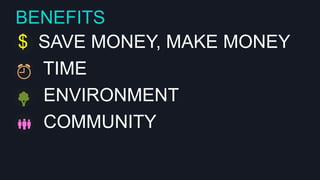
BENEFITS
$ SAVE MONEY, MAKE MONEY
TIME
ENVIRONMENT
COMMUNITY
HOW CAN THE
COLLABORATIVE LENS BE
APPLIED TO CITIES?
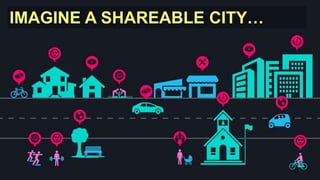
IMAGINE A SHAREABLE CITY…
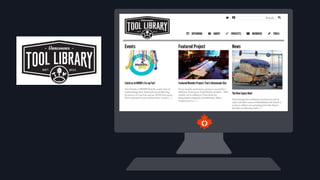
WHAT ARE SOME
SUCCESSFUL
EXAMPLES FROM
CANADA?
CITIES FOR PEOPLE =
RESILIENT COMMUNITIES =
ENHANCED WELL-BEING
	
  
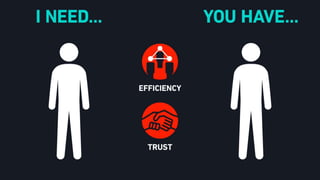
WHAT DO THESE
IDEAS HAVE IN
COMMON?
WHAT ARE THE
CHALLENGES FOR
SHAREABLE CITIES?
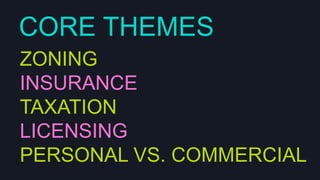
CORE THEMES
ZONING
INSURANCE
TAXATION
LICENSING
PERSONAL VS. COMMERCIAL
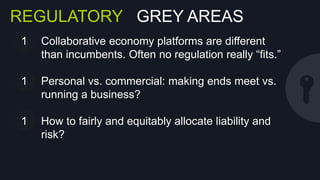
REGULATORY GREY AREAS
1  Collaborative economy platforms are different than
incumbents. Often no regulation really “fits.”
2  Personal vs. commercial: making ends meet vs.
running a business?
3  How to fairly and equitably allocate liability and
risk?
UNEXPECTED CHALLENGES
ARISE WHEN TECHNOLOGY
OUTPACES THE LAW…
TAKE, LYFT.
LYFT CASE STUDY
1  Lyft is not a taxi, and yet there is no
other regulation that “fits” ridesharing
platforms like it.
2  Policy-makers spent months going
back-and-forth: awkward gridlock.
3  Ultimately policy-makers were able to
innovate: new Transportation Network
Corporation (TNC) designation.
KEY TAKEAWAY:
MANY COLLABORATIVE ECONOMY
COMPANIES ARE OPERATING IN A
LEGAL GREY AREA.
How can local government regulators anticipate
challenges, identify outdated rules, and create
supportive policies and “enabling environment?”
WHAT ARE THE
OPPORTUNITIES FOR
SHAREABLE CITIES?
REIMAGINE
PUBLIC-PRIVATE
PARTNERSHIPS
80% OF THE STUFF WE OWN, WE USE LESS THAN ONCE A MONTH
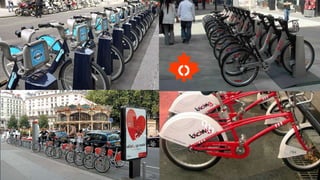
BIXI CASE STUDY
1  Bixi’s technology has been successfully
exported to city bike-sharing programs
around the world.
2  The relationship between Bixi and the
Montreal government was unique.
3  What other measures could policymakers have taken? What can other
cities learn from Bixi’s experience?
KEY TAKEAWAY:
LOCAL GOVERNMENT PARTNERSHIP
OPPORTUNITIES ARE ABUNDANT.
How can local government further enable private
sector ideas with public benefit, and determine
the best channels to offer support and resources?
RESILIENCY
PLANNING
EMERGENCY MANAGEMENT: AN
EASY PLACE TO START.
‘NEEDS’ AND ‘HAVES’ CHANGE
DRAMATICALLY DURING CRISIS.
SF	
  72
	
  
AIRBNB CASE STUDY
1  Local Airbnb community had tremendous
assets (space) and social connections to
contribute.
2  Local government could tap into, and
leverage, these assets during crisis.
3  By collaborating, both Airbnb and local
government were above to achieve more
(and more efficiently) together than alone.
KEY TAKEAWAY:
COLLABORATIVE TECHNOLOGIES CAN
PROVIDE ACCESS TO CRUCIAL
RESOURCES IN TIMES OF CRISIS.
How can collaborative platforms be identified,
built and scaled to enhance emergency
management and boost overall resilience?
COLLABORATIVE
GOVERNMENTS
& LEARNING
LEARNING PLATFORMS CASE STUDY
1  Helping residents learn about the
collaborative economy is an easy first step
towards becoming a Shareable City.
2  Local governments are well-positioned to
disseminate useful information.
3  These platforms are also a great way for
local governments to learn about the
collaborative economy too!
KEY TAKEAWAY:
GOVERNMENT HAS A BIG ROLE TO
PLAY IN ENDORSING, BUILDING AND
IMPLEMENTING COLLABORATIVE
PRACTICES.
How can local government best enable assets to
be shared with, by and amongst its residents?
SHAREABLE CITIES
ENABLING RESIDENTS TO EFFICIENTLY AND
SAFELY SHARE ALL KINDS OF ASSETS –
FROM SPACES TO CARS, SKILLS AND
UTILITIES – TO CREATE STRONGER,
HEALTHIER, CONNECTED COMMUNITIES
THANKS
@aprilrinne / @shareablecity
#collcons
Knowledge Hub: collaborativeconsumption.com
Advisory Lab: thecollaborativelab.com

Building Shareable Cities: Canada Roadshow Tour with SiG and Cities for People