How can we
separate the
following?
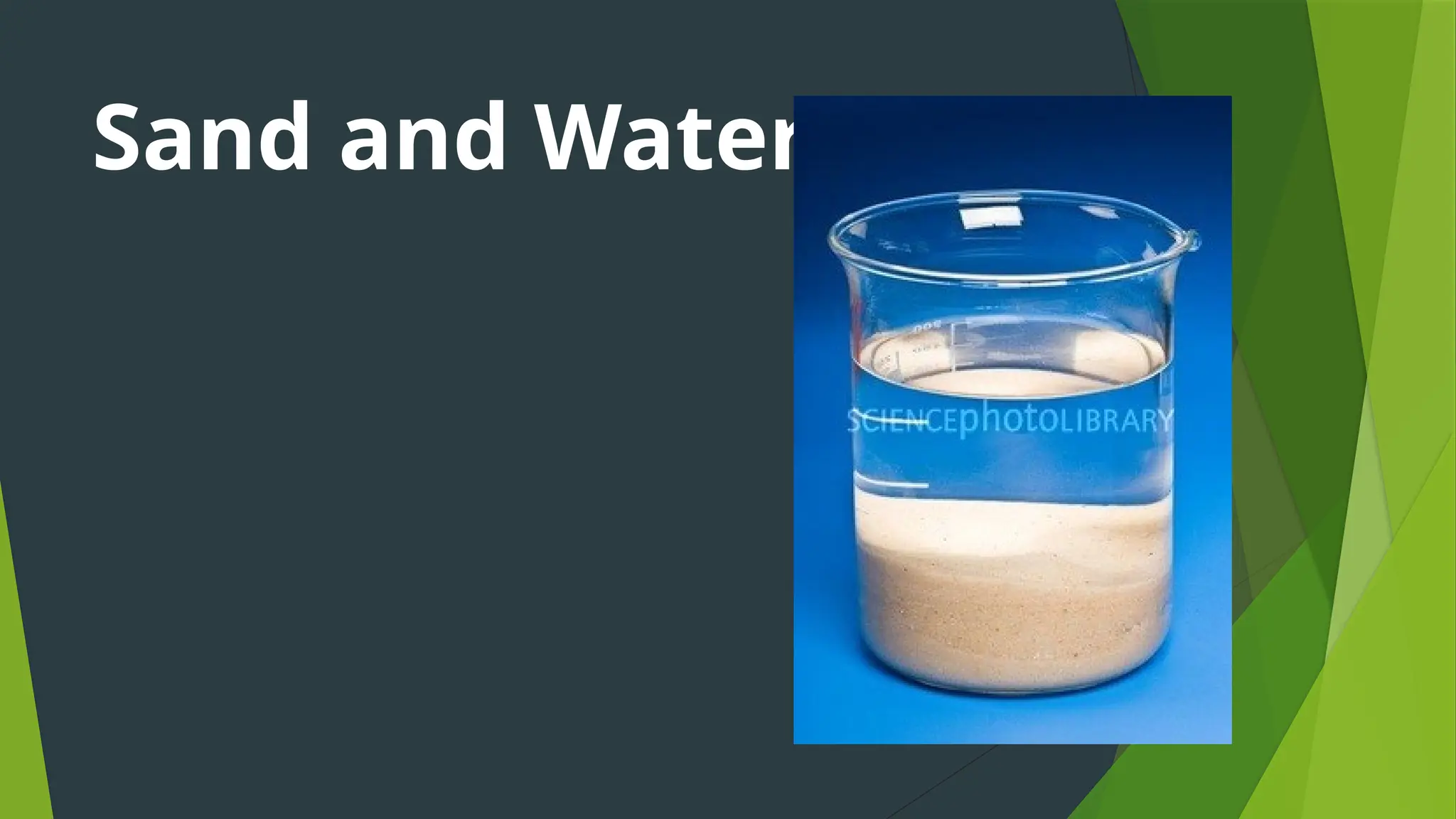
Sand and Water
Sand and Iron Filings
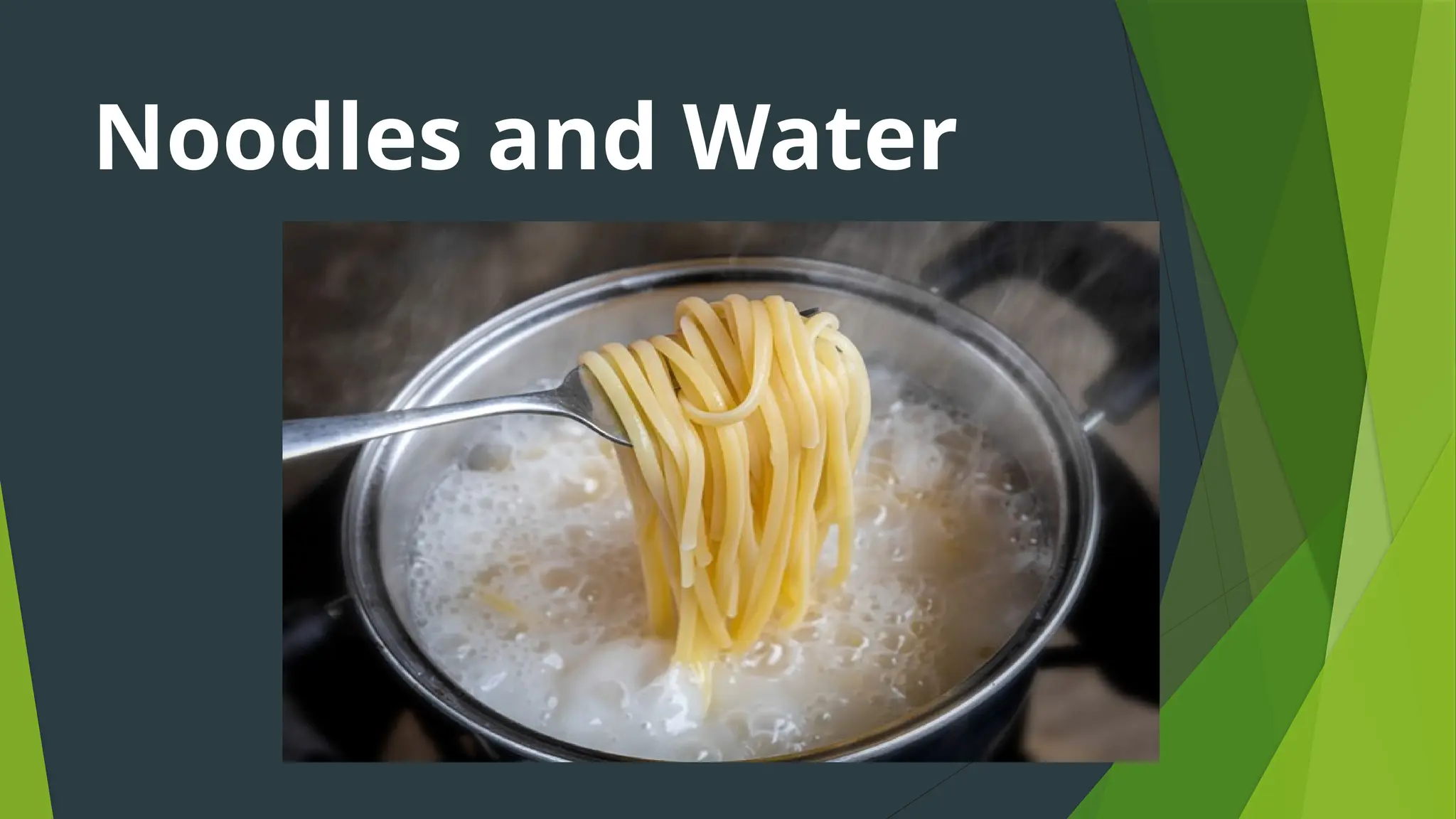
Noodles and Water
If we combine salt and
pepper, we can say that it is a
mixture. In fact, it is a
HETEROGENEOUS mixture because
you can easily see the
components making it. The
substance of a heterogeneous
mixture is PHYSICALLY COMBINED,
thus, we can also separate it.
In this lesson, you will learn the
following:
 how can you separate mixtures
like those above, and;
The importance of separating
mixtures.
Some Applications of Separating
Mixtures:
Explanation
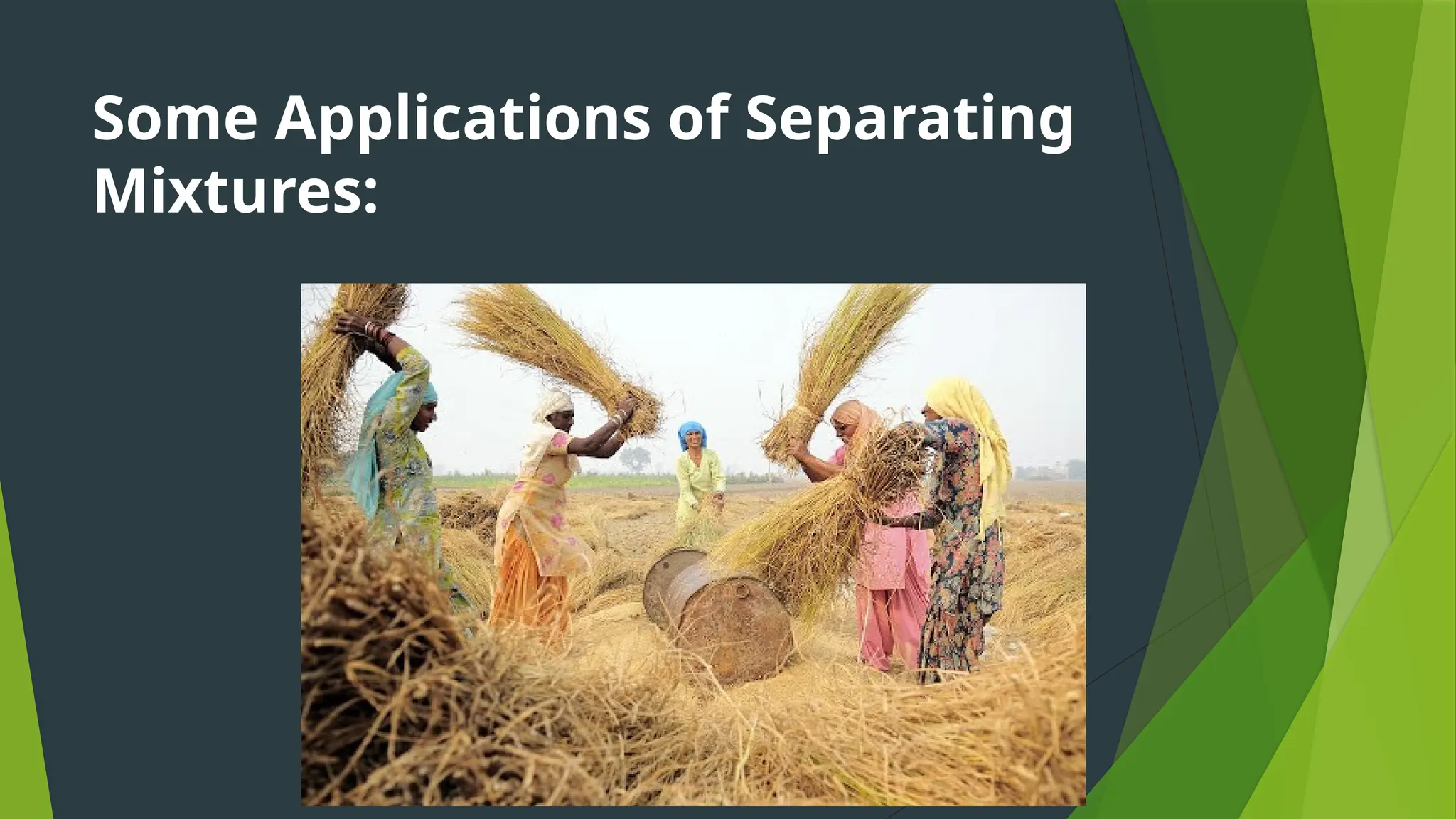
After harvesting, the farmers thresh
palay to separate the grains from
the harvested plant using a
threshing machine.
Some Applications of Separating
Mixtures:
Explanation
During windy days, farmers do winnowing
where they toss the grains in the air. Doing
so, the wind carries the lighter materials
like the husks and dust, and the heavy
materials, like the grain, falls back to the
container because of gravity. This is an
example of a simple physical means of
separating mixtures. This is done to
remove the inedible parts of the palay.
Some Applications of Separating
Mixtures:
Explanation
The salt and sand in the salt-sand mixture
can be separated easily. Adding water to
the mixture will melt the salt, leaving the
sand at the bottom after some time. The,
you can slowly pour the salt solution to
another container leaving the sand on
the other. You can also filter the mixture.
Doing so leaves you with one pure
substance.
Some Applications of Separating
Mixtures:
Explanation
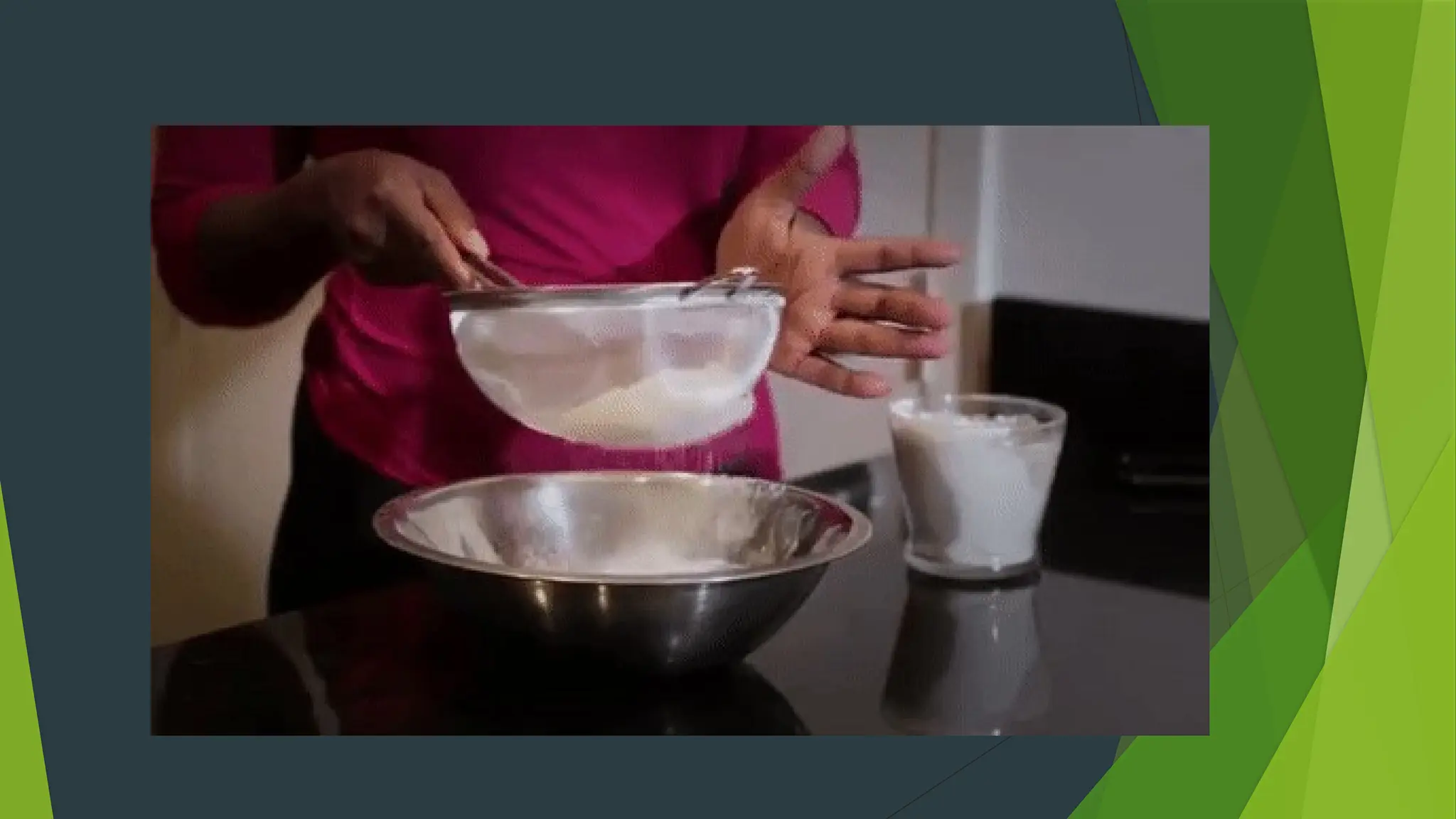
If sand is mixed with large particles
like gravel, it can be removed by
using a sieve. The fine particles will fit
through the sieve and the large
particles will be left on the sieve.
Physical
Means of
Separating
Mixtures
Decantation
Remember in our HELE cooking
class? Which of the things that we
did involved decantation?
Decantation
Decantation
Decantation is the process of
removing or separating
components of a mixture by slowly
pouring the liquid component form
one container to the other without
disturbing the lower layer.
Decantation
To successfully do the decantation
method, another process called
SEDIMENTATION where you allow
the solid particles to settle at the
bottom of the container first.
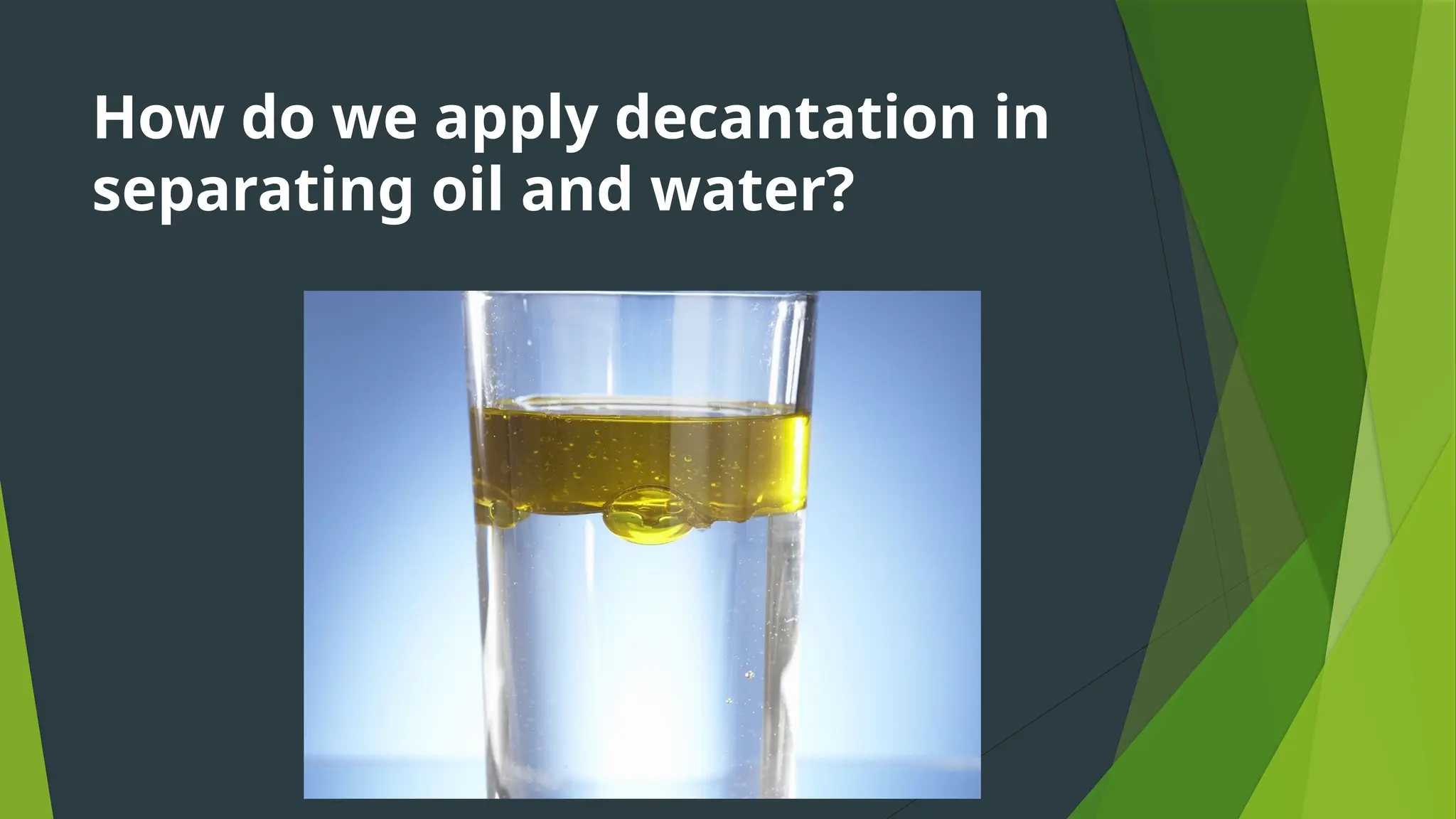
How do we apply decantation in
separating oil and water?
Decantation
In the case of two immiscible liquids
like oil and water, we can also use
decantation where we pour the oil
to another container slowly leaving
the water on the other.
Evaporation
Evaporation is the process of turning
the liquid material of the mixture
into gas. When the liquid reaches its
boiling point, it evaporates, leaving
the other substance behind.
Evaporation
In a salt solution, we cannot
distinguish salt from water. But after
evaporation, the water will vanish
from the mixture and you will be left
with solid, crystal-like substance
which is the salt.
How do we apply evaporation in
making dried fish?
Evaporation
Water is present in the fish’s body.
When the fish is exposed under the
heat of the sun, the water
evaporates and the remaining
substance is dried up.
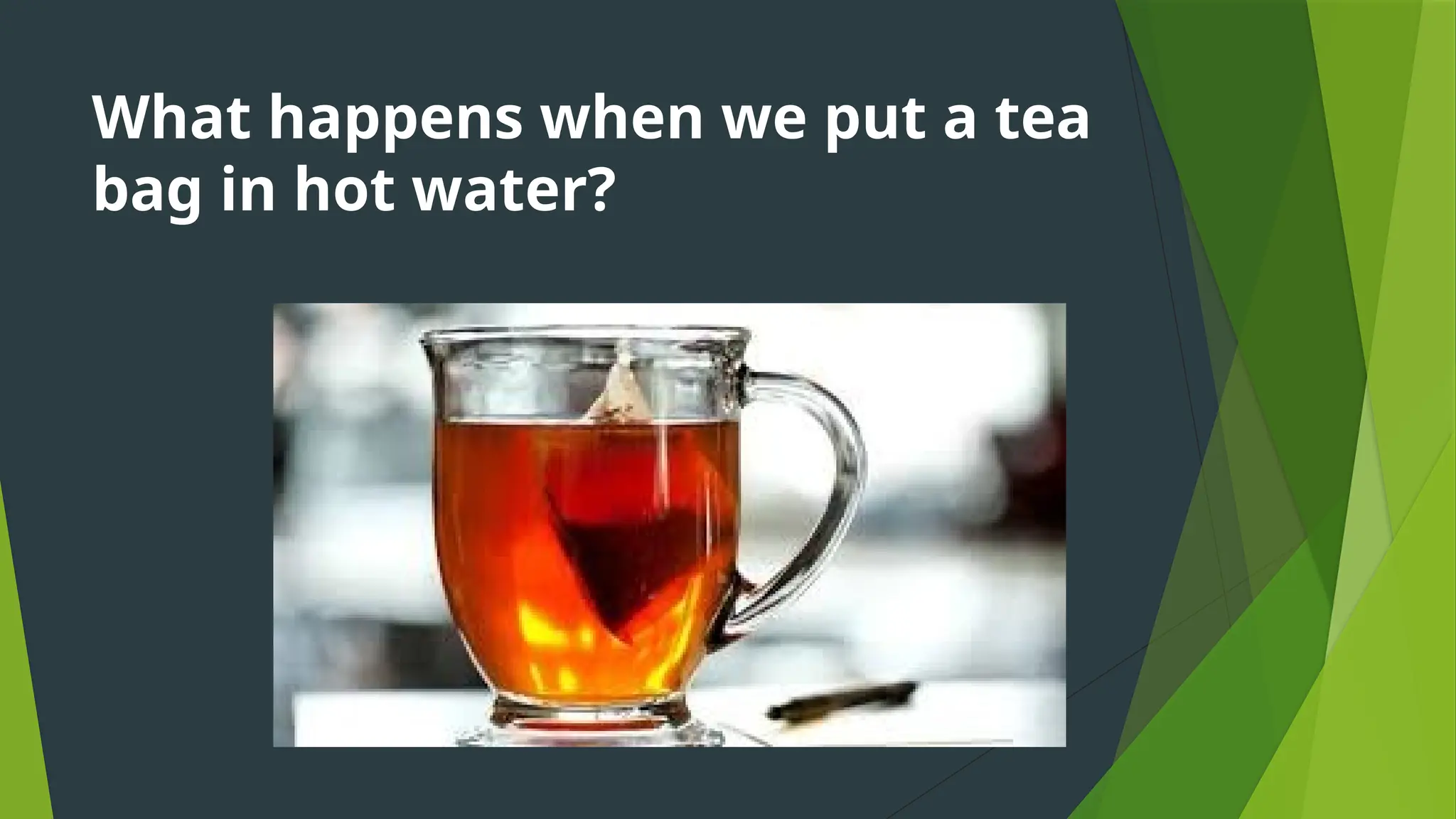
What happens when we put a tea
bag in hot water?
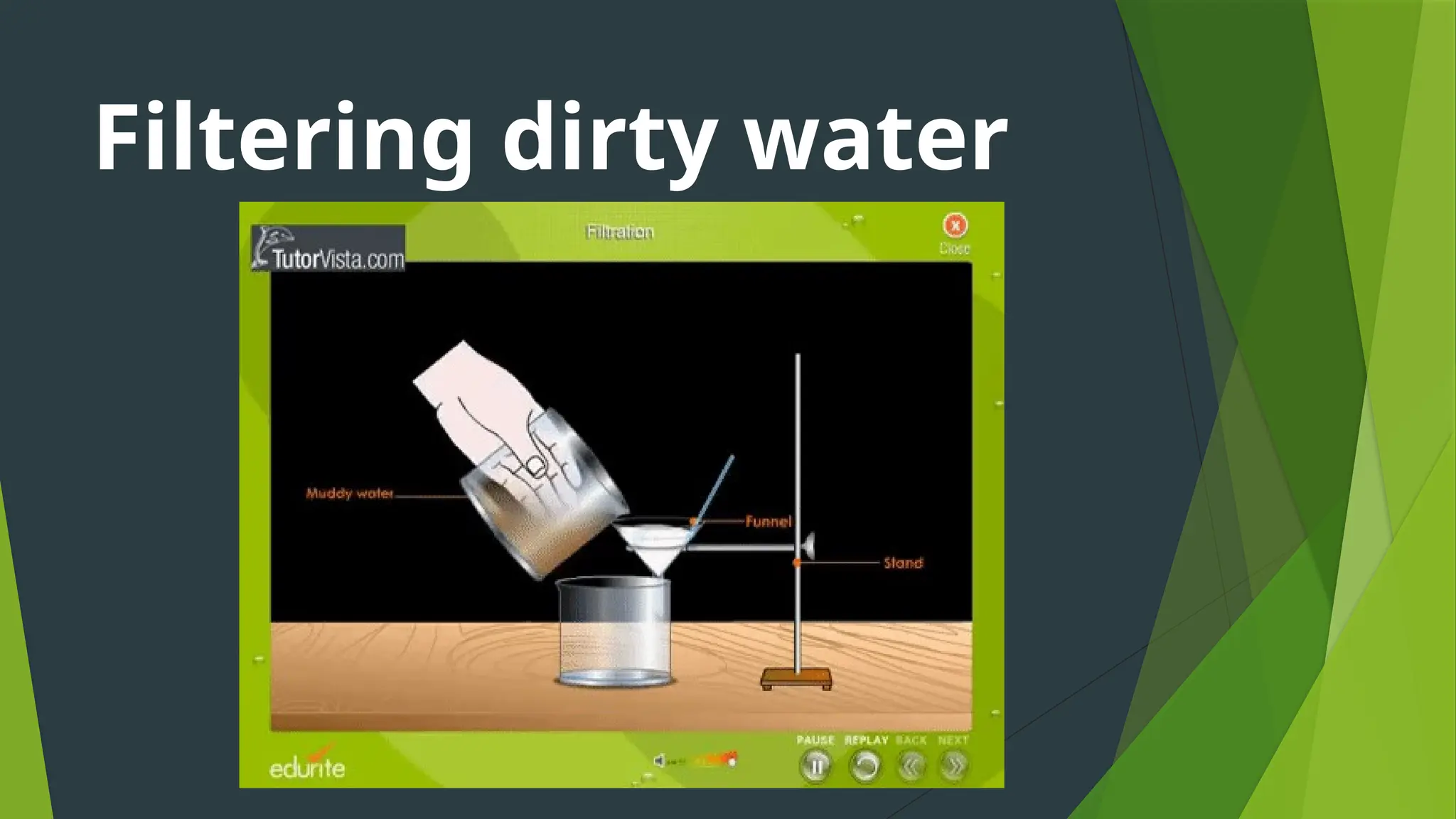
Filtration
Filtration is the process of separating
solid and liquid substances by using
a porous filter, such as filter paper
and cloth, that allows liquid to pass
through.
What happens when we put a tea
bag in hot water?
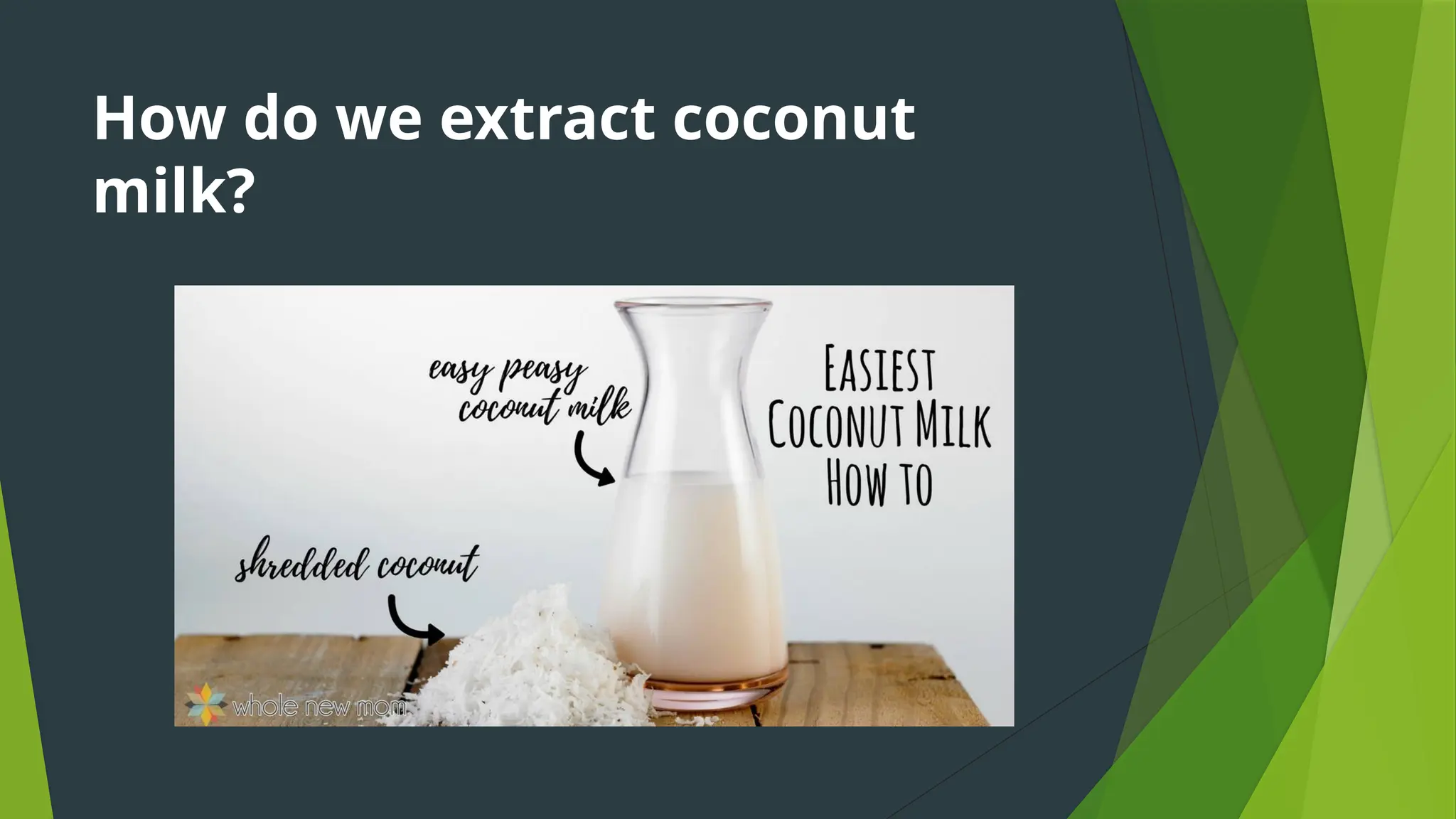
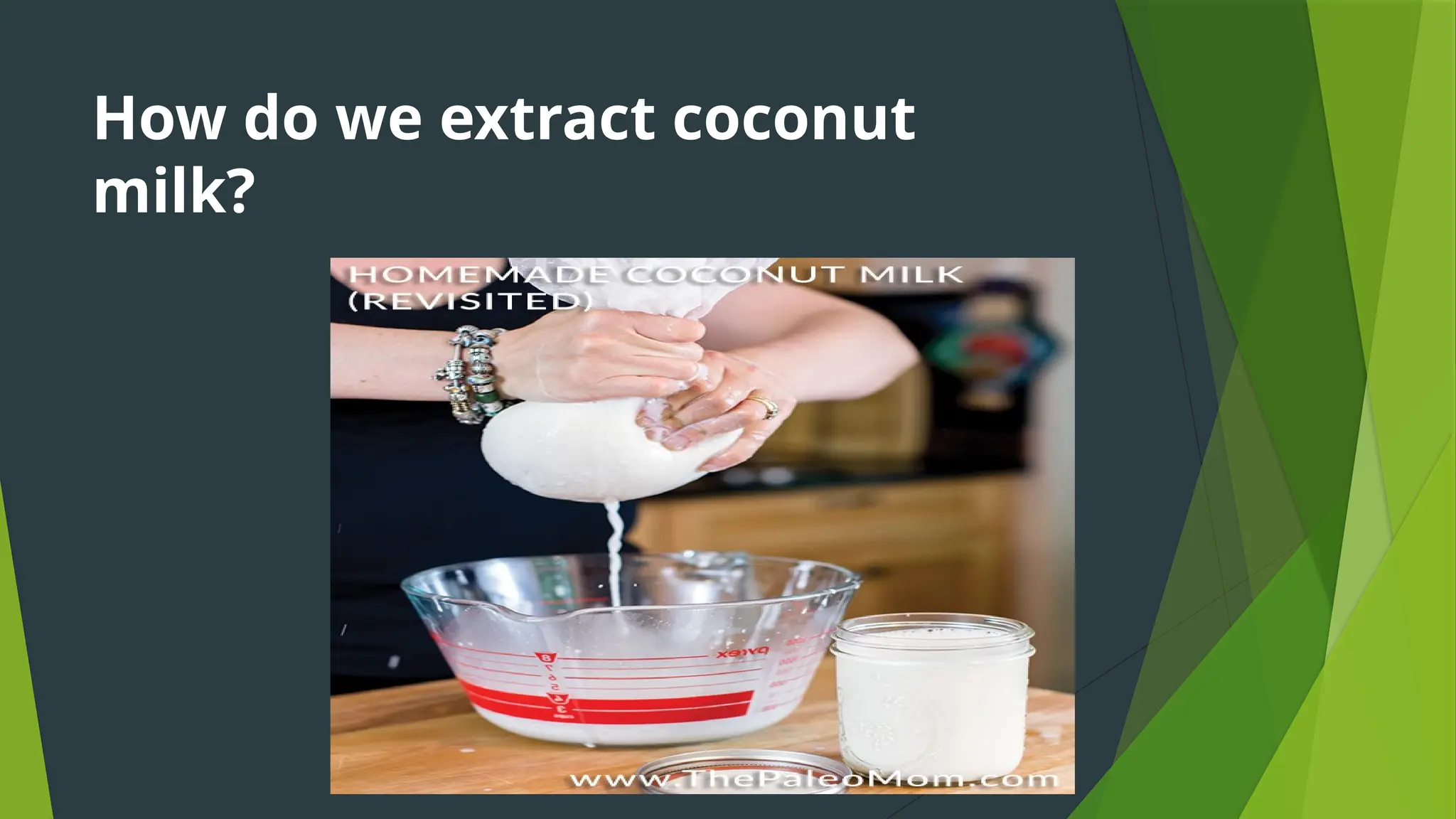
How do we extract coconut
milk?
Filtration
Coconut milk extraction uses cloth
to get the coconut milk. After mixing
the ground coconut with water and
mixing it, it is placed in a cloth and
squeezed to separate the grated
coconut and the milk.
How do we extract coconut
milk?
Filtering dirty water
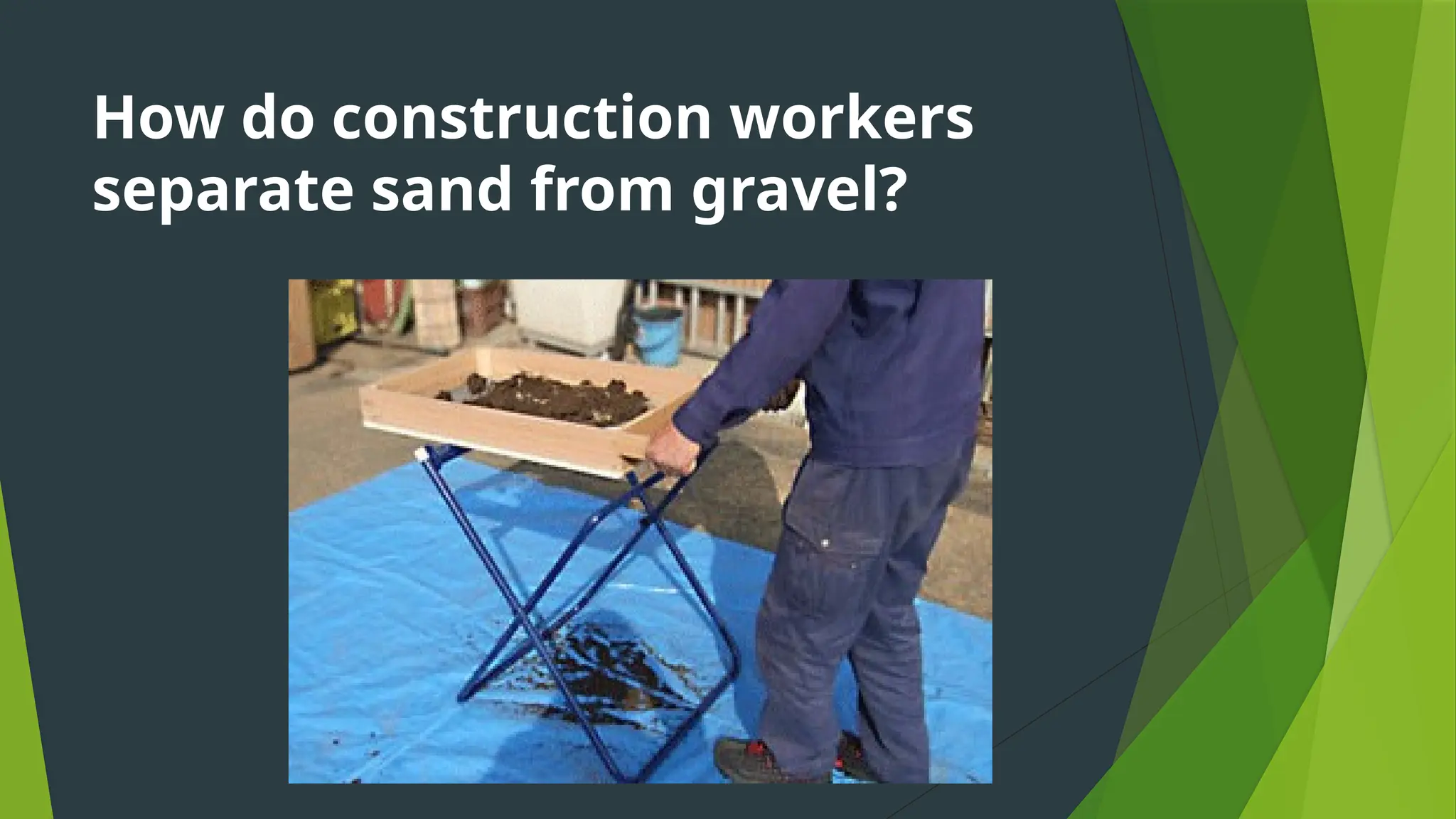
How do construction workers
separate sand from gravel?
Sieving
Sieving is used if a mixture is
composed of differently sized
particles where the big particles are
left on the sieve and the finer
particles pass through.
Sieve
A sieve is a utensil with
fine wire-mesh used for
straining substances or
reducing coarse to fine
particles.
Sieve picture
How do construction workers
separate sand from gravel?
Based on the
discussion, what is
the difference
between filtration
and sieving?
Difference
Sieving is used to separate solid-solid
mixtures, while filtration is used to
separate solid-liquid mixtures.
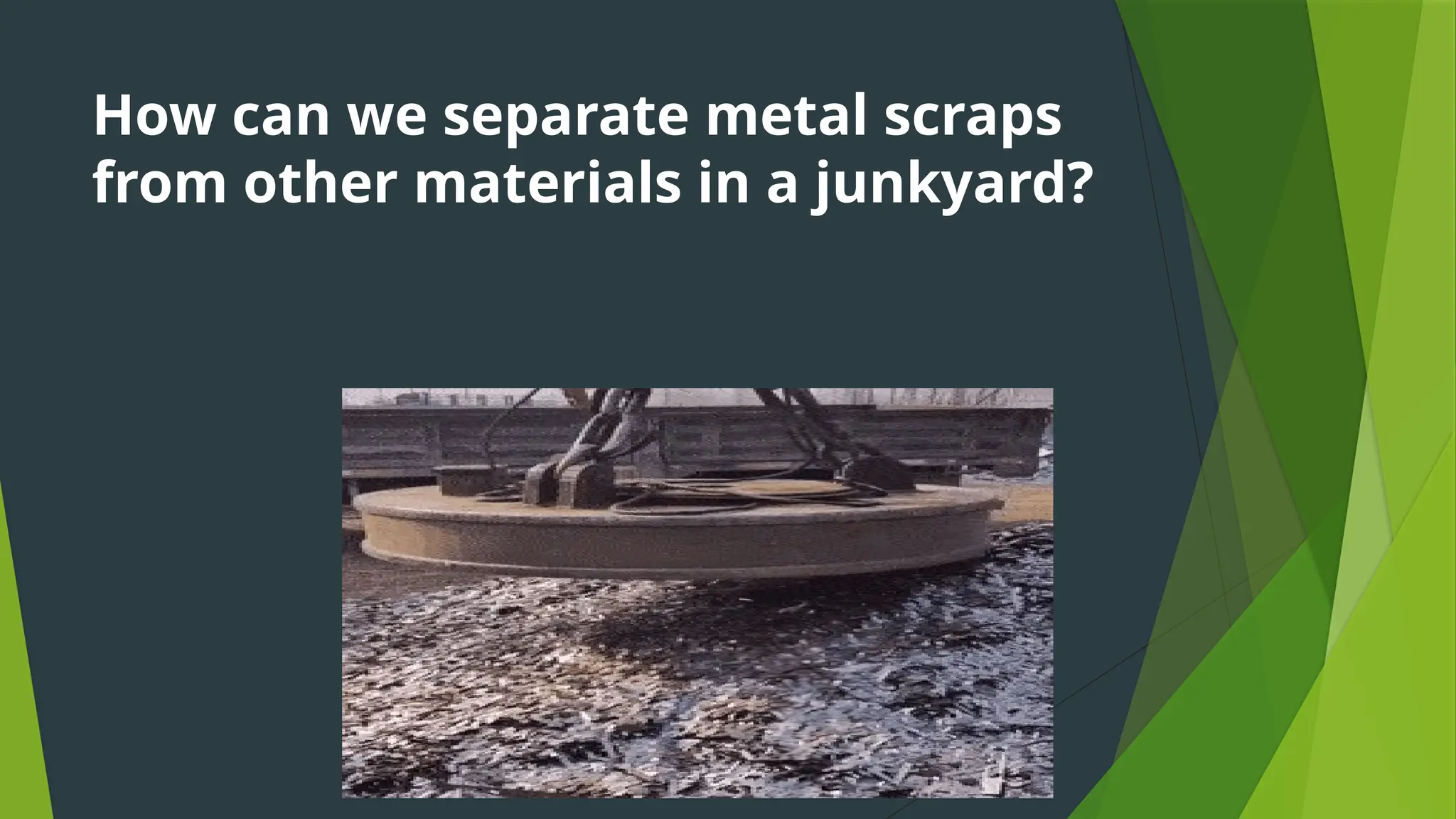
How can we separate metal scraps
from other materials in a junkyard?
Use of Magnets
Some mixtures are made of materials
that can be separated by magnets.
If we have a mixture of pebbles and
iron nails, we can manually pick up
the pebbles or the nails. But an
easier way to do it is by using
magnets.
How can we separate metal scraps
from other materials in a junkyard?
Benefits of
Separating
Mixtures.
Sometimes, impurities or other
substances get mixed which hinders
the material from being completely
useful. Separating the impurities
from the mixture will purify the
substances making it useful again.
Sometimes, impurities or other
substances get mixed which hinders
the material from being completely
useful. Separating the impurities
from the mixture will purify the
substances making it useful again.
How can separating mixtures be
applied in the water that we drink?
Water is always in contact with air
and the ground. This makes water
contain impurities which may affect
our health. Filtering water can
remove the impurities and makes it
fit to drink.
In some industries, pure substances
that are needed to make a new
substance are extracted form
mixtures. For example, CRUDE OIL is
a mixture of different substances like
hydrocarbons, nitrogen, sulphur and
oxygen. When crude oil is
processed, it obtains new products
like diesel, gasoline and asphalt.
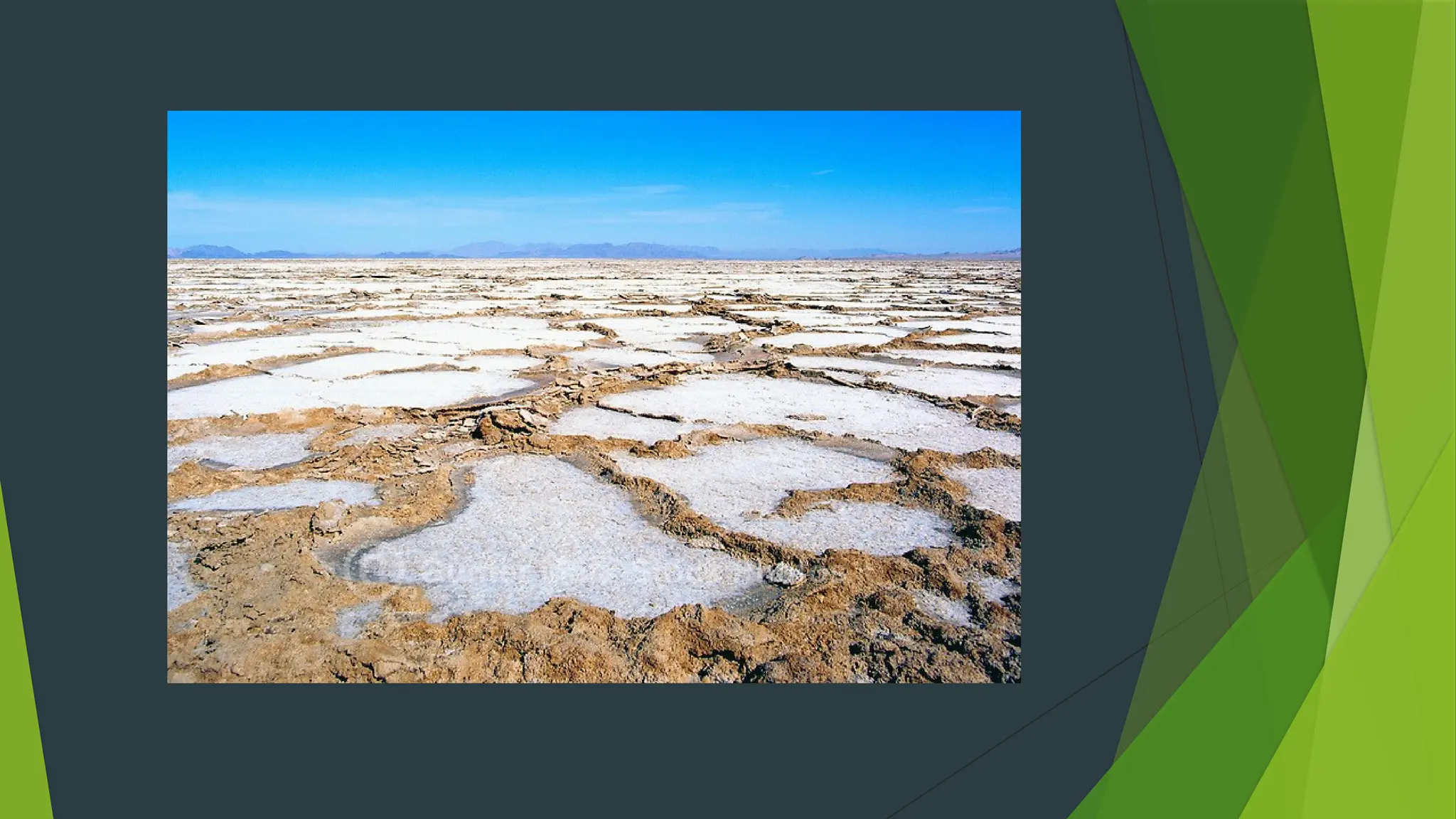
How can separating mixtures be
applied in the creating salt?
Salt-making industries create salt
using seawater. Upon exposure to
heat, water contents evaporate,
leaving us with a bed of salt.
How can separating mixtures be
applied at home?
https://docs.google.com/presentation/d/1vzoRAPALZpvtH
GVYkHHdKcJ6HWvAIqEK1L4aEyUk_xg/edit#slide=id.p

Separating Mixtures .pptx

  • 1.
    How can we separatethe following?
  • 2.
  • 3.
  • 4.
  • 5.
    If we combinesalt and pepper, we can say that it is a mixture. In fact, it is a HETEROGENEOUS mixture because you can easily see the components making it. The substance of a heterogeneous mixture is PHYSICALLY COMBINED, thus, we can also separate it.
  • 6.
    In this lesson,you will learn the following:  how can you separate mixtures like those above, and; The importance of separating mixtures.
  • 7.
    Some Applications ofSeparating Mixtures:
  • 8.
    Explanation After harvesting, thefarmers thresh palay to separate the grains from the harvested plant using a threshing machine.
  • 9.
    Some Applications ofSeparating Mixtures:
  • 10.
    Explanation During windy days,farmers do winnowing where they toss the grains in the air. Doing so, the wind carries the lighter materials like the husks and dust, and the heavy materials, like the grain, falls back to the container because of gravity. This is an example of a simple physical means of separating mixtures. This is done to remove the inedible parts of the palay.
  • 11.
    Some Applications ofSeparating Mixtures:
  • 12.
    Explanation The salt andsand in the salt-sand mixture can be separated easily. Adding water to the mixture will melt the salt, leaving the sand at the bottom after some time. The, you can slowly pour the salt solution to another container leaving the sand on the other. You can also filter the mixture. Doing so leaves you with one pure substance.
  • 14.
    Some Applications ofSeparating Mixtures:
  • 15.
    Explanation If sand ismixed with large particles like gravel, it can be removed by using a sieve. The fine particles will fit through the sieve and the large particles will be left on the sieve.
  • 17.
  • 18.
    Decantation Remember in ourHELE cooking class? Which of the things that we did involved decantation?
  • 19.
  • 20.
    Decantation Decantation is theprocess of removing or separating components of a mixture by slowly pouring the liquid component form one container to the other without disturbing the lower layer.
  • 21.
    Decantation To successfully dothe decantation method, another process called SEDIMENTATION where you allow the solid particles to settle at the bottom of the container first.
  • 23.
    How do weapply decantation in separating oil and water?
  • 24.
    Decantation In the caseof two immiscible liquids like oil and water, we can also use decantation where we pour the oil to another container slowly leaving the water on the other.
  • 26.
    Evaporation Evaporation is theprocess of turning the liquid material of the mixture into gas. When the liquid reaches its boiling point, it evaporates, leaving the other substance behind.
  • 28.
    Evaporation In a saltsolution, we cannot distinguish salt from water. But after evaporation, the water will vanish from the mixture and you will be left with solid, crystal-like substance which is the salt.
  • 30.
    How do weapply evaporation in making dried fish?
  • 31.
    Evaporation Water is presentin the fish’s body. When the fish is exposed under the heat of the sun, the water evaporates and the remaining substance is dried up.
  • 32.
    What happens whenwe put a tea bag in hot water?
  • 33.
    Filtration Filtration is theprocess of separating solid and liquid substances by using a porous filter, such as filter paper and cloth, that allows liquid to pass through.
  • 34.
    What happens whenwe put a tea bag in hot water?
  • 35.
    How do weextract coconut milk?
  • 36.
    Filtration Coconut milk extractionuses cloth to get the coconut milk. After mixing the ground coconut with water and mixing it, it is placed in a cloth and squeezed to separate the grated coconut and the milk.
  • 37.
    How do weextract coconut milk?
  • 38.
  • 39.
    How do constructionworkers separate sand from gravel?
  • 40.
    Sieving Sieving is usedif a mixture is composed of differently sized particles where the big particles are left on the sieve and the finer particles pass through.
  • 41.
    Sieve A sieve isa utensil with fine wire-mesh used for straining substances or reducing coarse to fine particles. Sieve picture
  • 42.
    How do constructionworkers separate sand from gravel?
  • 43.
    Based on the discussion,what is the difference between filtration and sieving?
  • 44.
    Difference Sieving is usedto separate solid-solid mixtures, while filtration is used to separate solid-liquid mixtures.
  • 45.
    How can weseparate metal scraps from other materials in a junkyard?
  • 46.
    Use of Magnets Somemixtures are made of materials that can be separated by magnets. If we have a mixture of pebbles and iron nails, we can manually pick up the pebbles or the nails. But an easier way to do it is by using magnets.
  • 47.
    How can weseparate metal scraps from other materials in a junkyard?
  • 48.
  • 49.
    Sometimes, impurities orother substances get mixed which hinders the material from being completely useful. Separating the impurities from the mixture will purify the substances making it useful again.
  • 50.
    Sometimes, impurities orother substances get mixed which hinders the material from being completely useful. Separating the impurities from the mixture will purify the substances making it useful again.
  • 51.
    How can separatingmixtures be applied in the water that we drink?
  • 52.
    Water is alwaysin contact with air and the ground. This makes water contain impurities which may affect our health. Filtering water can remove the impurities and makes it fit to drink.
  • 53.
    In some industries,pure substances that are needed to make a new substance are extracted form mixtures. For example, CRUDE OIL is a mixture of different substances like hydrocarbons, nitrogen, sulphur and oxygen. When crude oil is processed, it obtains new products like diesel, gasoline and asphalt.
  • 54.
    How can separatingmixtures be applied in the creating salt?
  • 55.
    Salt-making industries createsalt using seawater. Upon exposure to heat, water contents evaporate, leaving us with a bed of salt.
  • 57.
    How can separatingmixtures be applied at home? https://docs.google.com/presentation/d/1vzoRAPALZpvtH GVYkHHdKcJ6HWvAIqEK1L4aEyUk_xg/edit#slide=id.p