Download to read offline
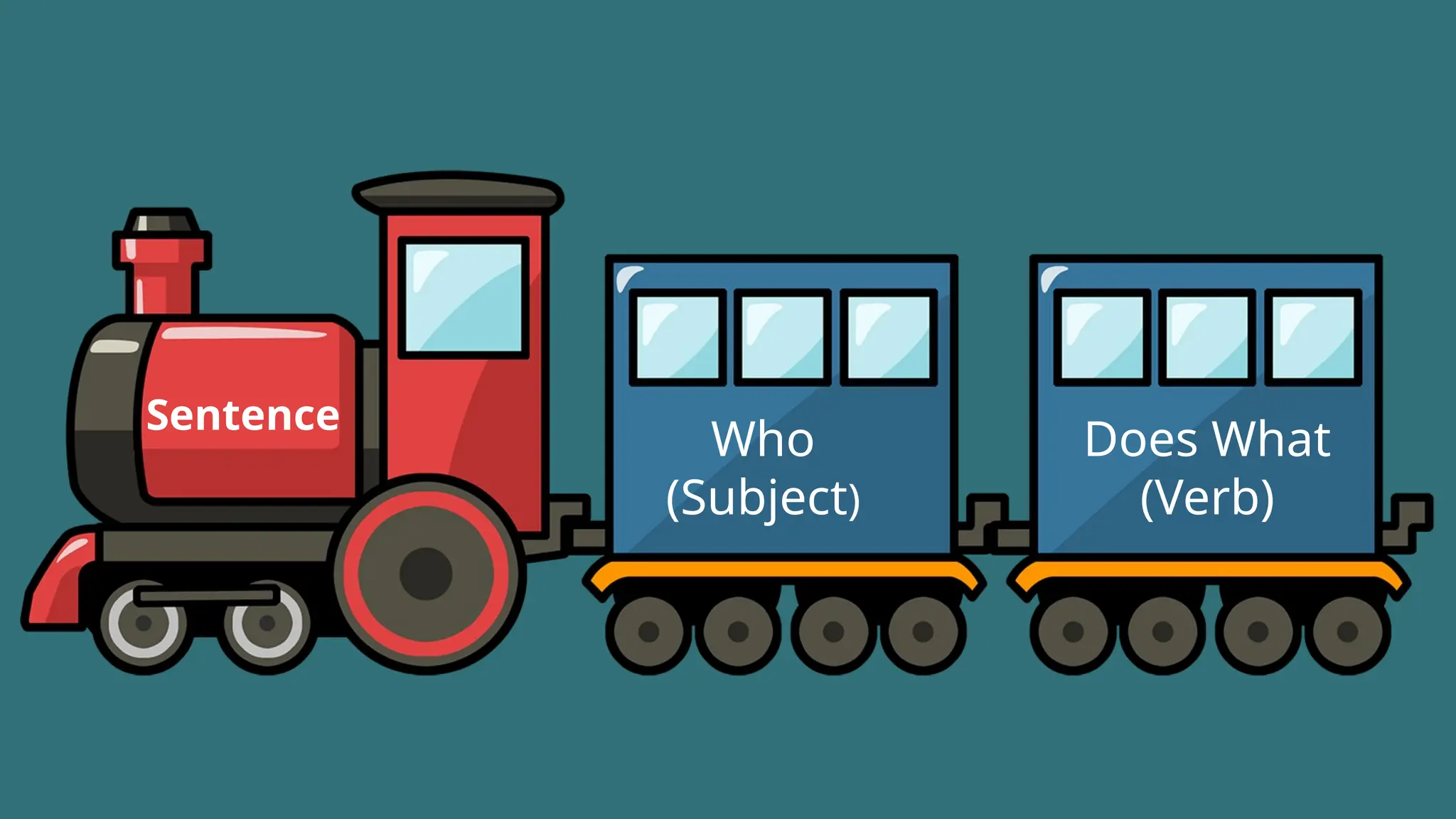
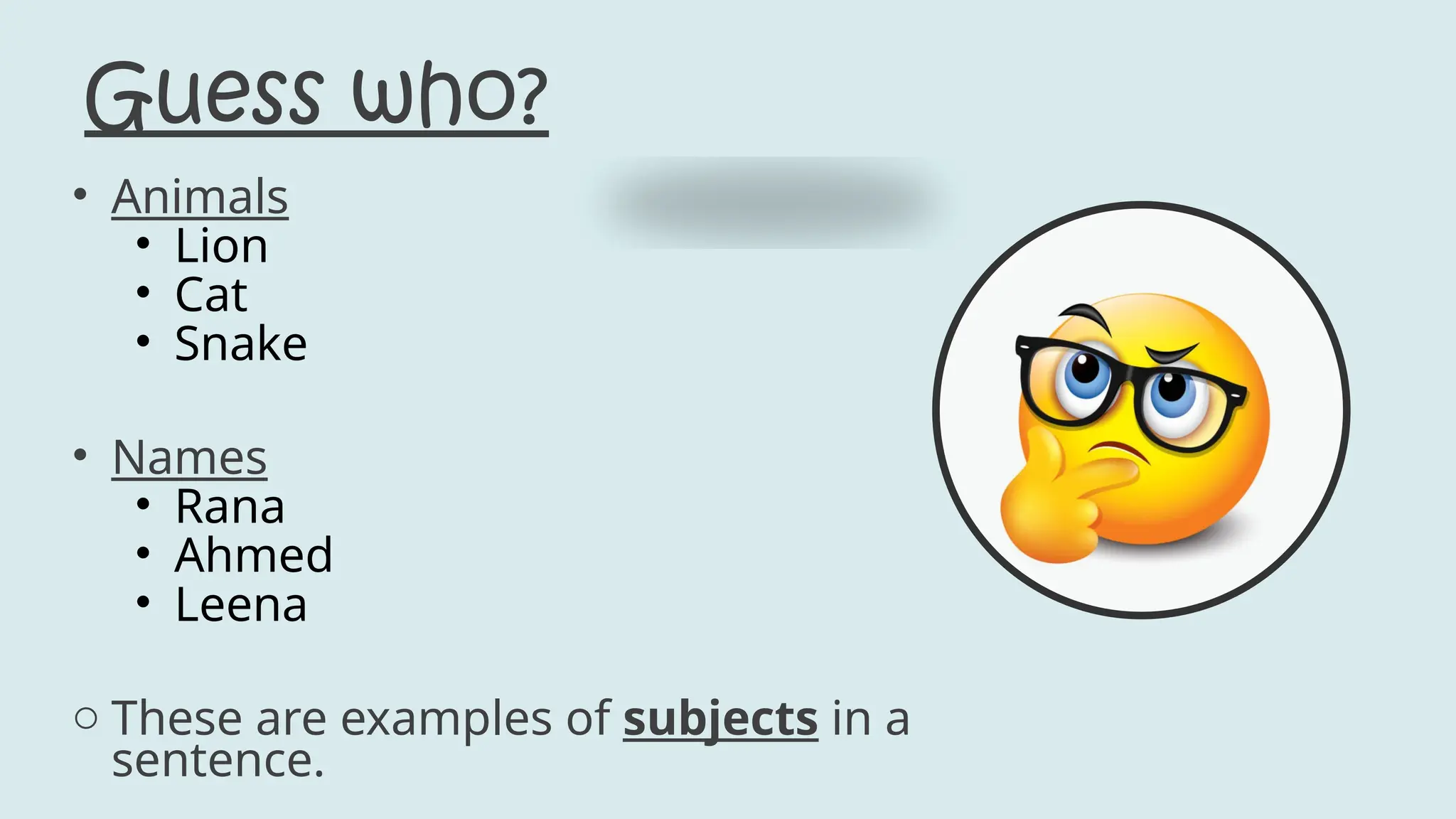
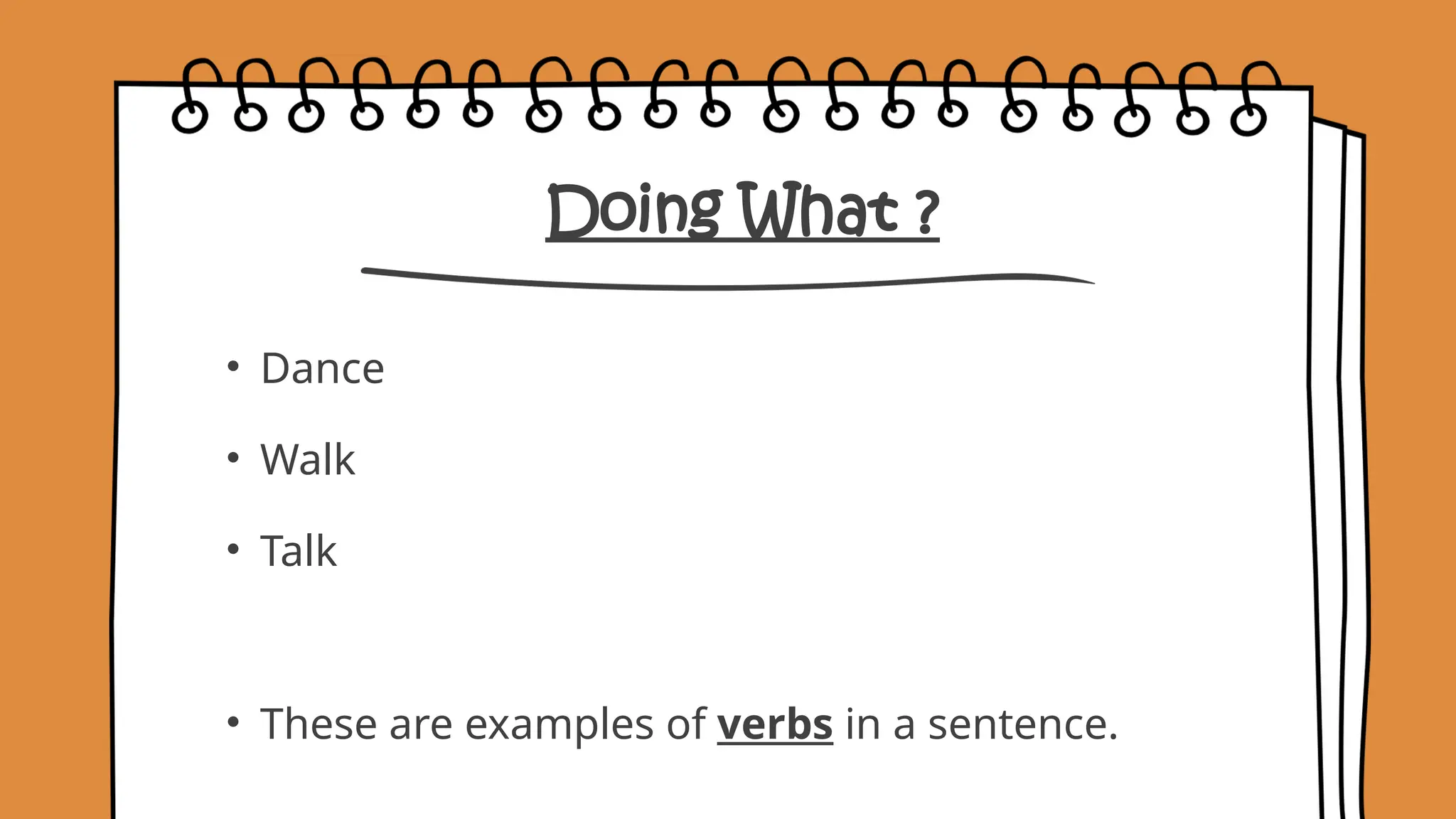



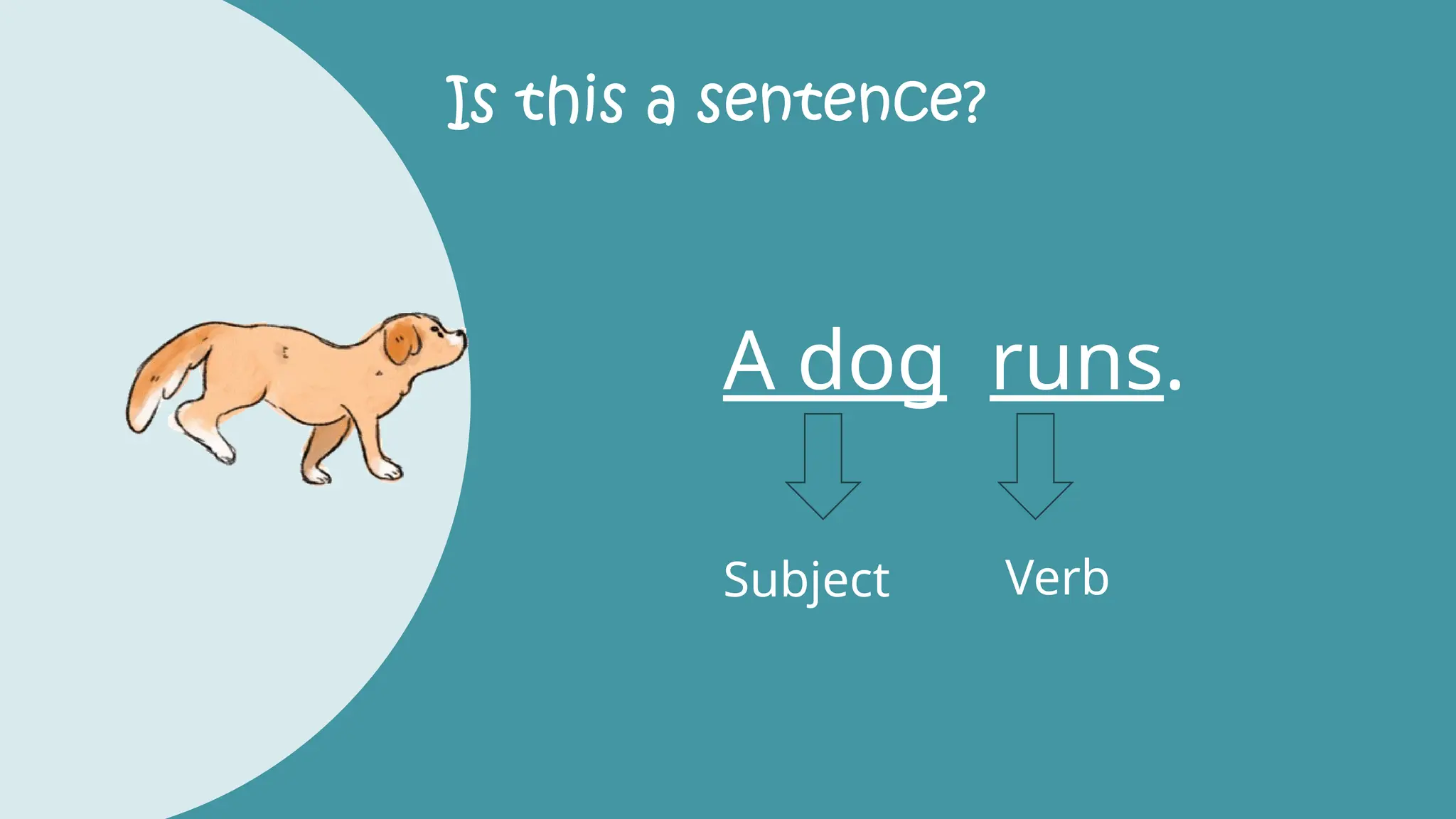
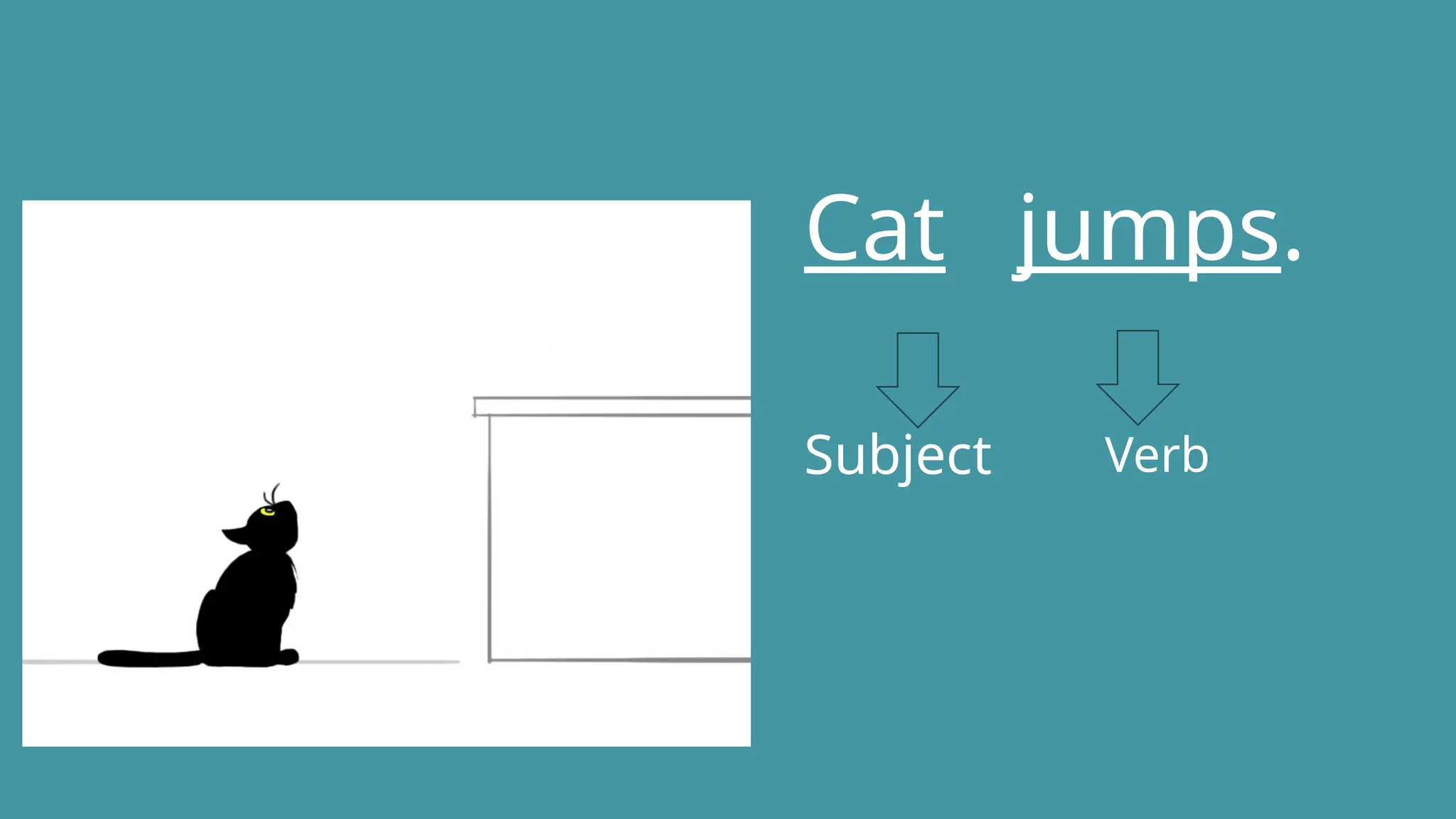
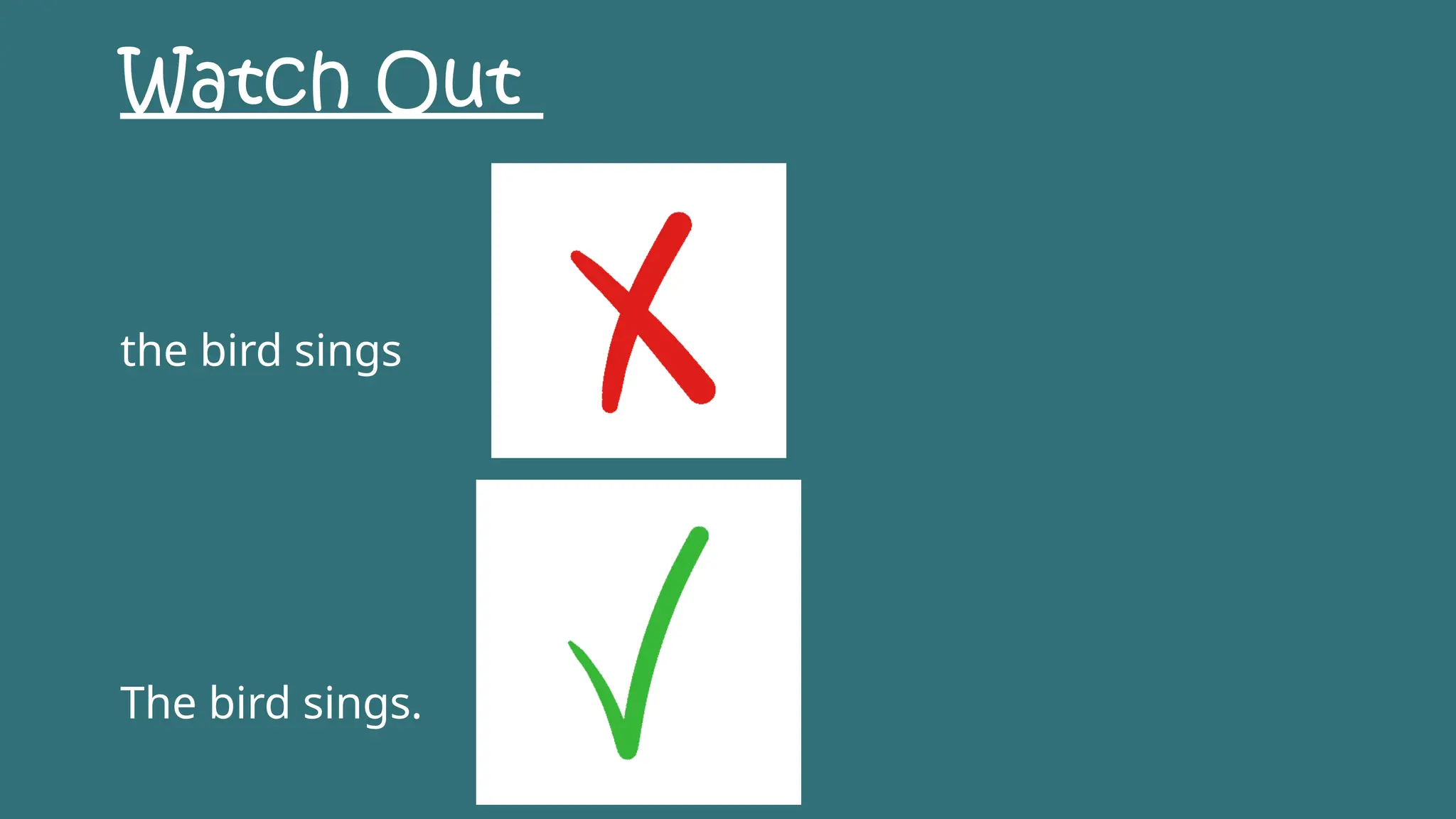
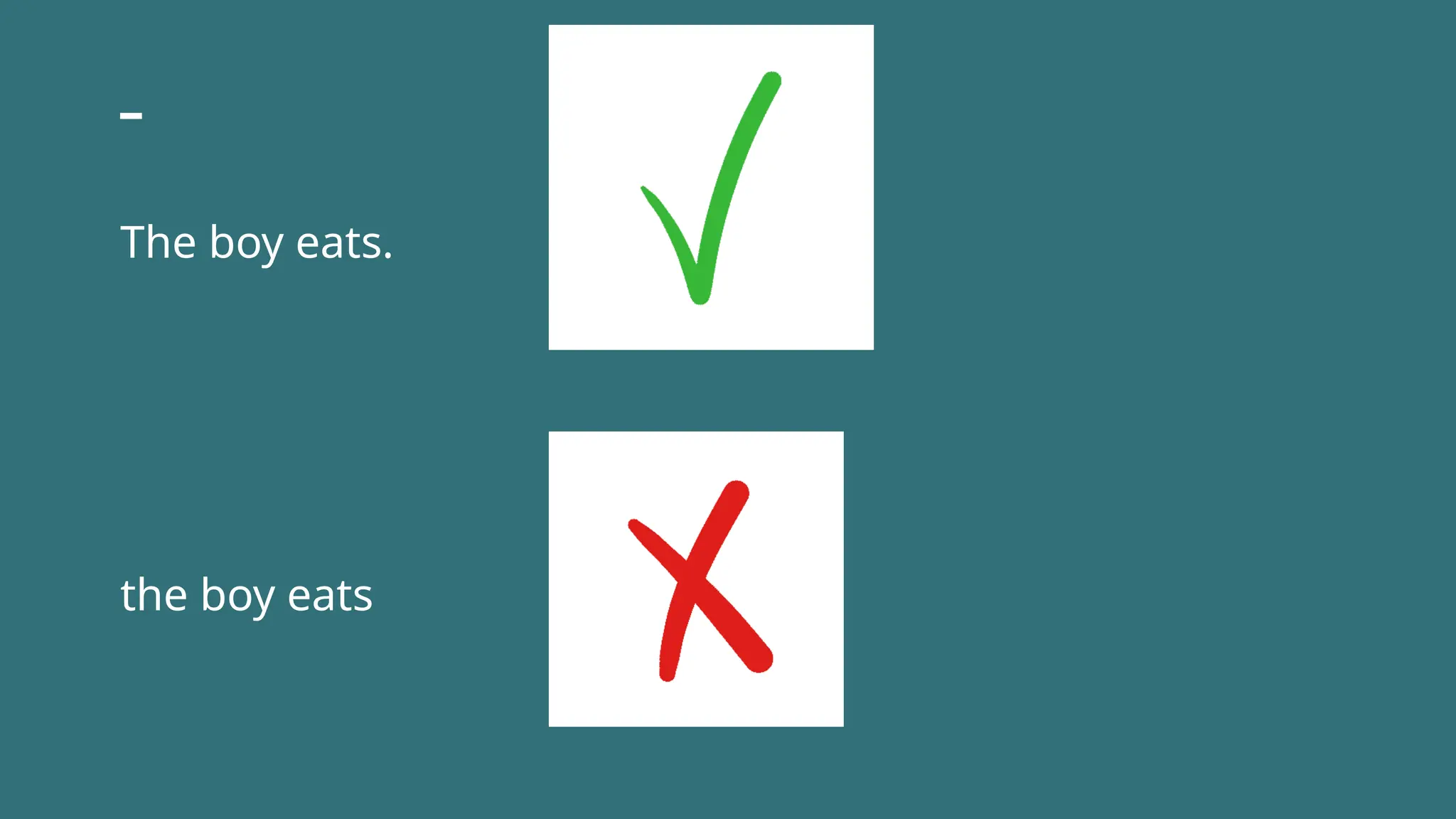
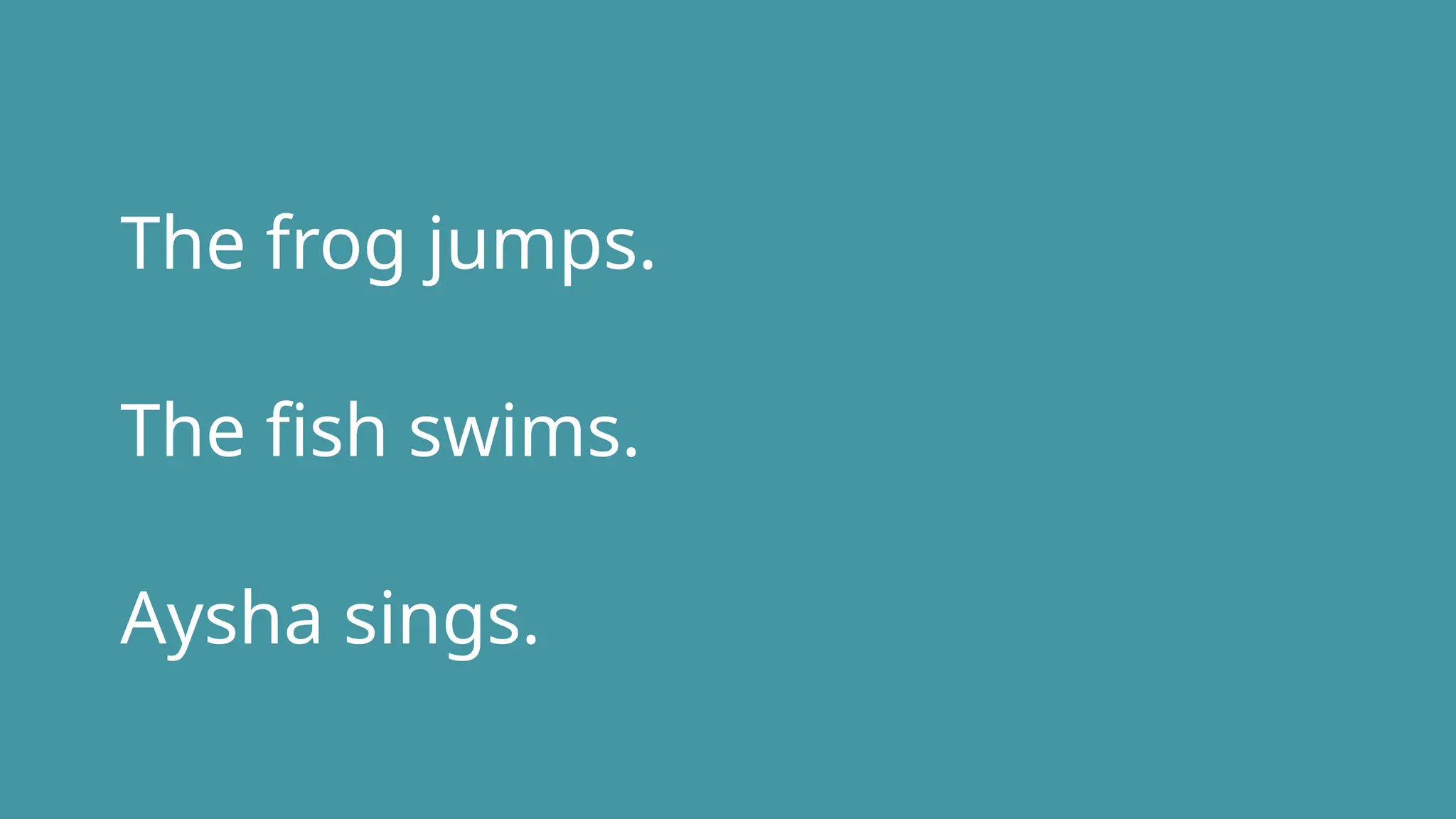

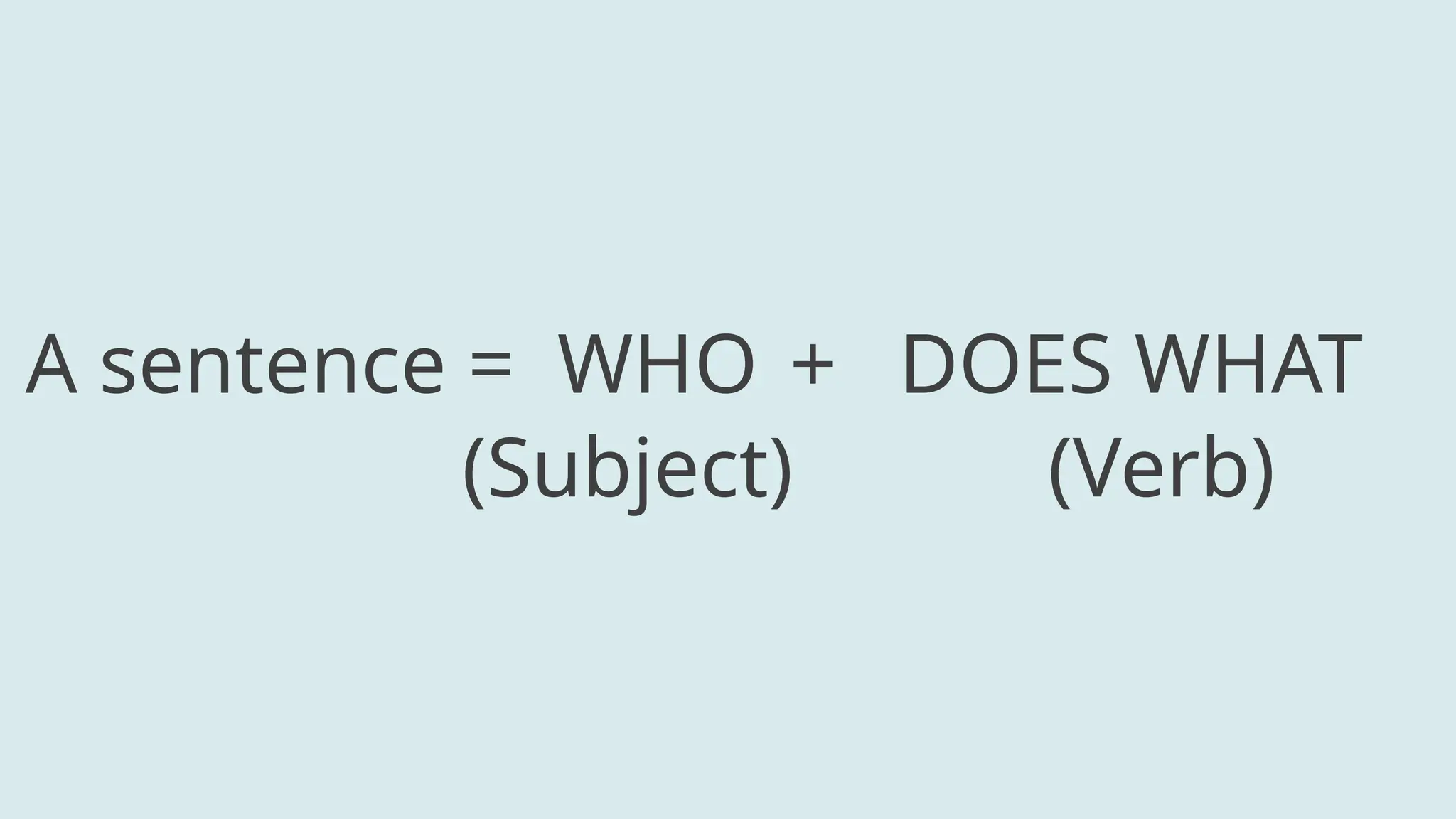

This PowerPoint presentation is a vibrant, engaging, and developmentally appropriate educational resource specifically designed to introduce young learners—particularly 1st grade students—to the foundational concept of sentence structure in the English language. At this early stage of literacy development, it is essential that students not only learn how to recognize and read words but also understand how those words come together to form complete, meaningful sentences. The purpose of this presentation is to help students comprehend what a sentence is, how it functions, and how to distinguish between complete sentences and incomplete thoughts or fragments. It also aims to give students hands-on experience with constructing their own basic sentences using familiar, age-appropriate vocabulary and relatable everyday contexts. The presentation opens with a colorful and cheerful title slide designed to immediately capture students’ attention and generate excitement about the lesson. With playful fonts, engaging visuals, and friendly characters, the first slide sets a positive and welcoming tone. As the presentation continues, the lesson begins by explaining the core definition of a sentence in language that is accessible and easy to remember: “A sentence is a group of words that tells a complete idea.” This explanation is followed by multiple examples of complete and incomplete sentences. Sentences such as “The cat sleeps” or “I like apples” are used to help students visualize what makes a sentence complete, while comparisons with fragments like “Sleeps all day” or “Like apples” help highlight the difference in a clear and concrete way. Following the basic definition, the presentation introduces the two essential parts of a sentence: the subject and the predicate. The subject is defined as the part of the sentence that tells who or what the sentence is about, while the predicate tells what the subject is doing or describes something about the subject. Each concept is broken down into manageable pieces and is reinforced through colorful illustrations, simple animations, and color-coded text that visually separates the subject and predicate. This helps young students clearly understand the roles each part plays in forming a complete sentence. The PowerPoint includes several interactive slides and activities designed to engage students actively in the learning process. One such activity allows students to match subjects and predicates to form grammatically correct and meaningful sentences, such as pairing “The dog” with “is barking” or “My mom” with “cooks dinner.” Another activity involves a sentence sorting game where students decide whether a string of words is a complete sentence or a fragment. These interactive elements are ideal for classrooms with smartboards or digital projectors and can also be adapted for verbal participation or hands-on board work in a traditional setting. A key section of the presentation introduces basic sentence structu


