The Promise and the Pitfalls of
Selling Direct
Gareth Cuddy, Founder and CEO of Vearsa
The IPG’s Digital and Marketing Quarterly
September 17, 2015
Vearsa helps
Publishers sell more
eBooks using smart
technology
Publishing is
extremely
complex in
2015
1
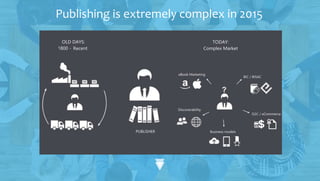
Publishing is extremely complex in 2015
The industry is focused on destination sites
where you can buy almost every book
If you can find it….
Why Go Direct?
• I want to know my readers
• I need to be able to market to my readers
• I want to make more margin
• I want more money
PAGE 6
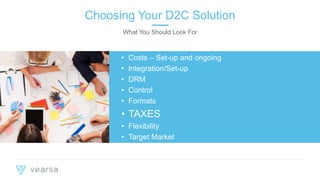
• Costs – Set-up and ongoing
• Integration/Set-up
• DRM
• Control
• Formats
• TAXES
• Flexibility
• Target Market
Choosing Your D2C Solution
What You Should Look For
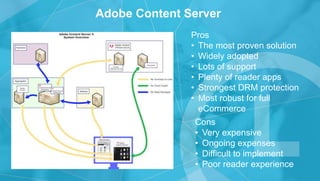
Adobe Content Server
Pros
• The most proven solution
• Widely adopted
• Lots of support
• Plenty of reader apps
• Strongest DRM protection
• Most robust for full
eCommerce
Cons
• Very expensive
• Ongoing expenses
• Difficult to implement
• Poor reader experience
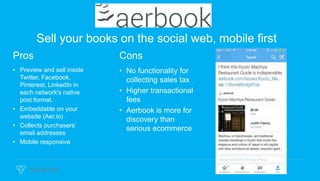
Sell your books on the social web, mobile first
Pros
• Preview and sell inside
Twitter, Facebook,
Pinterest, LinkedIn in
each network's native
post format.
• Embeddable on your
website (Aer.io)
• Collects purchasers’
email addresses
• Mobile responsive
Cons
• No functionality for
collecting sales tax
• Higher transactional
fees
• Aerbook is more for
discovery than
serious ecommerce
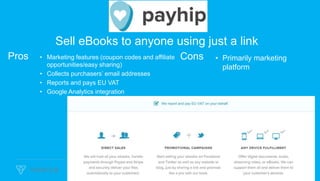
Sell eBooks to anyone using just a link
Pros • Marketing features (coupon codes and affiliate
opportunities/easy sharing)
• Collects purchasers’ email addresses
• Reports and pays EU VAT
• Google Analytics integration
Cons • Primarily marketing
platform
Simple eBook selling
Pros
• Embeddable on your
website, social media,
newsletters
• Simple checkout
process
• D2C communication +
detailed analytics (view
conversion rates of
sources)
• Can be used for
physical items as well
as digital. Includes
subscription content
Cons
• Doesn’t offer key
features required for
selling books at
scale (shopping
cart, storefront, etc.)
• Directs away from
your site
• No functionality for
collecting sales tax
PAGE 11
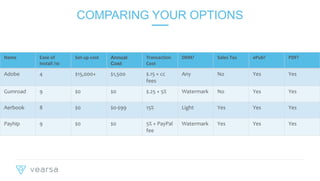
COMPARING YOUR OPTIONS
Name Ease of
Install /10
Set-up cost Annual
Cost
Transaction
Cost
DRM? Sales Tax ePub? PDF?
Adobe 4 $15,000+ $1,500 $.15 + cc
fees
Any No Yes Yes
Gumroad 9 $0 $0 $.25 + 5% Watermark No Yes Yes
Aerbook 8 $0 $0-$99 15% Light Yes Yes Yes
Payhip 9 $0 $0 5% + PayPal
fee
Watermark Yes Yes Yes
PAGE 12
• If I want more control – ability to upsell, then yes
• If I want reading data, then yes
• But what would you do with that data?
• Readers prefer reading in their favourite App
• Make it easy!
• Outsource, Outsource, Outsource
• Will integrate with DRM solutions
DO I NEED A READER?
PAGE 13
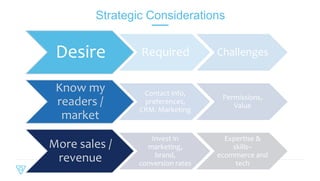
Strategic Considerations
Desire Required Challenges
Know my
readers /
market
Contact info,
preferences,
CRM. Marketing
Permissions,
Value
More sales /
revenue
Invest in
marketing,
brand,
conversion rates
Expertise &
skills–
ecommerce and
tech
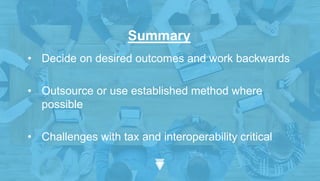
Summary
• Decide on desired outcomes and work backwards
• Outsource or use established method where
possible
• Challenges with tax and interoperability critical
QUESTIONS?
Gareth@vearsa.com
@garethcuddy
@vearsabooks

Selling eBooks Online

  • 1.
    The Promise andthe Pitfalls of Selling Direct Gareth Cuddy, Founder and CEO of Vearsa The IPG’s Digital and Marketing Quarterly September 17, 2015
  • 2.
    Vearsa helps Publishers sellmore eBooks using smart technology
  • 3.
  • 4.
    The industry isfocused on destination sites where you can buy almost every book If you can find it….
  • 5.
    Why Go Direct? •I want to know my readers • I need to be able to market to my readers • I want to make more margin • I want more money
  • 6.
    PAGE 6 • Costs– Set-up and ongoing • Integration/Set-up • DRM • Control • Formats • TAXES • Flexibility • Target Market Choosing Your D2C Solution What You Should Look For
  • 7.
    Adobe Content Server Pros •The most proven solution • Widely adopted • Lots of support • Plenty of reader apps • Strongest DRM protection • Most robust for full eCommerce Cons • Very expensive • Ongoing expenses • Difficult to implement • Poor reader experience
  • 8.
    Sell your bookson the social web, mobile first Pros • Preview and sell inside Twitter, Facebook, Pinterest, LinkedIn in each network's native post format. • Embeddable on your website (Aer.io) • Collects purchasers’ email addresses • Mobile responsive Cons • No functionality for collecting sales tax • Higher transactional fees • Aerbook is more for discovery than serious ecommerce
  • 9.
    Sell eBooks toanyone using just a link Pros • Marketing features (coupon codes and affiliate opportunities/easy sharing) • Collects purchasers’ email addresses • Reports and pays EU VAT • Google Analytics integration Cons • Primarily marketing platform
  • 10.
    Simple eBook selling Pros •Embeddable on your website, social media, newsletters • Simple checkout process • D2C communication + detailed analytics (view conversion rates of sources) • Can be used for physical items as well as digital. Includes subscription content Cons • Doesn’t offer key features required for selling books at scale (shopping cart, storefront, etc.) • Directs away from your site • No functionality for collecting sales tax
  • 11.
    PAGE 11 COMPARING YOUROPTIONS Name Ease of Install /10 Set-up cost Annual Cost Transaction Cost DRM? Sales Tax ePub? PDF? Adobe 4 $15,000+ $1,500 $.15 + cc fees Any No Yes Yes Gumroad 9 $0 $0 $.25 + 5% Watermark No Yes Yes Aerbook 8 $0 $0-$99 15% Light Yes Yes Yes Payhip 9 $0 $0 5% + PayPal fee Watermark Yes Yes Yes
  • 12.
    PAGE 12 • IfI want more control – ability to upsell, then yes • If I want reading data, then yes • But what would you do with that data? • Readers prefer reading in their favourite App • Make it easy! • Outsource, Outsource, Outsource • Will integrate with DRM solutions DO I NEED A READER?
  • 13.
    PAGE 13 Strategic Considerations DesireRequired Challenges Know my readers / market Contact info, preferences, CRM. Marketing Permissions, Value More sales / revenue Invest in marketing, brand, conversion rates Expertise & skills– ecommerce and tech
  • 14.
    Summary • Decide ondesired outcomes and work backwards • Outsource or use established method where possible • Challenges with tax and interoperability critical
  • 15.