The Pareto Principle
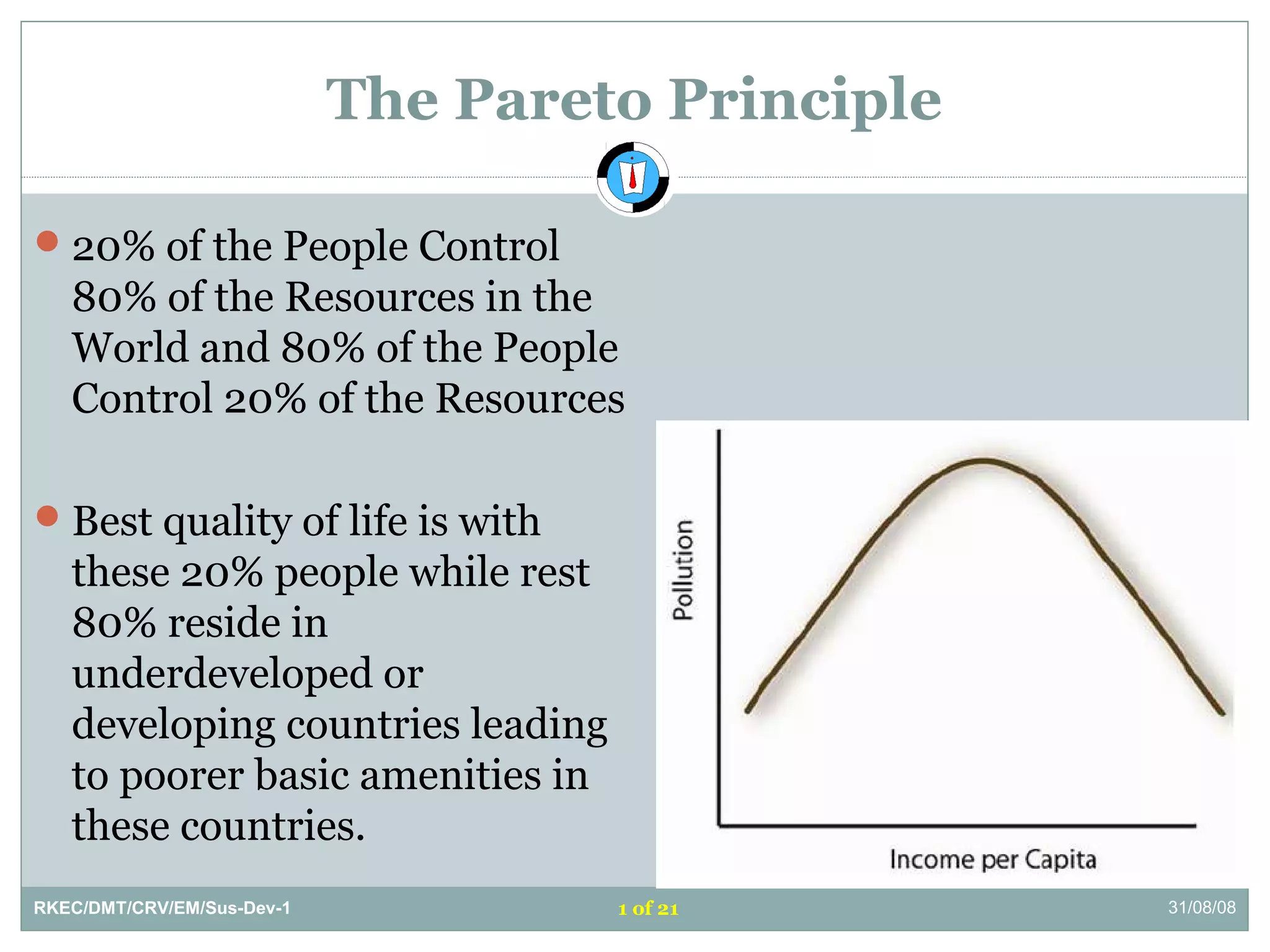
20% of the People Control
80% of the Resources in the
World and 80% of the People
Control 20% of the Resources
Best quality of life is with
these 20% people while rest
80% reside in
underdeveloped or
developing countries leading
to poorer basic amenities in
these countries.
RKEC/DMT/CRV/EM/Sus-Dev-1 31/08/081 of 21
Environmental Quality & Development
Reasons for Environmental Damage
 Uncontrolled Consumption of Earth’s Natural Resources
 Excessive Use of Non-renewable Energy Sources
Major Visible Damages
 Population Increase
 Diminishing Stock of Vital Natural Resources
 Deforestation leading to Ecological imbalances
 Declining Biodiversity
 Expanding Deserts
 Erosion of Soil & its Fertility
 Loss of Aquatic Resources like Fish
 Circulation of Toxic compounds as a result of Pollution across all
resources like Air, Water, Soil and Food
RKEC/DMT/CRV/EM/Sus-Dev-1 31/08/082 of 21
The Term: ‘Sustainable Development’
United Nation’s World Commission on Environment
& Development coined the term in 1987
It is also known as ‘The Brundtland Commission’
which published a report “Our Common Future”
RKEC/DMT/CRV/EM/Sus-Dev-1 31/08/083 of 21
31/08/08RKEC/DMT/CRV/EM/Sus-Dev-1
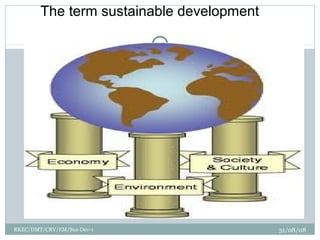
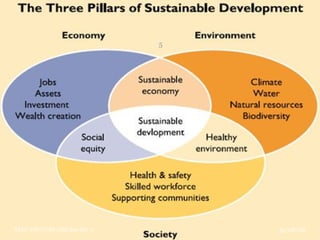
The term sustainable development
31/08/08RKEC/DMT/CRV/EM/Sus-Dev-1
5
Focus areas for priority attention at Rio+20
(June 2012)
 Green jobs, youth employment , Green economy.
 Energy access, efficiency, sustainability.
 Food security and sustainable agriculture.
 Water resource management.
 Sustainable cities.
 Management of the oceans, fisheries & other marine
resources.
Improved resilience and disaster preparedness.
Common but Differentiated Responsibility.
31/08/08RKEC/DMT/CRV/EM/Sus-Dev-1
6
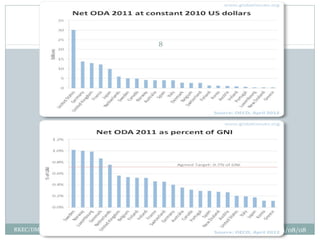
ODA
CDR
GE
31/08/08RKEC/DMT/CRV/EM/Sus-Dev-1
8
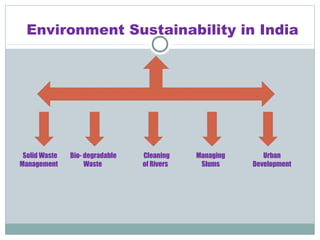
Environment Sustainability in India
Solid Waste
Management
Bio- degradable
Waste
Cleaning
of Rivers
Managing
Slums
Urban
Development
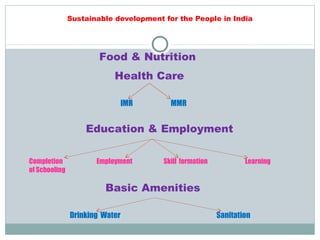
Sustainable development for the People in India
Health Care
Education & Employment
Basic Amenities
IMR MMR
Completion
of Schooling
Employment Skill formation Learning
Drinking Water Sanitation
Food & Nutrition
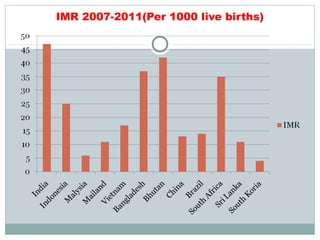
IMR 2007-2011(Per 1000 live births)
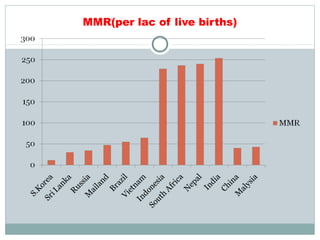
MMR(per lac of live births)
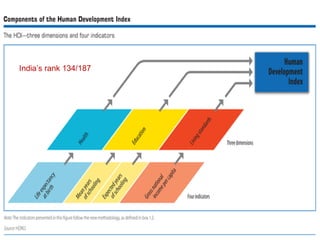
India’s rank 134/187
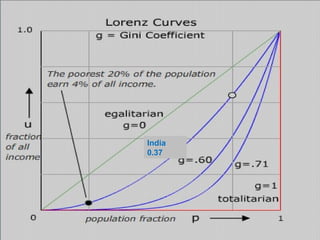
India
0.37

Sdppt

  • 1.
    The Pareto Principle 20%of the People Control 80% of the Resources in the World and 80% of the People Control 20% of the Resources Best quality of life is with these 20% people while rest 80% reside in underdeveloped or developing countries leading to poorer basic amenities in these countries. RKEC/DMT/CRV/EM/Sus-Dev-1 31/08/081 of 21
  • 2.
    Environmental Quality &Development Reasons for Environmental Damage  Uncontrolled Consumption of Earth’s Natural Resources  Excessive Use of Non-renewable Energy Sources Major Visible Damages  Population Increase  Diminishing Stock of Vital Natural Resources  Deforestation leading to Ecological imbalances  Declining Biodiversity  Expanding Deserts  Erosion of Soil & its Fertility  Loss of Aquatic Resources like Fish  Circulation of Toxic compounds as a result of Pollution across all resources like Air, Water, Soil and Food RKEC/DMT/CRV/EM/Sus-Dev-1 31/08/082 of 21
  • 3.
    The Term: ‘SustainableDevelopment’ United Nation’s World Commission on Environment & Development coined the term in 1987 It is also known as ‘The Brundtland Commission’ which published a report “Our Common Future” RKEC/DMT/CRV/EM/Sus-Dev-1 31/08/083 of 21
  • 4.
  • 5.
  • 6.
    Focus areas forpriority attention at Rio+20 (June 2012)  Green jobs, youth employment , Green economy.  Energy access, efficiency, sustainability.  Food security and sustainable agriculture.  Water resource management.  Sustainable cities.  Management of the oceans, fisheries & other marine resources. Improved resilience and disaster preparedness. Common but Differentiated Responsibility. 31/08/08RKEC/DMT/CRV/EM/Sus-Dev-1 6
  • 7.
  • 8.
  • 9.
    Environment Sustainability inIndia Solid Waste Management Bio- degradable Waste Cleaning of Rivers Managing Slums Urban Development
  • 10.
    Sustainable development forthe People in India Health Care Education & Employment Basic Amenities IMR MMR Completion of Schooling Employment Skill formation Learning Drinking Water Sanitation Food & Nutrition
  • 11.
  • 12.
    MMR(per lac oflive births)
  • 13.
  • 14.