By Keric, Tyler, Ethan, and Mike
Scatter Plot Graph
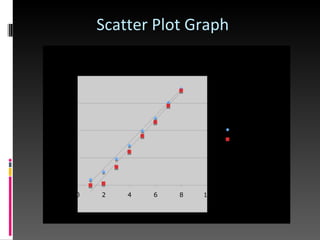
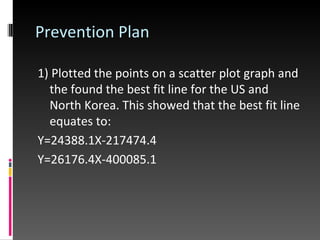
Prevention Plan 1) Plotted the points on a scatter plot graph and the found the best fit line for the US and North Korea. This showed that the best fit line equates to: Y=24388.1X-217474.4 Y=26176.4X-400085.1
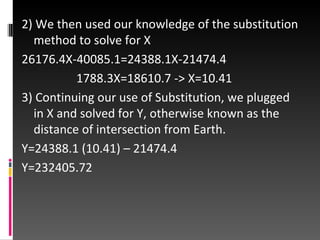
2) We then used our knowledge of the substitution method to solve for X 26176.4X-40085.1=24388.1X-21474.4 1788.3X=18610.7 -> X=10.41 3) Continuing our use of Substitution, we plugged in X and solved for Y, otherwise known as the distance of intersection from Earth. Y=24388.1 (10.41) – 21474.4 Y=232405.72
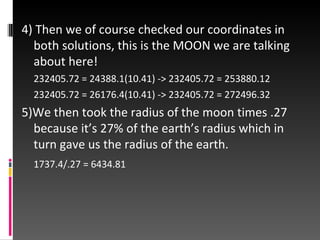
4) Then we of course checked our coordinates in both solutions, this is the MOON we are talking about here! 232405.72 = 24388.1(10.41) -> 232405.72 = 253880.12 232405.72 = 26176.4(10.41) -> 232405.72 = 272496.32 5)We then took the radius of the moon times .27 because it’s 27% of the earth’s radius which in turn gave us the radius of the earth. 1737.4/.27 = 6434.81
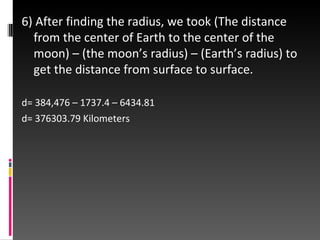
6) After finding the radius, we took (The distance from the center of Earth to the center of the moon) – (the moon’s radius) – (Earth’s radius) to get the distance from surface to surface. d= 384,476 – 1737.4 – 6434.81 d= 376303.79 Kilometers
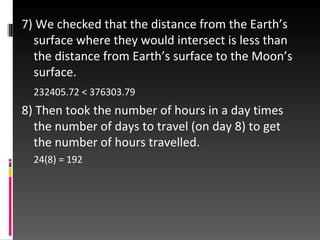
7) We checked that the distance from the Earth’s surface where they would intersect is less than the distance from Earth’s surface to the Moon’s surface. 232405.72 < 376303.79 8) Then took the number of hours in a day times the number of days to travel (on day 8) to get the number of hours travelled. 24(8) = 192
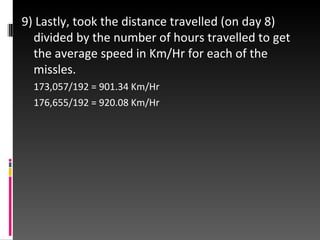
9) Lastly, took the distance travelled (on day 8) divided by the number of hours travelled to get the average speed in Km/Hr for each of the missles. 173,057/192 = 901.34 Km/Hr 176,655/192 = 920.08 Km/Hr
Roles Keric – Power Point Mike – Graph and Power Point Tyler – Calculations and Process Ethan – Calculations and Process
End of Report

Saving the Moon

  • 1.
    By Keric, Tyler,Ethan, and Mike
  • 2.
  • 3.
    Prevention Plan 1)Plotted the points on a scatter plot graph and the found the best fit line for the US and North Korea. This showed that the best fit line equates to: Y=24388.1X-217474.4 Y=26176.4X-400085.1
  • 4.
    2) We thenused our knowledge of the substitution method to solve for X 26176.4X-40085.1=24388.1X-21474.4 1788.3X=18610.7 -> X=10.41 3) Continuing our use of Substitution, we plugged in X and solved for Y, otherwise known as the distance of intersection from Earth. Y=24388.1 (10.41) – 21474.4 Y=232405.72
  • 5.
    4) Then weof course checked our coordinates in both solutions, this is the MOON we are talking about here! 232405.72 = 24388.1(10.41) -> 232405.72 = 253880.12 232405.72 = 26176.4(10.41) -> 232405.72 = 272496.32 5)We then took the radius of the moon times .27 because it’s 27% of the earth’s radius which in turn gave us the radius of the earth. 1737.4/.27 = 6434.81
  • 6.
    6) After findingthe radius, we took (The distance from the center of Earth to the center of the moon) – (the moon’s radius) – (Earth’s radius) to get the distance from surface to surface. d= 384,476 – 1737.4 – 6434.81 d= 376303.79 Kilometers
  • 7.
    7) We checkedthat the distance from the Earth’s surface where they would intersect is less than the distance from Earth’s surface to the Moon’s surface. 232405.72 < 376303.79 8) Then took the number of hours in a day times the number of days to travel (on day 8) to get the number of hours travelled. 24(8) = 192
  • 8.
    9) Lastly, tookthe distance travelled (on day 8) divided by the number of hours travelled to get the average speed in Km/Hr for each of the missles. 173,057/192 = 901.34 Km/Hr 176,655/192 = 920.08 Km/Hr
  • 9.
    Roles Keric –Power Point Mike – Graph and Power Point Tyler – Calculations and Process Ethan – Calculations and Process
  • 10.