The Mobile Consumer
Insights on Global Trends
Impacting Mobile Momentum and
Customer Engagement
©2013SAPAGoranSAPaffiliatecompany.Allrightsreserved.
2 / 21
© 2013 SAP AG or an SAP affiliate company. All rights reserved.
Table of Contents
4	Introduction
5	 Devices, Appetite and Use
8	 Maturity, Lifestyle and Work
11	 Preferences and Levers
14	 Mobile Wallet Opportunities	
17	 Conclusion
20	Appendix
The Mobile Consumer: Executive Summary
3 / 21
© 2013 SAP AG or an SAP affiliate company. All rights reserved.
Creating demand for mobile services relies on
an understanding of mobile user behaviour.	
The following report provides marketers in the
mobile industry with insights on the global trends
impacting mobile momentum.
The Mobile Consumer: Executive Summary
4 / 21
© 2013 SAP AG or an SAP affiliate company. All rights reserved.
A global mobile user base is dynamic, complex
and increasingly sophisticated in terms of needs
and expectations relating to service delivery.
Regional appetite for different mobile services
and applications varies dramatically and the
ways that users transact and communicate via
mobile depends on the activities undertaken.
Cultural, economic and technology norms shape
regional uses of mobile, whilst an array of user 	
requirements influence preferences towards 	
appropriate marketing channels, relationships
and incentives as they shop, spend and surf.
In order to make informed marketing decisions
and better understand mobile momentum
and customer engagement across the globe,
SAP commissioned independent research	
among mobile users across 4 key 	
encompassing 17 countries:
• North America (NAM)
• Europe, Middle East and Africa (EMEA)
• Latin America (LATAM)
• Asia Pacific (APAC)
Many countries within the regions have already
reached a level of mobile maturity, yet for 	
others mobile device use is evolving. This varied
momentum contributes to differences in mobile
ownership, appetite and behaviour.
Growth in smartphone technology and the blur of
social, mobile and traditional marketing channels
have seen users becoming motivated by a range
of complex factors. The greater the sophistica-
tion of mobile use, the greater the sophistication
of consumer needs. As the commercial elements
of mobile interaction continue to take shape,
CMOs capitalising on mobile channels need to
balance the advancement of mobile functionality
with these needs. Not all successful examples of
mobility are based on ‘bleeding edge’ innovation.
The right service for the right user, marketed in
the right way is a simplistic, yet appropriate, 	
mantra for marketing strategy in the mobile sector.
Introduction
RESEARCH METHODOLOGY
12,424 interviews were conducted with adults aged 18+ who own a mobile phone
(basic or smartphone). Respondents completed an online survey in March/April
2013. Research conducted by Loudhouse, an independent research agency based 	
in London.
The Mobile Consumer: Executive Summary
5 / 21
© 2013 SAP AG or an SAP affiliate company. All rights reserved.
Mobile devices have always given users the 	
flexibility to communicate with each other on the
go – 79% either make or receive calls on their
mobile phone daily, with 62% either sending or
receiving texts on a daily basis.
Yet the mobile phone in today’s world has become
an increasingly powerful Internet tool. Half (50%)
of respondents globally access the mobile Internet
on a daily basis. The way in which users now
transact has subsequently evolved: while enjoying
the benefit of greater flexibility, consumers are
now more inclined to shop on their mobile device.
Indeed, one in three (32%) has purchased products
or services over the last 12 months via their 	
mobile phone.
The convenience of mobile communications and
transactions has been a significant driver behind
the increase in user adoption. Consumers cite
the ability to use their device any time of the day
(51%), ability to use on the go (51%), convenience
(50%) and speed (50%) as the main benefits of
communicating and transacting with service 	
providers through a mobile phone. 	
Nevertheless shopping behaviour also brings
challenges for users. A significant minority (46%)
note the hassle of having to enter a lot of personal
information as a significant challenge when
transacting and communicating via their mobile
device.Additionally, 45% express safety concerns
with mobile transactions, with 43% citing a lack
of access to the Internet at the time of transaction.
Globally, mobile purchasing shows huge potential,
with the majority of users (82%) expressing an
appetite for buying goods and services through
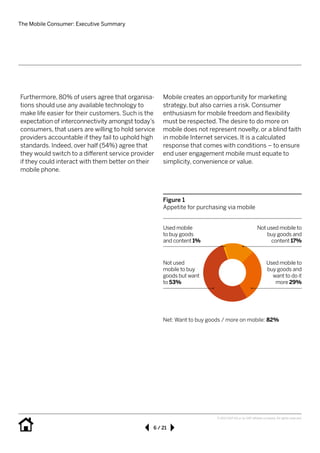
their mobile devices in the future (Figure 1). Over
half (53%) have not used their mobile to buy
goods, but wish to do so in the future, whereas
29% have used their mobile to do so, and wish to
continue. Only 1% has used their mobile to shop
for goods and shows no desire to do so in 	
the future.
Devices, Appetite and Use
82% of users express an appetite for buying
goods and services through their mobile 	
devices in the future.
The Mobile Consumer: Executive Summary
6 / 21
© 2013 SAP AG or an SAP affiliate company. All rights reserved.
Mobile creates an opportunity for marketing
strategy, but also carries a risk. Consumer 	
enthusiasm for mobile freedom and flexibility
must be respected. The desire to do more on 	
mobile does not represent novelty, or a blind faith
in mobile Internet services. It is a calculated 	
response that comes with conditions – to ensure
end user engagement mobile must equate to
simplicity, convenience or value.
Furthermore, 80% of users agree that organisa-
tions should use any available technology to
make life easier for their customers. Such is the
expectation of interconnectivity amongst today’s
consumers, that users are willing to hold service
providers accountable if they fail to uphold high
standards. Indeed, over half (54%) agree that
they would switch to a different service provider
if they could interact with them better on their
mobile phone.
Not used
mobile to buy
goods but want
to 53%
Net: Want to buy goods / more on mobile: 82%
Figure 1
Appetite for purchasing via mobile
Used mobile to
buy goods and
want to do it
more 29%
Used mobile 	
to buy goods
and content 1%
Not used mobile to
buy goods and
content 17%
The Mobile Consumer: Executive Summary
7 / 21
© 2013 SAP AG or an SAP affiliate company. All rights reserved.
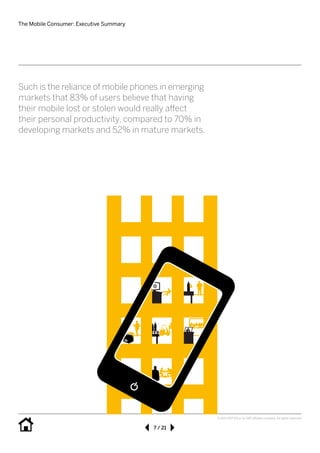
Such is the reliance of mobile phones in emerging
markets that 83% of users believe that having
their mobile lost or stolen would really affect 	
their personal productivity, compared to 70% in
developing markets and 52% in mature markets.
The Mobile Consumer: Executive Summary
8 / 21
© 2013 SAP AG or an SAP affiliate company. All rights reserved.
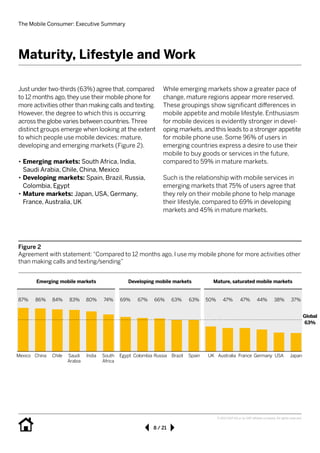
Just under two-thirds (63%) agree that, compared
to 12 months ago, they use their mobile phone for
more activities other than making calls and texting.
However, the degree to which this is occurring
across the globe varies between countries.Three
distinct groups emerge when looking at the extent
to which people use mobile devices: mature, 	
developing and emerging markets (Figure 2).
•• Emerging markets: South Africa, India, 		
Saudi Arabia, Chile, China, Mexico
•• Developing markets: Spain, Brazil, Russia, 	
Colombia, Egypt
•• Mature markets: Japan, USA, Germany, 		
France, Australia, UK
While emerging markets show a greater pace of
change, mature regions appear more reserved.
These groupings show significant differences in
mobile appetite and mobile lifestyle. Enthusiasm
for mobile devices is evidently stronger in devel-
oping markets, and this leads to a stronger appetite
for mobile phone use. Some 96% of users in
emerging countries express a desire to use their
mobile to buy goods or services in the future,
compared to 59% in mature markets.
Such is the relationship with mobile services in
emerging markets that 75% of users agree that
they rely on their mobile phone to help manage
their lifestyle, compared to 69% in developing
markets and 45% in mature markets.
Figure 2
Agreement with statement: “Compared to 12 months ago, I use my mobile phone for more activities other
than making calls and texting/sending”
87%
Mexico China Chile UKSpainBrazilRussiaColombiaEgyptSouth
Africa
IndiaSaudi
Arabia
USAGermanyFranceAustralia Japan
86% 84% 83% 80% 74% 69% 67% 66% 63% 63% 50% 47% 47% 44% 38% 37%
Emerging mobile markets Developing mobile markets Mature, saturated mobile markets
Global
63%
Maturity, Lifestyle and Work
The Mobile Consumer: Executive Summary
9 / 21
© 2013 SAP AG or an SAP affiliate company. All rights reserved.
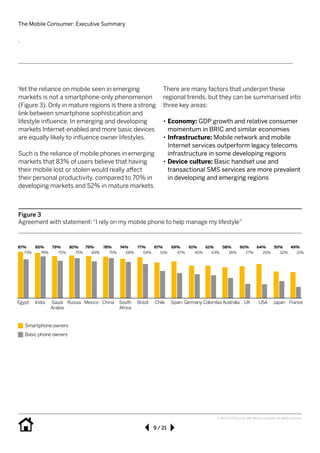
Yet the reliance on mobile seen in emerging 	
markets is not a smartphone-only phenomenon
(Figure 3). Only in mature regions is there a strong
link between smartphone sophistication and 		
lifestyle influence. In emerging and developing 	
markets Internet-enabled and more basic devices
are equally likely to influence owner lifestyles.
Such is the reliance of mobile phones in emerging
markets that 83% of users believe that having
their mobile lost or stolen would really affect 	
their personal productivity, compared to 70% in
developing markets and 52% in mature markets.
There are many factors that underpin these 	
regional trends, but they can be summarised into
three key areas:
•• Economy: GDP growth and relative consumer
momentum in BRIC and similar economies
•• Infrastructure: Mobile network and mobile 	
Internet services outperform legacy telecoms
infrastructure in some developing regions
•• Device culture: Basic handset use and 		
transactional SMS services are more prevalent
in developing and emerging regions
Figure 3
Agreement with statement: “I rely on my mobile phone to help manage my lifestyle”
87%
Egypt India Saudi
Arabia
ColombiaGermanySpainChileBrazilSouth
Africa
ChinaMexicoRussia JapanUSAUKAustralia France
85% 79% 80% 79% 78% 74% 77% 67% 69% 61% 61% 58% 60% 64% 50% 49%
.
73% 78% 70% 75% 69% 75% 68% 64% 51% 47% 45% 43% 38% 27% 26% 32% 21%
Smartphone owners
Basic phone owners
The Mobile Consumer: Executive Summary
10 / 21
© 2013 SAP AG or an SAP affiliate company. All rights reserved.
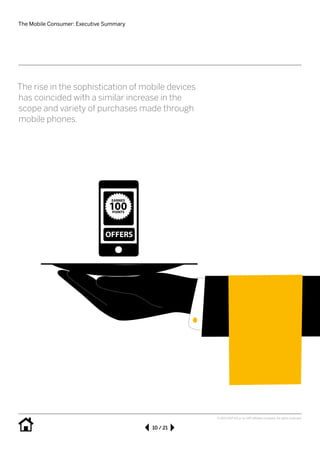
The rise in the sophistication of mobile devices
has coincided with a similar increase in the
scope and variety of purchases made through
mobile phones.
The Mobile Consumer: Executive Summary
11 / 21
© 2013 SAP AG or an SAP affiliate company. All rights reserved.
.
Preferences and Levers
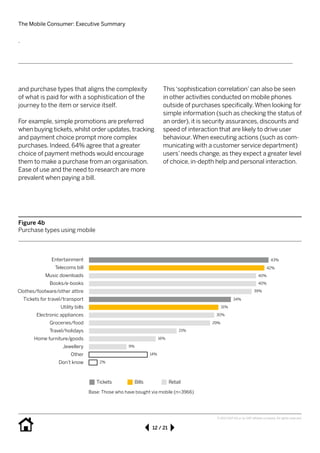
The rise in the sophistication of mobile devices
has coincided with a similar increase in the scope
and variety of purchases made through mobile
phones. Users who make purchases via mobile
are most likely to buy entertainment services
(43%), pay telecoms bills (42%) or purchase 	
music downloads (40%) (Figure 4b).
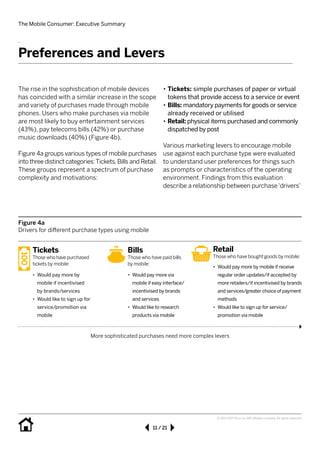
Figure 4a groups various types of mobile purchases
into three distinct categories:Tickets,Bills and Retail.
These groups represent a spectrum of purchase
complexity and motivations:
•• Tickets: simple purchases of paper or virtual 	
tokens that provide access to a service or event
•• Bills: mandatory payments for goods or service
already received or utilised
•• Retail: physical items purchased and commonly
dispatched by post
Various marketing levers to encourage mobile
use against each purchase type were evaluated
to understand user preferences for things such
as prompts or characteristics of the operating
environment. Findings from this evaluation 	
describe a relationship between purchase‘drivers’
More sophisticated purchases need more complex levers
Figure 4a
Drivers for different purchase types using mobile
Tickets
Those who have purchased
tickets by mobile:
•• Would pay more by 	
mobile if incentivised	
by brands/services
•• Would like to sign up for
service/promotion via
mobile
Bills
Those who have paid bills 	
by mobile:
•• Would pay more via 	
mobile if easy interface/
incentivised by brands 	
and services
•• Would like to research
products via mobile
Retail
Those who have bought goods by mobile:
•• Would pay more by mobile if receive
regular order updates/if accepted by
more retailers/if incentivised by brands
and services/greater choice of payment
methods
•• Would like to sign up for service/		
promotion via mobile
The Mobile Consumer: Executive Summary
12 / 21
© 2013 SAP AG or an SAP affiliate company. All rights reserved.
.
and purchase types that aligns the complexity 	
of what is paid for with a sophistication of the 	
journey to the item or service itself.
For example, simple promotions are preferred
when buying tickets, whilst order updates, tracking
and payment choice prompt more complex 	
purchases. Indeed, 64% agree that a greater
choice of payment methods would encourage
them to make a purchase from an organisation.
Ease of use and the need to research are more
prevalent when paying a bill.
This‘sophistication correlation’can also be seen
in other activities conducted on mobile phones
outside of purchases specifically.When looking for
simple information (such as checking the status of
an order), it is security assurances, discounts and
speed of interaction that are likely to drive user
behaviour.When executing actions (such as com-
municating with a customer service department)
users’needs change, as they expect a greater level
of choice, in-depth help and personal interaction.
Figure 4b
Purchase types using mobile
Entertainment
Telecoms bill
Music downloads
Books/e-books
Clothes/footware/other attire
Tickets for travel/transport
Utility bills
Electronic appliances
Groceries/food
Travel/holidays
Home furniture/goods
Jewellery
Other
Don’t know
43%
42%
40%
40%
34%
2%
14%
9%
16%
21%
29%
30%
31%
39%
Base: Those who have bought via mobile (n=3966)
Tickets Bills Retail
The Mobile Consumer: Executive Summary
13 / 21
© 2013 SAP AG or an SAP affiliate company. All rights reserved.
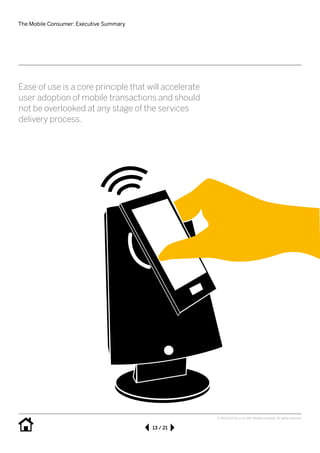
Ease of use is a core principle that will accelerate
user adoption of mobile transactions and should
not be overlooked at any stage of the services 		
delivery process.
The Mobile Consumer: Executive Summary
14 / 21
© 2013 SAP AG or an SAP affiliate company. All rights reserved.
.
Mobile Wallet Opportunities
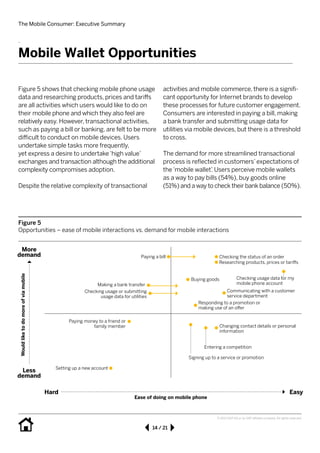
Figure 5 shows that checking mobile phone usage
data and researching products, prices and tariffs
are all activities which users would like to do on
their mobile phone and which they also feel are 	
relatively easy. However, transactional activities,
such as paying a bill or banking, are felt to be more
difficult to conduct on mobile devices. Users 	
undertake simple tasks more frequently, 		
yet express a desire to undertake‘high value’		
exchanges and transaction although the additional
complexity compromises adoption.
Despite the relative complexity of transactional
activities and mobile commerce, there is a signifi-
cant opportunity for Internet brands to develop
these processes for future customer engagement.
Consumers are interested in paying a bill, making
a bank transfer and submitting usage data for 	
utilities via mobile devices, but there is a threshold
to cross.
The demand for more streamlined transactional
process is reflected in customers’expectations of
the‘mobile wallet’. Users perceive mobile wallets
as a way to pay bills (54%), buy goods online
(51%) and a way to check their bank balance (50%).
Figure 5
Opportunities – ease of mobile interactions vs. demand for mobile interactions
Paying a bill
Buying goods
Paying money to a friend or
family member
Signing up to a service or promotion
Entering a competition
Changing contact details or personal
information
Communicating with a customer
service department
Checking usage data for my 	
mobile phone account
Researching products, prices or tariffs
Checking the status of an order
Responding to a promotion or
making use of an offer
Making a bank transfer
Checking usage or submitting
usage data for utilities
Setting up a new account
Hard Easy
Less
demand
More
demand
Ease of doing on mobile phone
Wouldliketodomoreofviamobile
The Mobile Consumer: Executive Summary
15 / 21
© 2013 SAP AG or an SAP affiliate company. All rights reserved.
A further 47% expect mobile wallets to enable
bank transfers between accounts. Consequently,
71% of respondents, globally, agree that mobile
phones will be more important as a payment
method in the future.
Smartphones and the mobile apps boom increase
the potential and sophistication of mobile services
and offers. Coupled with the promise of greater 	
insights via‘big data’analytics and the advent of
more subtle and intricate customer relationships,
there is an inevitable complexity surrounding the
future of mobile. Ease of use is, however, a core
principle that will accelerate user adoption and
should not be overlooked at any stage of the 	
services delivery process.
.
71% of respondents, globally, agree that 	
mobile phones will be more important as 	
a payment method in the future.
The Mobile Consumer: Executive Summary
16 / 21
© 2013 SAP AG or an SAP affiliate company. All rights reserved.
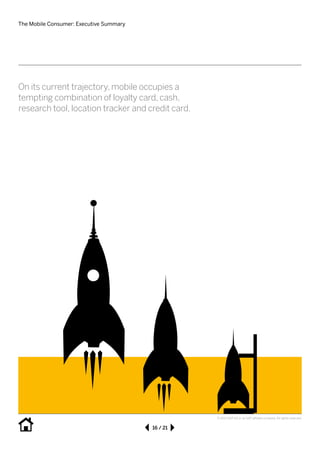
On its current trajectory, mobile occupies a
tempting combination of loyalty card, cash, 		
research tool, location tracker and credit card.
The Mobile Consumer: Executive Summary
17 / 21
© 2013 SAP AG or an SAP affiliate company. All rights reserved.
.
Conclusion
The commitment to mobile as a recognised 	
‘transactional device’changes both the 		
marketing potential and data capabilities offered
by mobile services. On its current trajectory, 	
mobile occupies a tempting combination of loyalty
card, cash, research tool, location tracker and
credit card.This transition raises the stakes for 	
organisations marketing and connecting to 	
customers either exclusively via mobile or as 	
part of a multi-channel mix.
Brand loyalty becomes essential as any business
on the mobile browser has the potential to own
the customer relationship and all service providers
now compete for mindshare in a space that was
once the exclusive domain of telecoms businesses.
The research points to five key elements that
should inform CMO thinking to best tackle the
challenges that lay ahead.
The Pace of Change
The Mobile Consumer research survey shows an 	
international mobile user community running at
different speeds, maturing at different rates 	
and presenting different opportunities, creating
marketing complexity. Emerging economies are
more enthusiastic about a mobile future and
make a more overt connection between mobility
and its impact on their lives. They are less reliant
on leading edge technology to drive behaviour
and eager to try new things. Mature economies,
such as Japan, US and UK are more reserved,
sceptical even, about mobile pace and potential,
but recognise the significance and value of more
integrated, easier-to-use mobile environment 	
offering a broader spectrum of mobile services.
Adoption Options
‘Macro-momentum’may differ across each 	
region, but within each group the research also
shows that users express preferences around the
functionality and models of engagement based on
the type of mobile activity they undertake.Checking
a train time is about ease of use, buying the ticket
is about speed and security, but reserving a hotel
room or buying a travel case for the journey online
requires all kinds of prompts and assurances: 	
payment choice, status checking, incentives and
customer service.
Opportunity Optimisation
Users enjoy undertaking simple information-based
activities as they are easy and, in return, convenient
to do. Yet complex functionality brings with it 	
practical challenges.A significant opportunity 	
exists for mobile service providers and brands to
capitalise upon. Providers should understand that
users now expect to be able to engage at a higher
level, and they seek to do so simply and effectively.
Providers are tasked with meeting and exceeding
these expectations.
Simple Mobility
Simplicity forms the basis of why users 		
embrace mobile technology – adoption of services
is accelerated by ease of use. Simplicity brings 	
with it convenience, and this in turns creates 	
benefits for users. However these benefits can 	
be compromised by unwanted complexity and 	
security threats.The mobile industry should seek
to minimise, or at least appease, such concerns
going forward. In practice a careful balance needs
to be maintained.Whilst simple functionality is
The Mobile Consumer: Executive Summary
18 / 21
© 2013 SAP AG or an SAP affiliate company. All rights reserved.
fundamental, if security is the source of complexity
issues, it is often a necessary price to pay.
Smartphone to Smart Services
As the level of device sophistication starts to 	
become commonplace, a transition from focusing
on‘device tech’to service becomes more apparent.
Asaresult,consumerswillbeincreasinglyinfluenced
by service excellence over technology sophistica-
tion. This places pressure on the marketing and
operational infrastructure of business selling and
providing services via mobile – technology 	
companies have to become more‘service-centric’
and service businesses (banks, retailers, etc.)
have to adapt to working in a complex mobile 	
environment. As the 	landscape transforms, 	
mobile brands must understand their customers
better in order to fully realise and capitalise on
the customer relationship. By doing so, mobile
providers and brands will be better placed to 	
engage users and create higher value services in
the future.
.
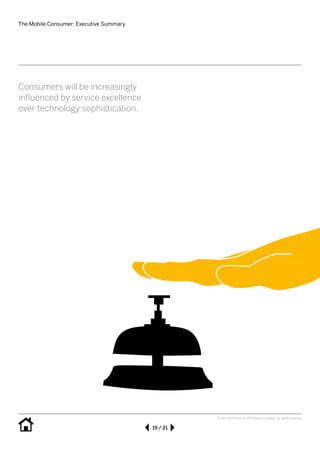
Providers should understand that users
now expect to be able to engage at a higher
level, and they seek to do so simply and 		
effectively.
The Mobile Consumer: Executive Summary
19 / 21
© 2013 SAP AG or an SAP affiliate company. All rights reserved.
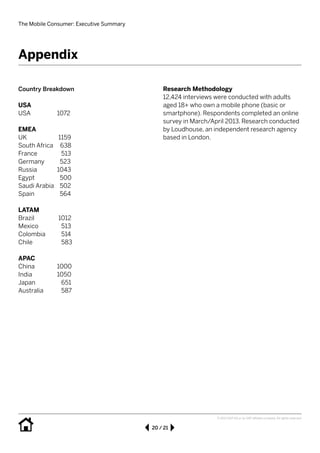
Consumers will be increasingly 				
influenced by service excellence 			
over technology sophistication.
The Mobile Consumer: Executive Summary
20 / 21
© 2013 SAP AG or an SAP affiliate company. All rights reserved.
Country Breakdown
USA
USA 		 1072
EMEA
UK 		 1159
South Africa 638
France		 513
Germany 	 523
Russia		 1043
Egypt		 500
Saudi Arabia	 502
Spain		 564
LATAM
Brazil		 1012
Mexico	 513
Colombia	 514
Chile		 583
APAC
China		 1000
India		 1050
Japan		 651
Australia	 587
Research Methodology
12,424 interviews were conducted with adults
aged 18+ who own a mobile phone (basic or
smartphone). Respondents completed an online
survey in March/April 2013. Research conducted
by Loudhouse, an independent research agency
based in London.
Appendix
© 2013 SAP AG or an SAP affiliate company. All rights reserved.
About Loudhouse
As part of Octopus Group, Loudhouse is one of
the UK’s leading performance and influencer 	
marketing agencies, working with blue chip clients
in technology, business services, finance and 	
retail sectors.
For more information, go to loudhouse.co.uk
About SAP
As the market leader in enterprise application
software, SAP (NYSE: SAP) helps companies of
all sizes and industries run better. From back 	
office to boardroom, warehouse to storefront,
desktop to mobile device, SAP empowers people
and organisations to work together more efficiently
and use business insight more effectively to stay
ahead of the competition. SAP applications and
services enable more than 195,000 customers to	
operate profitably, adapt continuously, and grow
sustainably around the world.
For more information, go to sap.com

SAP: The Mobile Consumer

  • 1.
    The Mobile Consumer Insightson Global Trends Impacting Mobile Momentum and Customer Engagement ©2013SAPAGoranSAPaffiliatecompany.Allrightsreserved.
  • 2.
    2 / 21 © 2013 SAPAG or an SAP affiliate company. All rights reserved. Table of Contents 4 Introduction 5 Devices, Appetite and Use 8 Maturity, Lifestyle and Work 11 Preferences and Levers 14 Mobile Wallet Opportunities 17 Conclusion 20 Appendix
  • 3.
    The Mobile Consumer:Executive Summary 3 / 21 © 2013 SAP AG or an SAP affiliate company. All rights reserved. Creating demand for mobile services relies on an understanding of mobile user behaviour. The following report provides marketers in the mobile industry with insights on the global trends impacting mobile momentum.
  • 4.
    The Mobile Consumer:Executive Summary 4 / 21 © 2013 SAP AG or an SAP affiliate company. All rights reserved. A global mobile user base is dynamic, complex and increasingly sophisticated in terms of needs and expectations relating to service delivery. Regional appetite for different mobile services and applications varies dramatically and the ways that users transact and communicate via mobile depends on the activities undertaken. Cultural, economic and technology norms shape regional uses of mobile, whilst an array of user requirements influence preferences towards appropriate marketing channels, relationships and incentives as they shop, spend and surf. In order to make informed marketing decisions and better understand mobile momentum and customer engagement across the globe, SAP commissioned independent research among mobile users across 4 key encompassing 17 countries: • North America (NAM) • Europe, Middle East and Africa (EMEA) • Latin America (LATAM) • Asia Pacific (APAC) Many countries within the regions have already reached a level of mobile maturity, yet for others mobile device use is evolving. This varied momentum contributes to differences in mobile ownership, appetite and behaviour. Growth in smartphone technology and the blur of social, mobile and traditional marketing channels have seen users becoming motivated by a range of complex factors. The greater the sophistica- tion of mobile use, the greater the sophistication of consumer needs. As the commercial elements of mobile interaction continue to take shape, CMOs capitalising on mobile channels need to balance the advancement of mobile functionality with these needs. Not all successful examples of mobility are based on ‘bleeding edge’ innovation. The right service for the right user, marketed in the right way is a simplistic, yet appropriate, mantra for marketing strategy in the mobile sector. Introduction RESEARCH METHODOLOGY 12,424 interviews were conducted with adults aged 18+ who own a mobile phone (basic or smartphone). Respondents completed an online survey in March/April 2013. Research conducted by Loudhouse, an independent research agency based in London.
  • 5.
    The Mobile Consumer:Executive Summary 5 / 21 © 2013 SAP AG or an SAP affiliate company. All rights reserved. Mobile devices have always given users the flexibility to communicate with each other on the go – 79% either make or receive calls on their mobile phone daily, with 62% either sending or receiving texts on a daily basis. Yet the mobile phone in today’s world has become an increasingly powerful Internet tool. Half (50%) of respondents globally access the mobile Internet on a daily basis. The way in which users now transact has subsequently evolved: while enjoying the benefit of greater flexibility, consumers are now more inclined to shop on their mobile device. Indeed, one in three (32%) has purchased products or services over the last 12 months via their mobile phone. The convenience of mobile communications and transactions has been a significant driver behind the increase in user adoption. Consumers cite the ability to use their device any time of the day (51%), ability to use on the go (51%), convenience (50%) and speed (50%) as the main benefits of communicating and transacting with service providers through a mobile phone. Nevertheless shopping behaviour also brings challenges for users. A significant minority (46%) note the hassle of having to enter a lot of personal information as a significant challenge when transacting and communicating via their mobile device.Additionally, 45% express safety concerns with mobile transactions, with 43% citing a lack of access to the Internet at the time of transaction. Globally, mobile purchasing shows huge potential, with the majority of users (82%) expressing an appetite for buying goods and services through their mobile devices in the future (Figure 1). Over half (53%) have not used their mobile to buy goods, but wish to do so in the future, whereas 29% have used their mobile to do so, and wish to continue. Only 1% has used their mobile to shop for goods and shows no desire to do so in the future. Devices, Appetite and Use 82% of users express an appetite for buying goods and services through their mobile devices in the future.
  • 6.
    The Mobile Consumer:Executive Summary 6 / 21 © 2013 SAP AG or an SAP affiliate company. All rights reserved. Mobile creates an opportunity for marketing strategy, but also carries a risk. Consumer enthusiasm for mobile freedom and flexibility must be respected. The desire to do more on mobile does not represent novelty, or a blind faith in mobile Internet services. It is a calculated response that comes with conditions – to ensure end user engagement mobile must equate to simplicity, convenience or value. Furthermore, 80% of users agree that organisa- tions should use any available technology to make life easier for their customers. Such is the expectation of interconnectivity amongst today’s consumers, that users are willing to hold service providers accountable if they fail to uphold high standards. Indeed, over half (54%) agree that they would switch to a different service provider if they could interact with them better on their mobile phone. Not used mobile to buy goods but want to 53% Net: Want to buy goods / more on mobile: 82% Figure 1 Appetite for purchasing via mobile Used mobile to buy goods and want to do it more 29% Used mobile to buy goods and content 1% Not used mobile to buy goods and content 17%
  • 7.
    The Mobile Consumer:Executive Summary 7 / 21 © 2013 SAP AG or an SAP affiliate company. All rights reserved. Such is the reliance of mobile phones in emerging markets that 83% of users believe that having their mobile lost or stolen would really affect their personal productivity, compared to 70% in developing markets and 52% in mature markets.
  • 8.
    The Mobile Consumer:Executive Summary 8 / 21 © 2013 SAP AG or an SAP affiliate company. All rights reserved. Just under two-thirds (63%) agree that, compared to 12 months ago, they use their mobile phone for more activities other than making calls and texting. However, the degree to which this is occurring across the globe varies between countries.Three distinct groups emerge when looking at the extent to which people use mobile devices: mature, developing and emerging markets (Figure 2). •• Emerging markets: South Africa, India, Saudi Arabia, Chile, China, Mexico •• Developing markets: Spain, Brazil, Russia, Colombia, Egypt •• Mature markets: Japan, USA, Germany, France, Australia, UK While emerging markets show a greater pace of change, mature regions appear more reserved. These groupings show significant differences in mobile appetite and mobile lifestyle. Enthusiasm for mobile devices is evidently stronger in devel- oping markets, and this leads to a stronger appetite for mobile phone use. Some 96% of users in emerging countries express a desire to use their mobile to buy goods or services in the future, compared to 59% in mature markets. Such is the relationship with mobile services in emerging markets that 75% of users agree that they rely on their mobile phone to help manage their lifestyle, compared to 69% in developing markets and 45% in mature markets. Figure 2 Agreement with statement: “Compared to 12 months ago, I use my mobile phone for more activities other than making calls and texting/sending” 87% Mexico China Chile UKSpainBrazilRussiaColombiaEgyptSouth Africa IndiaSaudi Arabia USAGermanyFranceAustralia Japan 86% 84% 83% 80% 74% 69% 67% 66% 63% 63% 50% 47% 47% 44% 38% 37% Emerging mobile markets Developing mobile markets Mature, saturated mobile markets Global 63% Maturity, Lifestyle and Work
  • 9.
    The Mobile Consumer:Executive Summary 9 / 21 © 2013 SAP AG or an SAP affiliate company. All rights reserved. Yet the reliance on mobile seen in emerging markets is not a smartphone-only phenomenon (Figure 3). Only in mature regions is there a strong link between smartphone sophistication and lifestyle influence. In emerging and developing markets Internet-enabled and more basic devices are equally likely to influence owner lifestyles. Such is the reliance of mobile phones in emerging markets that 83% of users believe that having their mobile lost or stolen would really affect their personal productivity, compared to 70% in developing markets and 52% in mature markets. There are many factors that underpin these regional trends, but they can be summarised into three key areas: •• Economy: GDP growth and relative consumer momentum in BRIC and similar economies •• Infrastructure: Mobile network and mobile Internet services outperform legacy telecoms infrastructure in some developing regions •• Device culture: Basic handset use and transactional SMS services are more prevalent in developing and emerging regions Figure 3 Agreement with statement: “I rely on my mobile phone to help manage my lifestyle” 87% Egypt India Saudi Arabia ColombiaGermanySpainChileBrazilSouth Africa ChinaMexicoRussia JapanUSAUKAustralia France 85% 79% 80% 79% 78% 74% 77% 67% 69% 61% 61% 58% 60% 64% 50% 49% . 73% 78% 70% 75% 69% 75% 68% 64% 51% 47% 45% 43% 38% 27% 26% 32% 21% Smartphone owners Basic phone owners
  • 10.
    The Mobile Consumer:Executive Summary 10 / 21 © 2013 SAP AG or an SAP affiliate company. All rights reserved. The rise in the sophistication of mobile devices has coincided with a similar increase in the scope and variety of purchases made through mobile phones.
  • 11.
    The Mobile Consumer:Executive Summary 11 / 21 © 2013 SAP AG or an SAP affiliate company. All rights reserved. . Preferences and Levers The rise in the sophistication of mobile devices has coincided with a similar increase in the scope and variety of purchases made through mobile phones. Users who make purchases via mobile are most likely to buy entertainment services (43%), pay telecoms bills (42%) or purchase music downloads (40%) (Figure 4b). Figure 4a groups various types of mobile purchases into three distinct categories:Tickets,Bills and Retail. These groups represent a spectrum of purchase complexity and motivations: •• Tickets: simple purchases of paper or virtual tokens that provide access to a service or event •• Bills: mandatory payments for goods or service already received or utilised •• Retail: physical items purchased and commonly dispatched by post Various marketing levers to encourage mobile use against each purchase type were evaluated to understand user preferences for things such as prompts or characteristics of the operating environment. Findings from this evaluation describe a relationship between purchase‘drivers’ More sophisticated purchases need more complex levers Figure 4a Drivers for different purchase types using mobile Tickets Those who have purchased tickets by mobile: •• Would pay more by mobile if incentivised by brands/services •• Would like to sign up for service/promotion via mobile Bills Those who have paid bills by mobile: •• Would pay more via mobile if easy interface/ incentivised by brands and services •• Would like to research products via mobile Retail Those who have bought goods by mobile: •• Would pay more by mobile if receive regular order updates/if accepted by more retailers/if incentivised by brands and services/greater choice of payment methods •• Would like to sign up for service/ promotion via mobile
  • 12.
    The Mobile Consumer:Executive Summary 12 / 21 © 2013 SAP AG or an SAP affiliate company. All rights reserved. . and purchase types that aligns the complexity of what is paid for with a sophistication of the journey to the item or service itself. For example, simple promotions are preferred when buying tickets, whilst order updates, tracking and payment choice prompt more complex purchases. Indeed, 64% agree that a greater choice of payment methods would encourage them to make a purchase from an organisation. Ease of use and the need to research are more prevalent when paying a bill. This‘sophistication correlation’can also be seen in other activities conducted on mobile phones outside of purchases specifically.When looking for simple information (such as checking the status of an order), it is security assurances, discounts and speed of interaction that are likely to drive user behaviour.When executing actions (such as com- municating with a customer service department) users’needs change, as they expect a greater level of choice, in-depth help and personal interaction. Figure 4b Purchase types using mobile Entertainment Telecoms bill Music downloads Books/e-books Clothes/footware/other attire Tickets for travel/transport Utility bills Electronic appliances Groceries/food Travel/holidays Home furniture/goods Jewellery Other Don’t know 43% 42% 40% 40% 34% 2% 14% 9% 16% 21% 29% 30% 31% 39% Base: Those who have bought via mobile (n=3966) Tickets Bills Retail
  • 13.
    The Mobile Consumer:Executive Summary 13 / 21 © 2013 SAP AG or an SAP affiliate company. All rights reserved. Ease of use is a core principle that will accelerate user adoption of mobile transactions and should not be overlooked at any stage of the services delivery process.
  • 14.
    The Mobile Consumer:Executive Summary 14 / 21 © 2013 SAP AG or an SAP affiliate company. All rights reserved. . Mobile Wallet Opportunities Figure 5 shows that checking mobile phone usage data and researching products, prices and tariffs are all activities which users would like to do on their mobile phone and which they also feel are relatively easy. However, transactional activities, such as paying a bill or banking, are felt to be more difficult to conduct on mobile devices. Users undertake simple tasks more frequently, yet express a desire to undertake‘high value’ exchanges and transaction although the additional complexity compromises adoption. Despite the relative complexity of transactional activities and mobile commerce, there is a signifi- cant opportunity for Internet brands to develop these processes for future customer engagement. Consumers are interested in paying a bill, making a bank transfer and submitting usage data for utilities via mobile devices, but there is a threshold to cross. The demand for more streamlined transactional process is reflected in customers’expectations of the‘mobile wallet’. Users perceive mobile wallets as a way to pay bills (54%), buy goods online (51%) and a way to check their bank balance (50%). Figure 5 Opportunities – ease of mobile interactions vs. demand for mobile interactions Paying a bill Buying goods Paying money to a friend or family member Signing up to a service or promotion Entering a competition Changing contact details or personal information Communicating with a customer service department Checking usage data for my mobile phone account Researching products, prices or tariffs Checking the status of an order Responding to a promotion or making use of an offer Making a bank transfer Checking usage or submitting usage data for utilities Setting up a new account Hard Easy Less demand More demand Ease of doing on mobile phone Wouldliketodomoreofviamobile
  • 15.
    The Mobile Consumer:Executive Summary 15 / 21 © 2013 SAP AG or an SAP affiliate company. All rights reserved. A further 47% expect mobile wallets to enable bank transfers between accounts. Consequently, 71% of respondents, globally, agree that mobile phones will be more important as a payment method in the future. Smartphones and the mobile apps boom increase the potential and sophistication of mobile services and offers. Coupled with the promise of greater insights via‘big data’analytics and the advent of more subtle and intricate customer relationships, there is an inevitable complexity surrounding the future of mobile. Ease of use is, however, a core principle that will accelerate user adoption and should not be overlooked at any stage of the services delivery process. . 71% of respondents, globally, agree that mobile phones will be more important as a payment method in the future.
  • 16.
    The Mobile Consumer:Executive Summary 16 / 21 © 2013 SAP AG or an SAP affiliate company. All rights reserved. On its current trajectory, mobile occupies a tempting combination of loyalty card, cash, research tool, location tracker and credit card.
  • 17.
    The Mobile Consumer:Executive Summary 17 / 21 © 2013 SAP AG or an SAP affiliate company. All rights reserved. . Conclusion The commitment to mobile as a recognised ‘transactional device’changes both the marketing potential and data capabilities offered by mobile services. On its current trajectory, mobile occupies a tempting combination of loyalty card, cash, research tool, location tracker and credit card.This transition raises the stakes for organisations marketing and connecting to customers either exclusively via mobile or as part of a multi-channel mix. Brand loyalty becomes essential as any business on the mobile browser has the potential to own the customer relationship and all service providers now compete for mindshare in a space that was once the exclusive domain of telecoms businesses. The research points to five key elements that should inform CMO thinking to best tackle the challenges that lay ahead. The Pace of Change The Mobile Consumer research survey shows an international mobile user community running at different speeds, maturing at different rates and presenting different opportunities, creating marketing complexity. Emerging economies are more enthusiastic about a mobile future and make a more overt connection between mobility and its impact on their lives. They are less reliant on leading edge technology to drive behaviour and eager to try new things. Mature economies, such as Japan, US and UK are more reserved, sceptical even, about mobile pace and potential, but recognise the significance and value of more integrated, easier-to-use mobile environment offering a broader spectrum of mobile services. Adoption Options ‘Macro-momentum’may differ across each region, but within each group the research also shows that users express preferences around the functionality and models of engagement based on the type of mobile activity they undertake.Checking a train time is about ease of use, buying the ticket is about speed and security, but reserving a hotel room or buying a travel case for the journey online requires all kinds of prompts and assurances: payment choice, status checking, incentives and customer service. Opportunity Optimisation Users enjoy undertaking simple information-based activities as they are easy and, in return, convenient to do. Yet complex functionality brings with it practical challenges.A significant opportunity exists for mobile service providers and brands to capitalise upon. Providers should understand that users now expect to be able to engage at a higher level, and they seek to do so simply and effectively. Providers are tasked with meeting and exceeding these expectations. Simple Mobility Simplicity forms the basis of why users embrace mobile technology – adoption of services is accelerated by ease of use. Simplicity brings with it convenience, and this in turns creates benefits for users. However these benefits can be compromised by unwanted complexity and security threats.The mobile industry should seek to minimise, or at least appease, such concerns going forward. In practice a careful balance needs to be maintained.Whilst simple functionality is
  • 18.
    The Mobile Consumer:Executive Summary 18 / 21 © 2013 SAP AG or an SAP affiliate company. All rights reserved. fundamental, if security is the source of complexity issues, it is often a necessary price to pay. Smartphone to Smart Services As the level of device sophistication starts to become commonplace, a transition from focusing on‘device tech’to service becomes more apparent. Asaresult,consumerswillbeincreasinglyinfluenced by service excellence over technology sophistica- tion. This places pressure on the marketing and operational infrastructure of business selling and providing services via mobile – technology companies have to become more‘service-centric’ and service businesses (banks, retailers, etc.) have to adapt to working in a complex mobile environment. As the landscape transforms, mobile brands must understand their customers better in order to fully realise and capitalise on the customer relationship. By doing so, mobile providers and brands will be better placed to engage users and create higher value services in the future. . Providers should understand that users now expect to be able to engage at a higher level, and they seek to do so simply and effectively.
  • 19.
    The Mobile Consumer:Executive Summary 19 / 21 © 2013 SAP AG or an SAP affiliate company. All rights reserved. Consumers will be increasingly influenced by service excellence over technology sophistication.
  • 20.
    The Mobile Consumer:Executive Summary 20 / 21 © 2013 SAP AG or an SAP affiliate company. All rights reserved. Country Breakdown USA USA 1072 EMEA UK 1159 South Africa 638 France 513 Germany 523 Russia 1043 Egypt 500 Saudi Arabia 502 Spain 564 LATAM Brazil 1012 Mexico 513 Colombia 514 Chile 583 APAC China 1000 India 1050 Japan 651 Australia 587 Research Methodology 12,424 interviews were conducted with adults aged 18+ who own a mobile phone (basic or smartphone). Respondents completed an online survey in March/April 2013. Research conducted by Loudhouse, an independent research agency based in London. Appendix
  • 21.
    © 2013 SAPAG or an SAP affiliate company. All rights reserved. About Loudhouse As part of Octopus Group, Loudhouse is one of the UK’s leading performance and influencer marketing agencies, working with blue chip clients in technology, business services, finance and retail sectors. For more information, go to loudhouse.co.uk About SAP As the market leader in enterprise application software, SAP (NYSE: SAP) helps companies of all sizes and industries run better. From back office to boardroom, warehouse to storefront, desktop to mobile device, SAP empowers people and organisations to work together more efficiently and use business insight more effectively to stay ahead of the competition. SAP applications and services enable more than 195,000 customers to operate profitably, adapt continuously, and grow sustainably around the world. For more information, go to sap.com