Historic Building Rehabilitation   Jonathan Sandvick Sandvick Architects, Inc   Heritage Ohio Historic Tax Credit Workshop Canton, Ohio – September 18, 2009 1265 W. 6 th  Street Cleveland Ohio 44118
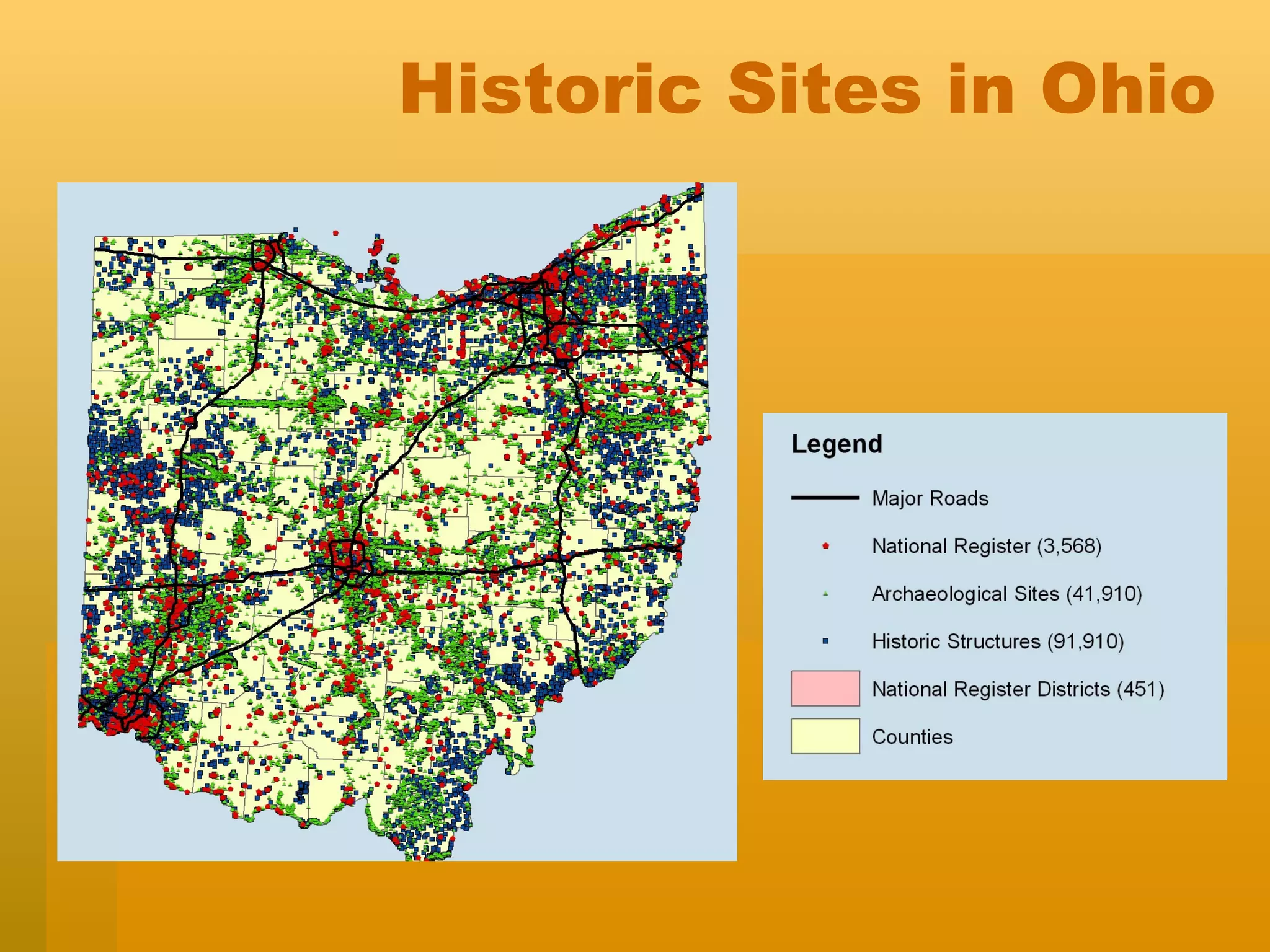
Historic Sites in Ohio
$4.5 Billion   in Direct Economic Impact Annually Generates: 87,369 In-State Jobs $326 Million in Household Income $2.6 Billion in Gross State Product $228 Million in State and Local Taxes Economic Impact of Historic Preservation in Ohio
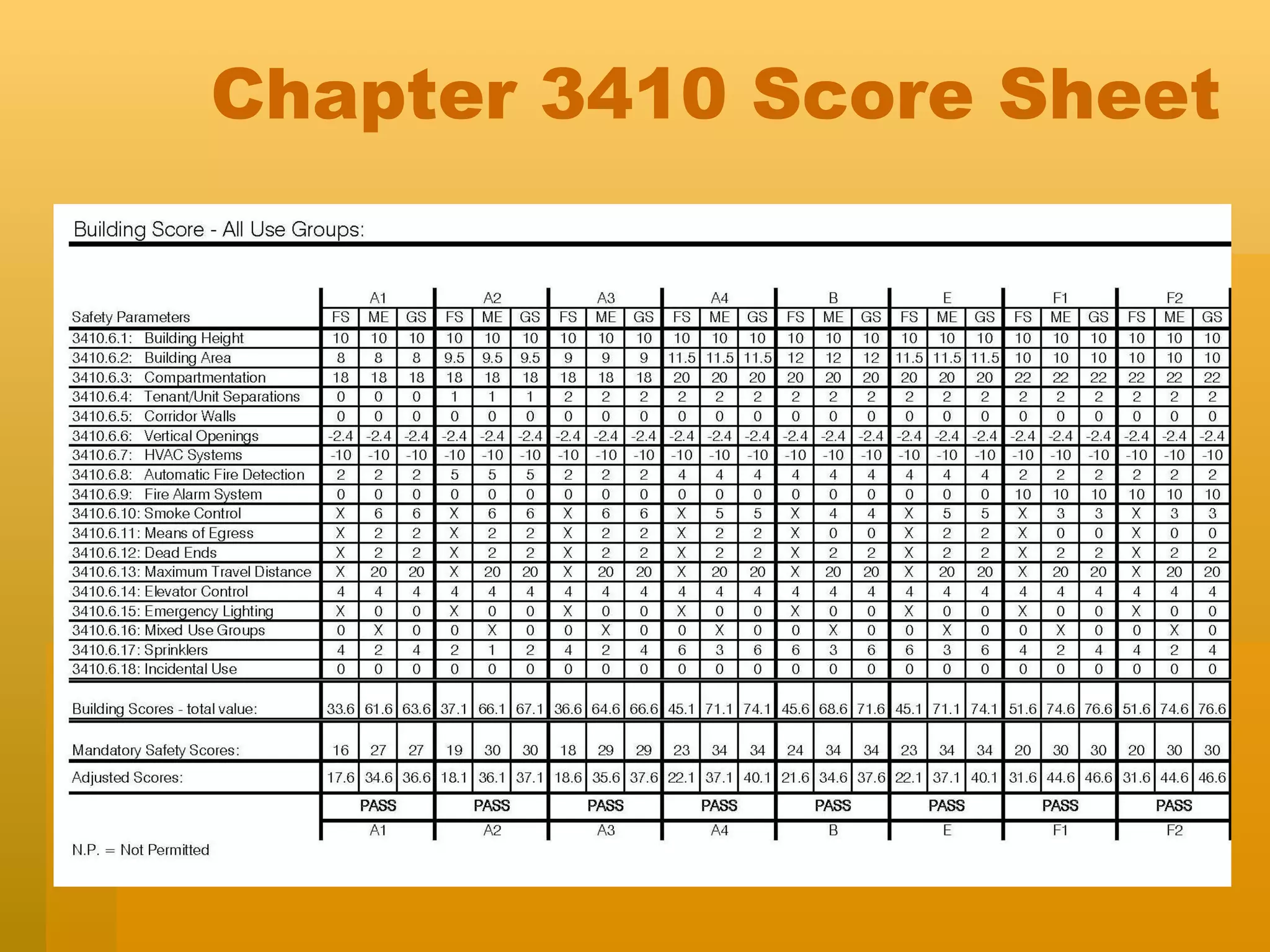
Alternative Building Code Compliance: Chapter 3410 Building Components are Broken Down  into Parameters Affecting Life Safety Each Parameter is Evaluated and  Assigned a Numerical Value in Three  Categories: Fire Safety, Means of Egress & General Safety Total Values in Each Category Must  Meet Mandatory Safety Score for  Proposed Use
Chapter 3410 Score Sheet
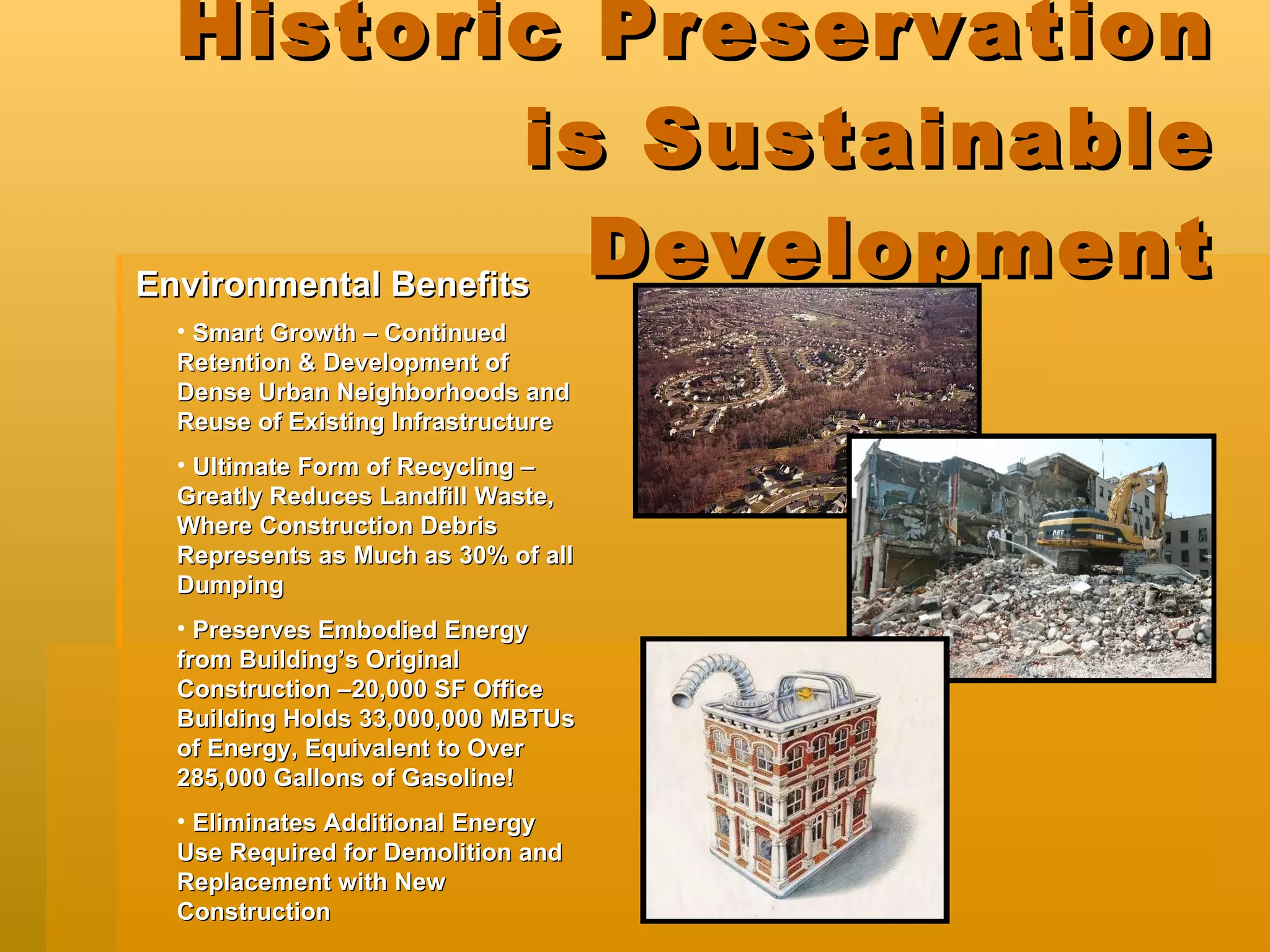
Historic Preservation is Sustainable Development Smart Growth – Continued Retention & Development of Dense Urban Neighborhoods and Reuse of Existing Infrastructure Ultimate Form of Recycling – Greatly Reduces Landfill Waste, Where Construction Debris Represents as Much as 30% of all Dumping Preserves Embodied Energy from Building’s Original Construction –20,000 SF Office Building Holds 33,000,000 MBTUs of Energy, Equivalent to Over 285,000 Gallons of Gasoline!  Eliminates Additional Energy Use Required for Demolition and Replacement with New Construction Environmental Benefits
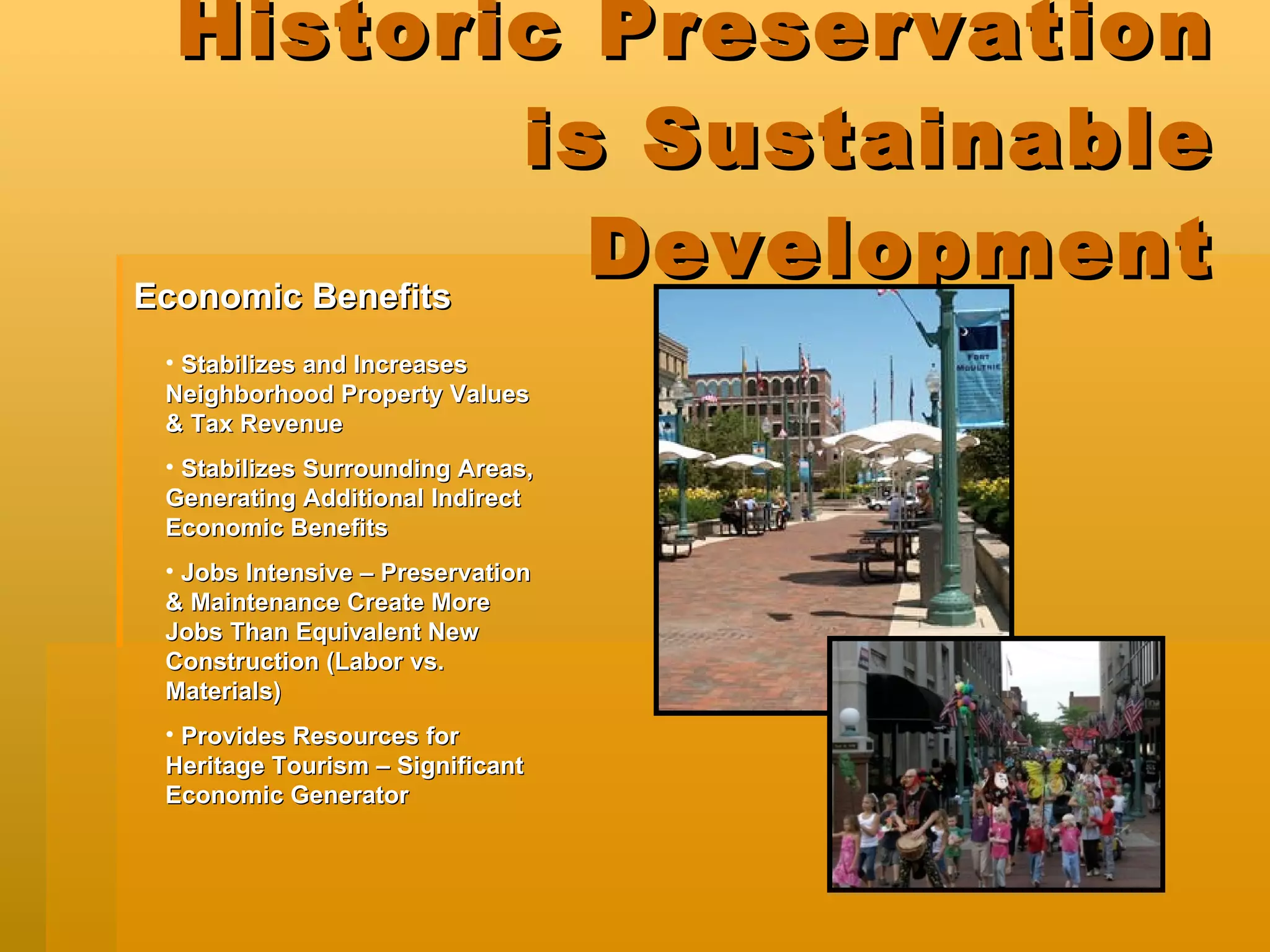
Historic Preservation is Sustainable Development Stabilizes and Increases Neighborhood Property Values & Tax Revenue Stabilizes Surrounding Areas, Generating Additional Indirect Economic Benefits Jobs Intensive – Preservation & Maintenance Create More Jobs Than Equivalent New Construction (Labor vs. Materials) Provides Resources for Heritage Tourism – Significant Economic Generator Economic Benefits
Historic Preservation is Sustainable Development Significant Historic Resources Preserved and Protected Community’s Unique Identity and Sense of Place Retained Cultural Benefits
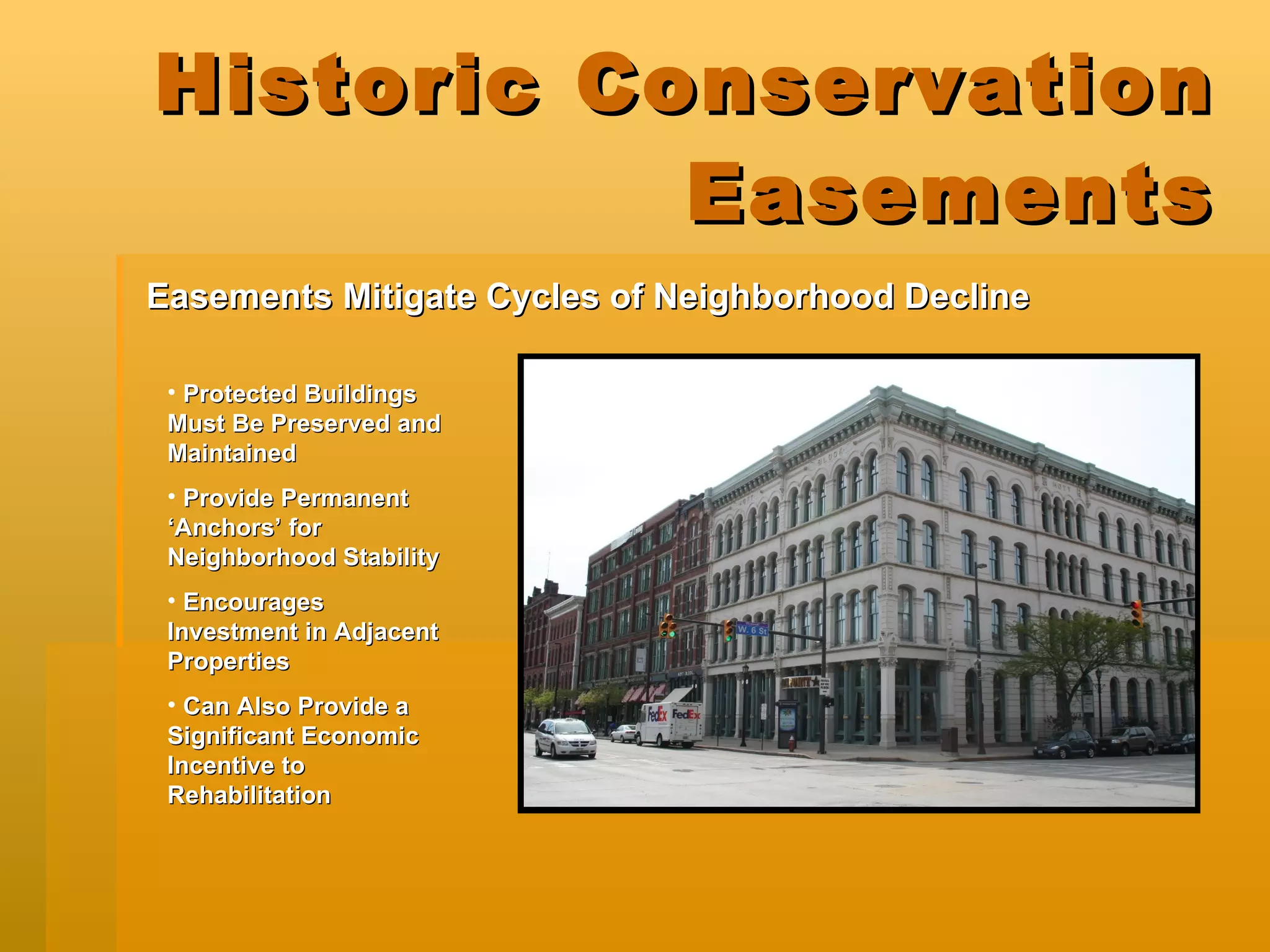
Historic Conservation Easements Easements Mitigate Cycles of Neighborhood Decline   Protected Buildings Must Be Preserved and Maintained Provide Permanent ‘Anchors’ for Neighborhood Stability Encourages Investment in Adjacent Properties Can Also Provide a Significant Economic Incentive to Rehabilitation
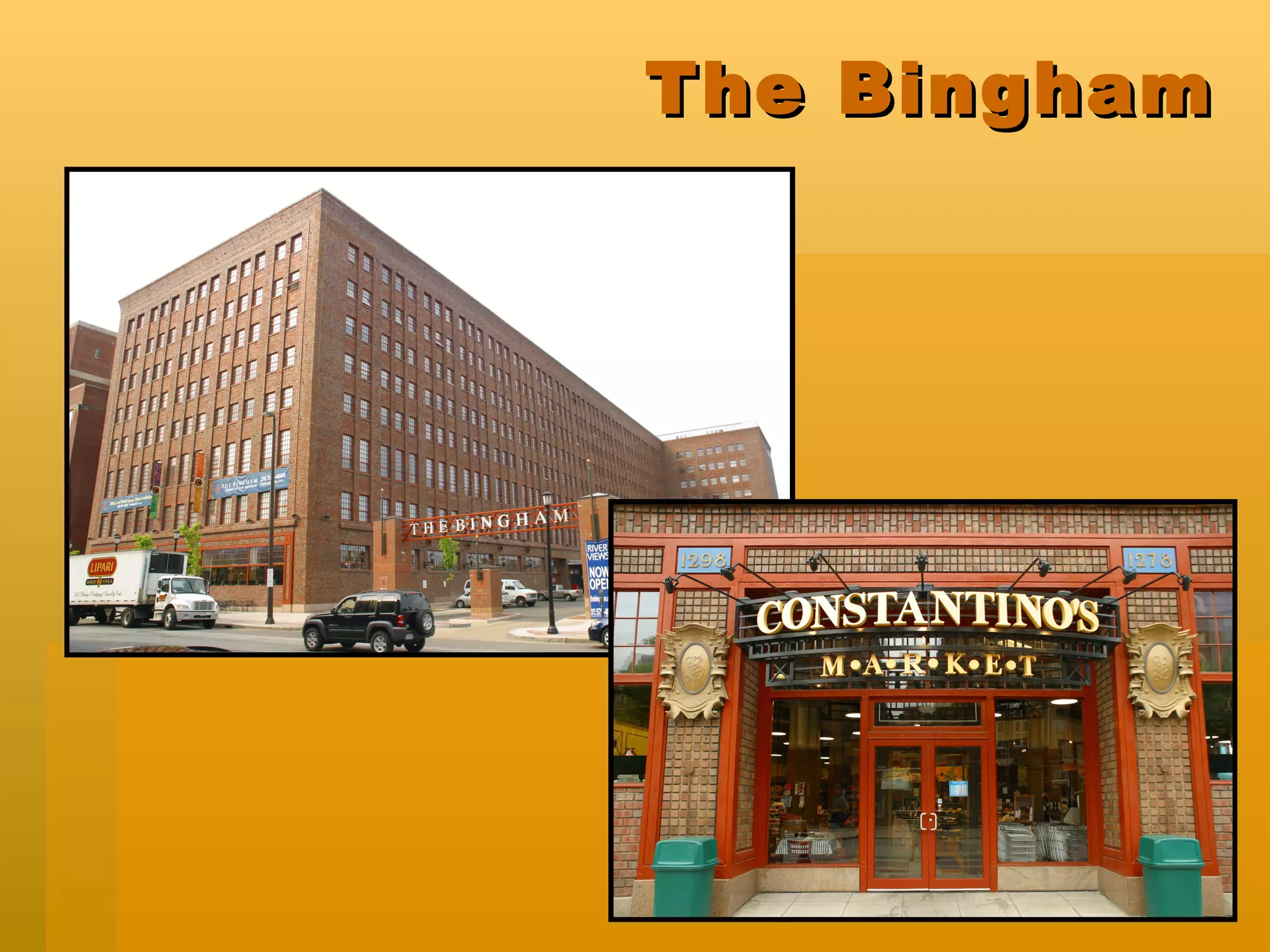
The Bingham
Bridgeview
The Arcade Before Rehab Historic Photo After Rehab
The Arcade Historic Photo Before Rehab After Rehab
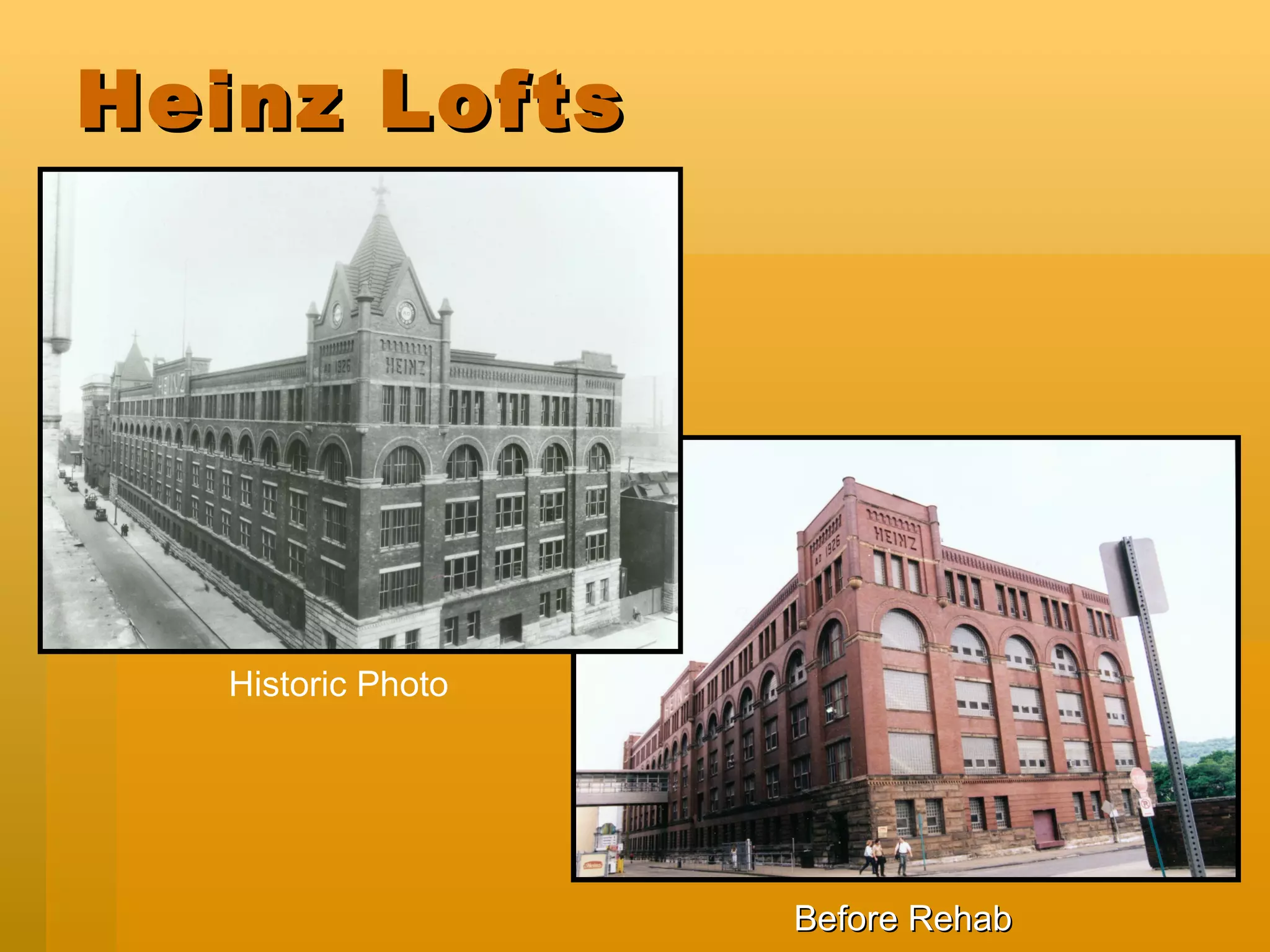
Heinz Lofts Before Rehab Historic Photo
Heinz Lofts After Rehab
Colonial & Euclid Arcades After Rehab Historic Photo
Fries and Schuele Before Rehab
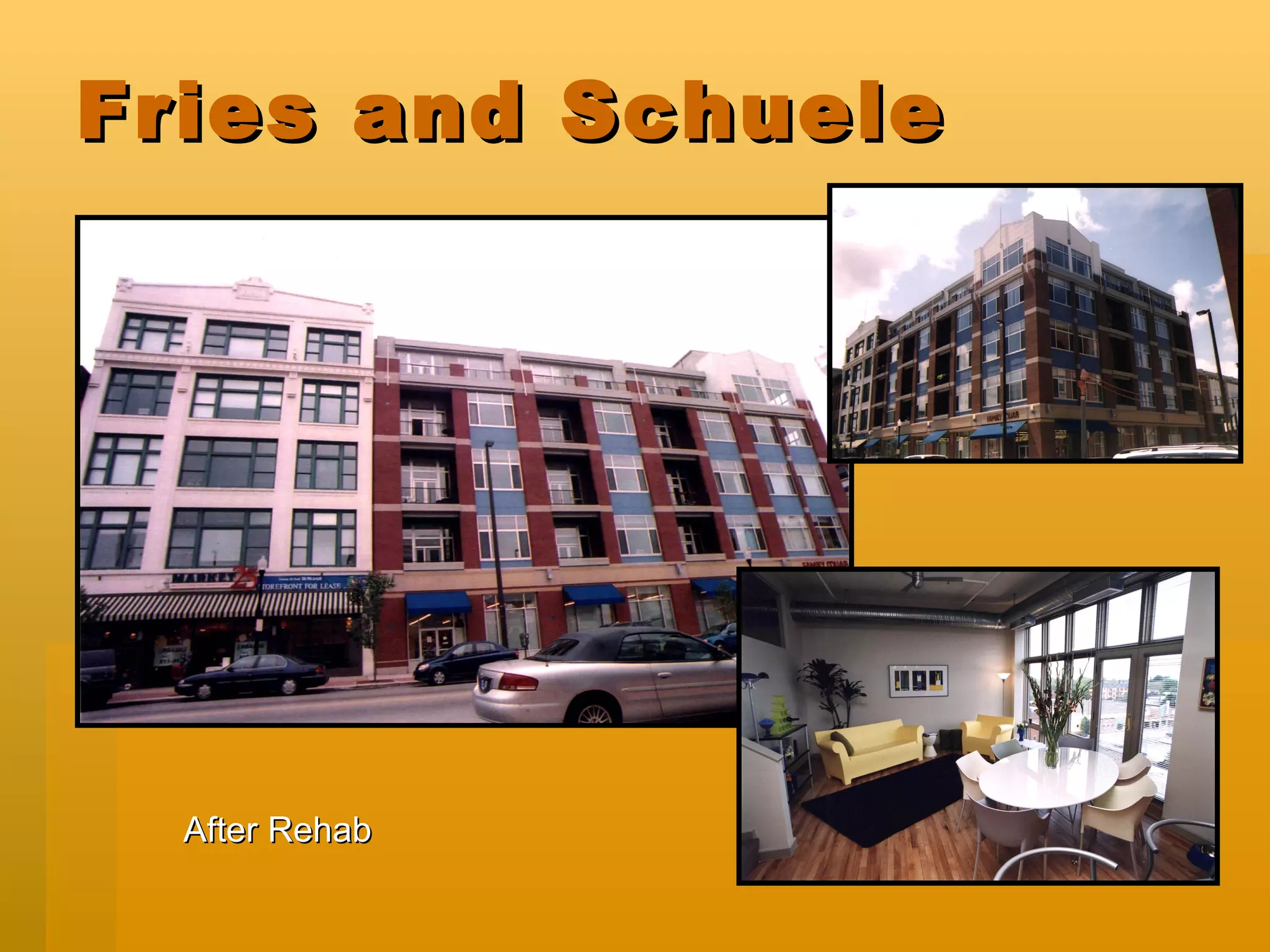
Fries and Schuele After Rehab
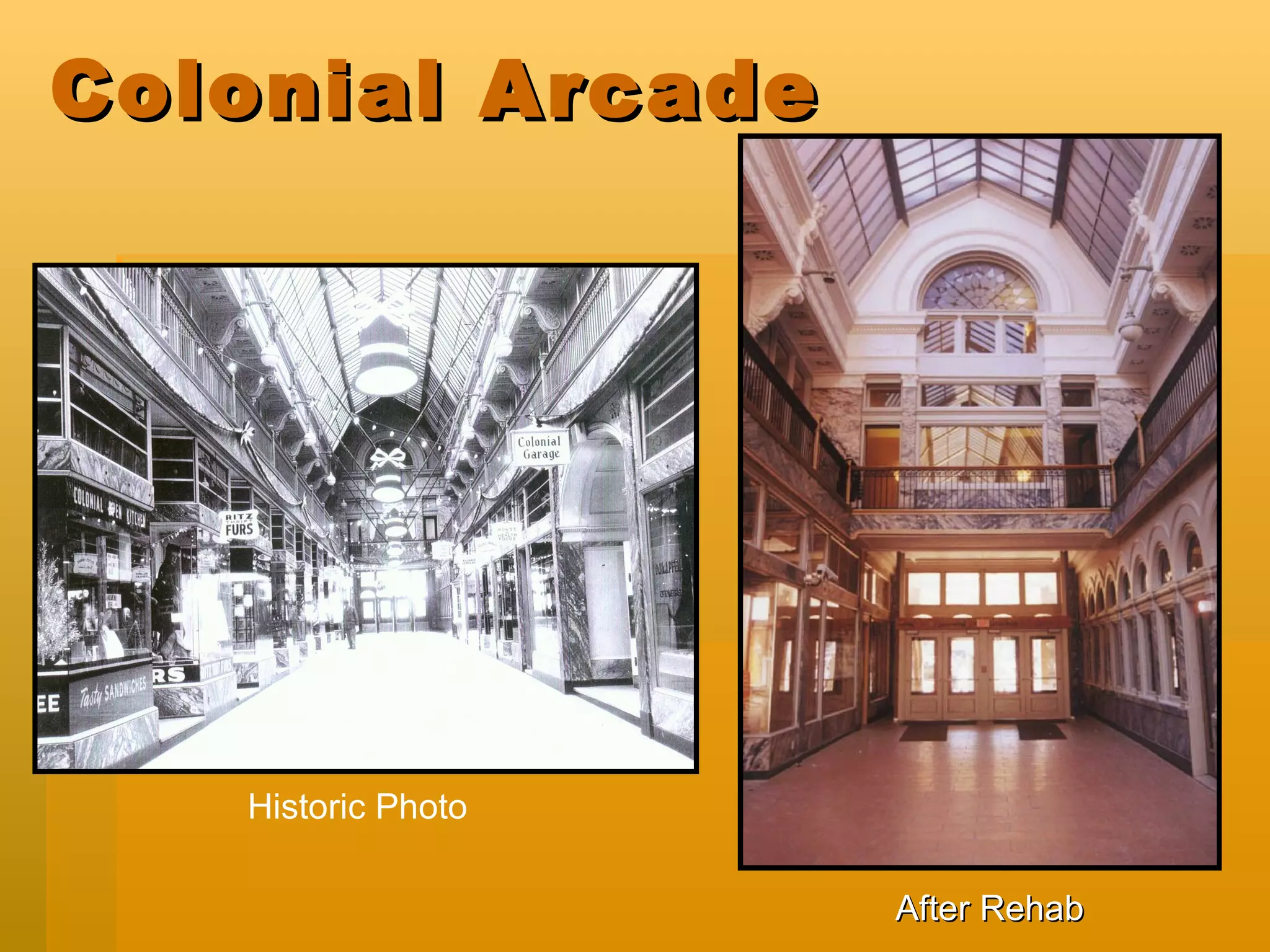
Colonial Arcade After Rehab Historic Photo
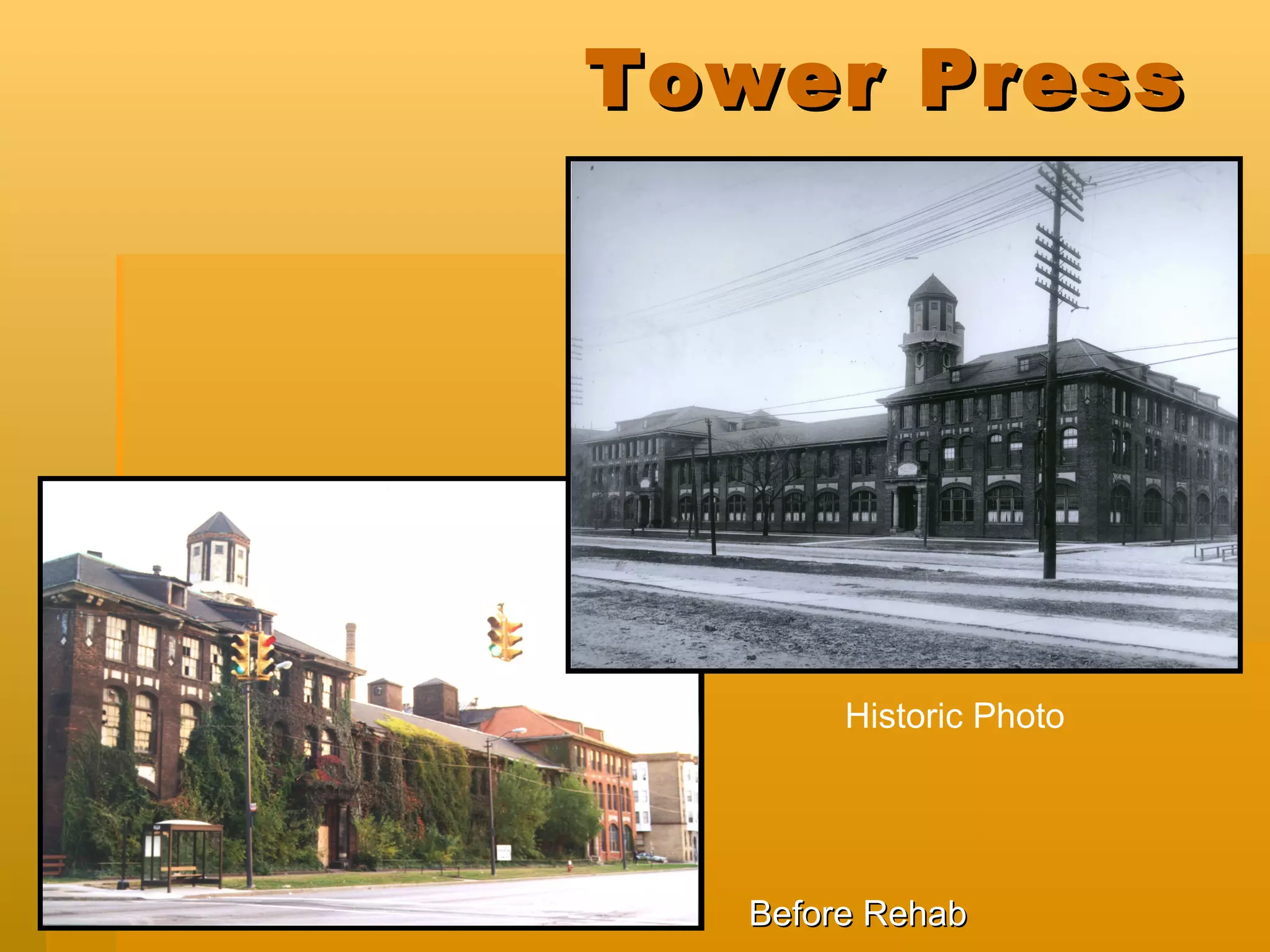
Tower Press Before Rehab Historic Photo
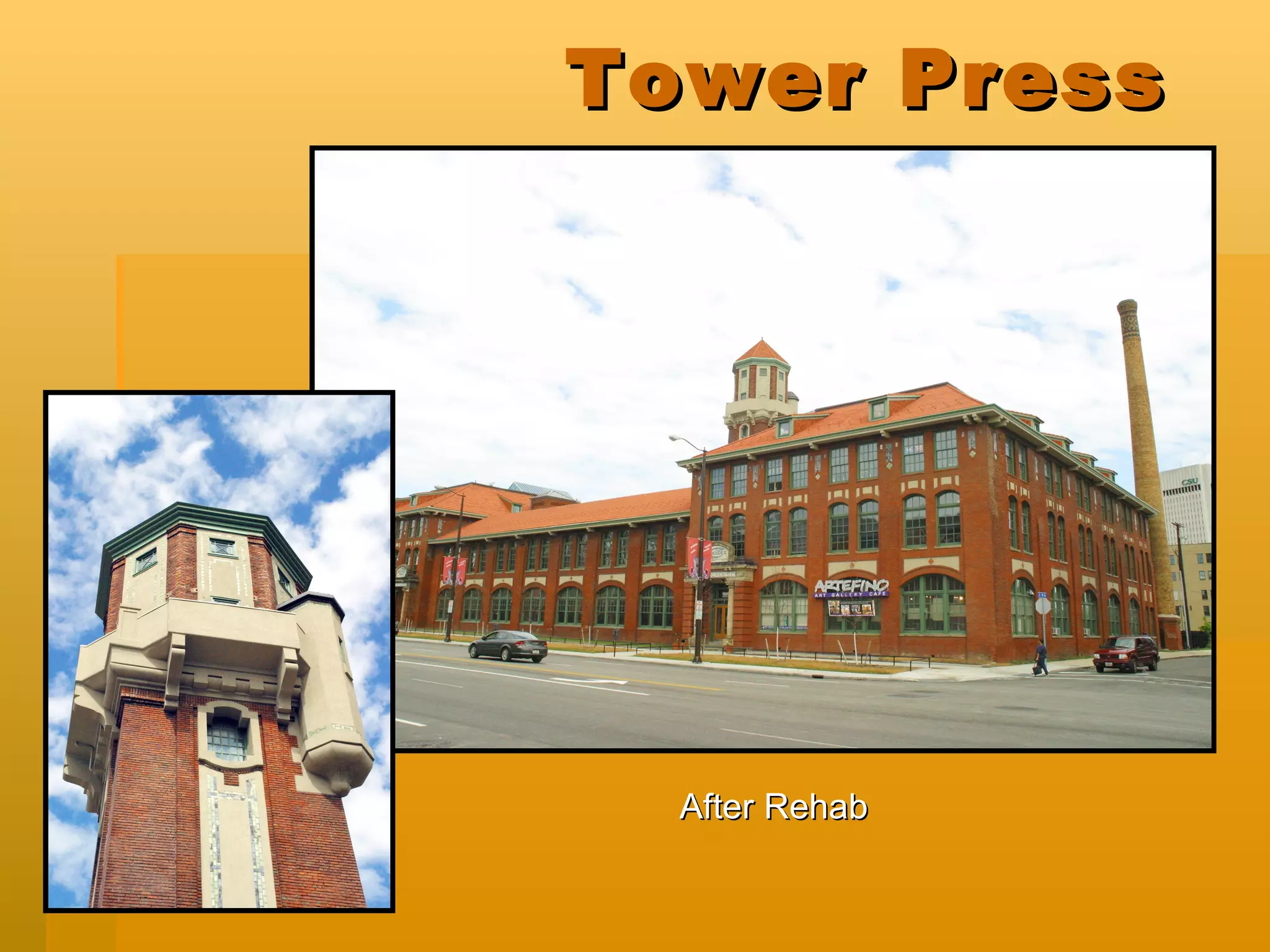
Tower Press After Rehab
Rawson Building - Findlay After Rehab Before Rehab
Notre Dame Academy Before Rehab
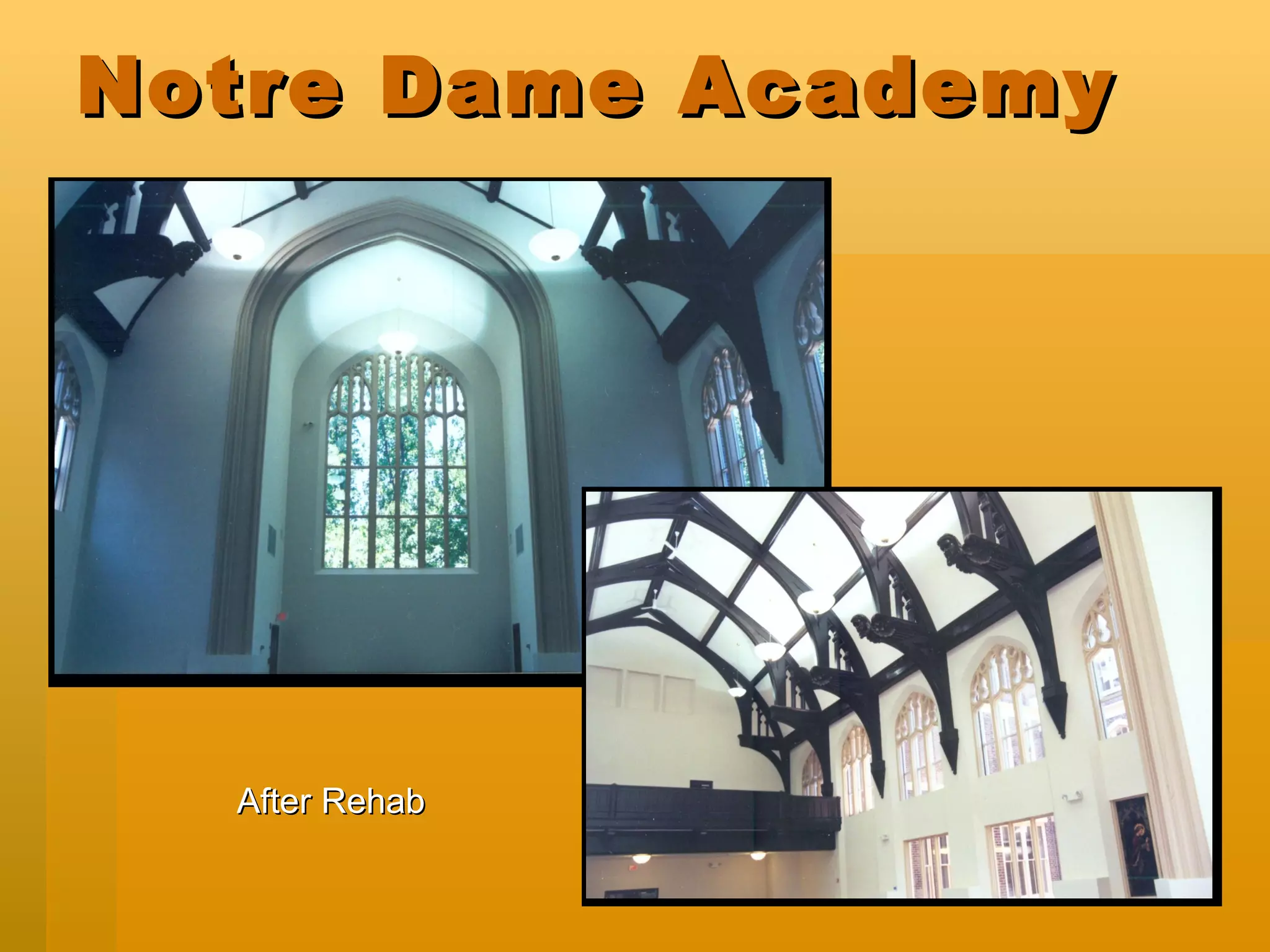
Notre Dame Academy After Rehab
Notre Dame Academy Before Rehab
Notre Dame Academy After Rehab

Sandvick

  • 1.
    Historic Building Rehabilitation Jonathan Sandvick Sandvick Architects, Inc Heritage Ohio Historic Tax Credit Workshop Canton, Ohio – September 18, 2009 1265 W. 6 th Street Cleveland Ohio 44118
  • 2.
  • 3.
    $4.5 Billion in Direct Economic Impact Annually Generates: 87,369 In-State Jobs $326 Million in Household Income $2.6 Billion in Gross State Product $228 Million in State and Local Taxes Economic Impact of Historic Preservation in Ohio
  • 4.
    Alternative Building CodeCompliance: Chapter 3410 Building Components are Broken Down into Parameters Affecting Life Safety Each Parameter is Evaluated and Assigned a Numerical Value in Three Categories: Fire Safety, Means of Egress & General Safety Total Values in Each Category Must Meet Mandatory Safety Score for Proposed Use
  • 5.
  • 6.
    Historic Preservation isSustainable Development Smart Growth – Continued Retention & Development of Dense Urban Neighborhoods and Reuse of Existing Infrastructure Ultimate Form of Recycling – Greatly Reduces Landfill Waste, Where Construction Debris Represents as Much as 30% of all Dumping Preserves Embodied Energy from Building’s Original Construction –20,000 SF Office Building Holds 33,000,000 MBTUs of Energy, Equivalent to Over 285,000 Gallons of Gasoline! Eliminates Additional Energy Use Required for Demolition and Replacement with New Construction Environmental Benefits
  • 7.
    Historic Preservation isSustainable Development Stabilizes and Increases Neighborhood Property Values & Tax Revenue Stabilizes Surrounding Areas, Generating Additional Indirect Economic Benefits Jobs Intensive – Preservation & Maintenance Create More Jobs Than Equivalent New Construction (Labor vs. Materials) Provides Resources for Heritage Tourism – Significant Economic Generator Economic Benefits
  • 8.
    Historic Preservation isSustainable Development Significant Historic Resources Preserved and Protected Community’s Unique Identity and Sense of Place Retained Cultural Benefits
  • 9.
    Historic Conservation EasementsEasements Mitigate Cycles of Neighborhood Decline Protected Buildings Must Be Preserved and Maintained Provide Permanent ‘Anchors’ for Neighborhood Stability Encourages Investment in Adjacent Properties Can Also Provide a Significant Economic Incentive to Rehabilitation
  • 10.
  • 11.
  • 12.
    The Arcade BeforeRehab Historic Photo After Rehab
  • 13.
    The Arcade HistoricPhoto Before Rehab After Rehab
  • 14.
    Heinz Lofts BeforeRehab Historic Photo
  • 15.
  • 16.
    Colonial & EuclidArcades After Rehab Historic Photo
  • 17.
    Fries and SchueleBefore Rehab
  • 18.
    Fries and SchueleAfter Rehab
  • 19.
    Colonial Arcade AfterRehab Historic Photo
  • 20.
    Tower Press BeforeRehab Historic Photo
  • 21.
  • 22.
    Rawson Building -Findlay After Rehab Before Rehab
  • 23.
    Notre Dame AcademyBefore Rehab
  • 24.
    Notre Dame AcademyAfter Rehab
  • 25.
    Notre Dame AcademyBefore Rehab
  • 26.
    Notre Dame AcademyAfter Rehab