SAMSUNG vs. LG
Analysis of their
SEGMENTATION, TARGETING & POSITIONING
strategy....

  PRESENTED TO       PRESENTED BY GROUP 6:-
  MR. SANTOSH SOOD
                     ROHIT KUMAR JAITLY (92)
                     SULAGNA DUTTA(93)
                     MOHIT ARORA (97)
                     PRAVEEN KUMAR (99)
                     MONIKA BANSAL (119)
WHAT IS SEGMENTATION
• Segmentation involves dividing market into smaller
  segments or groups
• Customers in a particular group share some
  common buying characteristics.
• Organisations identify those buying characteristics
  which they can effectively & efficiently cater to, with
  the resources at their disposal.
• After identifying the characteristics, they select a
  segment or segments, depending on their ability to
  serve the unique needs of one or more segment
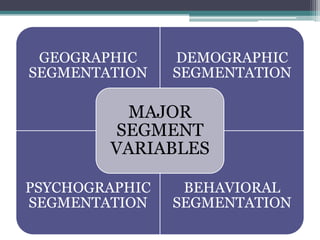
GEOGRAPHIC     DEMOGRAPHIC
SEGMENTATION    SEGMENTATION

          MAJOR
        SEGMENT
        VARIABLES

PSYCHOGRAPHIC    BEHAVIORAL
SEGMENTATION    SEGMENTATION
WHAT IS TARGETING
 After Segmentation, organisations identify those
 segments which :-
 have a potential of high growth rate & profitability
 blend into organisation’s long term objectives
 and are true to the Going Concern Assumption i.e.
 their sustenance is not being majorly challenged.

 It is then that company zero’s on the particular
 segments which they will serve, and formulate
 marketing strategies to attract the customers of
 those segments.
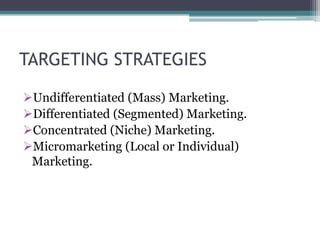
TARGETING STRATEGIES

Undifferentiated (Mass) Marketing.
Differentiated (Segmented) Marketing.
Concentrated (Niche) Marketing.
Micromarketing (Local or Individual)
 Marketing.
WHAT IS POSITIONING
• Positioning involves, organisation’s efforts in
  creating a place for their brand in the minds of
  the target customers.
• Positioning should be such that the customers
  have a better perception of their products in
  comparison to the competitors. This is done via
  POSITIONING MAPPING.
• Positioning map shows as to how the companies
  product is rated among several competitors.
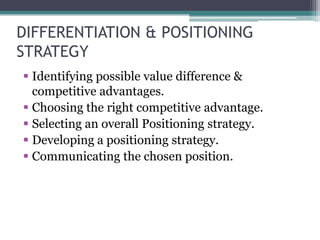
DIFFERENTIATION & POSITIONING
STRATEGY
 Identifying possible value difference &
  competitive advantages.
 Choosing the right competitive advantage.
 Selecting an overall Positioning strategy.
 Developing a positioning strategy.
 Communicating the chosen position.
SEGMENTATION
STRATEGIES
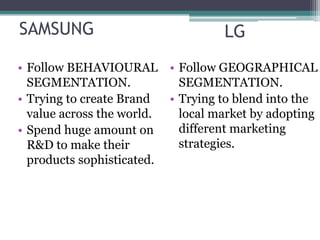
SAMSUNG                            LG
• Follow BEHAVIOURAL • Follow GEOGRAPHICAL
  SEGMENTATION.             SEGMENTATION.
• Trying to create Brand  • Trying to blend into the
  value across the world.   local market by adopting
• Spend huge amount on      different marketing
  R&D to make their         strategies.
  products sophisticated.
TARGETING
STRATEGIES
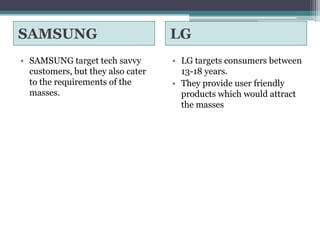
SAMSUNG                            LG
• SAMSUNG target tech savvy        • LG targets consumers between
  customers, but they also cater     13-18 years.
  to the requirements of the       • They provide user friendly
  masses.                            products which would attract
                                     the masses
POSITIONING
STARATEGIES
SAMSUNG                                          LG
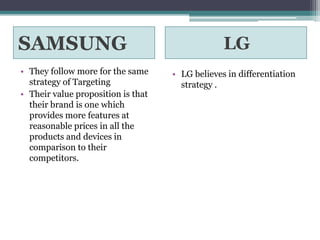
• They follow more for the same     • LG believes in differentiation
  strategy of Targeting               strategy .
• Their value proposition is that
  their brand is one which
  provides more features at
  reasonable prices in all the
  products and devices in
  comparison to their
  competitors.

Samsung vs lg

  • 1.
    SAMSUNG vs. LG Analysisof their SEGMENTATION, TARGETING & POSITIONING strategy.... PRESENTED TO PRESENTED BY GROUP 6:- MR. SANTOSH SOOD ROHIT KUMAR JAITLY (92) SULAGNA DUTTA(93) MOHIT ARORA (97) PRAVEEN KUMAR (99) MONIKA BANSAL (119)
  • 2.
    WHAT IS SEGMENTATION •Segmentation involves dividing market into smaller segments or groups • Customers in a particular group share some common buying characteristics. • Organisations identify those buying characteristics which they can effectively & efficiently cater to, with the resources at their disposal. • After identifying the characteristics, they select a segment or segments, depending on their ability to serve the unique needs of one or more segment
  • 3.
    GEOGRAPHIC DEMOGRAPHIC SEGMENTATION SEGMENTATION MAJOR SEGMENT VARIABLES PSYCHOGRAPHIC BEHAVIORAL SEGMENTATION SEGMENTATION
  • 4.
    WHAT IS TARGETING After Segmentation, organisations identify those segments which :-  have a potential of high growth rate & profitability  blend into organisation’s long term objectives  and are true to the Going Concern Assumption i.e. their sustenance is not being majorly challenged. It is then that company zero’s on the particular segments which they will serve, and formulate marketing strategies to attract the customers of those segments.
  • 5.
    TARGETING STRATEGIES Undifferentiated (Mass)Marketing. Differentiated (Segmented) Marketing. Concentrated (Niche) Marketing. Micromarketing (Local or Individual) Marketing.
  • 6.
    WHAT IS POSITIONING •Positioning involves, organisation’s efforts in creating a place for their brand in the minds of the target customers. • Positioning should be such that the customers have a better perception of their products in comparison to the competitors. This is done via POSITIONING MAPPING. • Positioning map shows as to how the companies product is rated among several competitors.
  • 7.
    DIFFERENTIATION & POSITIONING STRATEGY Identifying possible value difference & competitive advantages.  Choosing the right competitive advantage.  Selecting an overall Positioning strategy.  Developing a positioning strategy.  Communicating the chosen position.
  • 8.
  • 9.
    SAMSUNG LG • Follow BEHAVIOURAL • Follow GEOGRAPHICAL SEGMENTATION. SEGMENTATION. • Trying to create Brand • Trying to blend into the value across the world. local market by adopting • Spend huge amount on different marketing R&D to make their strategies. products sophisticated.
  • 10.
  • 11.
    SAMSUNG LG • SAMSUNG target tech savvy • LG targets consumers between customers, but they also cater 13-18 years. to the requirements of the • They provide user friendly masses. products which would attract the masses
  • 12.
  • 13.
    SAMSUNG LG • They follow more for the same • LG believes in differentiation strategy of Targeting strategy . • Their value proposition is that their brand is one which provides more features at reasonable prices in all the products and devices in comparison to their competitors.