A TALE OF 5 CITIES & OPEN DATA
MUNICIPALITY INNOVATION HACKATHON
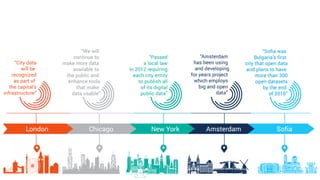
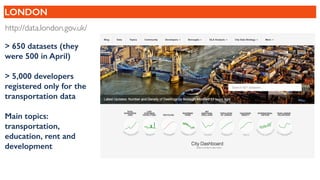
LONDON
http://data.london.gov.uk/
> 650 datasets (they
were 500 in April)
> 5,000 developers
registered only for the
transportation data
Main topics:
transportation,
education, rent and
development
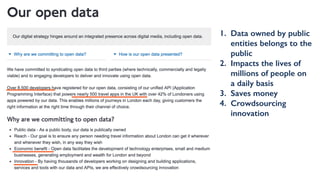
1. Data owned by public
entities belongs to the
public
2. Impacts the lives of
millions of people on
a daily basis
3. Saves money
4. Crowdsourcing
innovation
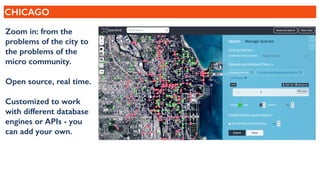
CHICAGO
Zoom in: from the
problems of the city to
the problems of the
micro community.
Open source, real time.
Customized to work
with different database
engines or APIs - you
can add your own.
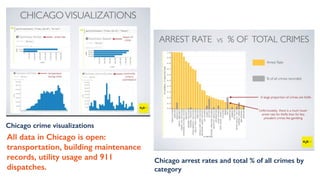
Chicago arrest rates and total % of all crimes by
category
Chicago crime visualizations
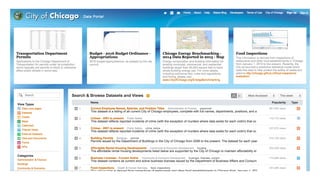
All data in Chicago is open:
transportation, building maintenance
records, utility usage and 911
dispatches.
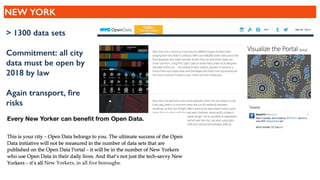
NEW YORK
> 1300 data sets
Commitment: all city
data must be open by
2018 by law
Again transport, fire
risks
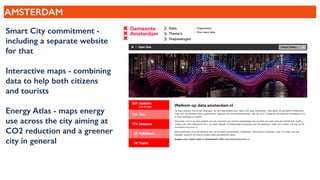
AMSTERDAM
Smart City commitment -
including a separate website
for that
Interactive maps - combining
data to help both citizens
and tourists
Energy Atlas - maps energy
use across the city aiming at
CO2 reduction and a greener
city in general
OTHER
public transport data + Foursquare data =
Blindsquare (app that helps blind people get around
the city, costs 30USD on the AppStore)
Helsinki:
Street Bump - helps the city plan how and where to
spend road improvement funds
Food Police - an app for restaurant health and safety
scores.
Ungentry = census data + open data to see how
government policy impacts gentrification
Boston:
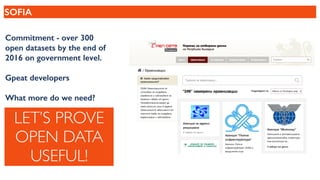
SOFIA
Commitment - over 300
open datasets by the end of
2016 on government level.
Gреаt developers
What more do we need?
LET’S PROVE
OPEN DATA
USEFUL!
Showing transparity:
Willingness to work together
Identifying problems:
looking at what people use the most gives a good idea what are the main
problems of the city
Solving problems:
you already know what the problem, use data to solve it!
Bigger team:
Increases the municipality teams on any problem by N (N = the indefinite
number of citizens who know how to use data)

Sabina Panayotova Innovation Academy 2016 Sofia

  • 1.
    A TALE OF5 CITIES & OPEN DATA MUNICIPALITY INNOVATION HACKATHON
  • 4.
    LONDON http://data.london.gov.uk/ > 650 datasets(they were 500 in April) > 5,000 developers registered only for the transportation data Main topics: transportation, education, rent and development
  • 5.
    1. Data ownedby public entities belongs to the public 2. Impacts the lives of millions of people on a daily basis 3. Saves money 4. Crowdsourcing innovation
  • 6.
    CHICAGO Zoom in: fromthe problems of the city to the problems of the micro community. Open source, real time. Customized to work with different database engines or APIs - you can add your own.
  • 8.
    Chicago arrest ratesand total % of all crimes by category Chicago crime visualizations All data in Chicago is open: transportation, building maintenance records, utility usage and 911 dispatches.
  • 9.
    NEW YORK > 1300data sets Commitment: all city data must be open by 2018 by law Again transport, fire risks
  • 10.
    AMSTERDAM Smart City commitment- including a separate website for that Interactive maps - combining data to help both citizens and tourists Energy Atlas - maps energy use across the city aiming at CO2 reduction and a greener city in general
  • 11.
    OTHER public transport data+ Foursquare data = Blindsquare (app that helps blind people get around the city, costs 30USD on the AppStore) Helsinki: Street Bump - helps the city plan how and where to spend road improvement funds Food Police - an app for restaurant health and safety scores. Ungentry = census data + open data to see how government policy impacts gentrification Boston:
  • 12.
    SOFIA Commitment - over300 open datasets by the end of 2016 on government level. Gреаt developers What more do we need? LET’S PROVE OPEN DATA USEFUL!
  • 13.
    Showing transparity: Willingness towork together Identifying problems: looking at what people use the most gives a good idea what are the main problems of the city Solving problems: you already know what the problem, use data to solve it! Bigger team: Increases the municipality teams on any problem by N (N = the indefinite number of citizens who know how to use data)