3/3/2018 Dept of Plant BIotechnology 1
NIRVARNA G R
PALB 6283
REVERSE MEMBRANE BIOREACTOR –
INTRODUCTION TO NEW TECHNOLOGY FOR
BIOFUEL PRODUCTION
3/3/2018 Dept of Plant BIotechnology 2
CONTENTS
• Introduction.
• Conventional MBR & Cell Encapsulation.
• Challenges with MBRs.
• rMBR - Principles and Application
• Diffusion in rMBRs.
• Case Study.
• Conclusion/Summary.
3/3/2018 Dept of Plant BIotechnology 3
INTRODUCTION
 Membrane and membrane related technologies in waste water
treatment and water quality improvement technologies.
 Due to the increasing demand for alternative renewable fuel
sources, there has been a surge of interest to find applicable
biofuel production technology with a high productivity.
 In this regard, membranes are used to retain cells and/or
enzymes inside a bioreactor.
3/3/2018 Dept of Plant BIotechnology 4
Conventional MBR
• This technique uses a selective synthetic membrane to retain cells and
specific chemical compounds in the bioreactor.
• In this context the compounds are divide into two groups. i.e. filtrate
and retentate.
• Membrane separation mainly occurs through application of pressure
and/or concentration gradient as the separation driving force.
(Judd and Judd, 2011)
3/3/2018 Dept of Plant BIotechnology 5
• This is a criterion for categorizing membrane systems on basis of the
separation driving force.
Mahboubi et al.,
2016
Cont…
• MBR configuration covers both the integration of the membrane
with the bioreactor and also the set-up of the membrane module.
• In general the configuration of various conventional MBRs sits
under one of the two categories of immersed MBR and side-stream
MBR.
The ability of MBRs
in retaining high cell
concentrations in the
bioreactor facilitates
the in situ product
recovery in biofuel
production
Ex
3/3/2018 6
Mahboubi et al.,
2016
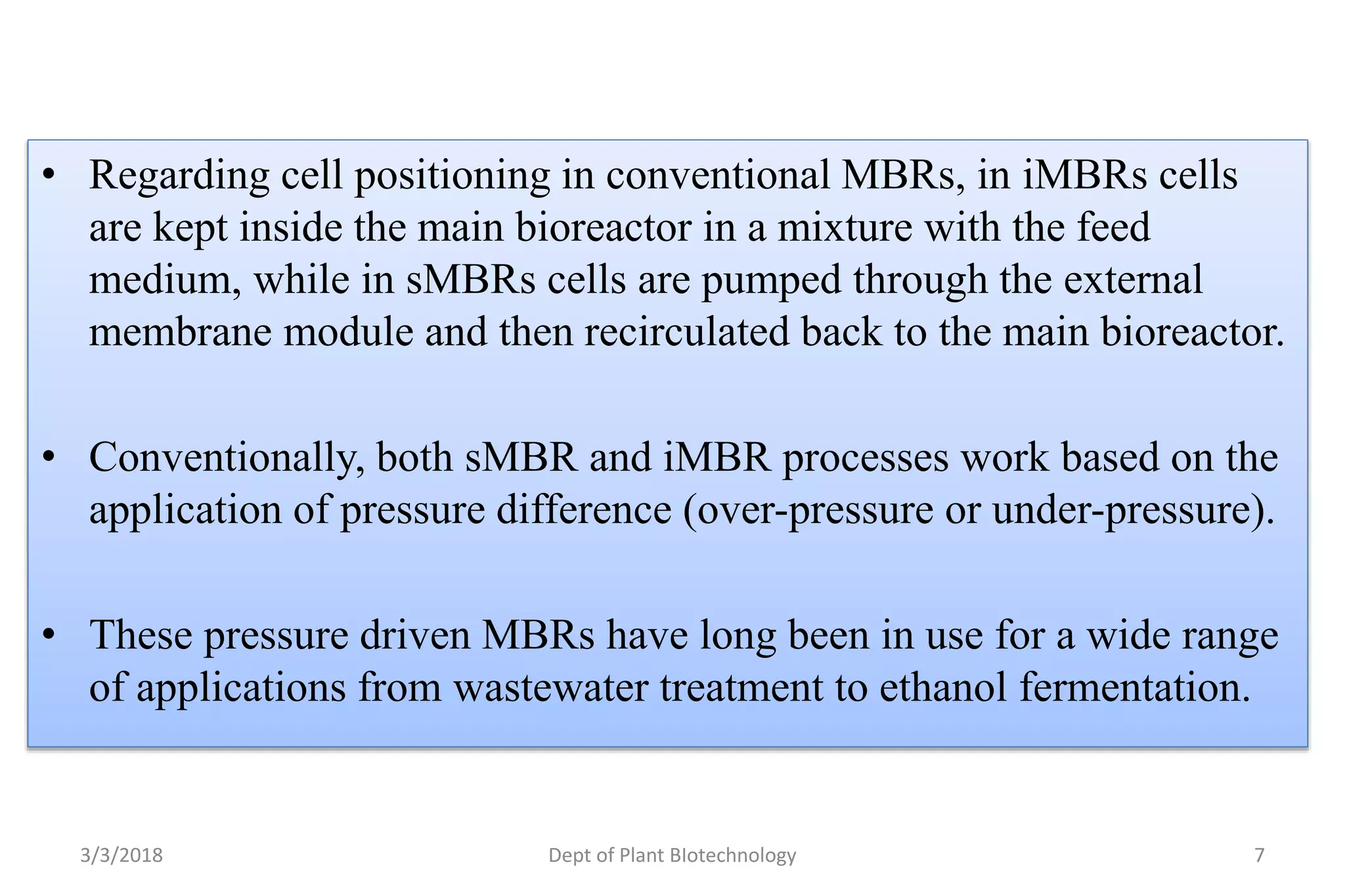
• Regarding cell positioning in conventional MBRs, in iMBRs cells
are kept inside the main bioreactor in a mixture with the feed
medium, while in sMBRs cells are pumped through the external
membrane module and then recirculated back to the main bioreactor.
• Conventionally, both sMBR and iMBR processes work based on the
application of pressure difference (over-pressure or under-pressure).
• These pressure driven MBRs have long been in use for a wide range
of applications from wastewater treatment to ethanol fermentation.
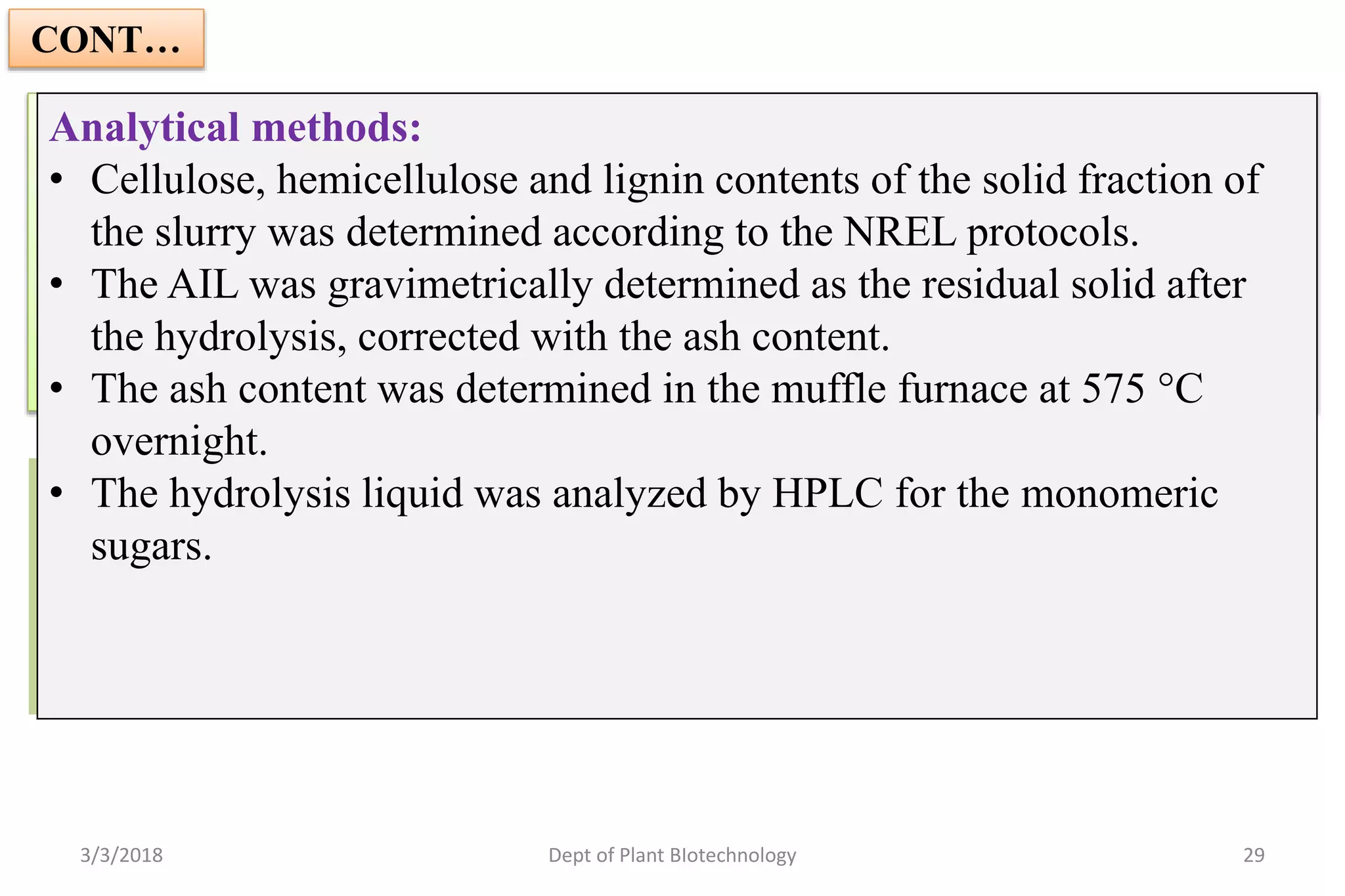
3/3/2018 Dept of Plant BIotechnology 7
Benefits sought by utilization of MBR for biofuel production…
1. Ease of product recovery as a result of high separation efficiency.
2. High product yield and biological conversion rate due to high cell
concentration.
3. Low energy demand and ease of operation in continuous mode.
3/3/2018 Dept of Plant BIotechnology 8
Limitations:
1. Handling feed sources is inefficient.
2. Feeds with high suspended solid (SS) content are problematic. i.e.
cake layer formation and membrane fouling.
3. High SS loading also negatively affects cell/medium separation and
hinders cell reuse for several batch experiments.
Cell Encapsulation
• In this regard, various approaches of natural (e.g. flocculation)
and artificial cell immobilization (e.g. cell encapsulation) have
been taken into consideration.
• Cell immobilization can happen by natural cell immobilization
through which cells tend to form flocs and start to settle or float in
the bioreactor.
• Cells can also be artificially immobilized either through
entrapment in gel matrices in MBRs.
3/3/2018 Dept of Plant BIotechnology 9
Mahboubi et al.,
2016
• The principle aim of cell encapsulation is to provide very high local
cell concentration within a capsule.
• This is also followed by extraordinary performance of encapsulated
cells in medium inhibitor tolerance and detoxification.
• Providing high local cell density through cell confinement by an
external membrane while having diffusion as the dominant mass
transfer mode, is used as the backbone of the rMBR system.
3/3/2018 Dept of Plant BIotechnology 10
• This technique can effectively deal with the issues confronted by
conventional MBRs.
• High local cell concentration is provided in a jelly capsule, it
separates the cells.
• Microenvironment and cell housing configuration gives the ability
to tolerate high inhibitor content & co-utilize substrates in the
feed.
3/3/2018 Dept of Plant BIotechnology 11
Inherent shortcomings.
1. Encapsulating cells is time consuming and laborious.
2. Simple flaw in capsule preparation and agitation cause capsule
disintegration, rupture and cell escape.
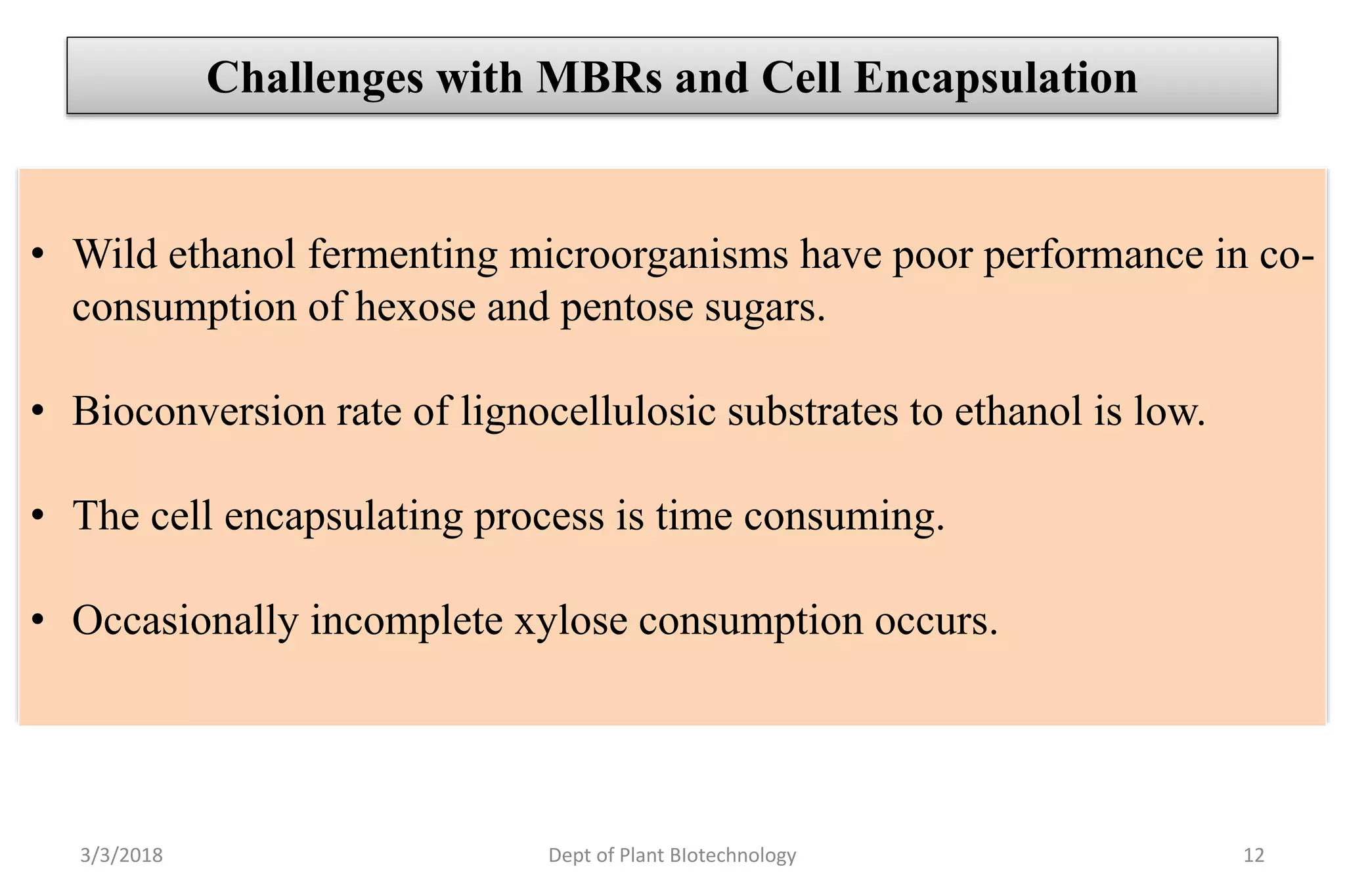
Challenges with MBRs and Cell Encapsulation
• Conventional MBRs lack the potential to positively enhance the cell
inhibitor detoxification ability and simultaneous sugar utilization
potential of cells.
• The issues are unfavourably confronted when the purpose is to
produce second generation ethanol from lignocellulosic materials
• Due to their recalcitrant structure, lignocellulosic materials show great
resistance to enzymatic hydrolysis.
3/3/2018 Dept of Plant BIotechnology 12
• Wild ethanol fermenting microorganisms have poor performance in co-
consumption of hexose and pentose sugars.
• Bioconversion rate of lignocellulosic substrates to ethanol is low.
• The cell encapsulating process is time consuming.
• Occasionally incomplete xylose consumption occurs.
Cont…
• Capsules can easily undergo rupture and break due to agitation.
• The cells that have escaped from the capsule may become suspended.
• Increase in solid residues increases the number of stages and cost of
downstream processes.
3/3/2018 Dept of Plant BIotechnology 13
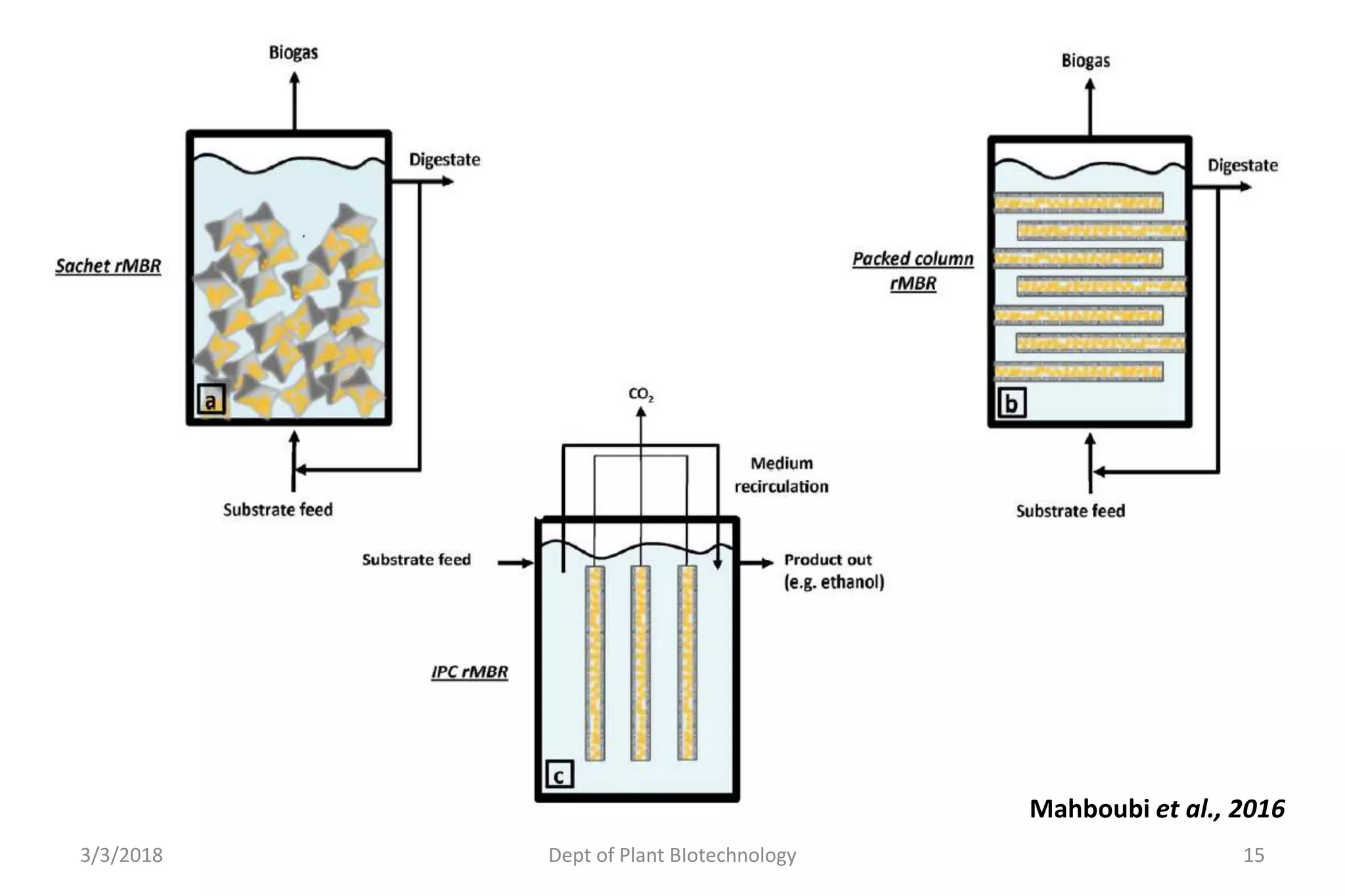
REVERSE MEMBRANE BIOREACTOR
• Through this technology, bioconversion of complex feed streams
can be efficiently handled in large scale applying a diffusion driven
rMBR.
• These are submerged membrane modules housing microorganisms
in between membrane layers.
• It function on the basis of diffusive mass transfer as for cell
encapsulation.
3/3/2018 Dept of Plant BIotechnology 14Mahboubi et al., 2016
3/3/2018 Dept of Plant BIotechnology 15
Mahboubi et al., 2016
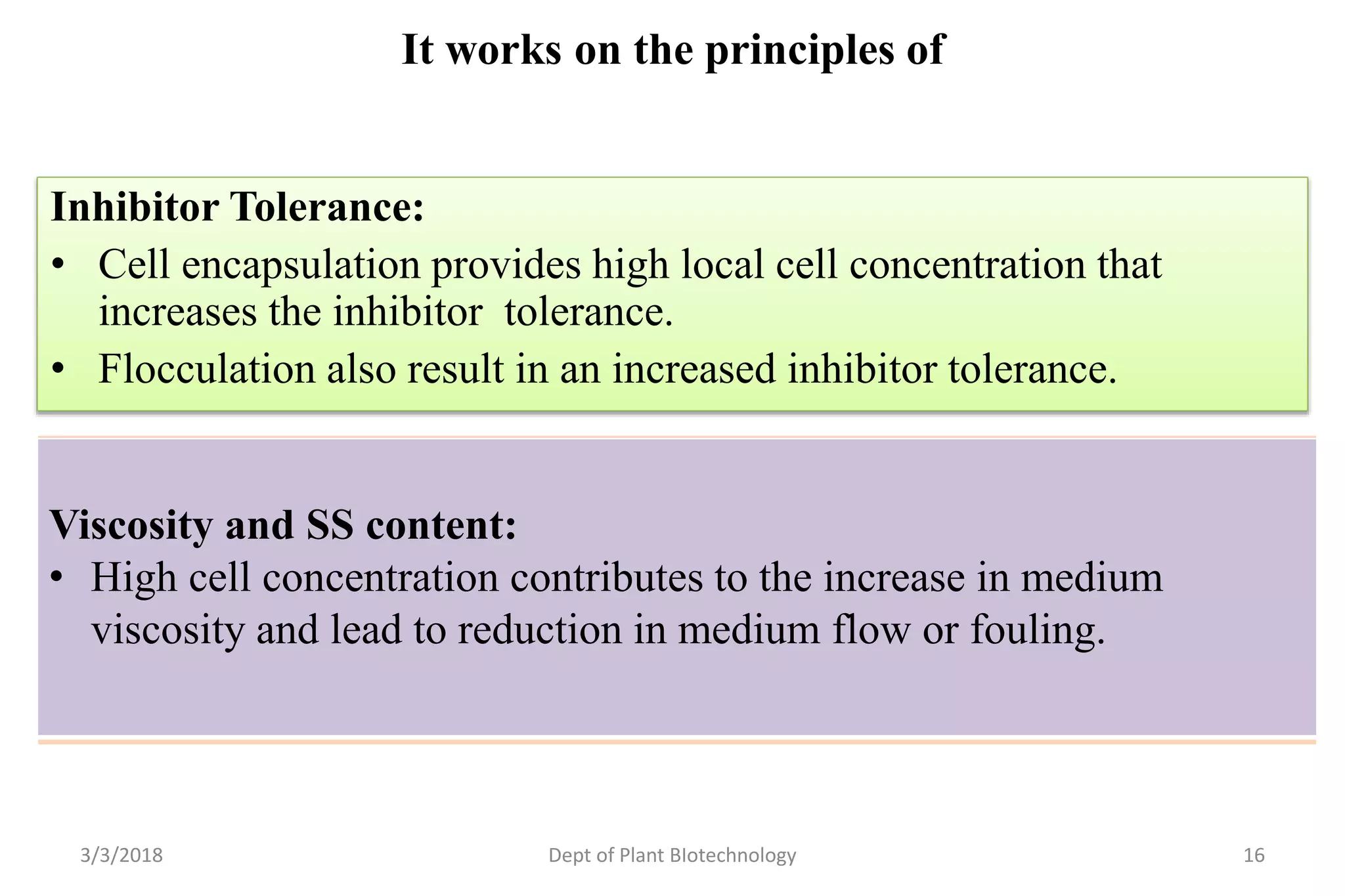
It works on the principles of
Inhibitor Tolerance:
• Cell encapsulation provides high local cell concentration that
increases the inhibitor tolerance.
• Flocculation also result in an increased inhibitor tolerance.
3/3/2018 Dept of Plant BIotechnology 16
Simultaneous Sugar Consumption:
• The prime remedy in this regard is having genetically manipulated
recombinant S. cerevisiae strains that are capable of pentose uptake.
• Cell encapsulation has proven to be a successful approach when co-
utilization of sugars is sought.
Viscosity and SS content:
• High cell concentration contributes to the increase in medium
viscosity and lead to reduction in medium flow or fouling.
Diffusion in rMBR
• The diffusion related phenomena form the basis of the rMBR system
and play a major role in cell inhibitor tolerance and co-utilization of
sugars.
• The diffusion of feed medium chemical compounds and inhibitory
compounds and metabolic products in rMBR are considered at three
separate phases:
Diffusion of chemical compounds in feed-side, membrane and cell-side
depends on medium viscosity, membrane characteristics (pore size,
polarity, etc.) and cell biofilm respectively.
Diffusion in MBR
• The diffusion rate of different compounds through the feed side,
membrane and cell-side defines the bioconversion rate.
3/3/2018 Dept of Plant BIotechnology 17
Mahboubi et al., 2016
Diffusion of compounds on feed side
• The diffusion of chemical compounds (solute) in a liquid medium
occurs as a result of the presence of a concentration gradient.
• In order to reduce the concentration difference, molecules of the
solute move towards the low concentration area by random
movement.
3/3/2018 Dept of Plant BIotechnology 18
Diffusion of compounds through membrane
• In rMBRs, penetration of chemical compounds through the
membrane is concentration gradient dependent.
• Greater concentration gradients lead to higher flux of the compounds
through the membrane.
• The defining factors during membrane diffusion measurements are
membrane hydrophilicity, physical and chemical properties of the
compound, interaction of the membrane and compounds, etc
3/3/2018 Dept of Plant BIotechnology 19 DR
Biofilms in general are micro-colonies of microorganisms attached to a
surface and embedded in a gel like EPS matrix.
Diffusion of compounds on cell side
• The diffusion rate and behaviour of compounds determine cell
inhibitor tolerance and in situ detoxification, and co-utilization of
sugars.
• Diffusion rate of substrates and products in this region plays a crucial
role in defining the bioconversion rate and process yield.
3/3/2018 Dept of Plant BIotechnology 20
The extra cellular matrix is a combination of 90%water and 10%
extracellular polymeric substances (EPS).
DR
Mahboubi et al., 2016
3/3/2018 Dept of Plant BIotechnology 21
3/3/2018 Dept of Plant BIotechnology 22
• IPC flat sheet membranes were examined for use as a rMBR for
lignocellulosic ethanol production.
• The fermenting organism, S. cerevisiae (T0936), a GM strain with
the ability to ferment xylose, was used inside the rMBR.
• Evaluated for simultaneous glucose and xylose utilization as well as
in situ detoxification of furfural and HMF.
INTRODUCTION
• Ethanol production from lignocellulosic materials, has the potential of
reducing society’s dependence on fossil fuels.
• Lignocellulosic materials consist of three main structural components:
cellulose, hemicellulose and lignin.
• Xylose utilization is essential for the successful fermentation of all
the sugars into ethanol.
• The glucose is consumed by the cells closer to the membrane of the
capsules.
• Consequently, this improves the xylose uptake, thereby facilitating
simultaneous sugar utilization.
3/3/2018 Dept of Plant BIotechnology 23
CONT…
• The membrane modules are commercially available for use and
could, thus, be a means of successfully creating several
agglomerations of cells inside the panels.
• Creates the desired sugar concentration gradient in the agglomerates
of the cells and facilitate simultaneous utilization of both sugars.
• It will facilitate in situ detoxification of the available lignocellulosic
inhibitors in the medium to their less toxic derivatives.
• It also create a possibility of instant cell reuse for several
fermentation batches, even in substrates which contain particles.
3/3/2018 Dept of Plant BIotechnology 24
Materials and Methods
• Lignocellulosic materials
• Enzymes and yeast strain:
• Cell cultivation for rMBR
• Flat Sheet IPC as the rMBR
• Configuration of the rMBR
• Synthetic medium fermentation with rMBR
• Fermentation of the Liquid Fraction of the Hydrolyzed
Pretreated Wheat Straw with the rMBR
• Analytical methods
3/3/2018 Dept of Plant BIotechnology 25
Materials and Methods
• Lignocellulosic materials: Wheat straw, an agricultural residue. It is
xylose rich lignocellulosic biomass.
3/3/2018 Dept of Plant BIotechnology 26
Pretreated with dilute H2SO4 at 185 C for 8 min
Supplied as a pretreated slurry with pH of 1.9, 14.9% SS, 22.2% total solids
The slurry was stored in a cold room at 5 °C until use.
The composition of the liquid fraction of the slurry was analyzed by the HPLC
43.6% ± 0.5% cellulose,
34.8% ± 0.1% acid insoluble lignin (AIL),
5.1% ± 0.1% acid soluble lignin(ASL),
39.9% ± 0.2% total lignin.
CONT…
Enzymes and yeast strain:
• The Cellulase Cellic® Ctec2 enzyme was used for the enzymatic
hydrolysis.
• A genetically-engineered strain of S. cerevisiae (T0936) was used.
3/3/2018 Dept of Plant BIotechnology 27
Cell cultivation for rMBR
• The cultivation was aerated at 4.0 vvm for 42 h to produce a cell
concentration of 5 g/L per intended fermentation volume of 3 L.
• Then cells were harvested by centrifugation at 4500 rpm for 5 min
and concentrated into 150 mL. Thus making a cell conc of 100g/L
per membrane volume of 150mL.
CONT…
• Flat Sheet IPC as the rMBR
The polymeric membrane panels consist of double membrane layers
that consist of an integrated permeate channels, interposed to the two
membrane layers.
3/3/2018 Dept of Plant BIotechnology 28
• Configuration
of the rMBR
CONT…
Synthetic medium fermentation with rMBR:
• Synthetic medium contains glucose and xylose, equivalent to that present
in 10% SS. Supplemented with (NH4)2 SO4, KH2PO4 &Yeast cells.
• The fermentation was performed anaerobically at a temperature of
30 °C and a pH of 5.0 for 96h.
3/3/2018 Dept of Plant BIotechnology 29
Fermentation of the Liquid Fraction of the Hydrolyzed Pretreated
Wheat Straw with the rMBR
• Enzymatic hydrolysis of the pretreated wheat straw was carried out
at a temp of 50 °C, pH of 5.0, and agitation of 700 rpm for 24 h.
Analytical methods:
• Cellulose, hemicellulose and lignin contents of the solid fraction of
the slurry was determined according to the NREL protocols.
• The AIL was gravimetrically determined as the residual solid after
the hydrolysis, corrected with the ash content.
• The ash content was determined in the muffle furnace at 575 °C
overnight.
• The hydrolysis liquid was analyzed by HPLC for the monomeric
sugars.
Result
• The agglomeration of cells will facilitate the simultaneous utilization
of sugars and in situ detoxification of the bioconvertible inhibitors.
Performance of IPC Flat Sheet Membrane as rMBRs
• Membranes used for batch fermentations of the synthetic medium &
the liquid fraction of the lignocellulosic hydrolyzate for up to 8 days.
• The membranes were found to be reusable after the fermentation.
• Yeast cells found to be metabolically active after the fermentation.
3/3/2018 Dept of Plant BIotechnology 30
• Simultaneous Utilization of Glucose, Xylose in a Synthetic Medium
3/3/2018 Dept of Plant BIotechnology 31
Concentration (g/L) profiles of
glucose, xylose, and ethanol during the
use of rMBR in the synthetic medium.
Concentration (g/L) profiles of glycerol,
acetic acid, and lactic acid during the
use of rMBR in the synthetic medium.
• This shows that the inner fabric
cross layer of the IPC membrane
panels, which contained the
genetically-modified yeast created
the required agglomeration for the
cells.
• Thus, there was a concentration
gradient of sugars inside the cell
agglomerates, which facilitated the
xylose metabolism.
• Simultaneous Utilization of Glucose, Xylose in a Synthetic Medium
3/3/2018 Dept of Plant BIotechnology 32
Concentration (g/L) profiles of
glucose, xylose, and ethanol during the
use of rMBR in the synthetic medium.
Concentration (g/L) profiles of glycerol,
acetic acid, and lactic acid during the
use of rMBR in the synthetic medium.
o an indication that the cells inside the
rMBR were able to maintain their
metabolic activities throughout the
fermentation, with very low glycerol
formation and without having a
significant effect on the ethanol yield.
o This suggests that the chemical cleaning
procedure used as a means of sterilizing
and disinfecting the membrane panels in
the reactor is effective in keeping
contamination under control throughout
the fermentation.
o It also indicates that the rMBR can
successfully be used for prolonged
fermentation without any contamination
effect.
Co-Utilization of Sugars and In Situ Detoxification Using the Liquid Fraction of
the Lignocellulosic Hydrolyzate with the rMBR
3/3/2018 Dept of Plant BIotechnology 33
Conc (g/L) profiles of furfural and HMFConc (g/L) profiles of sugar and ethanol
during the use of rMBR in the liquid fraction of the prehydrolyzed pretreated wheat
straw used as xylose-rich lignocellulosic material.
• The performance of the rMBR was later investigated using the liquid fraction of
the hydrolyzed wheat straw slurry. This was done in order to evaluate the
performance of the rMBR in the real lignocellulosic medium.
• The supplied slurry of 14.9% SS was diluted to 10% SS with deionized water
after which it was hydrolyzed.
• It increased the glucose concentration from 6.0 g/L up to 50.6 g/L, which
indicates that the Cellic® Ctec2 enzyme cocktail used was very effective for the
cellulose hydrolysis.
• During the fermentation with the rMBR, despite the presence of the inhibitors in
the medium, the co-utilization of glucose and xylose was observed.
 The observations from this study indicate that
a high initial glucose concentration in the
medium does not really affect the xylose
uptake by the genetically-modified strain as
much as the fermentation process used does.
 Creating a microenvironment for the cells by
having the cells inside the IPC membranes
facilitated the co-utilization and higher xylose
uptake despite the initial glucose conc.
 The possibility of achieving the desired
concentration gradient due to the
agglomeration of cells in the panels facilitated
the improved xylose uptake.
Co-Utilization of Sugars and In Situ Detoxification Using the Liquid Fraction of
the Lignocellulosic Hydrolyzate with the rMBR
3/3/2018 Dept of Plant BIotechnology 34
Conc (g/L) profiles of furfural and HMFConc (g/L) profiles of sugar and ethanol
during the use of rMBR in the liquid fraction of the prehydrolyzed pretreated wheat
straw used as xylose-rich lignocellulosic material.
 This observation suggests that the
agglomeration of cells in the panels, which
created the concentration gradient of the
streams reaching the cells, does not only
facilitate the co-utilization of the glucose
and xylose but also helps with the in situ
detoxification.
 The cells close to the outer layer of the
agglomerates detoxified the inhibitors,
hence, improving the rate of their
conversion.
• It can, thus, be stated that the rMBR with the IPC membrane panels is
beneficial for the co utilization of glucose and xylose utilization
• as well as for the in situ detoxification of the bioconvertible
inhibitors, which are important factors for an efficient and successful
lignocellulosic ethanol production.
Conclusion
• The synthetic medium was investigated, followed by using the liquid
fraction of the enzymatically hydrolyzed pretreated wheat straw as a
xylose-rich media.
• The IPC membrane panels containing the yeast cells were used for
the batch fermentation lasting for up to eight days.
• With the rMBR, complete xylose utilization, together with 86% of
the theoretical ethanol yield, was observed.
3/3/2018 Dept of Plant BIotechnology 35
• Its usage with the pretreated wheat straw resulted in 87% xylose
utilization and complete in situ detoxification of furfural and HMF
within 36 h and 60 h, respectively;
• A final ethanol concentration of 30.3 g/L equivalent to an ethanol
yield of 83% of the theoretical value was obtained.
Summary
• The rMBRs feature exceptional properties such as high local cell
density, diffusive nature of compound separation and the ability
of cell separation and reuse.
• These unique specifications bring along the potential for the
bioconversion of complex substrates.
• That contain high concentration of inhibitory compounds,
different sugar sources and high suspended solid levels difficult
to be handled by conventional pressure driven MBRs.
3/3/2018 Dept of Plant BIotechnology 36
Reference
• ISHOLA, M., YLITERVO, P., TAHERZADEH, M., 2015a, Co-
utilization of glucose and xylose for enhanced
lignocellulosic ethanol production with reverse membrane
bioreactors. Membranes, 5: 844.
• JUDD, S., JUDD, C., 2011, The MBR Book, second ed.
Butterworth- Heinemann, Oxford, pp. 55–207.
• MAHOUBI, A., YLITERVO, P., DOYEN, W., DEWEVER, H.,
TAHERZADEH, M. J., 2016, Reverse Membrane Bioreactor:
introduction to a new technology for biofuel production,
Biotechn. Advn., 34: 954-975.
3/3/2018 Dept of Plant BIotechnology 37
THANK YOU…
3/3/2018 Dept of Plant BIotechnology 38
3/3/2018 Dept of Plant BIotechnology 39

Reverse membrane bioreactor seminar ppt

  • 1.
    3/3/2018 Dept ofPlant BIotechnology 1 NIRVARNA G R PALB 6283
  • 2.
    REVERSE MEMBRANE BIOREACTOR– INTRODUCTION TO NEW TECHNOLOGY FOR BIOFUEL PRODUCTION 3/3/2018 Dept of Plant BIotechnology 2
  • 3.
    CONTENTS • Introduction. • ConventionalMBR & Cell Encapsulation. • Challenges with MBRs. • rMBR - Principles and Application • Diffusion in rMBRs. • Case Study. • Conclusion/Summary. 3/3/2018 Dept of Plant BIotechnology 3
  • 4.
    INTRODUCTION  Membrane andmembrane related technologies in waste water treatment and water quality improvement technologies.  Due to the increasing demand for alternative renewable fuel sources, there has been a surge of interest to find applicable biofuel production technology with a high productivity.  In this regard, membranes are used to retain cells and/or enzymes inside a bioreactor. 3/3/2018 Dept of Plant BIotechnology 4
  • 5.
    Conventional MBR • Thistechnique uses a selective synthetic membrane to retain cells and specific chemical compounds in the bioreactor. • In this context the compounds are divide into two groups. i.e. filtrate and retentate. • Membrane separation mainly occurs through application of pressure and/or concentration gradient as the separation driving force. (Judd and Judd, 2011) 3/3/2018 Dept of Plant BIotechnology 5 • This is a criterion for categorizing membrane systems on basis of the separation driving force. Mahboubi et al., 2016
  • 6.
    Cont… • MBR configurationcovers both the integration of the membrane with the bioreactor and also the set-up of the membrane module. • In general the configuration of various conventional MBRs sits under one of the two categories of immersed MBR and side-stream MBR. The ability of MBRs in retaining high cell concentrations in the bioreactor facilitates the in situ product recovery in biofuel production Ex 3/3/2018 6 Mahboubi et al., 2016
  • 7.
    • Regarding cellpositioning in conventional MBRs, in iMBRs cells are kept inside the main bioreactor in a mixture with the feed medium, while in sMBRs cells are pumped through the external membrane module and then recirculated back to the main bioreactor. • Conventionally, both sMBR and iMBR processes work based on the application of pressure difference (over-pressure or under-pressure). • These pressure driven MBRs have long been in use for a wide range of applications from wastewater treatment to ethanol fermentation. 3/3/2018 Dept of Plant BIotechnology 7
  • 8.
    Benefits sought byutilization of MBR for biofuel production… 1. Ease of product recovery as a result of high separation efficiency. 2. High product yield and biological conversion rate due to high cell concentration. 3. Low energy demand and ease of operation in continuous mode. 3/3/2018 Dept of Plant BIotechnology 8 Limitations: 1. Handling feed sources is inefficient. 2. Feeds with high suspended solid (SS) content are problematic. i.e. cake layer formation and membrane fouling. 3. High SS loading also negatively affects cell/medium separation and hinders cell reuse for several batch experiments.
  • 9.
    Cell Encapsulation • Inthis regard, various approaches of natural (e.g. flocculation) and artificial cell immobilization (e.g. cell encapsulation) have been taken into consideration. • Cell immobilization can happen by natural cell immobilization through which cells tend to form flocs and start to settle or float in the bioreactor. • Cells can also be artificially immobilized either through entrapment in gel matrices in MBRs. 3/3/2018 Dept of Plant BIotechnology 9 Mahboubi et al., 2016
  • 10.
    • The principleaim of cell encapsulation is to provide very high local cell concentration within a capsule. • This is also followed by extraordinary performance of encapsulated cells in medium inhibitor tolerance and detoxification. • Providing high local cell density through cell confinement by an external membrane while having diffusion as the dominant mass transfer mode, is used as the backbone of the rMBR system. 3/3/2018 Dept of Plant BIotechnology 10
  • 11.
    • This techniquecan effectively deal with the issues confronted by conventional MBRs. • High local cell concentration is provided in a jelly capsule, it separates the cells. • Microenvironment and cell housing configuration gives the ability to tolerate high inhibitor content & co-utilize substrates in the feed. 3/3/2018 Dept of Plant BIotechnology 11 Inherent shortcomings. 1. Encapsulating cells is time consuming and laborious. 2. Simple flaw in capsule preparation and agitation cause capsule disintegration, rupture and cell escape.
  • 12.
    Challenges with MBRsand Cell Encapsulation • Conventional MBRs lack the potential to positively enhance the cell inhibitor detoxification ability and simultaneous sugar utilization potential of cells. • The issues are unfavourably confronted when the purpose is to produce second generation ethanol from lignocellulosic materials • Due to their recalcitrant structure, lignocellulosic materials show great resistance to enzymatic hydrolysis. 3/3/2018 Dept of Plant BIotechnology 12 • Wild ethanol fermenting microorganisms have poor performance in co- consumption of hexose and pentose sugars. • Bioconversion rate of lignocellulosic substrates to ethanol is low. • The cell encapsulating process is time consuming. • Occasionally incomplete xylose consumption occurs.
  • 13.
    Cont… • Capsules caneasily undergo rupture and break due to agitation. • The cells that have escaped from the capsule may become suspended. • Increase in solid residues increases the number of stages and cost of downstream processes. 3/3/2018 Dept of Plant BIotechnology 13
  • 14.
    REVERSE MEMBRANE BIOREACTOR •Through this technology, bioconversion of complex feed streams can be efficiently handled in large scale applying a diffusion driven rMBR. • These are submerged membrane modules housing microorganisms in between membrane layers. • It function on the basis of diffusive mass transfer as for cell encapsulation. 3/3/2018 Dept of Plant BIotechnology 14Mahboubi et al., 2016
  • 15.
    3/3/2018 Dept ofPlant BIotechnology 15 Mahboubi et al., 2016
  • 16.
    It works onthe principles of Inhibitor Tolerance: • Cell encapsulation provides high local cell concentration that increases the inhibitor tolerance. • Flocculation also result in an increased inhibitor tolerance. 3/3/2018 Dept of Plant BIotechnology 16 Simultaneous Sugar Consumption: • The prime remedy in this regard is having genetically manipulated recombinant S. cerevisiae strains that are capable of pentose uptake. • Cell encapsulation has proven to be a successful approach when co- utilization of sugars is sought. Viscosity and SS content: • High cell concentration contributes to the increase in medium viscosity and lead to reduction in medium flow or fouling.
  • 17.
    Diffusion in rMBR •The diffusion related phenomena form the basis of the rMBR system and play a major role in cell inhibitor tolerance and co-utilization of sugars. • The diffusion of feed medium chemical compounds and inhibitory compounds and metabolic products in rMBR are considered at three separate phases: Diffusion of chemical compounds in feed-side, membrane and cell-side depends on medium viscosity, membrane characteristics (pore size, polarity, etc.) and cell biofilm respectively. Diffusion in MBR • The diffusion rate of different compounds through the feed side, membrane and cell-side defines the bioconversion rate. 3/3/2018 Dept of Plant BIotechnology 17 Mahboubi et al., 2016
  • 18.
    Diffusion of compoundson feed side • The diffusion of chemical compounds (solute) in a liquid medium occurs as a result of the presence of a concentration gradient. • In order to reduce the concentration difference, molecules of the solute move towards the low concentration area by random movement. 3/3/2018 Dept of Plant BIotechnology 18
  • 19.
    Diffusion of compoundsthrough membrane • In rMBRs, penetration of chemical compounds through the membrane is concentration gradient dependent. • Greater concentration gradients lead to higher flux of the compounds through the membrane. • The defining factors during membrane diffusion measurements are membrane hydrophilicity, physical and chemical properties of the compound, interaction of the membrane and compounds, etc 3/3/2018 Dept of Plant BIotechnology 19 DR
  • 20.
    Biofilms in generalare micro-colonies of microorganisms attached to a surface and embedded in a gel like EPS matrix. Diffusion of compounds on cell side • The diffusion rate and behaviour of compounds determine cell inhibitor tolerance and in situ detoxification, and co-utilization of sugars. • Diffusion rate of substrates and products in this region plays a crucial role in defining the bioconversion rate and process yield. 3/3/2018 Dept of Plant BIotechnology 20 The extra cellular matrix is a combination of 90%water and 10% extracellular polymeric substances (EPS). DR Mahboubi et al., 2016
  • 21.
    3/3/2018 Dept ofPlant BIotechnology 21
  • 22.
    3/3/2018 Dept ofPlant BIotechnology 22 • IPC flat sheet membranes were examined for use as a rMBR for lignocellulosic ethanol production. • The fermenting organism, S. cerevisiae (T0936), a GM strain with the ability to ferment xylose, was used inside the rMBR. • Evaluated for simultaneous glucose and xylose utilization as well as in situ detoxification of furfural and HMF.
  • 23.
    INTRODUCTION • Ethanol productionfrom lignocellulosic materials, has the potential of reducing society’s dependence on fossil fuels. • Lignocellulosic materials consist of three main structural components: cellulose, hemicellulose and lignin. • Xylose utilization is essential for the successful fermentation of all the sugars into ethanol. • The glucose is consumed by the cells closer to the membrane of the capsules. • Consequently, this improves the xylose uptake, thereby facilitating simultaneous sugar utilization. 3/3/2018 Dept of Plant BIotechnology 23
  • 24.
    CONT… • The membranemodules are commercially available for use and could, thus, be a means of successfully creating several agglomerations of cells inside the panels. • Creates the desired sugar concentration gradient in the agglomerates of the cells and facilitate simultaneous utilization of both sugars. • It will facilitate in situ detoxification of the available lignocellulosic inhibitors in the medium to their less toxic derivatives. • It also create a possibility of instant cell reuse for several fermentation batches, even in substrates which contain particles. 3/3/2018 Dept of Plant BIotechnology 24
  • 25.
    Materials and Methods •Lignocellulosic materials • Enzymes and yeast strain: • Cell cultivation for rMBR • Flat Sheet IPC as the rMBR • Configuration of the rMBR • Synthetic medium fermentation with rMBR • Fermentation of the Liquid Fraction of the Hydrolyzed Pretreated Wheat Straw with the rMBR • Analytical methods 3/3/2018 Dept of Plant BIotechnology 25
  • 26.
    Materials and Methods •Lignocellulosic materials: Wheat straw, an agricultural residue. It is xylose rich lignocellulosic biomass. 3/3/2018 Dept of Plant BIotechnology 26 Pretreated with dilute H2SO4 at 185 C for 8 min Supplied as a pretreated slurry with pH of 1.9, 14.9% SS, 22.2% total solids The slurry was stored in a cold room at 5 °C until use. The composition of the liquid fraction of the slurry was analyzed by the HPLC 43.6% ± 0.5% cellulose, 34.8% ± 0.1% acid insoluble lignin (AIL), 5.1% ± 0.1% acid soluble lignin(ASL), 39.9% ± 0.2% total lignin.
  • 27.
    CONT… Enzymes and yeaststrain: • The Cellulase Cellic® Ctec2 enzyme was used for the enzymatic hydrolysis. • A genetically-engineered strain of S. cerevisiae (T0936) was used. 3/3/2018 Dept of Plant BIotechnology 27 Cell cultivation for rMBR • The cultivation was aerated at 4.0 vvm for 42 h to produce a cell concentration of 5 g/L per intended fermentation volume of 3 L. • Then cells were harvested by centrifugation at 4500 rpm for 5 min and concentrated into 150 mL. Thus making a cell conc of 100g/L per membrane volume of 150mL.
  • 28.
    CONT… • Flat SheetIPC as the rMBR The polymeric membrane panels consist of double membrane layers that consist of an integrated permeate channels, interposed to the two membrane layers. 3/3/2018 Dept of Plant BIotechnology 28 • Configuration of the rMBR
  • 29.
    CONT… Synthetic medium fermentationwith rMBR: • Synthetic medium contains glucose and xylose, equivalent to that present in 10% SS. Supplemented with (NH4)2 SO4, KH2PO4 &Yeast cells. • The fermentation was performed anaerobically at a temperature of 30 °C and a pH of 5.0 for 96h. 3/3/2018 Dept of Plant BIotechnology 29 Fermentation of the Liquid Fraction of the Hydrolyzed Pretreated Wheat Straw with the rMBR • Enzymatic hydrolysis of the pretreated wheat straw was carried out at a temp of 50 °C, pH of 5.0, and agitation of 700 rpm for 24 h. Analytical methods: • Cellulose, hemicellulose and lignin contents of the solid fraction of the slurry was determined according to the NREL protocols. • The AIL was gravimetrically determined as the residual solid after the hydrolysis, corrected with the ash content. • The ash content was determined in the muffle furnace at 575 °C overnight. • The hydrolysis liquid was analyzed by HPLC for the monomeric sugars.
  • 30.
    Result • The agglomerationof cells will facilitate the simultaneous utilization of sugars and in situ detoxification of the bioconvertible inhibitors. Performance of IPC Flat Sheet Membrane as rMBRs • Membranes used for batch fermentations of the synthetic medium & the liquid fraction of the lignocellulosic hydrolyzate for up to 8 days. • The membranes were found to be reusable after the fermentation. • Yeast cells found to be metabolically active after the fermentation. 3/3/2018 Dept of Plant BIotechnology 30
  • 31.
    • Simultaneous Utilizationof Glucose, Xylose in a Synthetic Medium 3/3/2018 Dept of Plant BIotechnology 31 Concentration (g/L) profiles of glucose, xylose, and ethanol during the use of rMBR in the synthetic medium. Concentration (g/L) profiles of glycerol, acetic acid, and lactic acid during the use of rMBR in the synthetic medium. • This shows that the inner fabric cross layer of the IPC membrane panels, which contained the genetically-modified yeast created the required agglomeration for the cells. • Thus, there was a concentration gradient of sugars inside the cell agglomerates, which facilitated the xylose metabolism.
  • 32.
    • Simultaneous Utilizationof Glucose, Xylose in a Synthetic Medium 3/3/2018 Dept of Plant BIotechnology 32 Concentration (g/L) profiles of glucose, xylose, and ethanol during the use of rMBR in the synthetic medium. Concentration (g/L) profiles of glycerol, acetic acid, and lactic acid during the use of rMBR in the synthetic medium. o an indication that the cells inside the rMBR were able to maintain their metabolic activities throughout the fermentation, with very low glycerol formation and without having a significant effect on the ethanol yield. o This suggests that the chemical cleaning procedure used as a means of sterilizing and disinfecting the membrane panels in the reactor is effective in keeping contamination under control throughout the fermentation. o It also indicates that the rMBR can successfully be used for prolonged fermentation without any contamination effect.
  • 33.
    Co-Utilization of Sugarsand In Situ Detoxification Using the Liquid Fraction of the Lignocellulosic Hydrolyzate with the rMBR 3/3/2018 Dept of Plant BIotechnology 33 Conc (g/L) profiles of furfural and HMFConc (g/L) profiles of sugar and ethanol during the use of rMBR in the liquid fraction of the prehydrolyzed pretreated wheat straw used as xylose-rich lignocellulosic material. • The performance of the rMBR was later investigated using the liquid fraction of the hydrolyzed wheat straw slurry. This was done in order to evaluate the performance of the rMBR in the real lignocellulosic medium. • The supplied slurry of 14.9% SS was diluted to 10% SS with deionized water after which it was hydrolyzed. • It increased the glucose concentration from 6.0 g/L up to 50.6 g/L, which indicates that the Cellic® Ctec2 enzyme cocktail used was very effective for the cellulose hydrolysis. • During the fermentation with the rMBR, despite the presence of the inhibitors in the medium, the co-utilization of glucose and xylose was observed.  The observations from this study indicate that a high initial glucose concentration in the medium does not really affect the xylose uptake by the genetically-modified strain as much as the fermentation process used does.  Creating a microenvironment for the cells by having the cells inside the IPC membranes facilitated the co-utilization and higher xylose uptake despite the initial glucose conc.  The possibility of achieving the desired concentration gradient due to the agglomeration of cells in the panels facilitated the improved xylose uptake.
  • 34.
    Co-Utilization of Sugarsand In Situ Detoxification Using the Liquid Fraction of the Lignocellulosic Hydrolyzate with the rMBR 3/3/2018 Dept of Plant BIotechnology 34 Conc (g/L) profiles of furfural and HMFConc (g/L) profiles of sugar and ethanol during the use of rMBR in the liquid fraction of the prehydrolyzed pretreated wheat straw used as xylose-rich lignocellulosic material.  This observation suggests that the agglomeration of cells in the panels, which created the concentration gradient of the streams reaching the cells, does not only facilitate the co-utilization of the glucose and xylose but also helps with the in situ detoxification.  The cells close to the outer layer of the agglomerates detoxified the inhibitors, hence, improving the rate of their conversion. • It can, thus, be stated that the rMBR with the IPC membrane panels is beneficial for the co utilization of glucose and xylose utilization • as well as for the in situ detoxification of the bioconvertible inhibitors, which are important factors for an efficient and successful lignocellulosic ethanol production.
  • 35.
    Conclusion • The syntheticmedium was investigated, followed by using the liquid fraction of the enzymatically hydrolyzed pretreated wheat straw as a xylose-rich media. • The IPC membrane panels containing the yeast cells were used for the batch fermentation lasting for up to eight days. • With the rMBR, complete xylose utilization, together with 86% of the theoretical ethanol yield, was observed. 3/3/2018 Dept of Plant BIotechnology 35 • Its usage with the pretreated wheat straw resulted in 87% xylose utilization and complete in situ detoxification of furfural and HMF within 36 h and 60 h, respectively; • A final ethanol concentration of 30.3 g/L equivalent to an ethanol yield of 83% of the theoretical value was obtained.
  • 36.
    Summary • The rMBRsfeature exceptional properties such as high local cell density, diffusive nature of compound separation and the ability of cell separation and reuse. • These unique specifications bring along the potential for the bioconversion of complex substrates. • That contain high concentration of inhibitory compounds, different sugar sources and high suspended solid levels difficult to be handled by conventional pressure driven MBRs. 3/3/2018 Dept of Plant BIotechnology 36
  • 37.
    Reference • ISHOLA, M.,YLITERVO, P., TAHERZADEH, M., 2015a, Co- utilization of glucose and xylose for enhanced lignocellulosic ethanol production with reverse membrane bioreactors. Membranes, 5: 844. • JUDD, S., JUDD, C., 2011, The MBR Book, second ed. Butterworth- Heinemann, Oxford, pp. 55–207. • MAHOUBI, A., YLITERVO, P., DOYEN, W., DEWEVER, H., TAHERZADEH, M. J., 2016, Reverse Membrane Bioreactor: introduction to a new technology for biofuel production, Biotechn. Advn., 34: 954-975. 3/3/2018 Dept of Plant BIotechnology 37
  • 38.
    THANK YOU… 3/3/2018 Deptof Plant BIotechnology 38
  • 39.
    3/3/2018 Dept ofPlant BIotechnology 39

Editor's Notes

  • #6 Membrane applications are generally based on the ability of the membrane to efficiently separate different compounds and/or cells/particles, being selectively permeable to some substances while retaining others. The selective behavior of different membranes originates from membrane pore size and morphology, and other characteristics such as membrane charge, affinity or hydrophobicity
  • #7 In biological processes where membranes are integrated with the main bioreactor either for filtration, product recovery, or cell separation or retention, the MBR configuration plays a determining role. The submerged membrane module in iMBRs can be submerged either in the bioreactor or in a separate compartment connected to the main reactor through an external loop (Carstensen et al., 2012; Judd and Judd, 2011). Considering system energy balance, in comparison to sMBRs, iMBRs are more energy-saving as the module is placed in the bioreactor. In contrast, the sMBR set-up requires pumping of great medium volumes through an external membrane module housing in a cross-flow filtration system(Hai et al., 2013; Radjenović et al., 2008)
  • #9 Handling feed sources containing a high concentration of cell inhibitory compounds or several different prioritized substrate sources by conventional MBR technologies is inefficient. Feeds with high suspended solid (SS) content are problematic in MBR assisted bioconversions as they deteriorate membrane functionality through exacerbating cake layer formation and membrane fouling. High SS loading also negatively affects cell/medium separation and hinders cell reuse for several batch experiments.
  • #10 1.. in order to have enhanced productivity and maintain high cell concentration in the bioreactor while increasing the substrate feeding rate. In order to benefit from a high bioconversion rate and productivity, in addition to optimisation of the process conditions such as pH and temperature, maintaining a high cell density in the bioreactor is of great importance (Westman and Franzén, 2015).
  • #11 This high local cell concentration and the substrate concentration gradient present in capsules, from the capsule surface to the core, give the entrapped cells the ability to co-consume different substrates
  • #12 This microenvironment and cell housing configuration gives the cells the ability to tolerate high inhibitor content and also co-utilize different substrates in the feed
  • #13 Although high cell concentration is provided in the MBR, cells are suspended in the main reactor and exposed to uncontrolled concentrations of toxic compounds and various sugar sources. Due to their recalcitrant structure comprised of lignin, hemicellulose and cellulose, lignocellulosic materials show great resistance to enzymatic hydrolysis (Taherzadeh and Karimi, 2008).
  • #14 Capsule breakage may occur at different stage of fermentation. The cells that have escaped from the capsule may become suspended in the medium or attach to the exterior capsule wall and start to consume glucose faster in non-inhibitory mediums (Westman et al., 2014a). This problem has been foreseen and covered in rMBR as the cells are encased between synthetic membrane layers that were prepared separately and then inoculated with grown Saccharomyces cerevisiae
  • #15 The rMBR is a combinational technique merging conventional MBR and cell encapsulation techniques. It provides the opportunity to have a membrane bioreactor system functioning on basis of cell encapsulation principles, benefiting from the advantages of both technologies while simultaneously covering their individual shortcomings and operational limitations The rMBRs are submerged membrane modules housing microorganisms in between membrane layers to provide high local cell density, instead of having them freely suspended in the medium as for the conventional MBRs. rMBRs function on the basis of diffusive mass transfer as for cell encapsulation. High local cell density and the diffusive nature of mass transfer in rMBRs, opens new horizons to biological treatment of complex substrates for biofuel production. High local cell density and the diffusive nature of mass transfer in rMBRs, opens new horizons to biological treatment of complex substrates for biofuel production
  • #16 In rMBRs, the synthetic membrane plays a similar role as the plant cells membrane, separating the membrane confined medium(cytoplasm in plant cells) and cell interior components (Golgi, mitochondrion, nucleus, etc. in plant cells) from the surrounding medium, only letting specific nutrients to pass through due to the concentration gradient over the membrane. Moreover, in rMBRs a synthetic membrane plays the same role as the membrane capsule in encapsulation.
  • #17 The other main issue confronted in fermentation of complex feeds is the concomitant presence of different sugars for example pentoses (monosaccharides having five carbon atoms) and hexoses (monosaccharides with six carbon atoms). The problem arises from the point that the wild-type S. cerevisiae strains either consume pentoses at a very low rate or do not utilize pentoses at all (Sànchez Nogué and Karhumaa, 2015; Zaldivar et al., 2001). Westman et al. (2014a) have reported a 220-fold increase in xylose consumption rate, 50% more xylose uptake and 15% more ethanol production for encapsulated recombinant (genetically modified) S. cerevisiae compared to the same condition with freely suspended cells. Encapsulated cells also showed 7% more ethanol production in a lignocellulosic hydrolysate medium (containing inhibitors) than the suspended cells
  • #18 I. Diffusion of compounds on the feed-side (substrate) towards the membrane surface and in reverse for products. II. Diffusion of compounds, either substrates or metabolites, through the membrane layer. III. Diffusion of feed components and products (through the biofilm layer) on the cell side.
  • #19 The further a system is from concentration homogeneity and equilibrium, the stronger is the concentration driving force. In this regard, the diffusion rate (molar flux) can be defined by Fick's first and second law(Table 4, Eqs. (1) and (2)). Fick's lawrelates the diffusion rate (J) to the diffusivity (diffusion coefficient) (D) of a compound in a medium. Diffusivity is defined as the ease with which molecules of a solute move in a medium. In the conditions where molecule/ molecule and/or molecule/membrane forces are high D acts as a variable (Poling et al., 2001). For the condition that there is one dimensional diffusion and D is independent of distance (x), time (t) and concentration (c), Fick's laws are presented in Table 4
  • #24 Ethanol production from lignocellulosic materials, such as woody biomass, forest, and agricultural residues, has the potential of reducing society’s dependence on fossil fuels. The hemicellulose fraction of hardwoods and agricultural residues, e.g., wheat straw, is dominated by xylose; hence,